Artwork
The Last Judgment
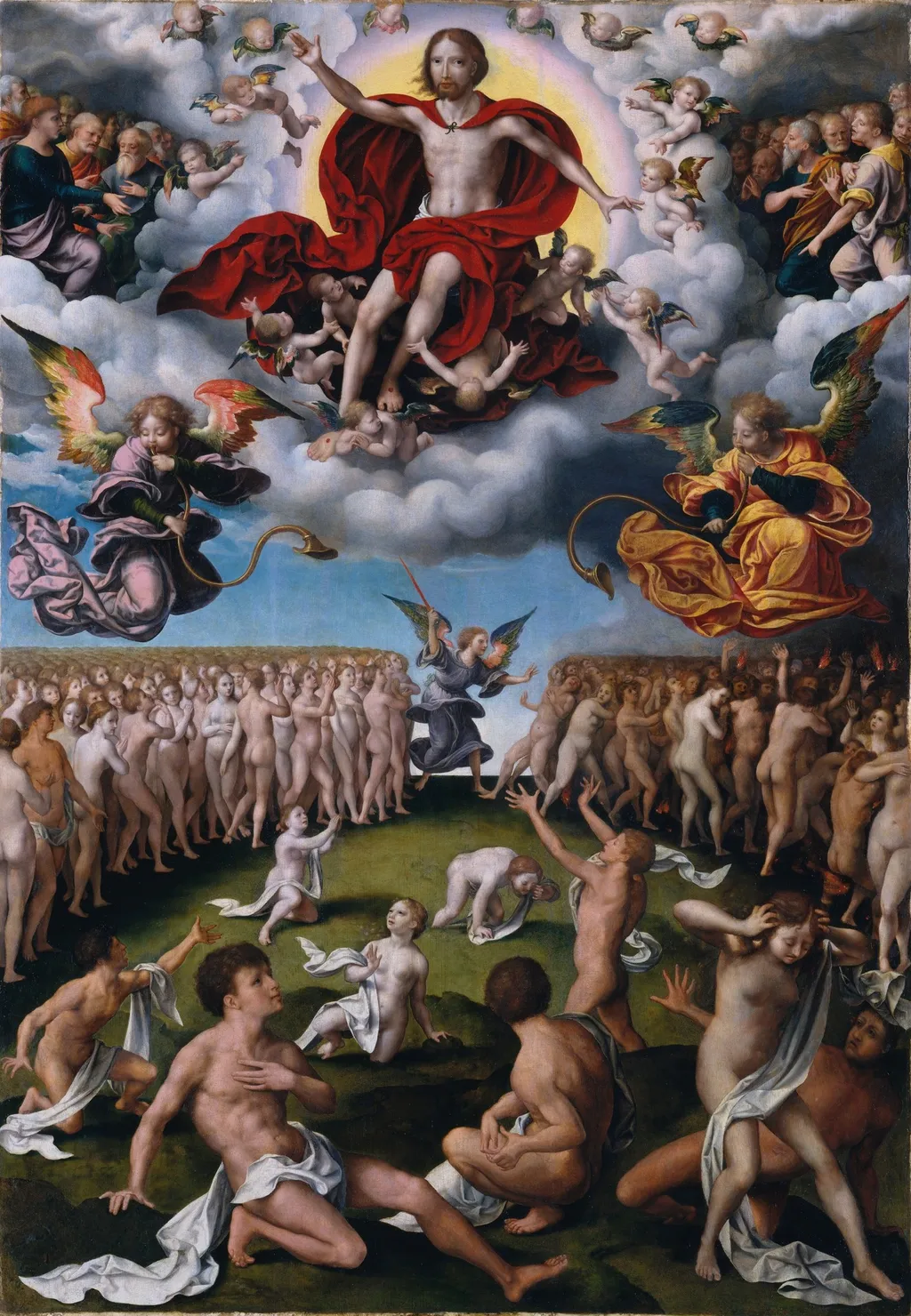
The Last Judgment is an oil painting by the Northern Renaissance artist Joos van Cleve. It dates from 1520 and is held in the collection of the Metropolitan Museum of Art.
About this work
Subject & Meaning
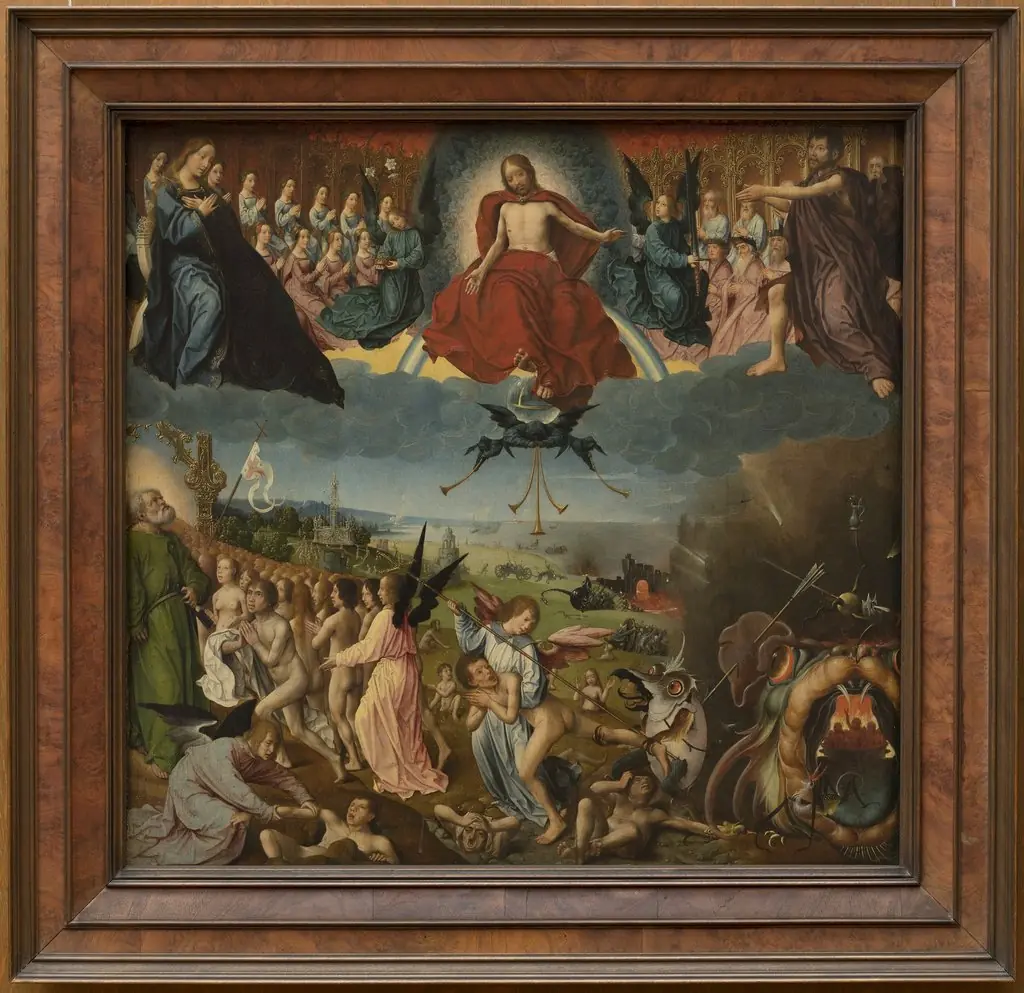
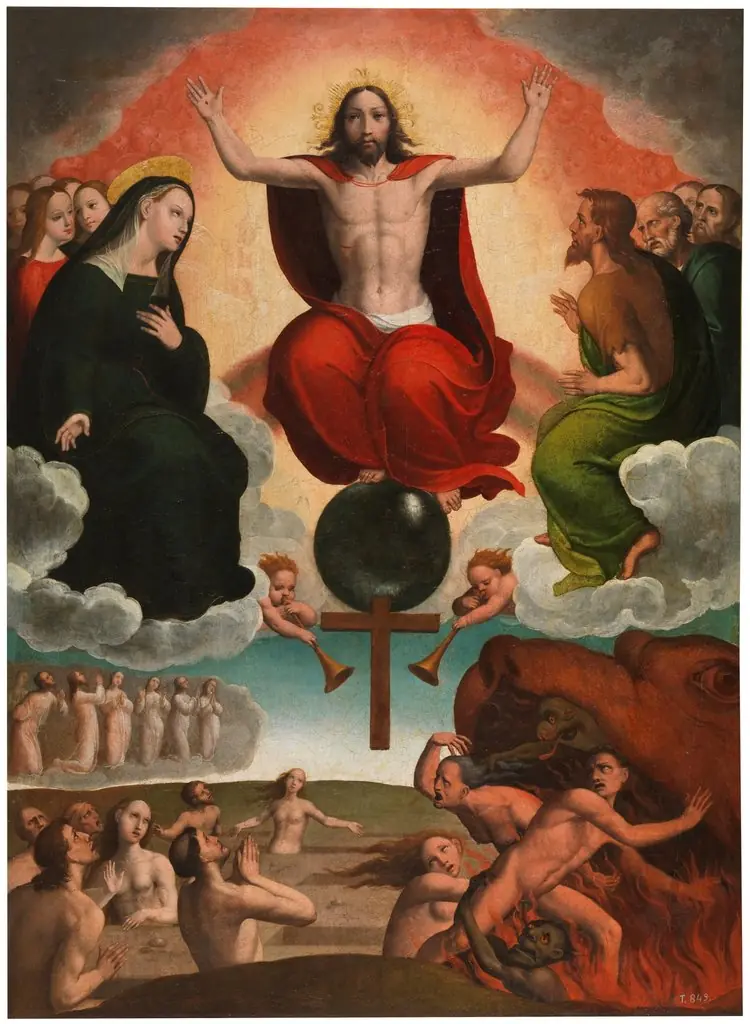
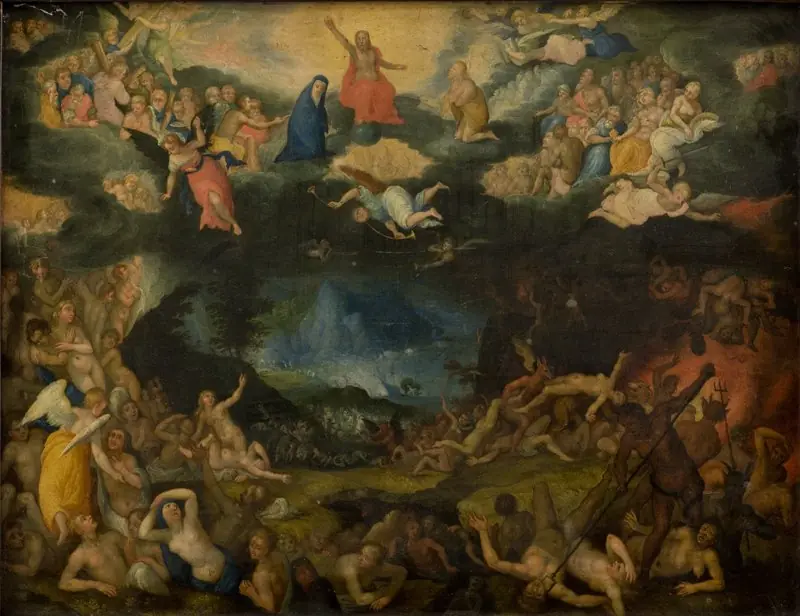
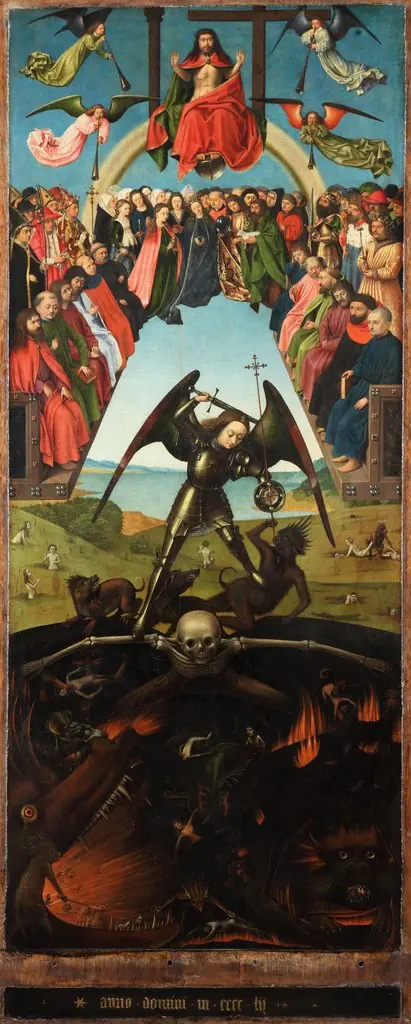
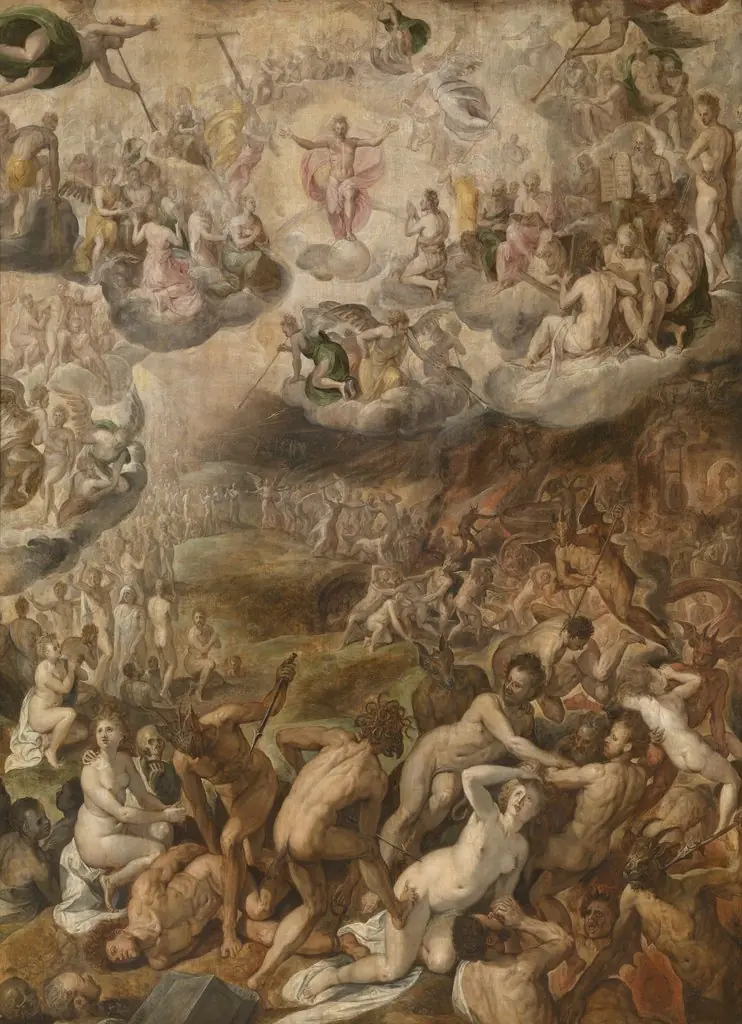
Joos van Cleve's painting treats the Day of Judgment as its central subject, presenting a religious scene in which Christ presides over the reckoning of souls.
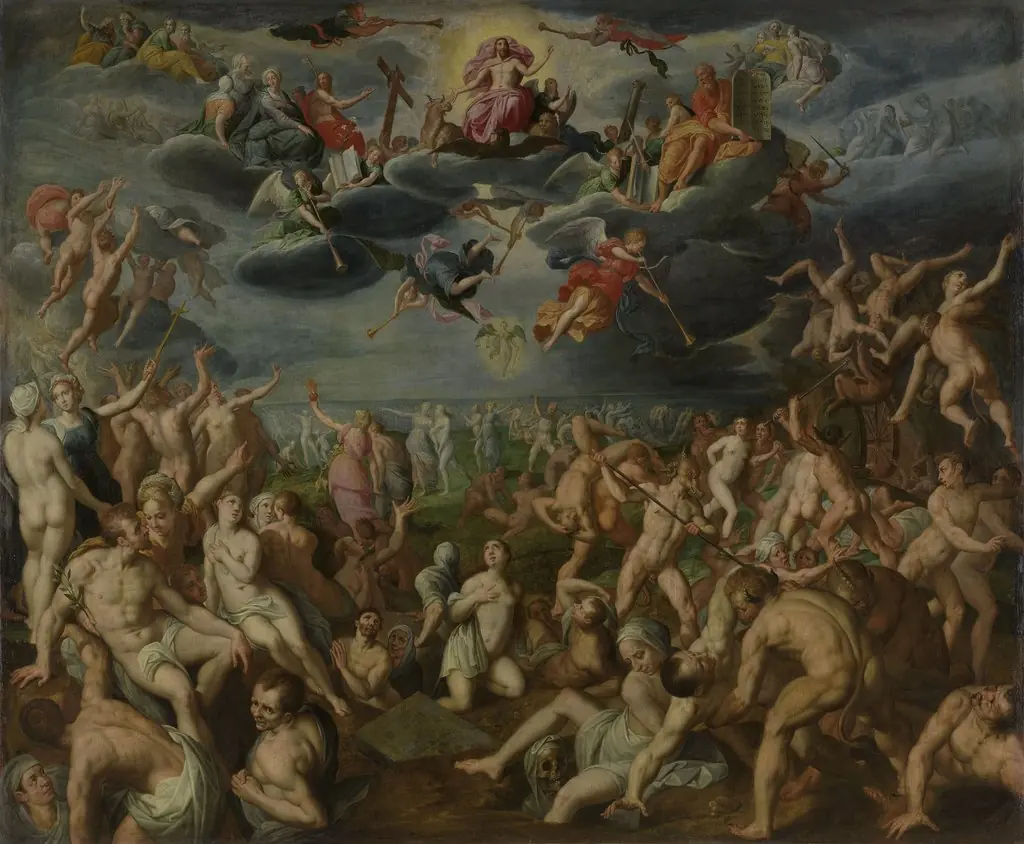
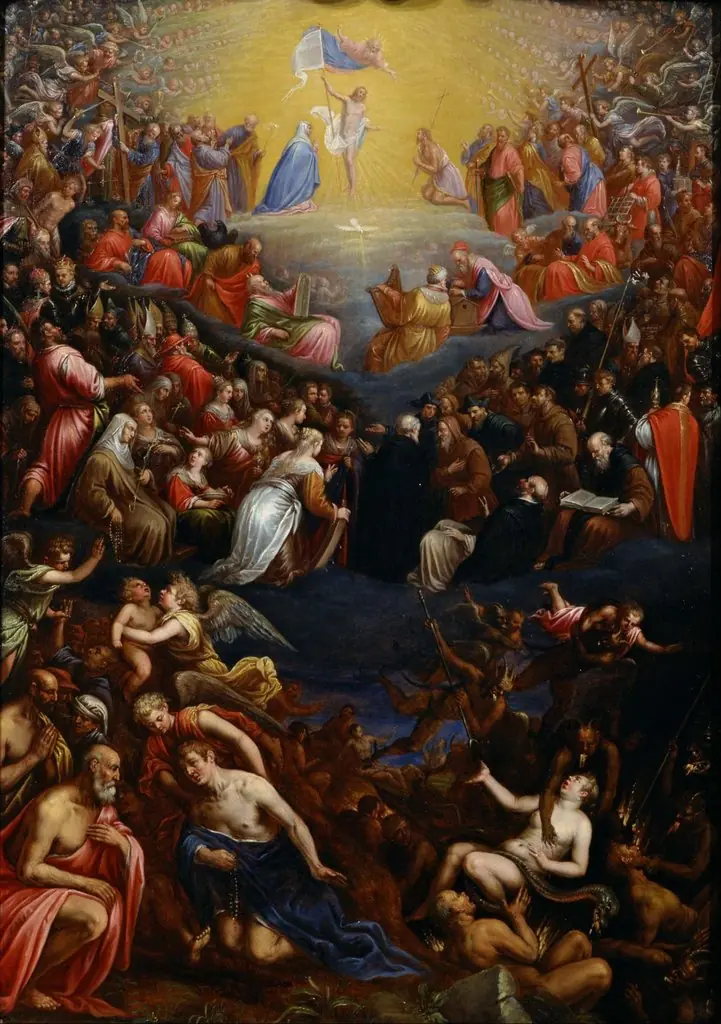
Joos van Cleve's painting treats the Day of Judgment as its central subject, presenting a religious scene in which Christ presides over the reckoning of souls. The composition incorporates traditional iconographic elements associated with eschatological imagery, including nude figures, angels, and putti, which together populate the heavenly realm around the figure of Christ. The inclusion of these supporting beings reflects the conventional visual vocabulary used to convey the divine court and the intercession of celestial hosts during the final adjudication.
By anchoring the work in the well-established theme of the Last Judgment, the artist situates the panel within a long devotional tradition intended to communicate the gravity of divine judgment and the spiritual stakes awaiting humanity.
Technique & Style
The Last Judgment by Joos van Cleve is executed in oil paint on panel, a standard support for Netherlandish painters of the early sixteenth century. The work is a religious painting on a vertical panel measuring 123.8 cm in height and 86.4 cm in width. Its imagery is rendered in oil, a medium that allowed the fine modeling and layered glazes typical of Antwerp workshop practice around 1520.
The composition depicts the Day of Judgment, populated with nudes, angels, putti, and Christ, subjects that required careful handling of flesh tones, drapery, and atmospheric effects through the oil technique. The panel format and oil medium are consistent with the artist's documented production of devotional and eschatological subjects in this period.
History & Provenance
The Last Judgment, an oil-on-panel work by Joos van Cleve, was created in 1520. The painting entered the collection of the Metropolitan Museum of Art, where it is currently held. No further details regarding the original commission, intermediate ownership, or earlier provenance are documented in the available sources.
The Last Judgment, an oil painting on panel created by Joos van Cleve around 1520, is held in the collection of the Metropolitan Museum of Art. The work measures 123.8 centimeters in height and 86.4 centimeters in width. While the sources confirm the artwork's current location and physical attributes, they do not provide a specific inventory or accession number, nor do they list any past or present exhibitions where the piece has been displayed.
Overview
The Last Judgment is an oil painting depicting a complex, multi-figure composition. The work presents a dramatic and emotionally charged scene, characterized by a sense of tension and anticipation. It features a celestial realm above and an earthly landscape below, populated by numerous individuals.
The artist employed oil paint to render the intricate details and the overall atmospheric effect of this significant narrative.
Own this work as a print
Artist & collection
Artist
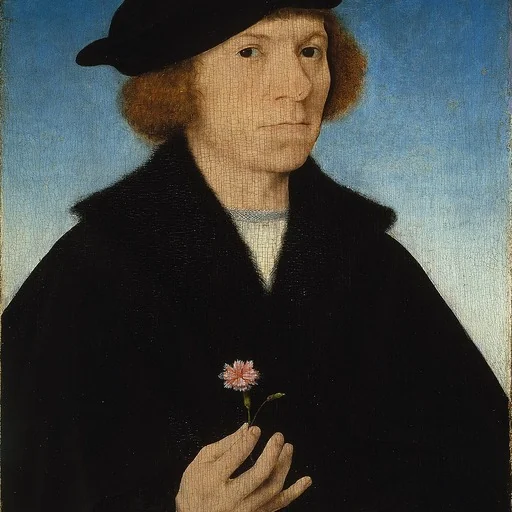
Joos van Cleve (; also Joos van der Beke; c. 1485–1490 – 1540/1541) was a leading painter active in Antwerp from his arrival there around 1511 until his death in 1540 or 1541. Within Dutch and Flemish Renaissance…