Artwork
Cristoph Wilibald von Gluck at the Spinet
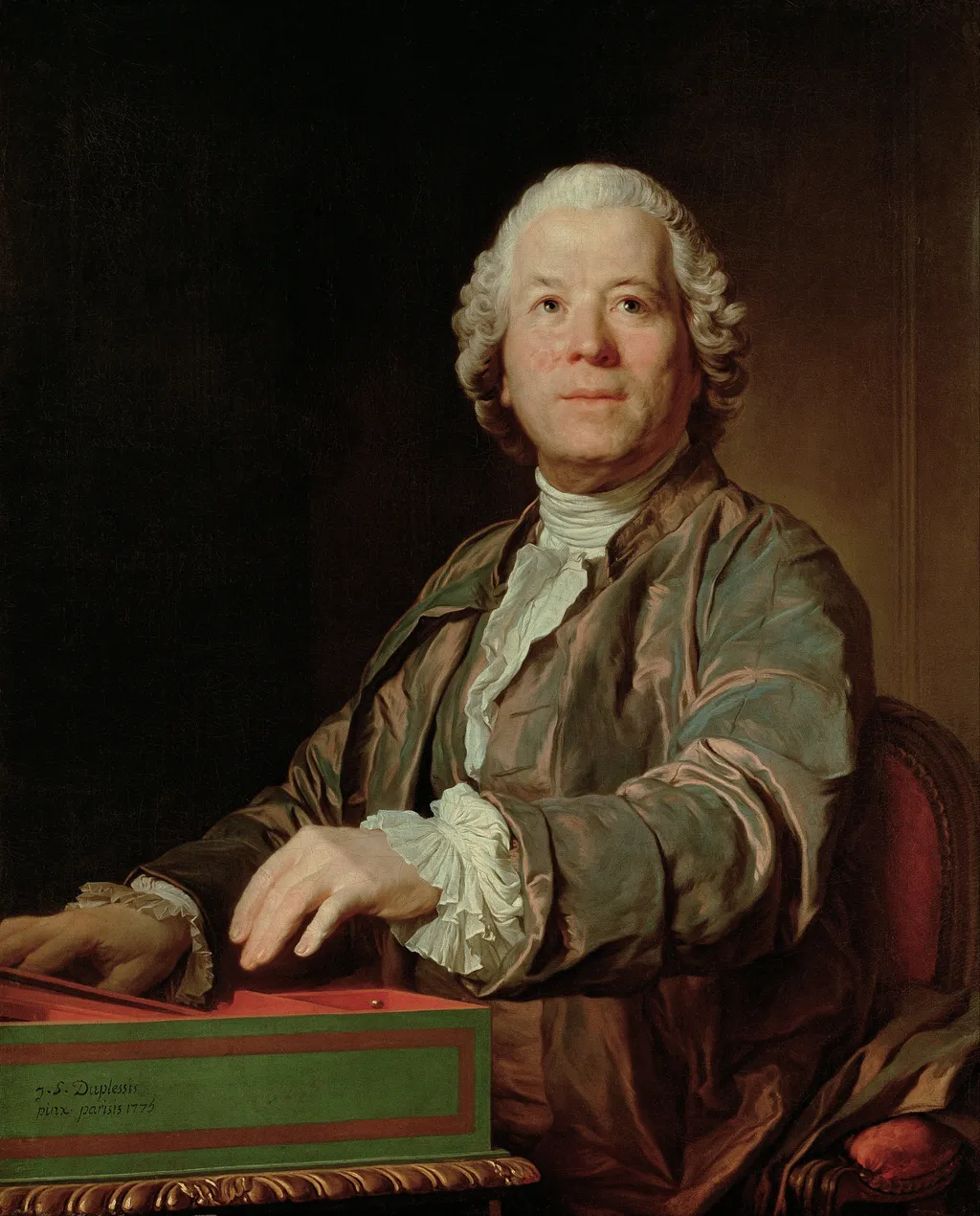
Cristoph Wilibald von Gluck at the Spinet is an oil painting by the Rococo painting artist Joseph Siffred Duplessis. It dates from 1775 and is held in the collection of the Kunsthistorisches Museum. This 1775 oil painting by Joseph Duplessis depicts Christoph Willibald Gluck seated at a spinet.
About this work
Subject & Meaning
The work symbolizes Gluck’s significance as a reformer of opera and his prominence in the musical life of Vienna and Paris during the mid‑1770s.
The portrait depicts the composer Christoph Willibald von Gluck seated at a spinet, a keyboard instrument, emphasizing his connection to music. He is shown in contemporary 18th‑century attire, reflecting his status within the cultural elite of the Habsburg court. The work symbolizes Gluck’s significance as a reformer of opera and his prominence in the musical life of Vienna and Paris during the mid‑1770s.
The painting was praised by the composer and displayed prominently in his home, and it was exhibited at the 1775 Salon in Paris before entering the Kunsthistorisches Museum’s collection.
Technique & Style
The portrait is executed in oil on canvas, measuring 99.5 × 80.5 cm. The medium and support are consistent with the conventions of late eighteenth-century French academic portraiture. As a formal portrait by Joseph-Siffred Duplessis, a fashionable portraitist of the period, the work presents its sitter seated at a spinet, an instrument that signals both Gluck's musical profession and his cultivated status. The composition belongs to the genre of individual portraiture, balancing personal likeness with attributes of the sitter's public identity.
The painting's handling would have aimed at a refined naturalism appropriate to a composer celebrated at the Habsburg court, with the spinet serving as a meaningful prop within the portrait's staged setting.
History & Provenance
The portrait was painted in 1775 by Joseph Siffred Duplessis during Gluck’s extended stay in Paris, where the composer sat for the artist at the height of his reputation in the Habsburg court in Vienna.
The work was exhibited at the Salon of 1775 in the Louvre, where it appeared alongside a bust of Gluck by Jean-Antoine Houdon. Gluck expressed satisfaction with the finished painting and displayed it prominently in his home. It later entered the collection of the Kunsthistorisches Museum in Vienna, where it remains.
The painting is currently held in the collection of the Kunsthistorisches Museum in Vienna. It was originally exhibited at the Salon of 1775 at the Louvre in Paris, where a bust of the subject by Jean-Antoine Houdon was also displayed. Following its exhibition, the work entered the composer's personal collection, where it was hung with pride in his house before eventually reaching its present institutional home.
Context
Joseph Duplessis's 1775 portrait of Christoph Willibald Gluck captures the composer during his extended visit to Paris, reflecting his established reputation at the Habsburg court in Vienna. The work was publicly unveiled at the Salon of 1775 at the Louvre, where it was displayed alongside a bust of the subject by Jean-Antoine Houdon. Duplessis, recognized as a fashionable portraitist of the era, produced a result that Gluck personally celebrated, choosing to hang the painting with pride in his own residence.
The piece subsequently entered the collection of the Kunsthistorisches Museum in Vienna, securing its place as a significant visual document of the composer's life and the artistic milieu of late eighteenth-century France.
Overview
This 1775 oil painting by Joseph Duplessis depicts Christoph Willibald Gluck seated at a spinet. The work is a portrait of the renowned composer, showcasing his likeness in a contemplative pose.
Own this work as a print
Artist & collection

Artist
Joseph-Siffred Duplessis (22 September 1725 – 1 April 1802) was a French painter known for the clarity and immediacy of his portraits.

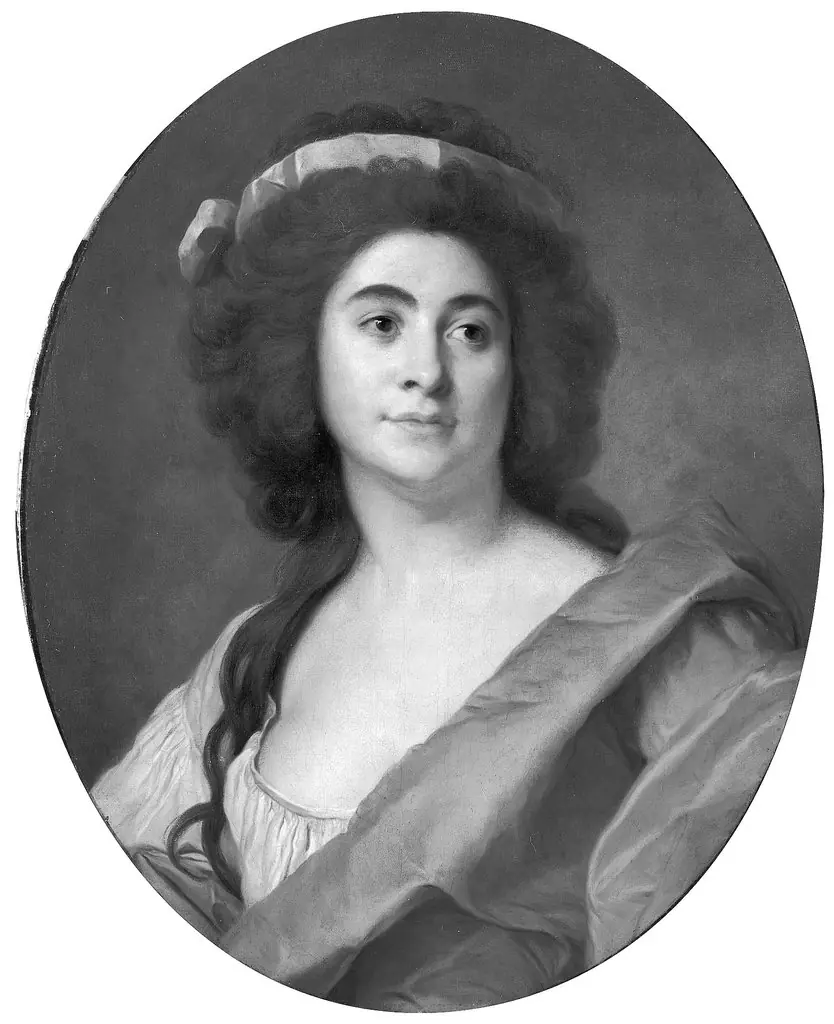
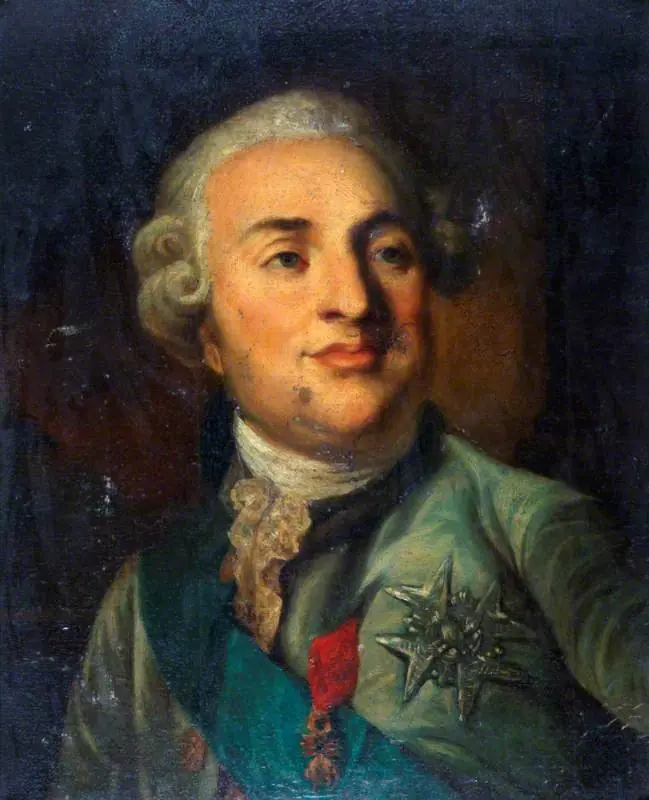
- Portrait of Ivan Ivanovich Betskoi Wearing a Dressing Gown (copy)
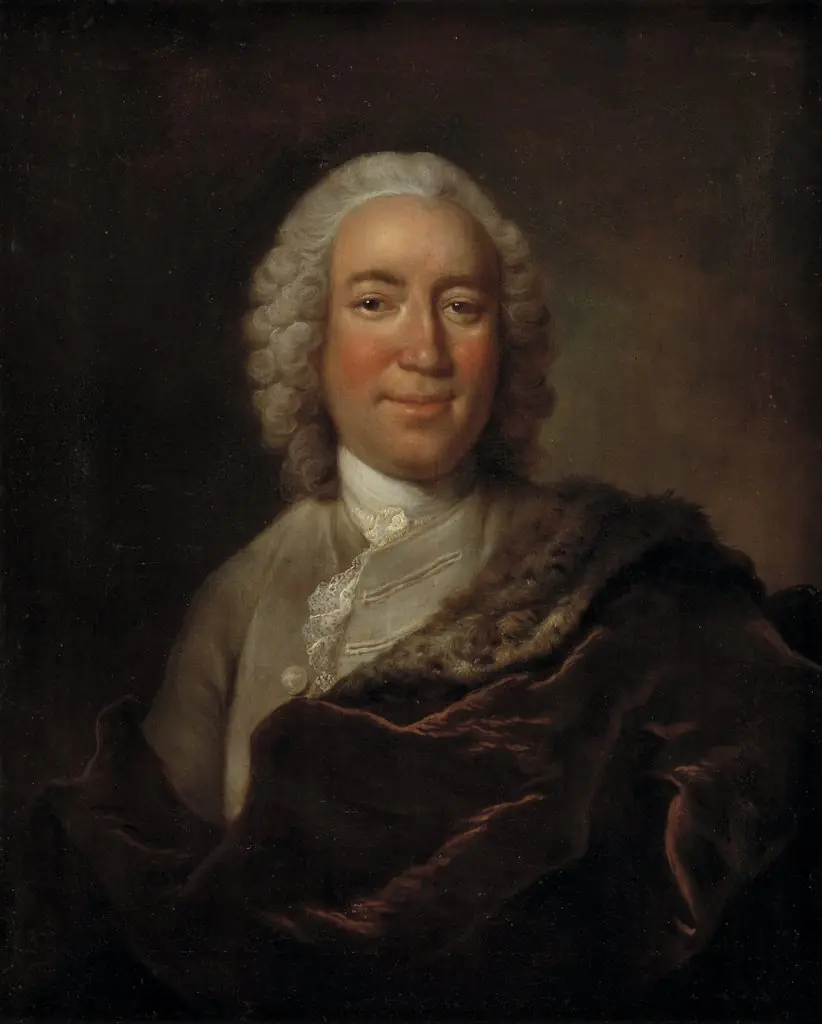 Gerhard Morell, Keeper of the Royal Danish Kunstkammer
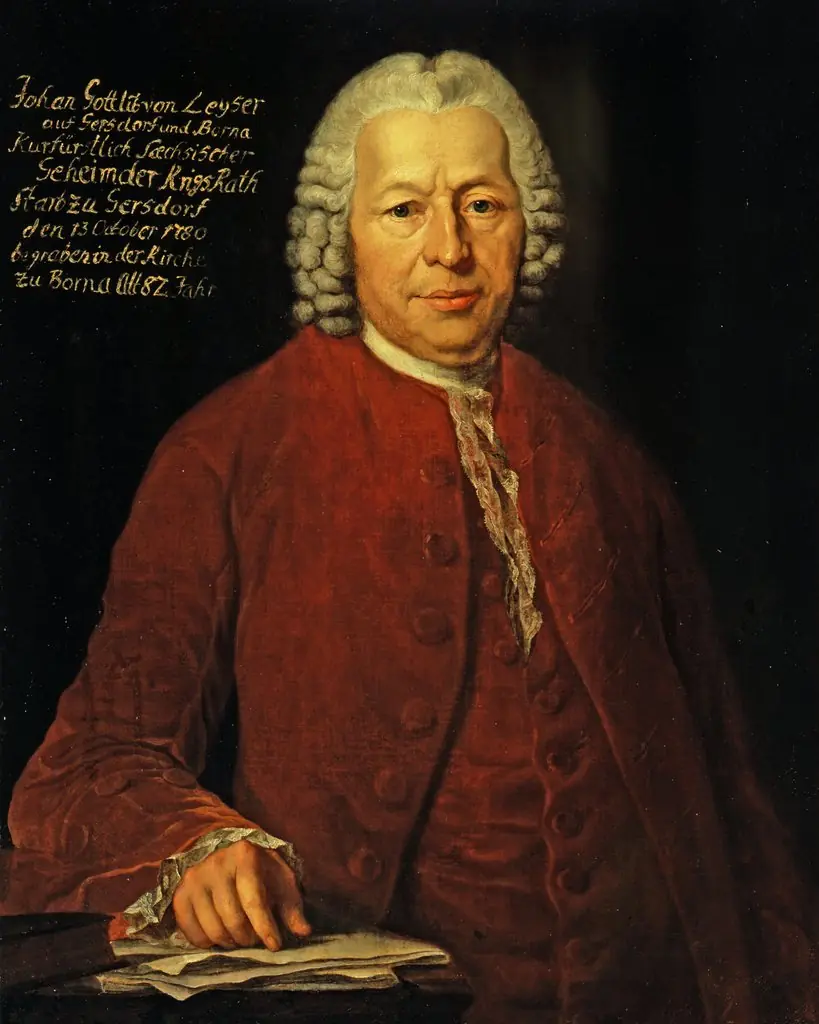 The saxon Electoral Councilor of War Johann Gottlieb von Leyser (around 1698-1780)
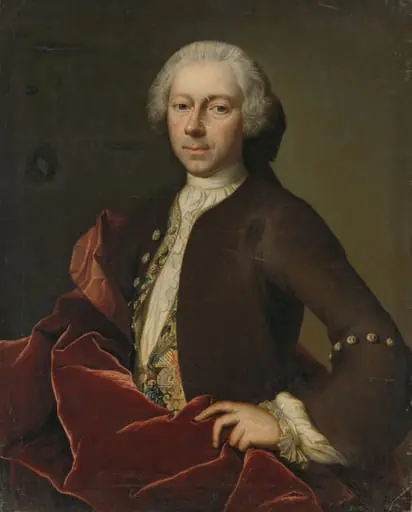 Portrait of Pieter Parker, Alderman, Burgomaster and Councilor of Goes
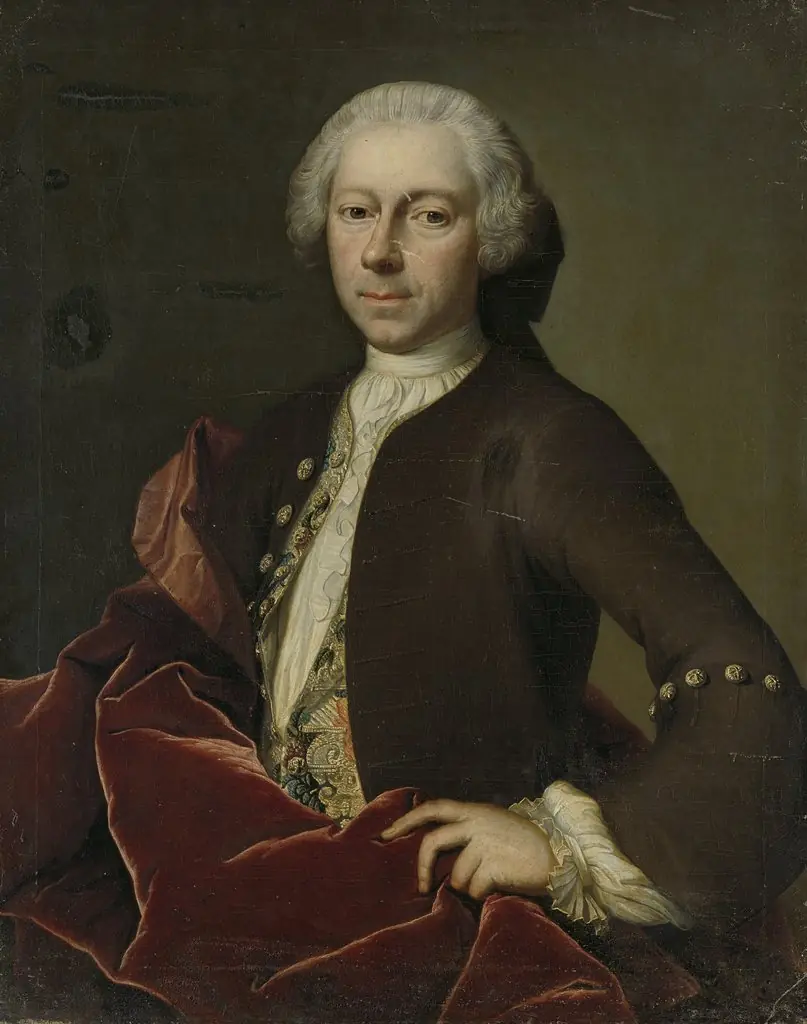 Portrait of Pieter Parker, Alderman, Burgomaster and Councilor of Goes
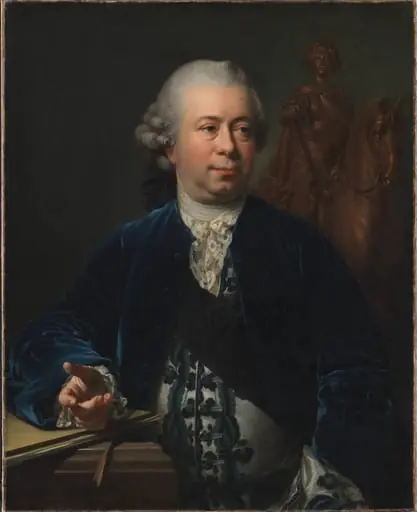 The Sculptor Jacques-François-Joseph Saly
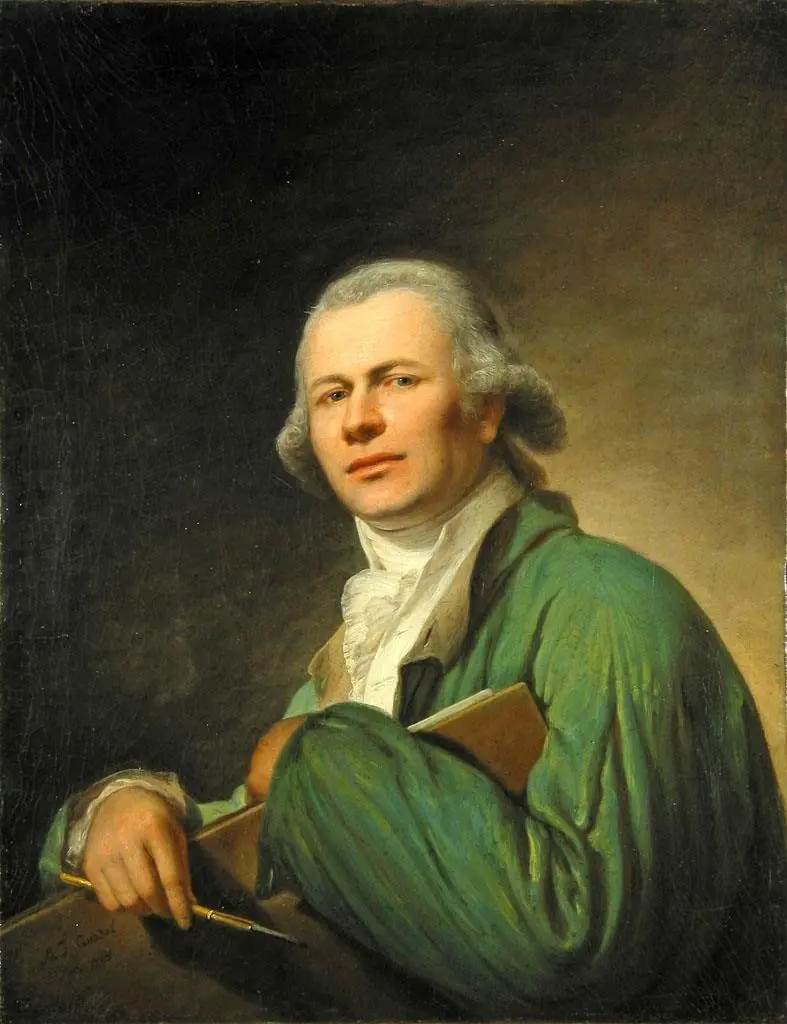 Self Portrait
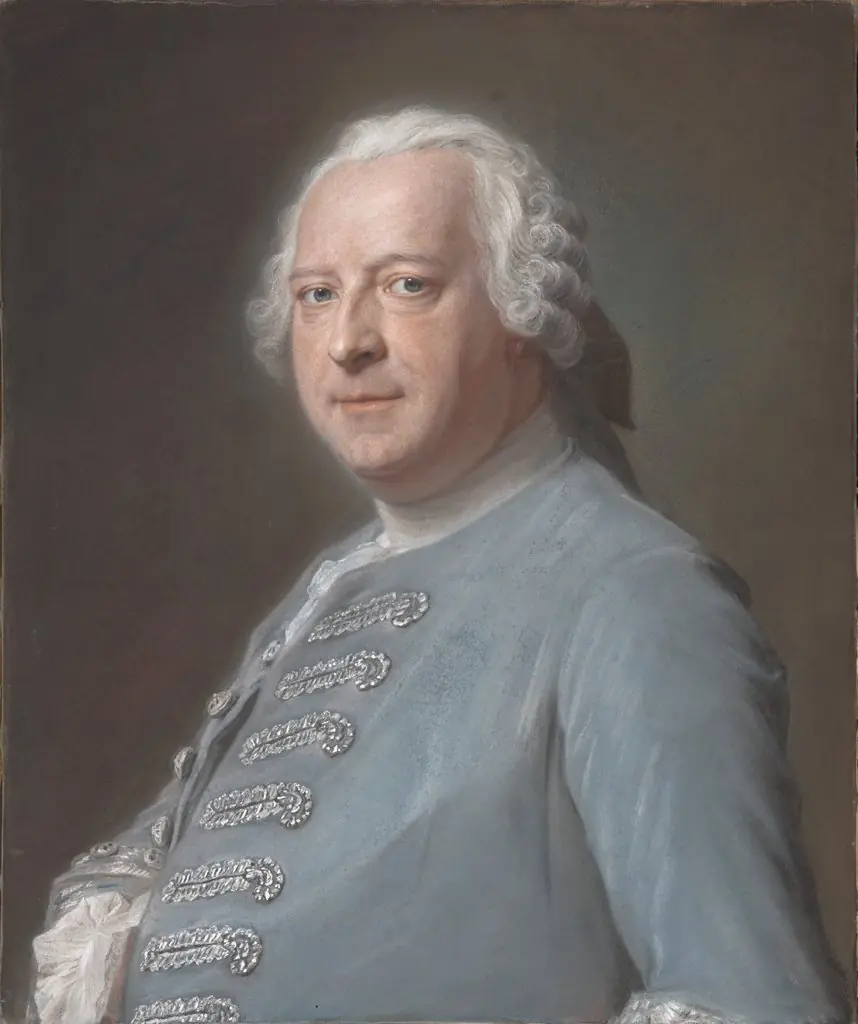 Jean Charles Garnier d'Isle (1697–1755)
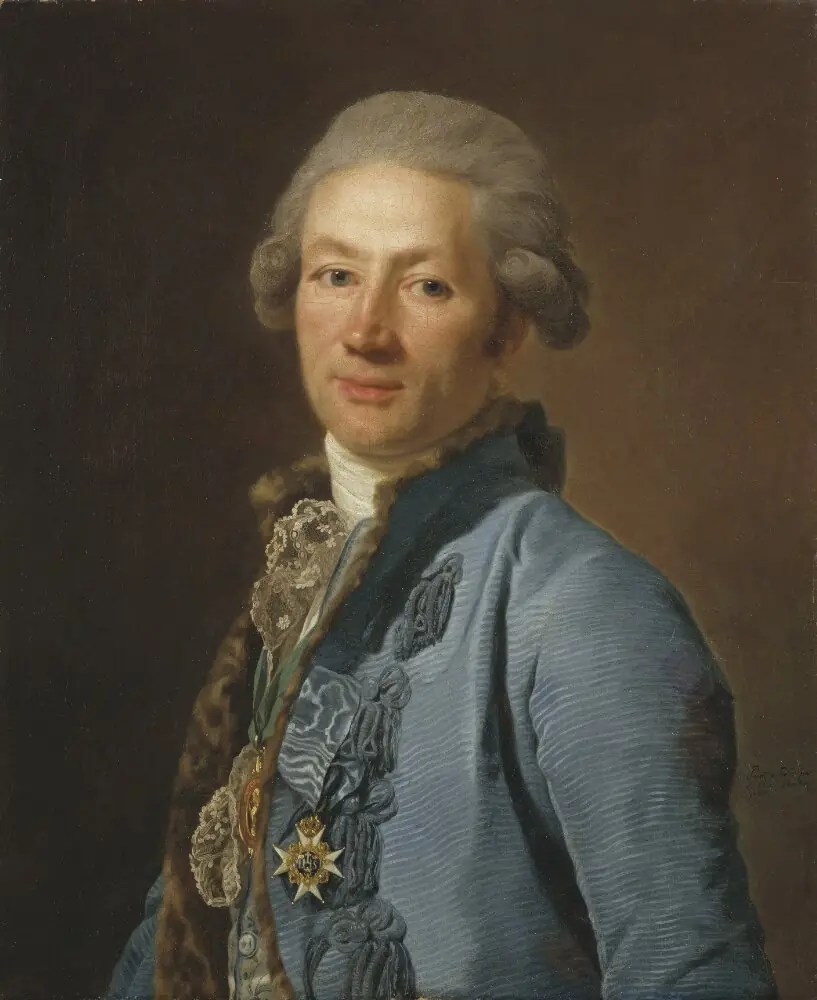 Christoffer Bogislaus Zibet
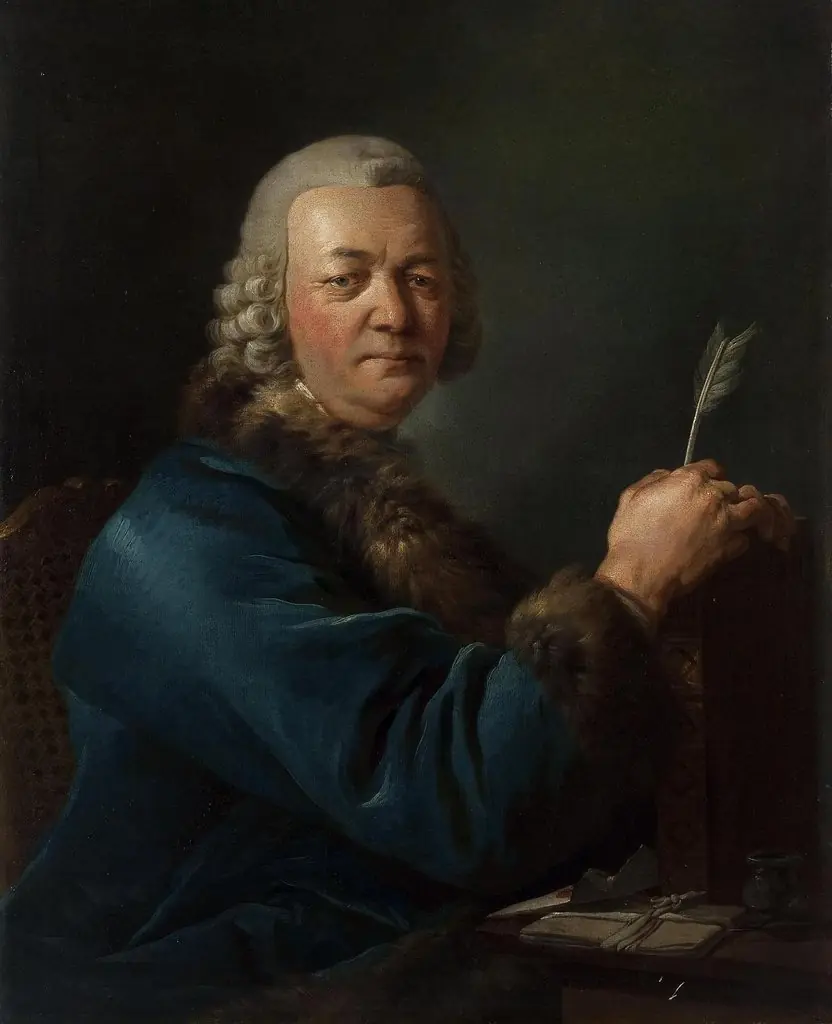 Portrait of Jacob Staehlin
 Gerhard Morell, Keeper of the Royal Danish Kunstkammer
 Claude Jacob