Artwork
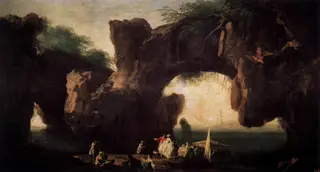
Rocks on a Seashore
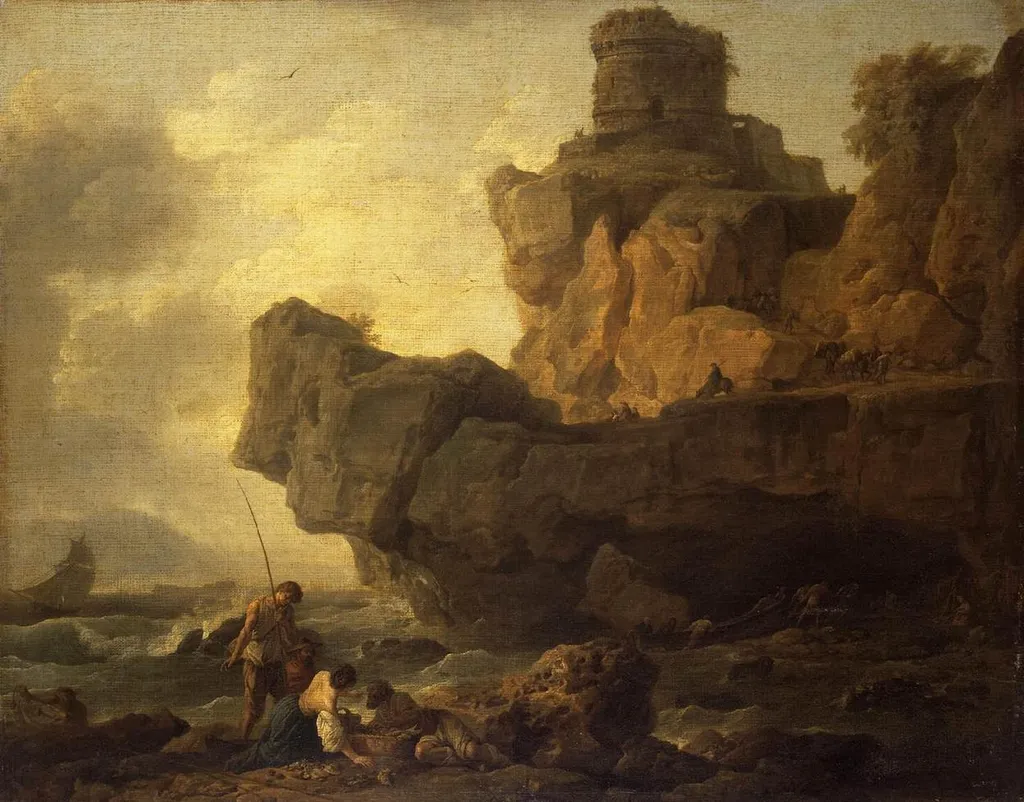
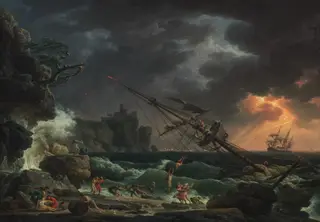
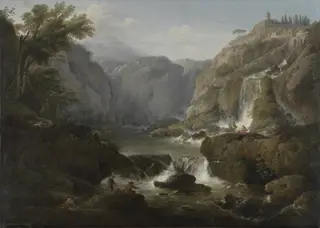
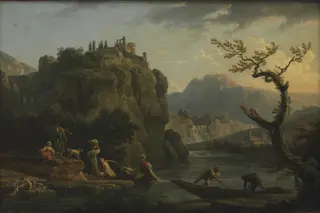
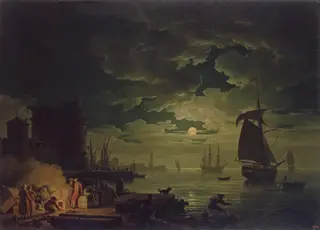
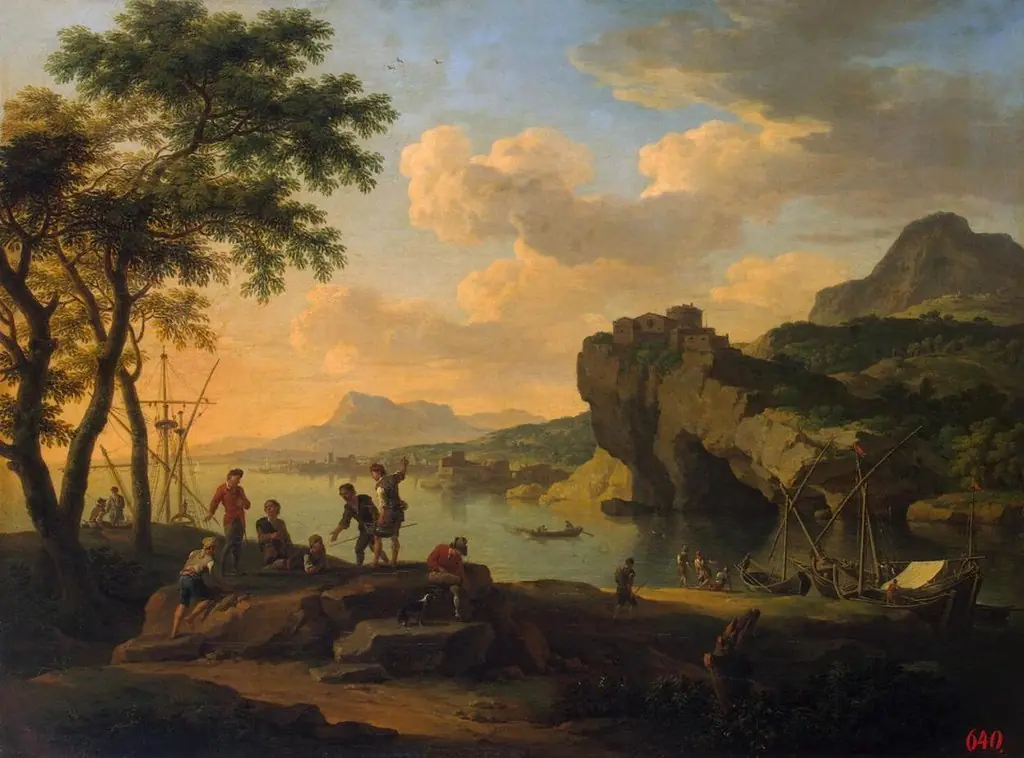
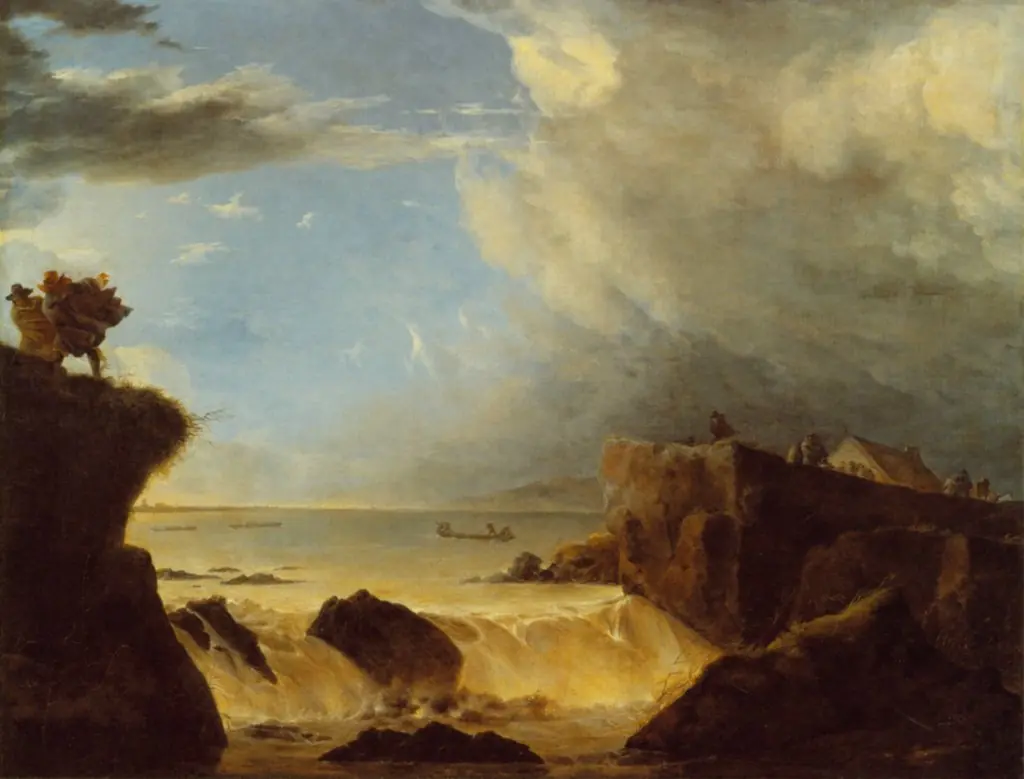
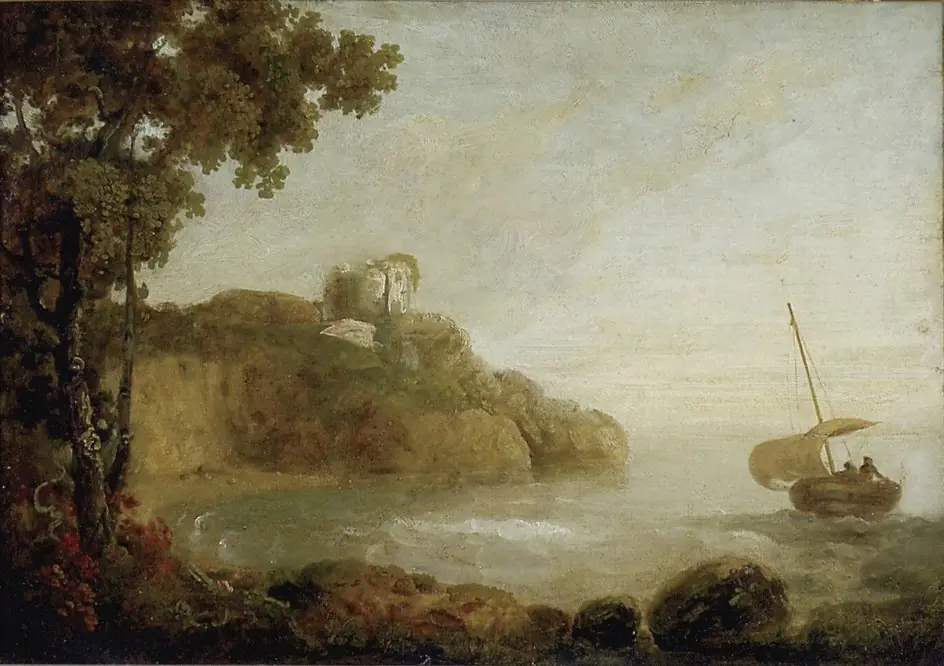
Rocks on a Seashore is an oil painting by the Rococo painting artist Joseph Vernet. It dates from 1753 and is held in the collection of the Hermitage Museum.
About this work
Technique & Style
Joseph Vernet's Rocks on a Seashore, created in 1753, is an oil painting executed on canvas.
Joseph Vernet's Rocks on a Seashore, created in 1753, is an oil painting executed on canvas. The work functions as a landscape and marine art piece, depicting a coastal scene. Physically, the painting measures 83 cm in height and 105 cm in width.
As a French production from the mid-eighteenth century, the piece exemplifies the artist's engagement with seascapes and rocky shorelines using traditional oil techniques on a standard woven support.
History & Provenance
Rocks on a Seashore is an oil painting on canvas created by Joseph Vernet in 1753. The work, executed in France, depicts a coastal landscape and measures 83 cm in height by 105 cm in width. It is currently held in the collection of the Hermitage Museum.
No specific details regarding a commission, previous owners, or the exact circumstances of its creation history are provided in the available records.
Rocks on a Seashore, painted by Joseph Vernet in 1753, is held in the collection of the Hermitage Museum, where it remains part of the institution's holdings of French landscape and marine painting. The work, executed in oil on canvas, measures 83 by 105 cm and was produced in France before entering the Russian imperial collection.
The painting has been associated with the Hermitage's display of Vernet's seascape series, which was acquired in the eighteenth century and has continued to be exhibited as part of the museum's presentation of French eighteenth-century art.
Overview
Created in 1753, Rocks on a Seashore is an oil painting that presents a tranquil coastal landscape. The composition centers on a cluster of rocks and cliffs that extend into a gently rippling sea, rendered with a careful balance of light and shade that invites the viewer’s eye across the foreground to the horizon.
Subject & Meaning
The work portrays a natural shoreline where weathered stone meets water, emphasizing the interaction of earth and sea. By highlighting the subtle reflections and the atmospheric haze, the artist conveys a quiet moment of contemplation, suggesting the enduring presence of nature’s forms amid the ever‑changing tide.
Context
Vernet’s career unfolded in the mid‑eighteenth century, a time when French art favored elegant, decorative approaches to nature. His focus on seascapes reflected both personal interest and patron demand for images that celebrated the beauty and power of the ocean, a theme also pursued by his children, Carle Vernet and Marguerite Émilie Chalgrin, who followed him into painting.
Artist & collection

Artist
Claude-Joseph Vernet (French pronunciation: ; 14 August 1714 – 3 December 1789) was a French painter. His son Carle Vernet and daughter Marguerite Émilie Chalgrin were also painters.