Artwork
Tobias buries the Dead in Nineveh
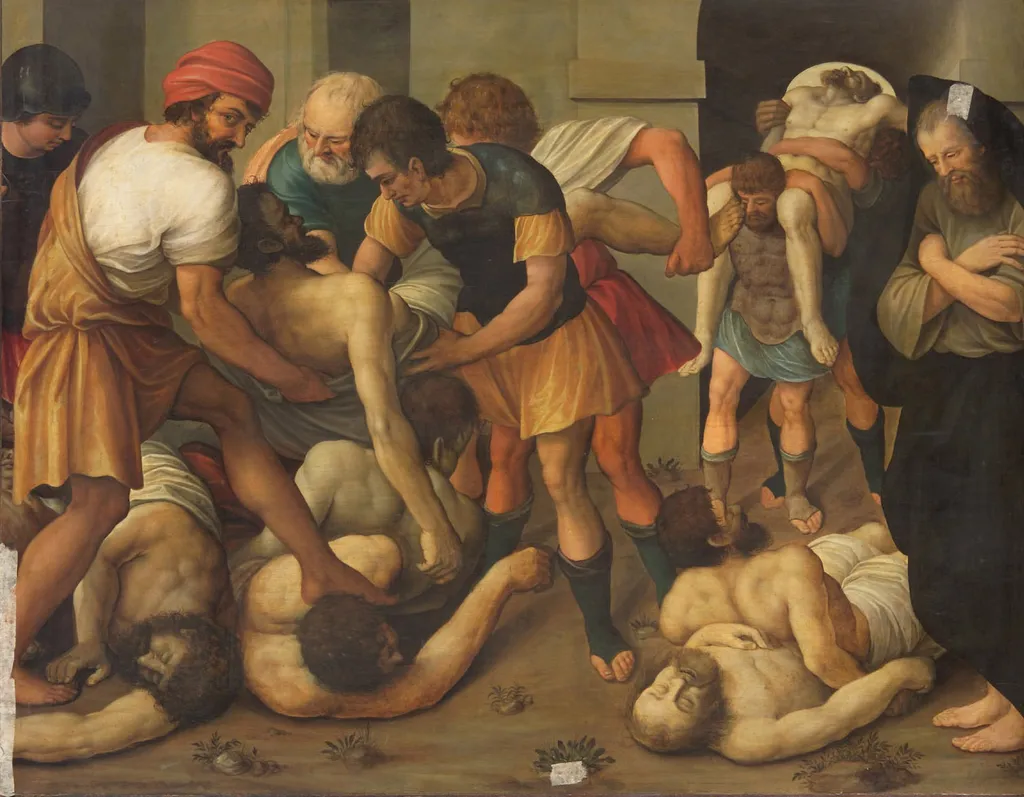
Tobias buries the Dead in Nineveh is an unspecified painting by the Flemish Baroque painting artist Joseph Werner the Younger. It dates from 1665 and is held in the collection of the Kunsthistorisches Museum.
About this work
Subject & Meaning
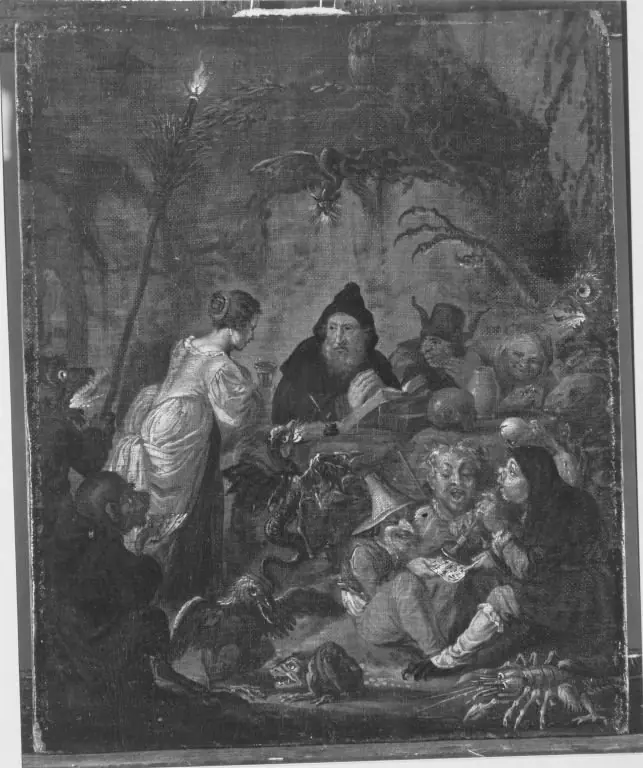
The painting shows Tobias from the Apocryphal Book of Tobit, interring the dead in the Assyrian city of Nineveh.
The painting shows Tobias from the Apocryphal Book of Tobit, interring the dead in the Assyrian city of Nineveh. This act of burial reflects piety and adherence to Jewish law.
The composition emphasizes themes of charity and obedience, with Tobias performing a compassionate duty.
The work is rendered on lime panel, measuring 54 cm by 68 cm, and belongs to the religious genre.
Tobias is depicted as a humble figure engaged in a sacred task, symbolizing mercy and spiritual devotion.
Technique & Style
Tobias buries the Dead in Nineveh is executed on a lime panel, a traditional wooden support commonly used in Northern European panel painting of the seventeenth century. The work is classified as a painting within the religious genre and dates to 1665. Its physical format is relatively modest in scale, measuring 54 cm in height by 68 cm in width, giving it a landscape-oriented composition suited to a narrative scene.
The use of a limewood support rather than canvas or copper is consistent with the panel-painting tradition associated with Joseph Werner the Younger's practice in this period.
History & Provenance
Joseph Werner the Younger created the religious painting Tobias buries the Dead in Nineveh in 1665. The artist executed the work on a lime panel. The piece is currently held in the collection of the Kunsthistorisches Museum, where it remains located.
The painting is housed in the Kunsthistorisches Museum in Vienna. It carries the inventory number 2011/966 and has been part of the museum's collection since its acquisition in 2011. The work was exhibited in the 2015 exhibition 'Religion and Power in Baroque Art' at the Kunsthistorisches Museum.
The piece was created by Joseph Werner the Younger in 1665 using lime panel as the support medium. It was catalogued in the museum's inventory as 2011/966 and has been displayed in the museum's permanent collection galleries since its accession.
Overview
Created in 1665 by Swiss artist Joseph Werner the Younger, this lime‑panel painting portrays a dramatic episode drawn from the biblical narrative of Tobias. Executed in the vigorous Flemish Baroque idiom, the work belongs to the religious genre and captures a moment of intense physical struggle.
Context
The painting reflects the 17th‑century fascination with biblical subjects rendered in a theatrical manner, aligning with the Counter‑Reformation’s demand for emotionally engaging religious art. Its Flemish Baroque characteristics reveal the diffusion of that regional style beyond the Low Countries into Swiss artistic production.
Artist & collection
Artist
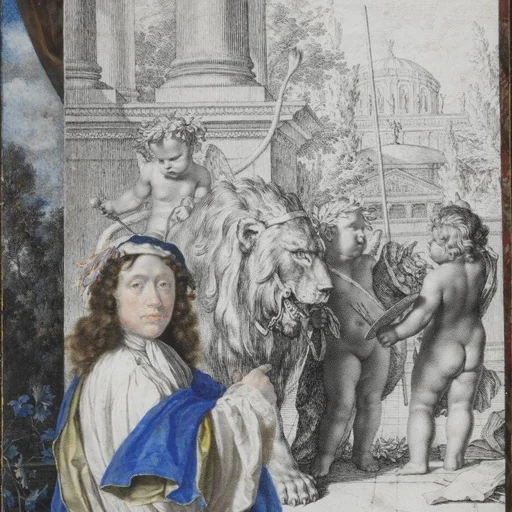
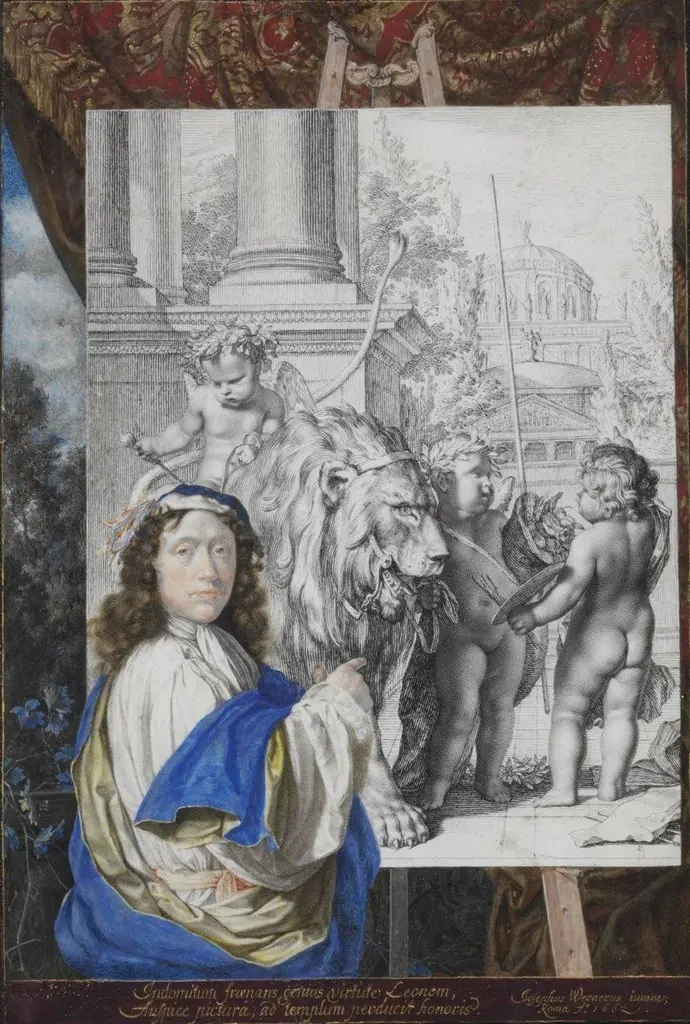
Joseph Werner (22 June 1637 – 21 September 1710), known as the Younger to distinguish him from his painter father of the same name, was a Swiss painter, known for miniatures.

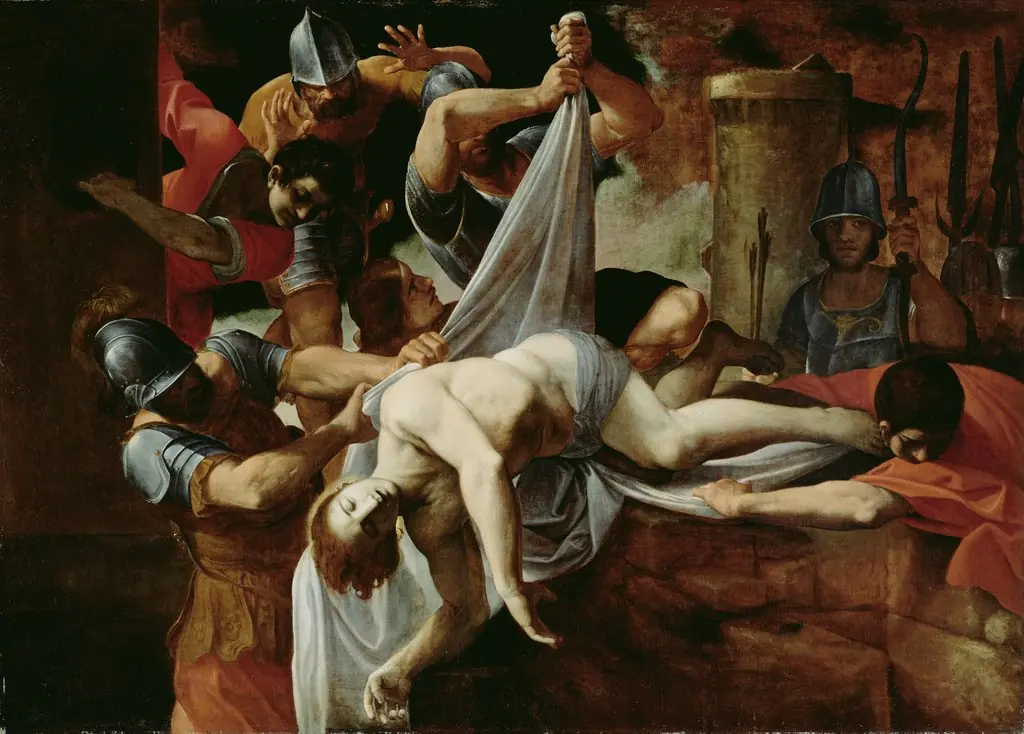
- St. Sebastian Thrown into the Cloaca Maxima
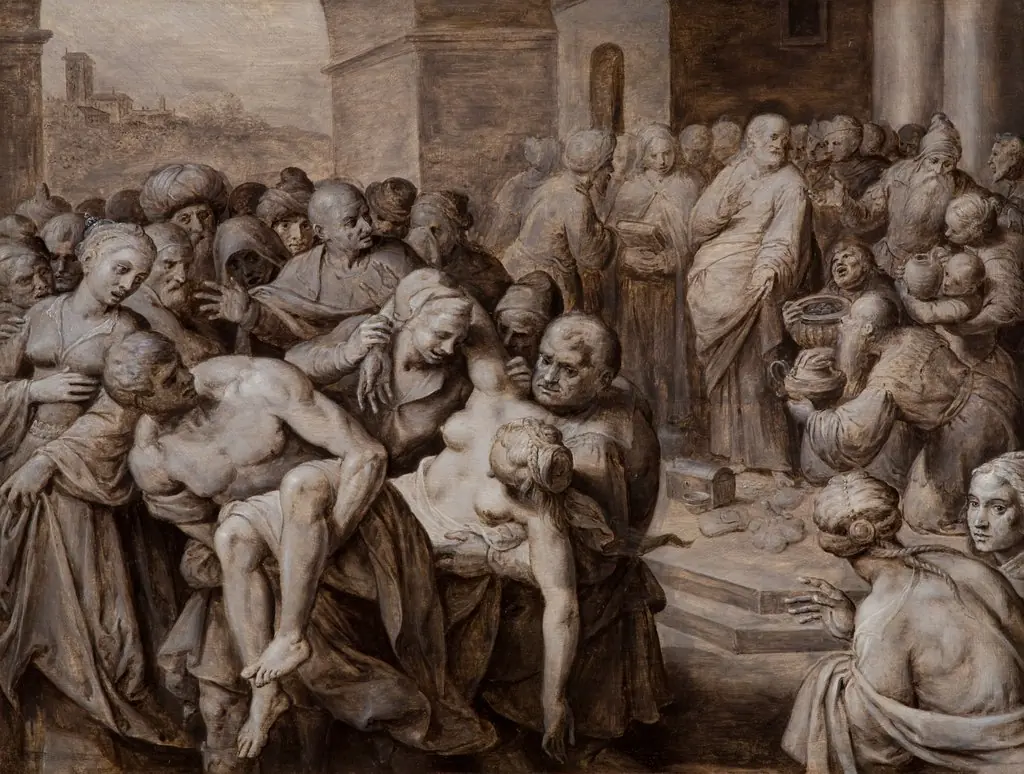 Death of Sapphira
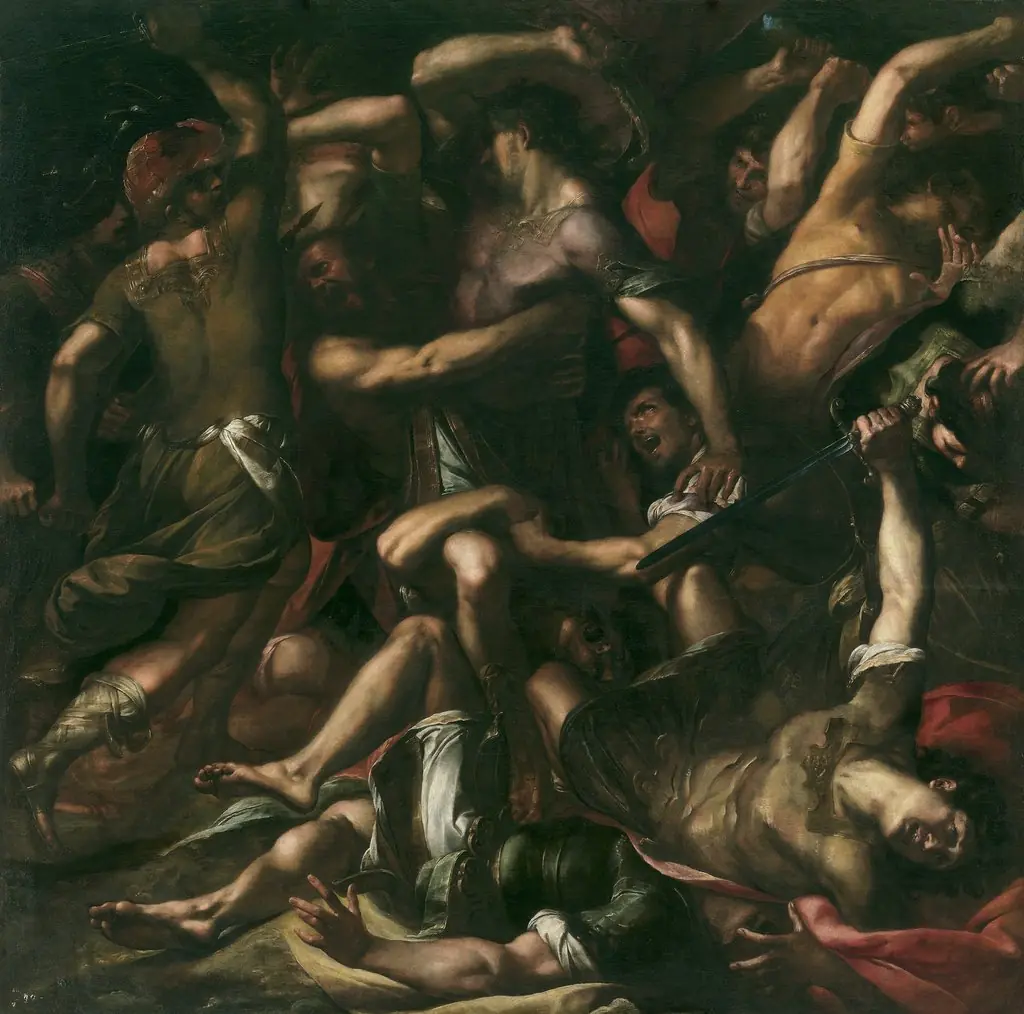 Samson and the Philistines
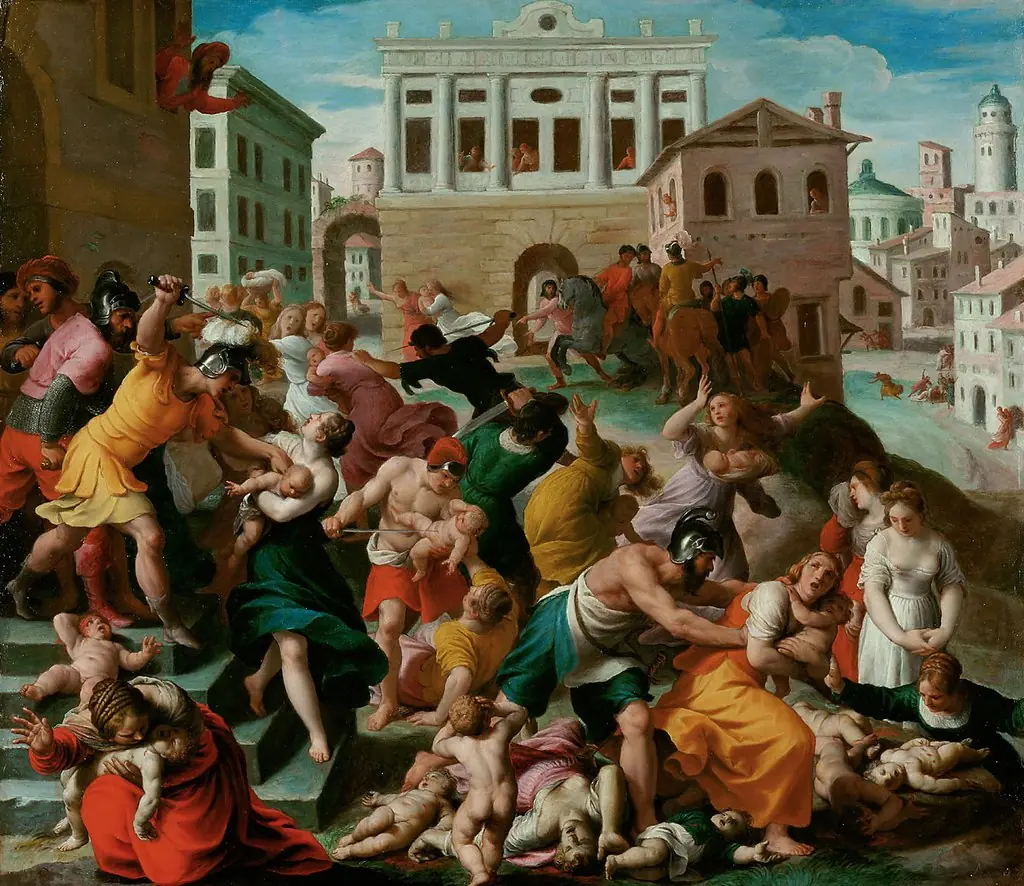 Bethlehemic Child Murder
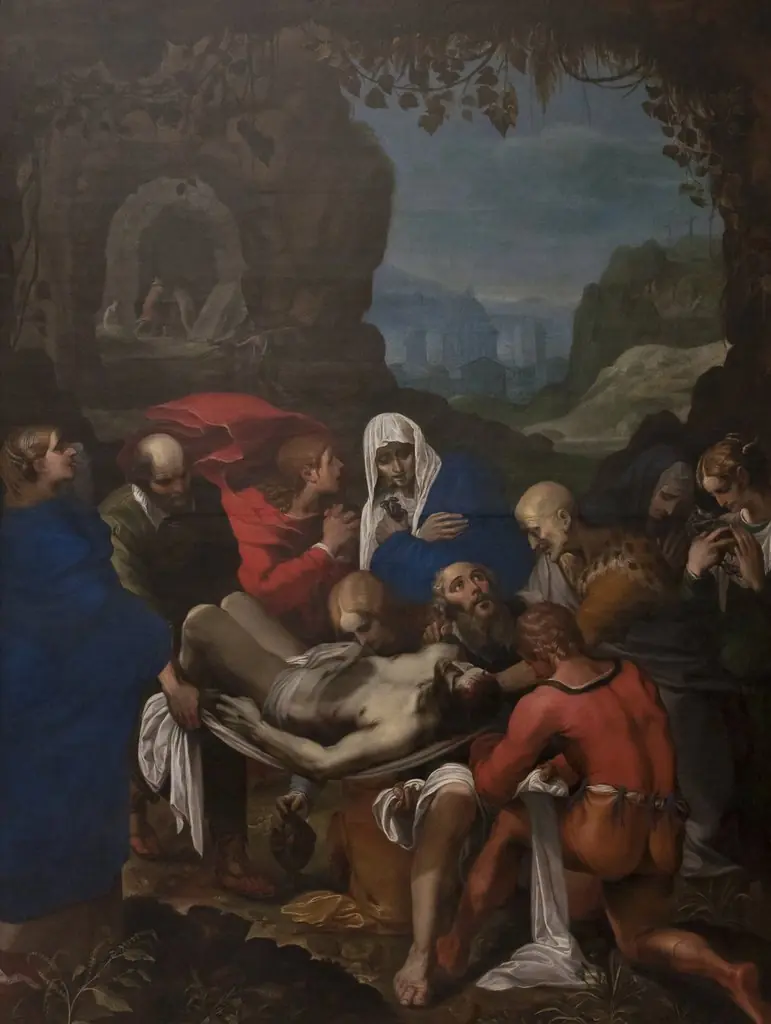 The entombment
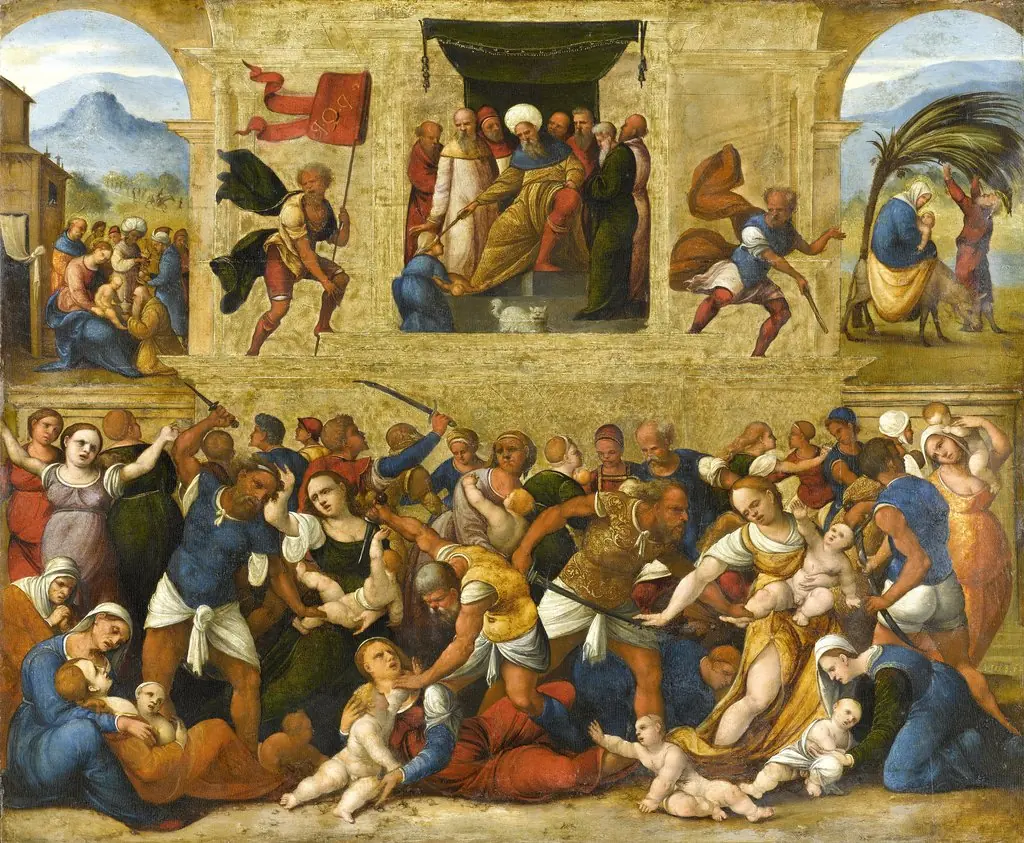 Massacre of the Innocents in Bethlehem
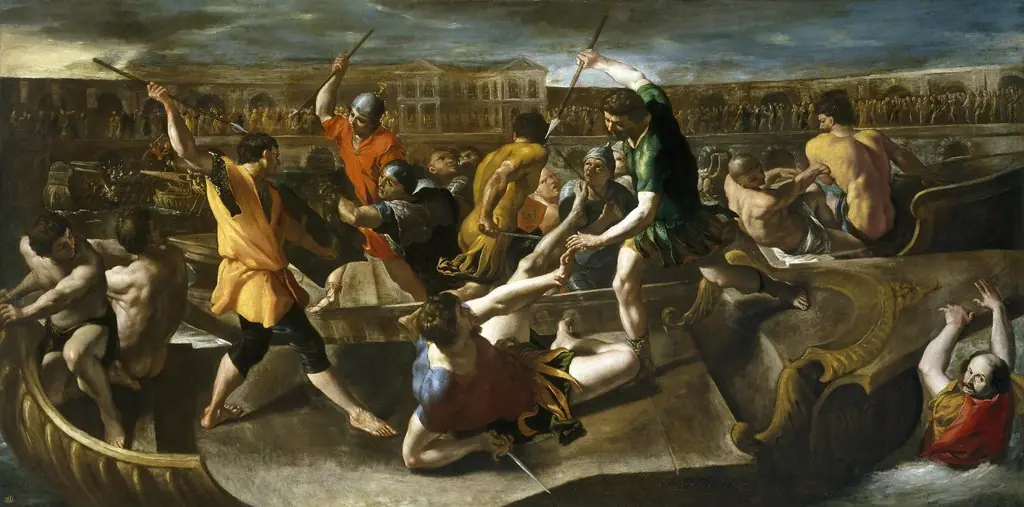 Naumaquia romana
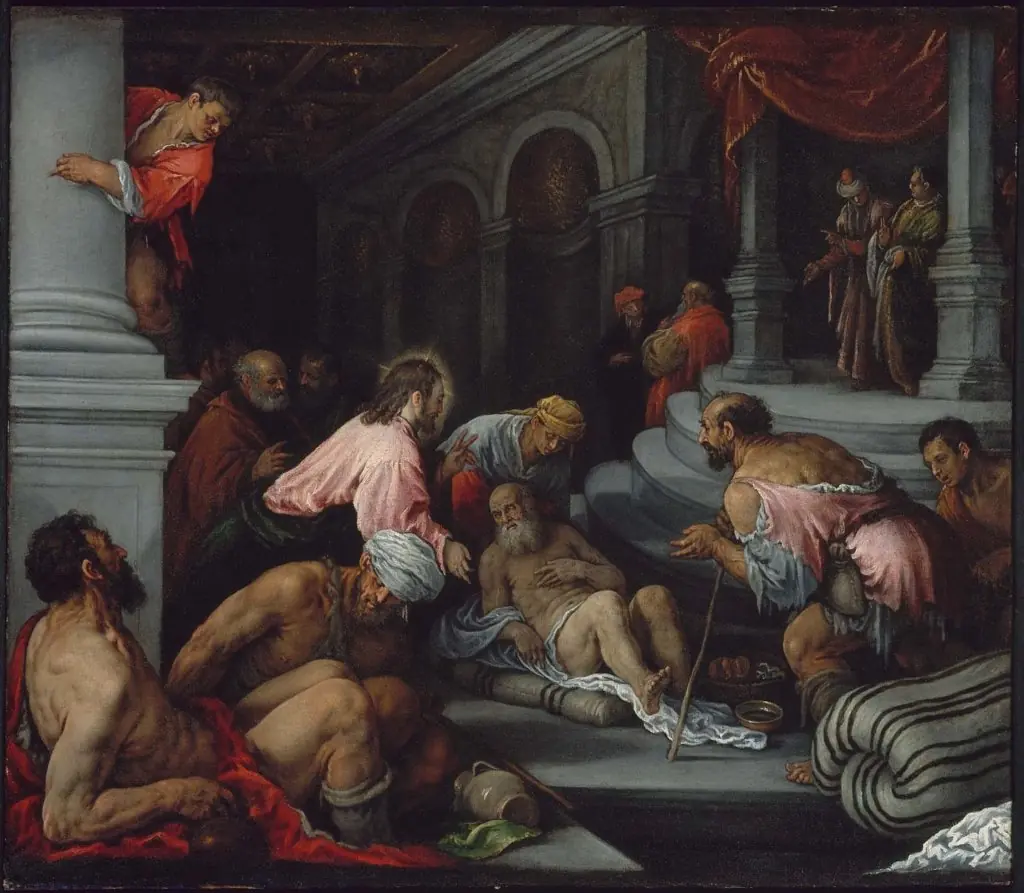 Christ Healing the Lame Man
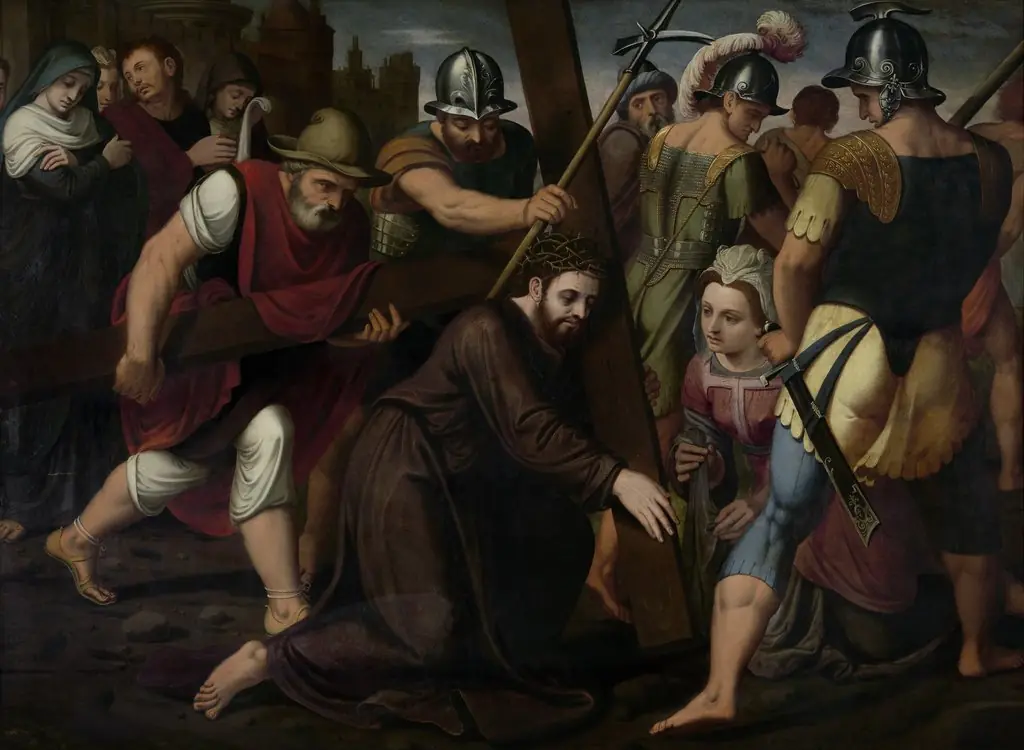 The Bearing of the Cross
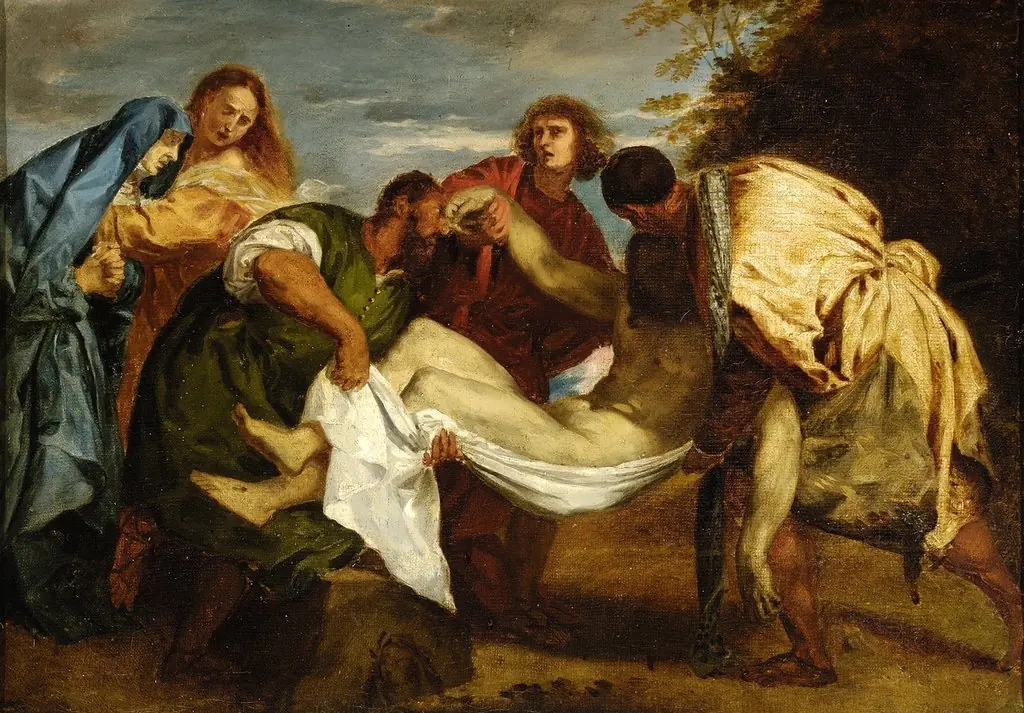 The Entombment
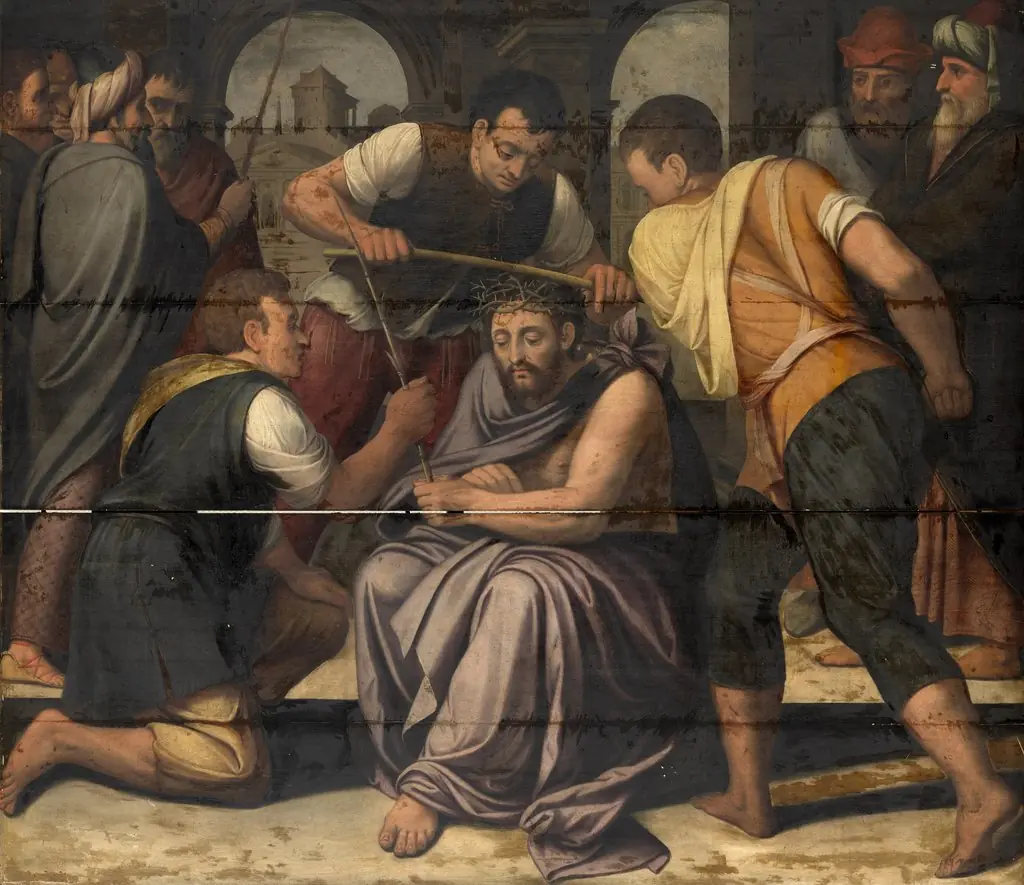 Crowning with Thorns
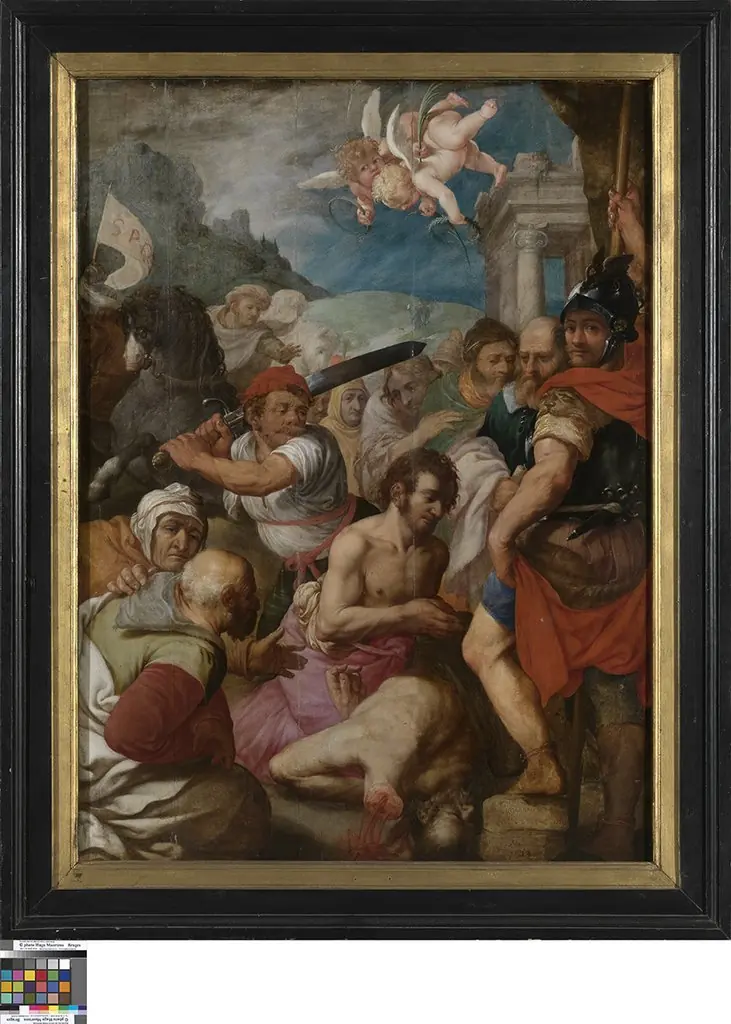 The Martyrdom of the Saints Crispin and Crispinian