Artwork
Naumaquia romana
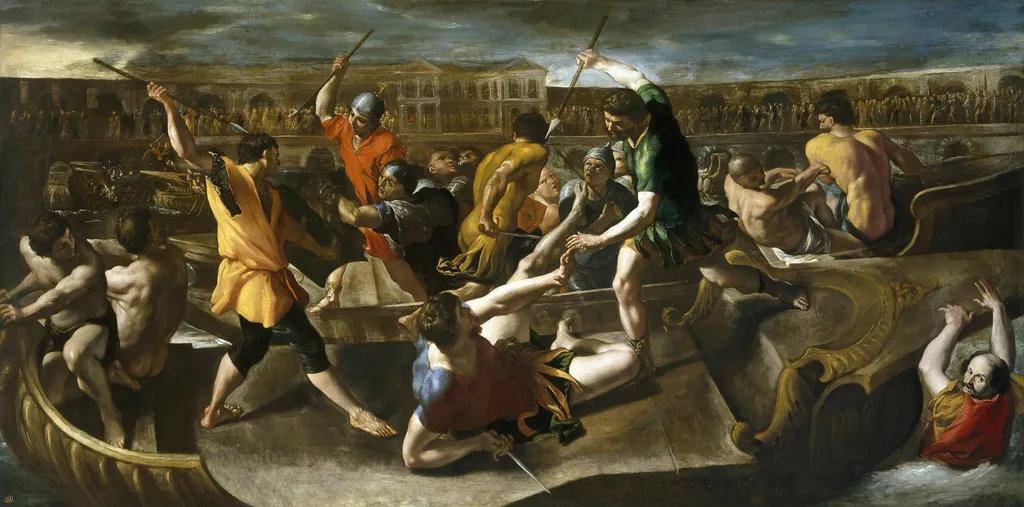
Naumaquia romana is an oil painting by the Early Baroque Italian artist Giovanni Lanfranco. It dates from 1635 and is held in the collection of the Museo del Prado.
About this work
Subject & Meaning
The imagery of armed ships and combat evokes the imperial propaganda of power and entertainment associated with such public games.
The painting portrays a Roman naumachia, a staged sea battle, as indicated by its title. Lanfranco shows vessels on water armed with weapons, emphasizing the martial spectacle of ancient Rome. The imagery of armed ships and combat evokes the imperial propaganda of power and entertainment associated with such public games.
Thus the work represents both a historical reenactment and a symbol of Roman authority and the grandeur of imperial spectacles.
Technique & Style
The painting is executed in oil on canvas, measuring 181 cm in height and 362 cm in width. Executed in 1635, the work employs a fluid handling of oil paint to render the expansive scene of the naumachia, with particular attention to the depiction of water and reflections. The composition emphasizes dramatic light and shadow, characteristic of the Baroque style, while the figures and architecture are rendered with precise yet dynamic brushwork. The condition of the work is not detailed in the available sources.
History & Provenance
Giovanni Lanfranco executed the oil painting Naumaquia romana in 1635. The work was created on canvas and depicts scenes of water transport and weaponry. Historical records indicate that the painting was owned by Ferdinand VII of Spain. The artwork is currently held in the collection of the Museo del Prado.
Giovanni Lanfranco's painting Naumaquia romana is held in the collection of the Museo del Prado in Madrid. The work, created in 1635, was formerly owned by Ferdinand VII of Spain. The source material does not provide a specific inventory or accession number for the piece, nor does it record any exhibition history.
Legacy
The painting influenced Baroque ceiling decorations and ceiling fresco compositions through its dramatic depiction of naval combat and dynamic movement. Its composition informed later artists' approaches to large-scale decorative cycles in churches and palaces. The work's reputation grew through 18th-century scholarly references to Lanfranco's dramatic spatial arrangements and became a model for illusionistic ceiling painting.
Contemporary assessments note its significance in the development of quadratura techniques in Roman Baroque art. The painting remains part of the Museo del Prado collection as recorded in institutional documentation.
Overview
Giovanni Lanfranco’s Naumaquia romana, executed in oil in 1635, belongs to the early Italian Baroque. The work is part of the Museo del Prado’s collection and exemplifies the artist’s role within the Bolognese school, where he merged dynamic composition with classical influences inherited from Annibale Carracci.
Context
Created during a period when the Bolognese school sought to balance Carracci’s classicism with the emerging Baroque vigor, the painting illustrates Lanfranco’s synthesis of disciplined form and theatrical vigor, typical of early 17th‑century Italian art.
Artist & collection
Artist
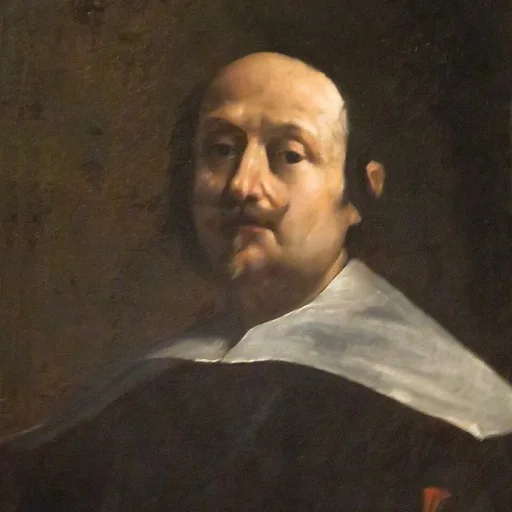
Giovanni Lanfranco (26 January 1582 – 30 November 1647) was an Italian Baroque painter. He was a distinguished artist of the Bolognese school, deeply influenced by Annibale Carracci's’ classicism.

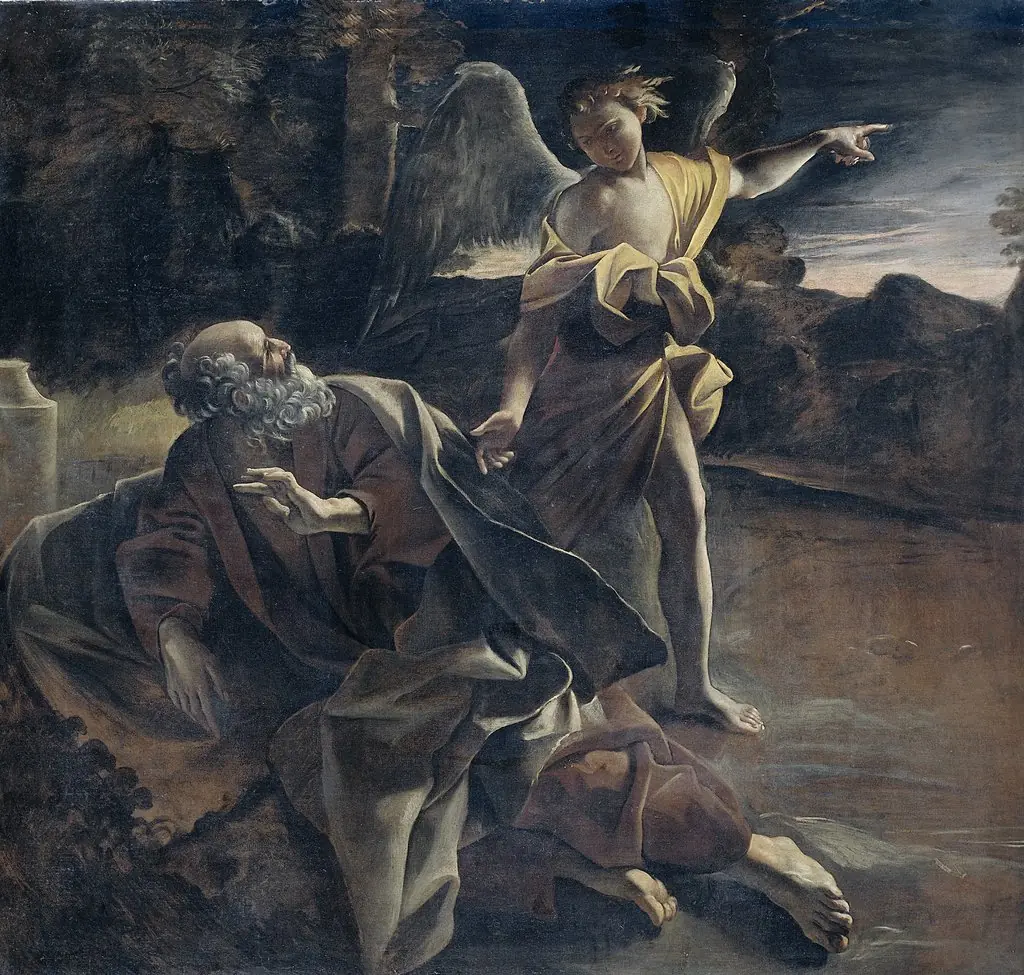
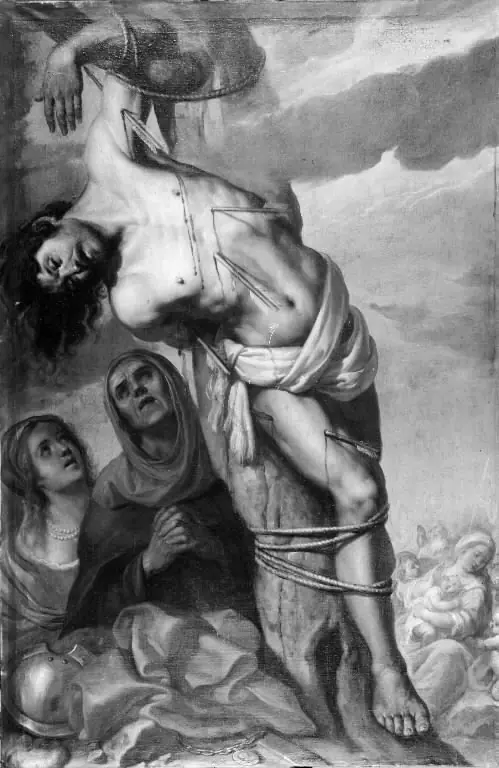
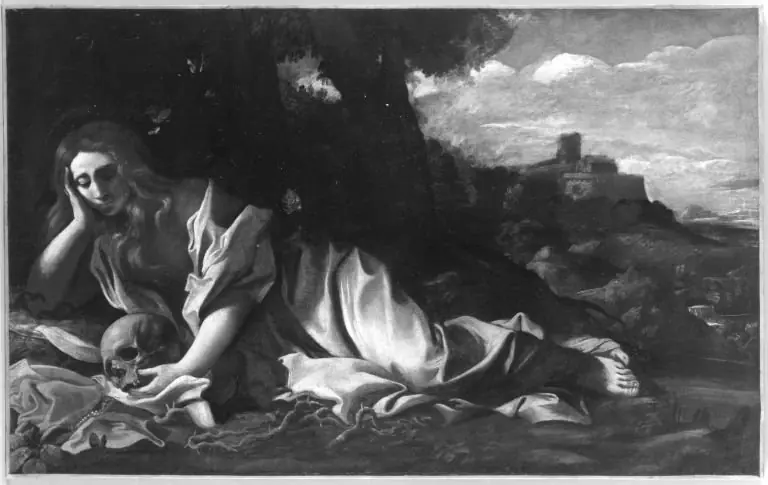
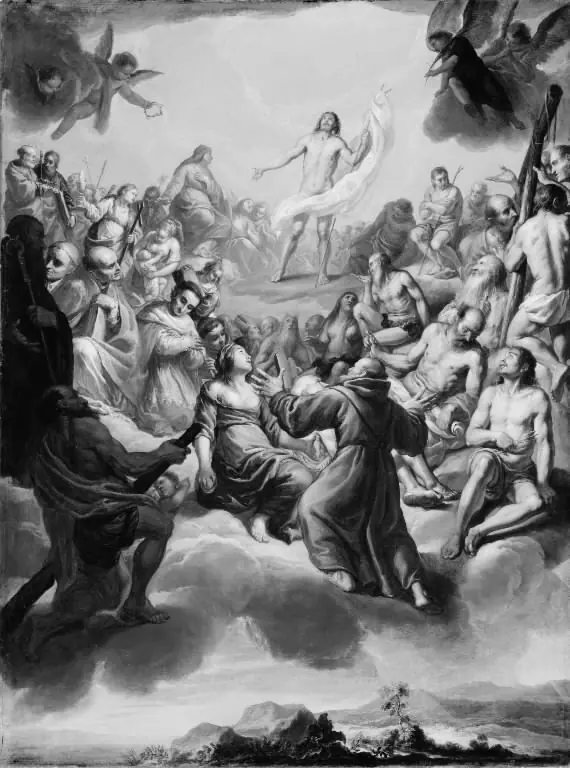
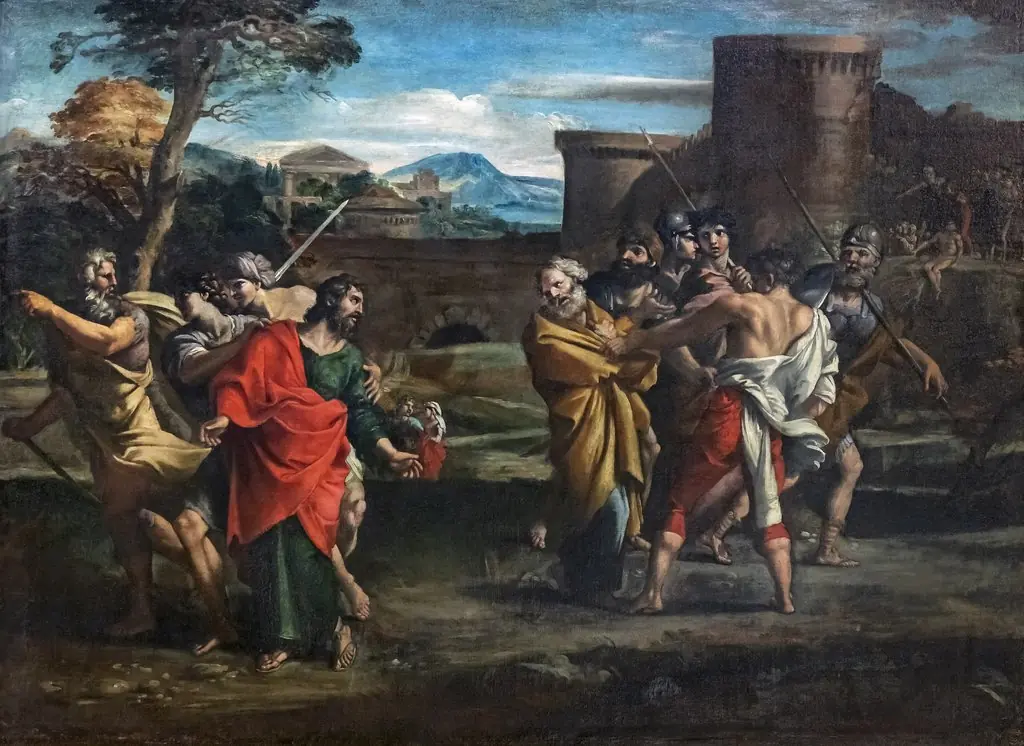
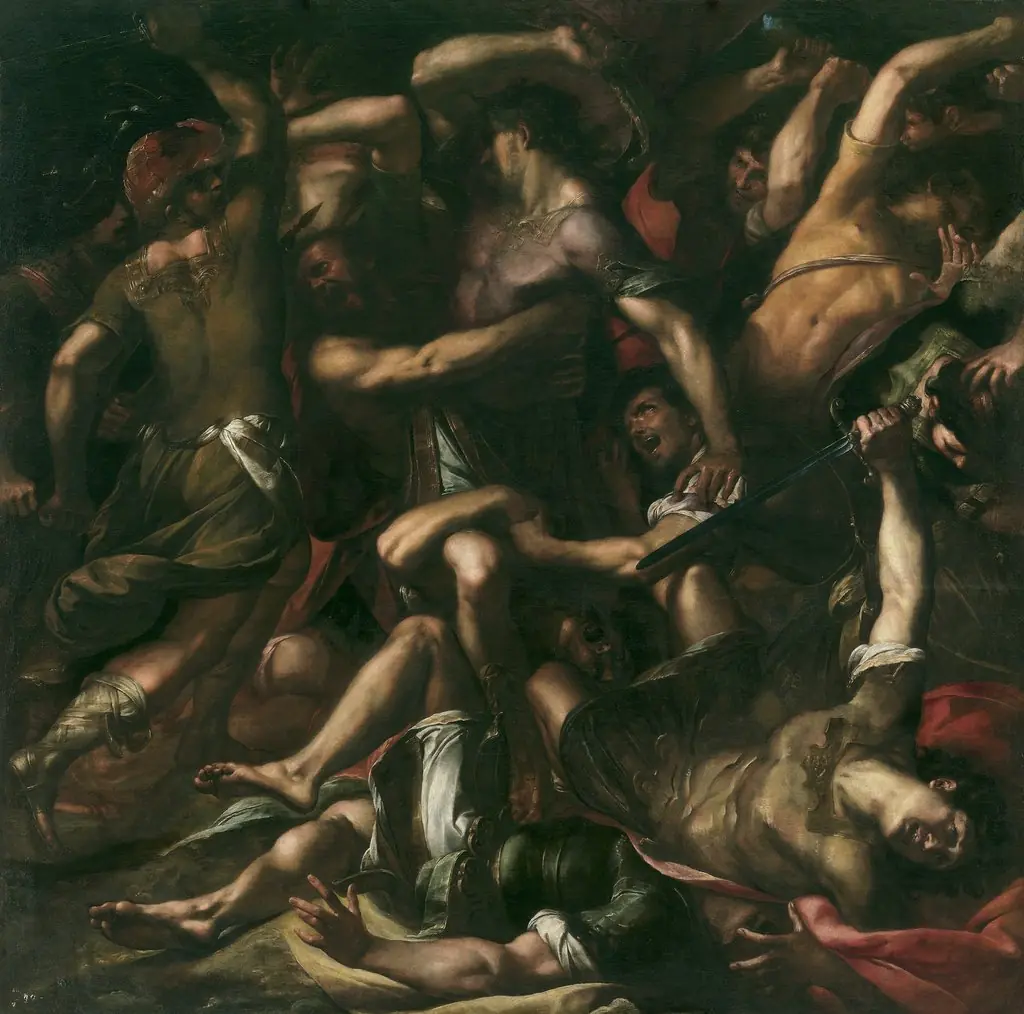
- Samson and the Philistines
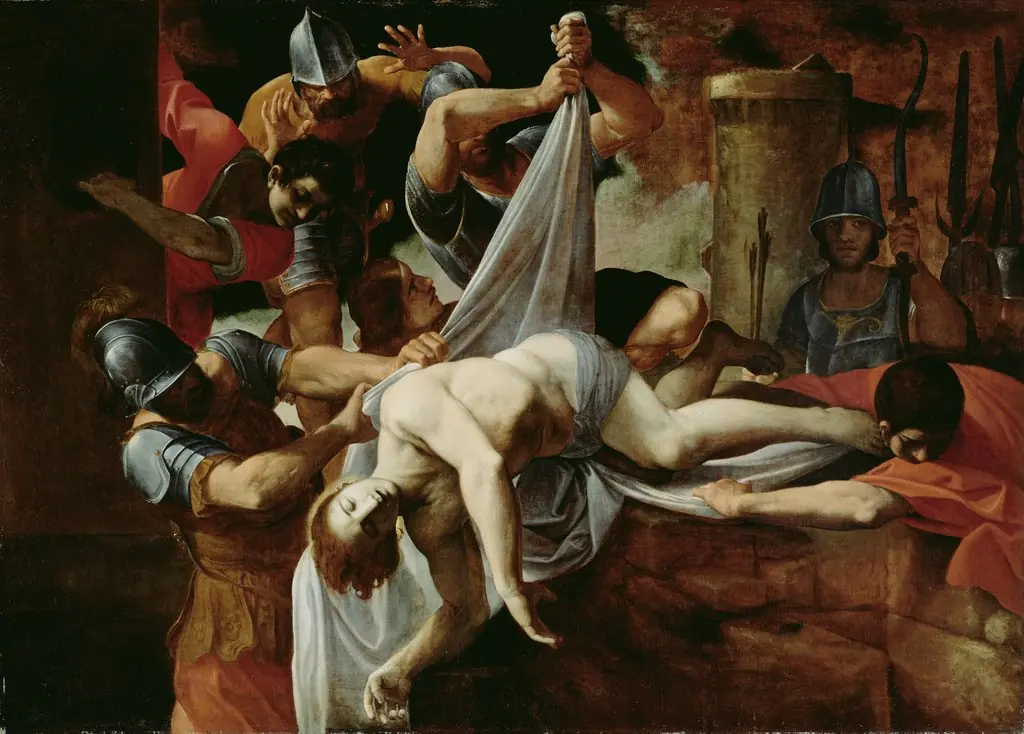 St. Sebastian Thrown into the Cloaca Maxima
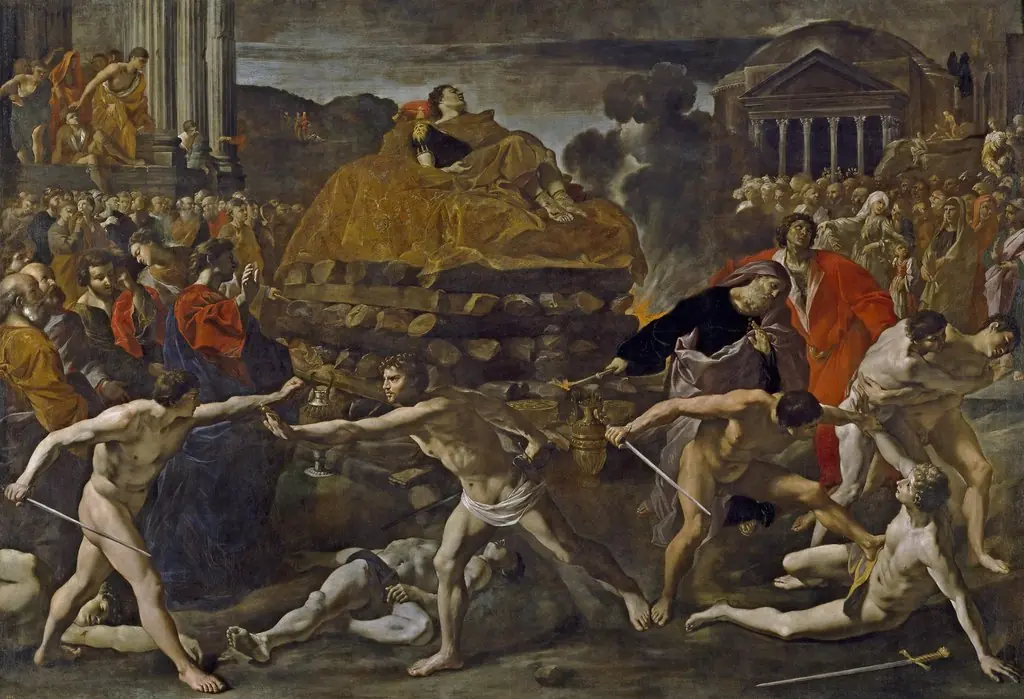 Exequias de un emperador romano
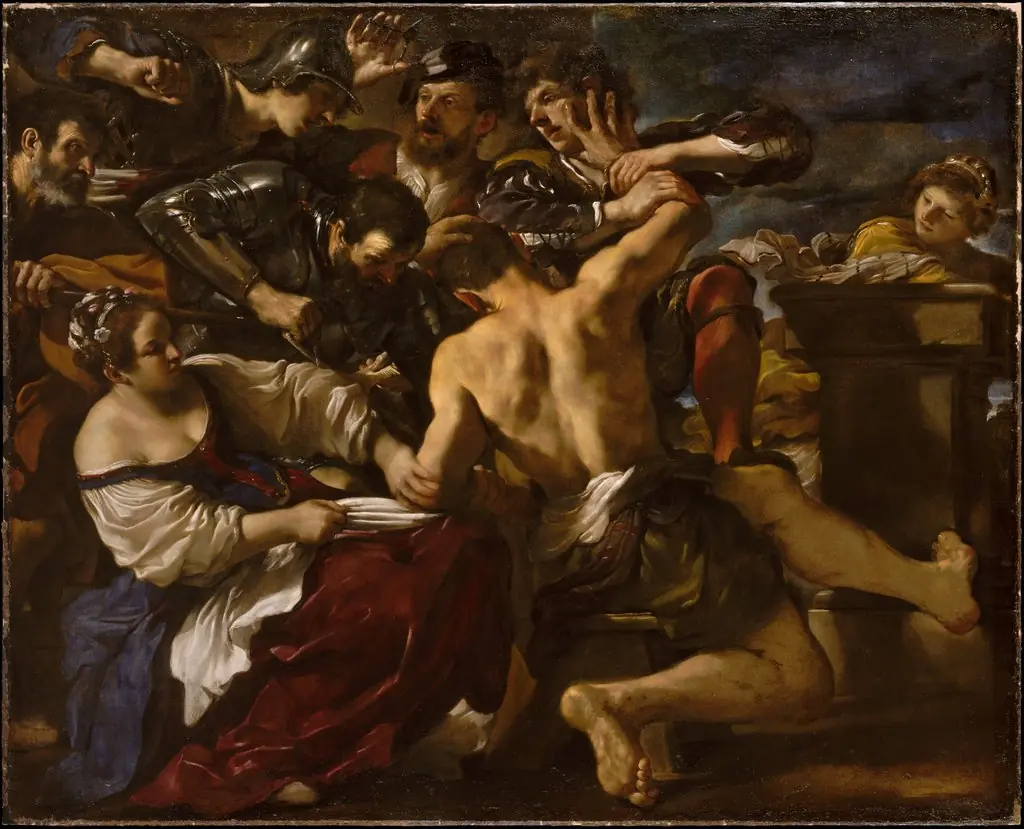 Samson Captured by the Philistines
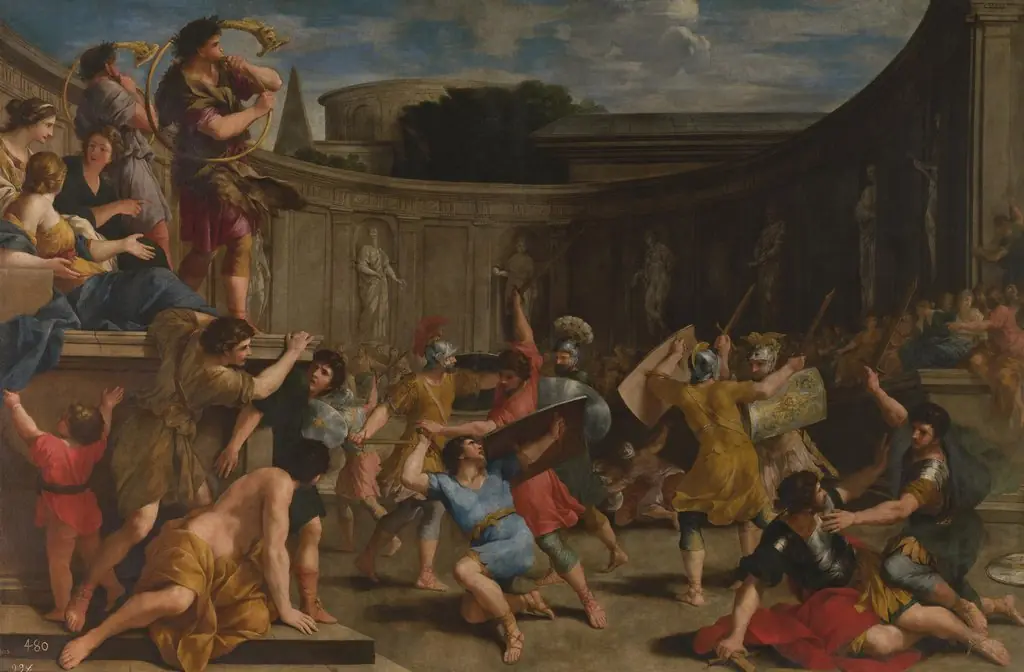 Roman Gladiators with Wooden Swords
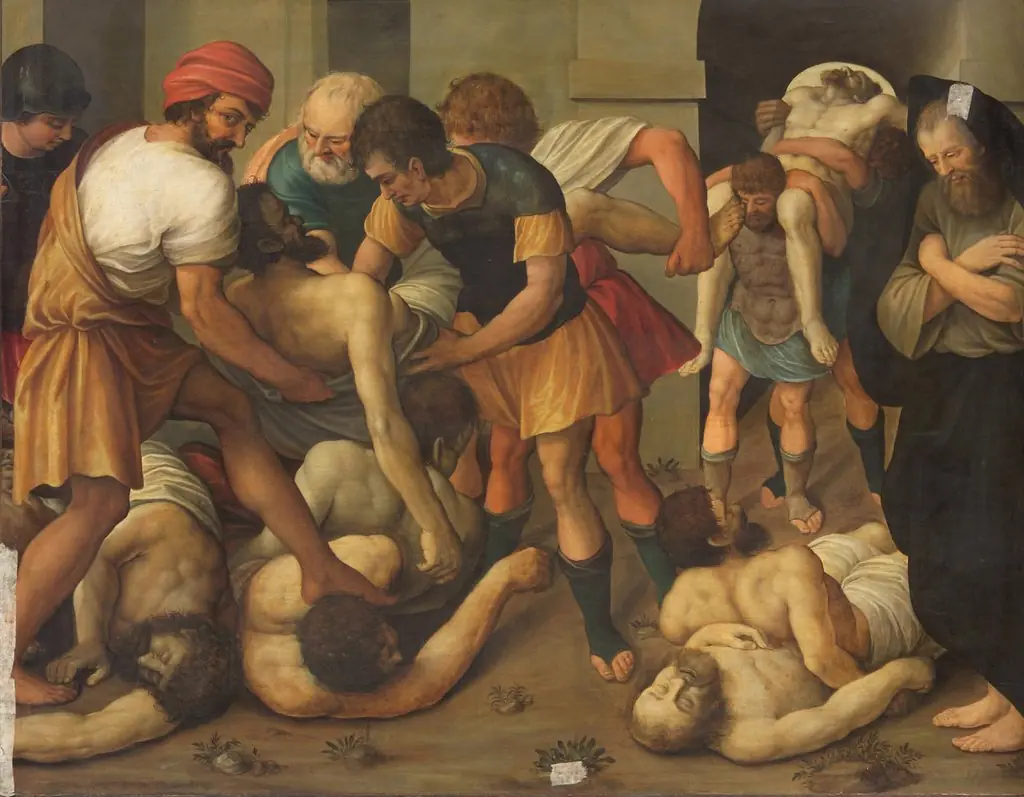 Tobias buries the Dead in Nineveh
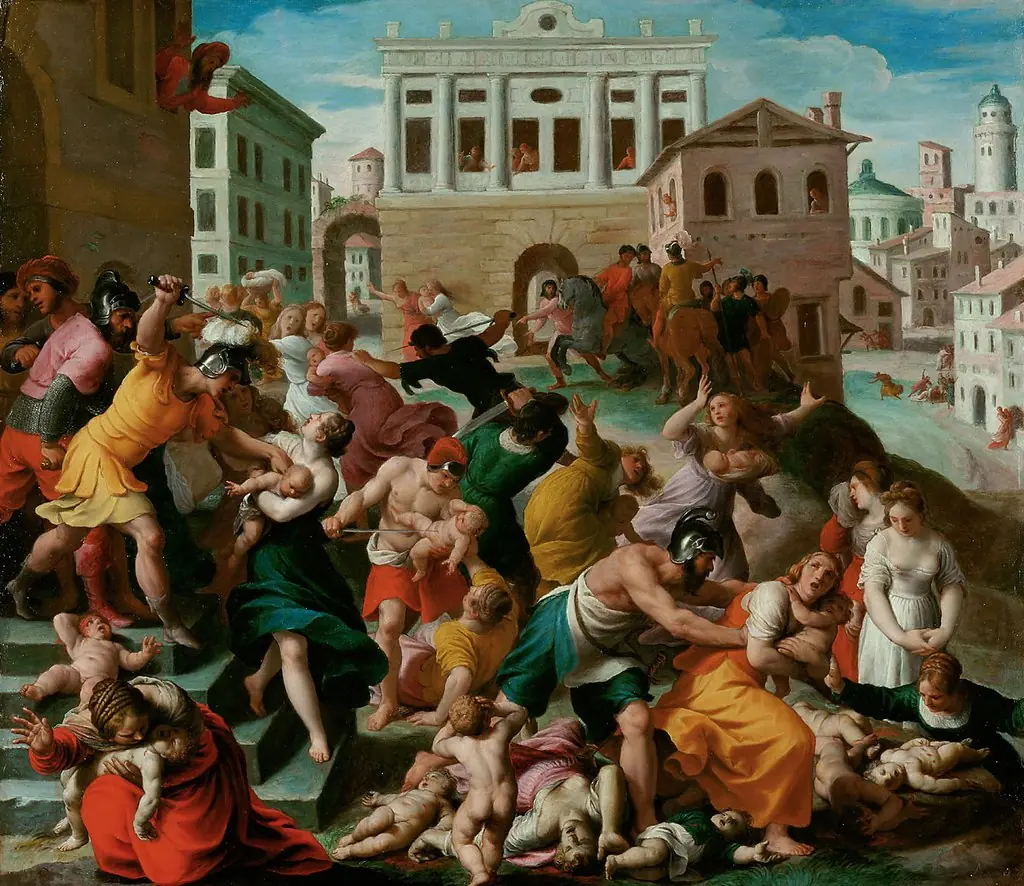 Bethlehemic Child Murder
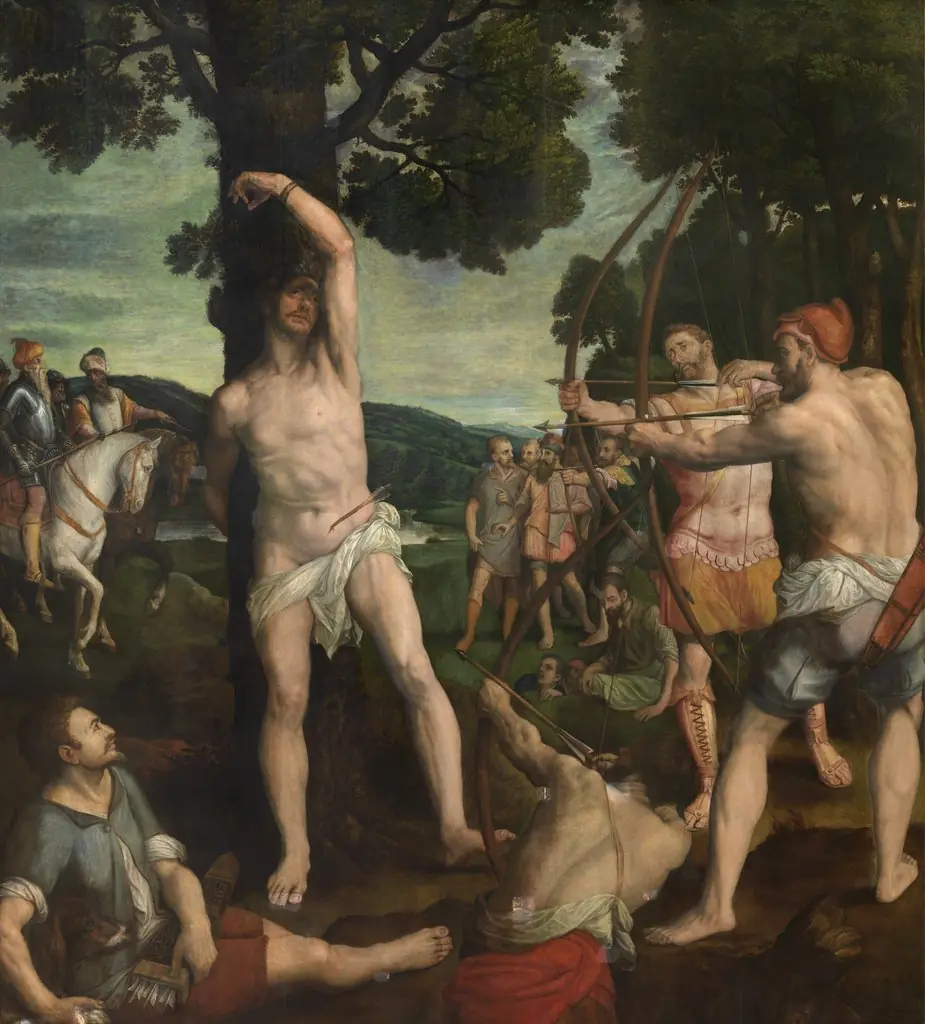 Martyrdom of Saint Sebastian
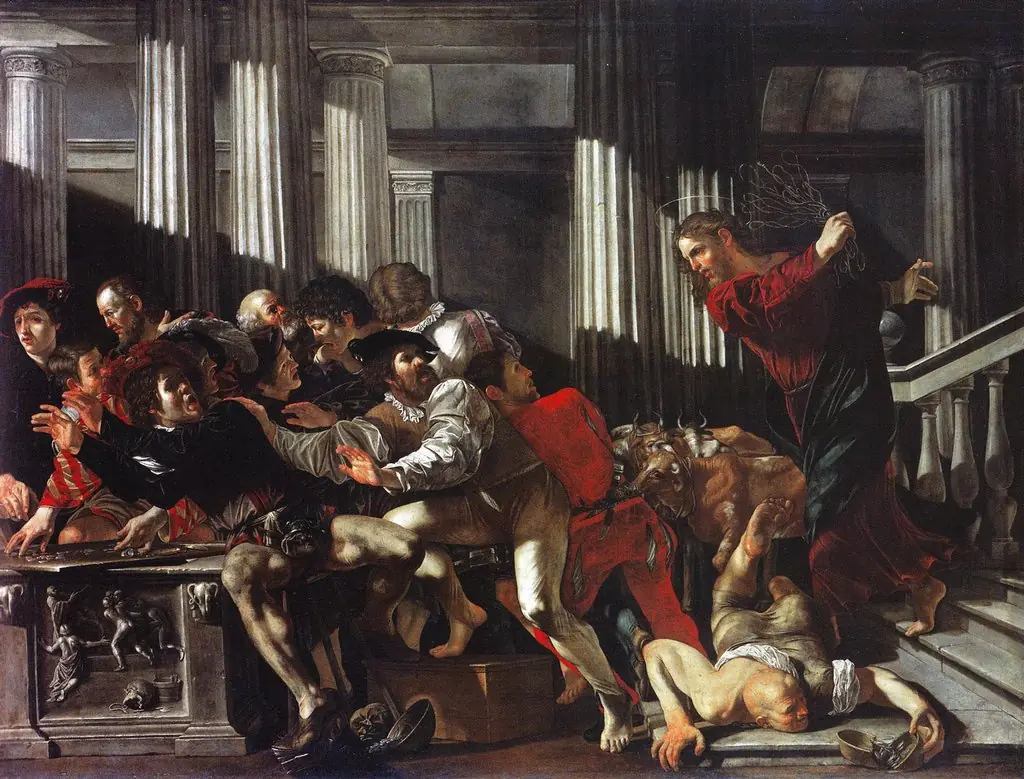 Christ driving the money-changers from the Temple
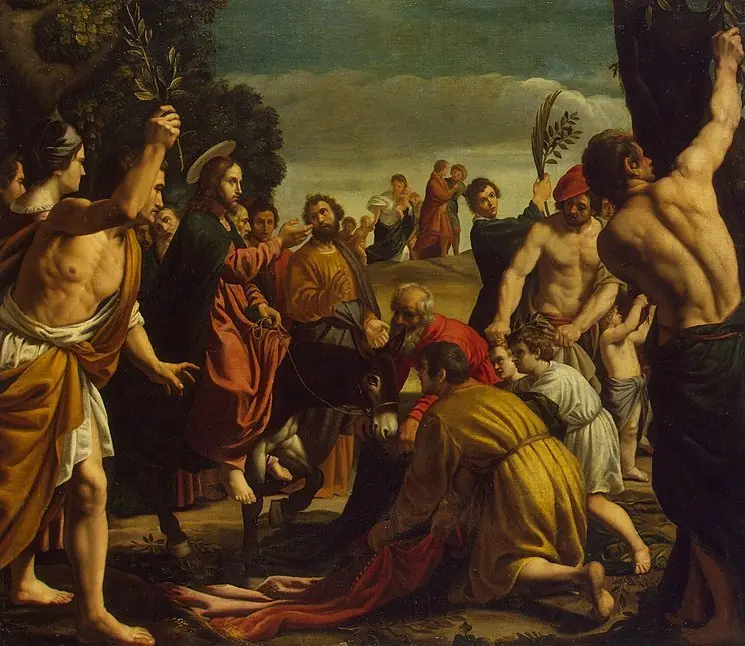 Entry into Jerusalem
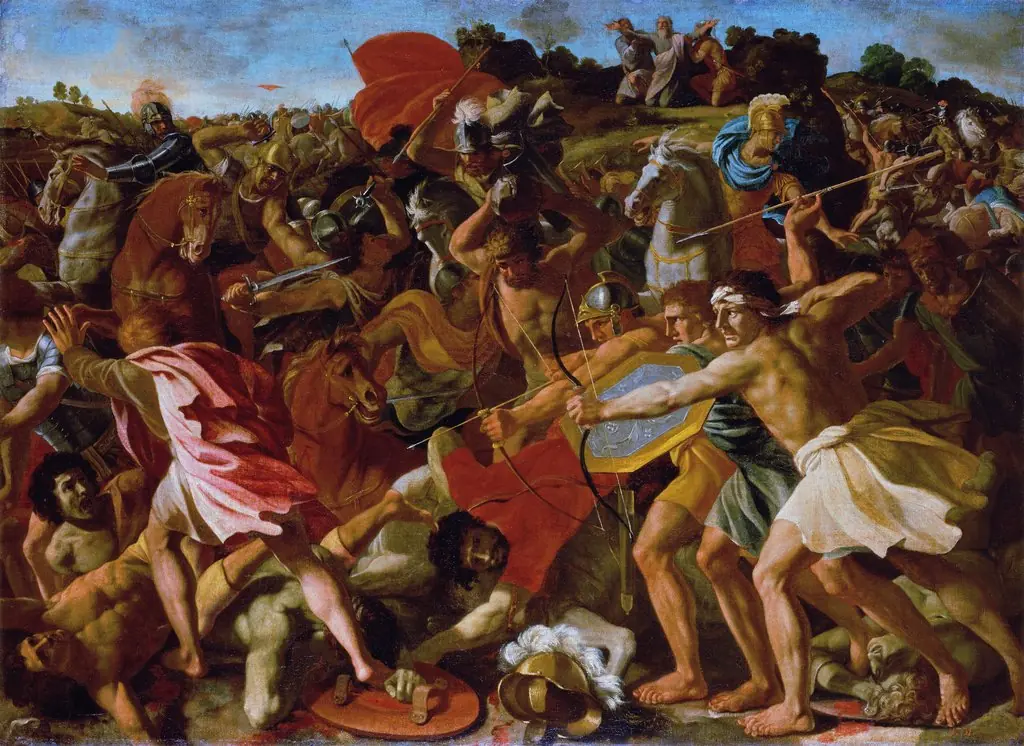 Victory of Joshua over the Amalekites