Artwork
Untitled
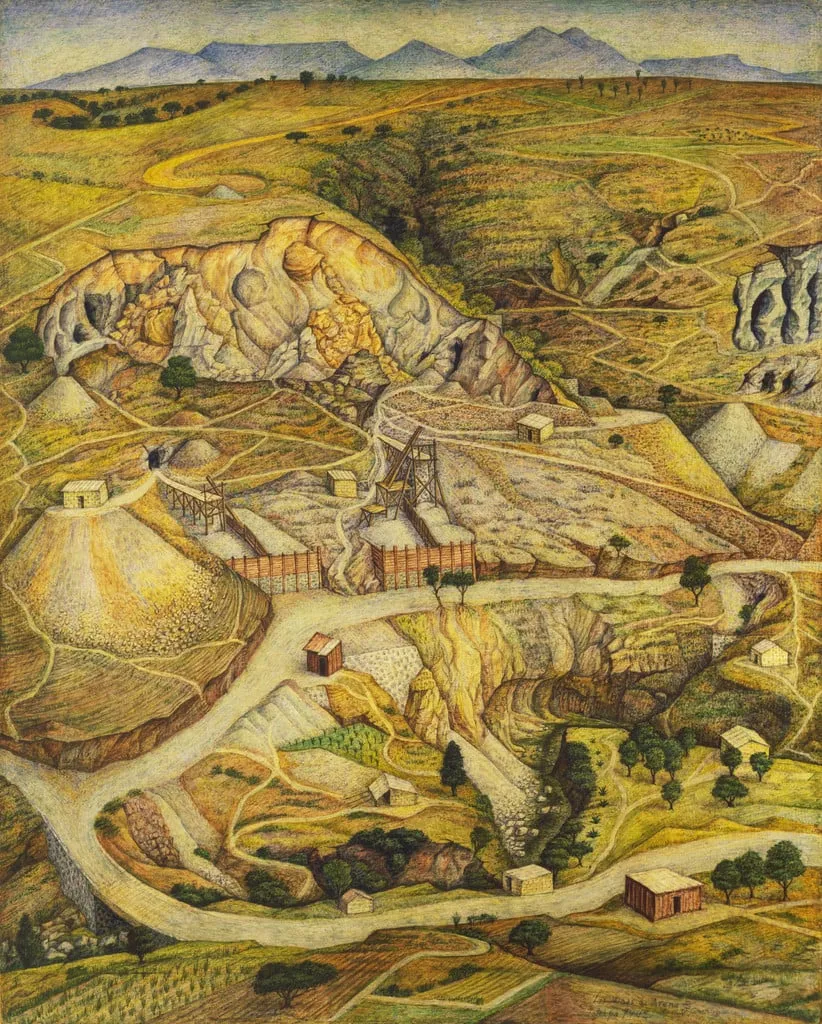
Untitled is a tempera painting by the Mexican Muralist artist Juan O'Gorman. It dates from 1942 and is held in the collection of the Museum of Modern Art.
About this work
Overview
Its modest scale and restrained palette emphasize the stillness of the environment, while precise details suggest human presence without overt narrative.
Juan O'Gorman's Untitled, painted in 1942, is a tempera-on-board landscape that captures a barren, arid terrain in central Mexico. The work belongs to The Museum of Modern Art’s collection and reflects the artist’s interest in regional topography and quiet, inhabited spaces. Its modest scale and restrained palette emphasize the stillness of the environment, while precise details suggest human presence without overt narrative.
Subject & Meaning
The painting depicts a desolate landscape with scattered dwellings, a bridge over a dry riverbed, and a prominent dome-like structure, possibly a religious or civic building. The absence of people enhances a sense of solitude, yet the careful rendering of paths and structures implies ongoing, if subdued, human activity. The scene evokes a sense of endurance, land and architecture shaped by time and climate, not grandeur.
Technique & Style
O'Gorman employed tempera, a fast-drying medium made from pigment and egg yolk, to build up layered, opaque surfaces. Short, deliberate brushstrokes define the rocky terrain and textured ground, creating a tactile quality. The limited palette of ochres, siennas, and muted greens reinforces the arid atmosphere. The style avoids romanticism, favoring a direct, almost documentary approach to form and space.
History & Provenance
Created in 1942, the work emerged during a period when O'Gorman was deeply engaged with Mexican muralism and regionalist themes, though this piece diverges from his large-scale public works. It remained in private hands until acquired by The Museum of Modern Art, where it contributes to the institution’s early 20th-century Latin American holdings. Its provenance reflects a shift from monumental public art to intimate, personal observation.
Context
In early 1940s Mexico, artists were redefining national identity through depictions of rural life and indigenous heritage. O'Gorman, though known for architecture and murals, turned to smaller works to explore landscape as a cultural artifact. Untitled aligns with broader efforts to document Mexico’s physical and social terrain beyond revolutionary iconography, focusing instead on quiet, everyday spaces.
Legacy
Untitled stands as a quiet counterpoint to O'Gorman’s more famous public commissions. It reveals his sensitivity to place and material, influencing later generations interested in the intersection of landscape and memory. The painting’s understated presence in MoMA’s collection underscores its role in broadening the scope of modern Mexican art beyond muralist spectacle.
Artist & collection

 Peisaj industrial (Moreni)
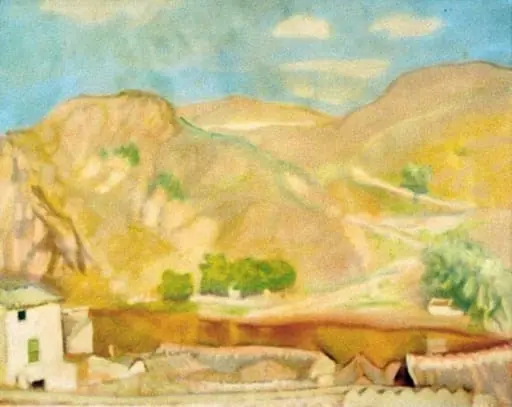 Toledo
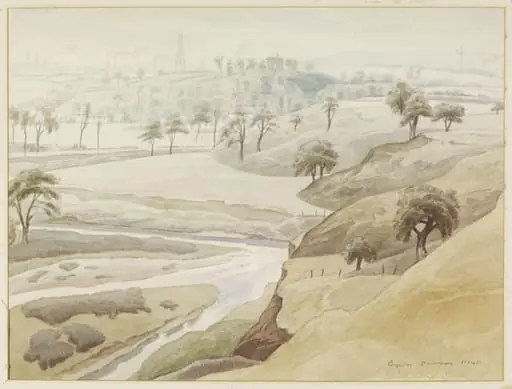 Medlock Valley, Daisy Nook, Oldham
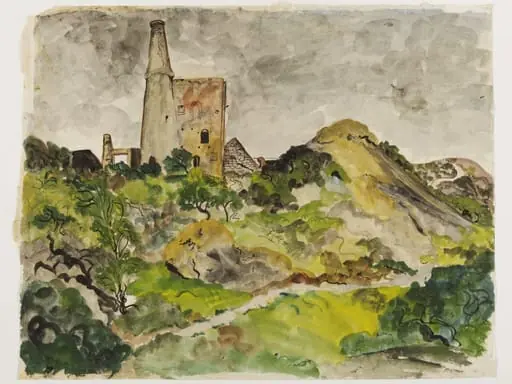 Disused Tin Mine, St. Agnes, Cornwall
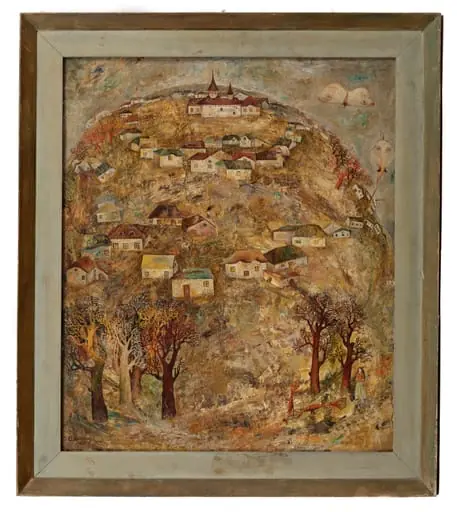 Dealul lui Dobrin
 Frontier Cabin
 The Oakley Slate Quarry at Blaenau Festiniog, Merionethshire
 Peisaj
 View from a Quarry's Edge
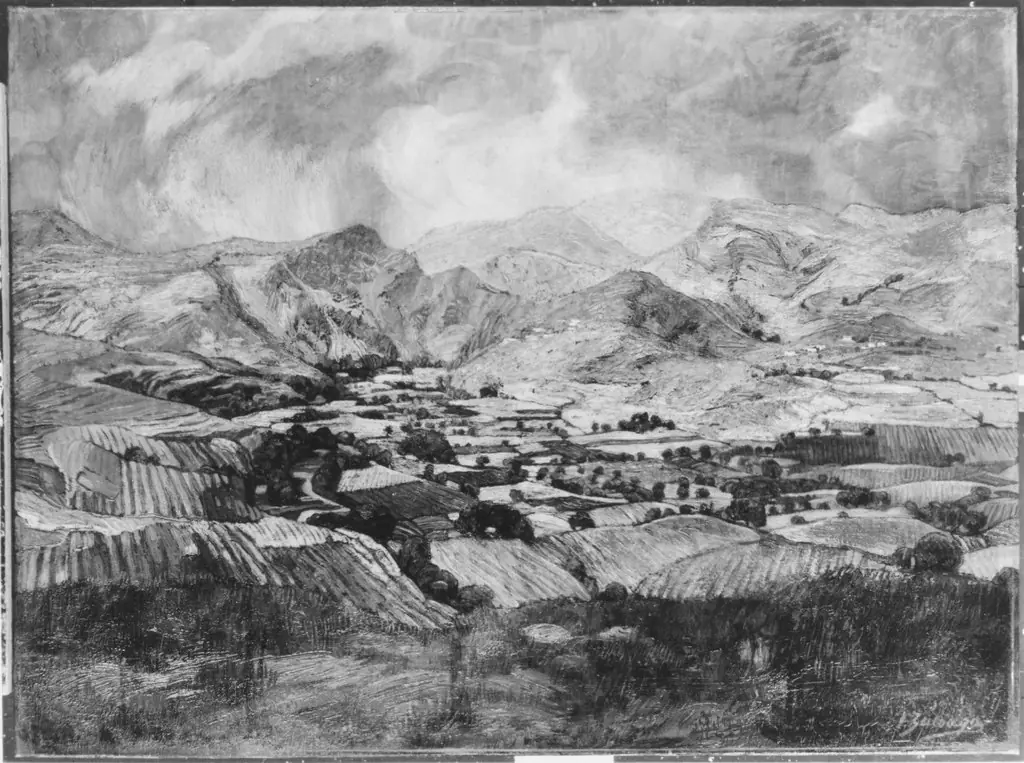 Mountains of Calatayud
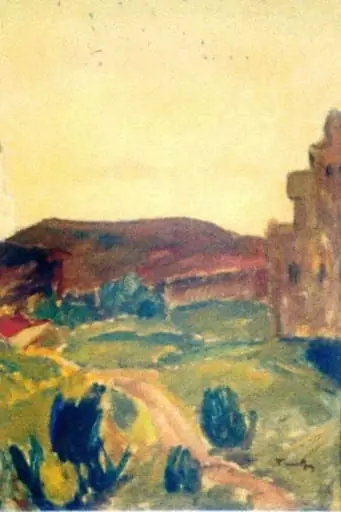 Peisaj din Mangalia (Impresie de Amurg)
- Drum cu căruță