Subject
Road
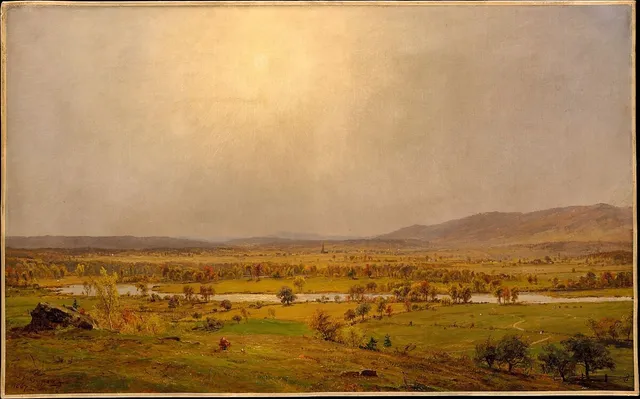
Road is a subject in art. The gallery holds 200 works in this subject in art, including works by Jean Baptiste Camille Corot, Albert Bierstadt and Thomas Chambers.
The road is among the oldest recurring motifs in landscape art, valued at once for its visual utility and its symbolic weight. A road or path drawn into a picture pulls the eye from foreground to horizon, organising deep space along a single receding line, and it carries an almost inescapable metaphor — the journey, the passage of time, the choice of direction, the human presence even in an empty view. Long before landscape became an independent genre, roads threaded through the backgrounds of religious and topographical scenes; with the rise of secular landscape painting they moved to the centre of the composition.
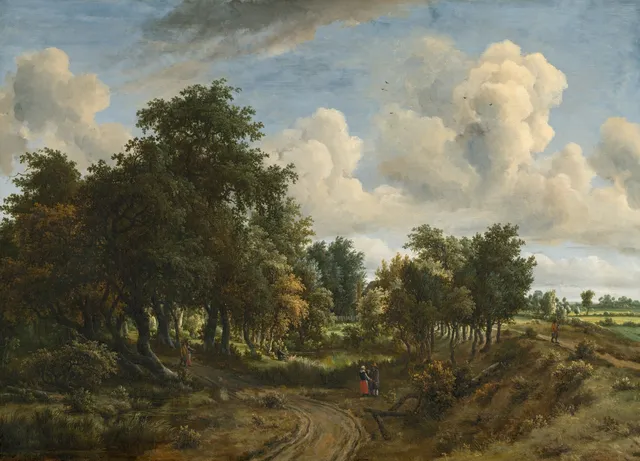
The road came fully into its own in the Dutch Golden Age of the seventeenth century, when painters around Haarlem turned the unspectacular local countryside into serious subject matter. Jan van Goyen's sandy lanes and Jan Wijnants's dune landscapes made the winding cart track a structural and emotional device: a sweeping curve dominates the middle distance, while horsemen, peddlers and dogs set along it establish scale and lead the viewer inward. The supreme example is Meindert Hobbema's "The Avenue at Middelharnis" (1689, National Gallery, London), in which a straight, poplar-lined road runs dead-centre to a low horizon, its emphatic single-point perspective making it one of the most famous of all Dutch landscapes.
Visually, the road motif relies on linear perspective, diminishing scale, and the contrast between the ordered line of travel and the irregular land around it. Painters exploit it to balance a composition, to dramatise light raking across an open surface, and to imply narrative through the figures who travel it. Earth tones, big skies and atmospheric recession typically accompany it.
The theme proved durable. Vincent van Gogh used roads as charged diagonals — most memorably in "Road with Cypress and Star" (1890), his last Saint-Rémy canvas, where the path surges with thick, restless brushwork. In the twentieth century Edward Hopper made the American highway his own; after acquiring a car in 1927 he painted roadside scenes such as "Gas" (1940), distilling the loneliness of the open road. From Dutch dunes to neon filling stations, the road remains a vehicle for both spatial order and human longing.
Key artists

Works
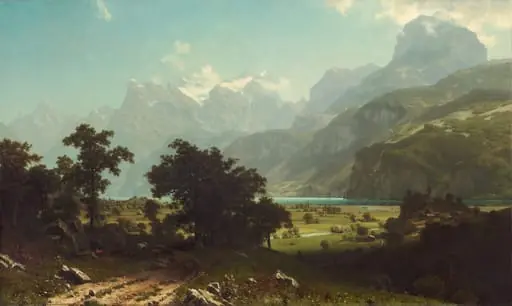 Lake Lucerne
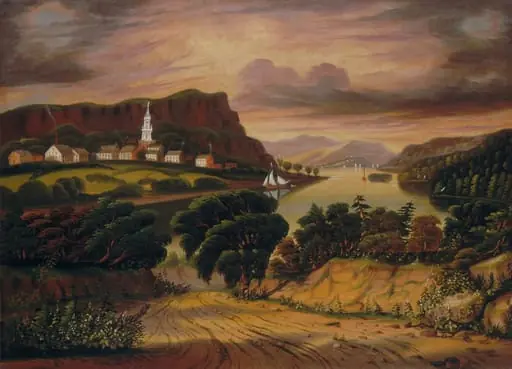 Lake George and the Village of Caldwell
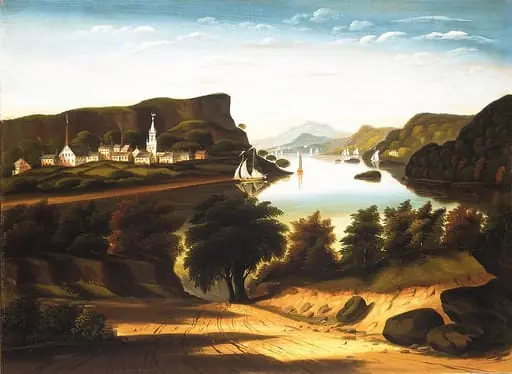 Lake George and the Village of Caldwell
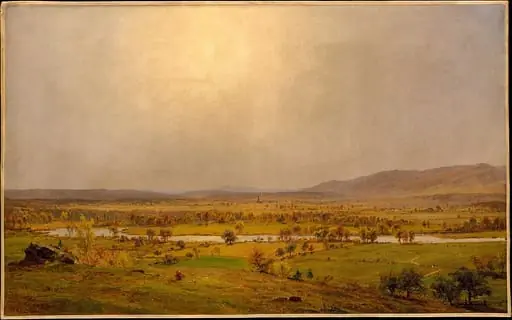 Pompton Plains, New Jersey
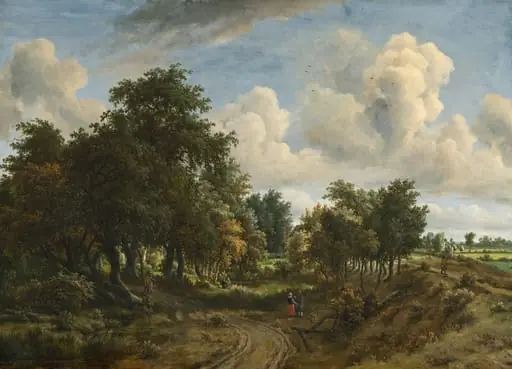 A Wooded Landscape
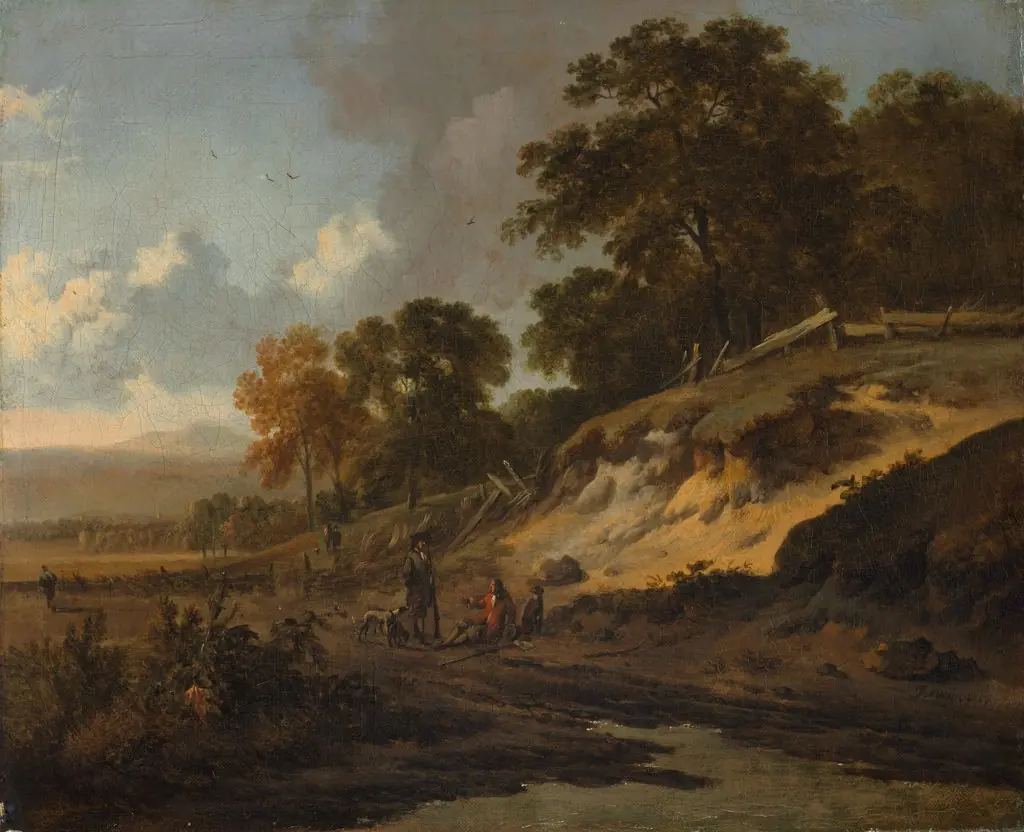 Landscape with Hunters
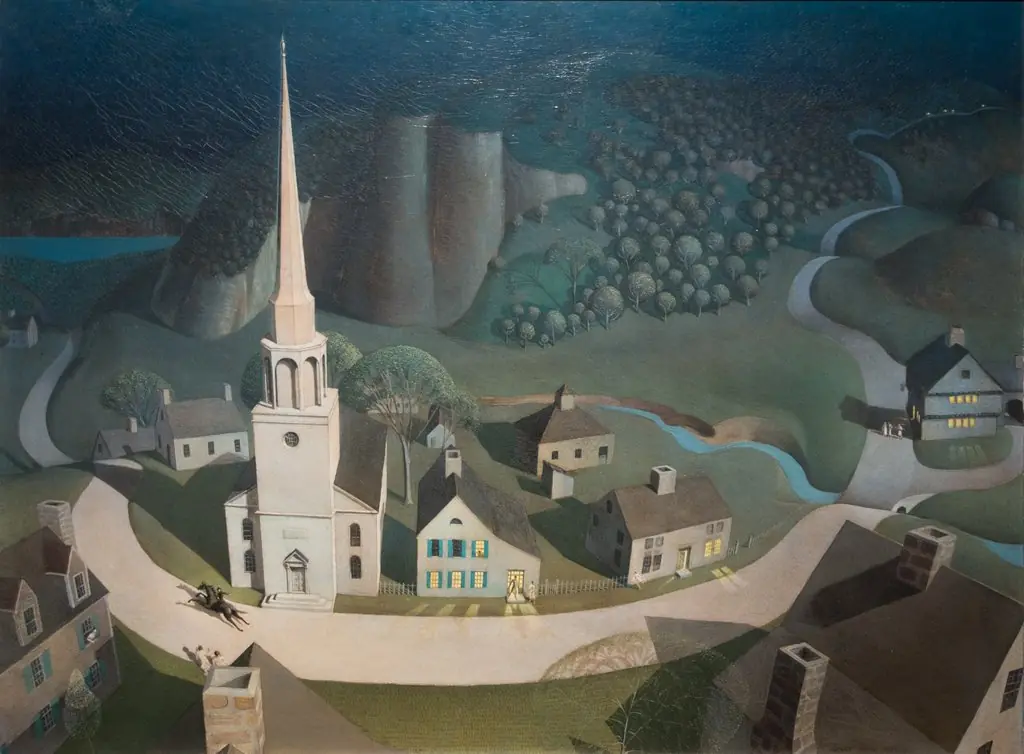 The Midnight Ride of Paul Revere
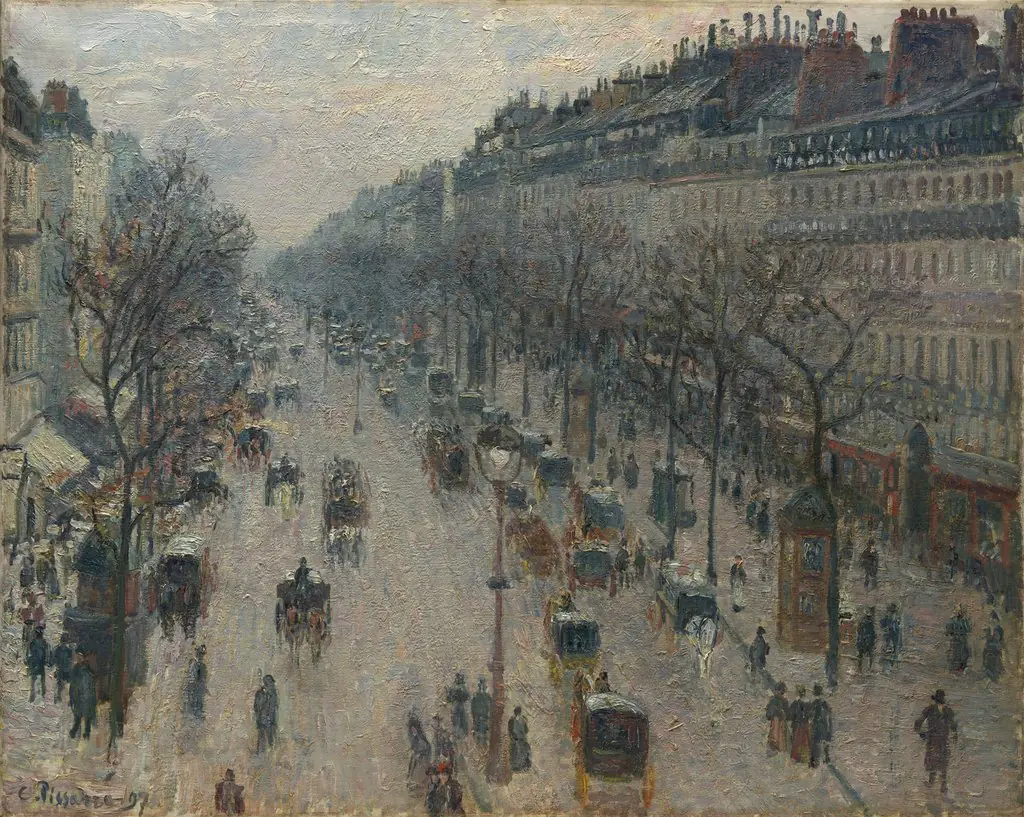 The Boulevard Montmartre on a Winter Morning
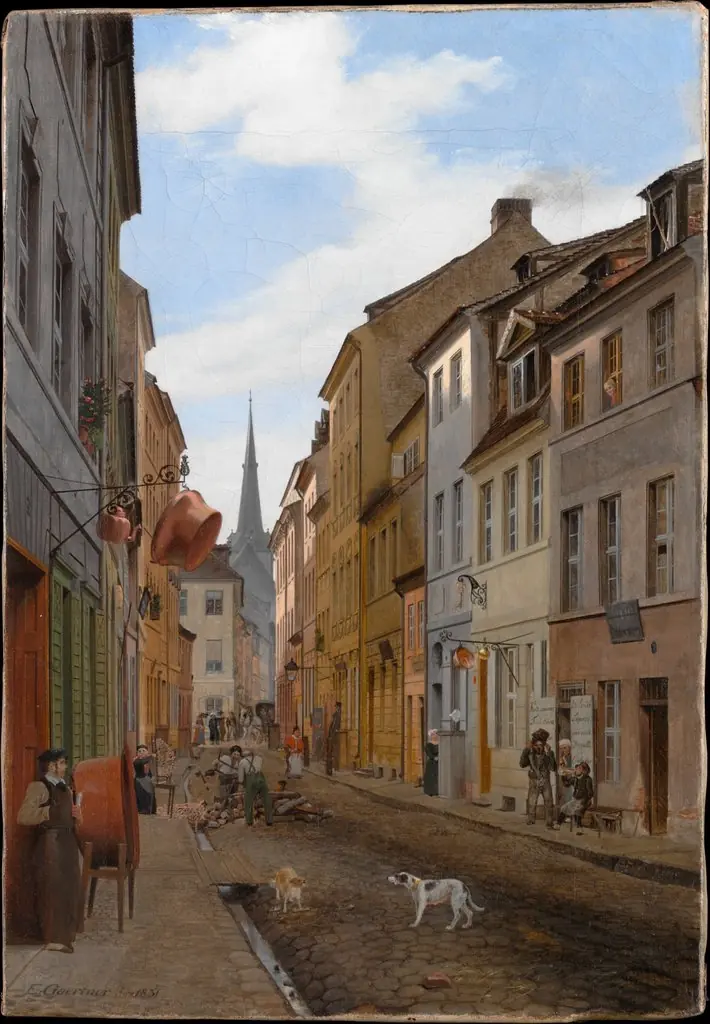 Parochialstrasse in Berlin
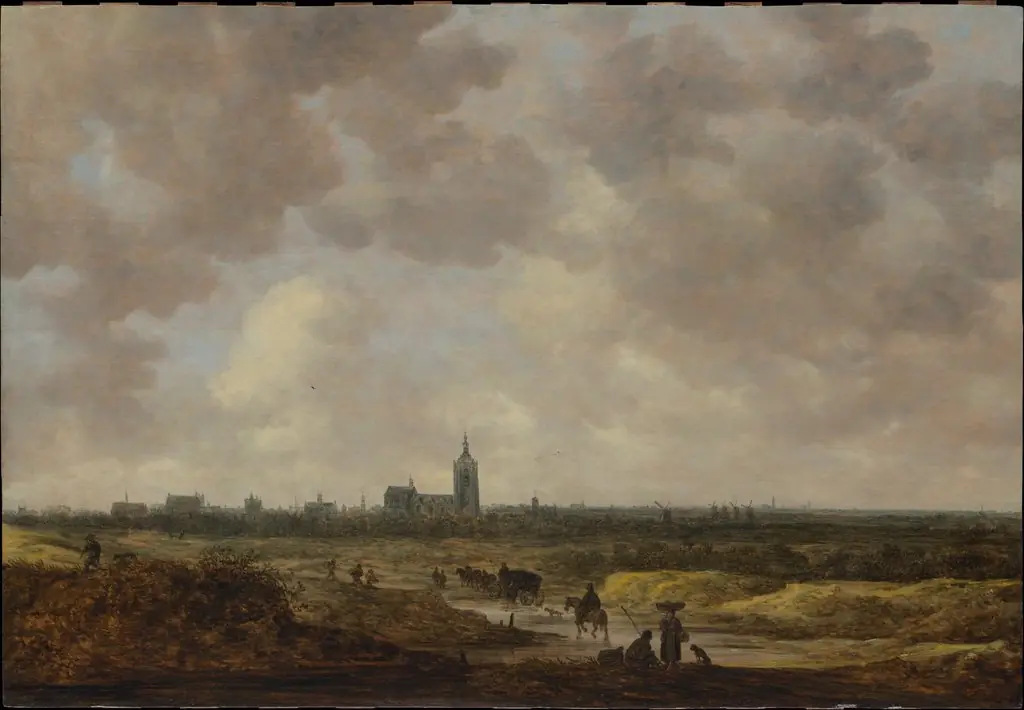 A View of The Hague from the Northwest
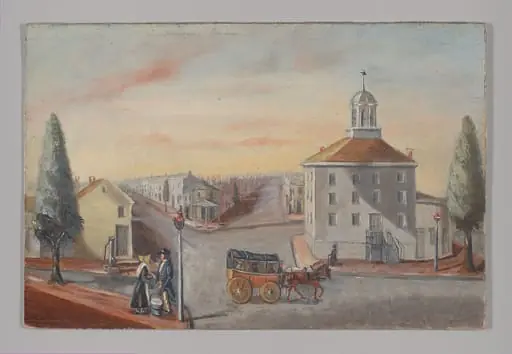 Hot Corn Seller
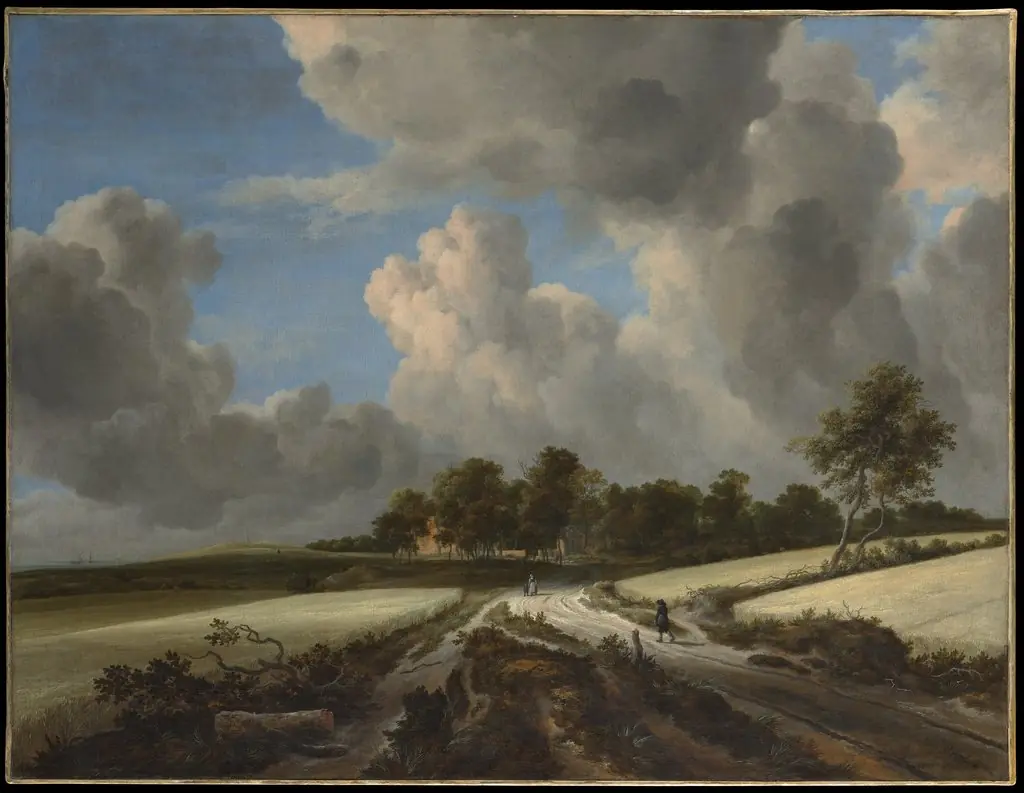 Wheat Fields
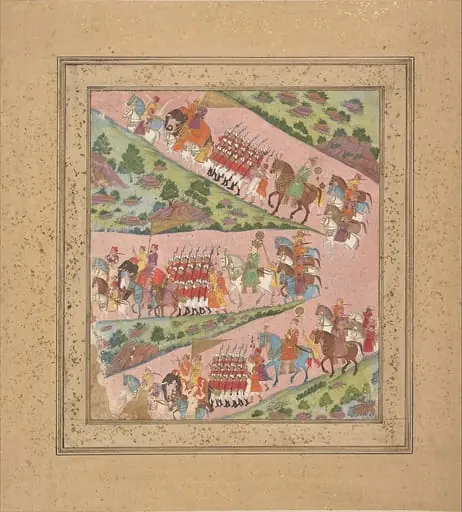 Untitled
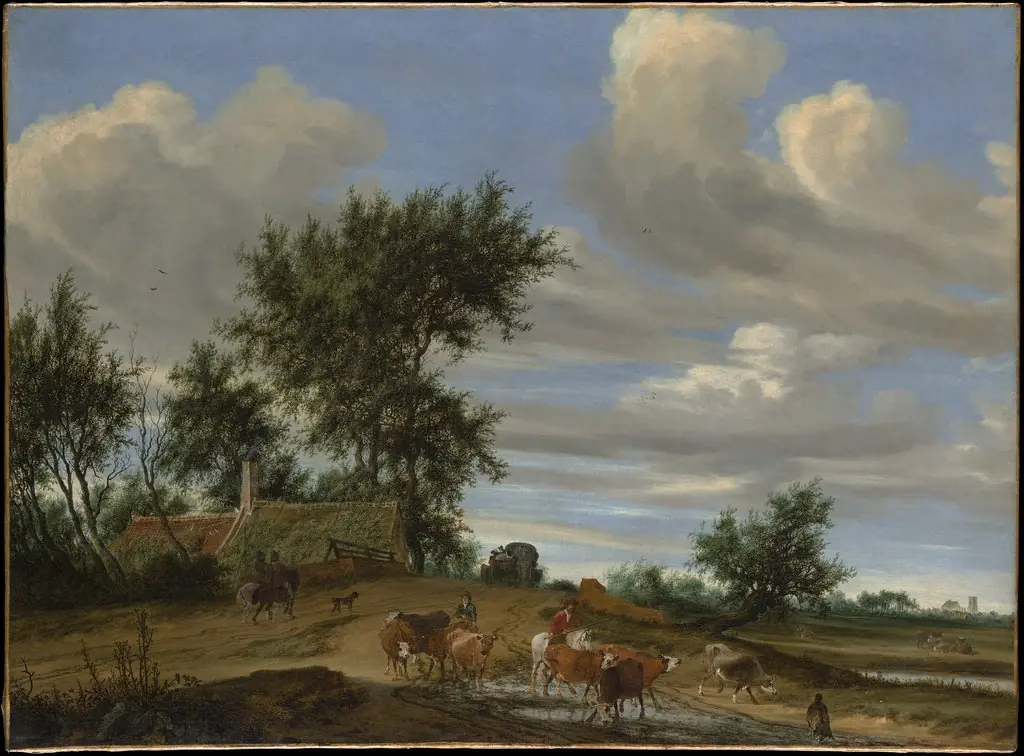 A Country Road
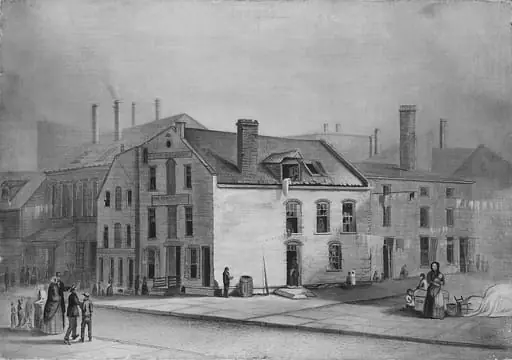 Old Brewery, Five Points Mission, New York
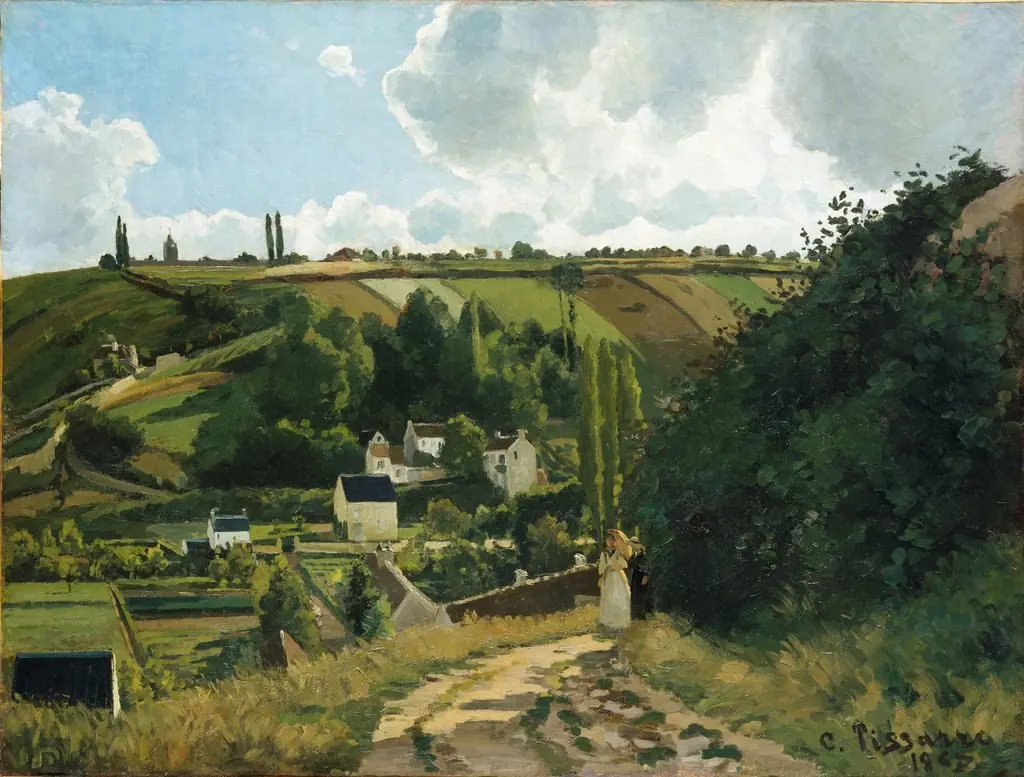 Jalais Hill, Pontoise
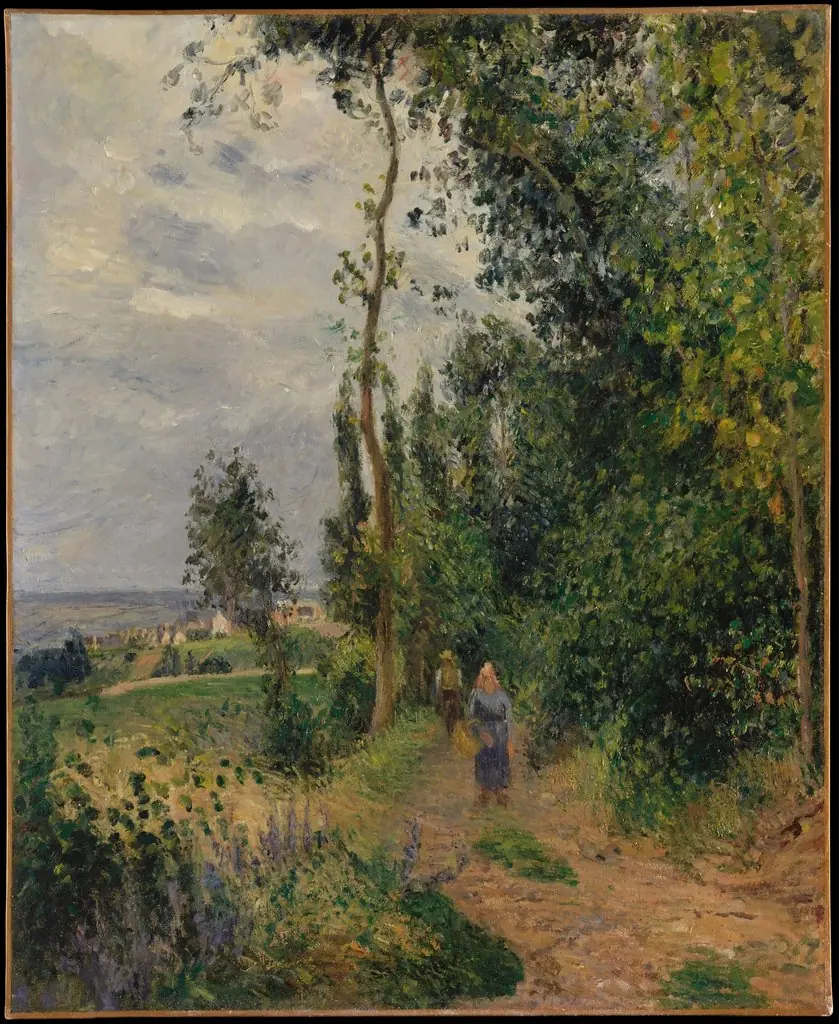 Côte des Grouettes, near Pontoise
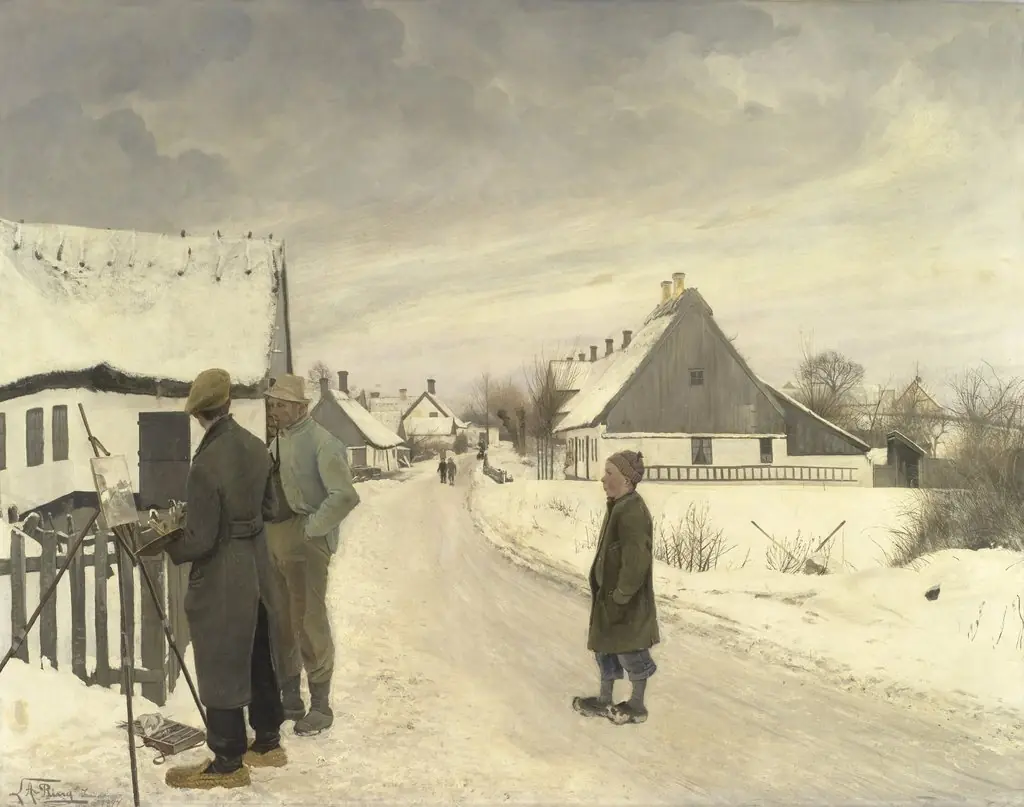 The Painter in the Village
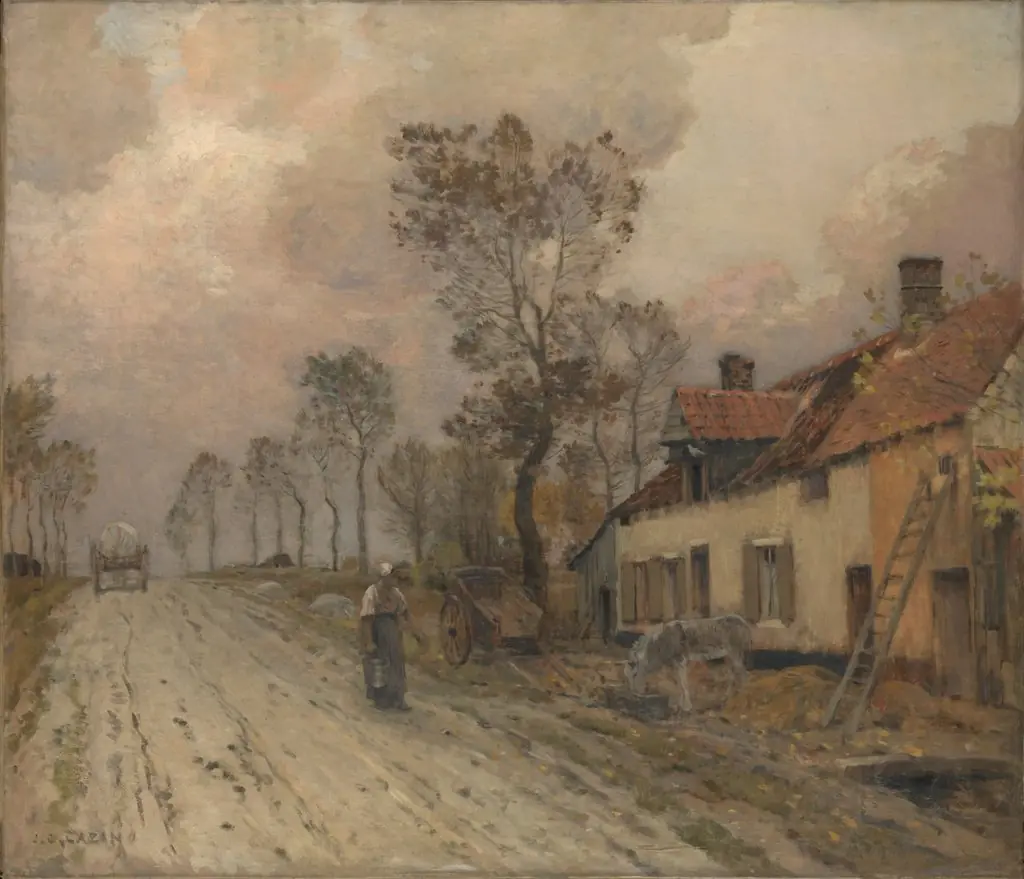 The Route Nationale at Samer
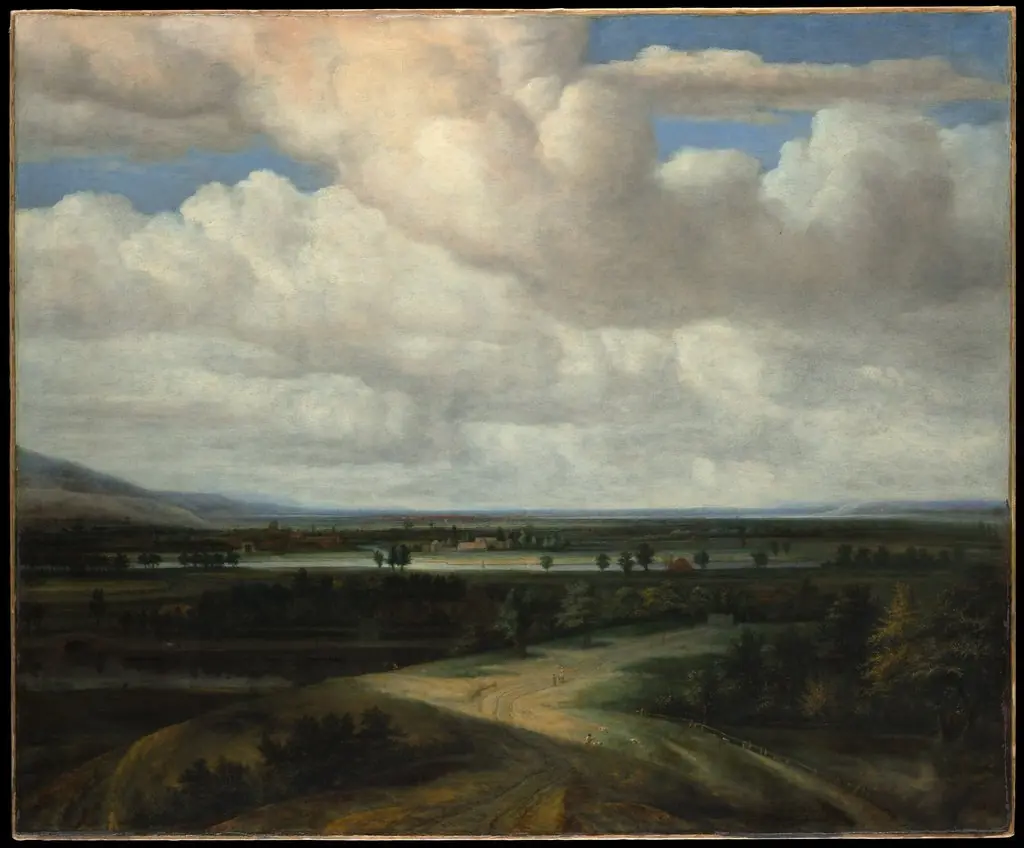 A Panoramic Landscape with a Country Estate
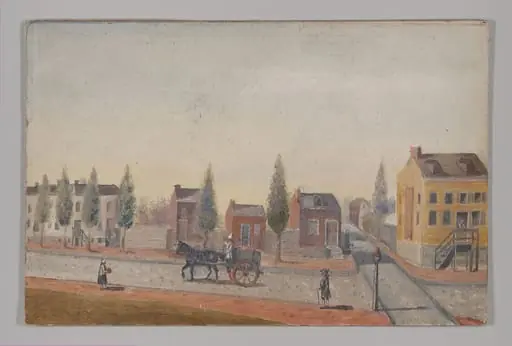 The Garbage Cart
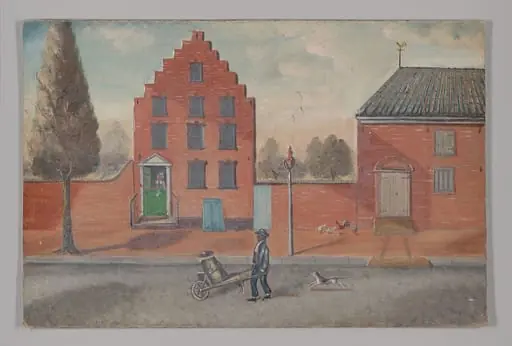 Buttermilk Pedlar
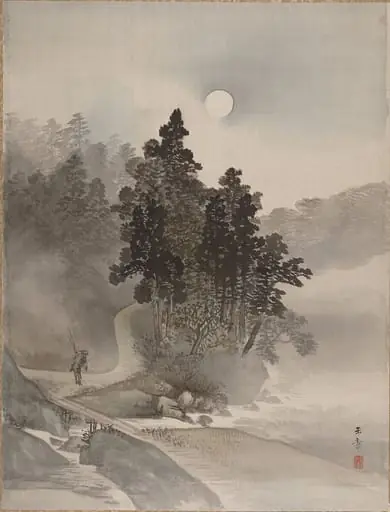 Untitled
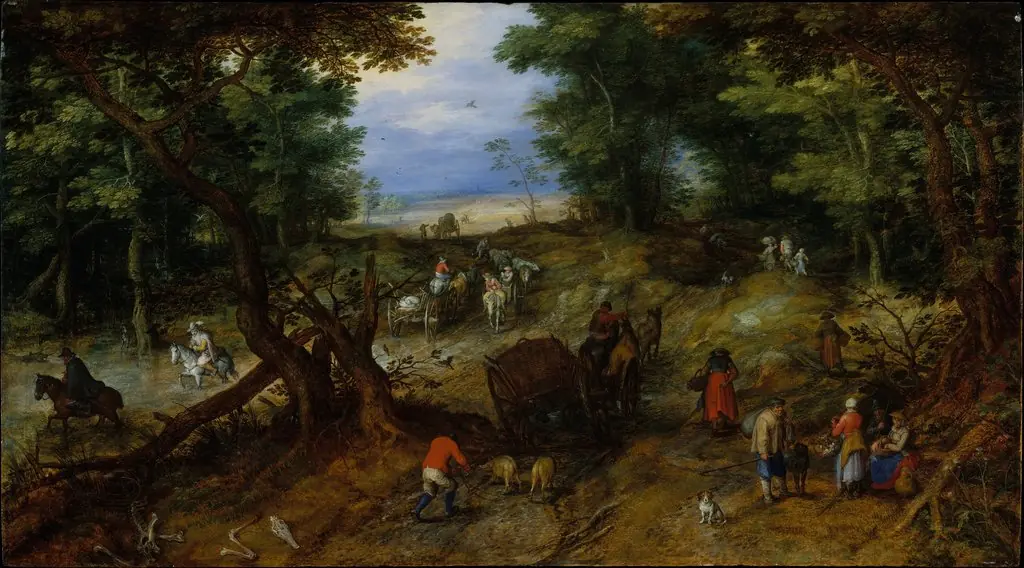 A Woodland Road with Travelers
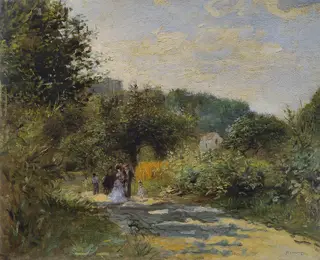 A Road in Louveciennes
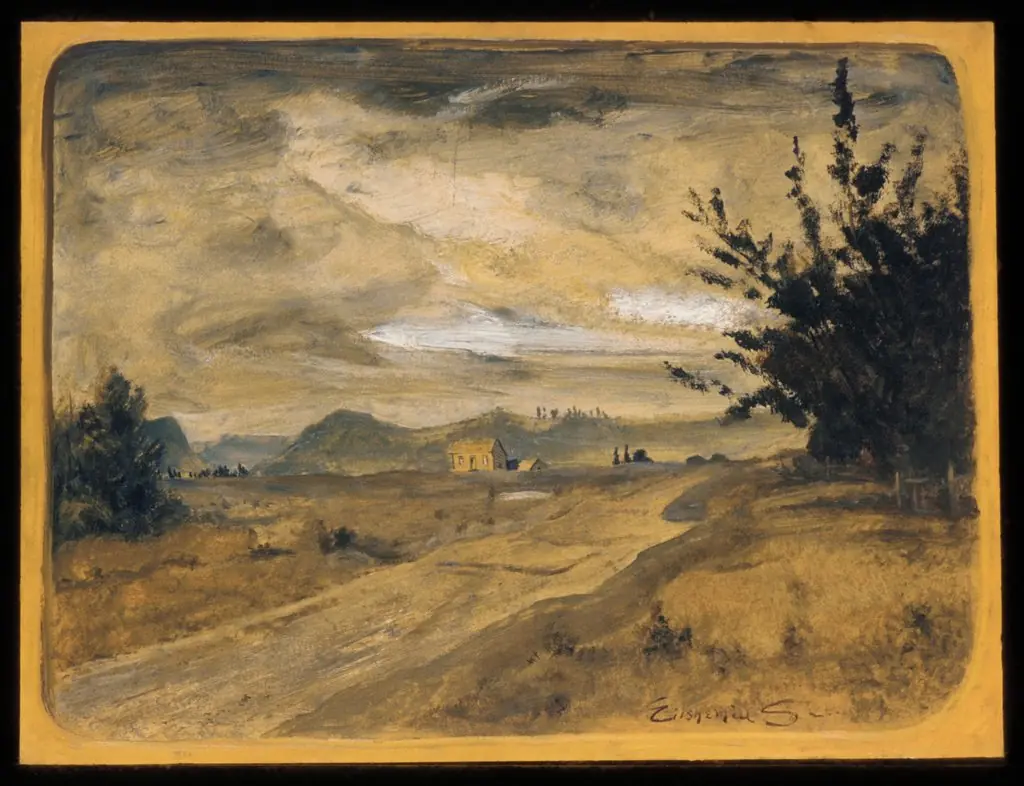 The Haunted House
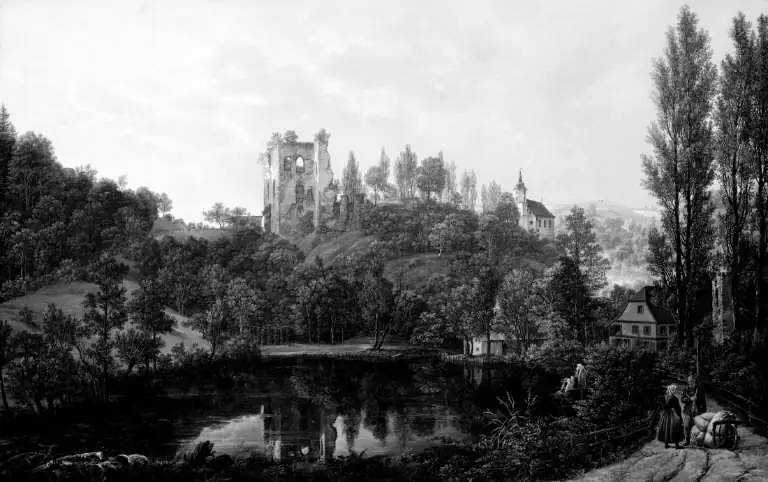 The Castle Ruin at Tharandt
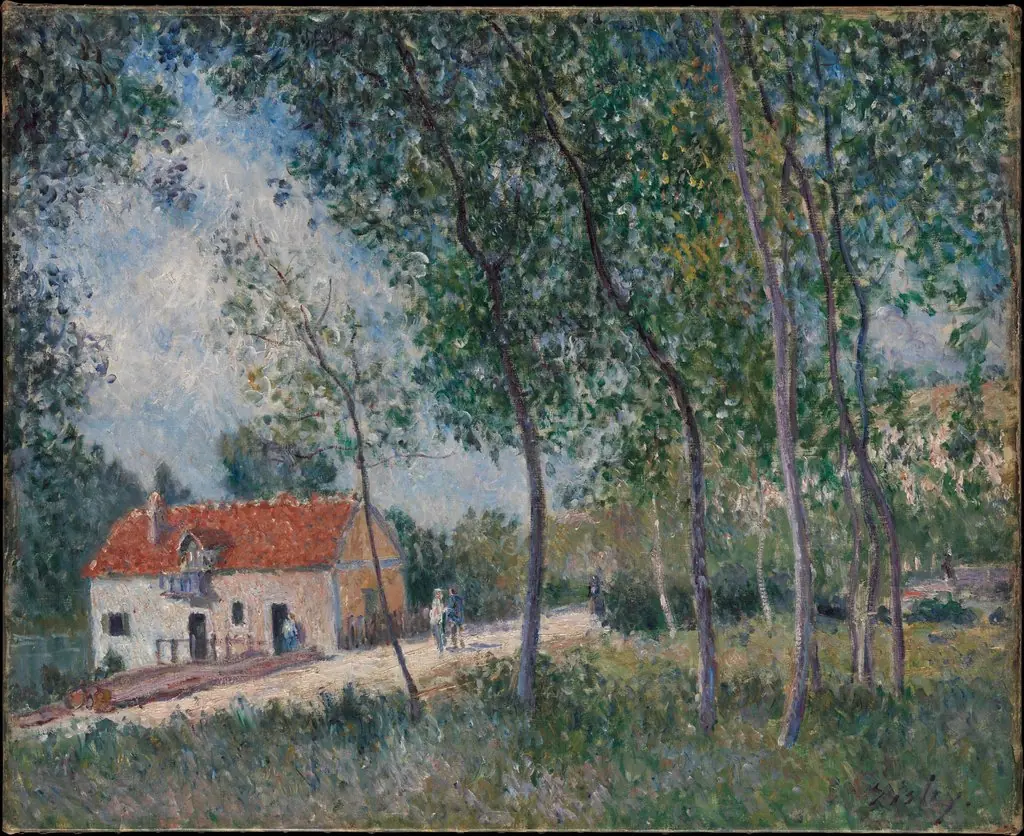 The Road from Moret to Saint-Mammès
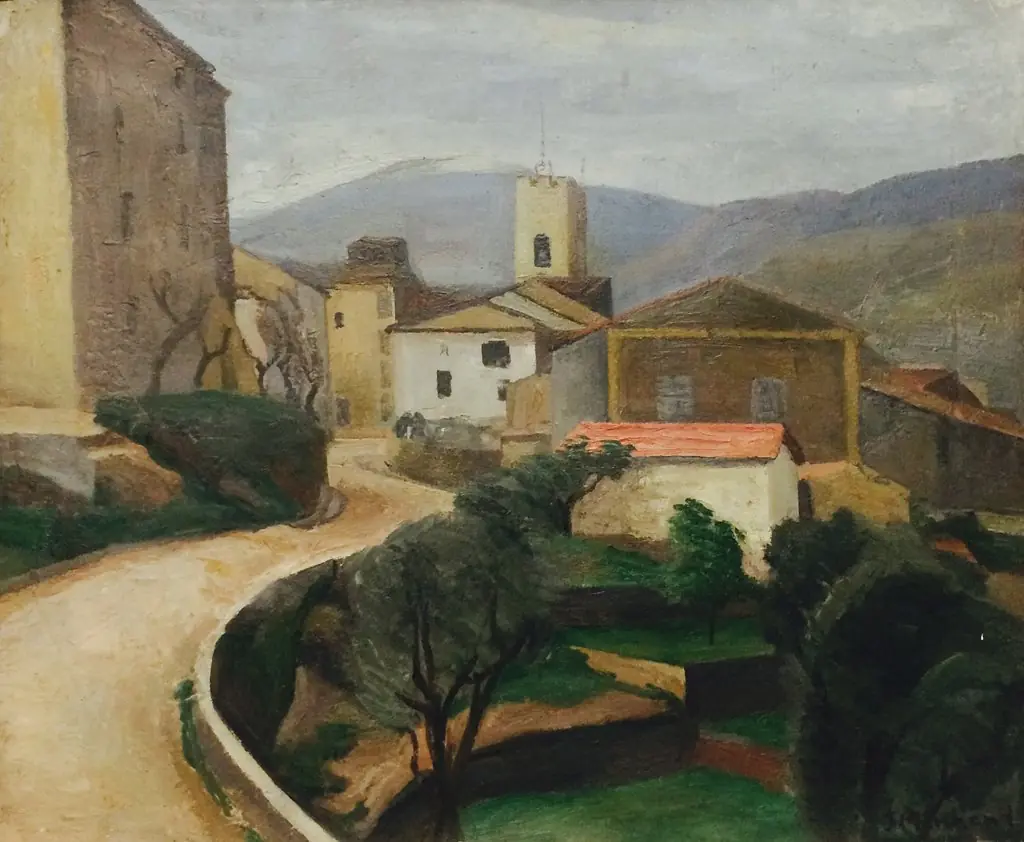 Vence
Vence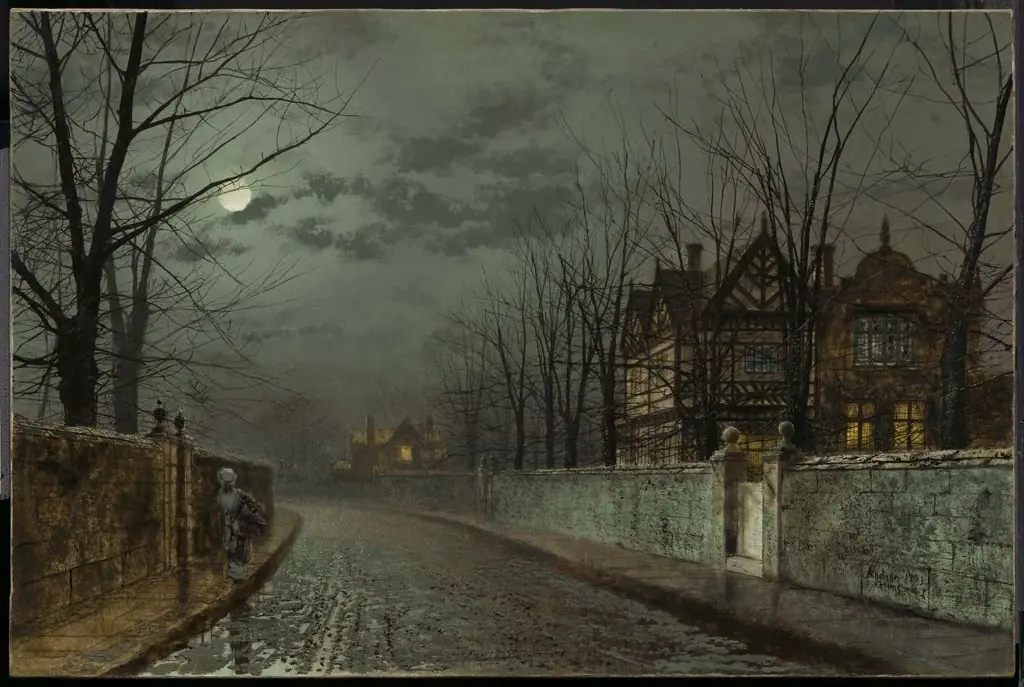 Old English House by Moonlight
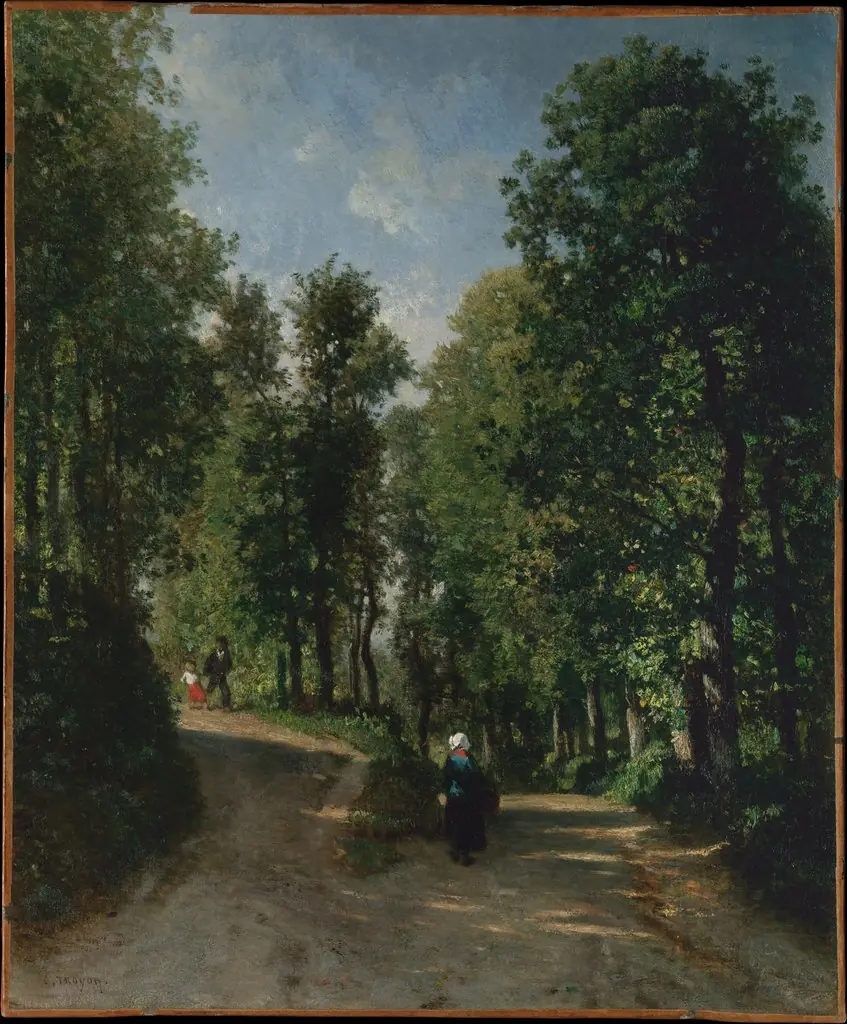 Road in the Woods
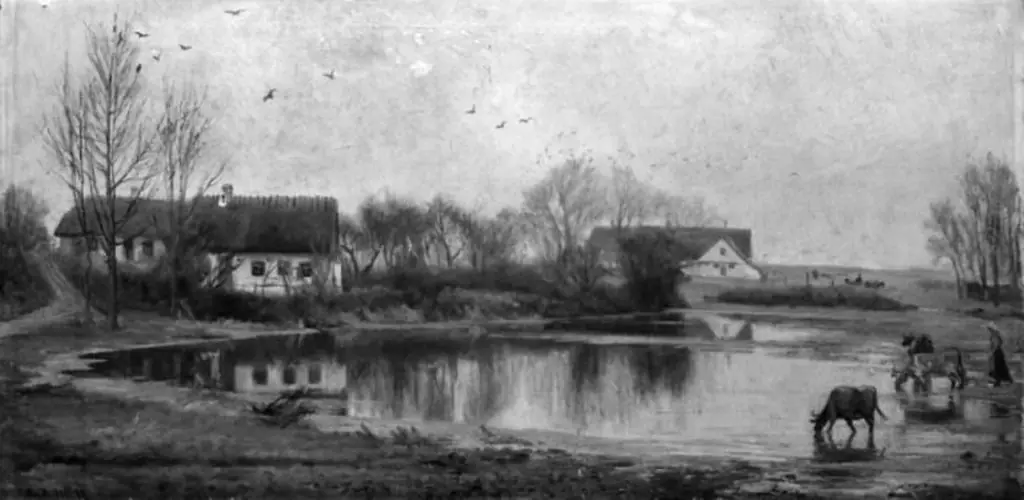 Gadekæret i Kajerød
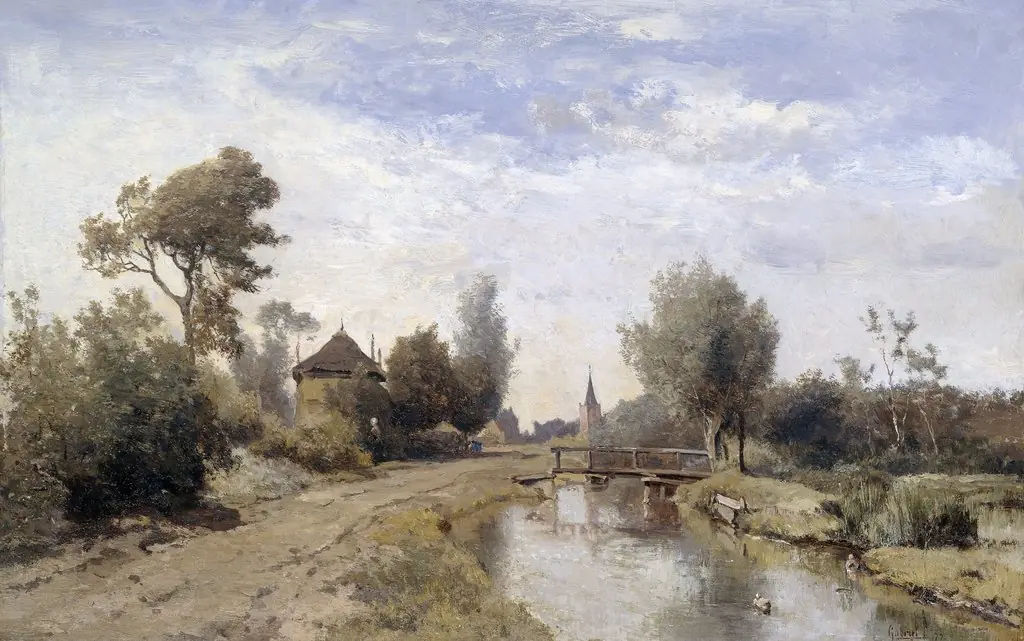 Landscape at Kortenhoef
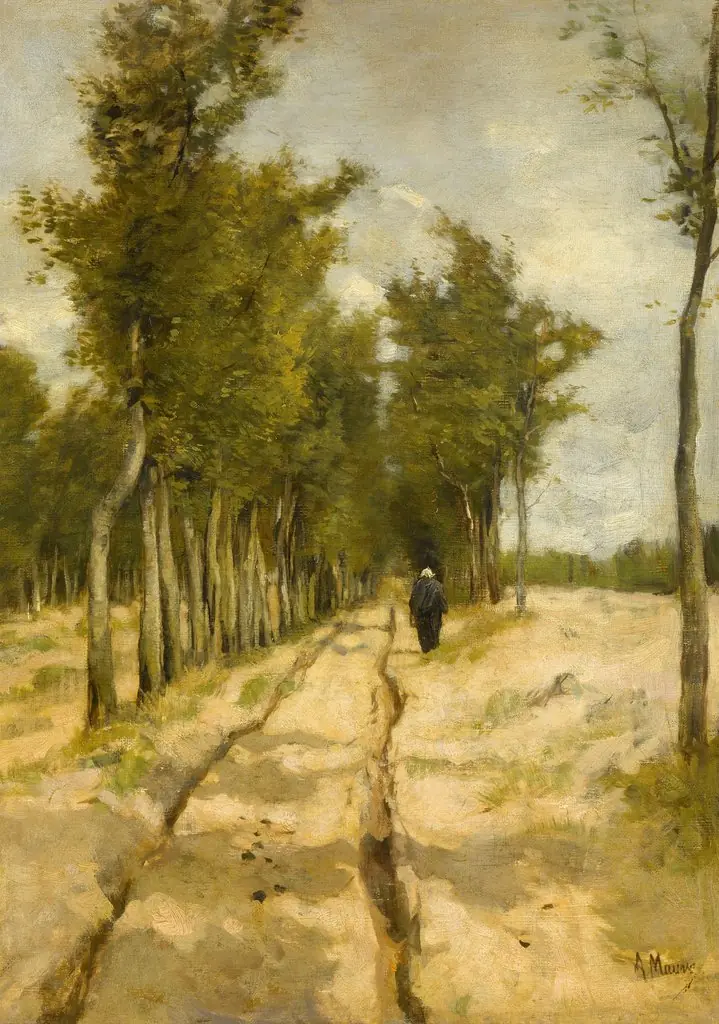 The Torenlaan at Laren.
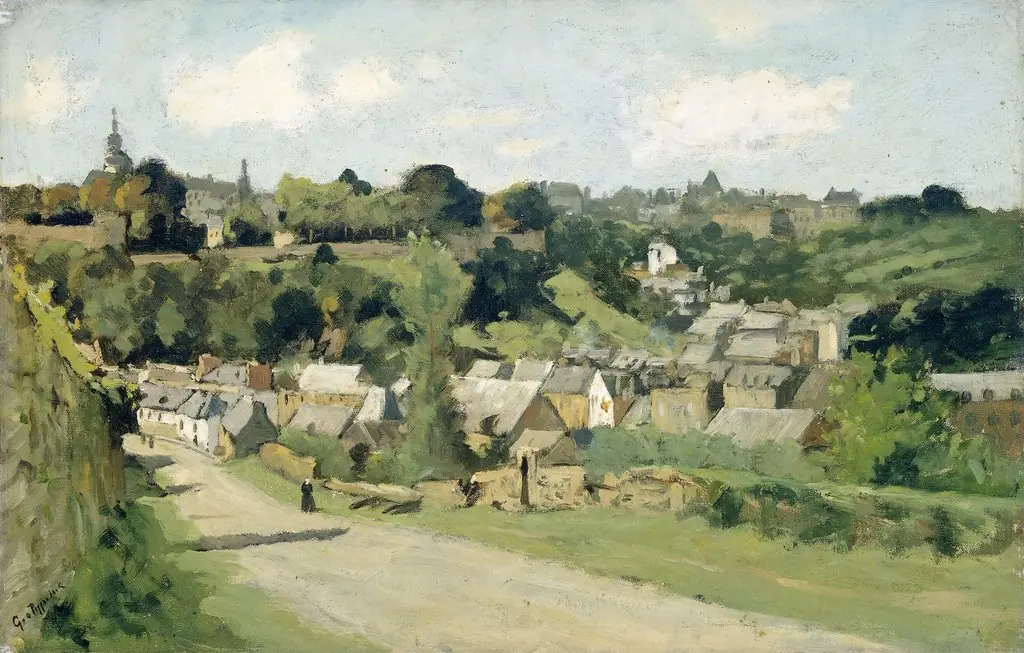 View of Dinant
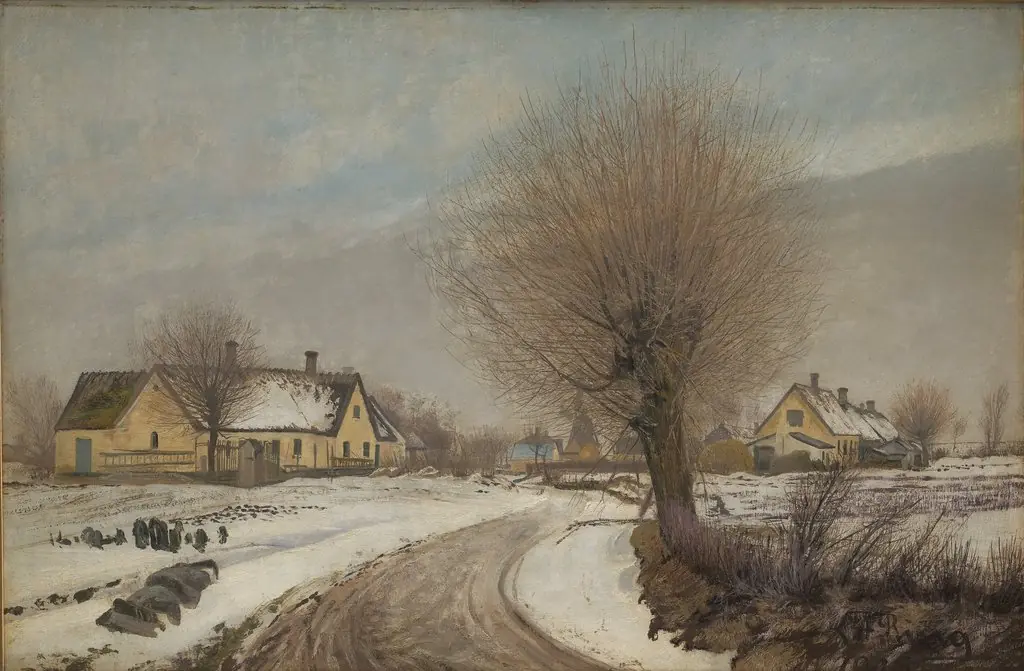 A Sealand Village. Winter
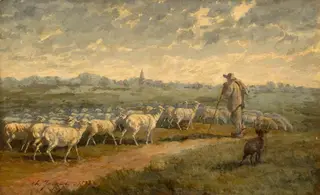 Landscape with a Herd
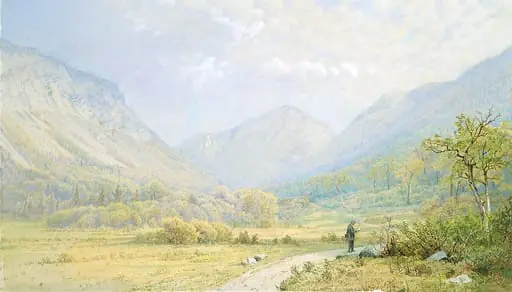 Franconia Notch, New Hampshire
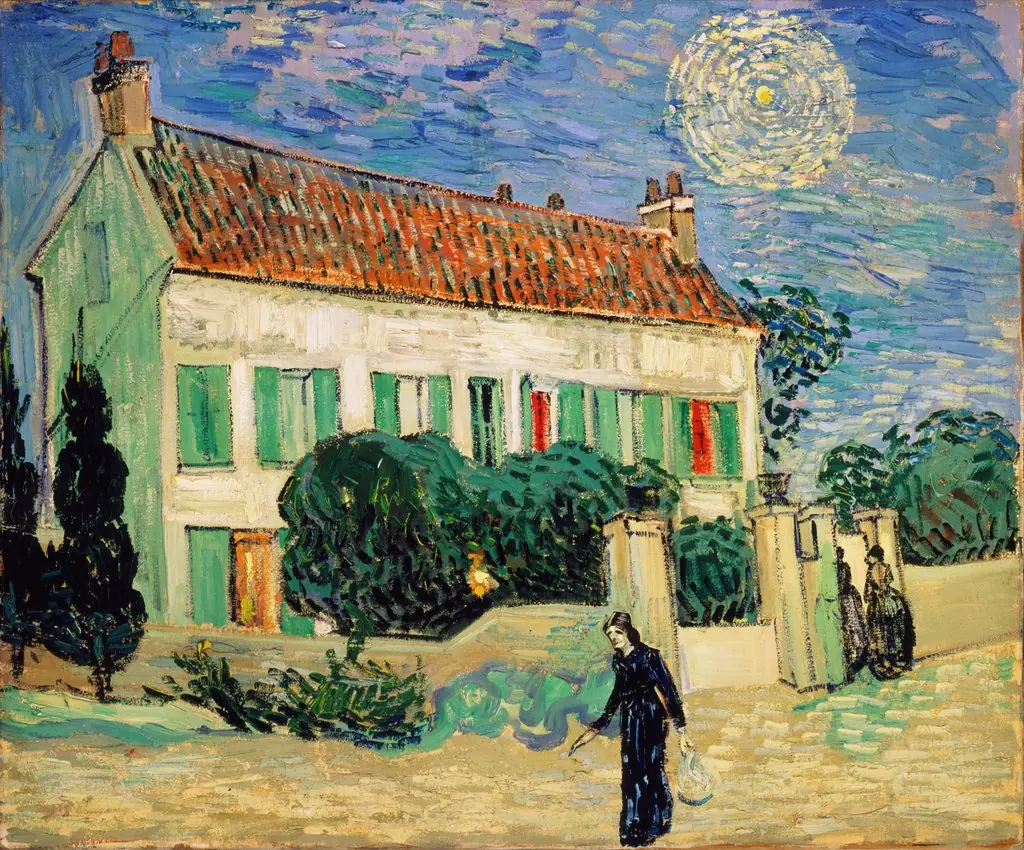 White House at Night
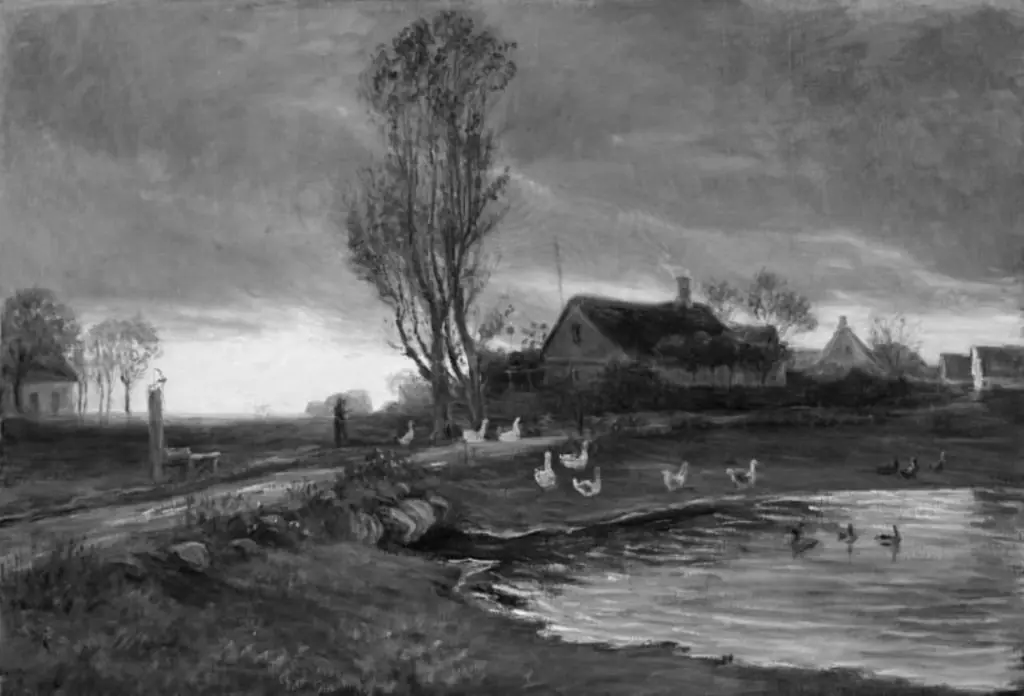 Et gadekær. Maglebylille
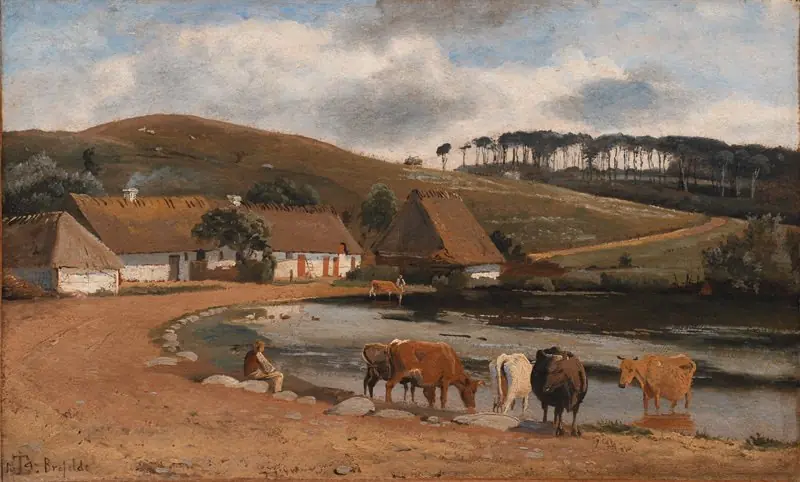 Cows being Watered at a Village Pond. Brofelde, Zealand
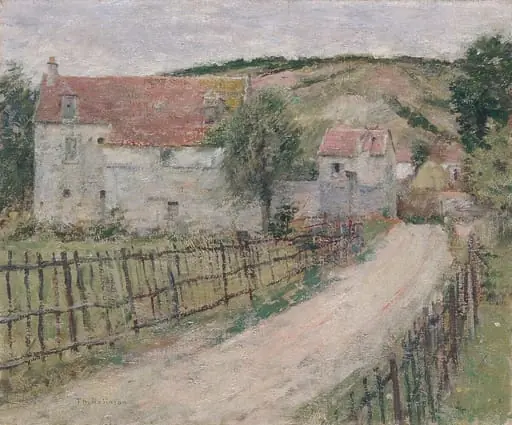 The Old Mill (Vieux Moulin)
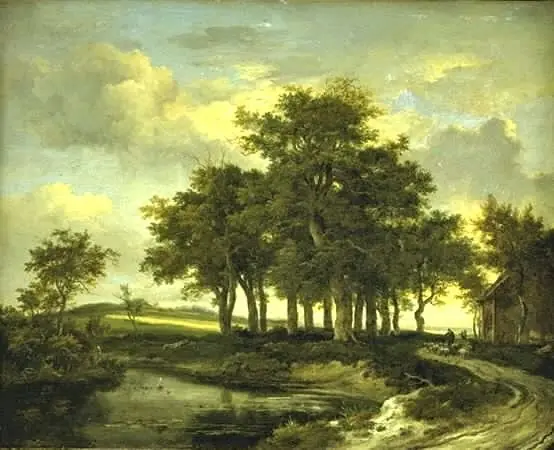 Oak Trees near a Road, Evening
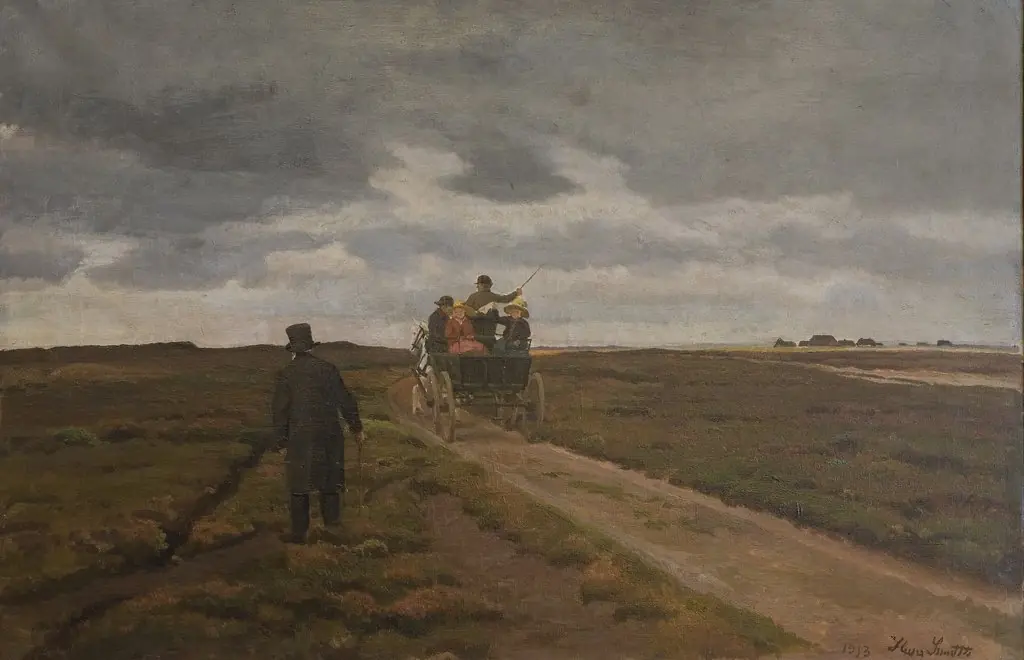 Hedelandskab med en dagvogn
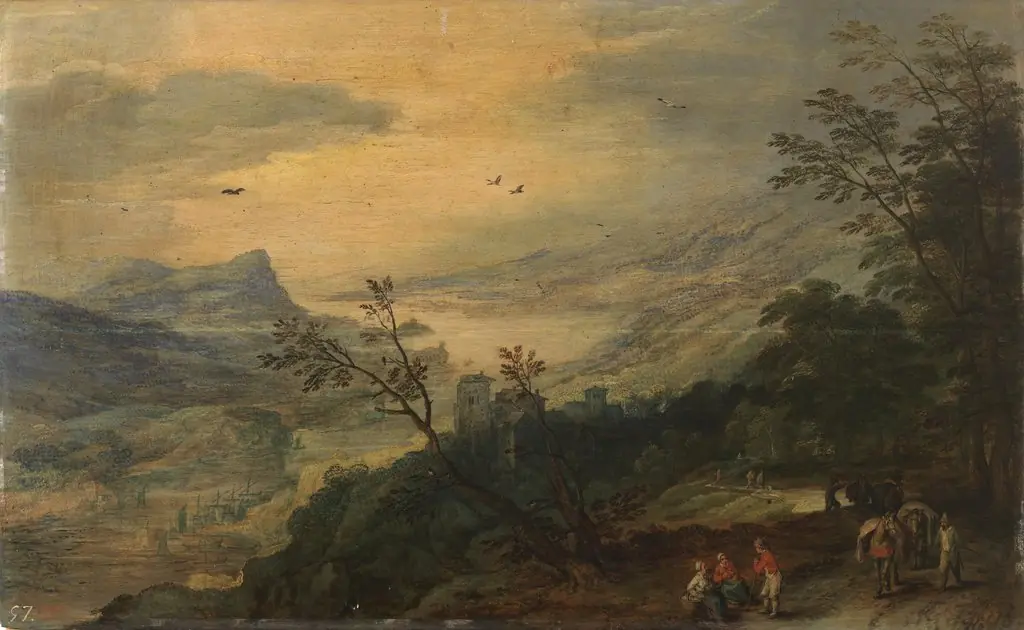 Landscape
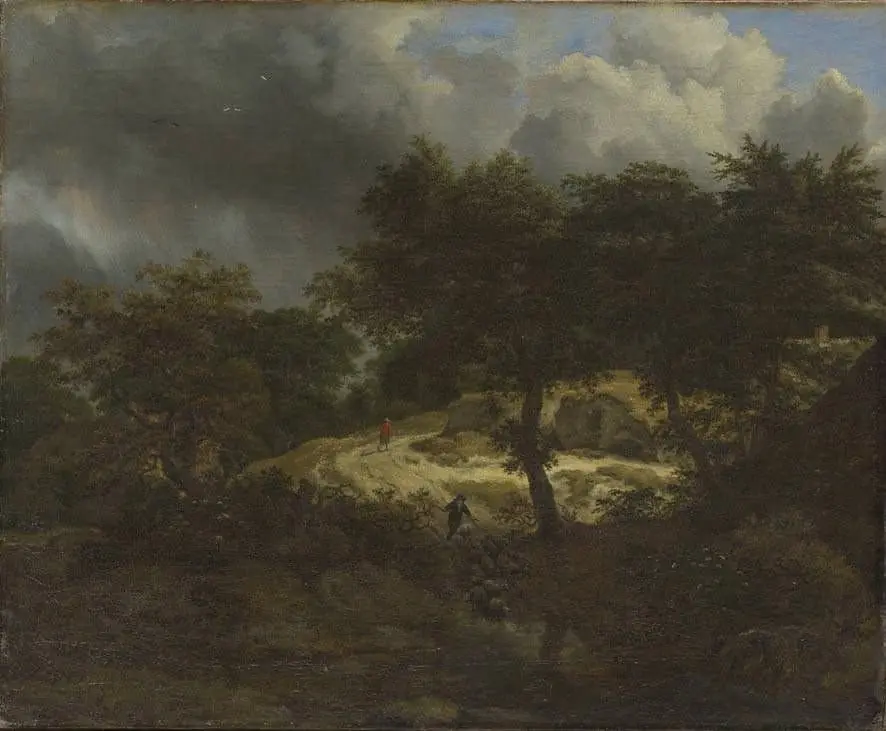 Wooded Landscape with Oncoming Storm
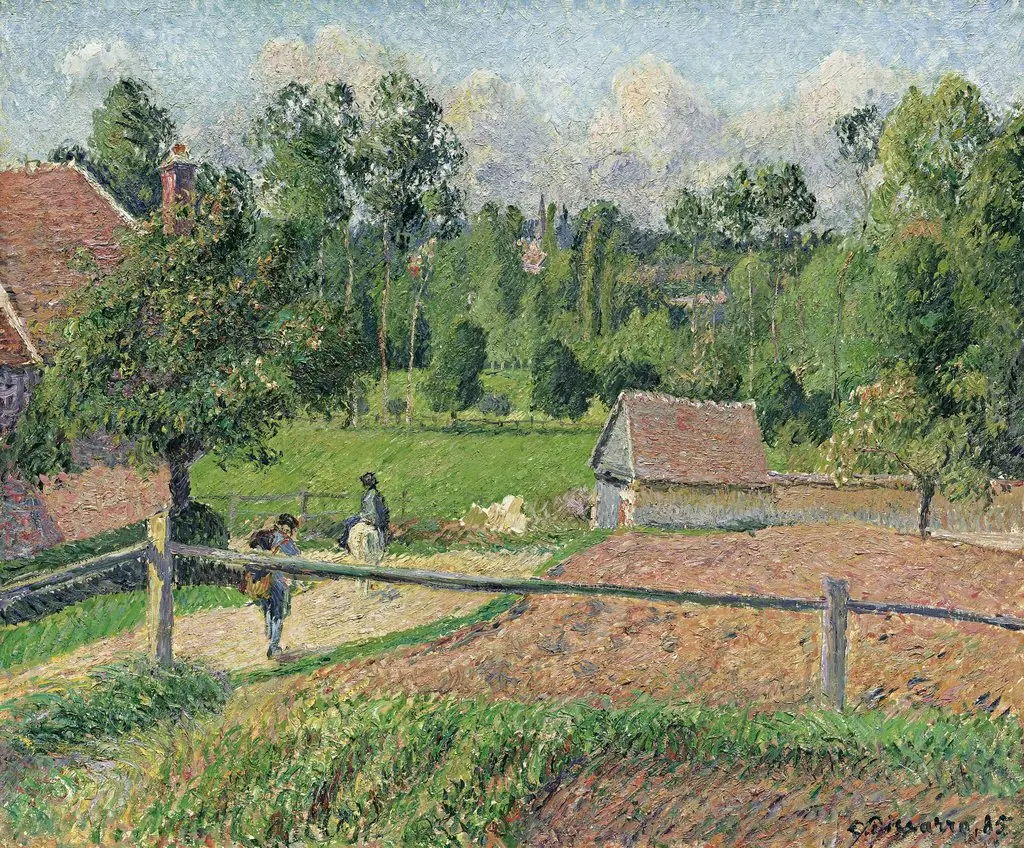 The Delafolie House, Éragny
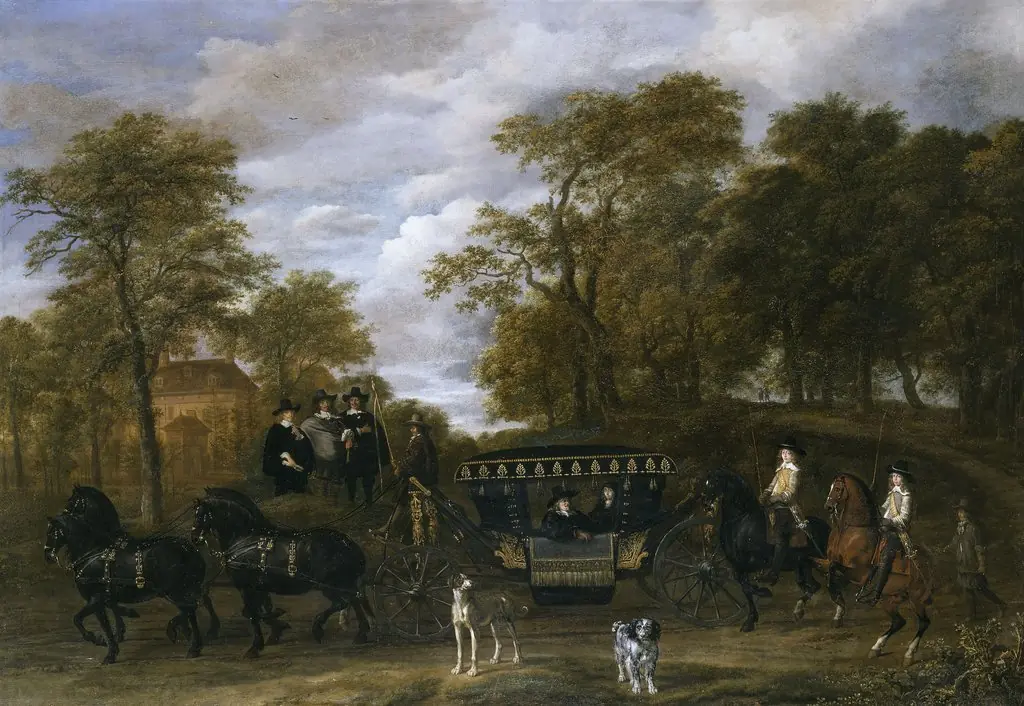 Cornelis de Graeff with his Wife and Sons
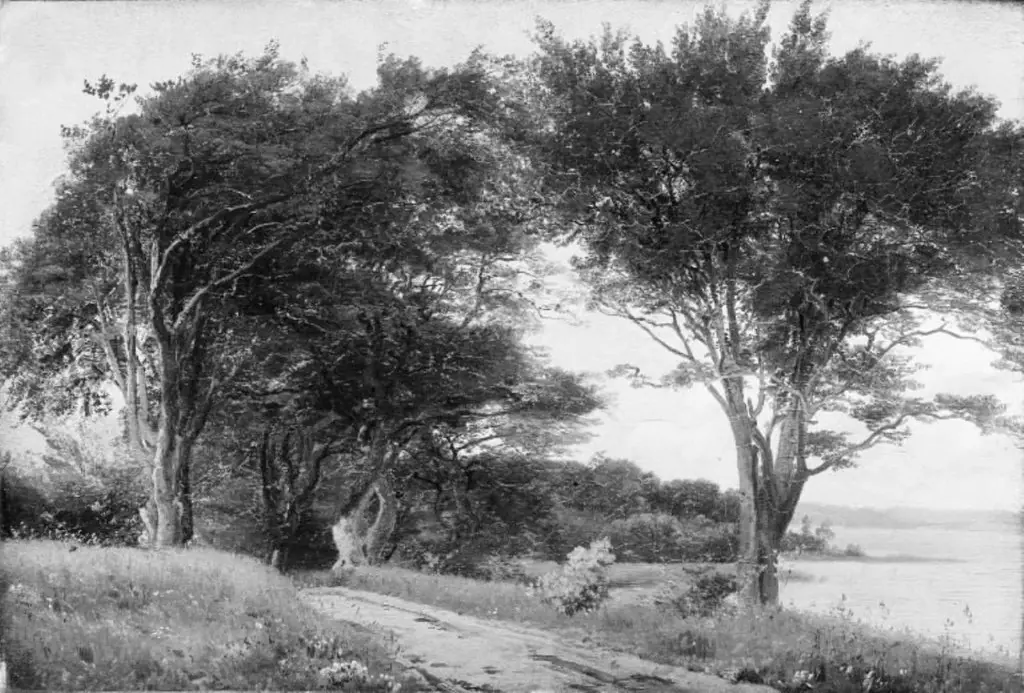 Studie fra Furesøen
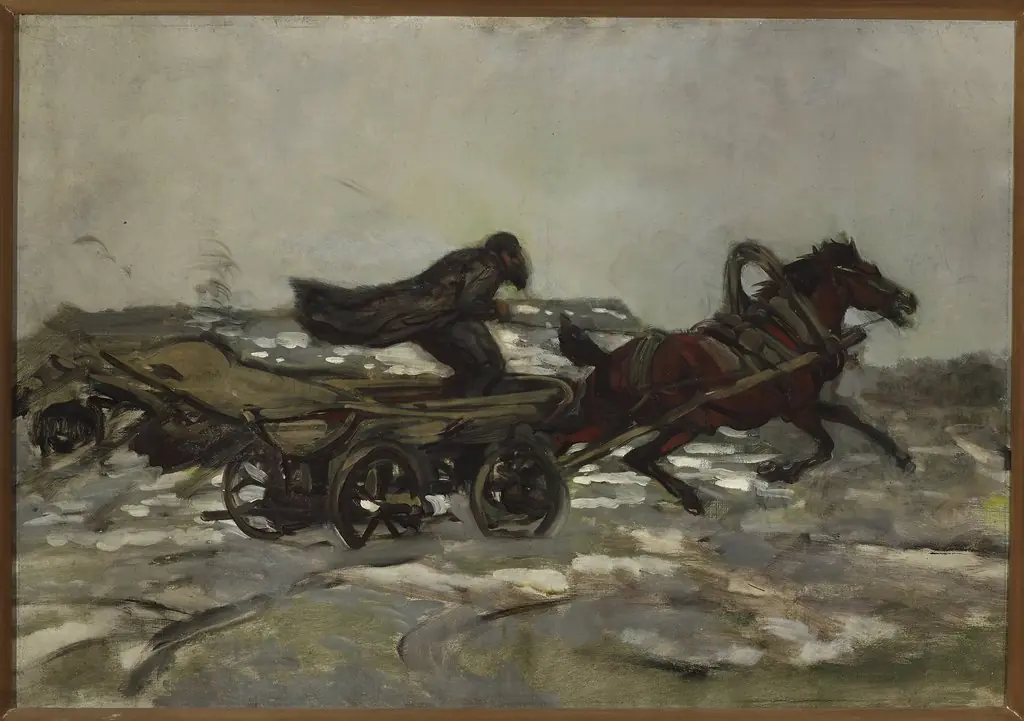 Rushing cart driven by a Jew
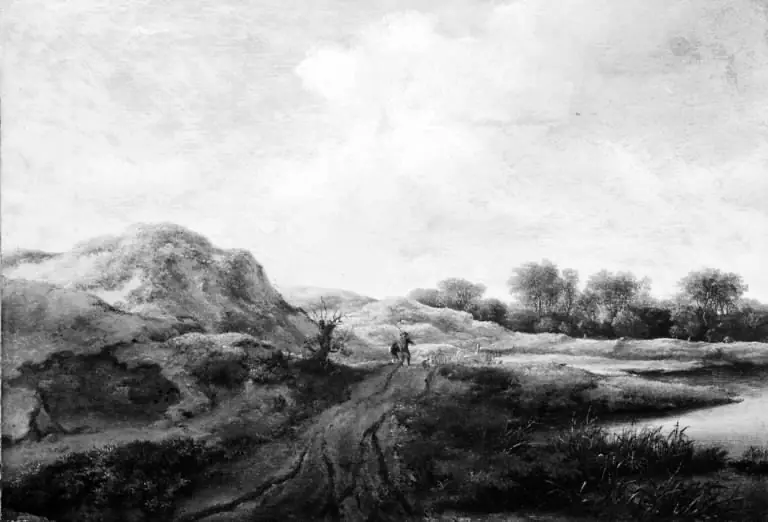 Dune Landscape near Haarlem
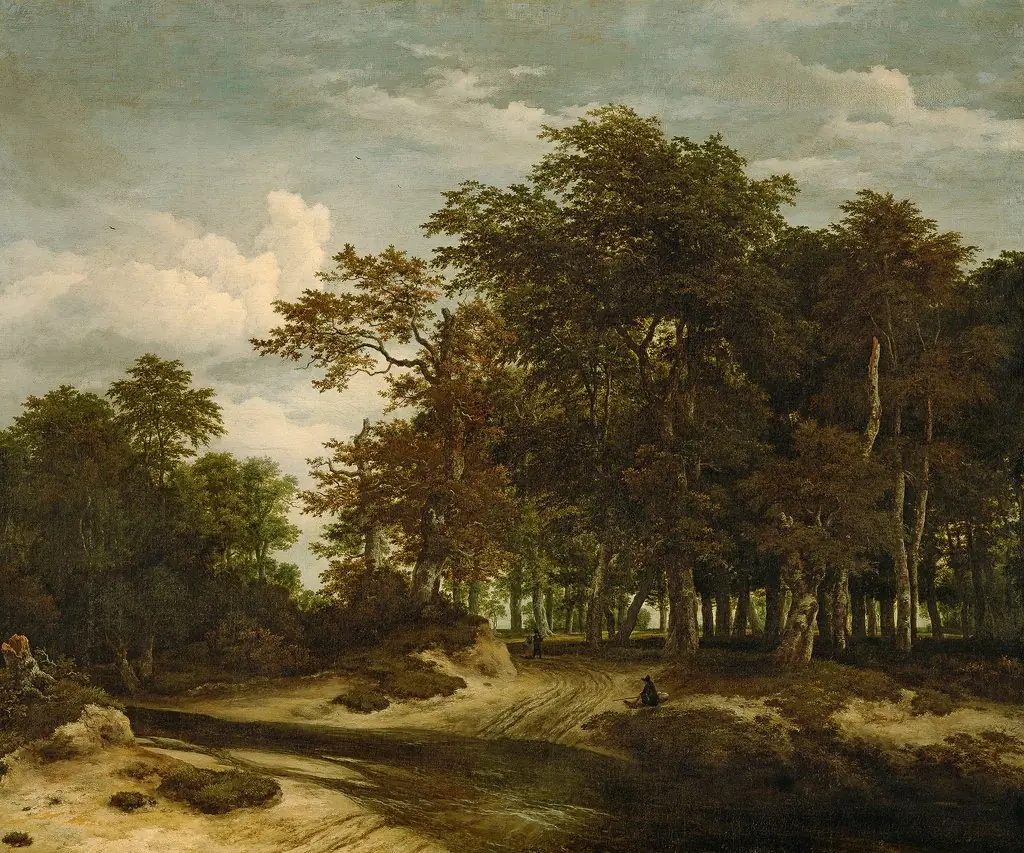 The Large Forest
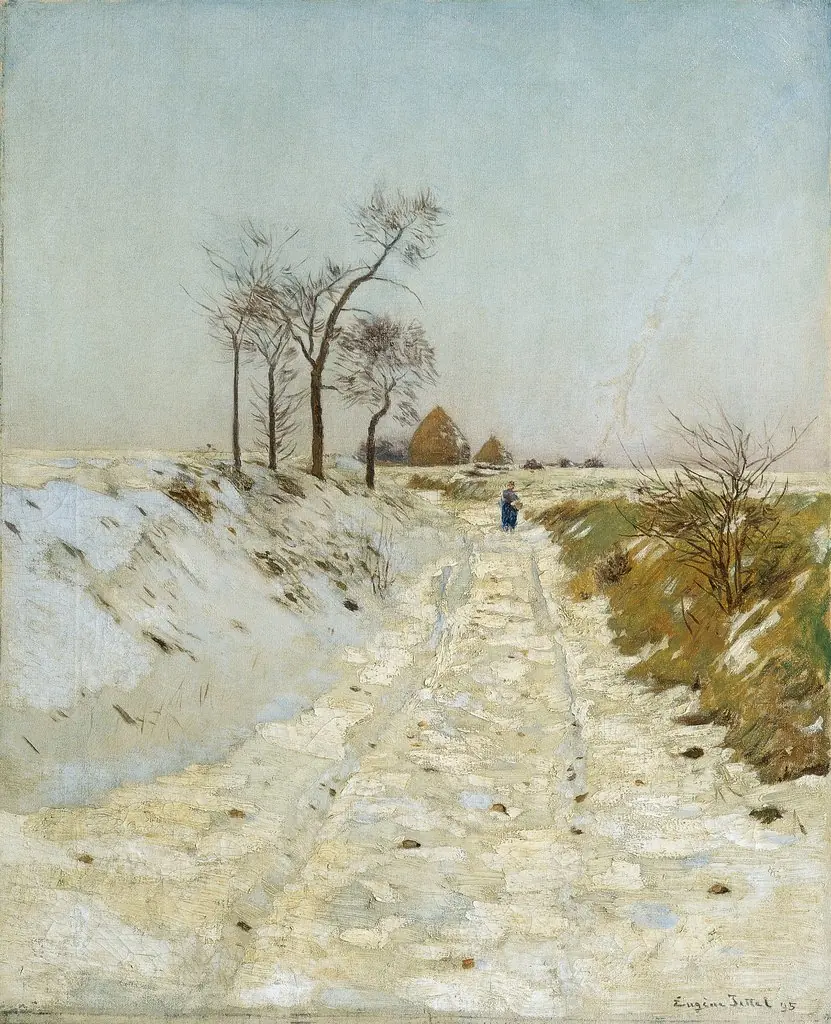 Hohlweg im Winter
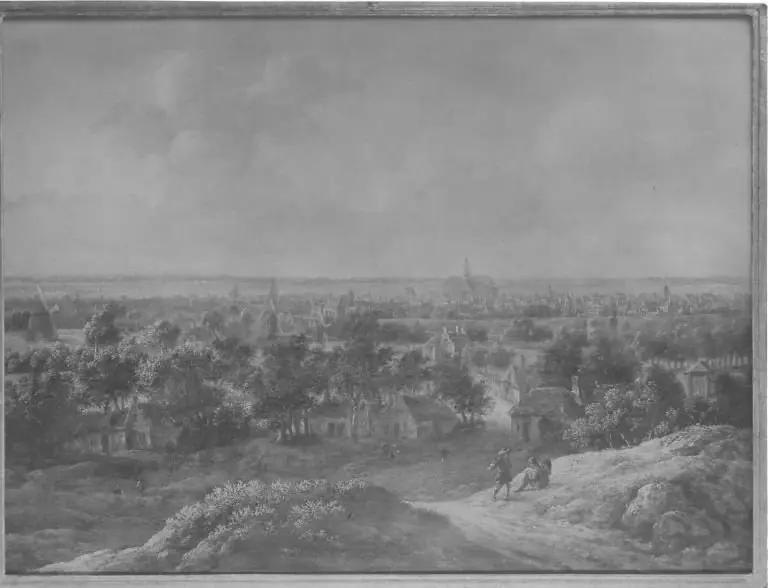 Outskirts of Haarlem
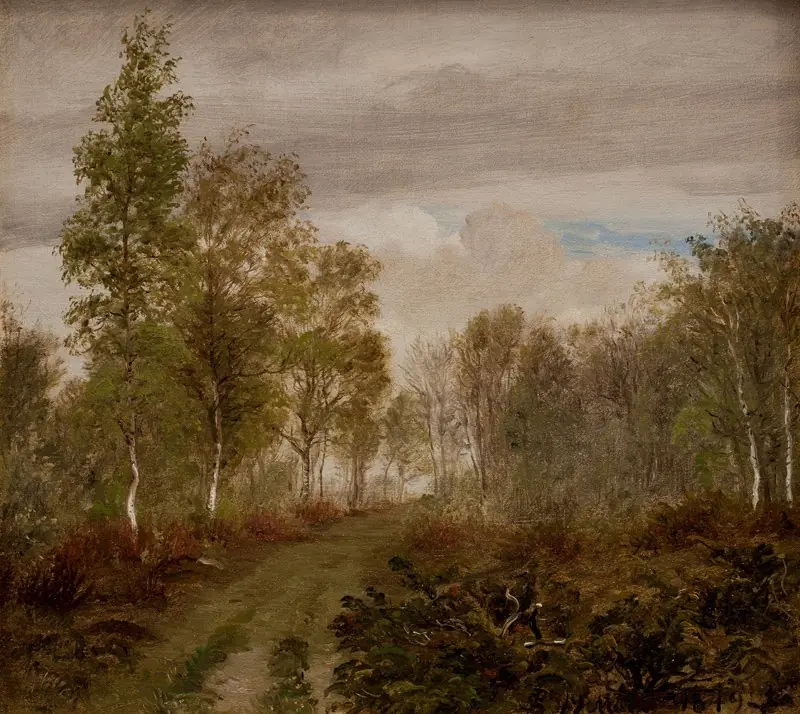 Birketræer på Læsø efter regn
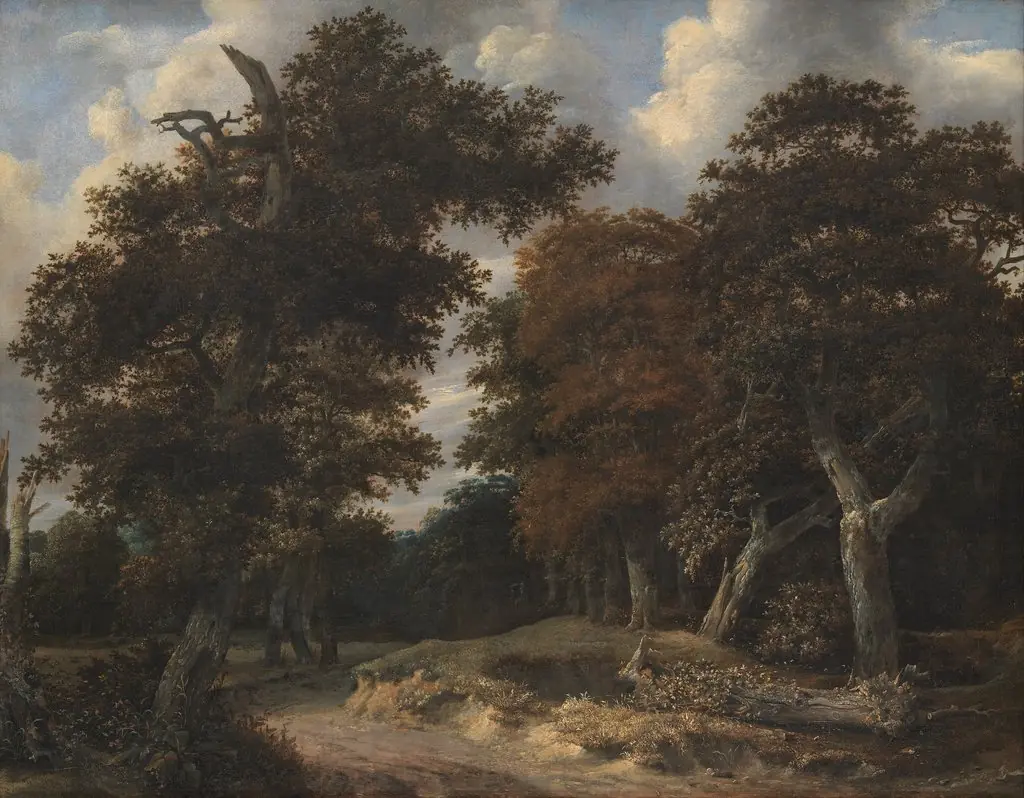 Road through an Oak Forest
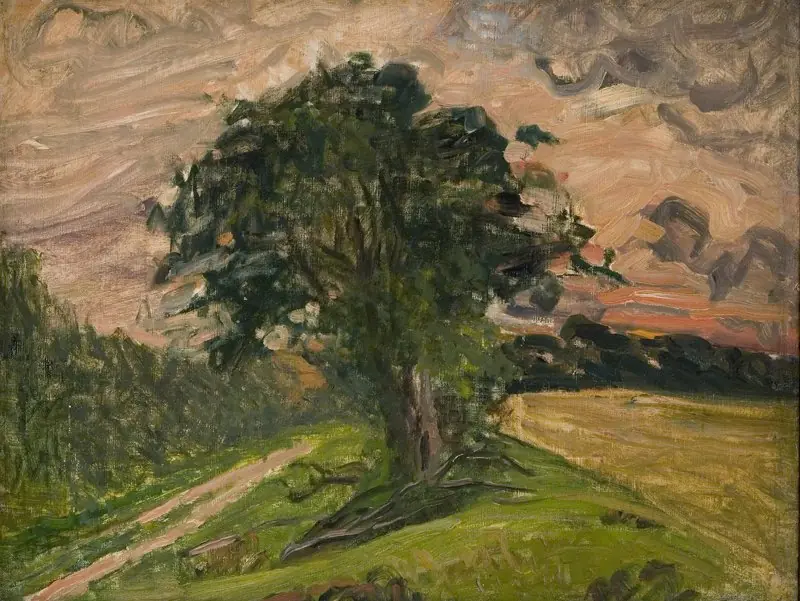 Aftenlandskab. Tisvilde
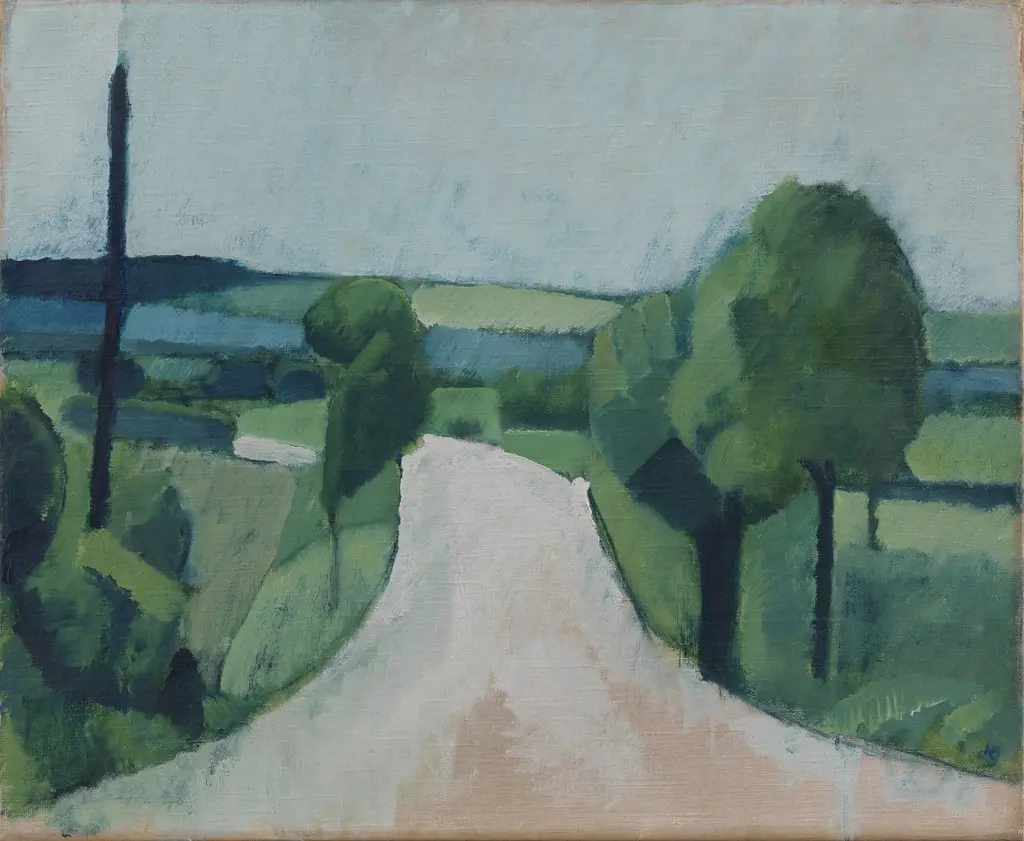 Road near Fåborg on Funen
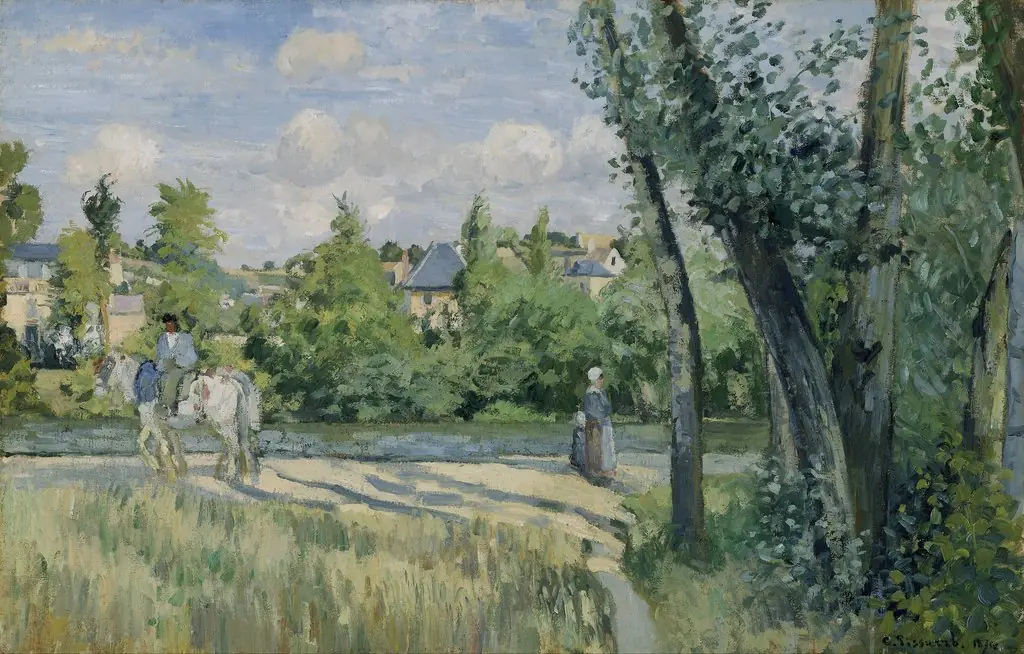 Sunlight on the Road, Pontoise
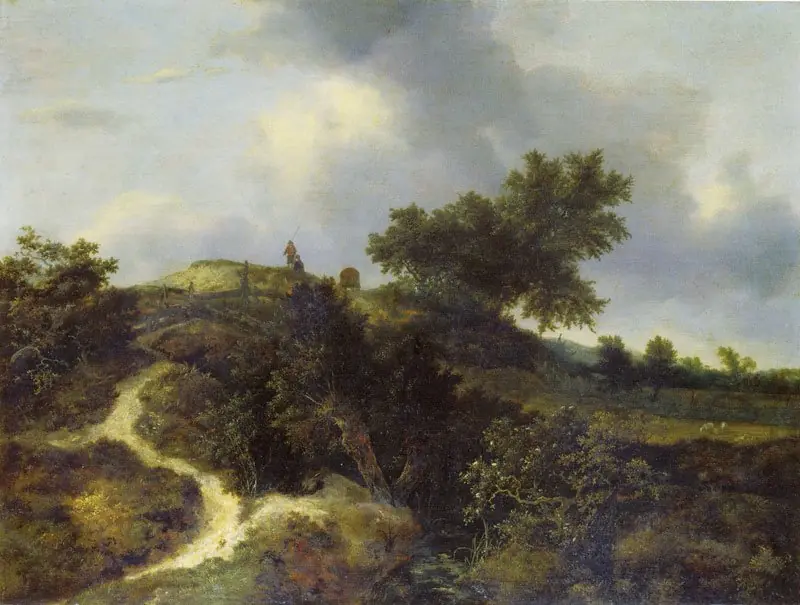 Road in the Dunes
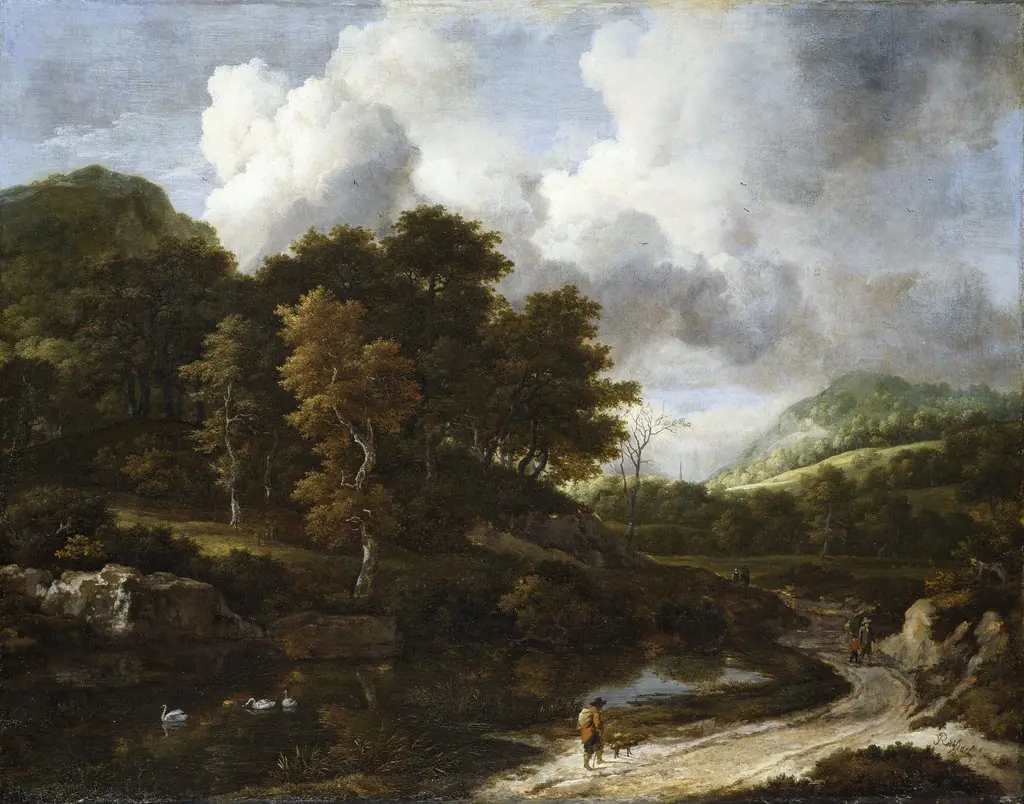 A wooded landscape
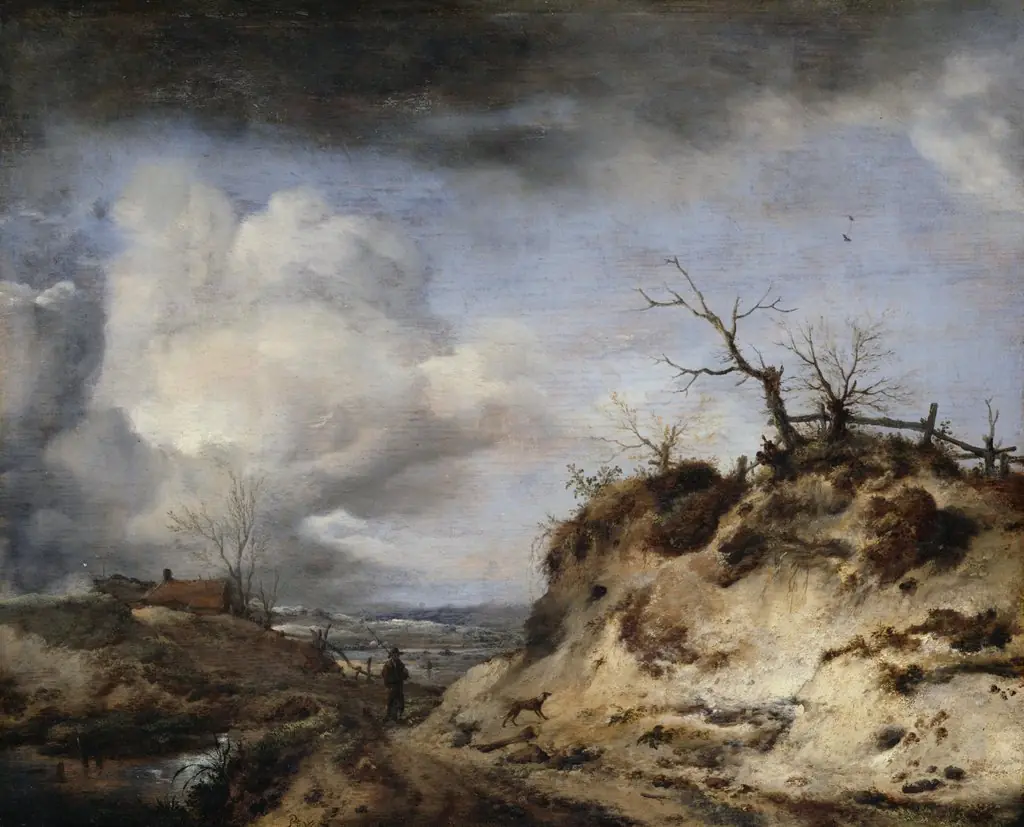 Path through the Dunes
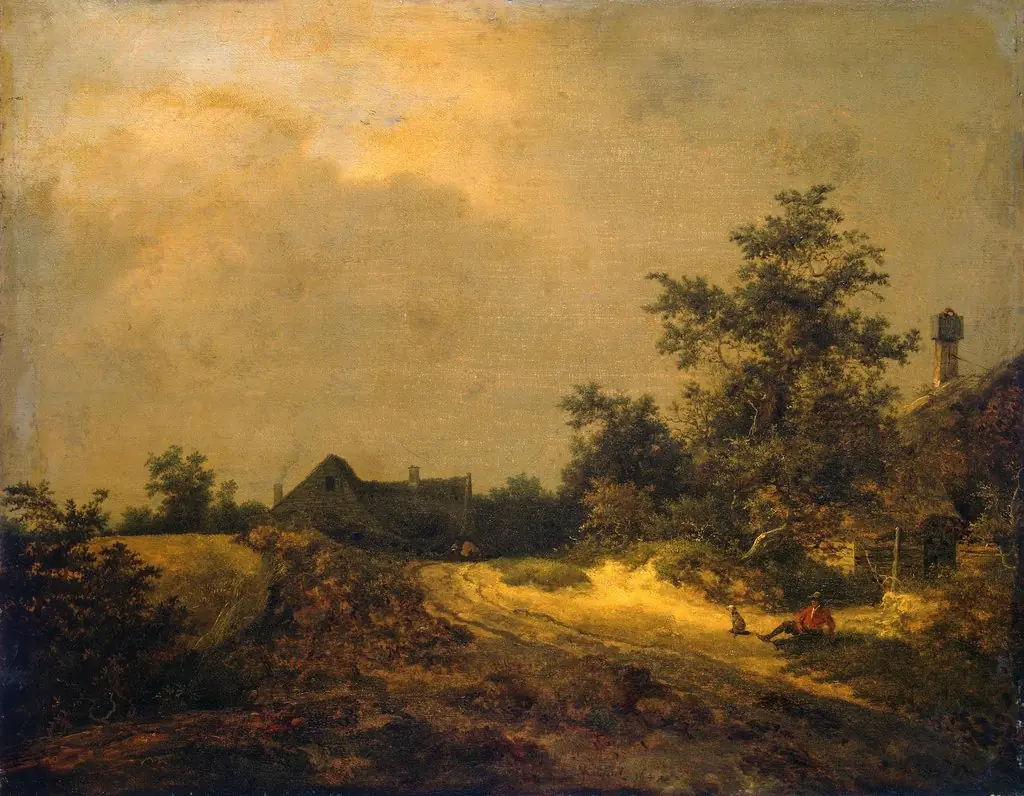 Landscape with some houses and a sand track
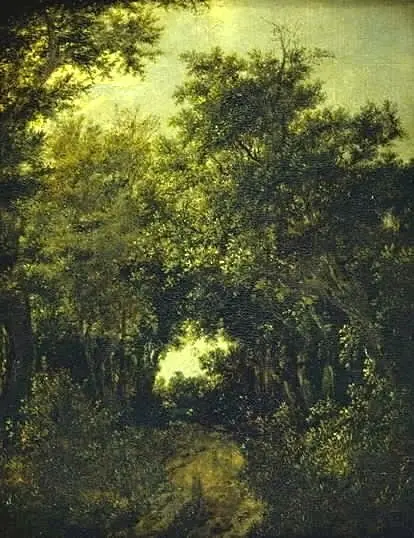 Road in an Oak Forest
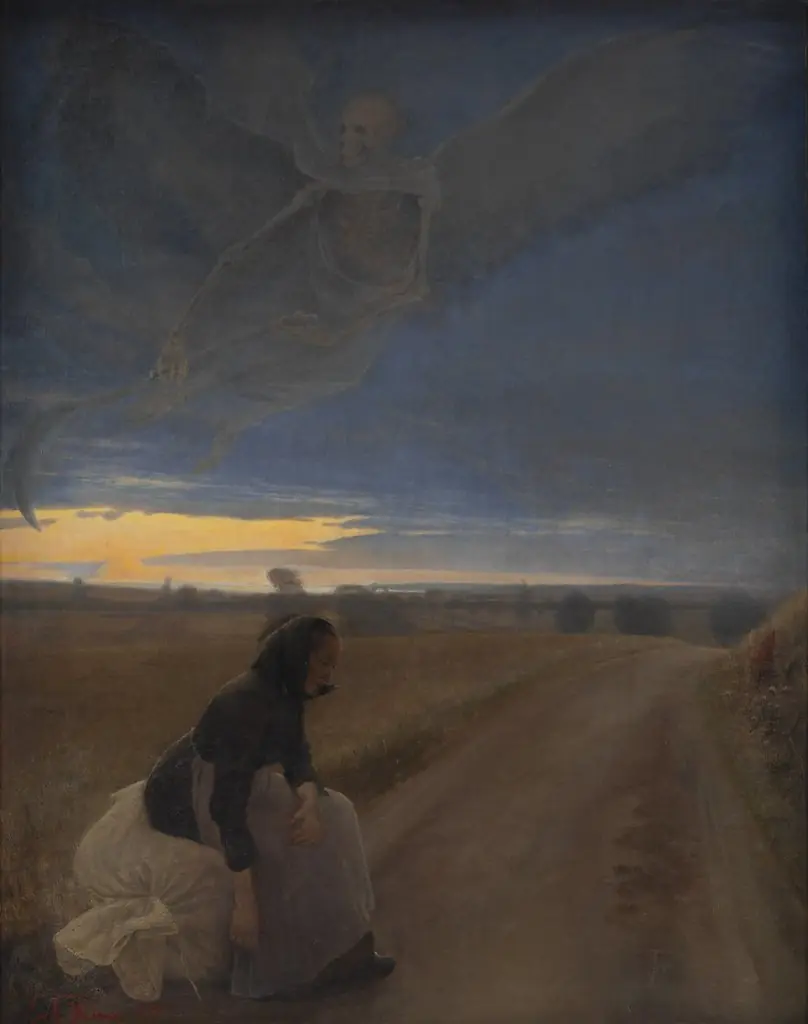 Evening. Death and the Old Woman
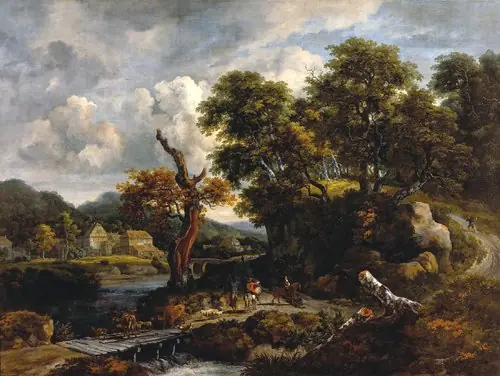 Travellers and shepherds at a crossroads near a dead tree
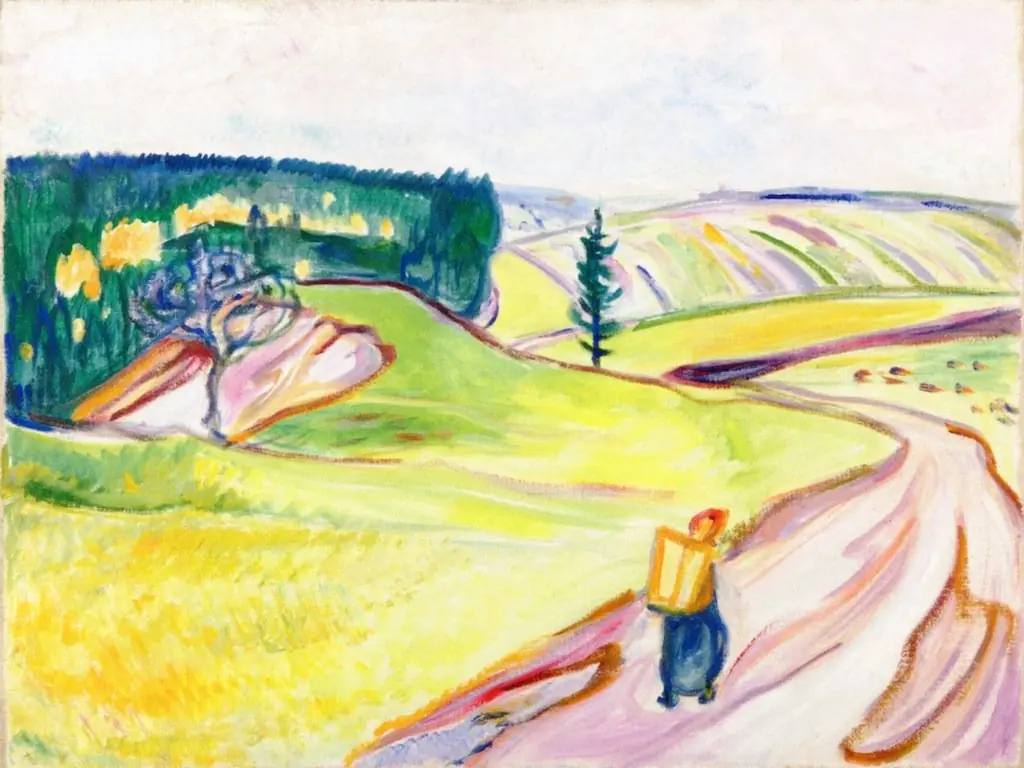 Road in Thüringen
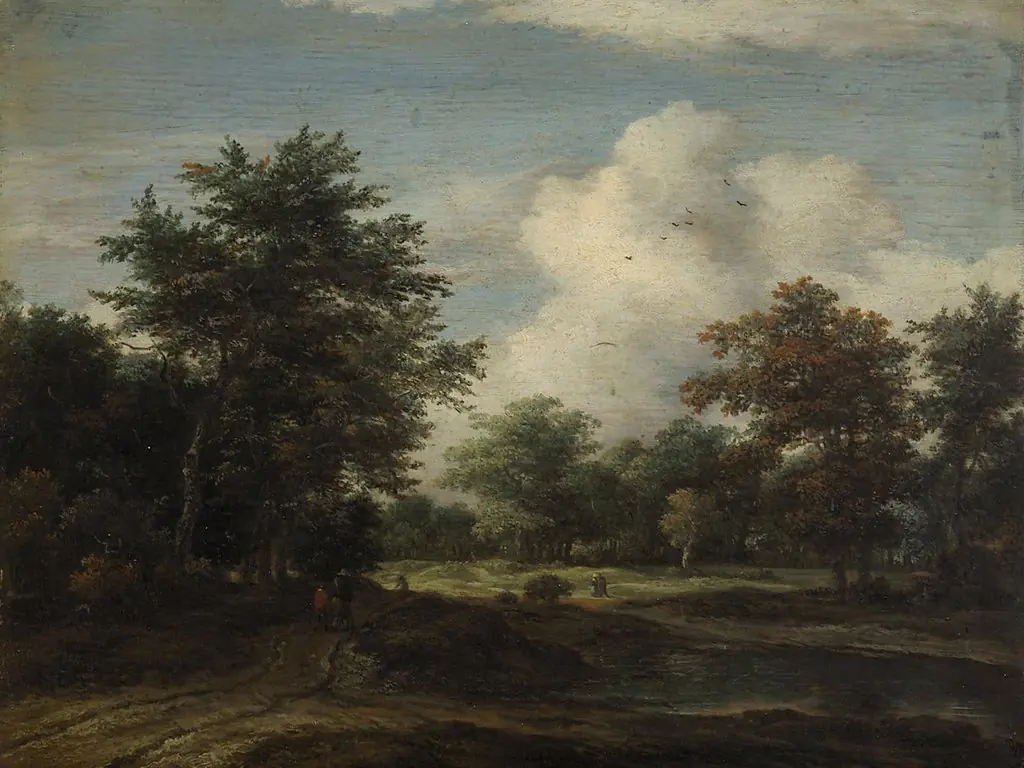 Small Woodland Landscape
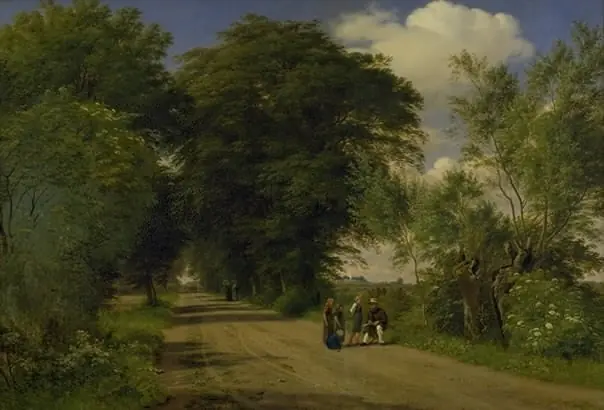 A Country Road near Vognserup Manor, Zealand. The Painter J.Th. Lundbye Sketching by the Roadside
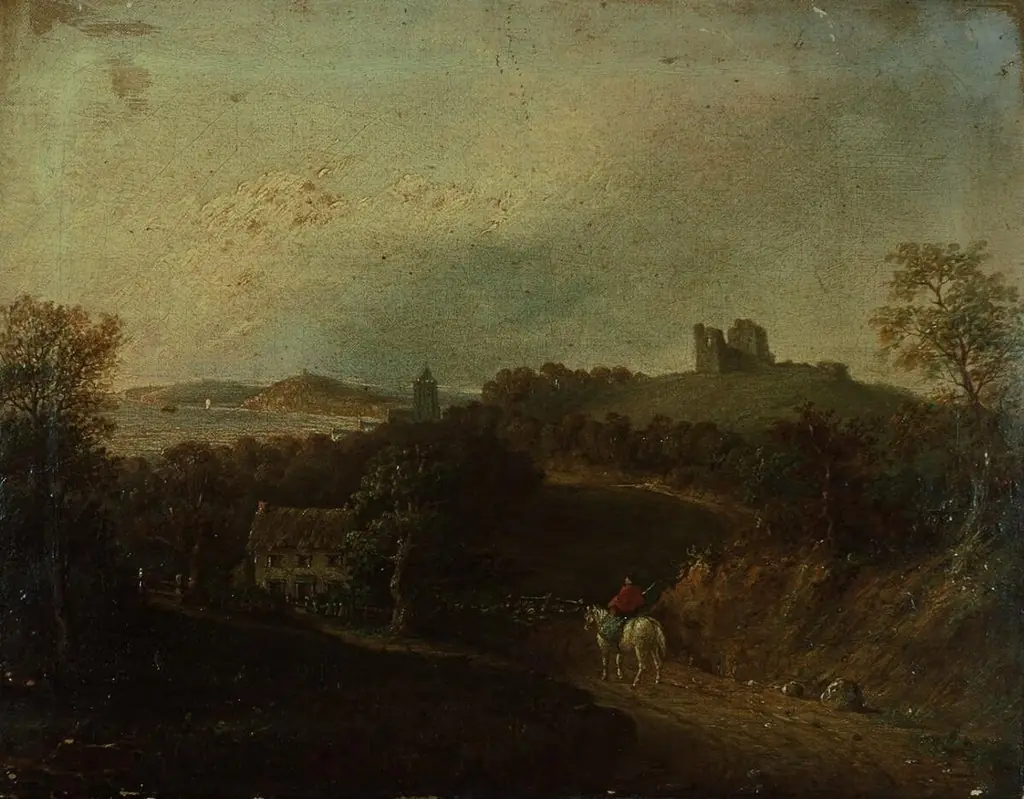 Trefdraeth
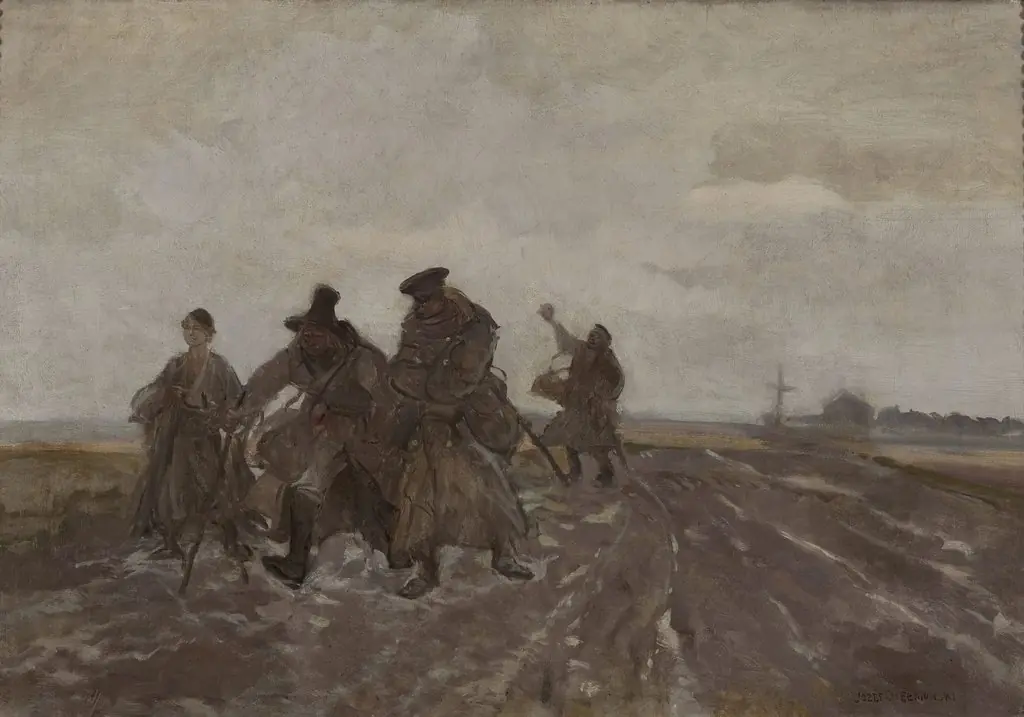 On the road
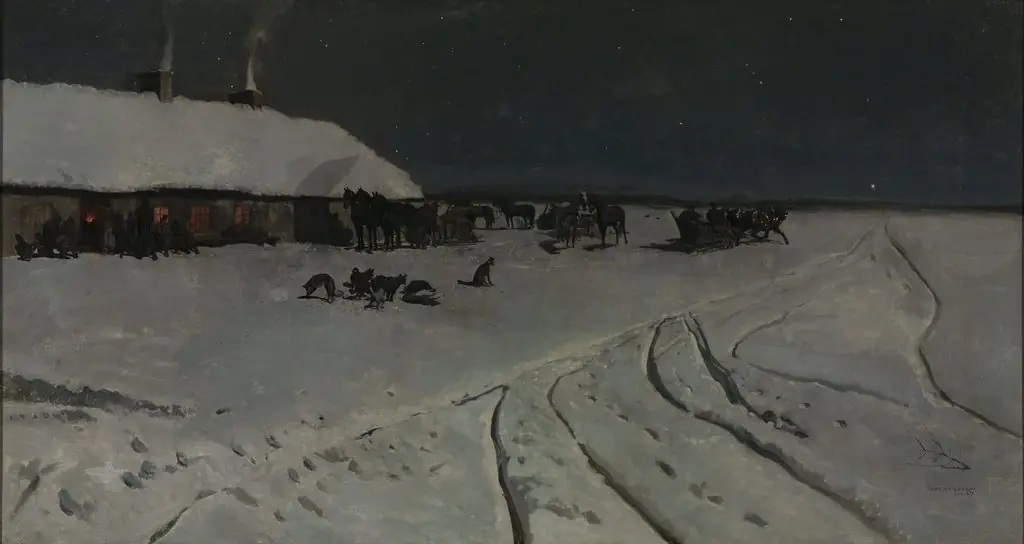 Winter night in Ukraine
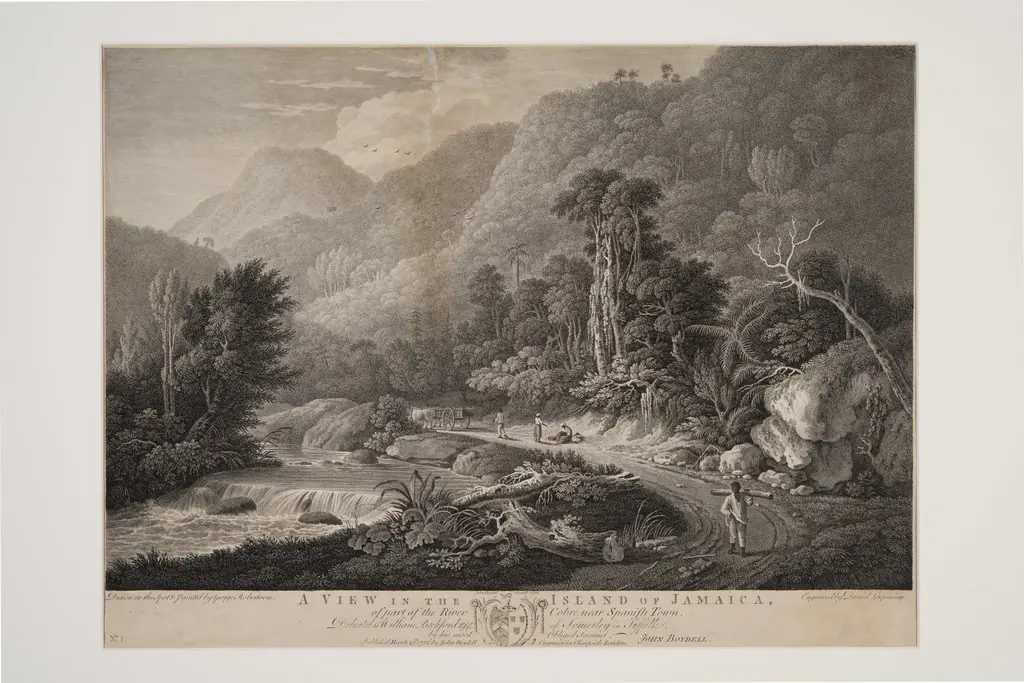 A View in the Island of Jamaica, of Part of the River Cobre near Spanish Town
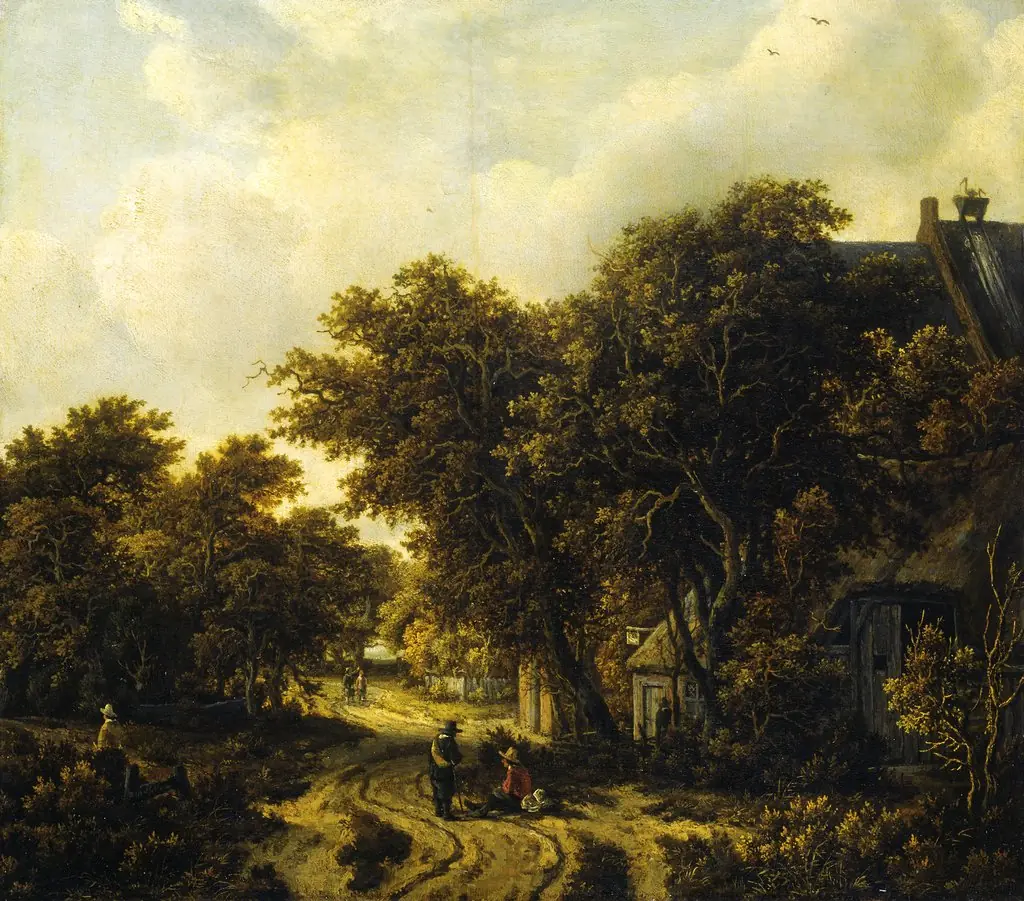 Landscape with an Inn
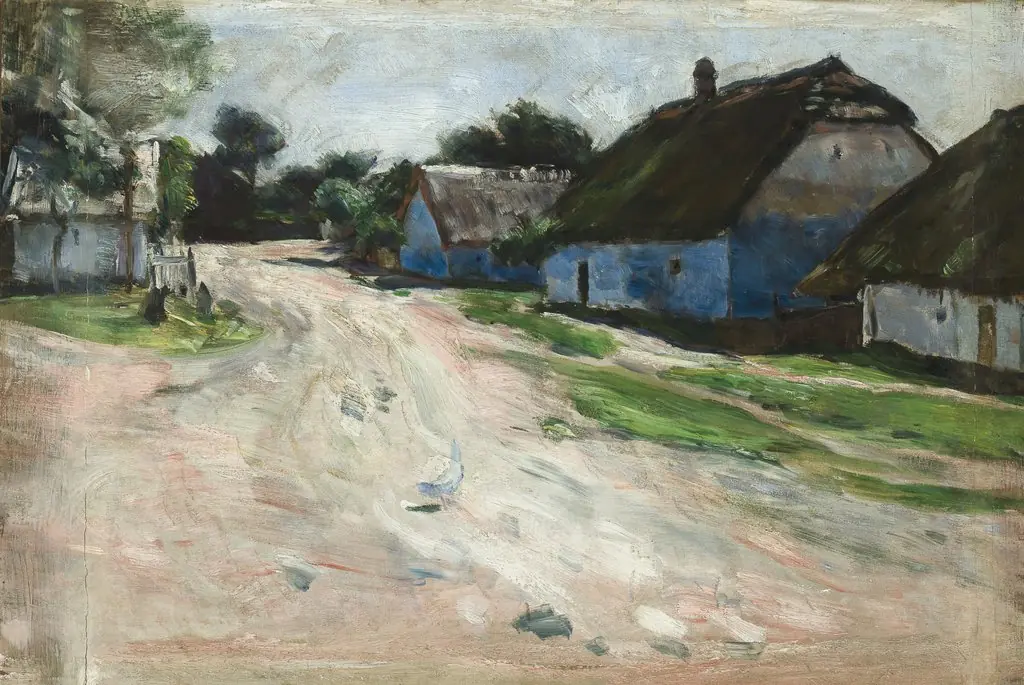 Road at Bronowice
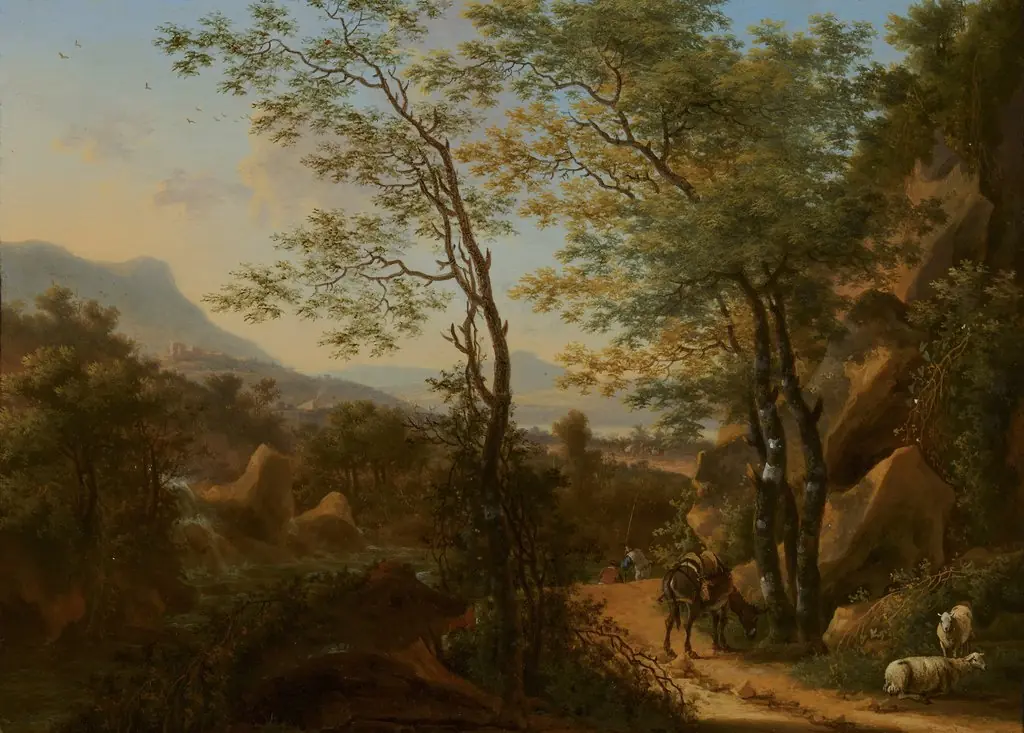 Mountainous Landscape in Italy
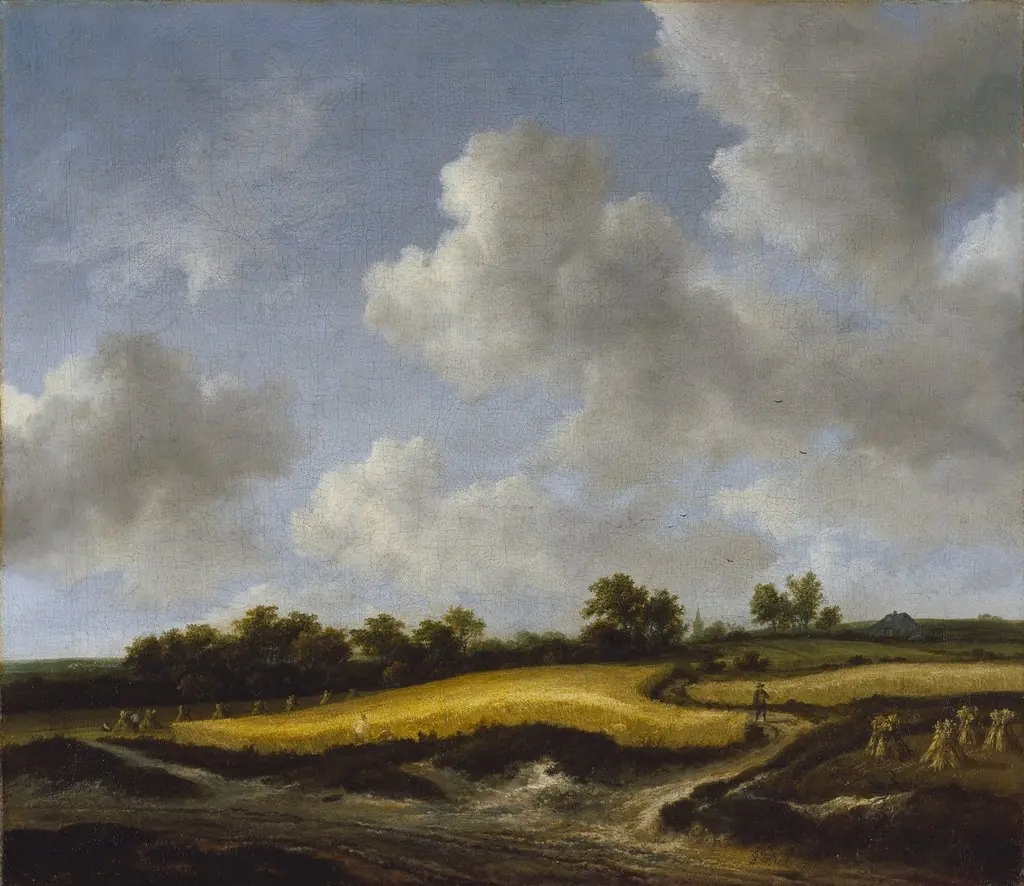 Landscape with a Wheatfield
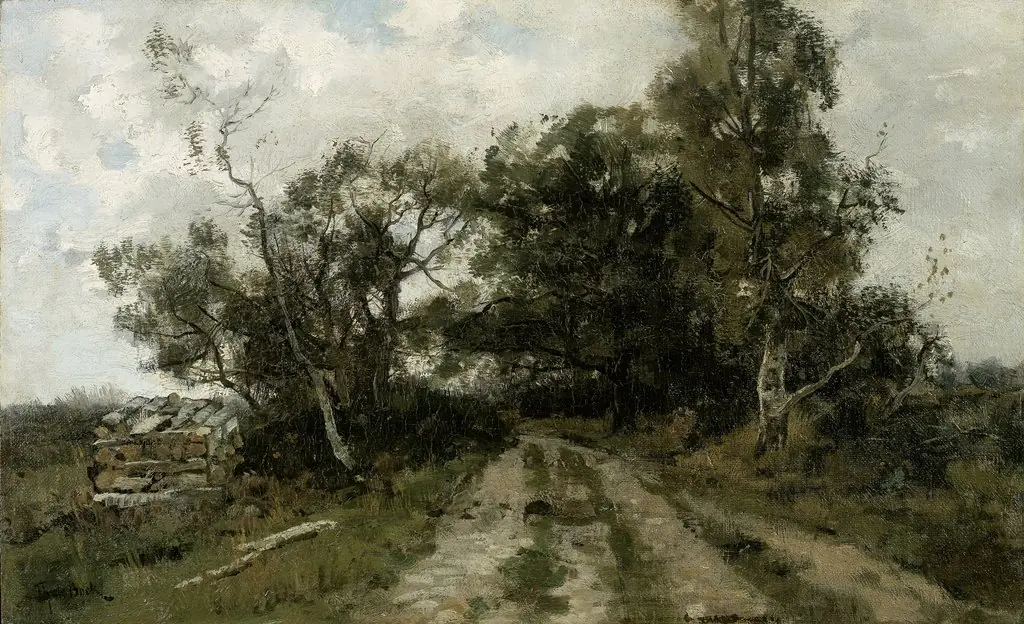 Sandy Path
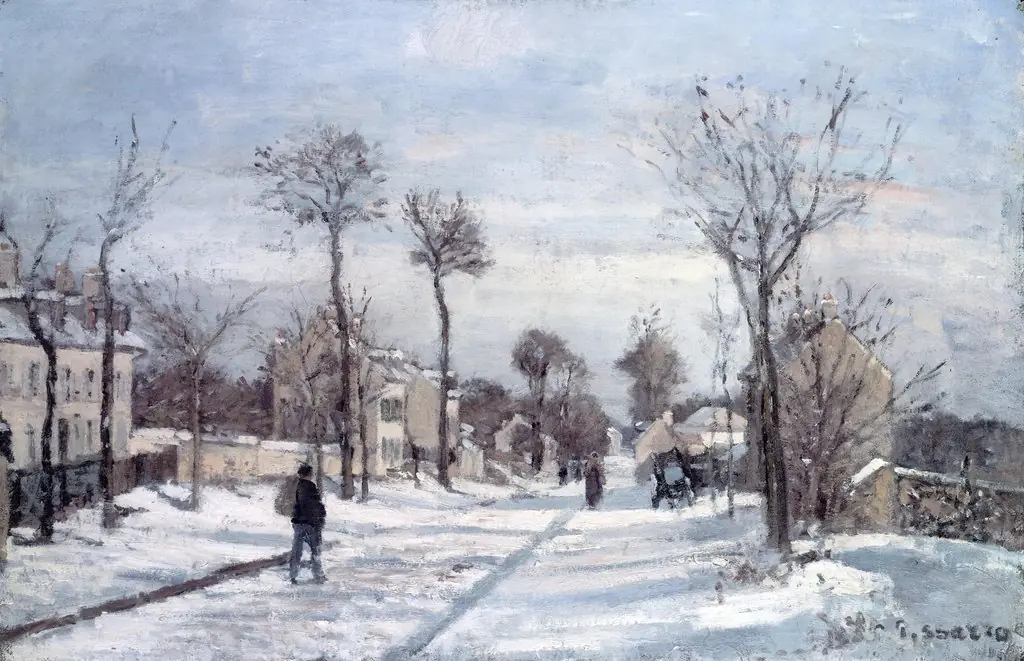 The Road to Versailles, Louveciennes, Snow
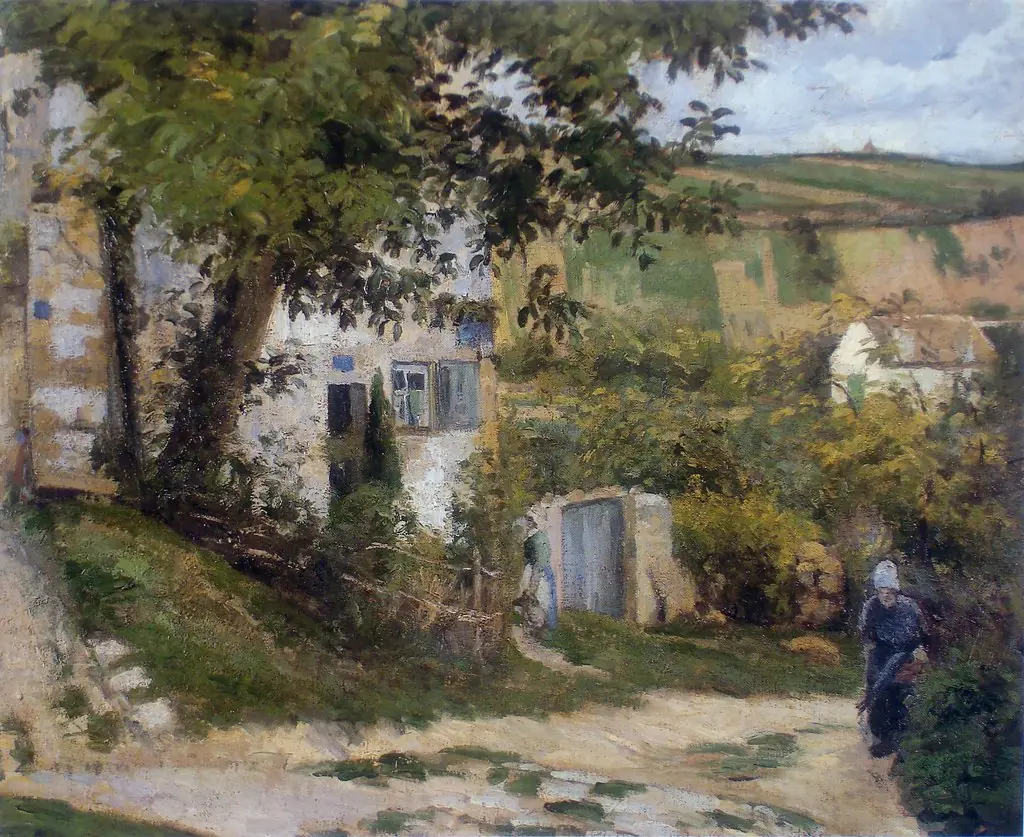 Rue de la Côte-du-Jalet, the 'Rondest House', Pontoise
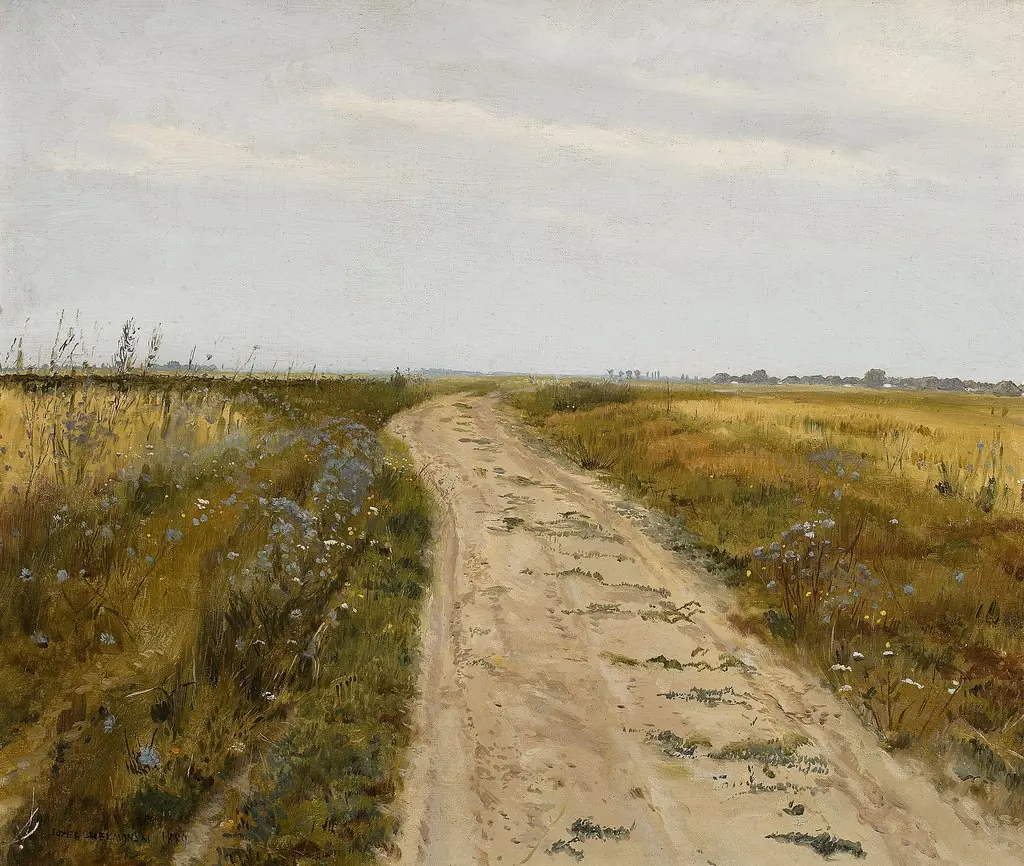 Field track
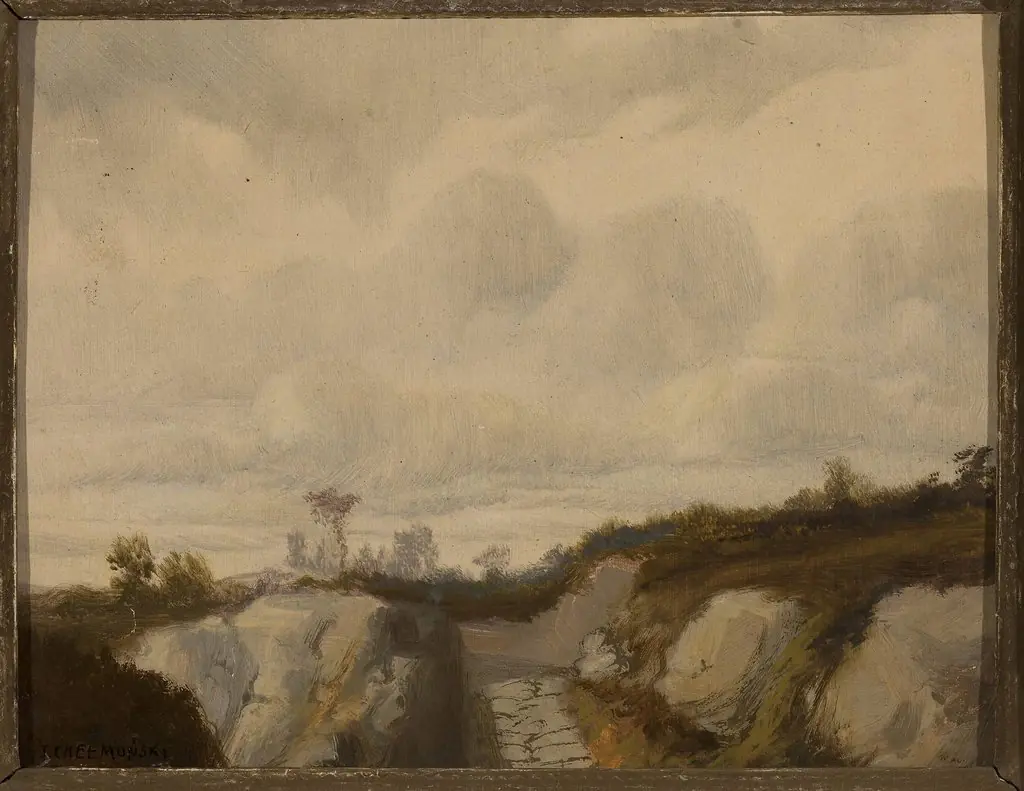 Road among rocks
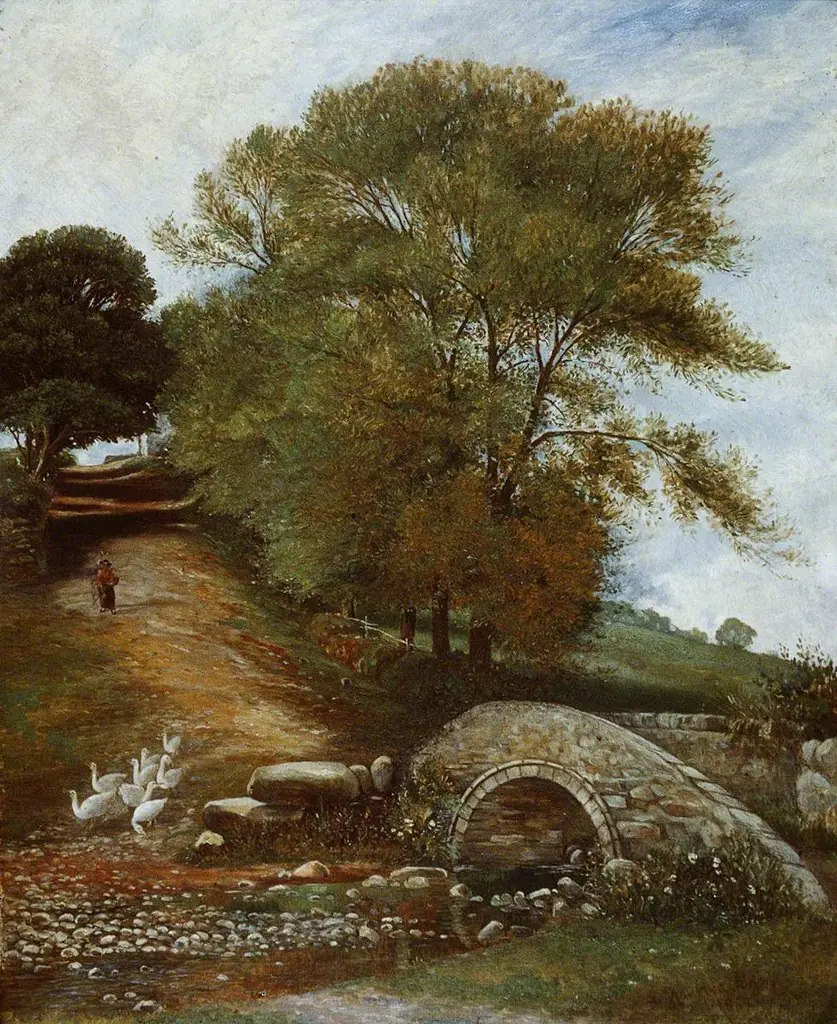 Maesincla Road, near Caernarvon
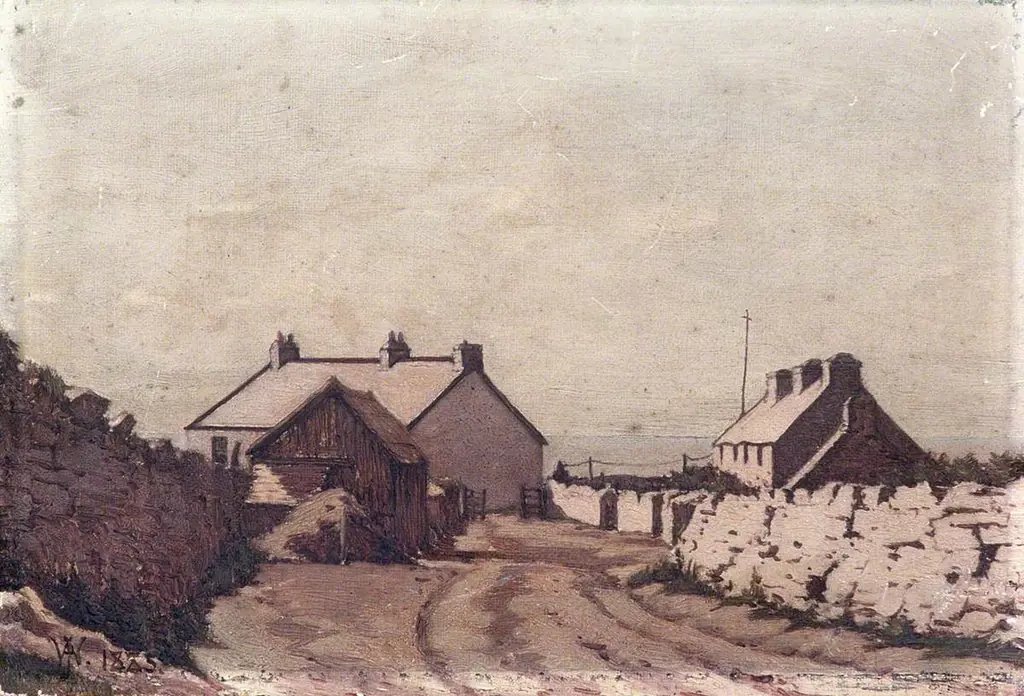 Road to Worm's Head Cottage, Gower
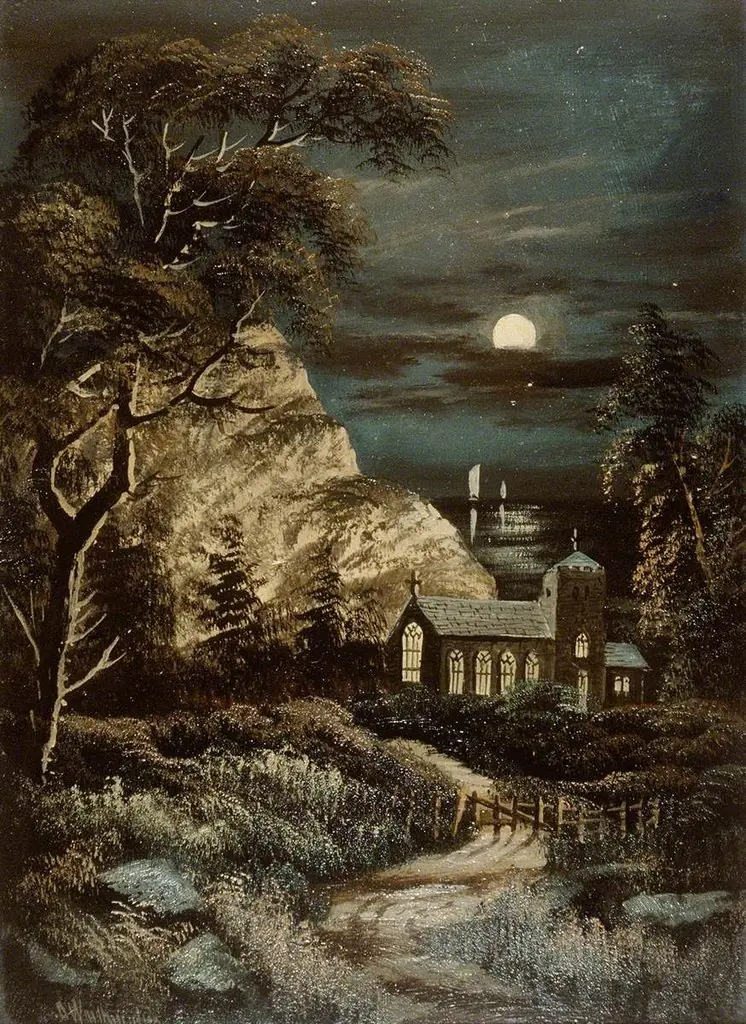 Church by Moonlight
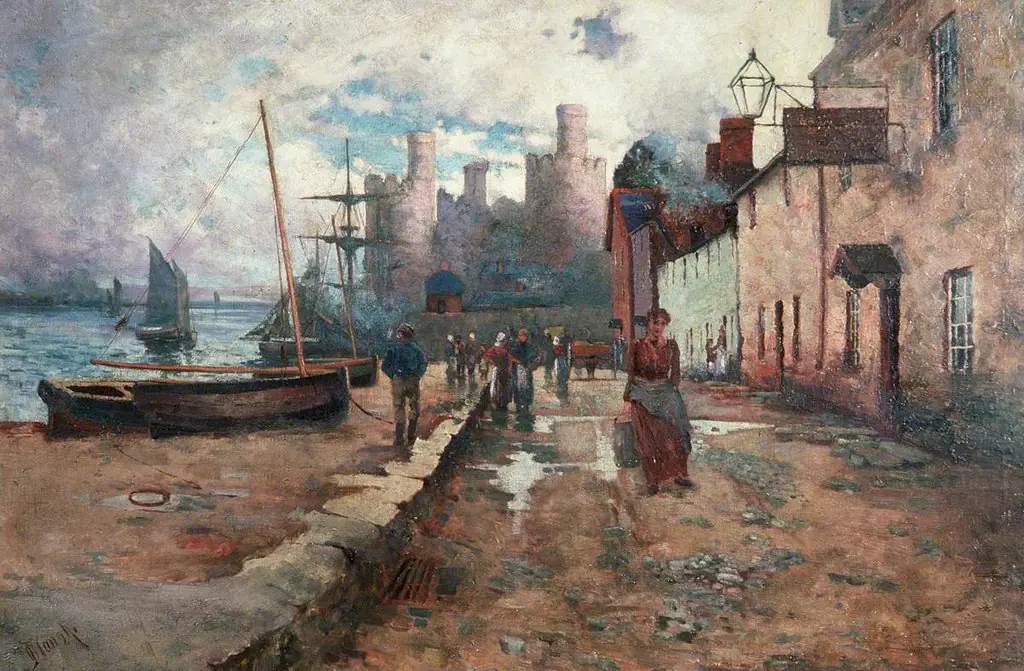 Conway Castle
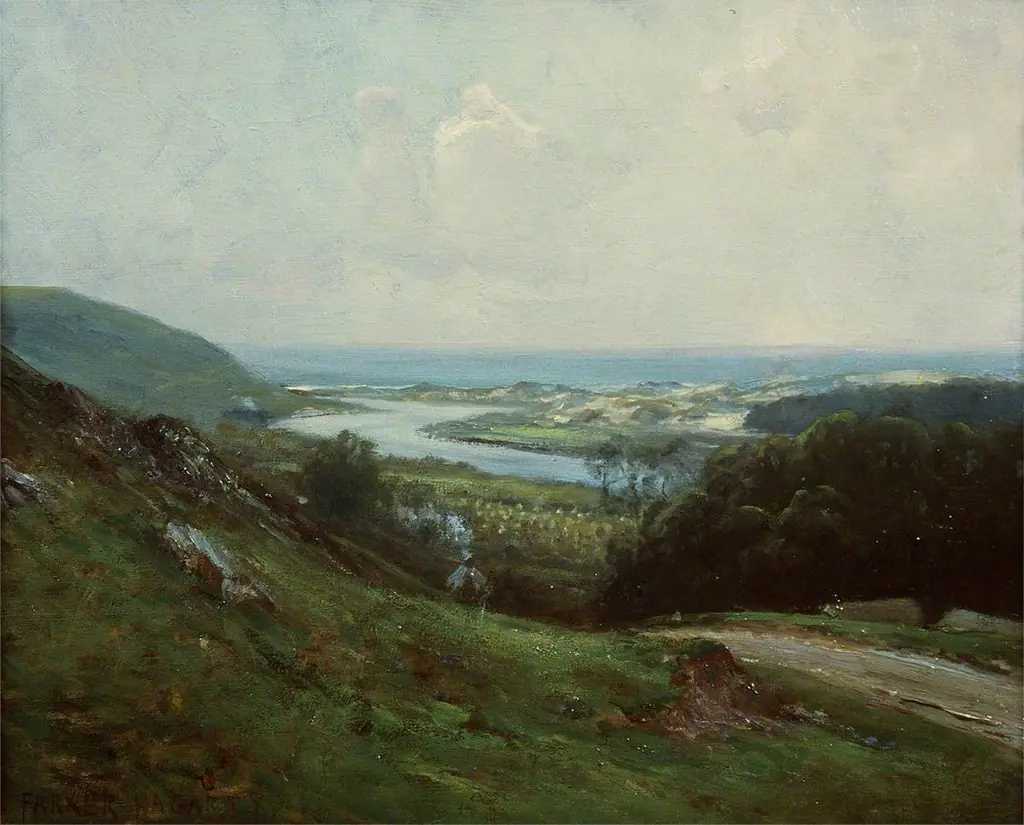 The Mouth of the River Ogmore
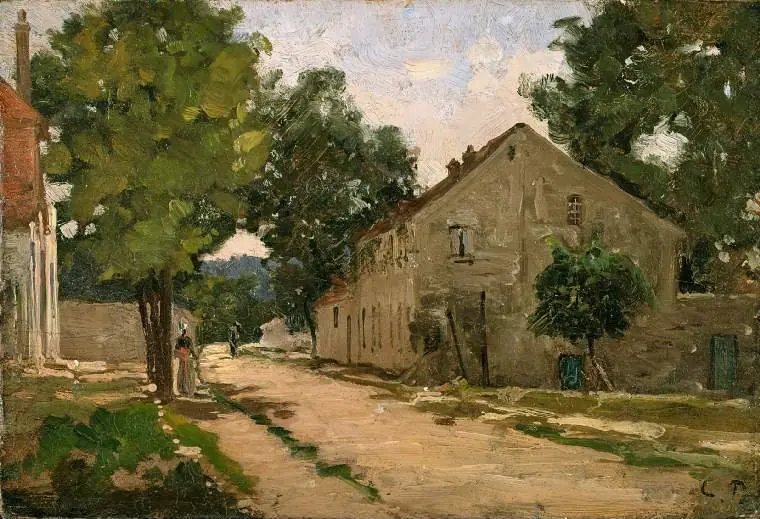 Route de Port-Marly
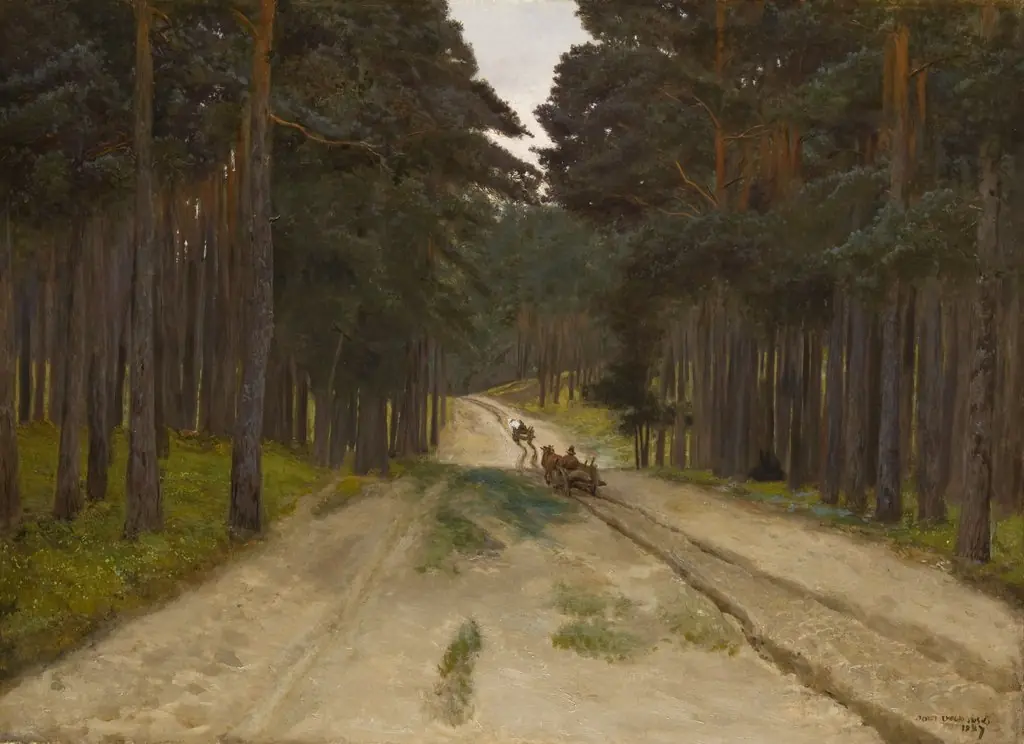 Forest Truck
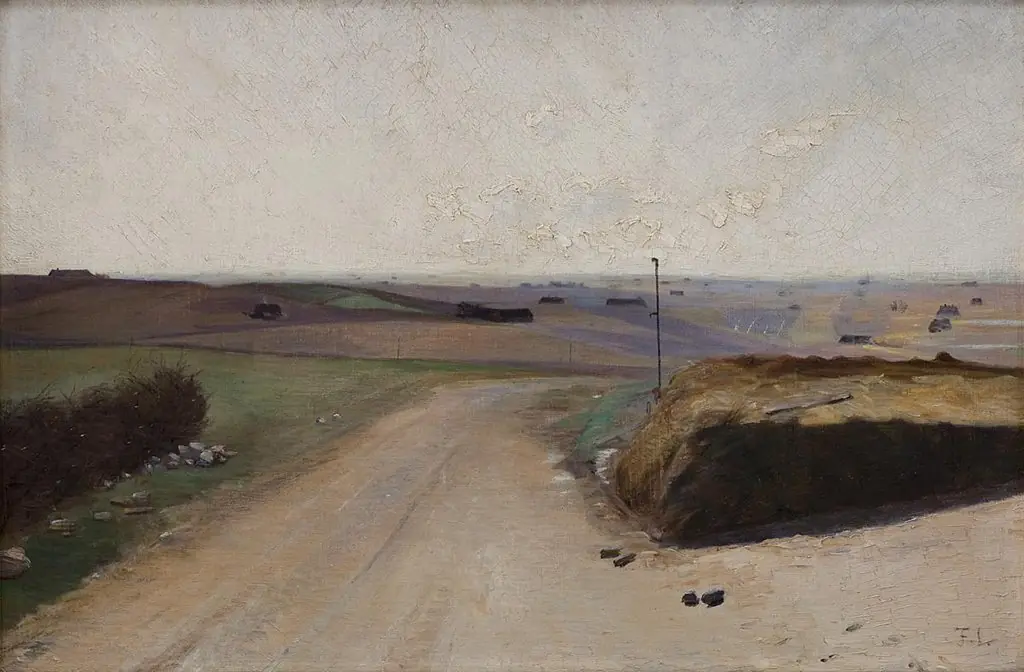 A Landscape. The Island of Mors, jutland
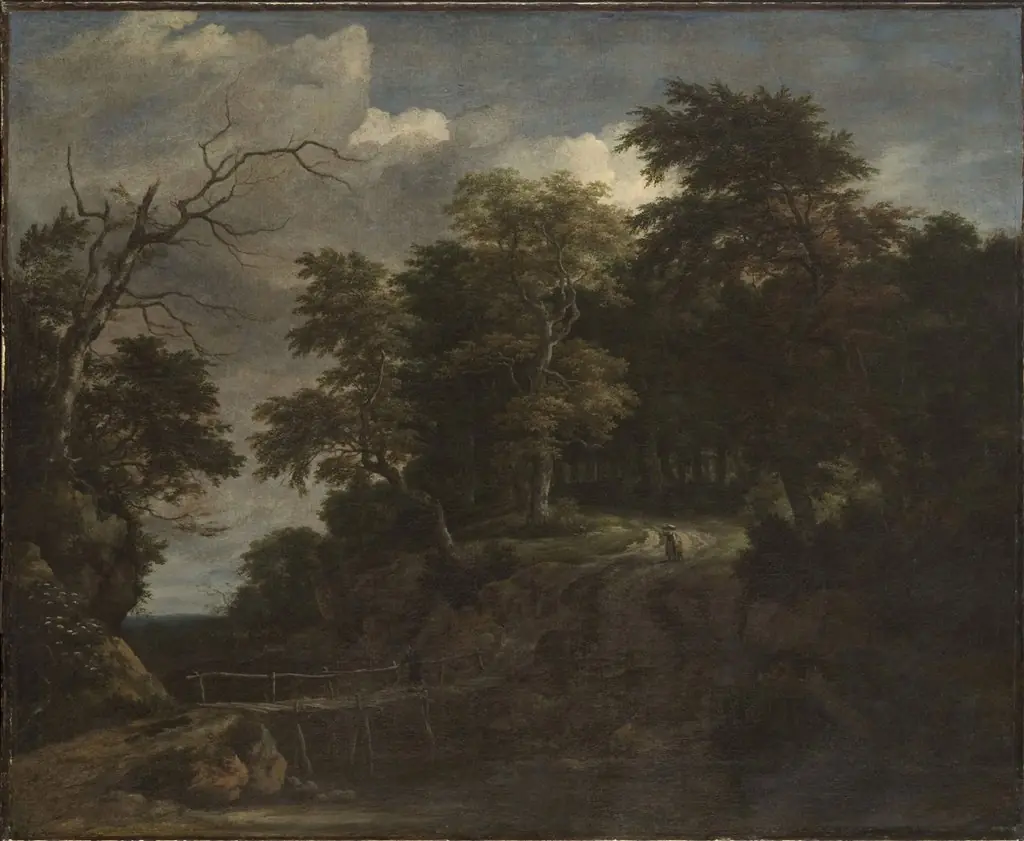 Landscape of a Forest with a Wooden Bridge
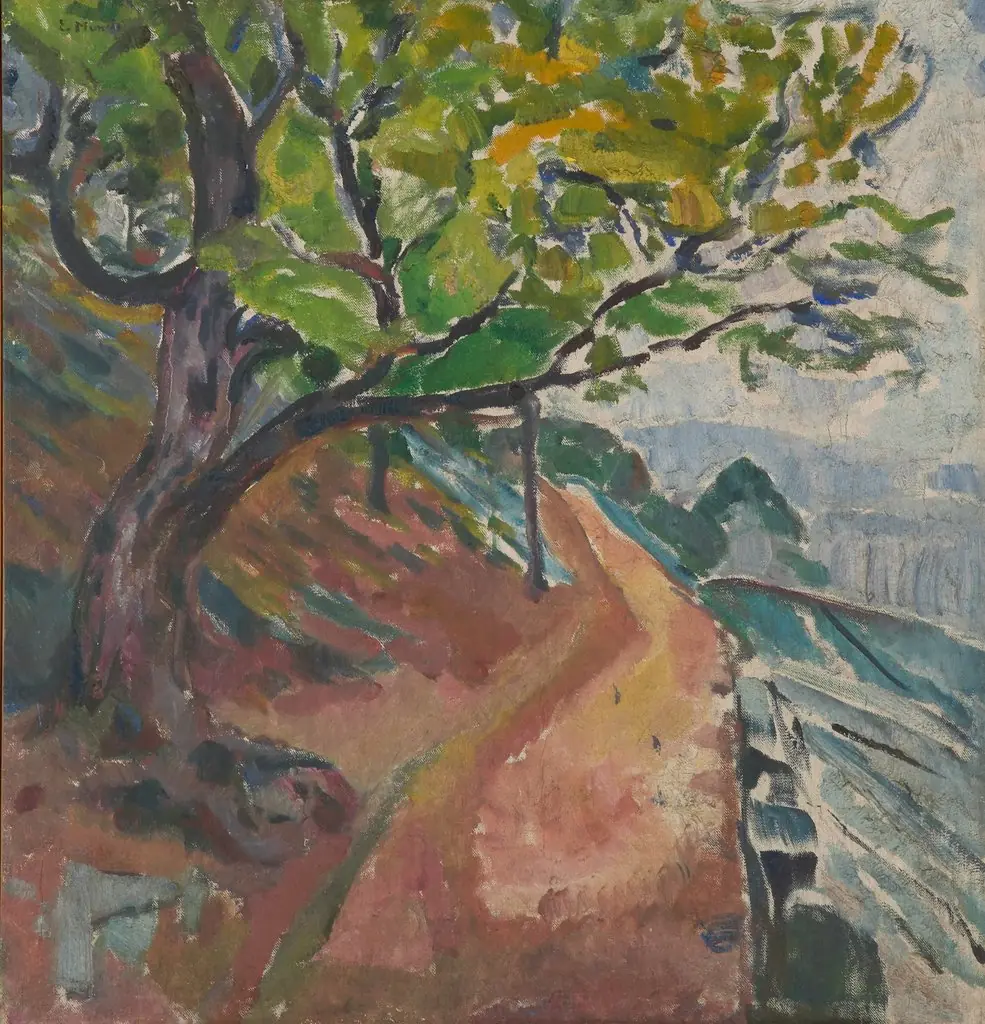 Green Tree by the Road
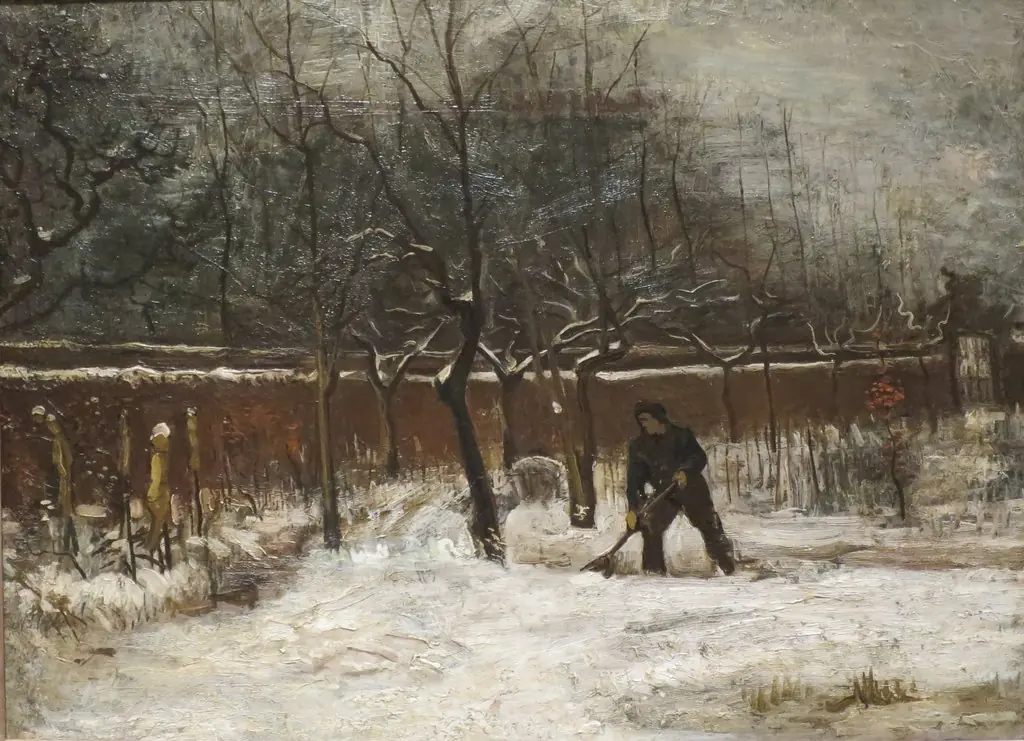 Winter (The Vicarage Garden under Snow)
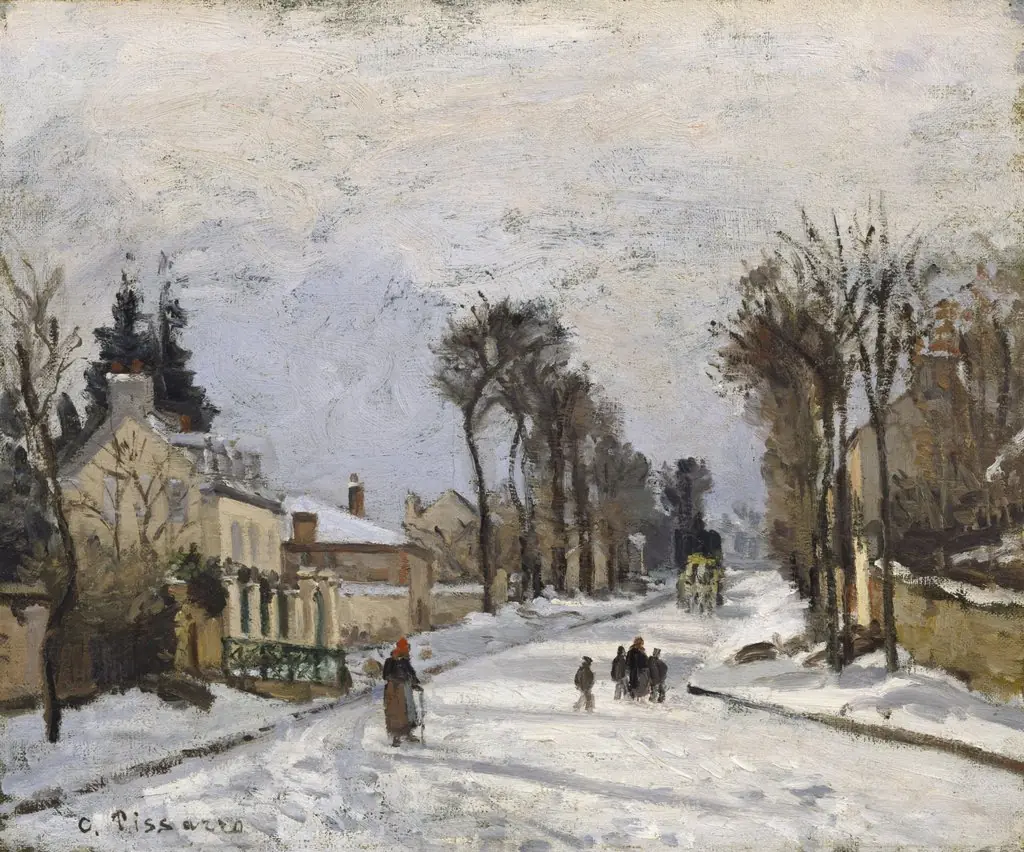 Route to Versailles, Louveciennes
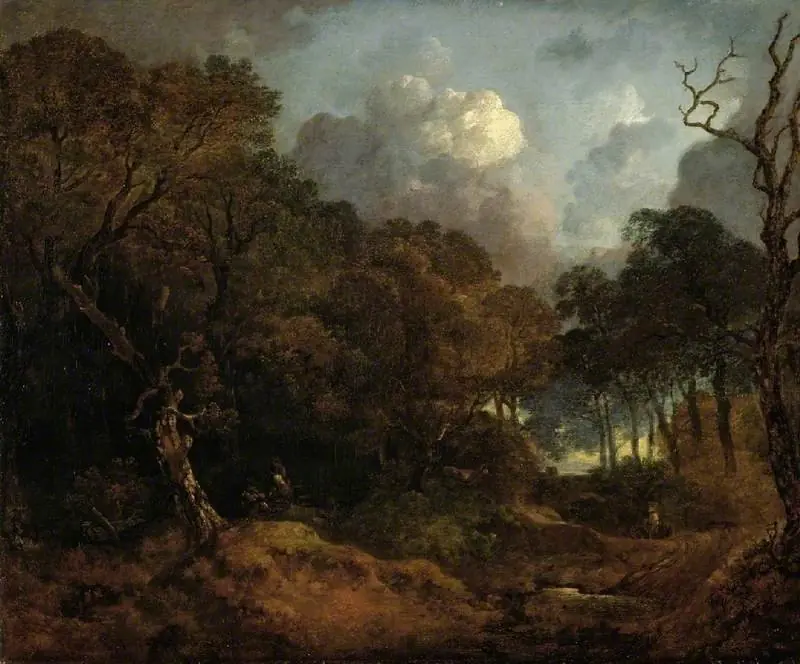 A forest road
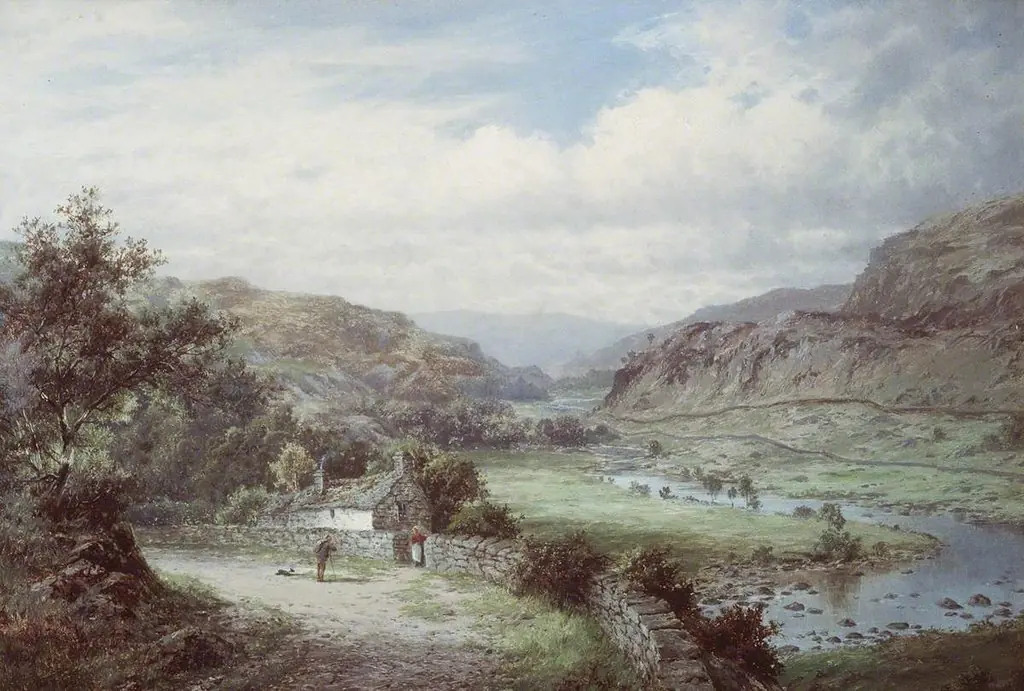 On the Llugwy near Capel Curig
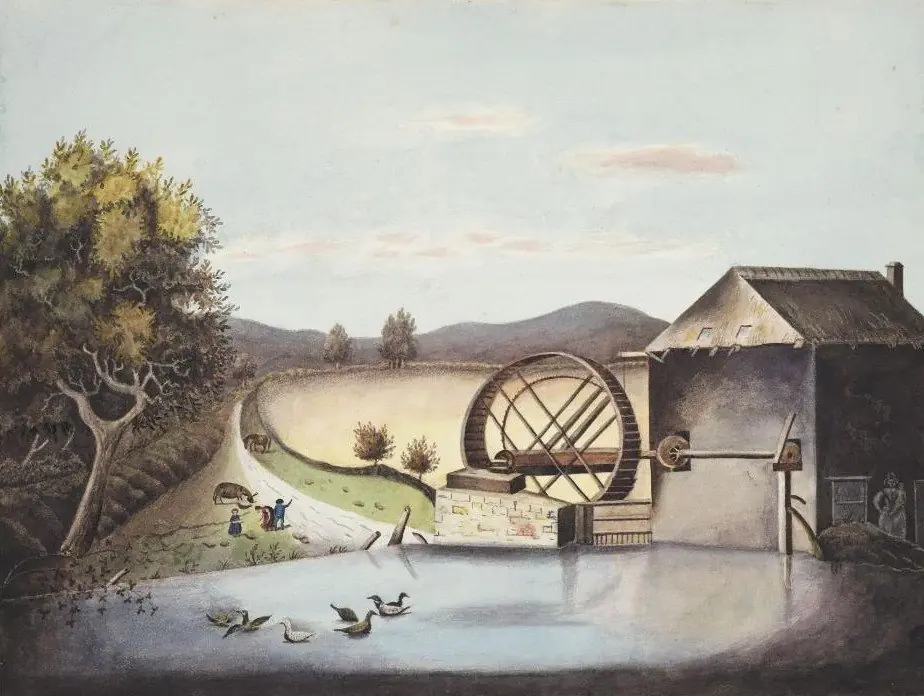 A Factory nigh Aberystwith
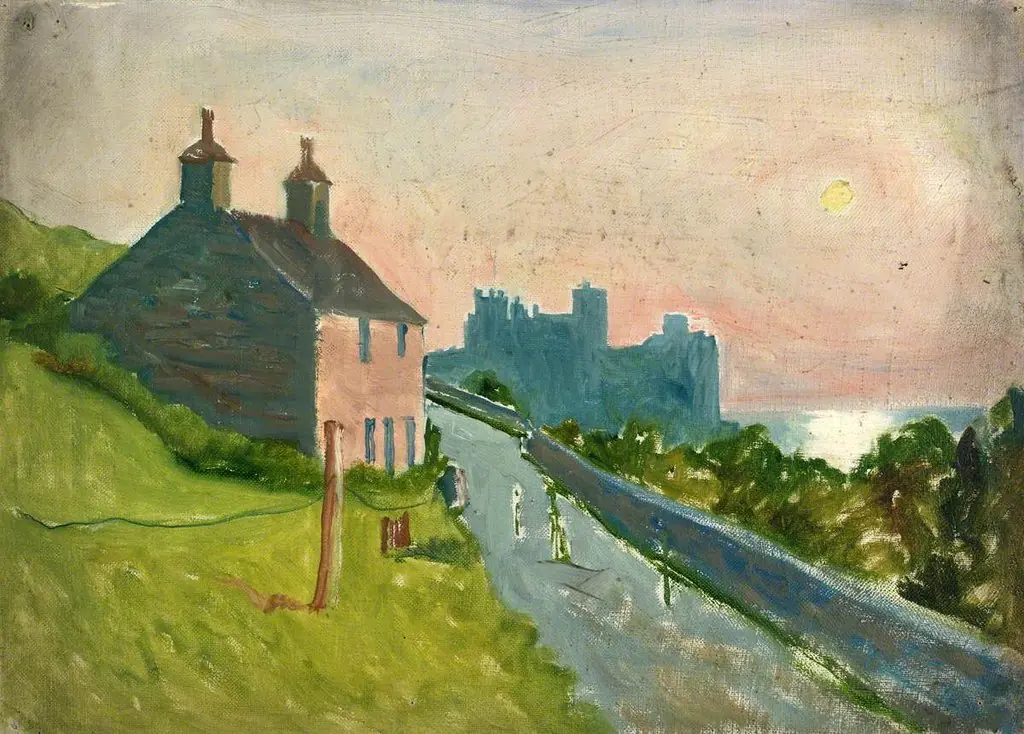 Harlech
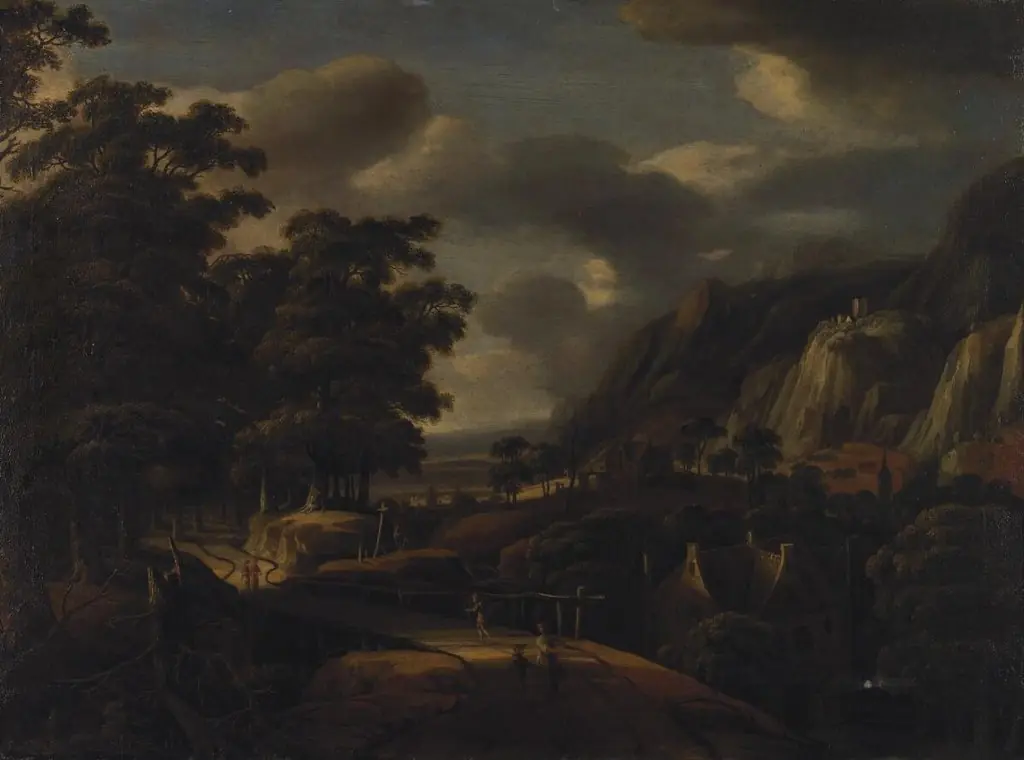 Extensive landscape
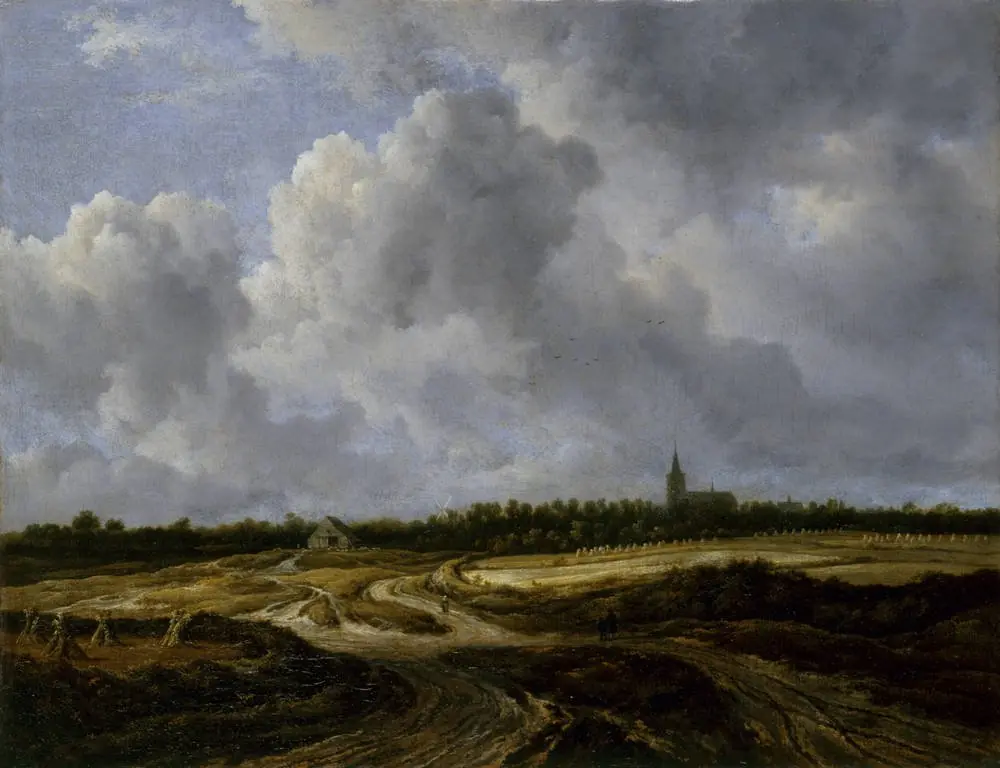 Extensive field landscape with a track and a church in the distance
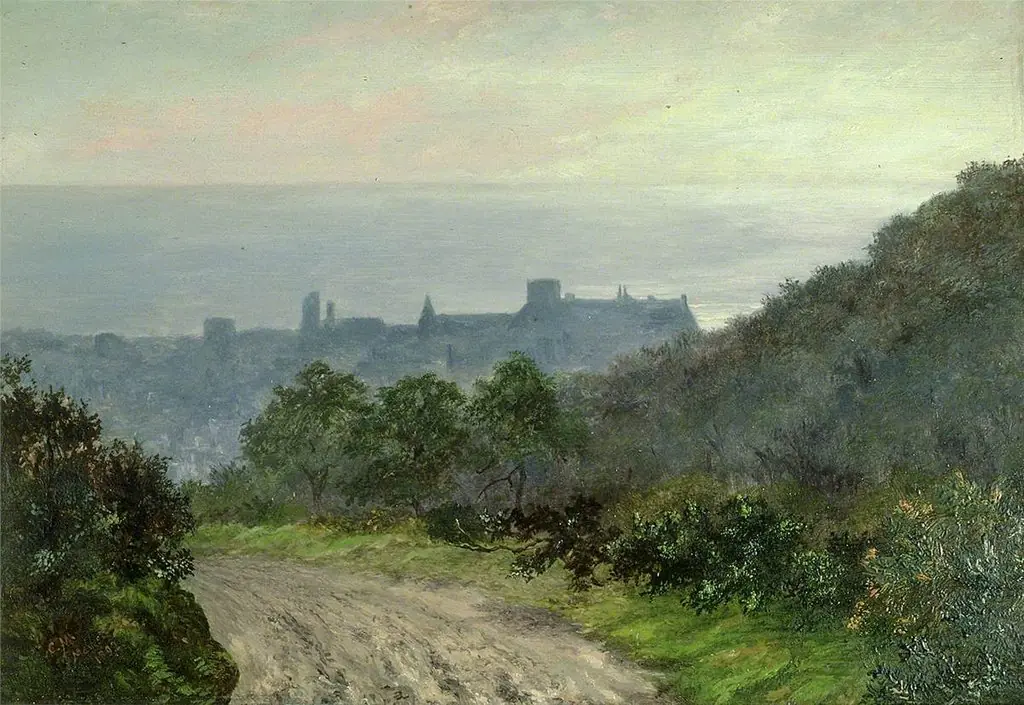 Aberystwyth from Penglais Hill
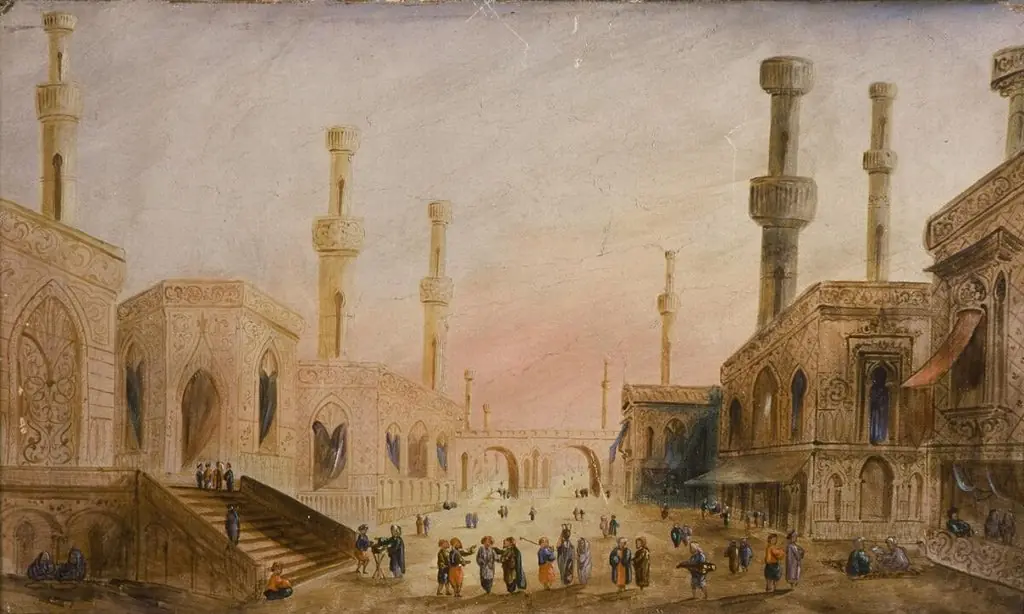 eastern square or palace
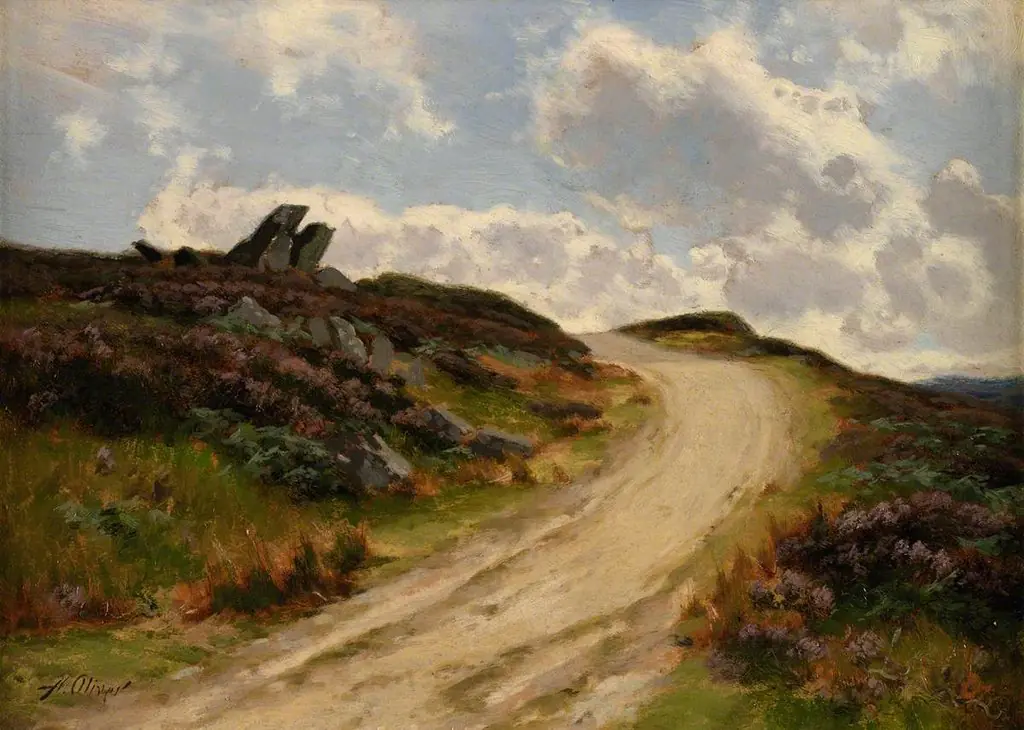 On the Denbigh Moors
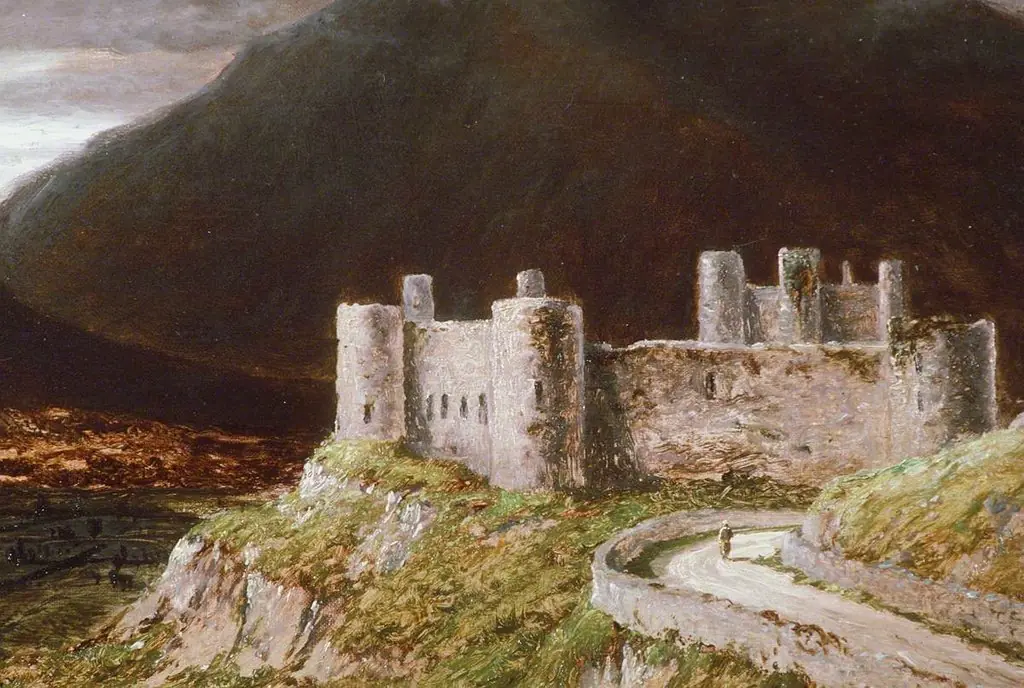 Harlech Castle
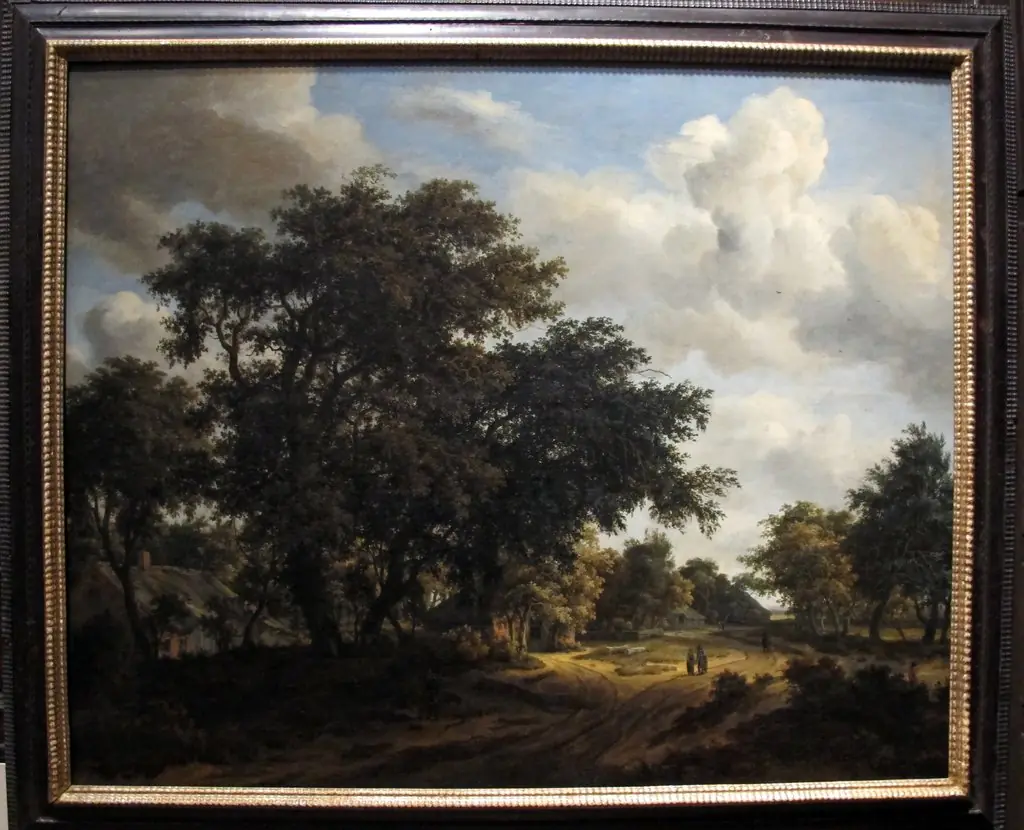 Landscape with a Wooded Road
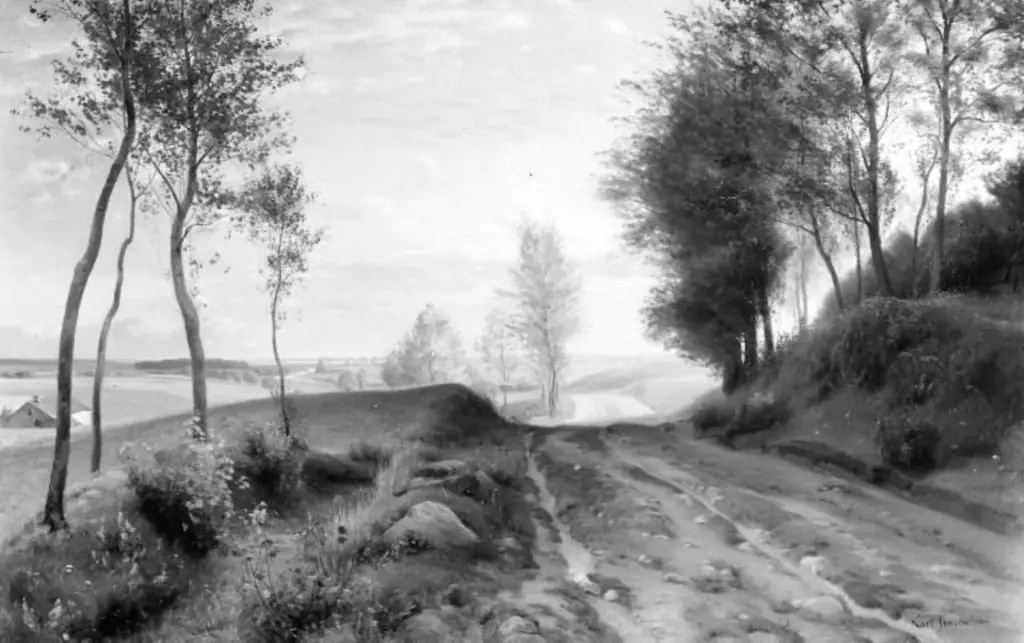 Landskab fra Næstvedegnen
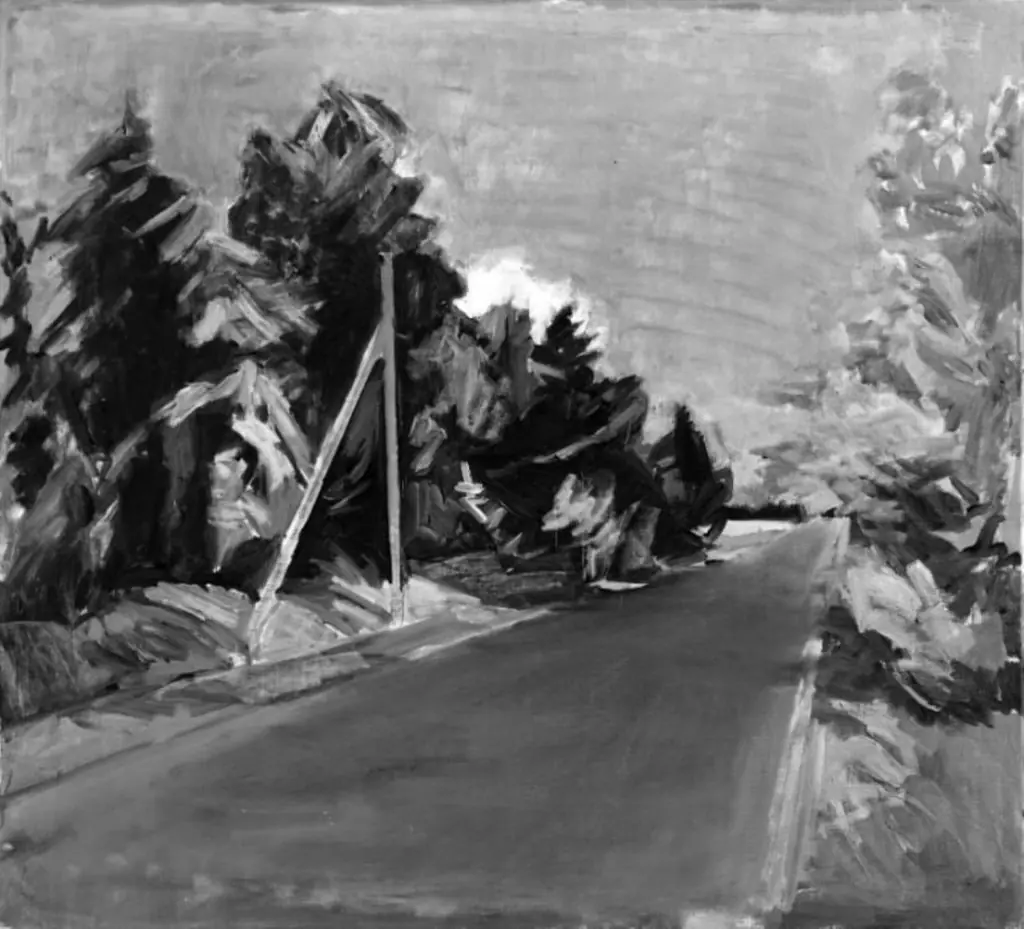 The Road to Skagen I
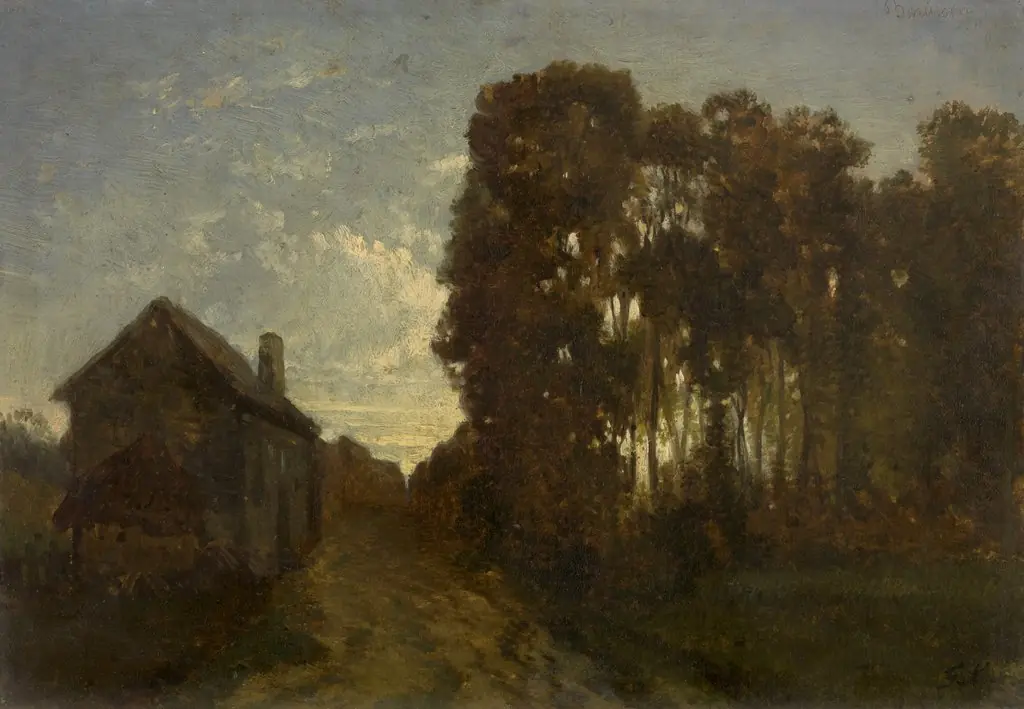 Barbizon at Dusk
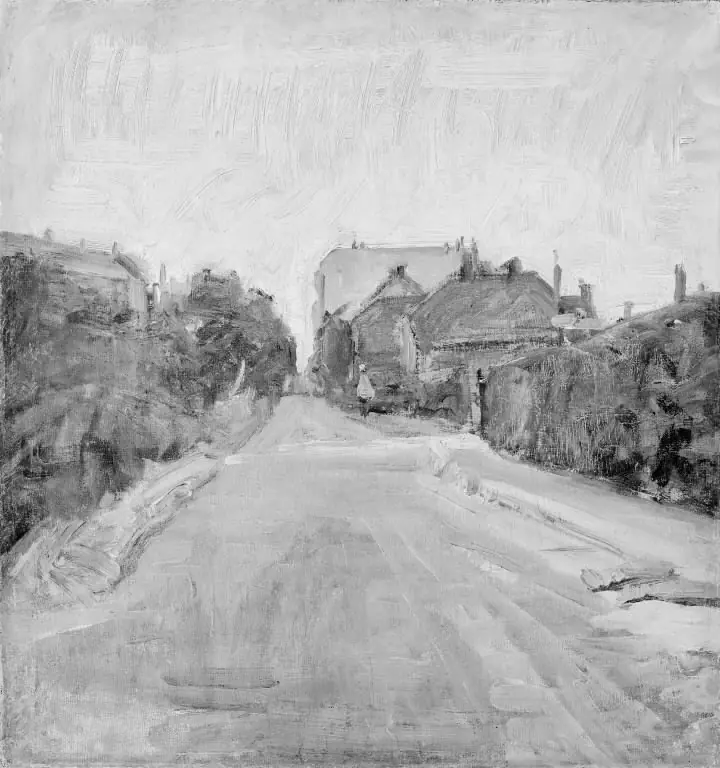 Gade. Udkanten af København
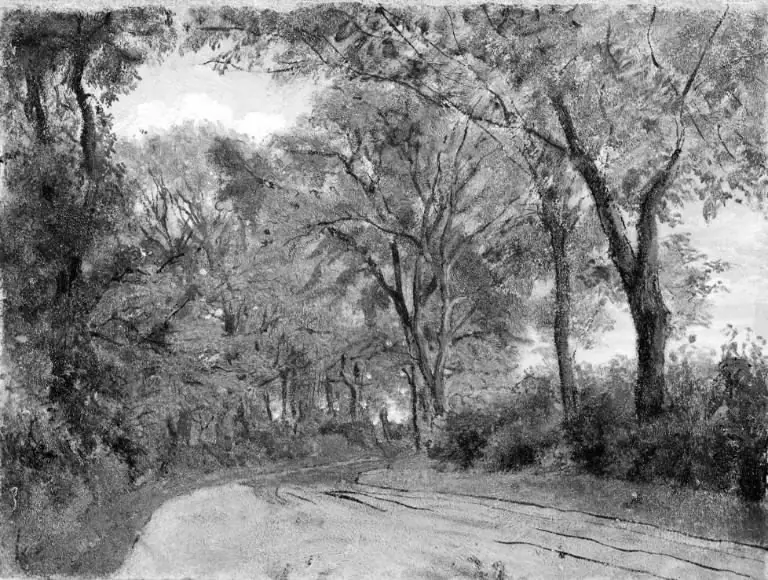 Winding Lane in a Wood
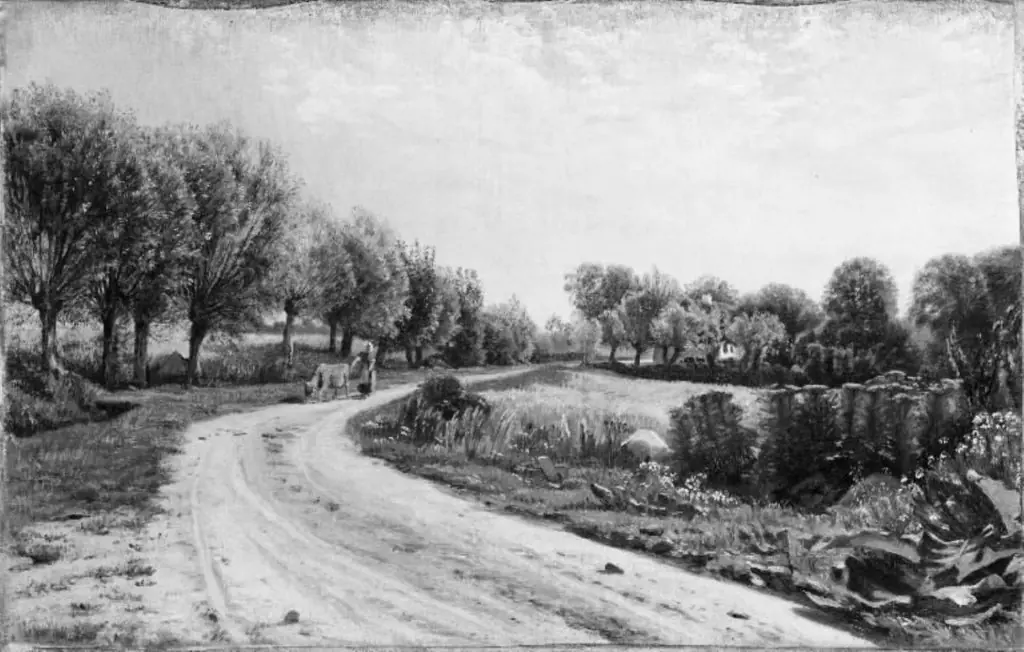 Country road with willow trees near Bækkeskov
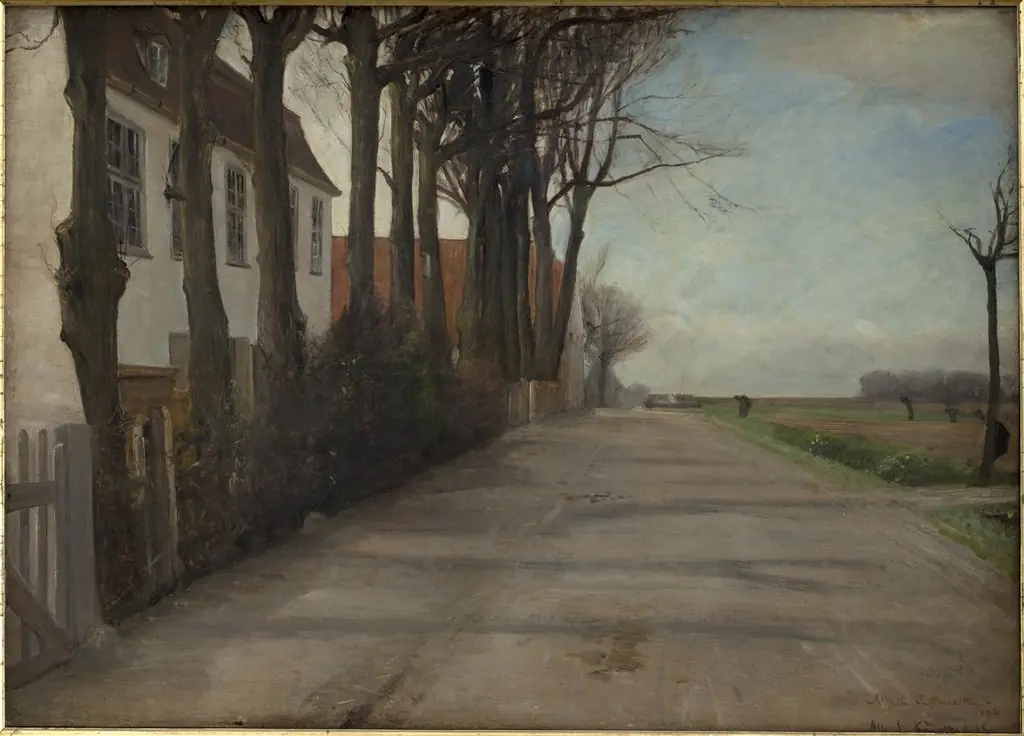 The Road Leading past "Store Godthaab", a Country House near Copenhagen
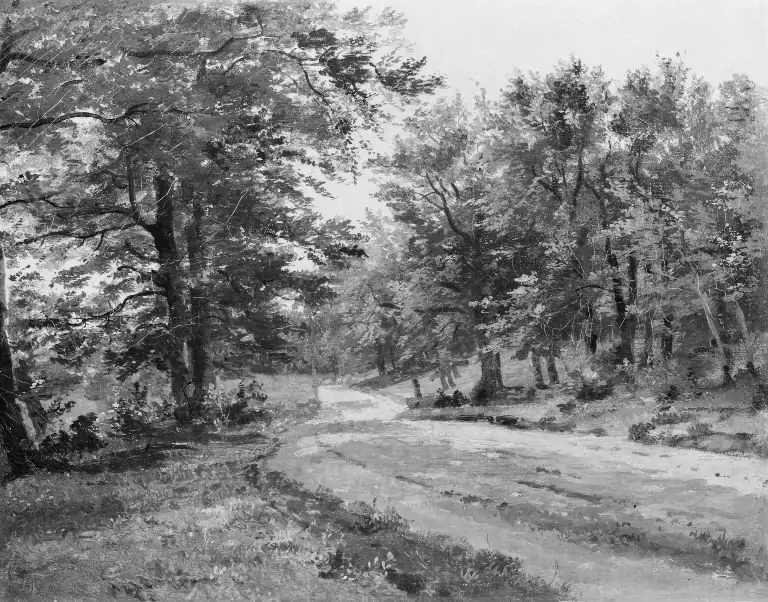 A Road in a Forest
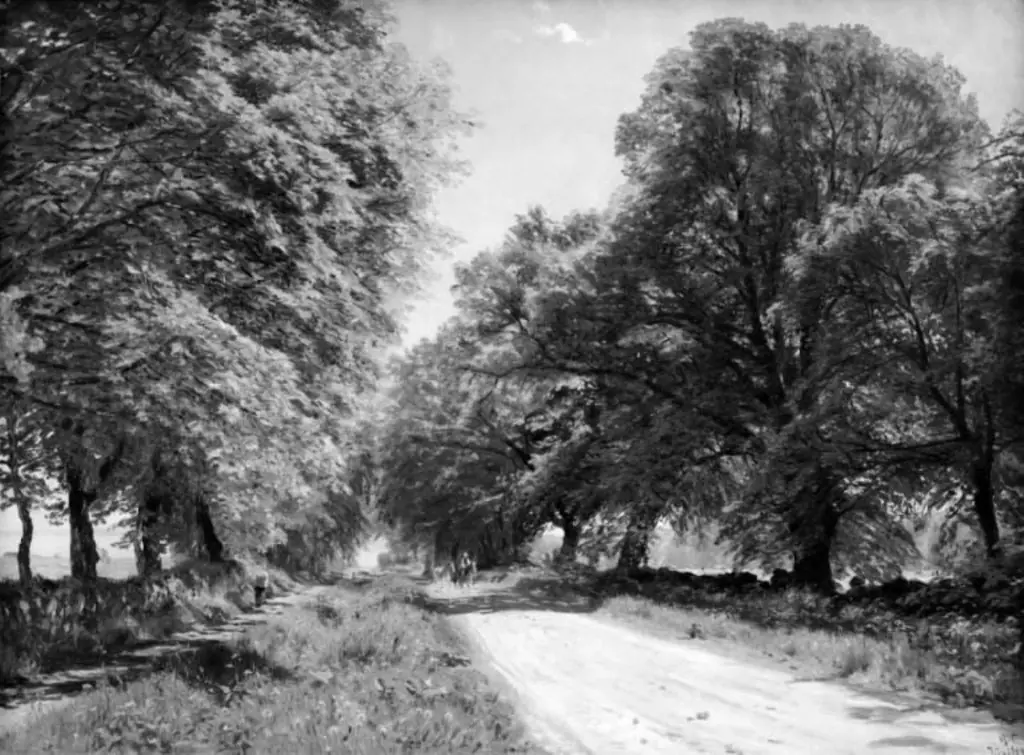 Krogerup Allé. Eftermiddag
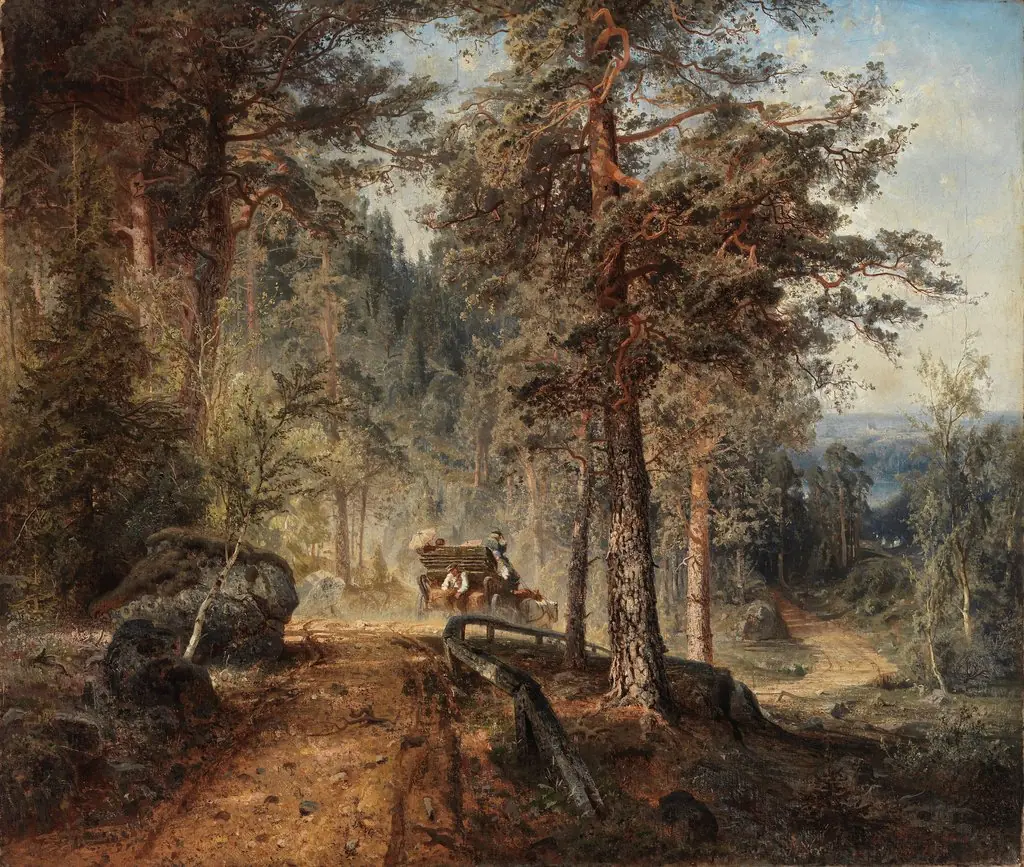 Road in Häme
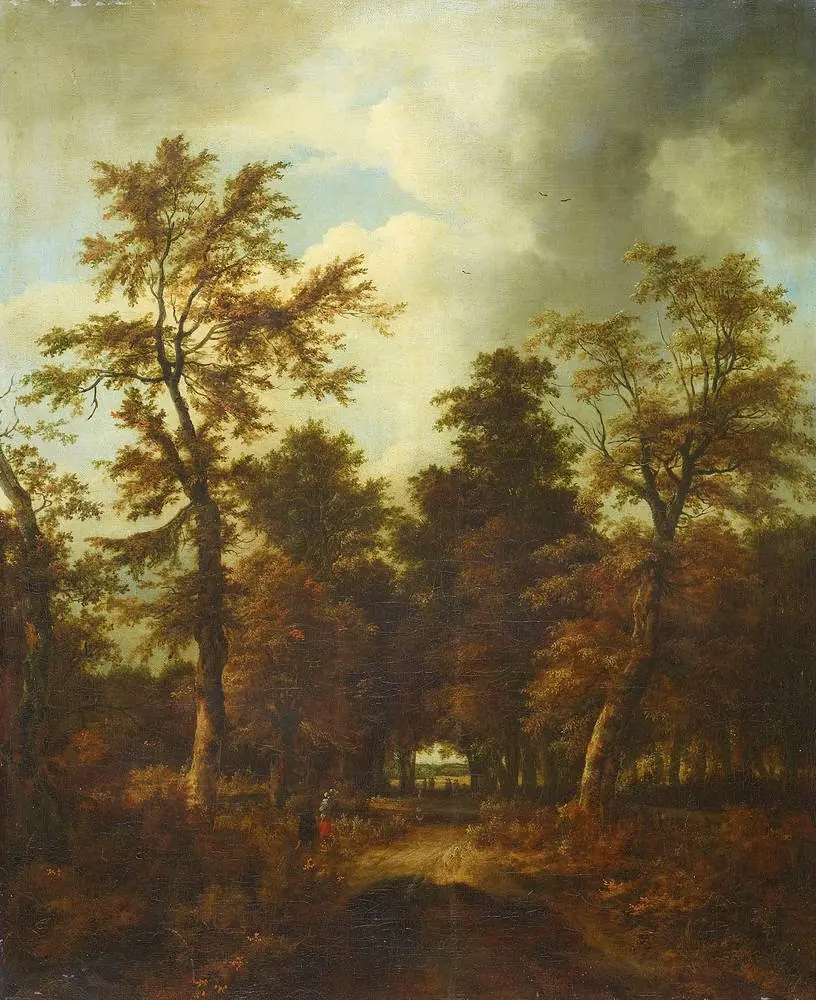 A road through a wood
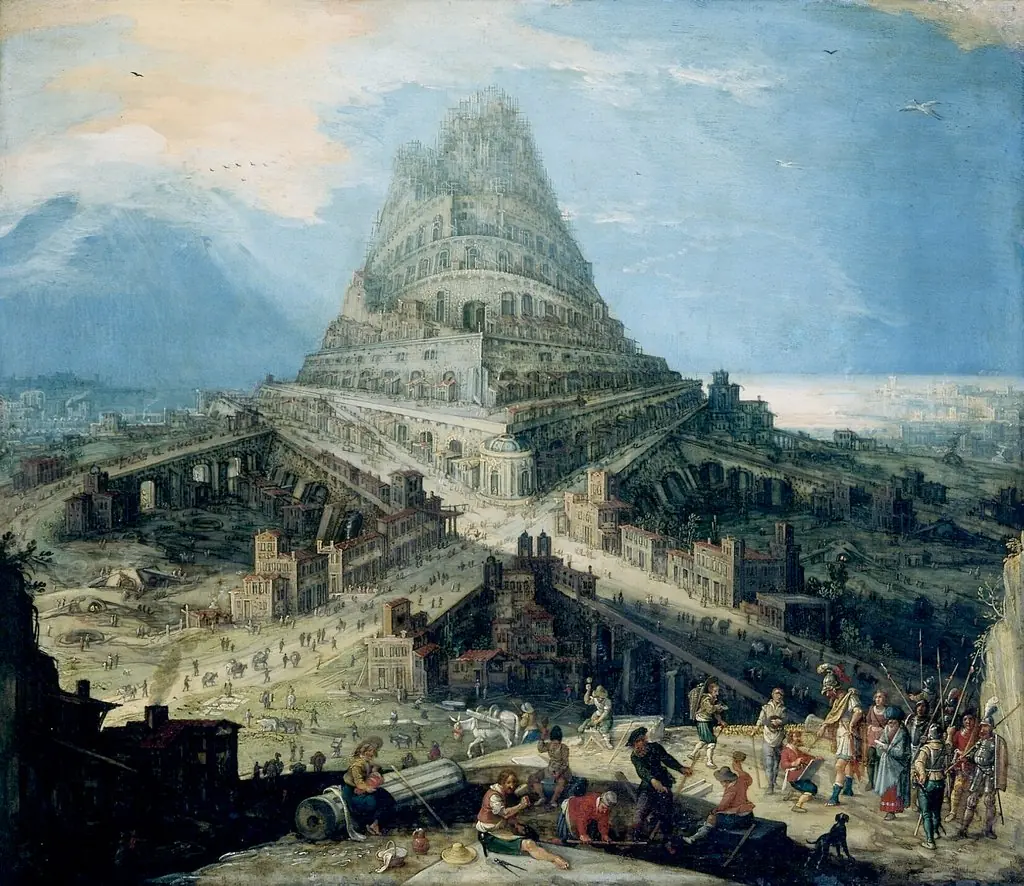 Building of the Tower of Babel
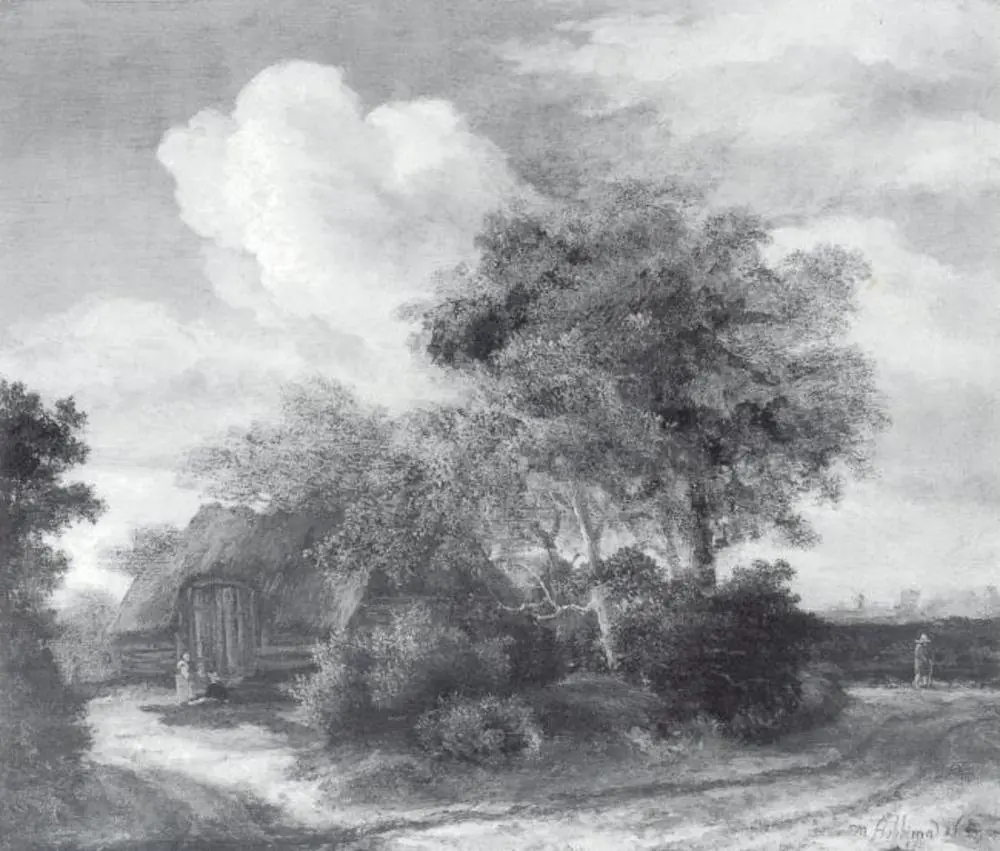 Hut along a Roadside
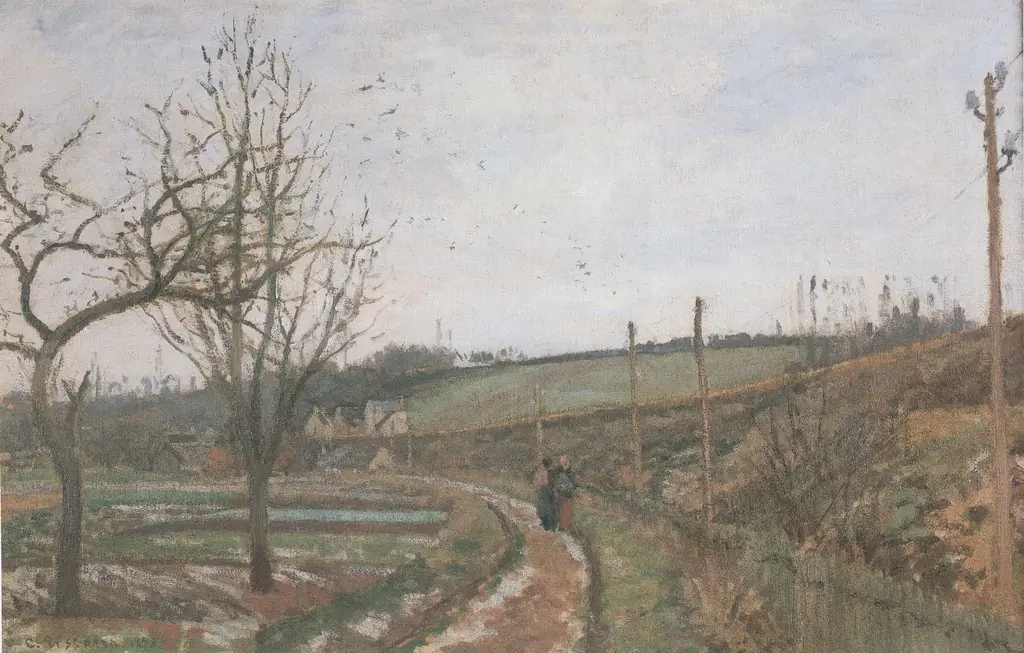 The Road near the Railway, Effect of Snow, Osny
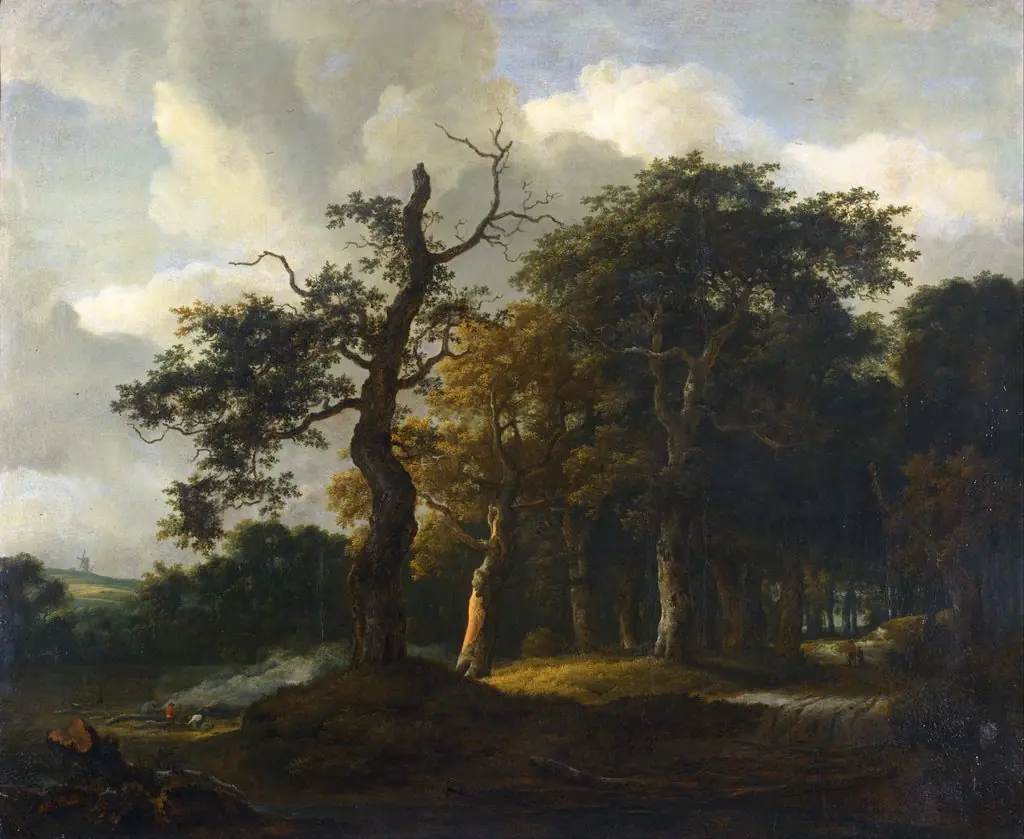 A Road through an Oak Wood
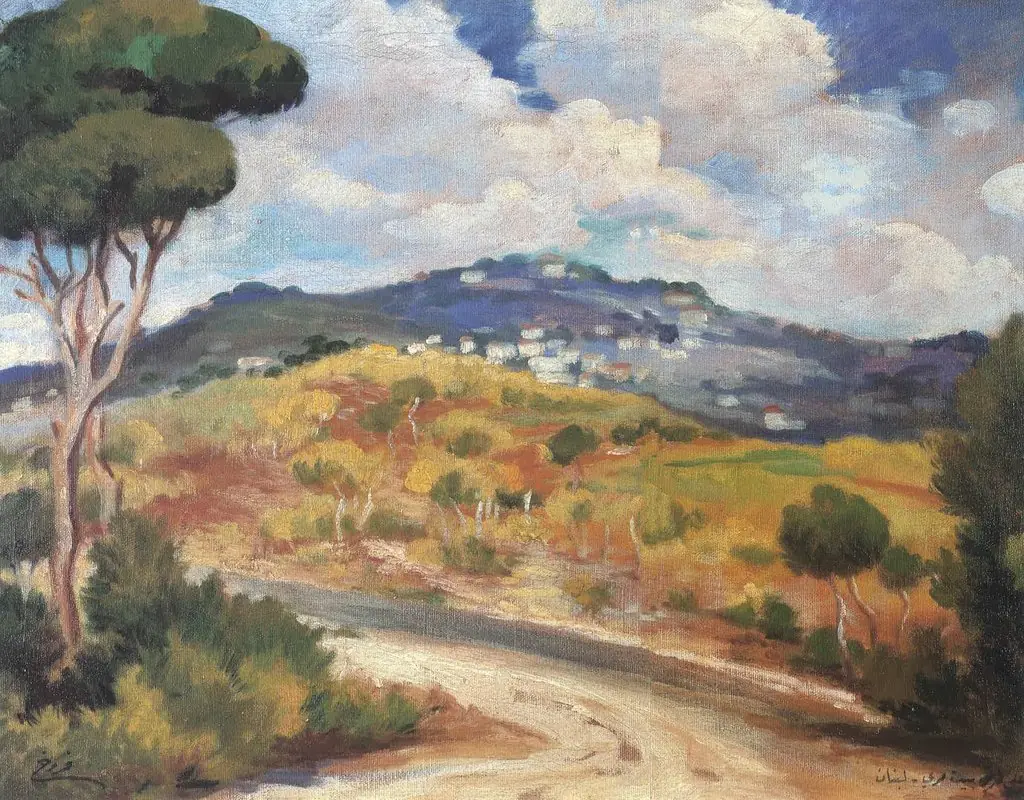 On the Road to Beit Mery
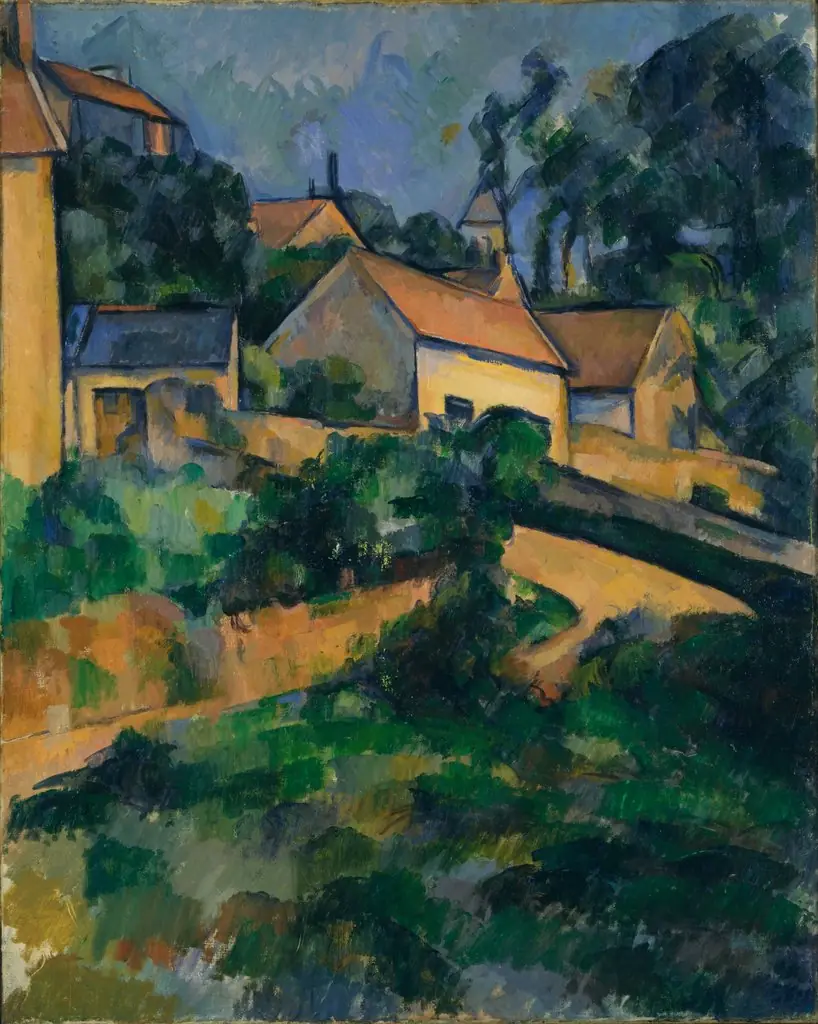 Turning Road at Montgeroult
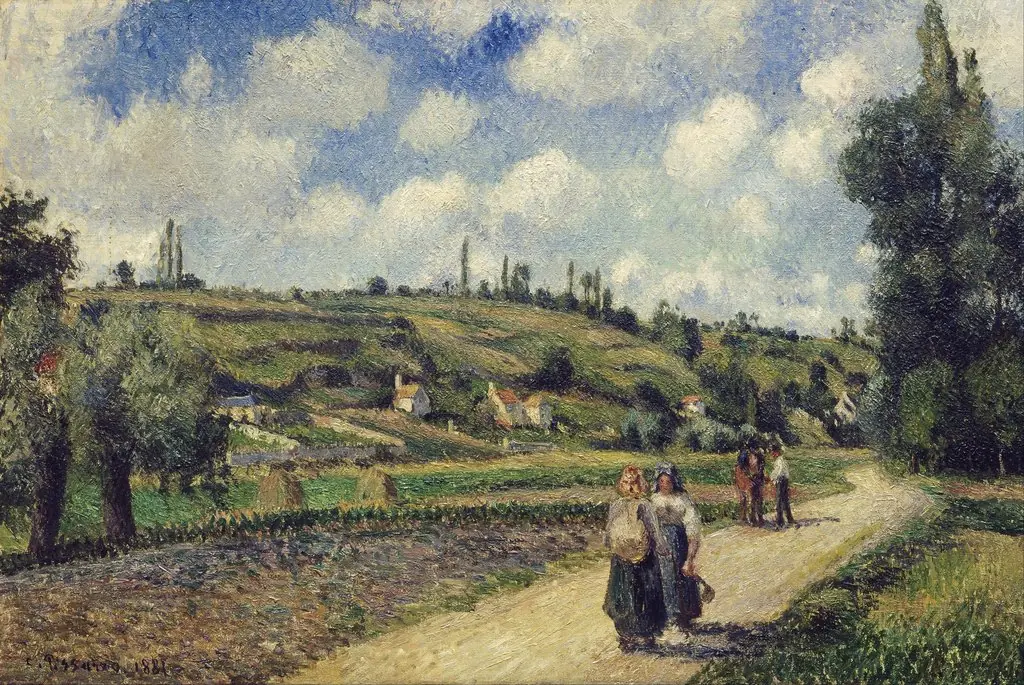 Côte du Valhermeil, Auvers-sur-Oise
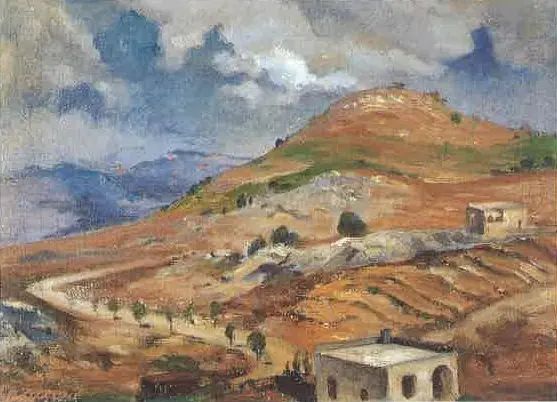 A View at Abadiyeh
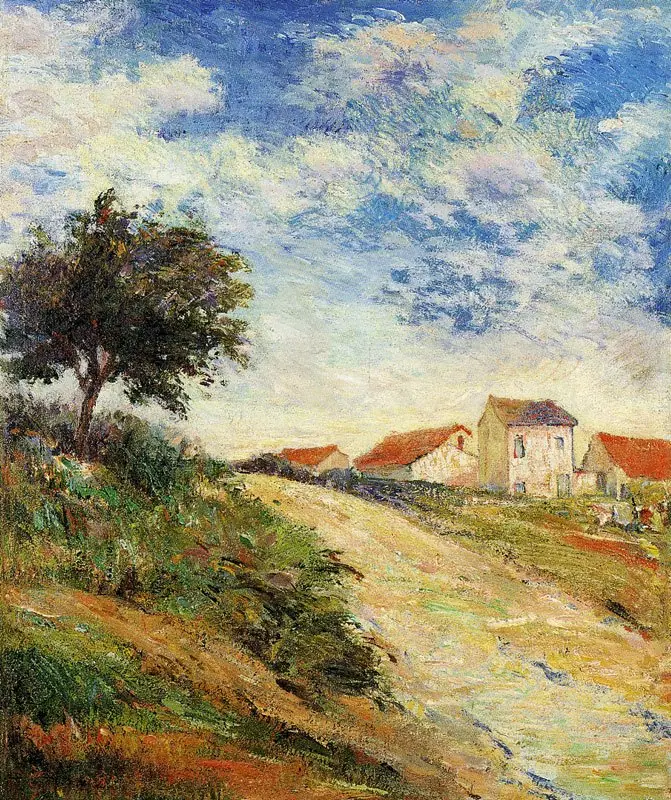 The Road
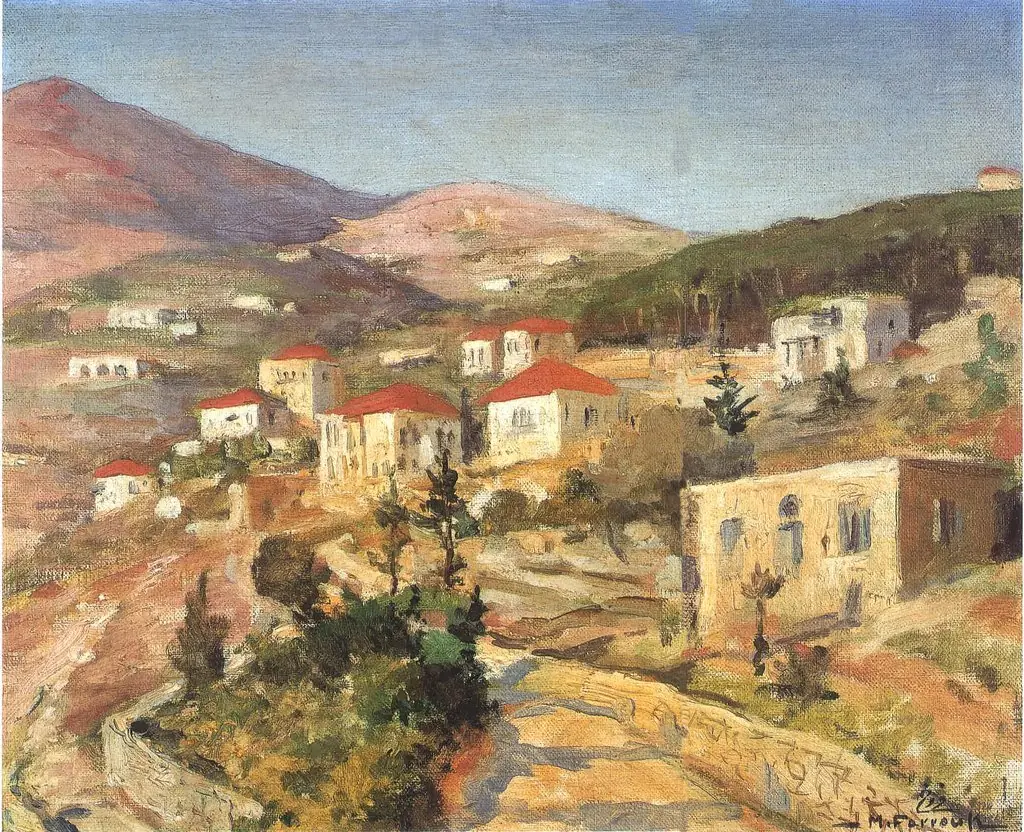 A View from Keserwan
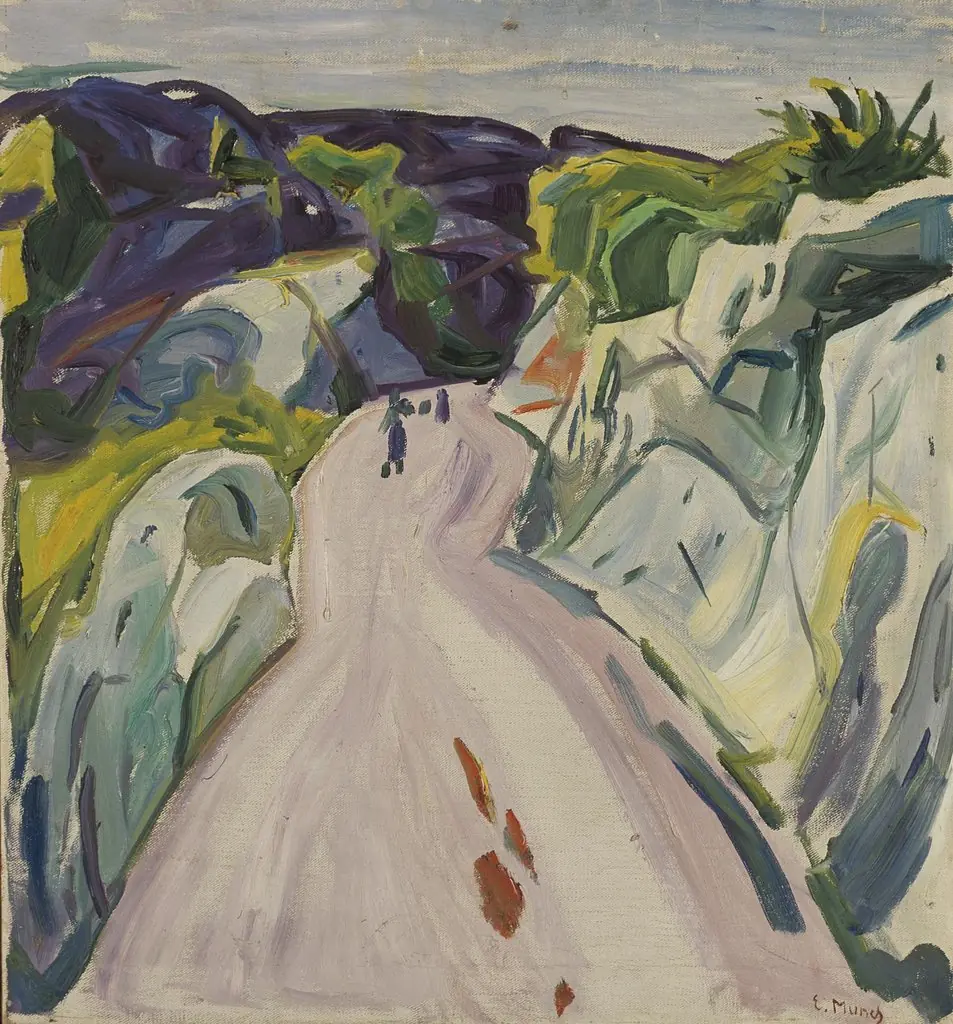 Road near Kragerø
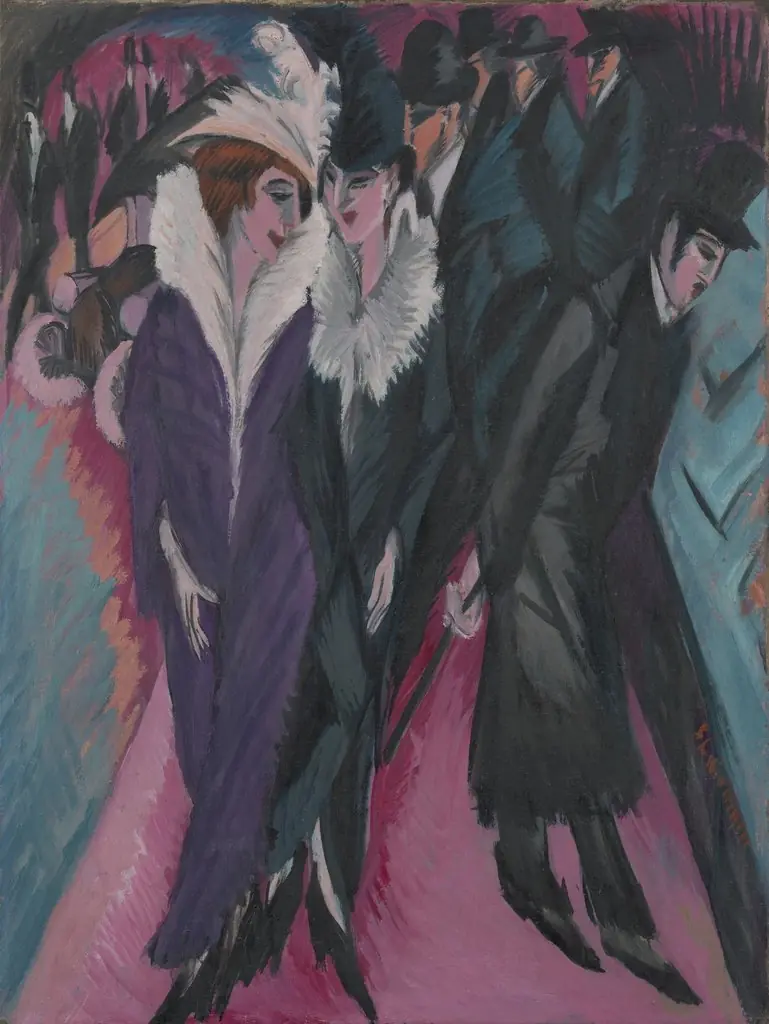 Street, Berlin
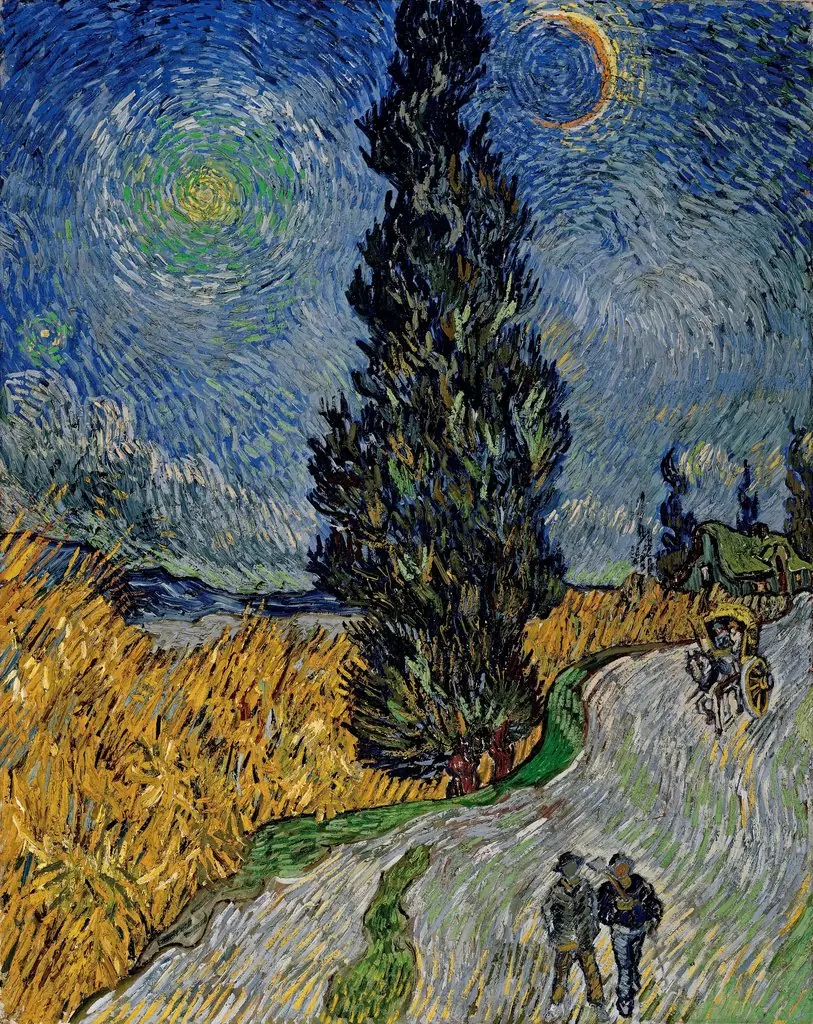 Road with Cypress and Star
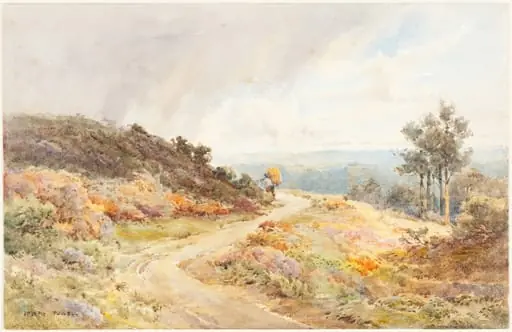 Autumn
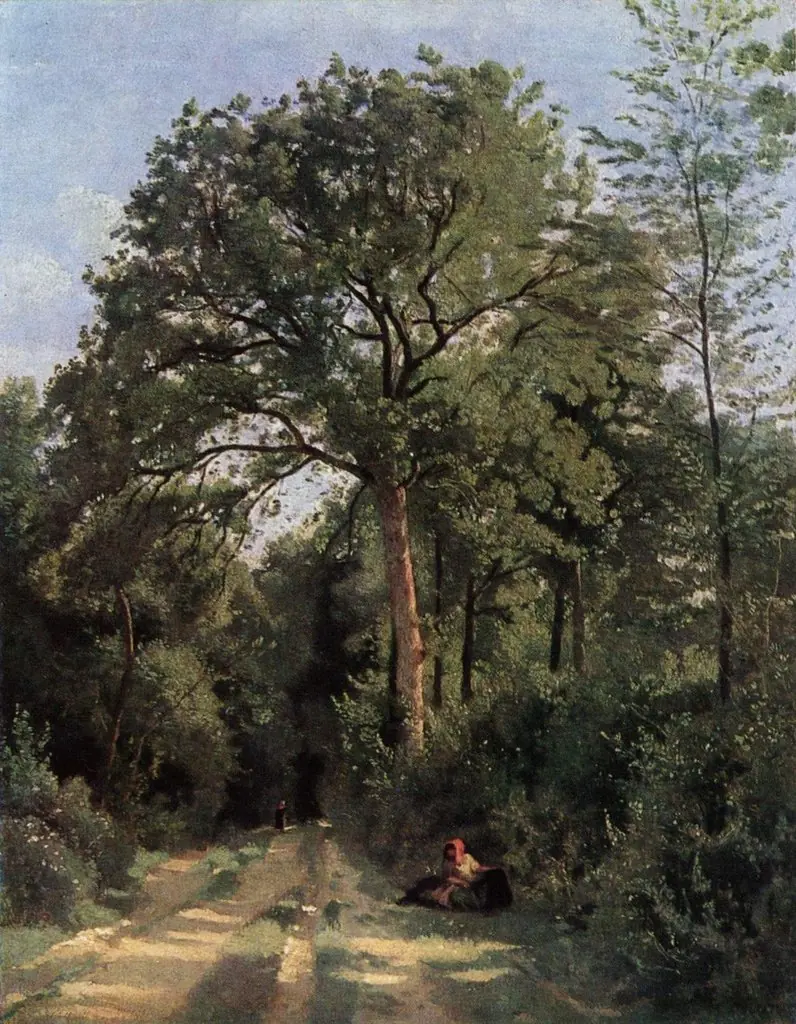 Ville d'Avray: Entrance to the Wood
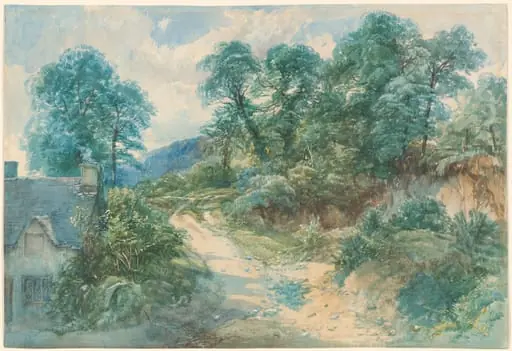 A Country Lane
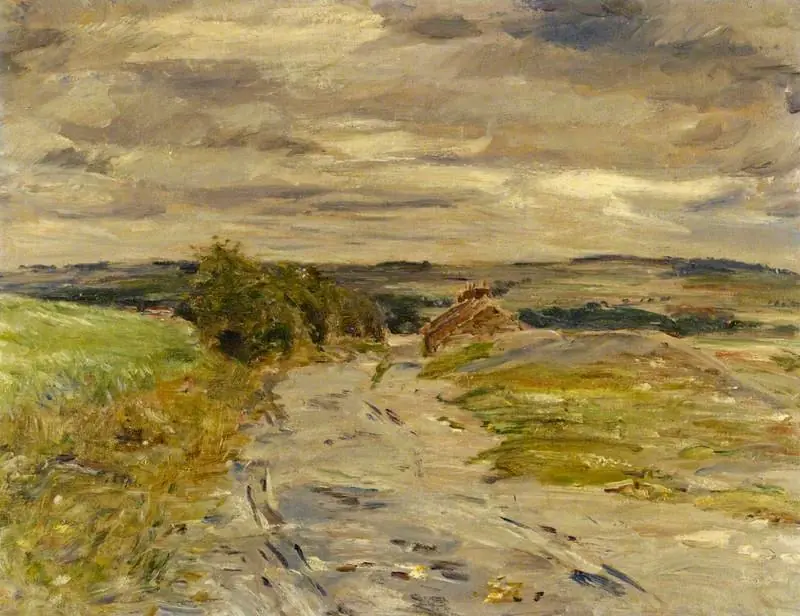 Cornfield, Sandy Dean
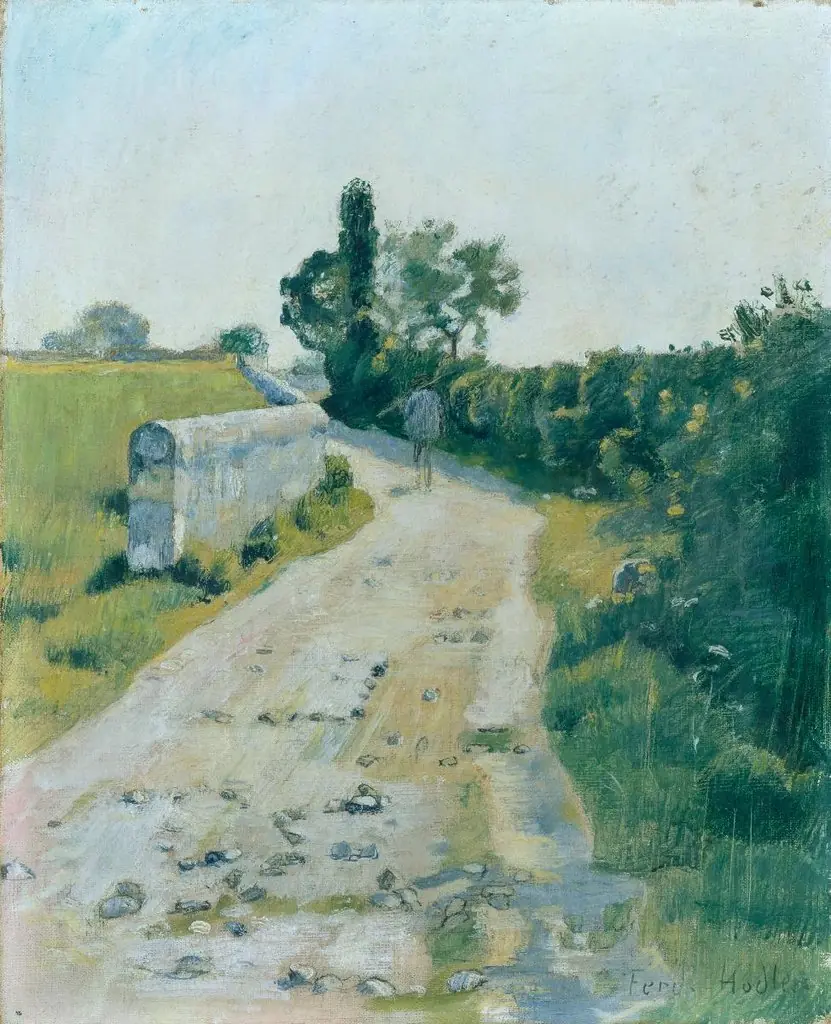 Sonniges Strässchen
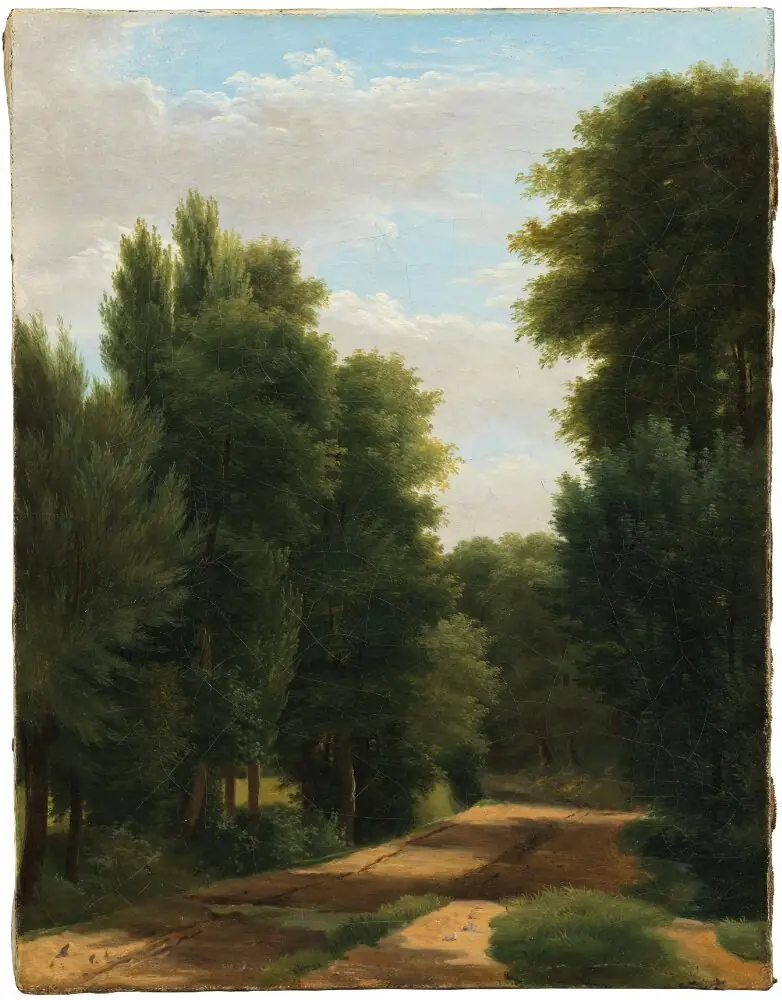 View of a Garden. Study
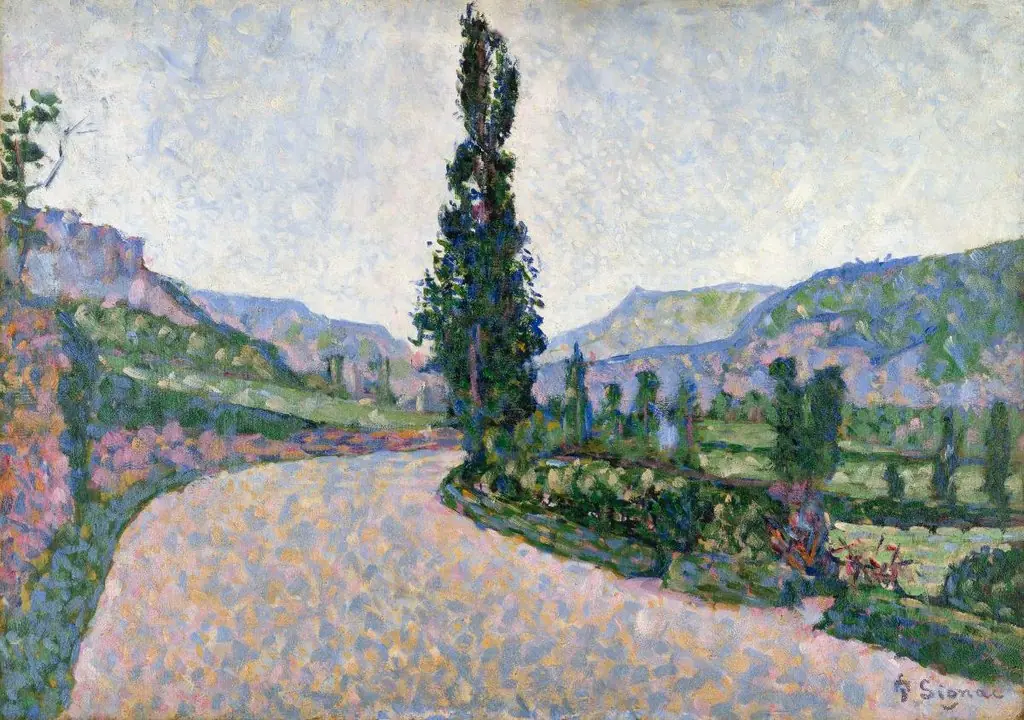 Comblat-le-Château. Le Peuplier
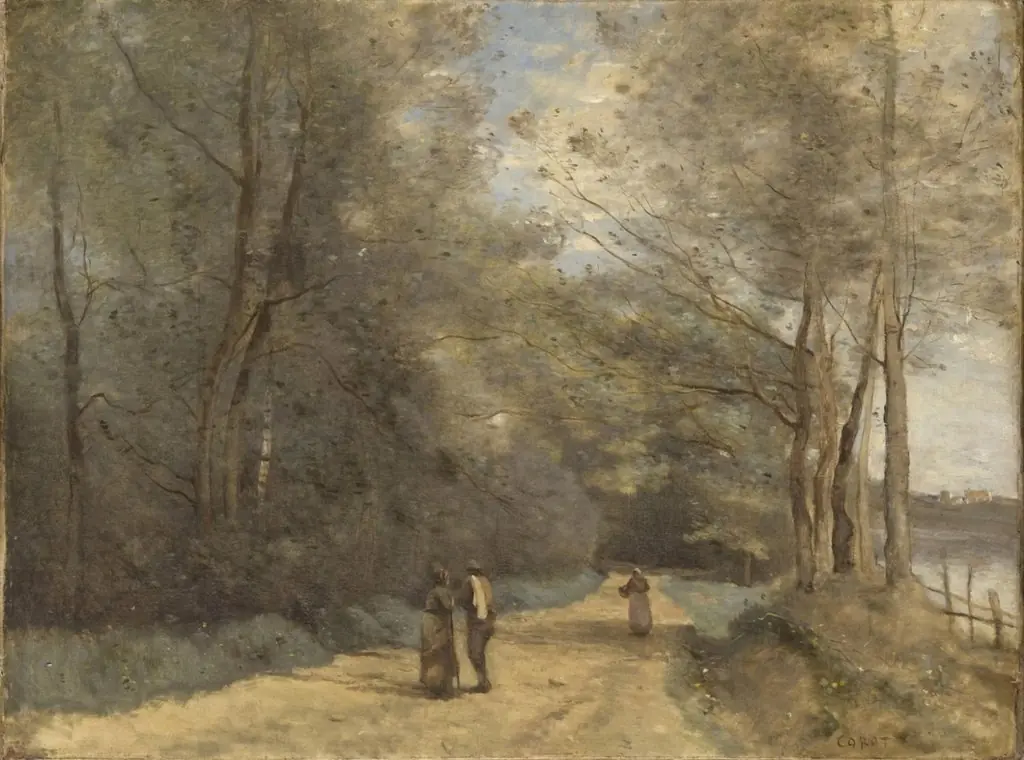 Wooded Path near Ville d'Avray
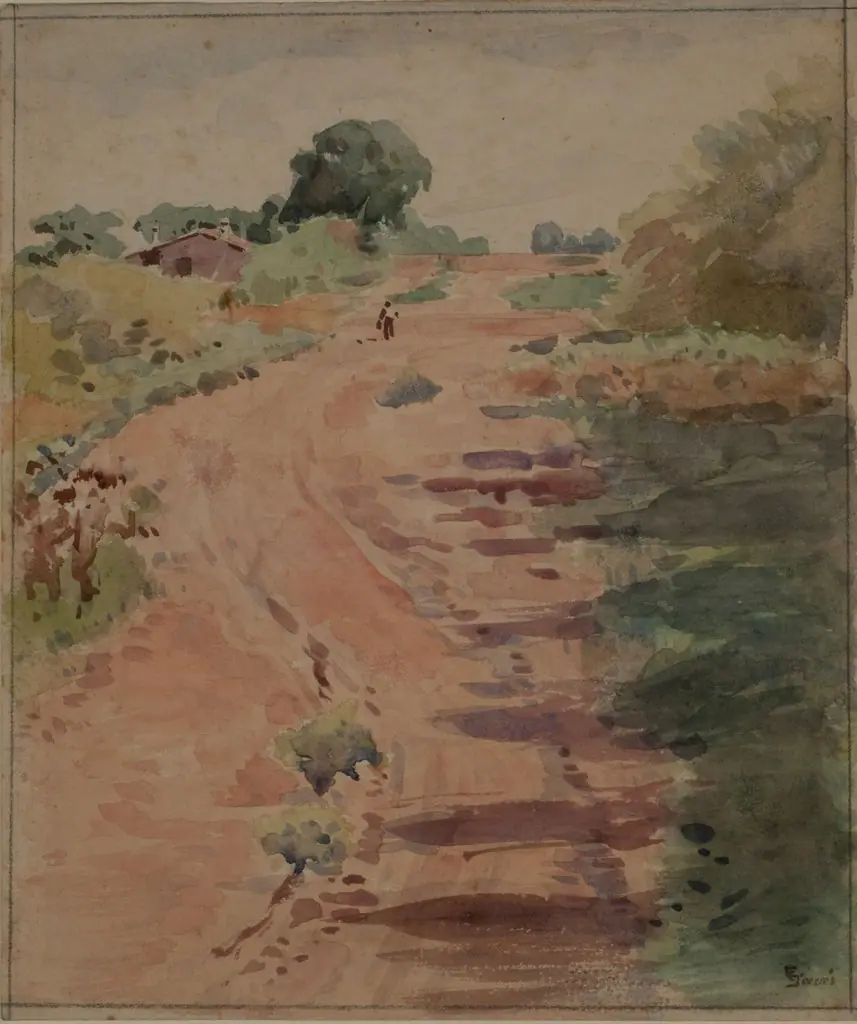 A street in Billinghurst
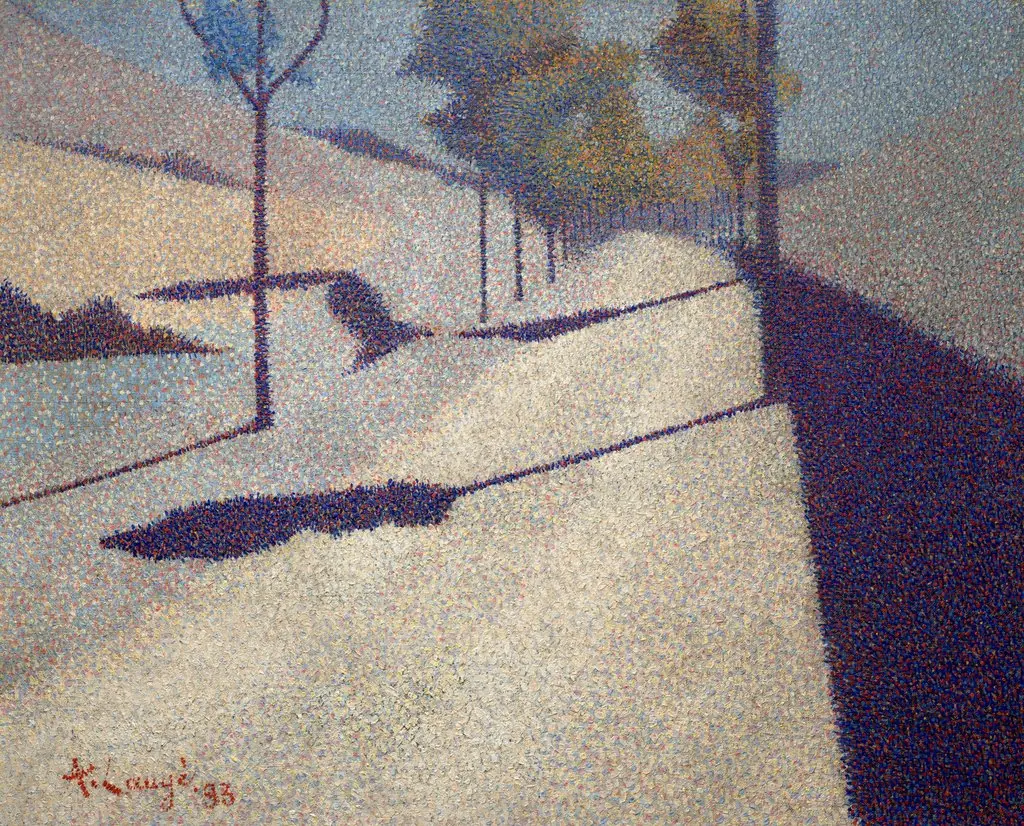 La route (The Road)
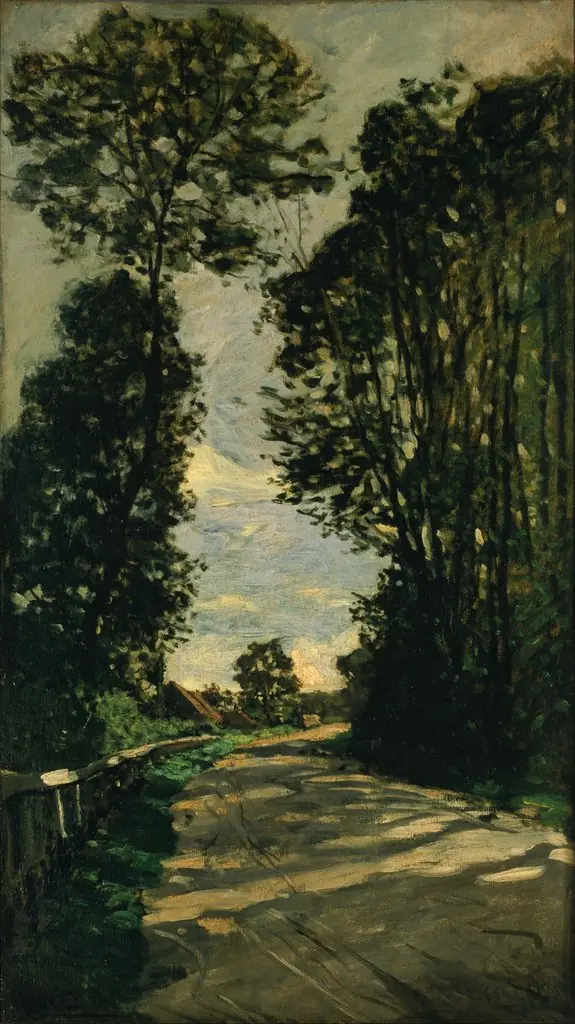 Walk
Walk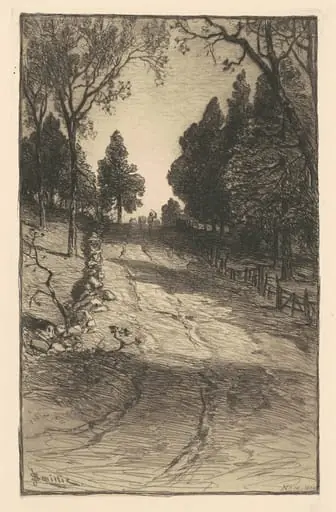 Up the Hill
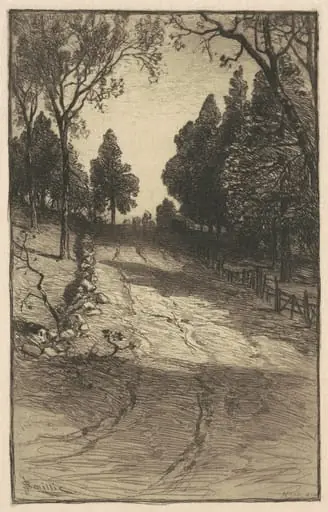 Up the Hill
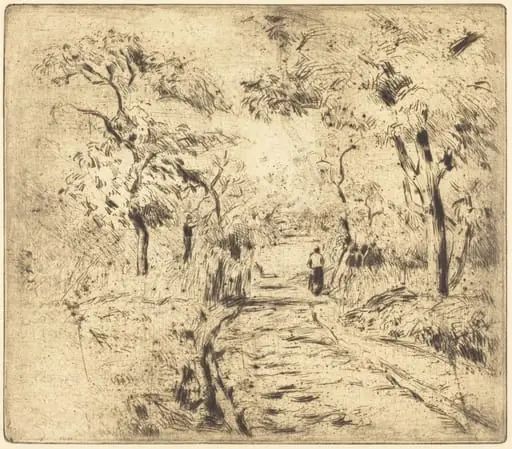 In the Fields at Ennery (Dans les champs, a Ennery)
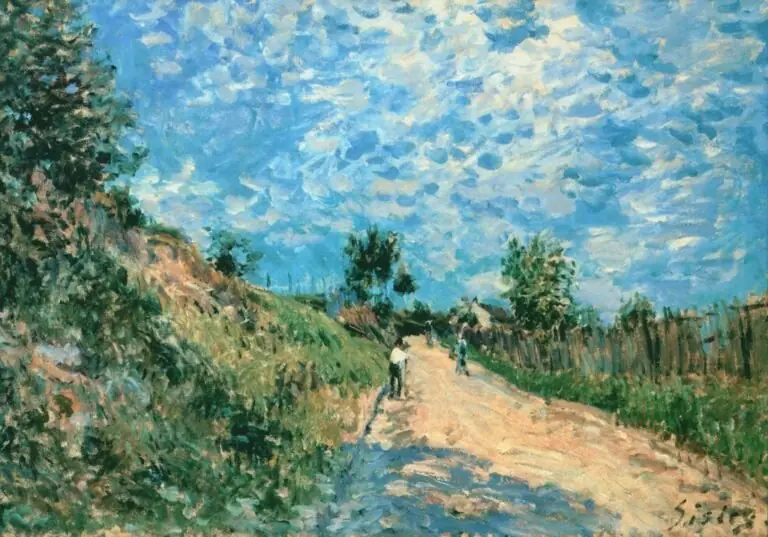 Chemin montant
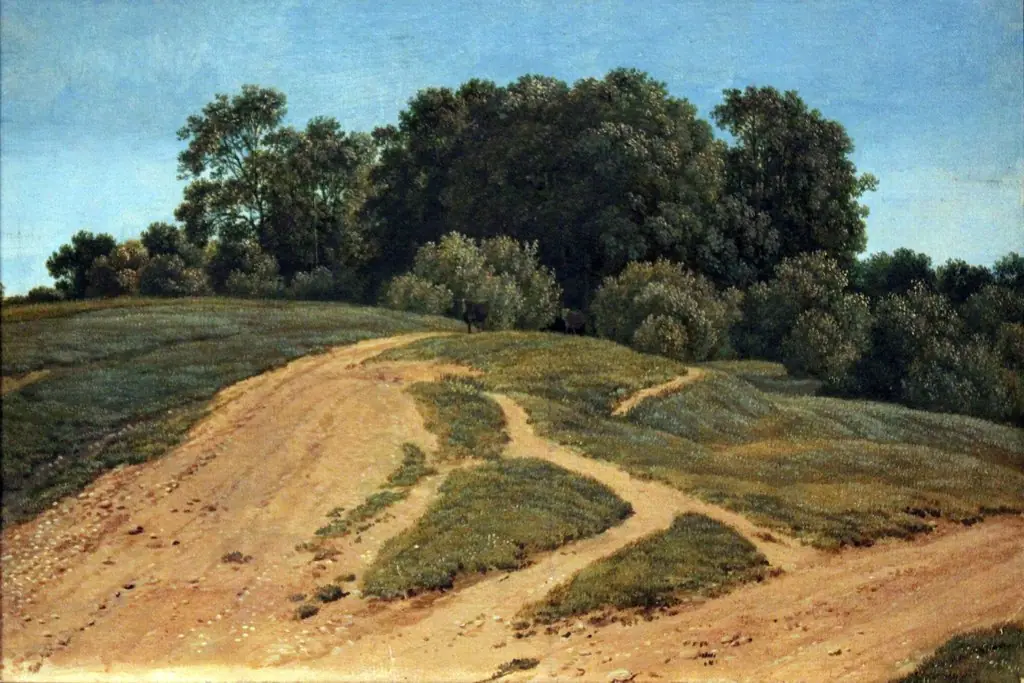 Country Lane
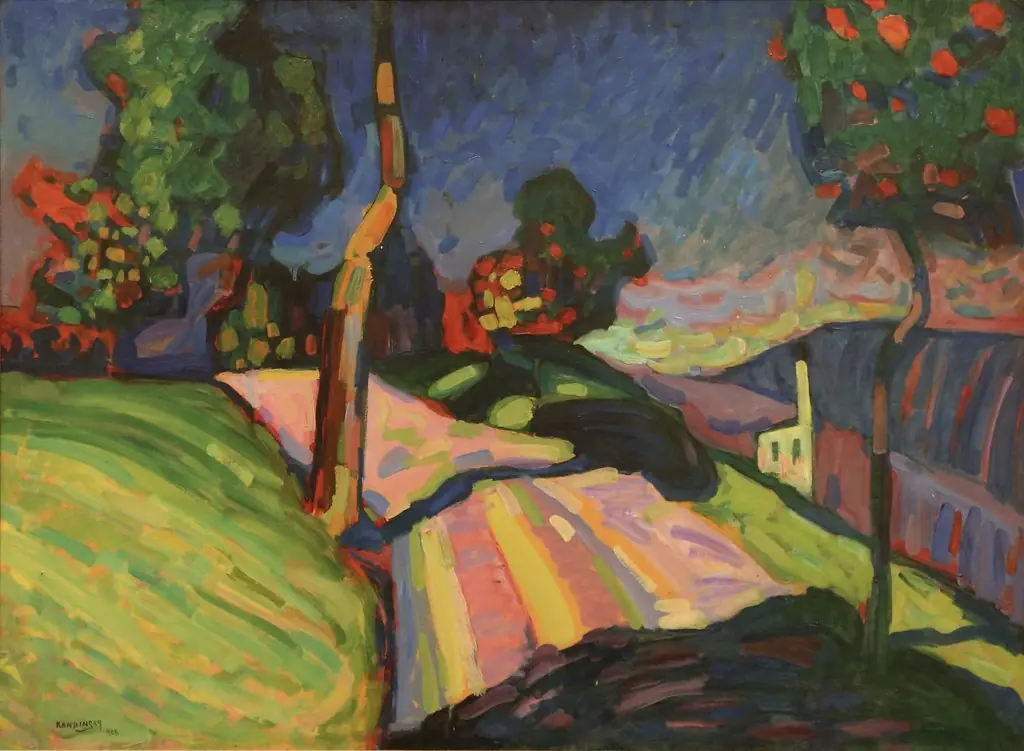 Murnau - Kohlgruberstrasse
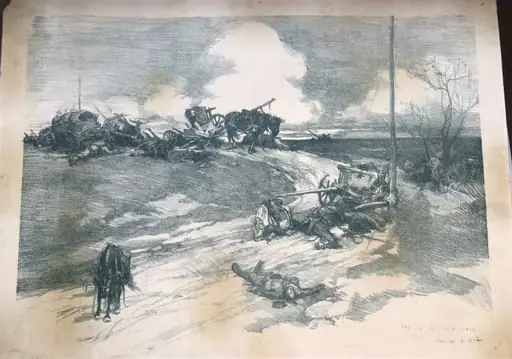 Luptele românești din 1917
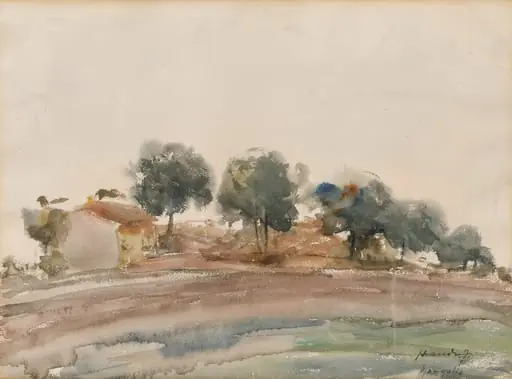 Deal cu pomi
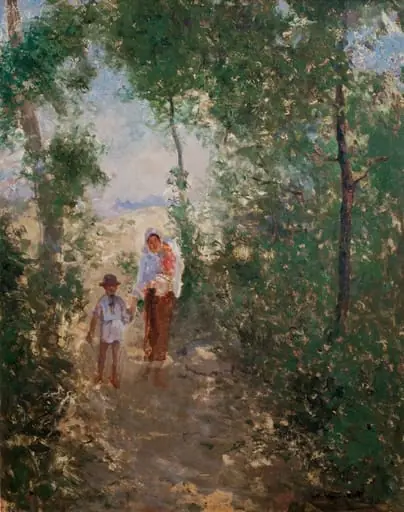 Țărancă cu copii
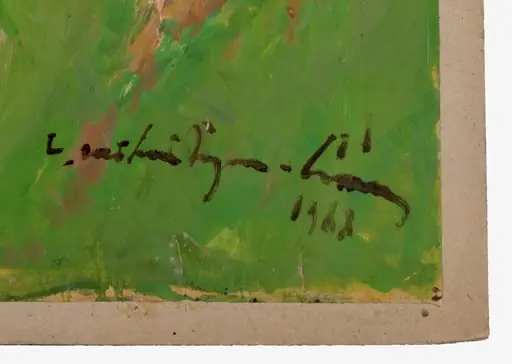 Studiu de peisaj cu un drum pe care merge o căruță trasă de cai. În prim-plan, căruța văzută din spate, dreapta. În căruță, un bărbat cu căciulă neagră și haină gri, o femeie cu batic alb și haină brun-ocru și o fetiță cu batic alb cu verde-roșu, așezată în spatele celor doi, lângă două butoaie. Drumul taie ca o diagonală lucrarea; de-o parte și de alta, iarbă. Linia orizontului foarte ridicată, după care se vede un copac verde, dealul albastru în depărtare și cerul. Semnat și datat cu brun, dreapta jos: V. Mihăilescu Craiu 1968.
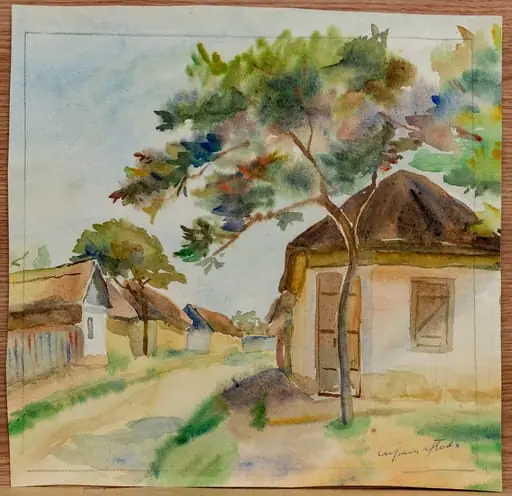 Sat dobrogean
 Muzeul de Artă - IAȘI
 VECHE CETATE ÎN SALONIC - EDY CULÉ
 Peisaj cu magazie
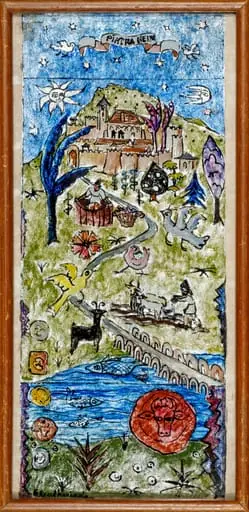 PIATRA NEAMȚ
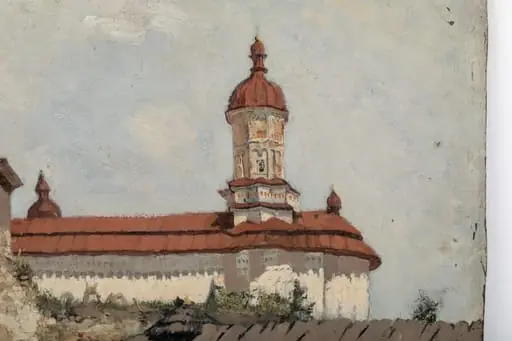 Mănăstirea Bistrița
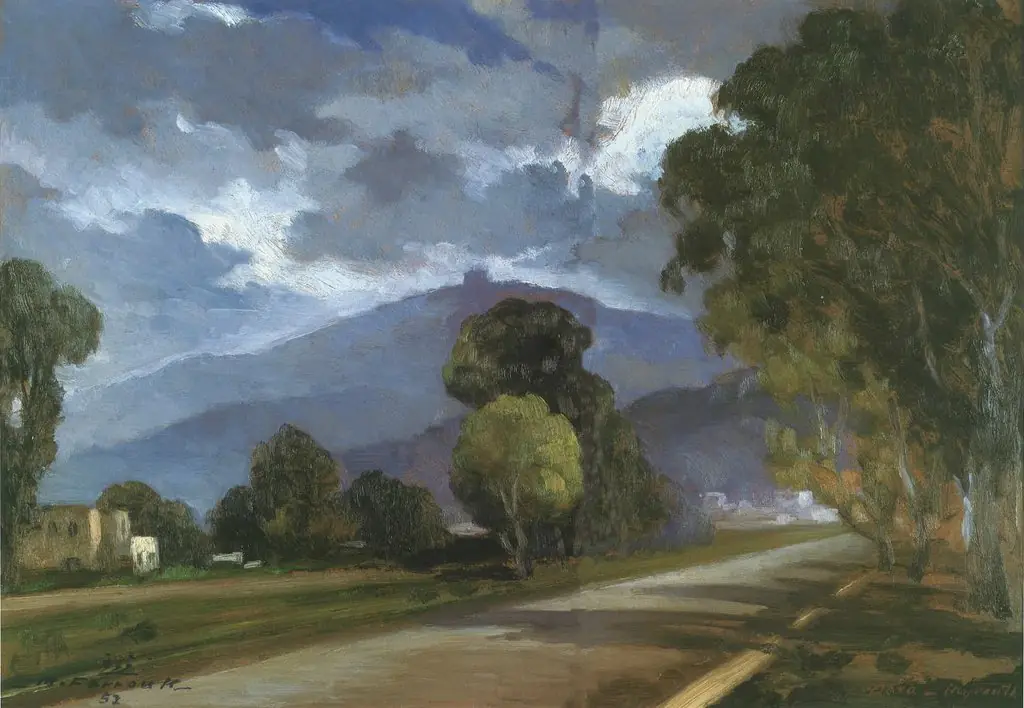 Daoura Road
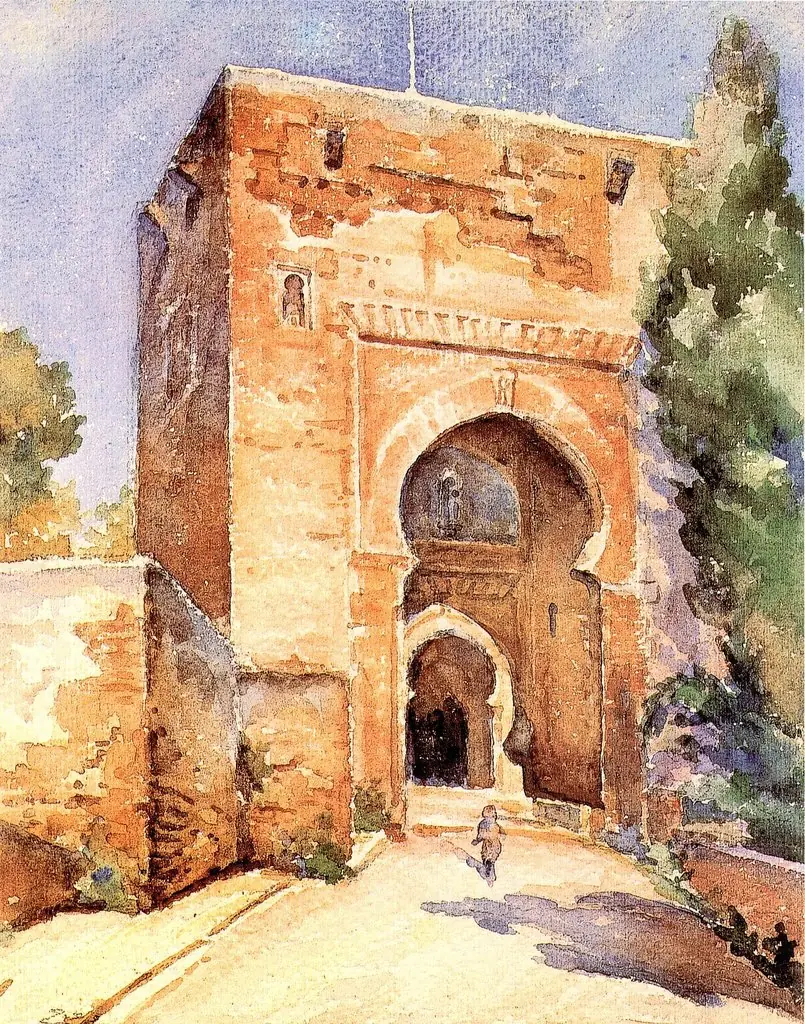 Granada, Alhambra: Justice Portal
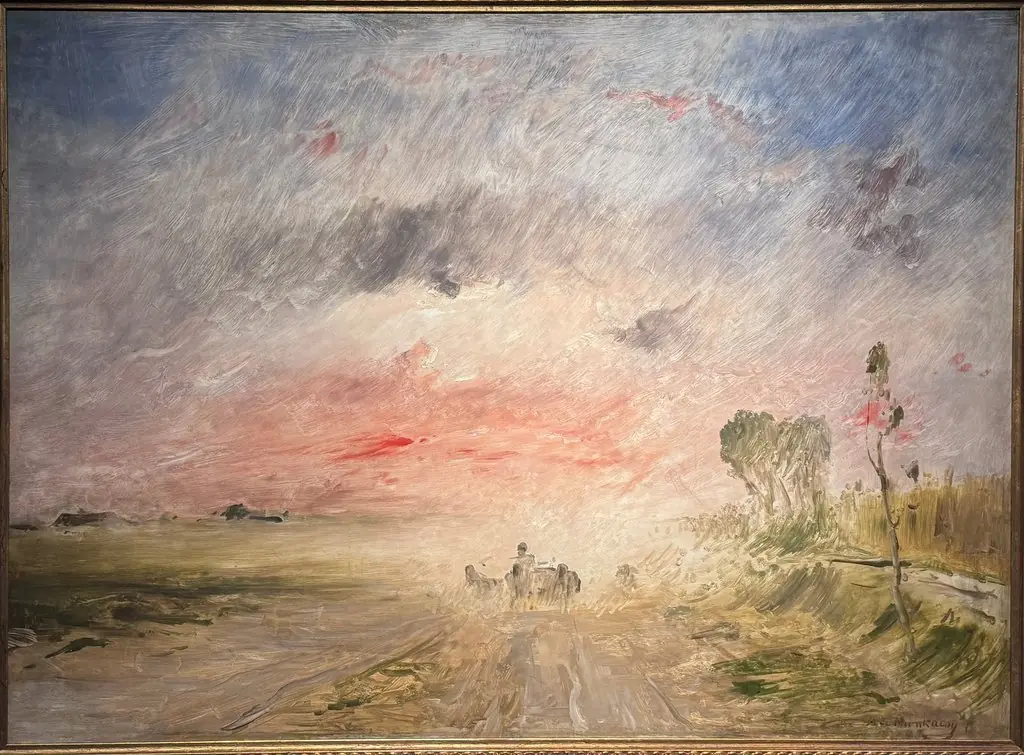 Zakurzona droga
 BISERICA DIN GRECIA
 CASE DIN SALONIC
 Peisaj
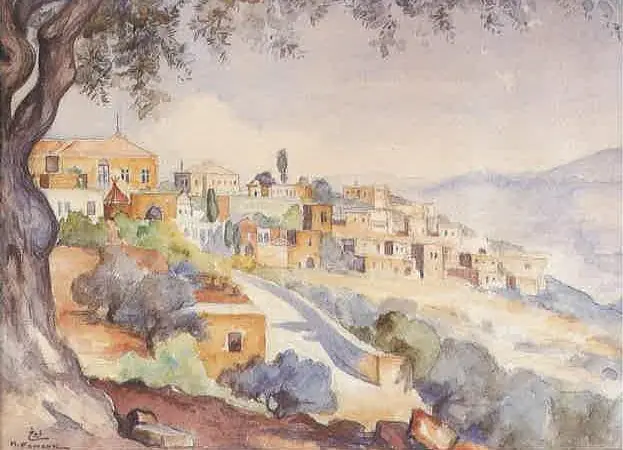 A View of Deir Al-Qamar from Baaqline
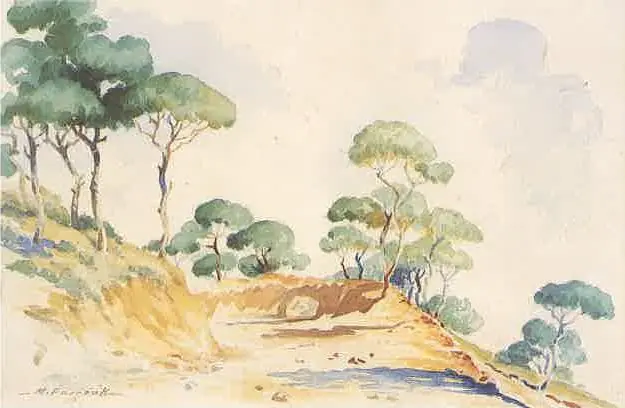 On the Road to Brummana
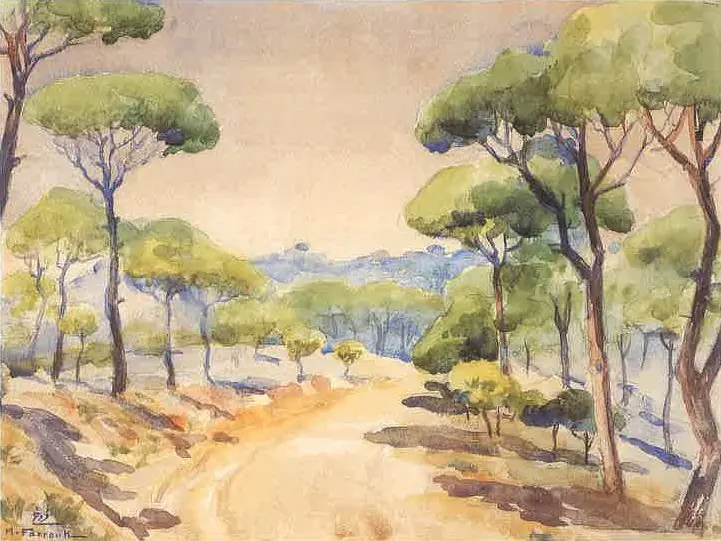 A View From Al-Matn
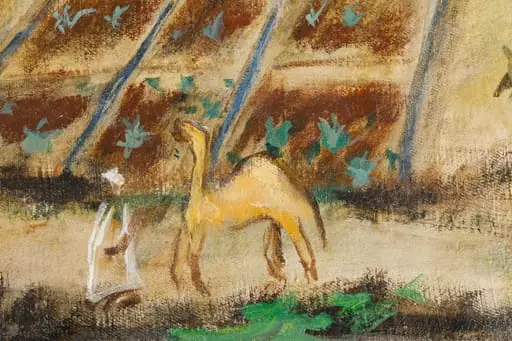 VALEA NILULUI
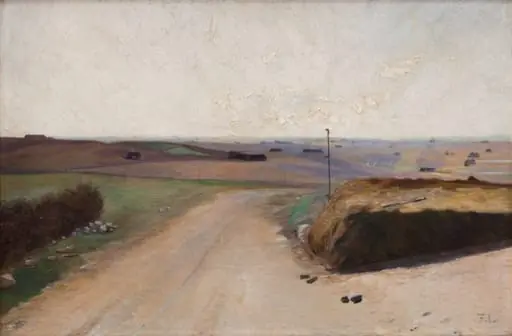 A Landscape. The Island of Mors, jutland
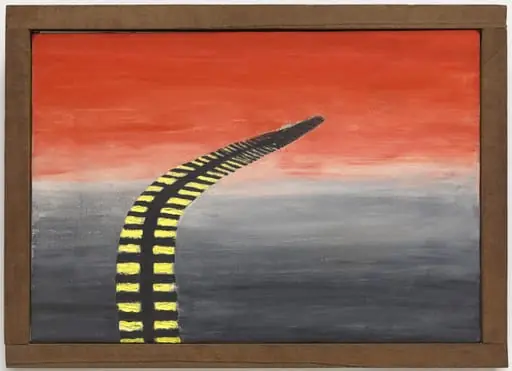 Untitled
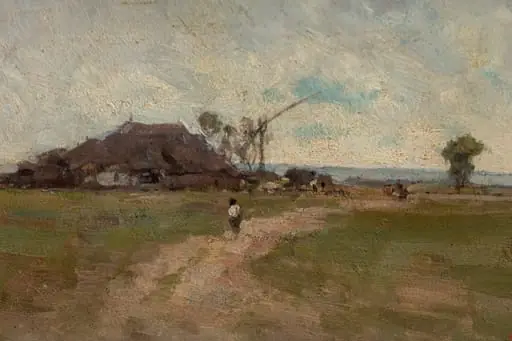 Casă țărănească în câmp (Pe valea Moldovei)
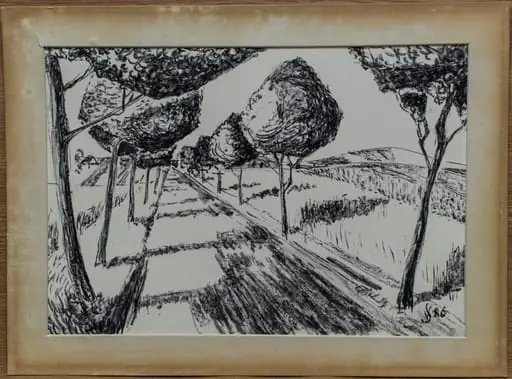 Drum spre Iazurile
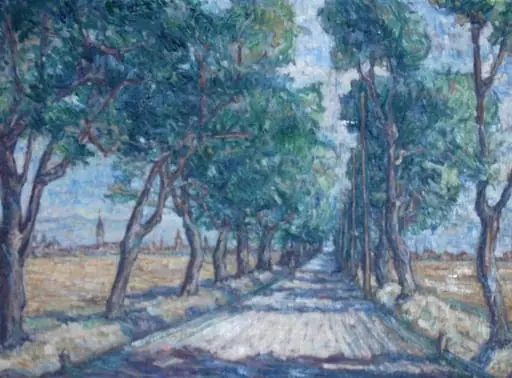 Drum la țară
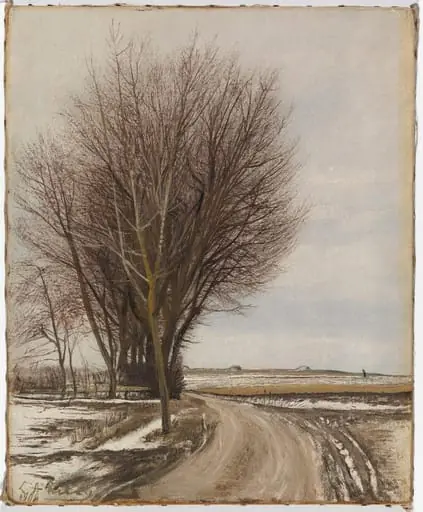 Talvimaisema, Baldersbrønde
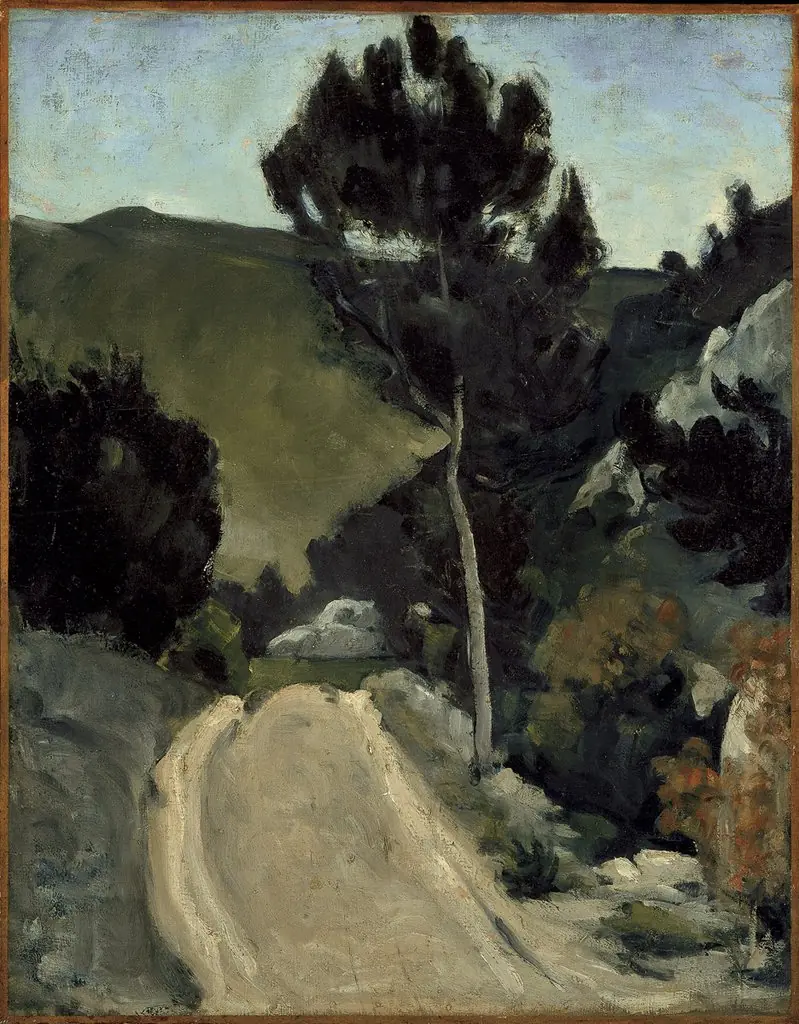 La route tournante en Provence
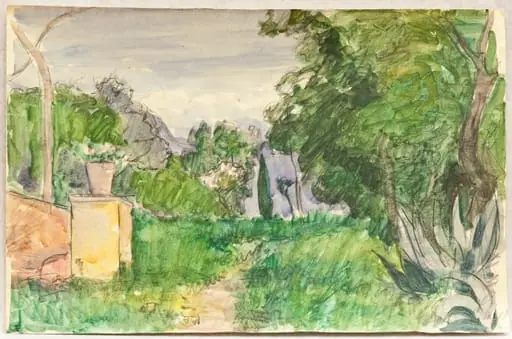 Drum înspre pădure
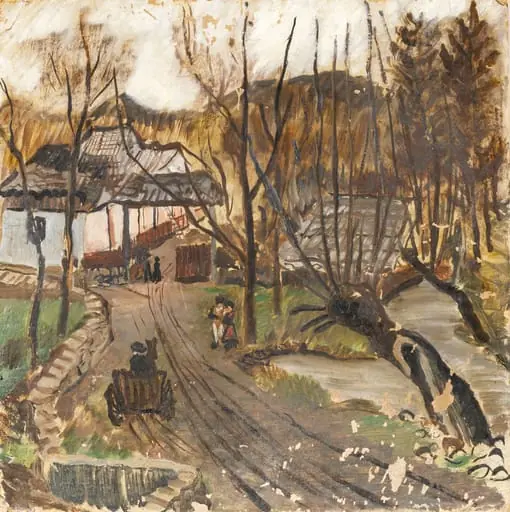 ULIȚĂ
ULIȚĂ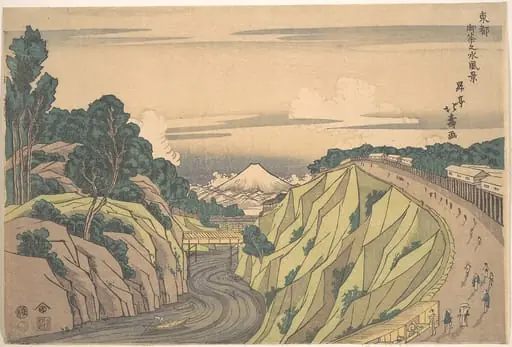 Untitled
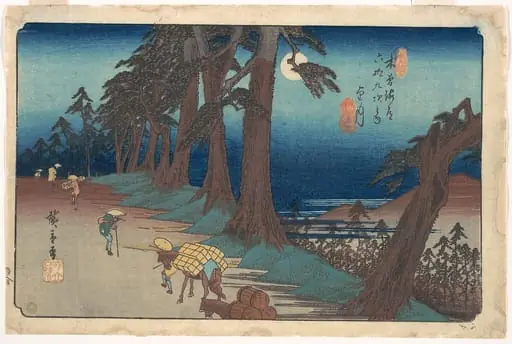 木曽海道六拾九次之内 望月|Mochizuki Station
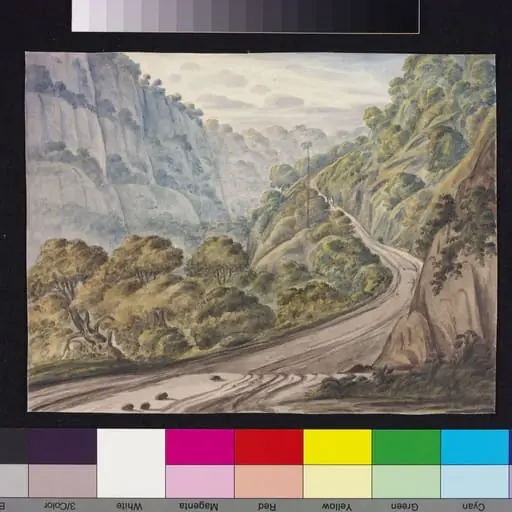 Bhore Ghaut
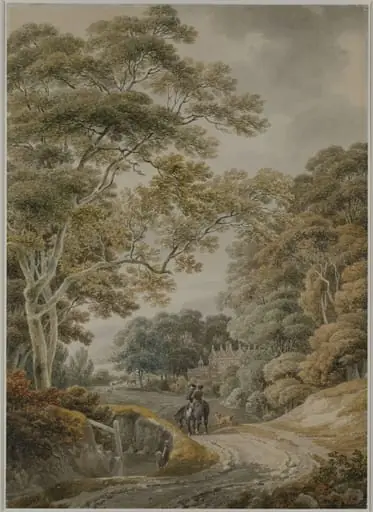 Godinton, near Ashford, Kent
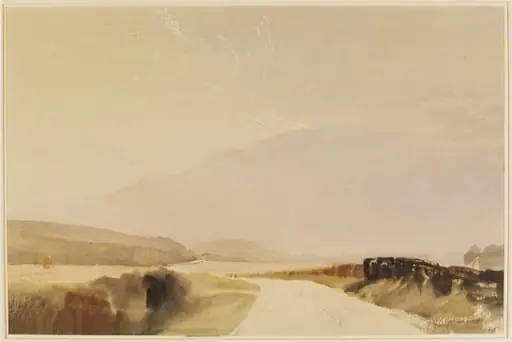 The Southdown, Underhill Road; Westwards towards Clayton
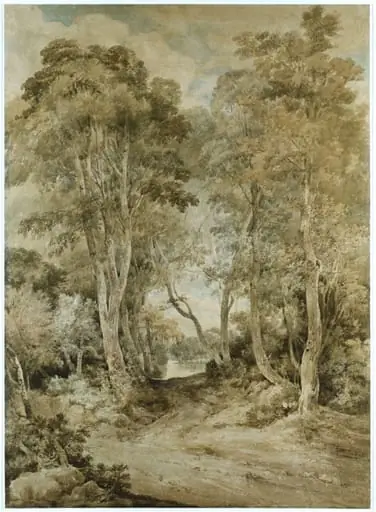 A wood scene
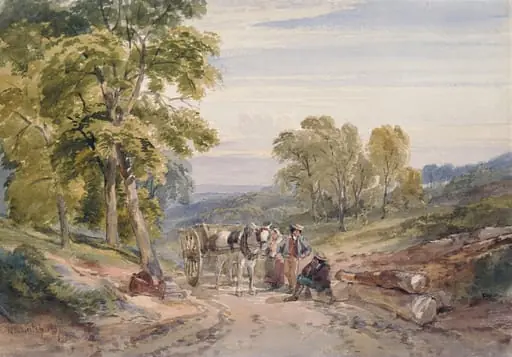 Untitled
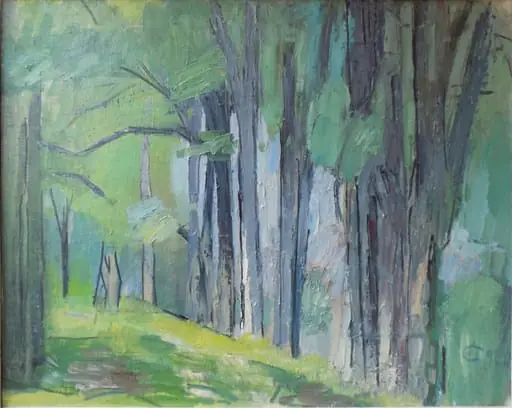 Pădurea Mogoșoaia (Peisaj)
 S8 - Peisaj la Sulina (Casă, gard și copac)
 Peisaj
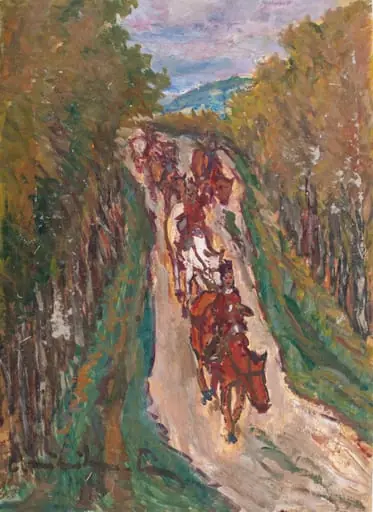 Călăreți
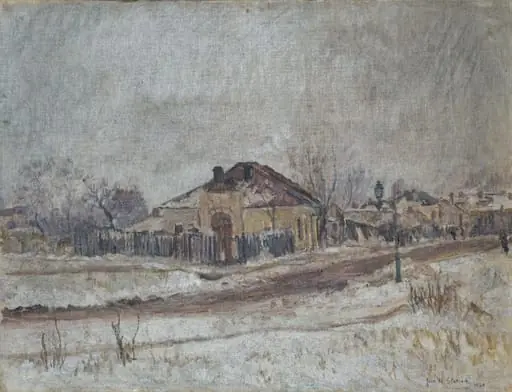 Mahala
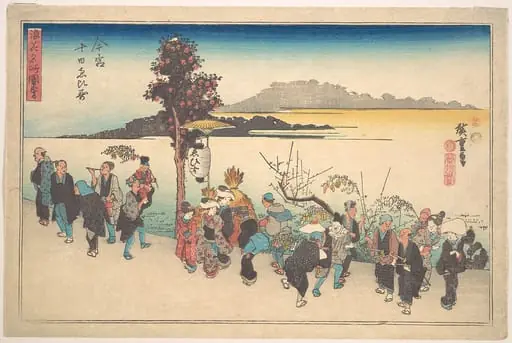 浪花名所図会 今宮 十日恵比寿|Imamiya Toka Ebisu
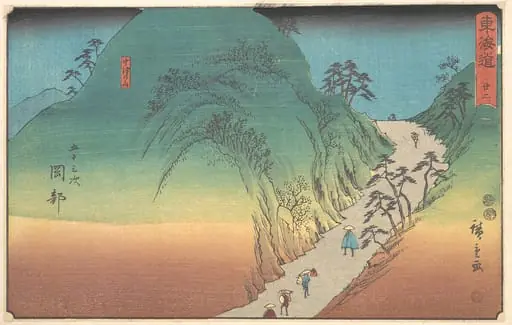 東海道五十三次 岡部 宇津の山|Okabe
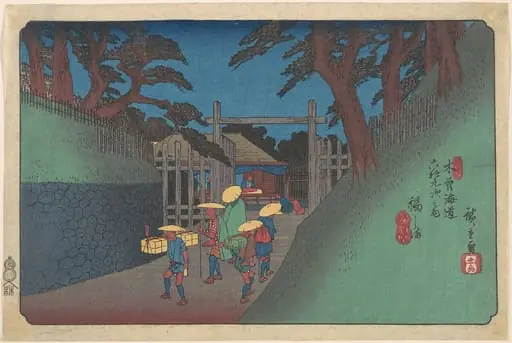 木曽海道六拾九次之内 福しま|Fukushima Station
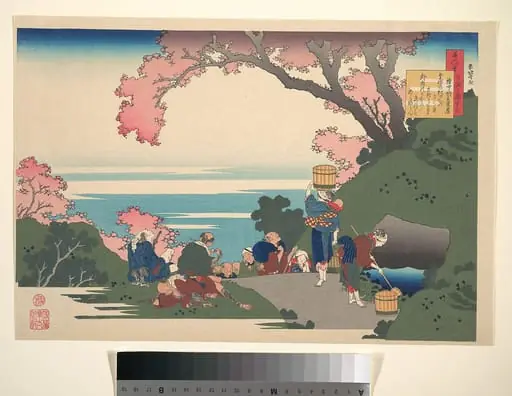 百人一首 うはかゑとき 権中納言匡房|Poem by Gon-chūnagon Masafusa (Ōe no Masafusa), from the series One Hundred Poems Explained by the Nurse (Hyakunin isshu uba ga etoki)
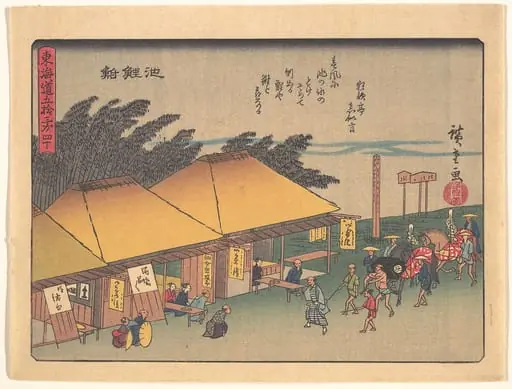 東海道五十三次 池鯉鮒|Chiryūshuku, from the series The Fifty-three Stations of the Tōkaidō Road
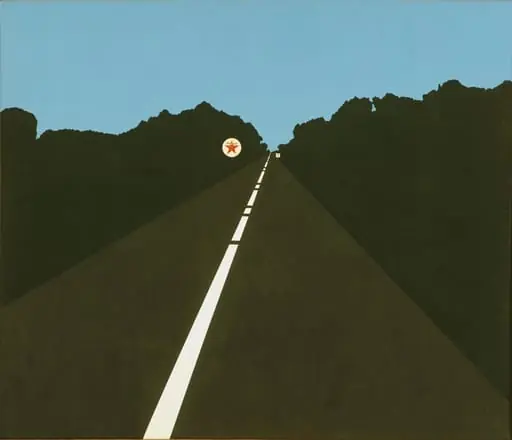 Untitled
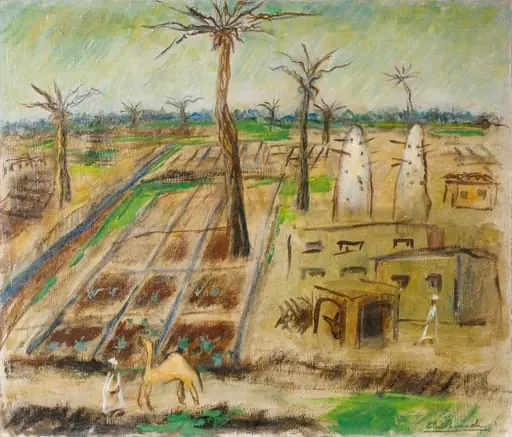 Pe Valea Nilului
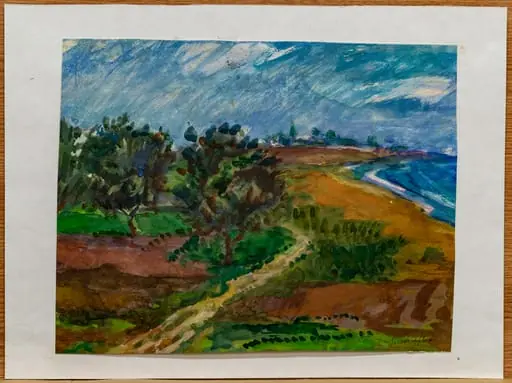 Marină
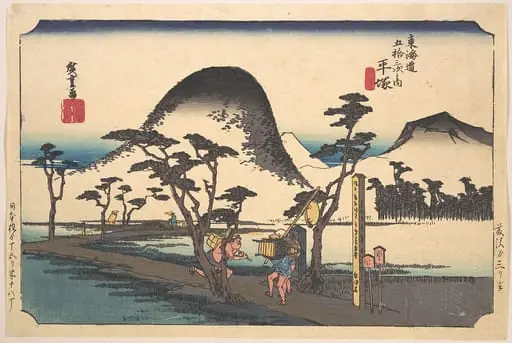 東海道五十三次之内 平塚 縄手道|Hiratsuka, Nawate Do
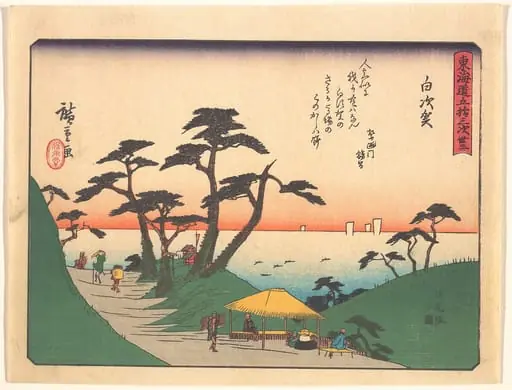 東海道五十三次 白須賀|Shirasuka, from the series The Fifty-three Stations of the Tōkaidō Road
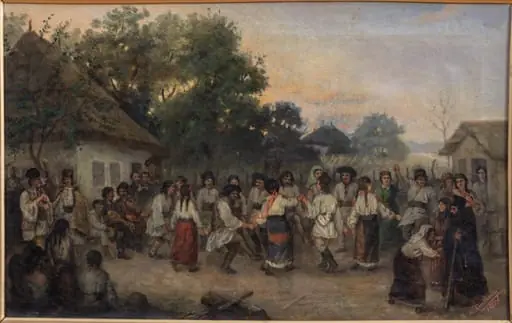 Hora de la Țuțora
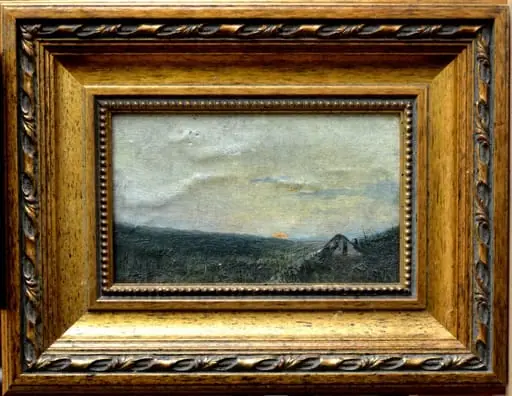 Răsărit (de) soare
 Drum spre Malcoci
Frequently asked questions
What is Road?
Road is a subject in art. A street is a public thoroughfare in a city, town or village, typically lined with buildings on one or both sides.
How many Road works does Artifact World Gallery have?
Artifact World Gallery holds 200 public-domain Road works, all free to view and download.
Who are the key Road artists?
Key Road artists in the collection include Jean Baptiste Camille Corot, Albert Bierstadt and Thomas Chambers.
Where can I see Road works?
Road works in the collection are held by Metropolitan Museum of Art, Statens Museum for Kunst and National Library of Wales.