Artwork
Untitled
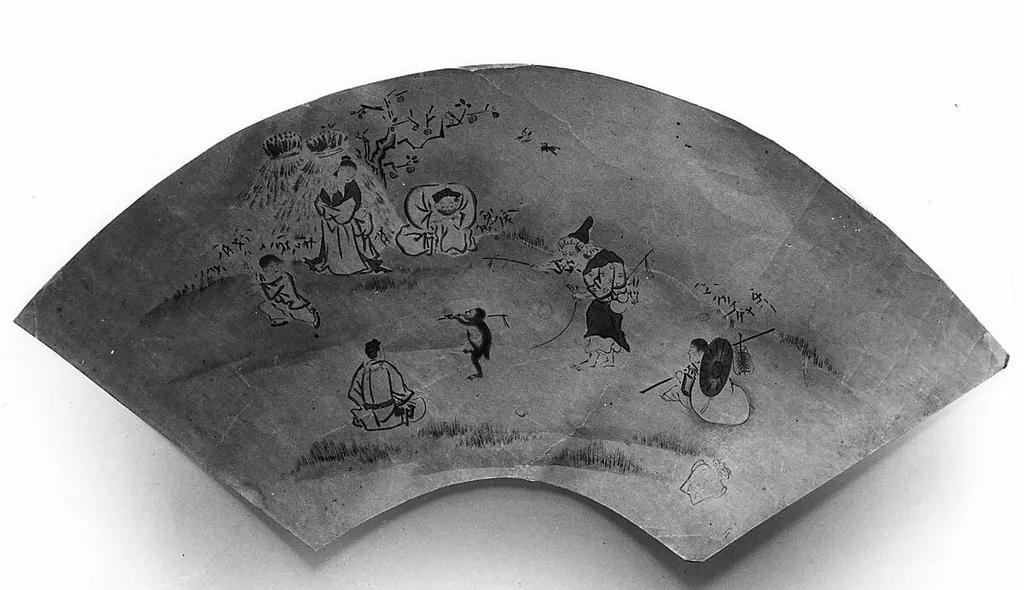
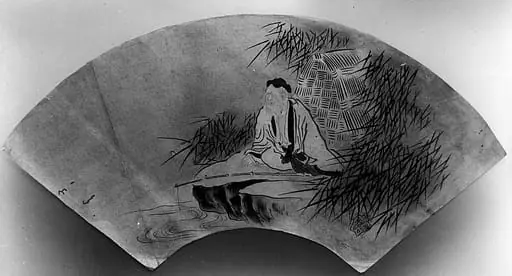
Untitled is a paint painting by the Baroque artist Kano Motonobu. It is held in the collection of the Metropolitan Museum of Art.
- Accession no.
- 39.92.1
- Credit line
- Harris Brisbane Dick Fund, 1938
About this work
Subject & Meaning
The compact horizontal format and the inclusion of multiple, distinct figures imply a narrative or didactic reading rather than a straightforward portrait.
Classified as an allegory, the work brings together three figures, a man, a monkey, and a woman, rendered in color on paper. The juxtaposition of human figures with a monkey carries long-standing symbolic weight in Japanese visual culture, where the animal is frequently associated with mimicry, folly, or the imitation of human behavior, often deployed as a moralizing device. Pairing the monkey with a man and a woman suggests a commentary on human conduct, social roles, or the tension between civility and base instinct, consistent with allegorical traditions.
The compact horizontal format and the inclusion of multiple, distinct figures imply a narrative or didactic reading rather than a straightforward portrait. The painting thereby operates as a visual parable, using the animal-human contrast to prompt reflection on human nature and behavior.
Technique & Style
Created in 1607 by the Japanese artist Kanō Motonobu, this work is executed in color on paper. The painting functions as an allegorical composition, visually depicting a man, a woman, and a monkey. Physically, the piece measures 19.7 cm in height and 48.6 cm in width.
As a product of early seventeenth-century Japan, the work utilizes traditional pigments applied to a paper support, characteristic of the period's painting practices. The specific arrangement of the three figures suggests a narrative or symbolic intent consistent with the allegorical genre. The application of color on the paper surface defines the visual texture and formal qualities of the piece, which is currently held in the collection of the Metropolitan Museum of Art.
History & Provenance
The work was created by Kano Motonobu in 1607, as indicated by the artist’s dated signature and seal. It entered the Metropolitan Museum of Art as part of its holdings, where it remains located. The painting’s subject, depicting a man, a monkey, and a woman, aligns with motifs commonly explored in Kano-school allegorical compositions of the early Edo period.
Legacy
Kano Motonobu’s Untitled (1607) exemplifies the allegorical sensibility of early Edo painting, its depiction of a man, monkey, and woman serving as a reference point for scholarly analysis of narrative symbolism in Japanese art. The work’s presence in the Metropolitan Museum of Art’s collection has contributed to its recognized importance, frequently cited in exhibitions and studies of the Kano school and informing ongoing research into its symbolic program. Documentation of its provenance and dimensions, recorded in museum records, underscores its standing within the canon of Japanese masterpieces.
Overview
Kano Motonobu's Untitled, created in 1607, is a painting executed with color on paper. This work presents an allegorical narrative, featuring various figures engaged in dynamic interactions. The composition is rendered on a tall scroll, characteristic of certain Japanese painting traditions, offering a comprehensive view of its intricate subject matter.
Artist & collection

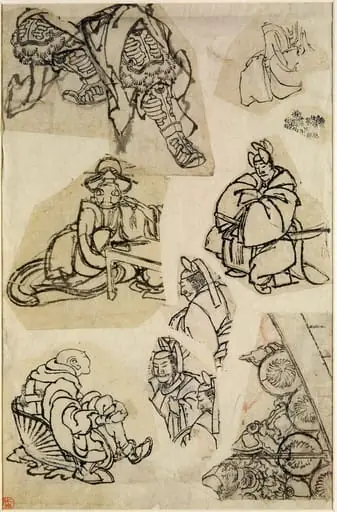 Sketches
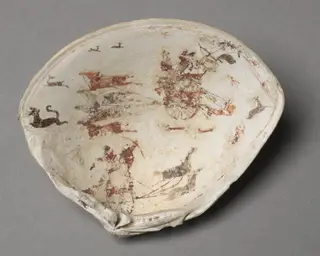 The Hunt
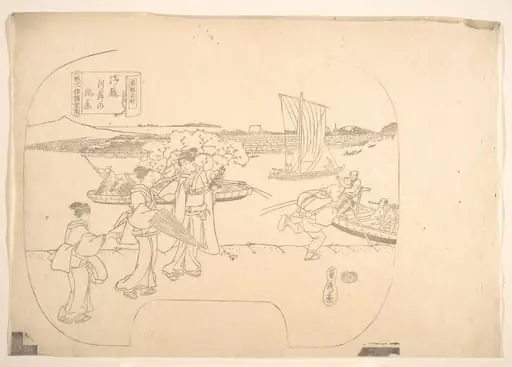 Untitled
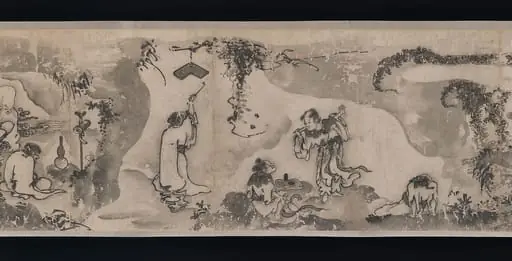 壺天樂聚|Merry Gatherings in the Magic Jar
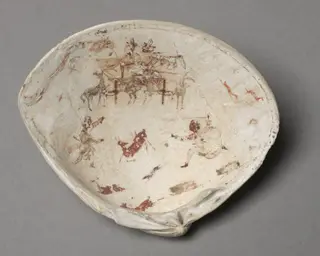 The Kill
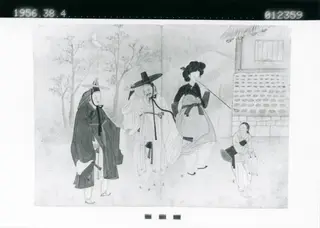 painting, watercolour,
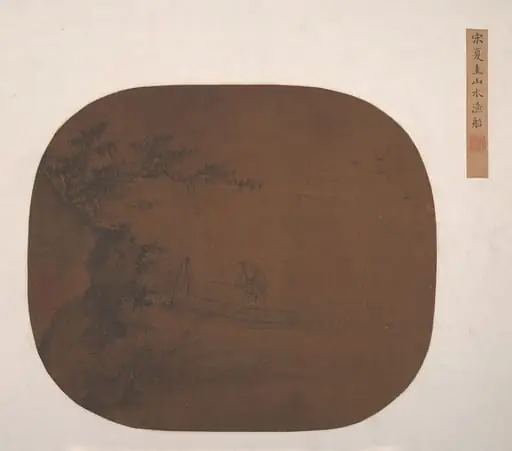 Untitled
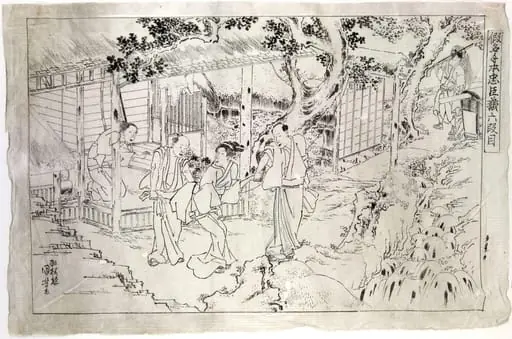 Treasury of the Forty-seven Loyal Retainers
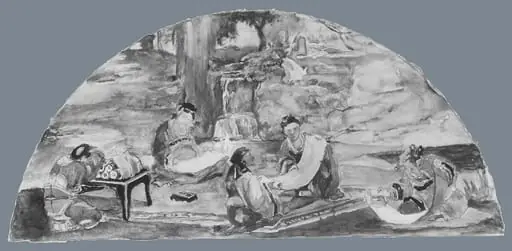 The Recording of Precedents: Confucius and His Pupils Collate and Transcribe Documents in Their Favorite Grove; Color Study for Mural, Supreme Court Room, Minnesota State Capitol, Saint Paul