Artwork
山水図|River Landscape in Evening
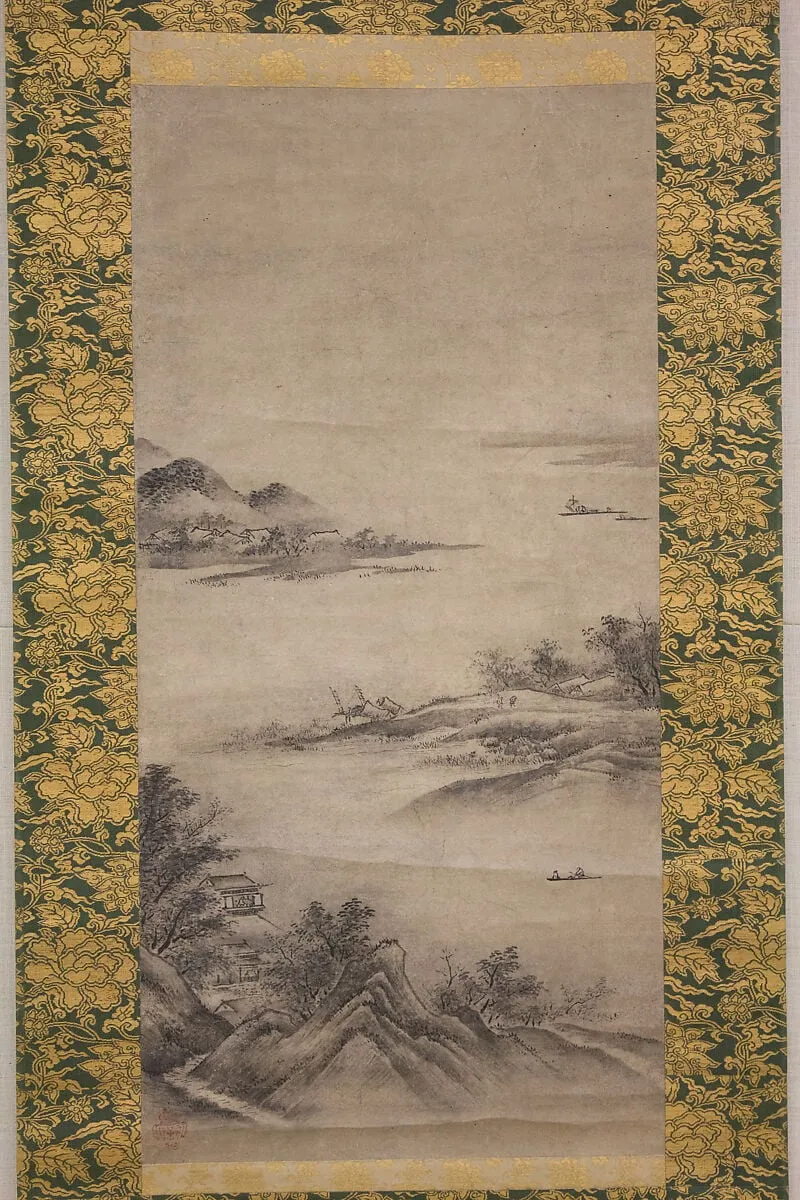
山水図|River Landscape in Evening is an ink painting by the Kanō school artist Kano Motonobu. It dates from 1449 and is held in the collection of the Metropolitan Museum of Art.
About this work
Subject & Meaning
As an ink-on-paper work attributed to Kano Motonobu, the subject focuses on natural scenery rather than narrative or figurative elements.
River Landscape in Evening depicts a landscape scene and represents the genre of landscape painting. As an ink-on-paper work attributed to Kano Motonobu, the subject focuses on natural scenery rather than narrative or figurative elements. The title specifies a river landscape at evening, and the imagery reflects the East Asian tradition in which mountain-and-water motifs conventionally evoke the harmony of nature and an ideal of retreat from worldly affairs.
Technique & Style
River Landscape in Evening is executed as a hanging scroll using ink on paper, a traditional support and medium for Japanese landscape painting. Attributed to Kanō Motonobu and dated 1449, the work measures 63.8 cm in height and 31.8 cm in width. The piece exemplifies the landscape genre through its monochrome application of ink, relying on tonal variation and brushwork to render the evening scene.
As a work associated with the Kanō school, the handling reflects the stylistic conventions of ink landscape, and the hanging-scroll format suited vertical display.
History & Provenance
The hanging scroll River Landscape in Evening, attributed to Kano Motonobu and dated 1449, is held in the collection of the Metropolitan Museum of Art in New York, catalogued under accession number 14.76.13 within the Department of Asian Art. The available records confirm the work's presence in the permanent collection and its accession identification but do not record specific exhibition or display history for this piece.
Overview
Kano Motonobu's River Landscape in Evening, created in 1449, is an ink-on-paper hanging scroll. This work exemplifies the traditional Japanese landscape painting genre, known as sansuiga, depicting a serene natural vista. The monochromatic palette emphasizes the subtle interplay of light and atmosphere, inviting quiet contemplation and reflecting the artist's mastery of ink wash techniques from the Muromachi period.
Artist & collection

 瀟湘八景図|Eight Views of the Xiao and Xiang Rivers
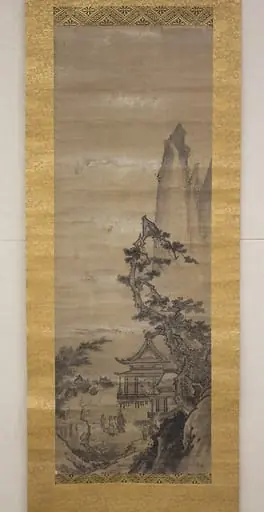 Untitled
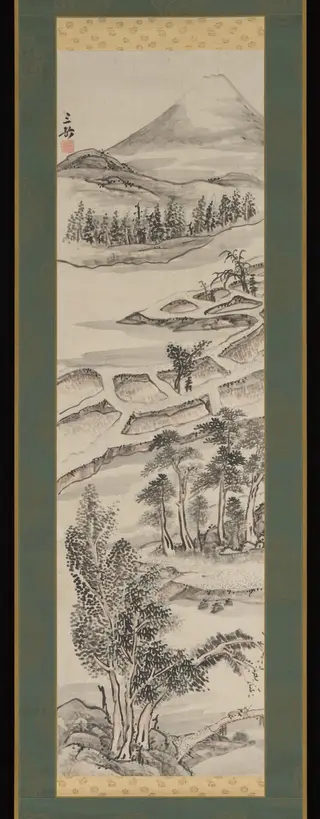 Mount Fuji
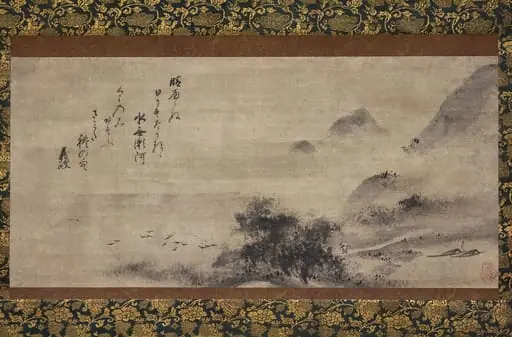 Untitled
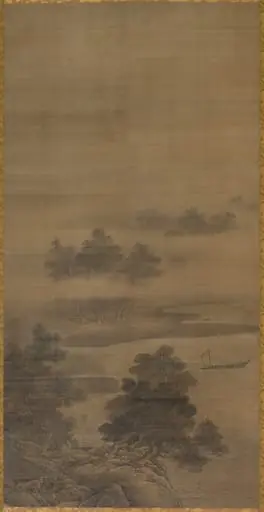 Returning Sails off a Distant Shore, from Eight Views of Xiao-Xiang
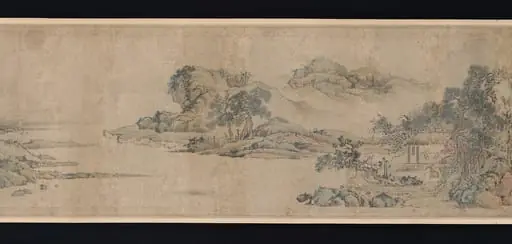 明 佚名 朱德潤 怡樂堂圖 卷|Hall of Harmony and Joy
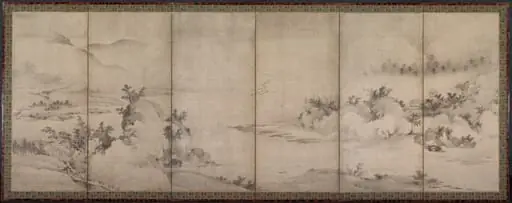 Landscape with Motifs from the Eight Views of Xiao-Xiang
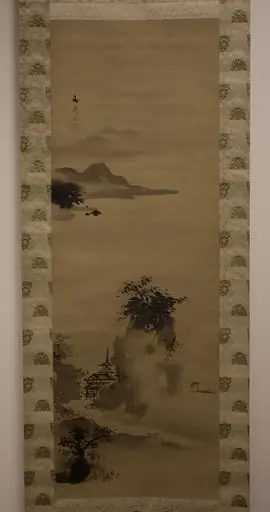 Untitled
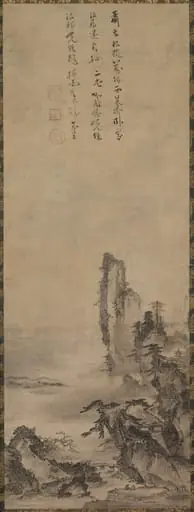 Lonely Temple and Towering Cliff
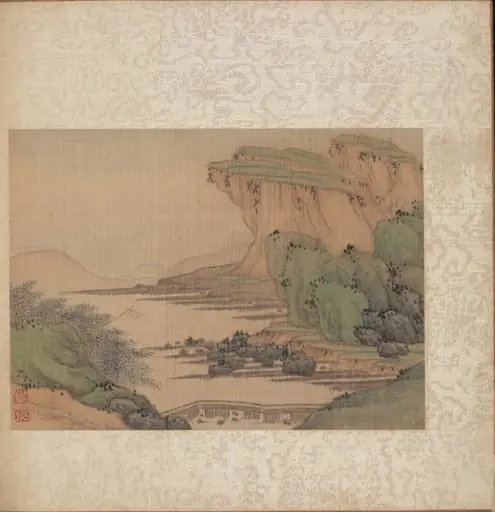 Album of Miscellaneous Subjects, Leaf 2
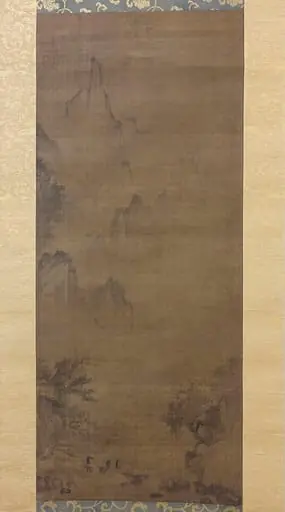 Untitled
- 山水図屏風|Landscape