Artwork
Landscape
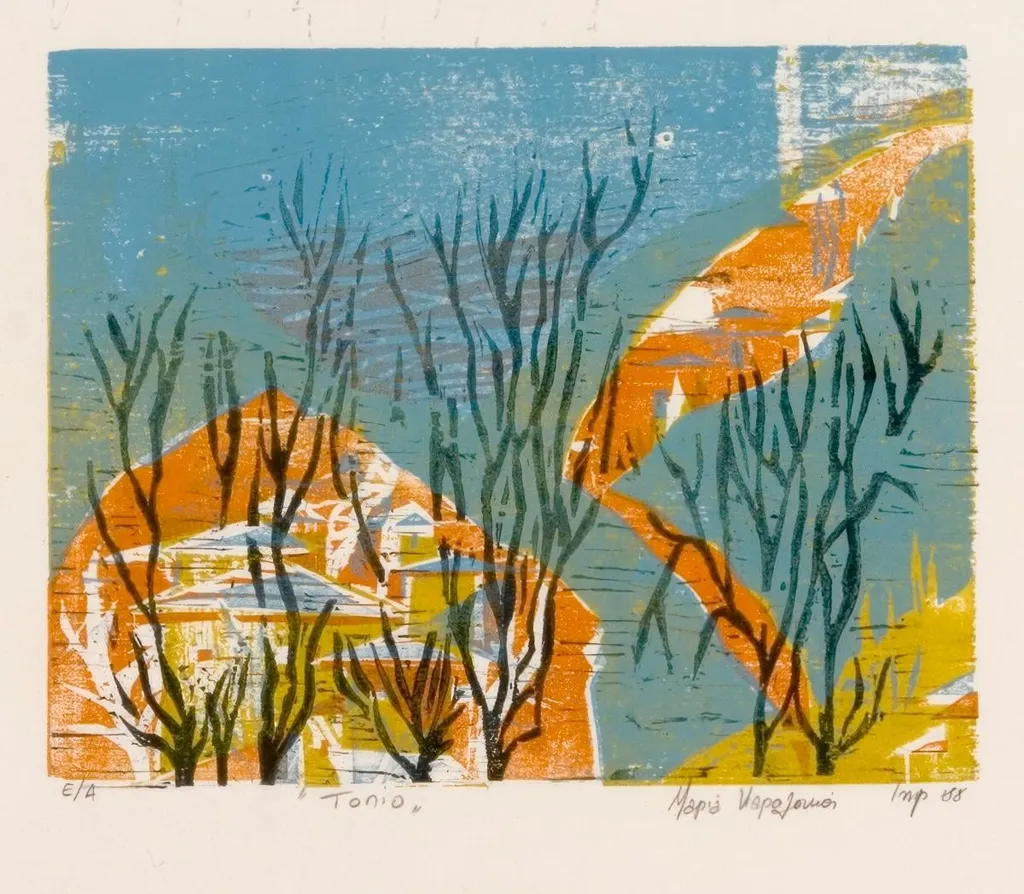
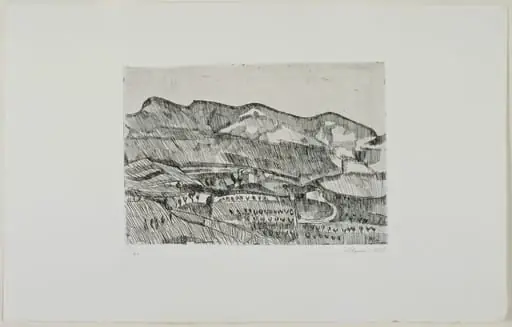
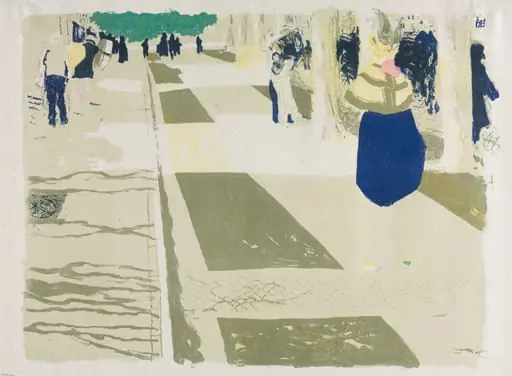
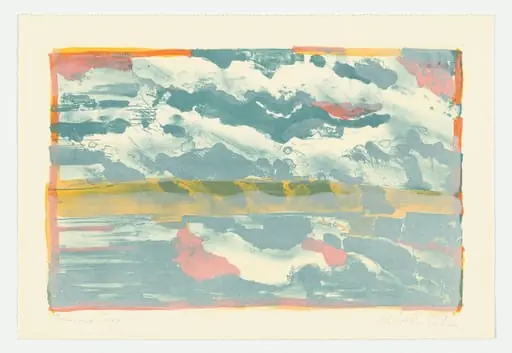
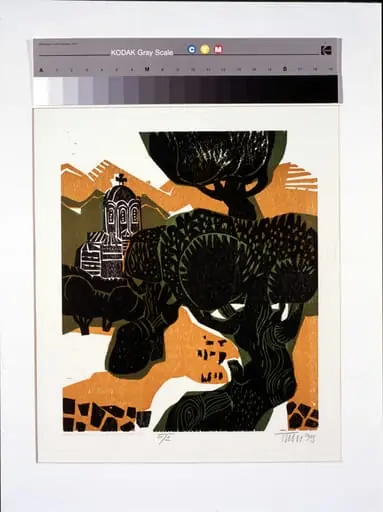
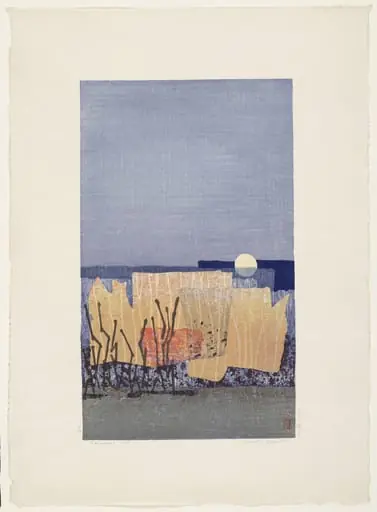
Landscape is an unspecified painting by Karalouka Maria. It dates from 1988 and is held in the collection of the Athens School of Fine Arts.
About this work
Overview
Thick, unblended paint layers and unsmoothed brushwork define its surface, rejecting conventional polish in favor of tactile immediacy.
Created in 1988 by Karalouka Maria, this landscape is part of the Museum of Ethnography’s collection. The work presents a rural scene rendered with deliberate roughness, emphasizing texture over refinement. Thick, unblended paint layers and unsmoothed brushwork define its surface, rejecting conventional polish in favor of tactile immediacy. The composition balances natural and built elements in a compressed, almost abstract space.
Subject & Meaning
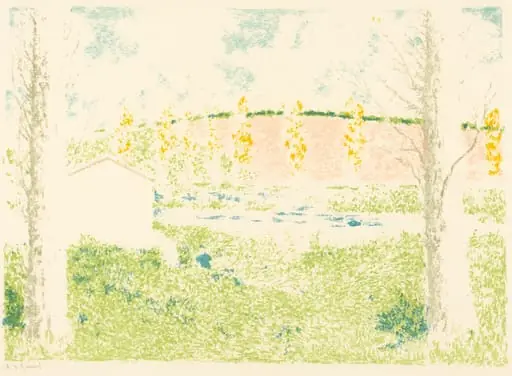
The painting depicts a quiet rural setting dominated by tall, black reeds in the foreground, suggesting wetland or riverbank terrain. Behind them, a single structure with a slanted roof implies human habitation, rendered in warm ochres and yellows. The flat, cool blue sky contrasts sharply with the earth tones, creating a sense of isolation. The scene evokes solitude rather than narrative, focusing on the quiet persistence of place.
Technique & Style
Maria applied paint with heavy, visible strokes, building texture through impasto-like layering. The reeds are defined by sharp, ink-like black lines, while the building and sky use broad, flat planes of unmodulated color. There is no attempt to blend or soften edges; instead, the rawness of the brushwork is preserved. This approach prioritizes emotional resonance over naturalistic detail, aligning with expressive, non-idealized traditions.
History & Provenance
The work entered the Museum of Ethnography’s collection shortly after its creation. Little public documentation exists regarding its exhibition history or the artist’s intentions at the time. Karalouka Maria’s broader oeuvre remains under-documented, and this piece stands as one of the few confirmed works attributed to her. Its preservation in an ethnographic context suggests interest in vernacular or regional artistic expression.
Context
Emerging in the late 1980s, the painting reflects a broader post-socialist trend in Eastern European art, where artists turned to personal, unpolished modes of expression after decades of state-sanctioned realism. The rejection of technical polish and embrace of raw materiality align with contemporaneous movements valuing authenticity over perfection. Its inclusion in an ethnographic museum hints at its perceived connection to local or folk sensibilities.
Legacy
Though not widely reproduced or studied, the painting contributes to a quieter lineage of regional artists who prioritized material presence over formal acclaim. Its preservation in a museum of ethnography underscores its value as a cultural artifact rather than a canonical work. The work’s enduring presence suggests an ongoing interest in art that resists refinement, offering a counterpoint to dominant aesthetic norms.
Artist & collection
Artist
Karalouka Maria’s 1988 painting Landscape sits in a quiet corner of late-20th-century realism, where greens and blues spill across the canvas without drama.