Artwork
Menschen vor Stadt und zwei berittene Kamele
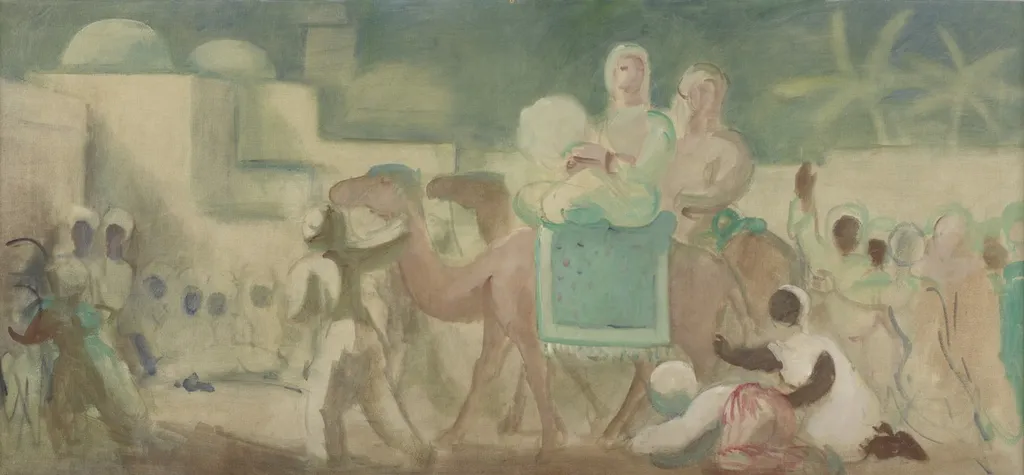
Menschen vor Stadt und zwei berittene Kamele is a tempera painting by the Art Nouveau artist Karl Walser. It dates from 1911 and is held in the collection of the Kunsthaus Zürich.
About this work
Overview
Menschen vor Stadt und zwei berittene Kamele is a 1911 tempera painting by Swiss artist Karl Walser, characterized by its serene depiction of figures and camels against an urban backdrop, reflecting influences from his connections within the art world.
Subject & Meaning
The painting portrays a tranquil scene of robed figures, some with objects, accompanied by camels, set before a light-colored architectural background featuring a dome. The calm atmosphere pervades the composition.
Technique & Style
Executed in tempera, the work showcases a palette of browns, beiges, and blues. While associated with Art Nouveau due to its creation period, the piece also hints at the expressive influences of Walser's friend, Max Beckmann.
History & Provenance
Created in 1911, the painting is part of the Kunsthaus Zürich collection. Walser's diverse practice included stage design and muralism, alongside friendships with notable figures like Robert Walser (his brother) and Max Beckmann.
Context
Walser's work, including this piece, was shaped by his multifaceted artistic engagements and friendships within early 20th-century European art movements, notably intersecting with Expressionism through his relationship with Beckmann.
Artist & collection
Artist
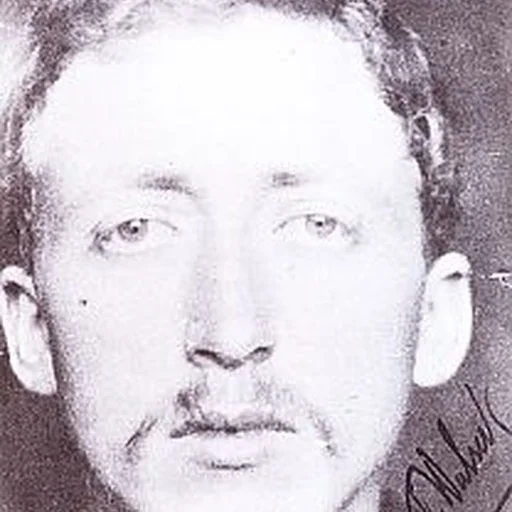
Karl Edmund Walser (April 8, 1877, Teufen - September 28, 1943, Bern) was a Swiss painter, stage designer, illustrator, muralist, and artist.


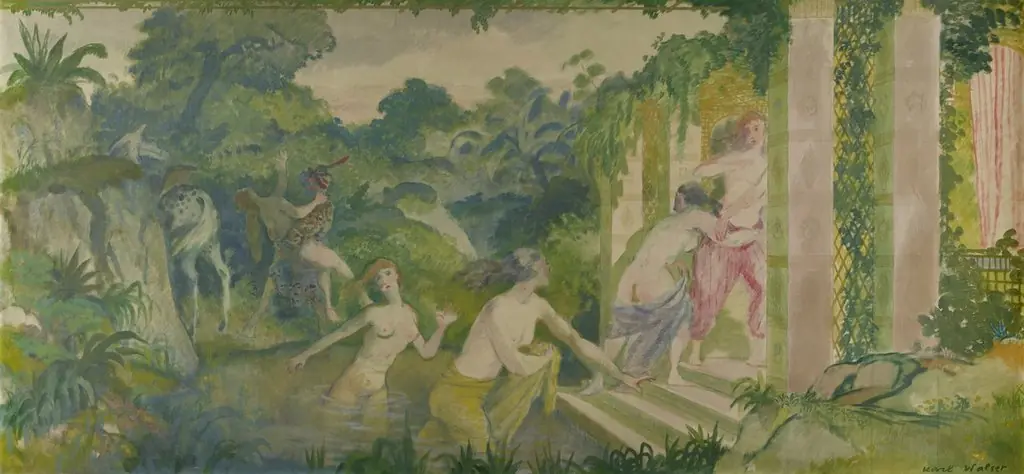
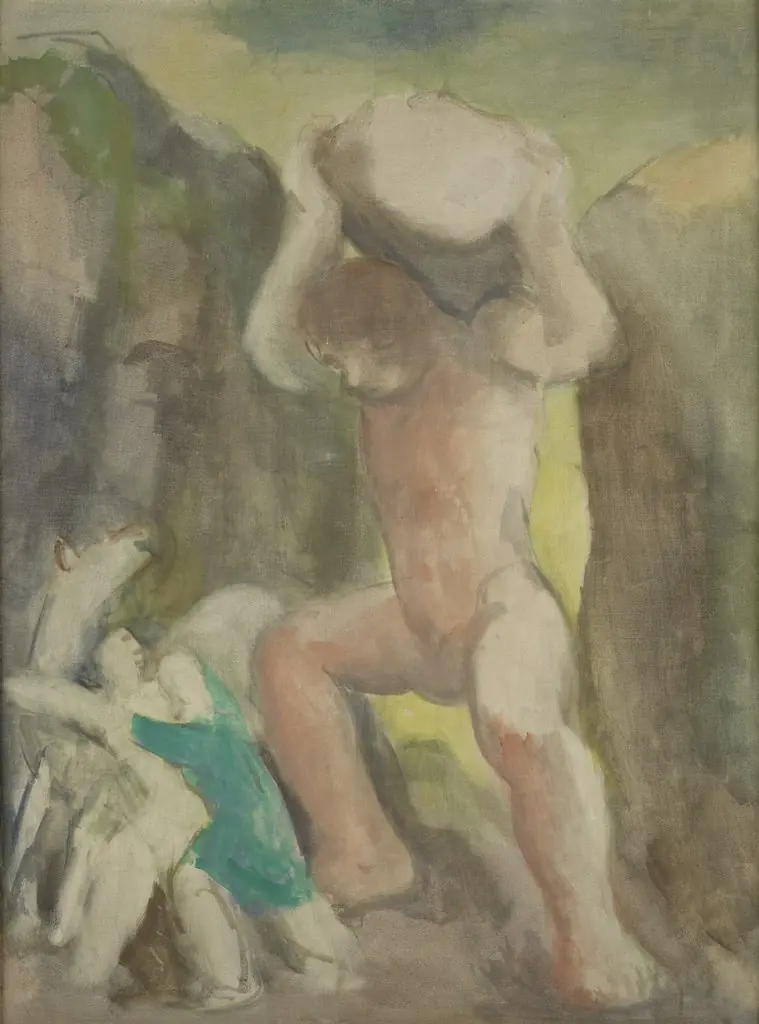
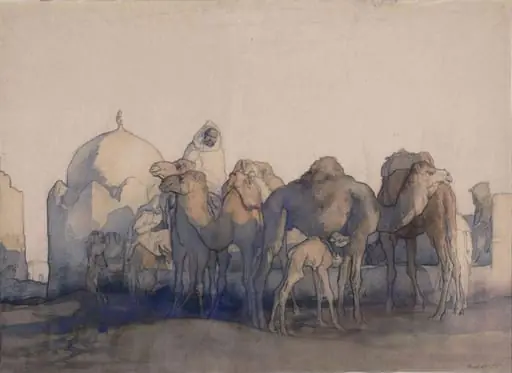
- Camels at a well, Tunisia
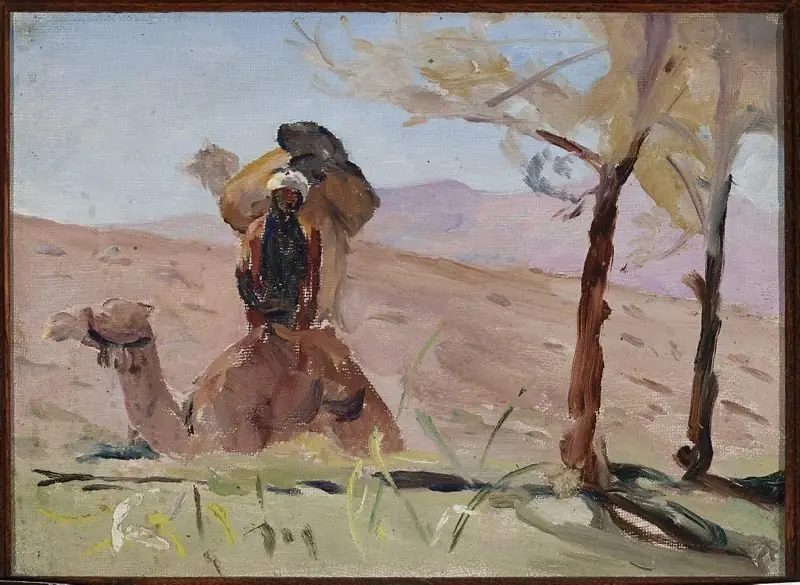 Desert. Resting in Mount Lebanon. From the journey to Palestine
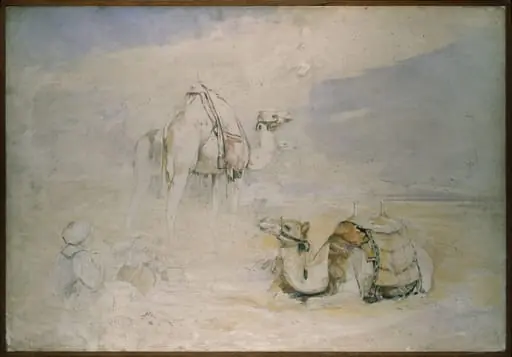 Study for 'A Halt in the Desert'
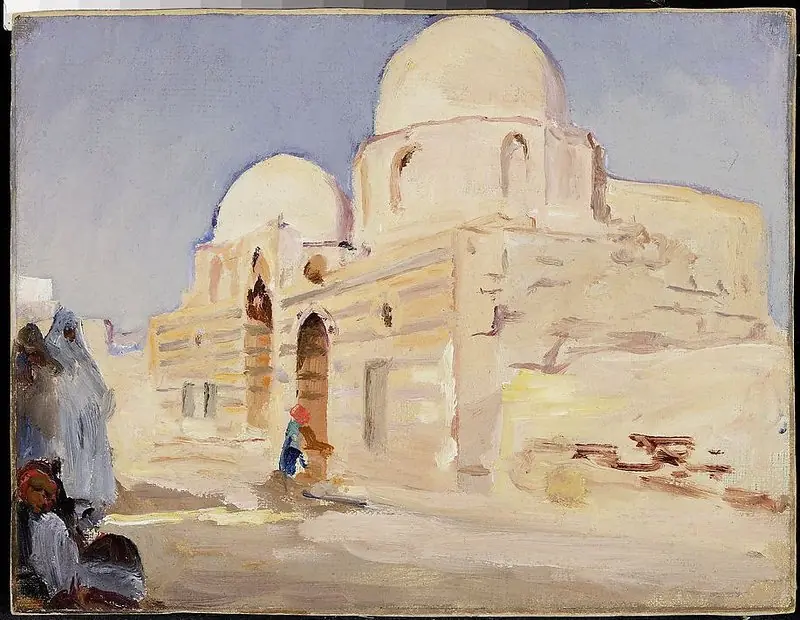 Damascus. From the journey to Palestine
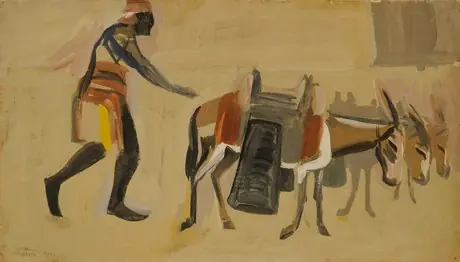 Donkeys and a donkey keeper
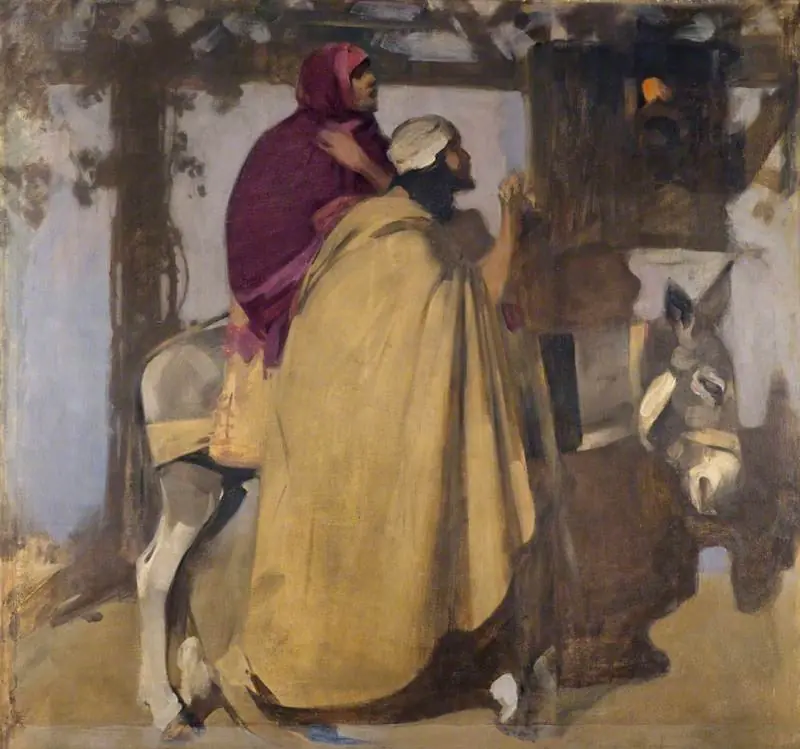 Christmas Eve: 'And there was no room for them in the inn' (unfinished)
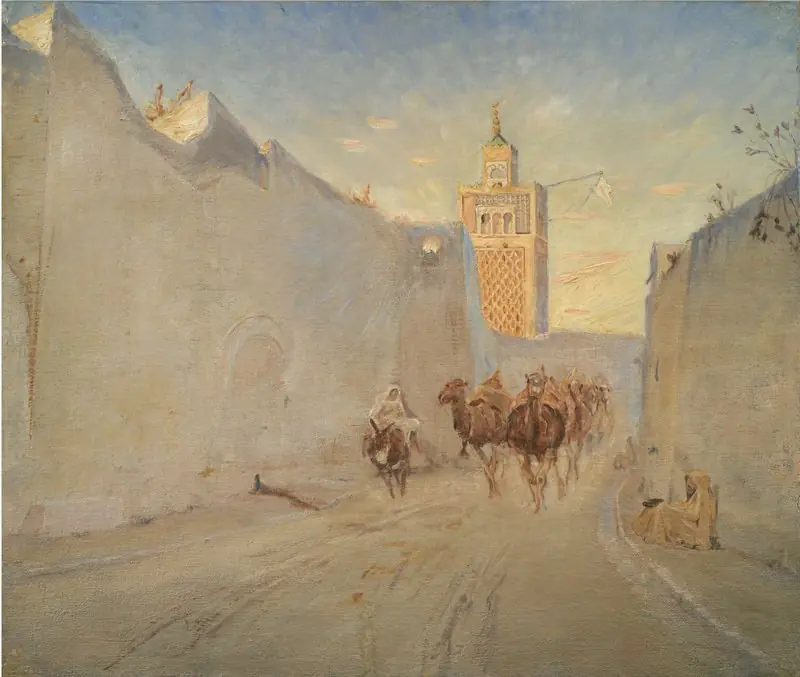 Camels in a Street in Tunisia
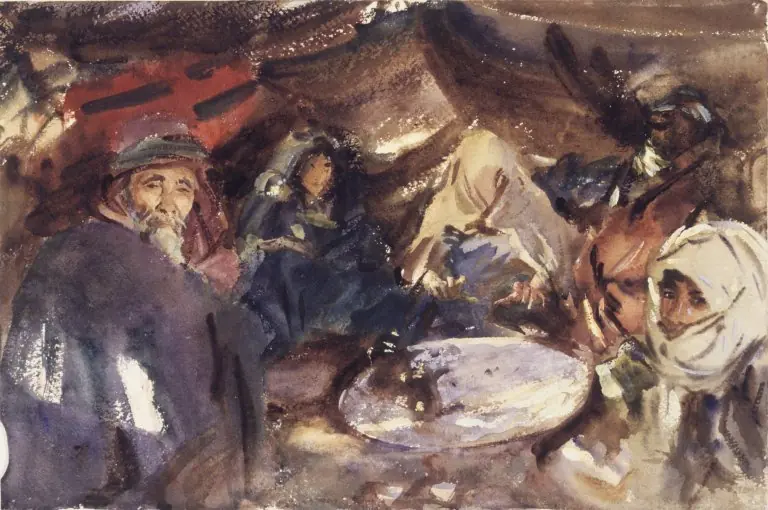 Arab Gypsies in a Tent
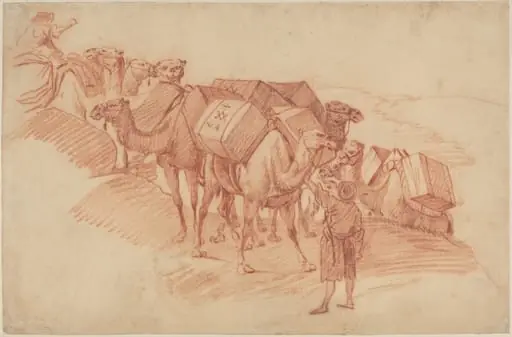 Camel Caravan