Artwork
琉球八景 筍崖夕照|Evening Glow at Jungai (Jungai sekishō), from the series Eight Views of the Ryūkyū Islands (Ryūkyū hakkei)
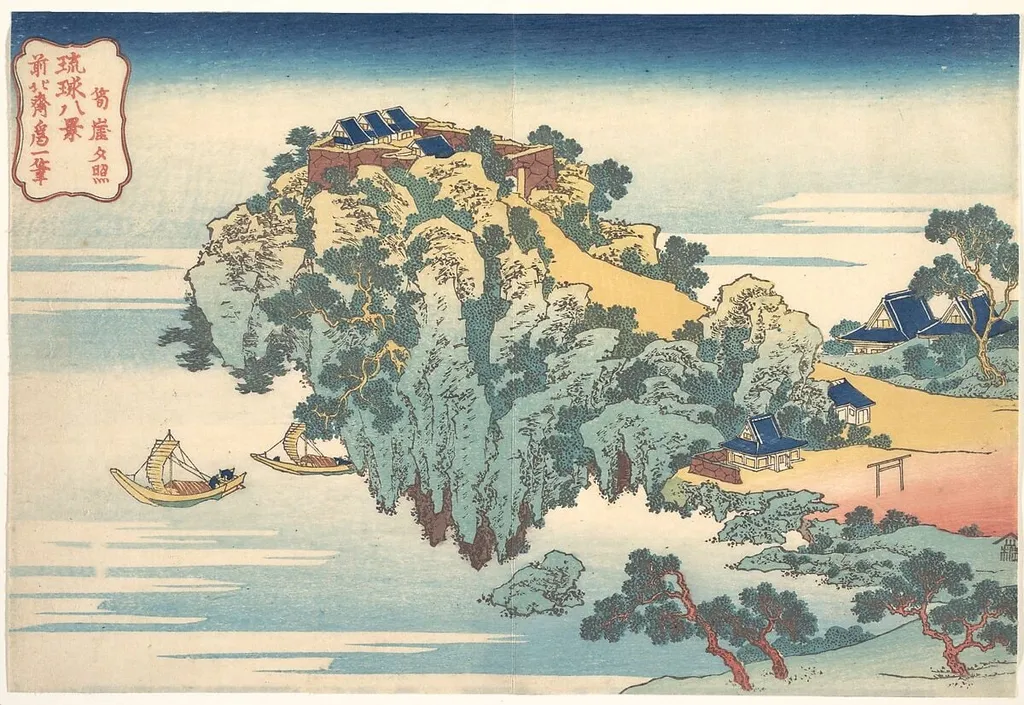
琉球八景 筍崖夕照|Evening Glow at Jungai (Jungai sekishō), from the series Eight Views of the Ryūkyū Islands (Ryūkyū hakkei) is an ink print by the Japonisme artist Katsushika Hokusai. It dates from 1832 and is held in the collection of the Metropolitan Museum of Art.
- Accession no.
- JP2917
- Credit line
- Henry L. Phillips Collection, Bequest of Henry L. Phillips, 1939
About this work
Subject & Meaning
Evening Glow at Jungai depicts a coastal scene in which a small boat is moored beneath the jagged rock formation of Jungai, a landmark noted for its pine-clad cliffs. The title’s reference to “evening glow” signals the moment when the sun’s low angle bathes the rocks and vegetation in warm, golden light, evoking the quiet beauty of dusk.
The print adapts the Chinese literary motif of the Eight Views to the Ryūkyū Islands, translating a classical East Asian tradition into a local setting while retaining the theme’s contemplative mood. By framing the natural feature within the print’s composition, Hokusai emphasizes the interplay between land and sea, inviting viewers to reflect on the harmony between human presence and the landscape.
Technique & Style
The composition features a boat as a central element within the scenic view, illustrating Hokusai's approach to landscape genres during this period.
Created in 1832, this work is a woodblock print executed with ink and color on paper. As an example of the ukiyo-e tradition, it employs the nishiki-e (brocade picture) technique, characterized by the use of multiple blocks to achieve a full spectrum of colors. The print functions as a meisho-e, depicting a specific famous landscape from the Ryūkyū Islands.
The composition features a boat as a central element within the scenic view, illustrating Hokusai's approach to landscape genres during this period.
History & Provenance
The work titled 琉球八景 筍崖夕照|Evening Glow at Jungai (Jungai sekishō), from the series Eight Views of the Ryūkyū Islands (Ryūkyū hakkei) was created in 1832 by Katsushika Hokusai as a woodblock print. It was produced as part of the commissioned series Eight Views of the Ryūkyū Islands, reflecting Hokusai’s exploration of regional landscapes within the ukiyo-e tradition. The print is held in the collection of the Metropolitan Museum of Art, where it remains part of their ukiyo-e holdings.
The dating of 1832 is corroborated by archival records and matches the inception date associated with the work in documented sources.
Evening Glow at Jungai is held in the collection of the Metropolitan Museum of Art, as recorded for this woodblock print by Katsushika Hokusai.
No specific accession number is documented in the available sources, and no exhibition history is recorded for this impression.
Legacy
Later references to this print highlight its role in shaping the visual language of Ryukyuan landscape subjects within the broader ukiyo-e tradition. The work’s composition of a boat at dusk contributed to recurring motifs of maritime travel in subsequent prints and illustrated travelogues of the islands. Its inclusion in major collections such as the Metropolitan Museum of Art reinforced scholarly attention to Hokusai’s engagement with Ryukyuan themes, influencing later exhibitions that juxtapose his Japanese and Ryukyuan series.
Overview
Evening Glow at Jungai is a woodblock print from the series Eight Views of the Ryūkyū Islands, attributed to Katsushika Hokusai and dated to around 1832. Executed with ink and color on paper, the work portrays a tranquil coastal scene in which a small fishing vessel drifts before a rugged cliff as the sun descends.
Artist & collection

Artist
Katsushika Hokusai spent his life in Edo, now Tokyo, where he drew and carved prints for a living.

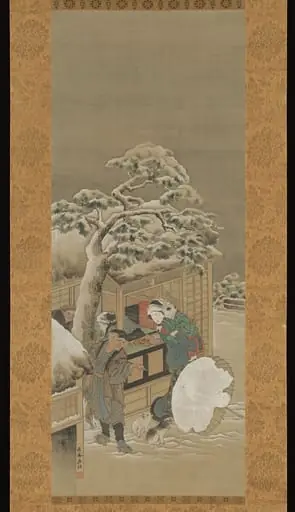
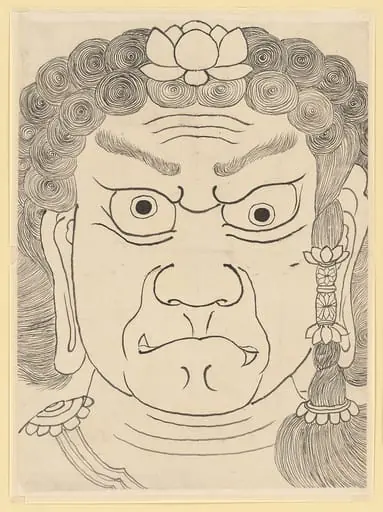
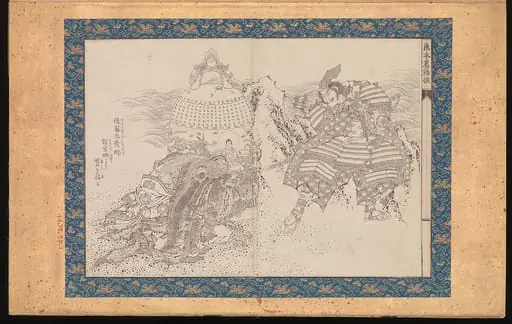
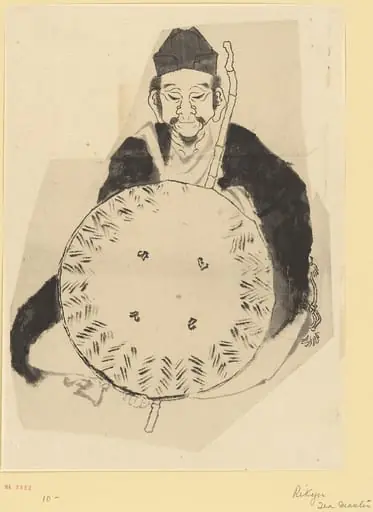
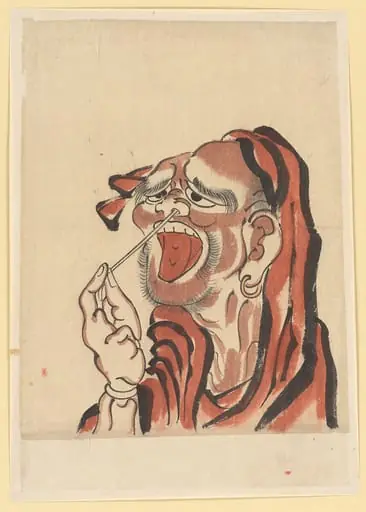
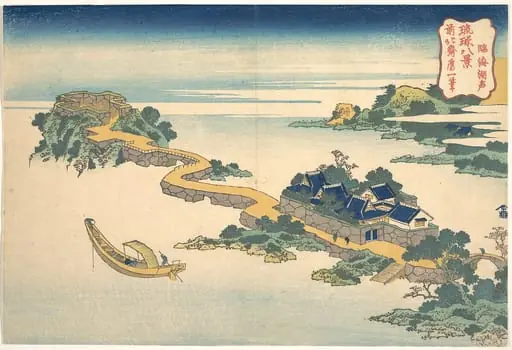
- 琉球八景 臨海潮(湖)聲|Sound of the Lake at Rinkai (Rinkai kosei), from the series Eight Views of the Ryūkyū Islands (Ryūkyū hakkei)
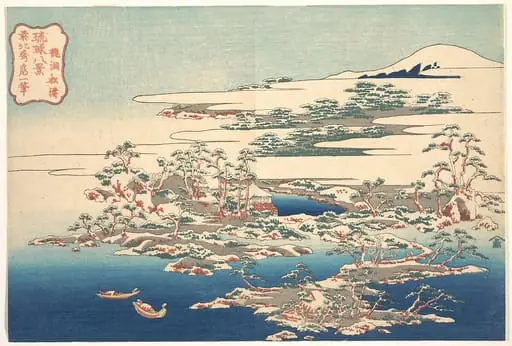 琉球八景 龍洞松濤|Pines and Waves at Ryūtō (Ryūtō shōtō), from the series Eight Views of the Ryūkyū Islands (Ryūkyū hakkei)
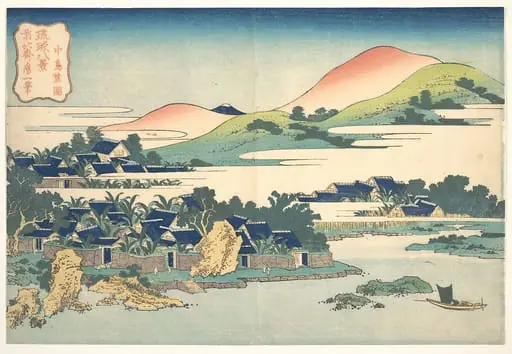 琉球八景 中島蕉園|Banana Garden at Nakashima (Nakashima shōen), from the series Eight Views of the Ryūkyū Islands (Ryūkyū hakkei)
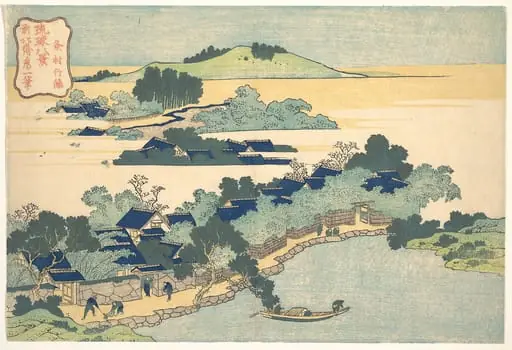 琉球八景 粂村竹籬|Bamboo Hedge at Kumemura (Kumemura chikuri), from the series Eight Views of the Ryūkyū Islands (Ryūkyū hakkei)
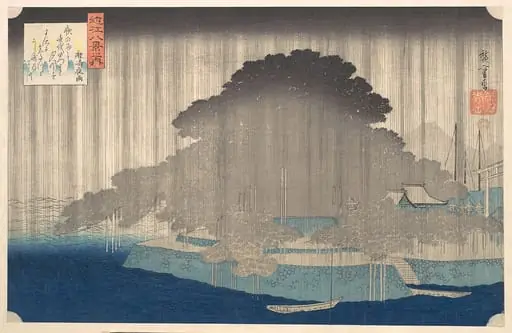 歌川広重画 「近江八景之内 唐崎夜雨」|Night Rain at Karasaki, from the series Eight Views of Ōmi (Ōmi hakkei no uchi)
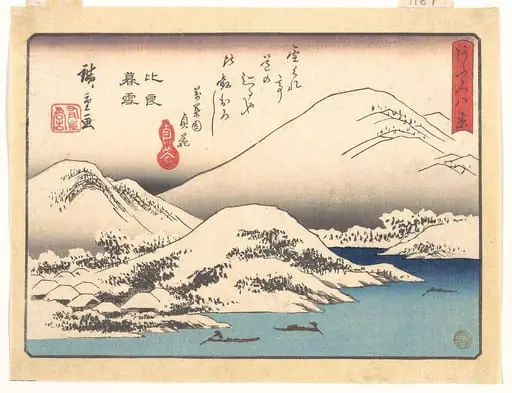 歌川広重画 「あふみ八景 比良暮雪」|Evening Snow at Mount Hira, from the series Eight Views of Ōmi (Ōmi hakkei)
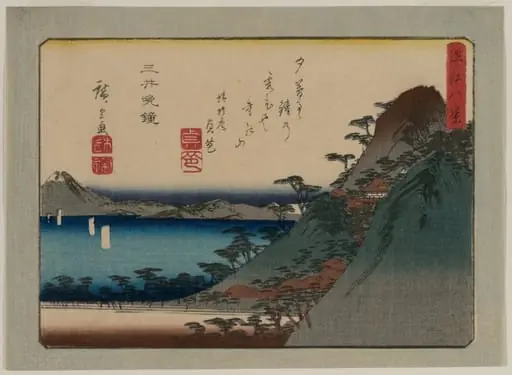 Evening Bell at Mii Temple, from the series Eight Views of Omi Province