Artwork
琉球八景 中島蕉園|Banana Garden at Nakashima (Nakashima shōen), from the series Eight Views of the Ryūkyū Islands (Ryūkyū hakkei)
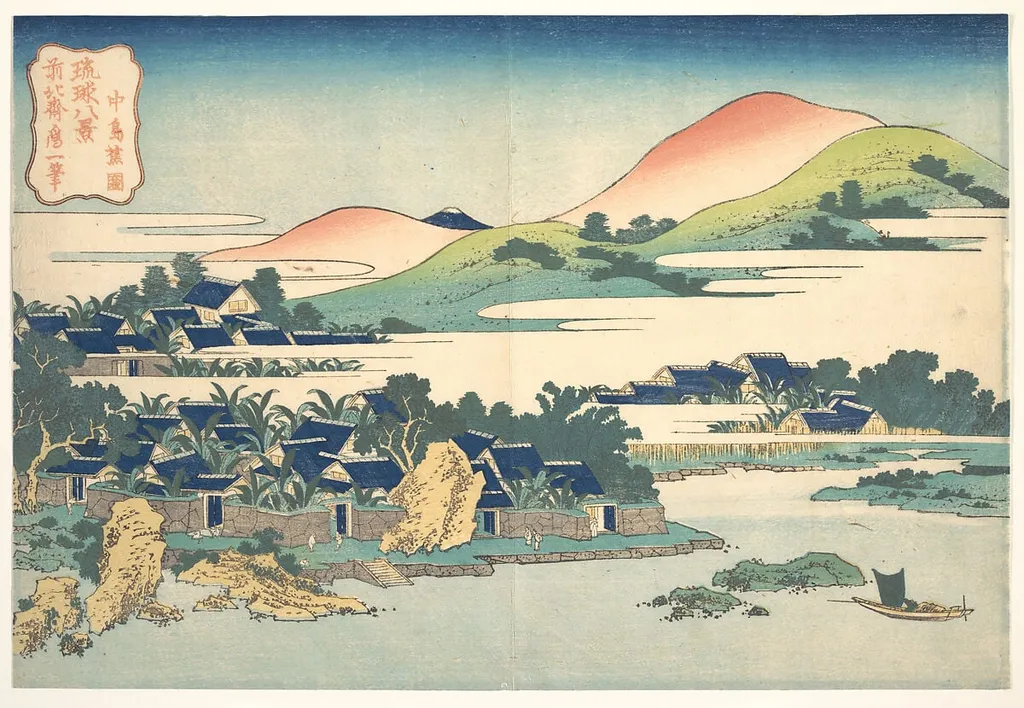
琉球八景 中島蕉園|Banana Garden at Nakashima (Nakashima shōen), from the series Eight Views of the Ryūkyū Islands (Ryūkyū hakkei) is an ink print by the Japonisme artist Katsushika Hokusai. It dates from 1832 and is held in the collection of the Metropolitan Museum of Art.
About this work
Subject & Meaning
Its inclusion underscores the islands’ agricultural richness and their role as a cultural and economic intermediary between Japan and Southeast Asia.
The print Banana Garden at Nakashima from Hokusai’s Eight Views of the Ryūkyū Islands depicts a tranquil Ryūkyūan landscape centered on a banana grove adjacent to Nakashima, an area in the Ryūkyū Kingdom (present-day Okinawa). The composition features traditional thatched houses nestled among lush banana plants, with a mountainous backdrop framing the scene. As part of the meisho-e (famous places) genre, the work celebrates the natural beauty and cultural distinctiveness of the Ryūkyū Islands, which were perceived as an exotic, tropical realm within Japan’s sphere of influence.
The banana plant, a recurring motif in Ryūkyūan imagery, symbolizes fertility, abundance, and the subtropical climate of the region. Its inclusion underscores the islands’ agricultural richness and their role as a cultural and economic intermediary between Japan and Southeast Asia. The serene domesticity of the houses, combined with the grandeur of the mountains, evokes a harmonious coexistence between human settlement and nature, reflecting broader Edo-period ideals of scenic appreciation and regional identity.
Technique & Style
Banana Garden at Nakashima is a woodblock print executed in ink and color on paper, a typical nishiki-e (full‑color) ukiyo-e work. The image was carved from multiple blocks and printed using the traditional Japanese technique associated with meisho-e (famous‑place) landscapes. It presents a house nestled before a mountain, rendered in a style characteristic of Hokusai’s landscape prints.
The print belongs to the Eight Views of the Ryūkyū Islands set and exemplifies the landscape genre within the Edo‑period print tradition.
History & Provenance
The work is a woodblock print created in 1832 by Katsushika Hokusai, depicting a banana garden in Nakashima and forming part of the series Eight Views of the Ryūkyū Islands. It belongs to the ukiyo-e genre and was classified as a landscape print. The piece is held in the collection of the Metropolitan Museum of Art, indicating its presence in a major institutional holding.
Provenance and creation history are documented through its inclusion in the series and its attributed date of 1832, aligning with the inception recorded for the work.
Overview
Created around 1832, this woodblock print belongs to Katsushika Hokusai’s series titled Eight Views of the Ryūkyū Islands. Executed with ink and color on paper, the image portrays a small settlement nestled among banana trees with a steep mountain rising behind it. The composition balances the dark, low‑sloped roofs of the houses against the vivid green foliage and the rugged silhouette of the peak.
Artist & collection

Artist
Katsushika Hokusai spent his life in Edo, now Tokyo, where he drew and carved prints for a living.

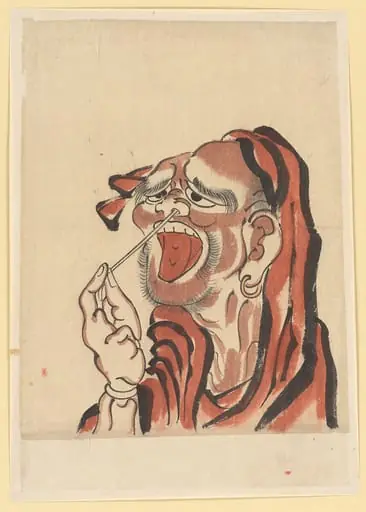
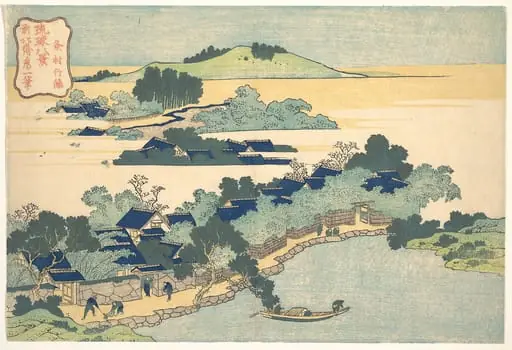
- 琉球八景 粂村竹籬|Bamboo Hedge at Kumemura (Kumemura chikuri), from the series Eight Views of the Ryūkyū Islands (Ryūkyū hakkei)
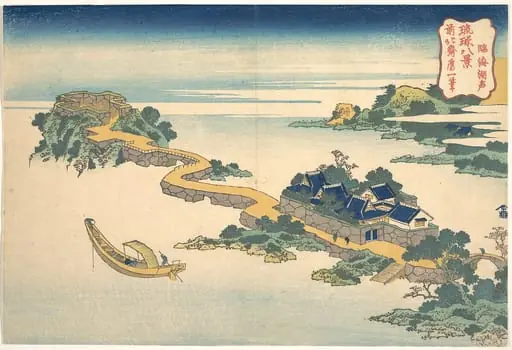 琉球八景 臨海潮(湖)聲|Sound of the Lake at Rinkai (Rinkai kosei), from the series Eight Views of the Ryūkyū Islands (Ryūkyū hakkei)
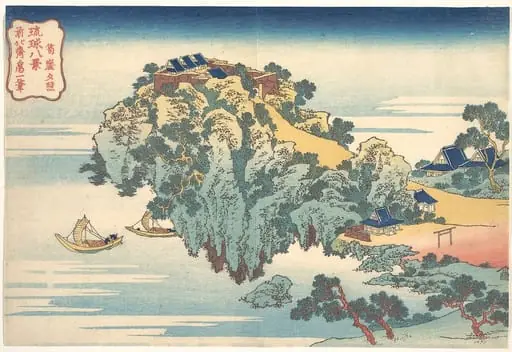 琉球八景 筍崖夕照|Evening Glow at Jungai (Jungai sekishō), from the series Eight Views of the Ryūkyū Islands (Ryūkyū hakkei)
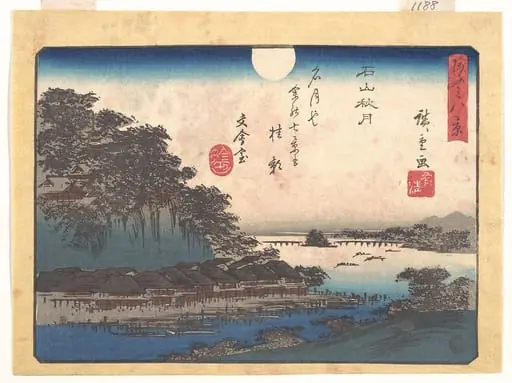 歌川広重画 「あふみ八景 石山秋月」|Autumn Moon at Ishiyama, from the series Eight Views of Ōmi (Ōmi hakkei)
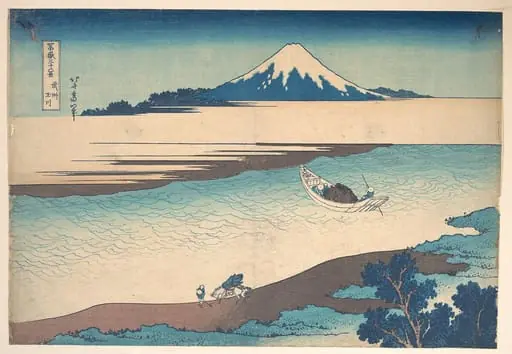 冨嶽三十六景 武州玉川|Fuji—The Tama River, Musashi Province, from the series Thirty-six Views of Mount Fuji (Fugaku sanjūrokkei)
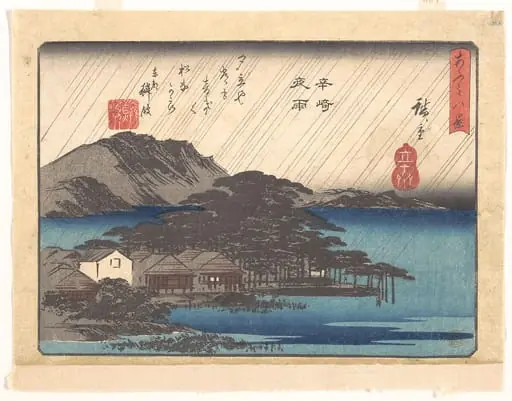 歌川広重画 「あふみ八景 辛崎夜雨」|Evening Rain at Karasaki, from the series Eight Views of Ōmi (Ōmi hakkei)
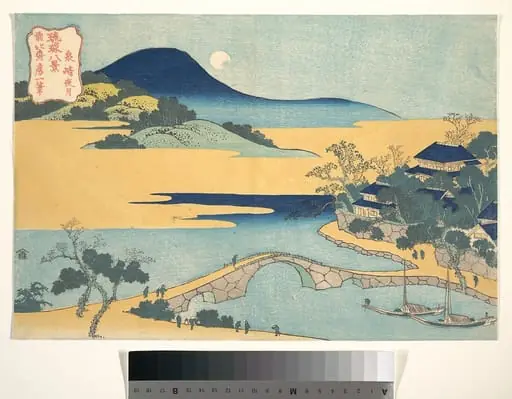 琉球八景 泉崎夜月|Evening Moon at Izumizaki (Izaumizaki yagetsu), from the series Eight Views of the Ryūkyū Islands (Ryūkyū hakkei)