Artwork
琉球八景 臨海潮(湖)聲|Sound of the Lake at Rinkai (Rinkai kosei), from the series Eight Views of the Ryūkyū Islands (Ryūkyū hakkei)
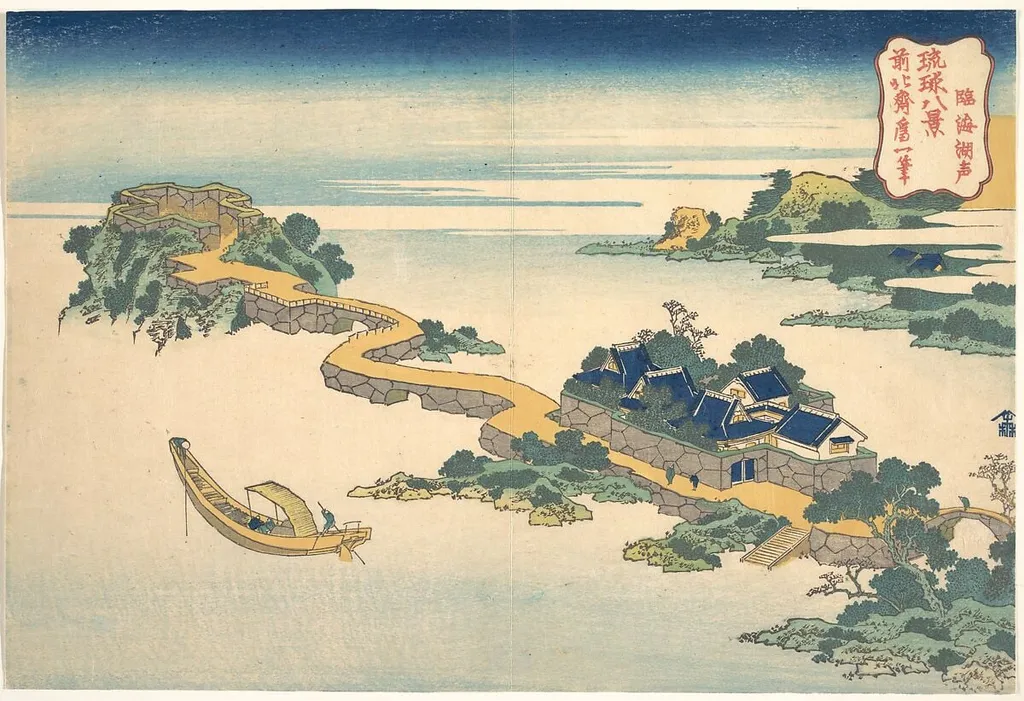
琉球八景 臨海潮(湖)聲|Sound of the Lake at Rinkai (Rinkai kosei), from the series Eight Views of the Ryūkyū Islands (Ryūkyū hakkei) is an ink print by the Japonisme artist Katsushika Hokusai. It dates from 1832 and is held in the collection of the Metropolitan Museum of Art.
About this work
Subject & Meaning
The print portrays a tranquil lake scene with a small boat and a solitary house, evoking the quiet rhythm of coastal life in the Ryūkyū Islands.
The print portrays a tranquil lake scene with a small boat and a solitary house, evoking the quiet rhythm of coastal life in the Ryūkyū Islands. Symbolically, the calm water and modest structures reflect themes of harmony between humanity and nature, a recurring motif in the artist's exploration of regional landscapes. This composition underscores the cultural perception of the lake as a place of stillness and contemplation, resonating with traditional poetic ideals of fleeting beauty and seasonal awareness.
Technique & Style
Created in 1832, this work is a woodblock print executed in ink and color on paper. As a piece of the ukiyo-e tradition, it belongs to the nishiki-e and meisho-e genres, utilizing the multi-block printing techniques characteristic of the period to achieve its polychrome effect. The composition functions as a landscape painting that depicts a lake scene featuring a boat and a house.
The medium and support reflect the standard materials of Edo-period printmaking, where the artist's design was transferred to woodblocks for mass production on paper.
Overview
Created around 1832, this woodblock print belongs to Katsushika Hokusai’s series titled Eight Views of the Ryūkyū Islands. Executed with ink and color on paper, the image presents a tranquil lakeside scene at dusk, rendered in muted blues, grays, and a fading pink sky.
History & Provenance
Although the series depicts the Ryūkyū Islands, now Okinawa, the artist never traveled there, constructing the scene from imagination and existing visual sources. The print was produced in the late Edo period, a time when exotic locales were popular subjects for Japanese prints.
Context
The Eight Views series adapts a Chinese poetic convention that pairs specific landscapes with sensory cues, such as sound or season. Hokusai’s inclusion of a lake scene aligns with this tradition, offering a Japanese interpretation of a broader East Asian aesthetic practice.
Artist & collection

Artist
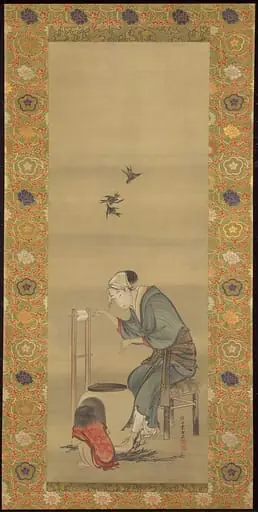
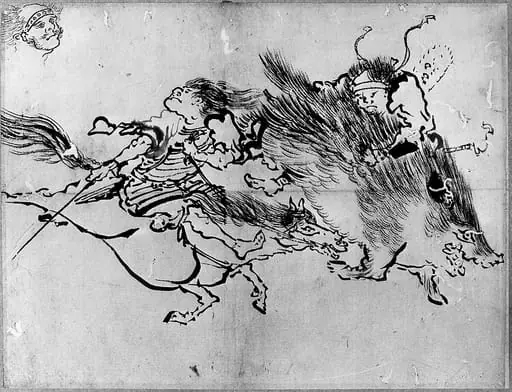
Katsushika Hokusai spent his life in Edo, now Tokyo, where he drew and carved prints for a living.

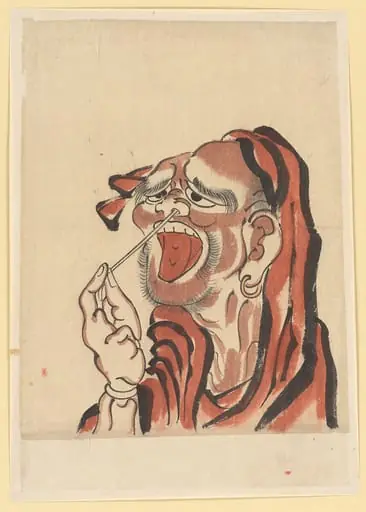
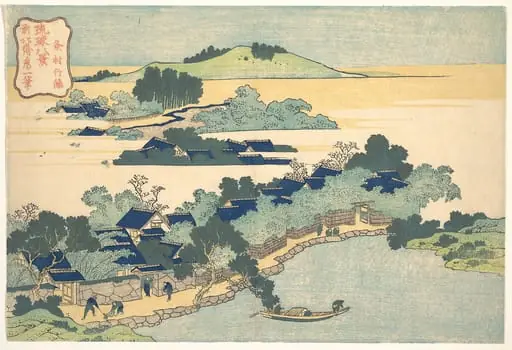
- 琉球八景 粂村竹籬|Bamboo Hedge at Kumemura (Kumemura chikuri), from the series Eight Views of the Ryūkyū Islands (Ryūkyū hakkei)
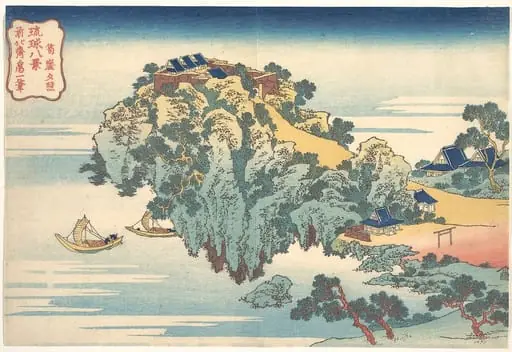 琉球八景 筍崖夕照|Evening Glow at Jungai (Jungai sekishō), from the series Eight Views of the Ryūkyū Islands (Ryūkyū hakkei)
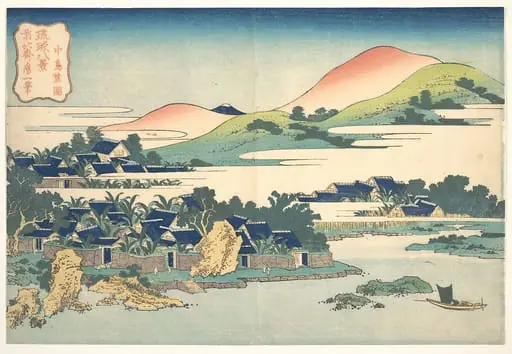 琉球八景 中島蕉園|Banana Garden at Nakashima (Nakashima shōen), from the series Eight Views of the Ryūkyū Islands (Ryūkyū hakkei)
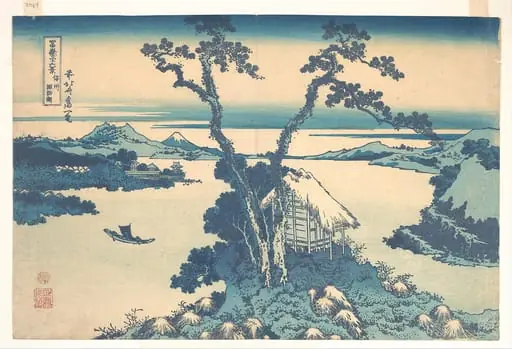 冨嶽三十六景 信州諏訪湖|Lake Suwa in Shinano Province (Shinshū Suwako), from the series Thirty-six Views of Mount Fuji (Fugaku sanjūrokkei)
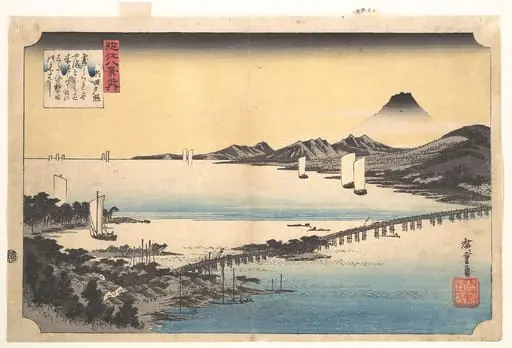 歌川広重画 近江八景の内 瀬田夕照|Sunset Glow at Seta (Seta sekishō), from the series Eight Views of Ōmi Province (Ōmi hakkei)
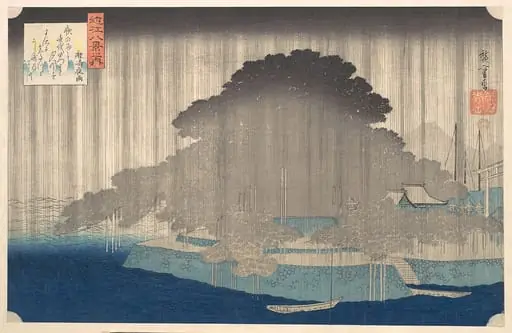 歌川広重画 「近江八景之内 唐崎夜雨」|Night Rain at Karasaki, from the series Eight Views of Ōmi (Ōmi hakkei no uchi)
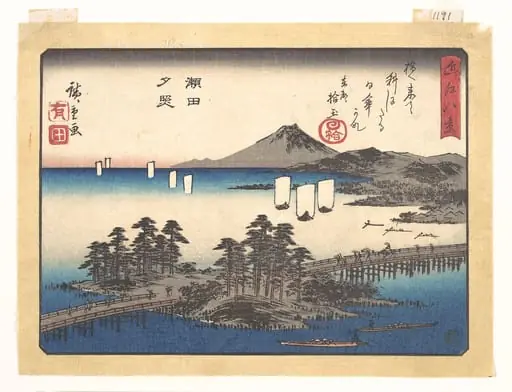 歌川広重画 「近江八景 瀬田夕照」|Sunset Glow at Seta, from the series Eight Views of Ōmi (Ōmi hakkei)