Artwork
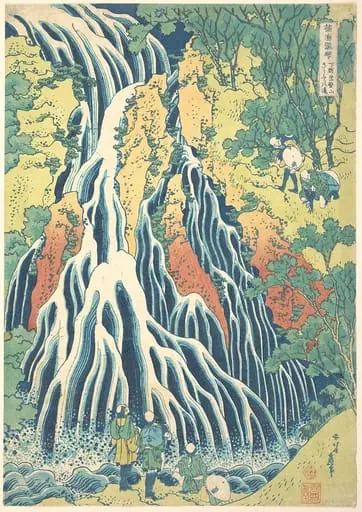
諸國瀧廻リ 木曾海道小野ノ瀑布|Ono Waterfall on the Kisokaidō (Kisokaidō Ono no bakufu), from the series A Tour of Waterfalls in Various Provinces (Shokoku taki meguri)
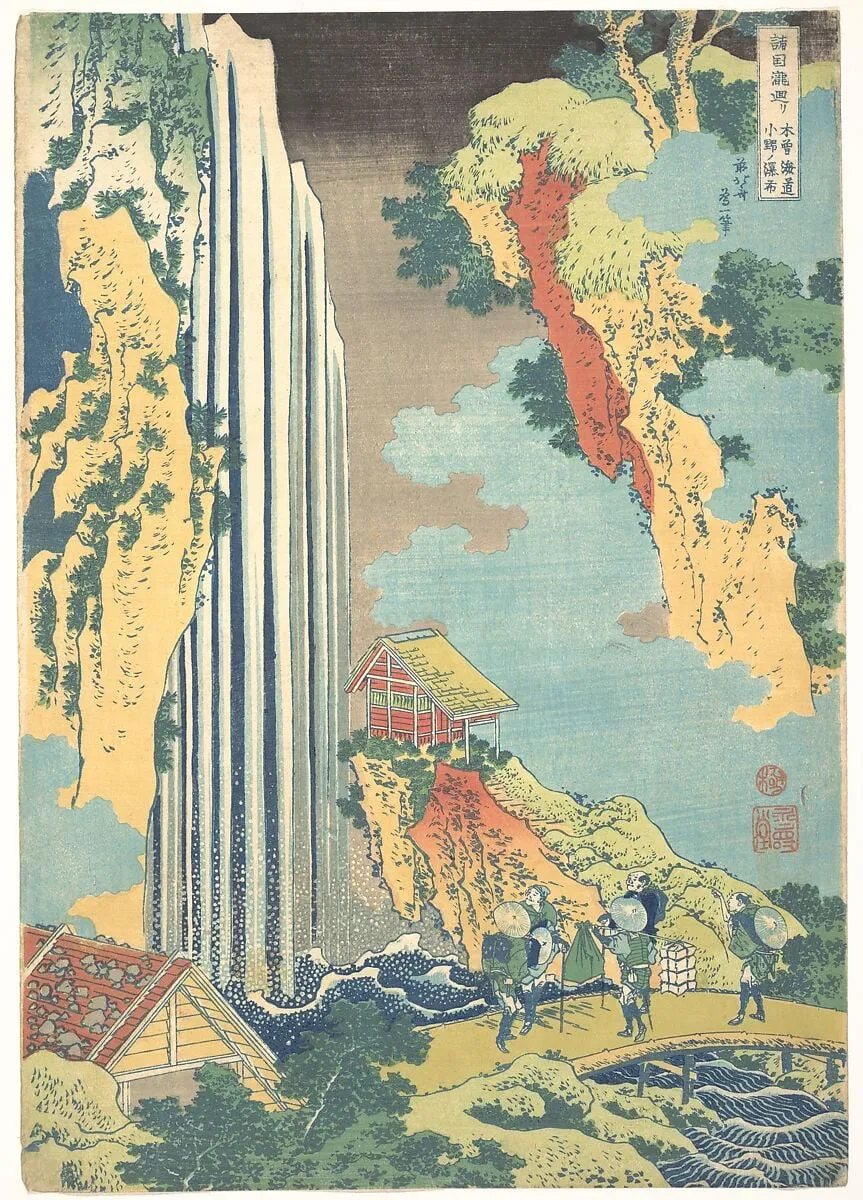
諸國瀧廻リ 木曾海道小野ノ瀑布|Ono Waterfall on the Kisokaidō (Kisokaidō Ono no bakufu), from the series A Tour of Waterfalls in Various Provinces (Shokoku taki meguri) is an ink print by the Japonisme artist Katsushika Hokusai. It dates from 1833 and is held in the collection of the Metropolitan Museum of Art.
About this work
Overview
Katsushika Hokusai’s woodblock print, created around 1833, depicts the Ono Waterfall along the historic Kisokaidō route. Part of the series titled “A Tour of Waterfalls in Various Provinces,” the image is presently in the collection of the Metropolitan Museum of Art.
Subject & Meaning
The composition centers on a cascade tumbling over a rocky ledge, framed by dense foliage and distant structures. In the foreground, figures traverse a modest bridge, bearing baskets that suggest everyday travel and commerce along the road, conveying a quiet scene of rural movement.
Technique & Style
Executed with ink and multiple pigments on paper, the print employs the ukiyo‑e woodblock method typical of the late Edo period. Hokusai balances delicate line work with subtle washes of gray, white, and muted blues, rendering water and vegetation with a restrained yet expressive palette.
History & Provenance
Produced as one of several prints documenting notable waterfalls across Japan, the work was likely circulated as a hand‑colored album leaf for travelers and collectors. It entered the Metropolitan Museum of Art’s holdings through a 20th‑century acquisition of Japanese prints, where it remains on display.
Context
The series reflects a broader Edo‑era fascination with travel and natural scenery, aligning with contemporary guidebooks and the burgeoning interest in regional landscapes. Hokusai’s treatment of water and topography influenced later Japanese artists and contributed to the Western appreciation of ukiyo‑e during the late 19th century.
Artist & collection

Artist
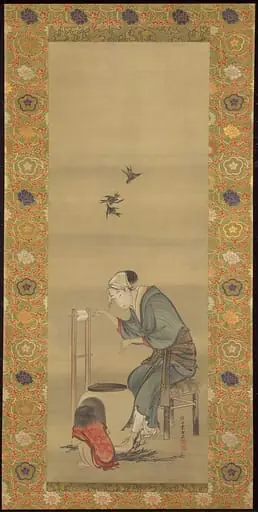
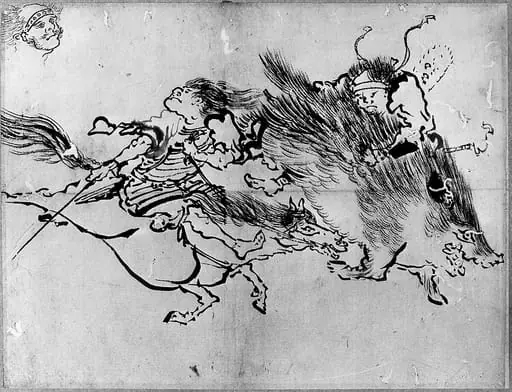
Katsushika Hokusai spent his life in Edo, now Tokyo, where he drew and carved prints for a living.

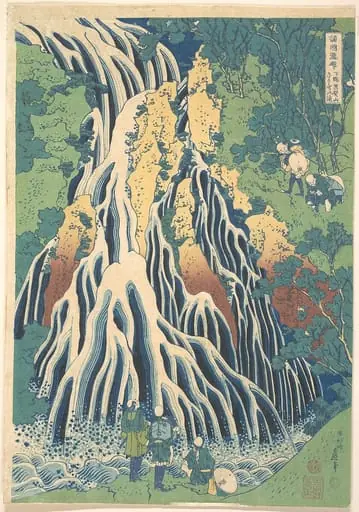
- 諸國瀧廻リ 下野黒髪山 きりふりの滝|Kirifuri Waterfall at Kurokami Mountain in Shimotsuke (Shimotsuke Kurokamiyama Kirifuri no taki), from the series A Tour of Waterfalls in Various Provinces (Shokoku taki meguri)
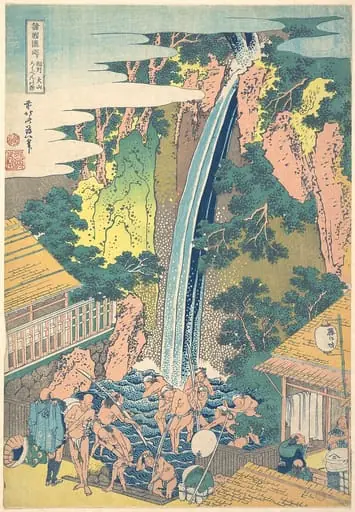 諸國瀧廻リ 相州大山ろうべんの瀧|Rōben Waterfall at Ōyama in Sagami Province (Sōshū Ōyama Rōben no taki), from the series A Tour of Waterfalls in Various Provinces (Shokoku taki meguri)
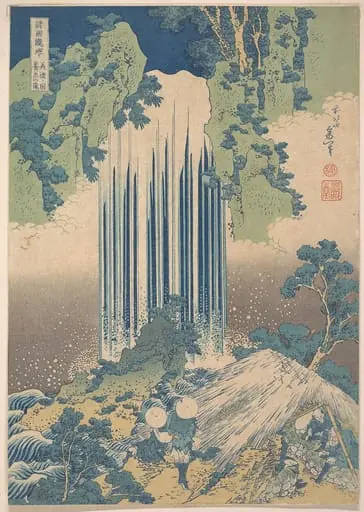 諸國瀧廻リ 美濃ノ国養老の滝|Yōrō Waterfall in Mino Province (Mino no Yōrō no taki), from the series A Tour of Waterfalls in Various Provinces (Shokoku taki meguri)
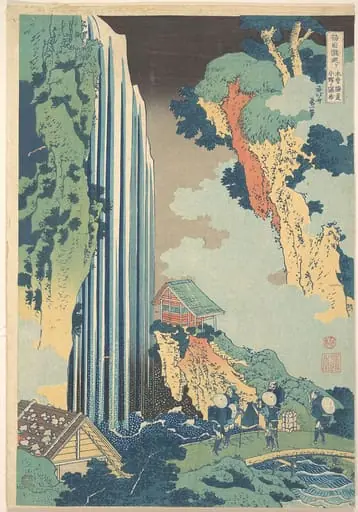 諸國瀧廻リ 木曾海道小野ノ瀑布|Ono Waterfall on the Kisokaidō (Kisokaidō Ono no bakufu), from the series A Tour of Waterfalls in Various Provinces (Shokoku taki meguri)
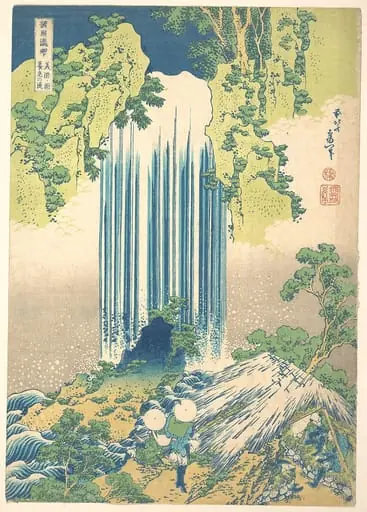 諸國瀧廻リ 美濃ノ国養老の滝|Yōrō Waterfall in Mino Province (Mino no Yōrō no taki), from the series A Tour of Waterfalls in Various Provinces (Shokoku taki meguri)
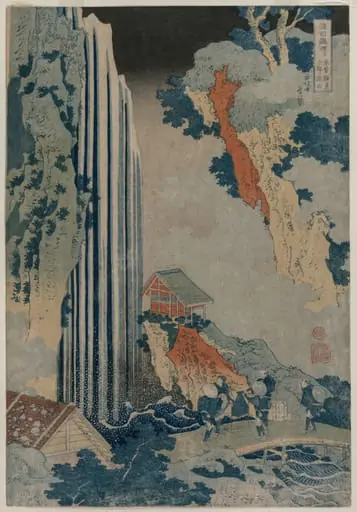 Ono Waterfall on the Kiso Road (from the series a Tour of Waterfalls in the Provinces)
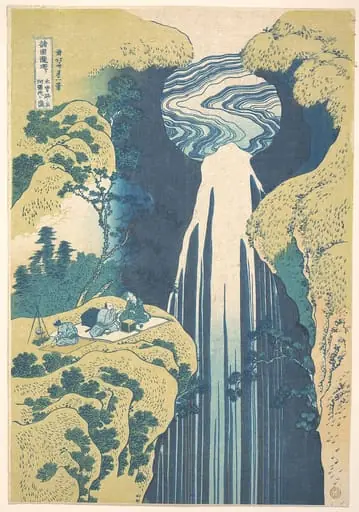 諸國瀧廻リ 木曽路ノ奥 阿彌陀ヶ瀧|The Amida Falls in the Far Reaches of the Kisokaidō Road (Kisoji no oku Amida-ga-taki), from the series A Tour of Waterfalls in Various Provinces (Shokoku taki meguri)
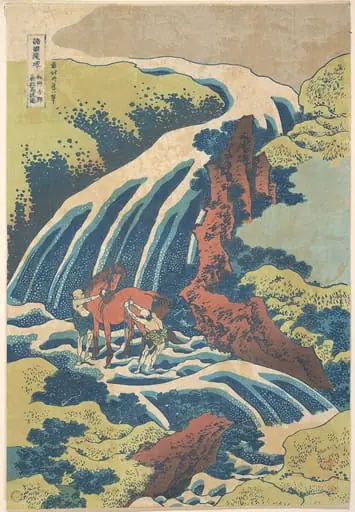 諸國瀧廻リ 和州吉野義経馬洗滝|The Waterfall Where Yoshitsune Washed His Horse at Yoshino in Yamato Province (Washū Yoshino Yoshitsune uma arai no taki), from the series A Tour of Waterfalls in Various Provinces (Shokoku taki meguri)
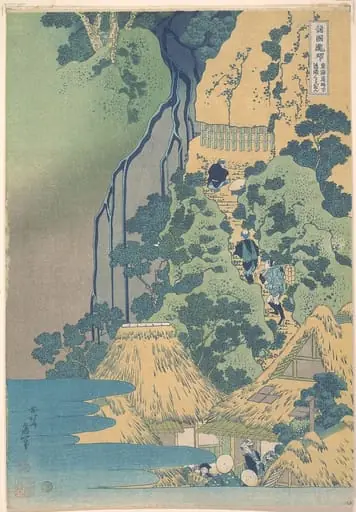 諸國瀧廻リ 東海道坂ノ下 清瀧くわんおん|Kiyotaki Kannon Waterfall at Sakanoshita on the Tōkaidō (Tōkaidō Sakanoshita Kiyotaki kannon), from the series A Tour of Waterfalls in Various Provinces (Shokoku taki meguri)
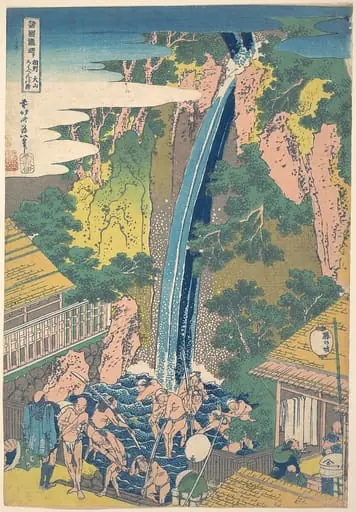 諸國瀧廻リ 相州大山ろうべんの瀧|Rōben Waterfall at Ōyama in Sagami Province (Sōshū Ōyama Rōben no taki), from the series A Tour of Waterfalls in Various Provinces (Shokoku taki meguri)
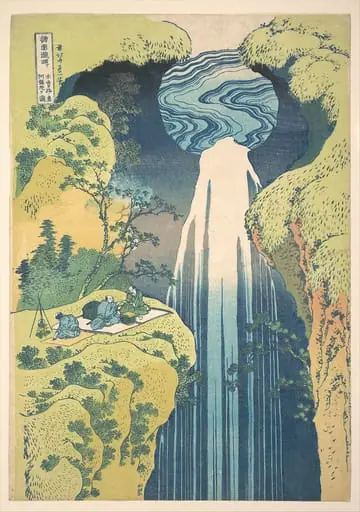 諸國瀧廻リ 木曽路ノ奥 阿彌陀ヶ瀧|The Amida Falls in the Far Reaches of the Kisokaidō Road (Kisoji no oku Amida-ga-taki), from the series A Tour of Waterfalls in Various Provinces (Shokoku taki meguri)
 諸國瀧廻リ 下野黒髪山 きりふりの滝|Kirifuri Waterfall at Kurokami Mountain in Shimotsuke (Shimotsuke Kurokamiyama Kirifuri no taki), from the series A Tour of Waterfalls in Various Provinces (Shokoku taki meguri)