Artwork
諸國瀧廻リ 木曽路ノ奥 阿彌陀ヶ瀧|The Amida Falls in the Far Reaches of the Kisokaidō Road (Kisoji no oku Amida-ga-taki), from the series A Tour of Waterfalls in Various Provinces (Shokoku taki meguri)
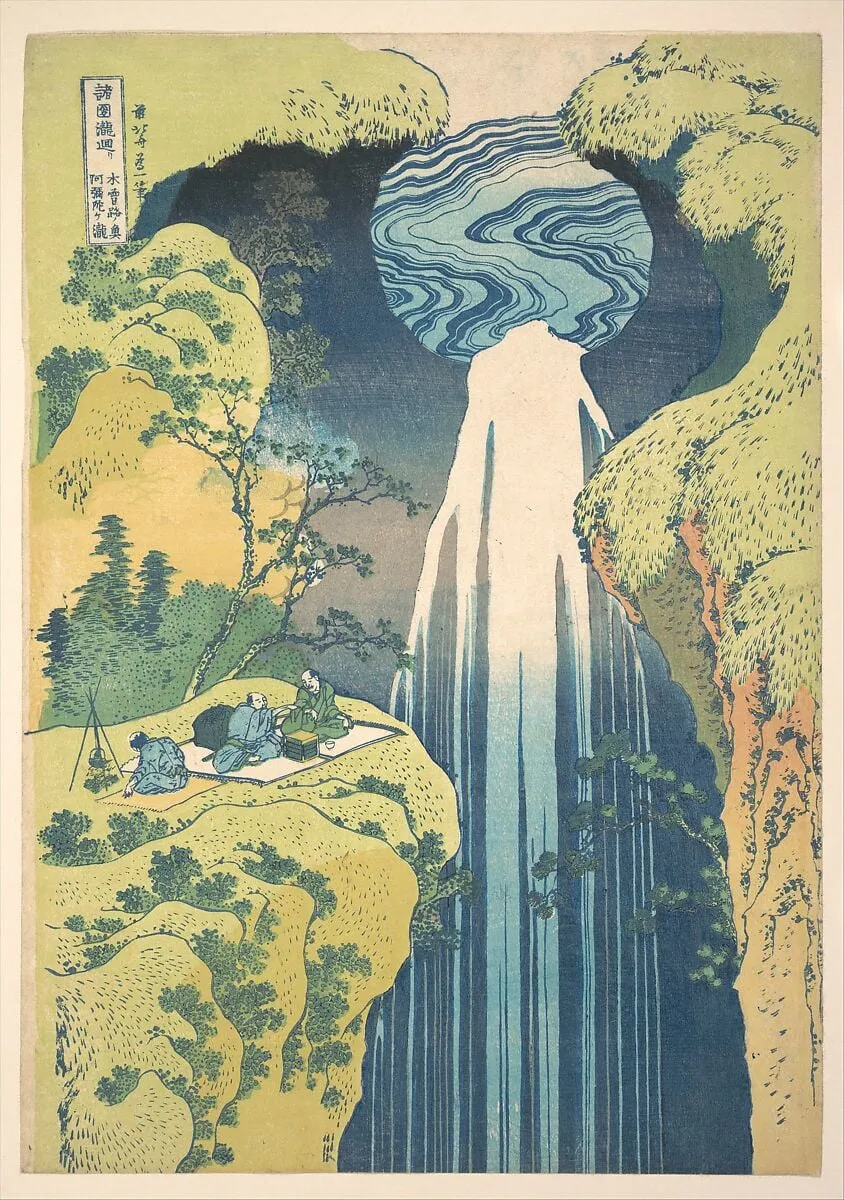
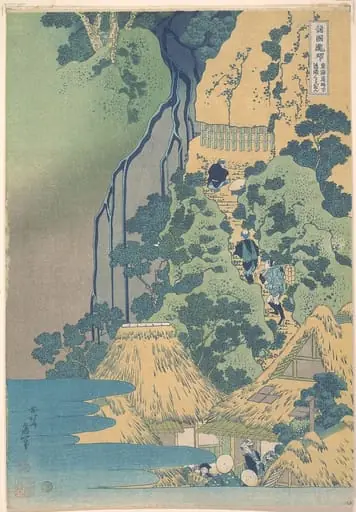
諸國瀧廻リ 木曽路ノ奥 阿彌陀ヶ瀧|The Amida Falls in the Far Reaches of the Kisokaidō Road (Kisoji no oku Amida-ga-taki), from the series A Tour of Waterfalls in Various Provinces (Shokoku taki meguri) is an ink print by the Japonisme artist Katsushika Hokusai. It dates from 1832 and is held in the collection of the Metropolitan Museum of Art. Created around 1832, this woodblock print depicts the Amida Falls situated deep within the historic Kisokaidō route.
- Accession no.
- JP2928
- Credit line
- Henry L. Phillips Collection, Bequest of Henry L. Phillips, 1939
About this work
Overview
Created around 1832, this woodblock print depicts the Amida Falls situated deep within the historic Kisokaidō route. Executed by the prolific Edo‑period artist Katsushika Hokusai, the image forms part of his larger series documenting waterfalls across Japan. The work is currently in the collection of the Metropolitan Museum of Art.
Subject & Meaning
The composition centers on a tall cascade plunging over a sheer cliff into a tranquil pool. At the foot of the falls, three figures are seated on a rocky ledge, gazing at the torrent, suggesting a moment of contemplation or pilgrimage associated with the sacred name “Amida.” Surrounding foliage and rugged rocks frame the natural drama.
Technique & Style
Hokusai employed traditional ukiyo‑e woodblock methods, using ink and vivid pigments on paper. The mist of the waterfall is rendered with swirling, curved lines that convey motion, while bold blues and greens delineate water and vegetation. Cross‑hatching in the rock surfaces adds depth, and the soft yellow sky provides atmospheric contrast.
History & Provenance
The print belongs to the series “Shokoku taki meguri” (A Tour of Waterfalls in Various Provinces), a project through which Hokusai explored Japan’s scenic sites. After its production in the early 1830s, the sheet entered private collections before being acquired by the Metropolitan Museum of Art, where it remains on view.
Context
During the late Edo period, travel literature and landscape prints flourished as interest in domestic tourism grew. Hokusai’s waterfall series reflects this cultural shift, documenting remote locales along historic routes such as the Kisokaidō, a subsidiary of the Nakasendō that linked Edo with Kyoto through mountainous terrain.
Artist & collection

Artist
Katsushika Hokusai spent his life in Edo, now Tokyo, where he drew and carved prints for a living.

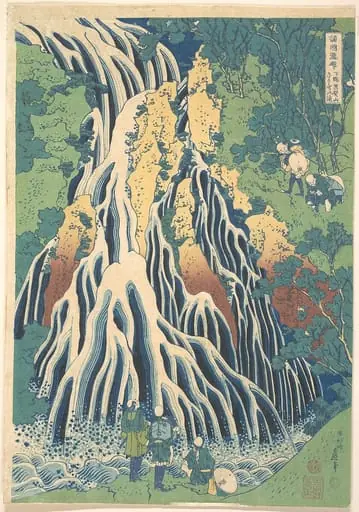
- 諸國瀧廻リ 下野黒髪山 きりふりの滝|Kirifuri Waterfall at Kurokami Mountain in Shimotsuke (Shimotsuke Kurokamiyama Kirifuri no taki), from the series A Tour of Waterfalls in Various Provinces (Shokoku taki meguri)
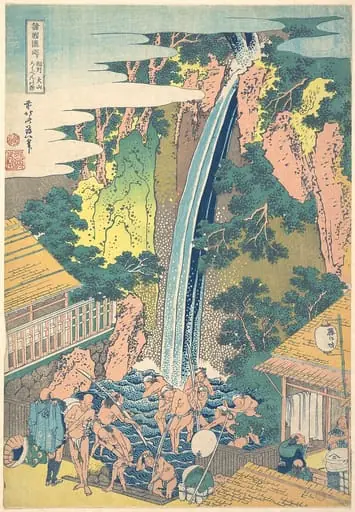 諸國瀧廻リ 相州大山ろうべんの瀧|Rōben Waterfall at Ōyama in Sagami Province (Sōshū Ōyama Rōben no taki), from the series A Tour of Waterfalls in Various Provinces (Shokoku taki meguri)
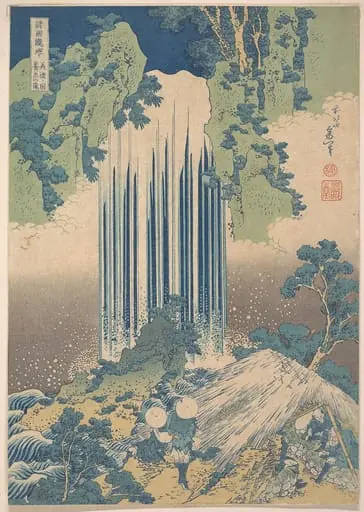 諸國瀧廻リ 美濃ノ国養老の滝|Yōrō Waterfall in Mino Province (Mino no Yōrō no taki), from the series A Tour of Waterfalls in Various Provinces (Shokoku taki meguri)
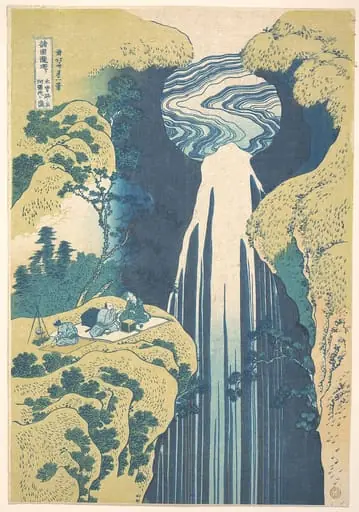 諸國瀧廻リ 木曽路ノ奥 阿彌陀ヶ瀧|The Amida Falls in the Far Reaches of the Kisokaidō Road (Kisoji no oku Amida-ga-taki), from the series A Tour of Waterfalls in Various Provinces (Shokoku taki meguri)
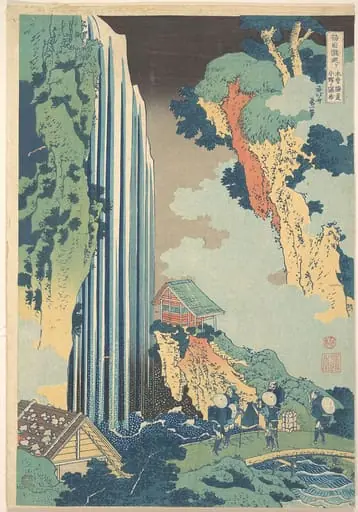 諸國瀧廻リ 木曾海道小野ノ瀑布|Ono Waterfall on the Kisokaidō (Kisokaidō Ono no bakufu), from the series A Tour of Waterfalls in Various Provinces (Shokoku taki meguri)
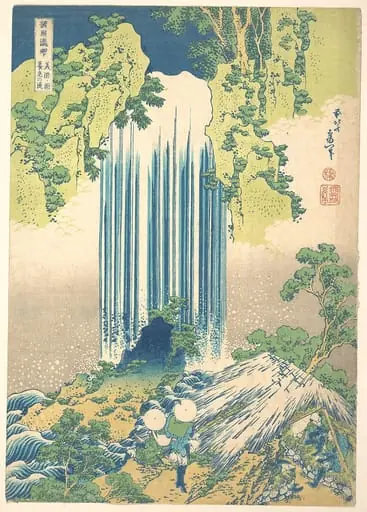 諸國瀧廻リ 美濃ノ国養老の滝|Yōrō Waterfall in Mino Province (Mino no Yōrō no taki), from the series A Tour of Waterfalls in Various Provinces (Shokoku taki meguri)
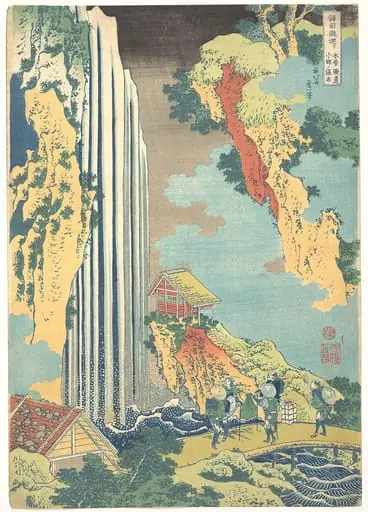 諸國瀧廻リ 木曾海道小野ノ瀑布|Ono Waterfall on the Kisokaidō (Kisokaidō Ono no bakufu), from the series A Tour of Waterfalls in Various Provinces (Shokoku taki meguri)
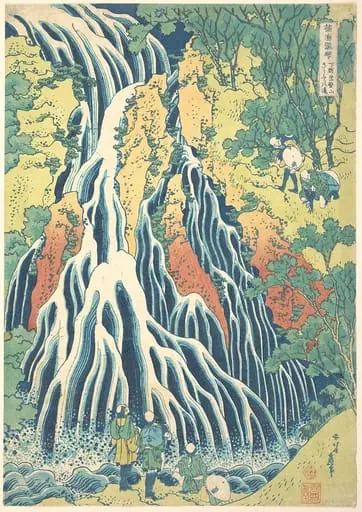 諸國瀧廻リ 下野黒髪山 きりふりの滝|Kirifuri Waterfall at Kurokami Mountain in Shimotsuke (Shimotsuke Kurokamiyama Kirifuri no taki), from the series A Tour of Waterfalls in Various Provinces (Shokoku taki meguri)
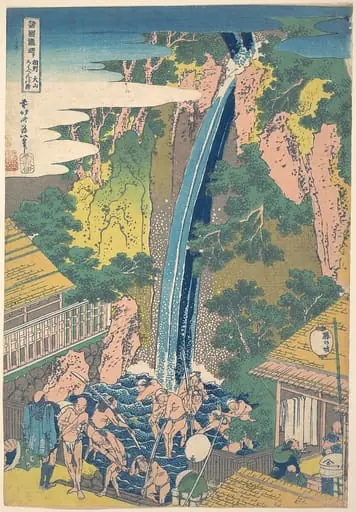 諸國瀧廻リ 相州大山ろうべんの瀧|Rōben Waterfall at Ōyama in Sagami Province (Sōshū Ōyama Rōben no taki), from the series A Tour of Waterfalls in Various Provinces (Shokoku taki meguri)
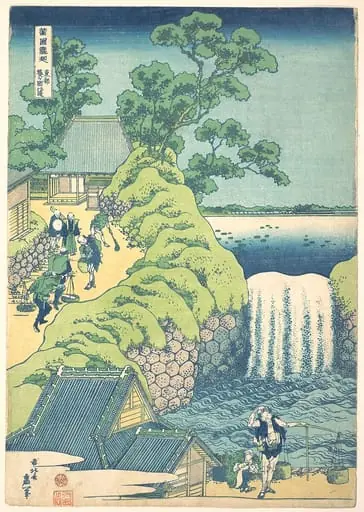 諸國瀧廻 東都葵ヶ岡の瀧|The Falls at Aoigaoka in the Eastern Capital (Tōto Aoigaoka no taki), from the series A Tour of Waterfalls in Various Provinces (Shokoku taki meguri)
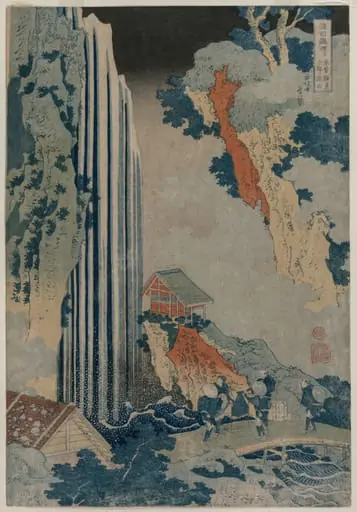 Ono Waterfall on the Kiso Road (from the series a Tour of Waterfalls in the Provinces)
 諸國瀧廻リ 東海道坂ノ下 清瀧くわんおん|Kiyotaki Kannon Waterfall at Sakanoshita on the Tōkaidō (Tōkaidō Sakanoshita Kiyotaki kannon), from the series A Tour of Waterfalls in Various Provinces (Shokoku taki meguri)