Artwork
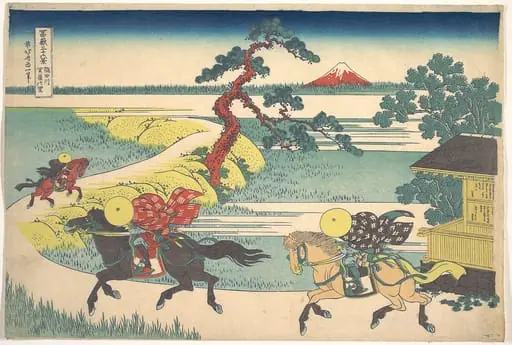
冨嶽三十六景 隅田川関屋の里|Sekiya Village on the Sumida River (Sumidagawa Sekiya no sato), from the series Thirty-six Views of Mount Fuji (Fugaku sanjūrokkei)
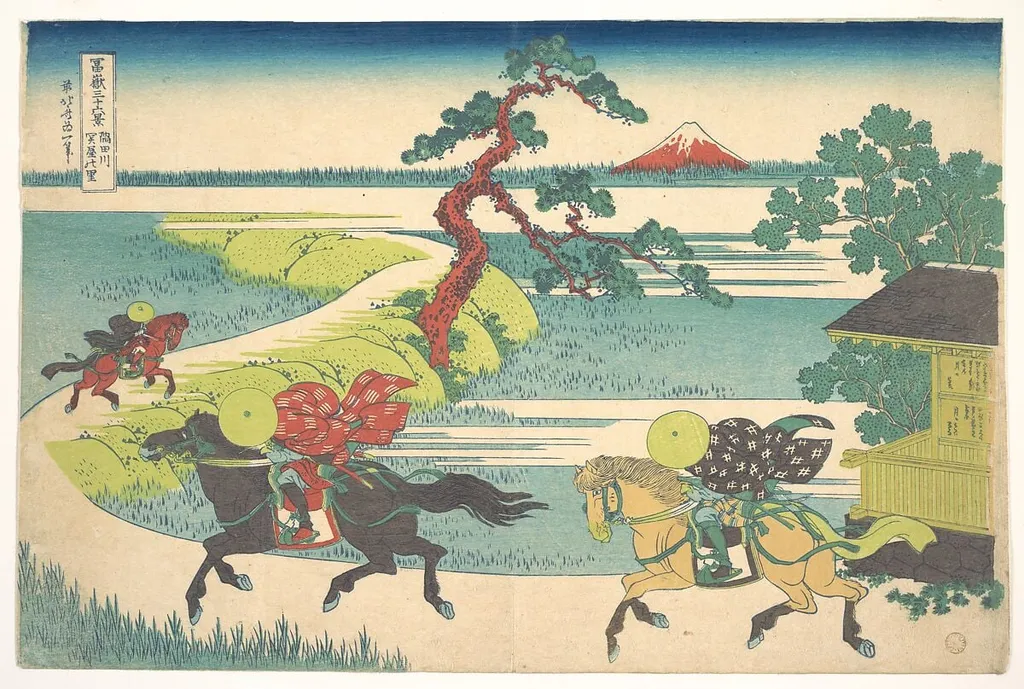
冨嶽三十六景 隅田川関屋の里|Sekiya Village on the Sumida River (Sumidagawa Sekiya no sato), from the series Thirty-six Views of Mount Fuji (Fugaku sanjūrokkei) is an ink print by the Japonisme artist Katsushika Hokusai. It dates from 1831 and is held in the collection of the Metropolitan Museum of Art.
About this work
Overview
Katsushika Hokusai’s woodblock print Sekiya Village on the Sumida River, part of his Thirty‑six Views of Mount Fuji series, dates to around 1831. Executed in ink and color on paper, the composition captures a riverside scene where a group of riders traverses a grassy lane, while the distant silhouette of Mount Fuji rises behind a pine and a modest shoreline structure.
Subject & Meaning
The image presents three figures on horseback moving along a path beside the Sumida River, two bearing large fans or shields and one clutching a bundled load. The winding waterway, verdant fields, and a solitary pine tree frame the scene, suggesting a blend of everyday travel and the enduring presence of the sacred mountain in the landscape.
Technique & Style
Hokusai employs bold, flat areas of color and simplified forms to convey motion; the horses’ legs merge with the ground, creating a sense of swift passage. The distant Mount Fuji is rendered in reduced scale, yet its outline remains a focal point, illustrating the artist’s practice of integrating iconic natural elements within urban and rural settings.
History & Provenance
The print belongs to the larger Fugaku sanjūrokkei series, produced in the late Edo period. It entered the collection of The Metropolitan Museum of Art, where it is catalogued as part of the museum’s Asian prints and drawings holdings, reflecting the institution’s acquisition of Japanese ukiyo‑e works in the early 20th century.
Context
Created during a time when ukiyo‑e artists frequently depicted Mount Fuji as a cultural and spiritual symbol, Hokusai’s work aligns with contemporary trends that merged popular scenery with reverence for the mountain. The Sumida River, a frequent subject in Edo‑period prints, serves as a familiar backdrop for viewers, linking daily life to the broader natural world.
Artist & collection

Artist
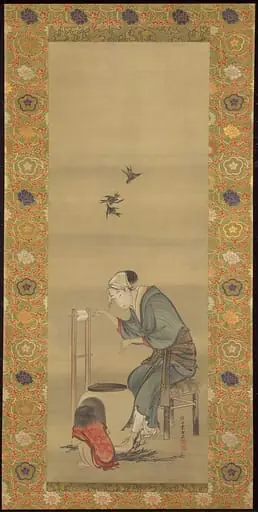
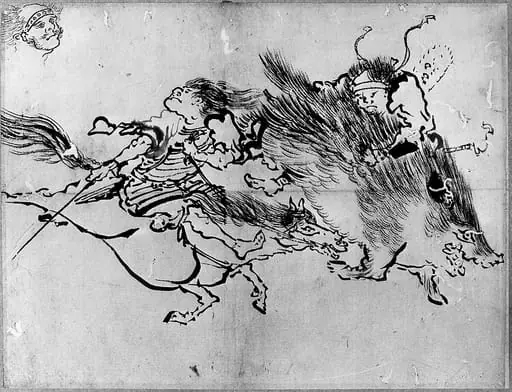
Katsushika Hokusai spent his life in Edo, now Tokyo, where he drew and carved prints for a living.

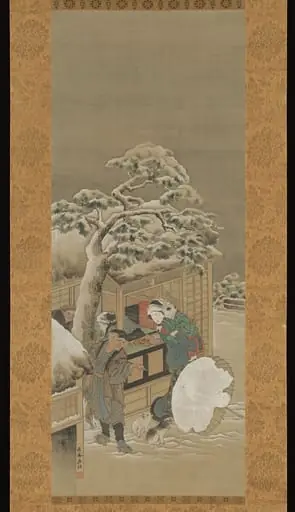
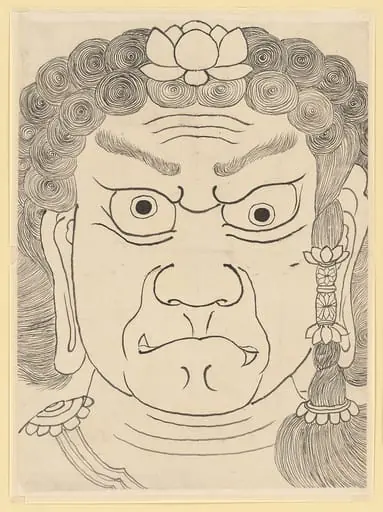
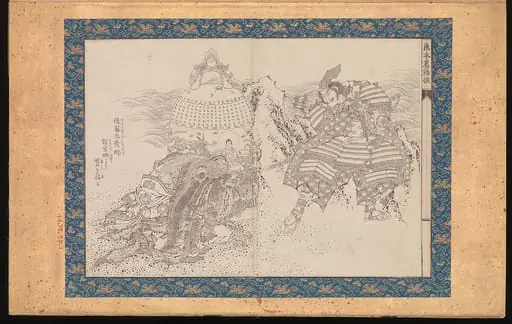
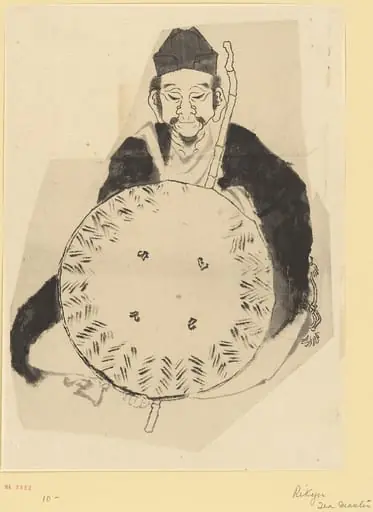
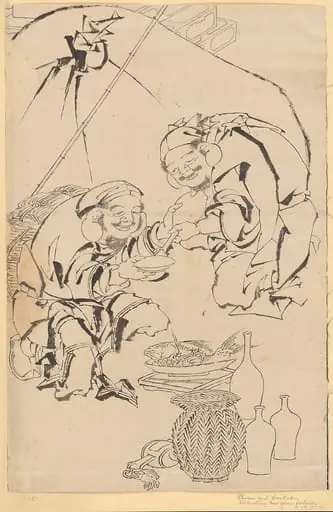
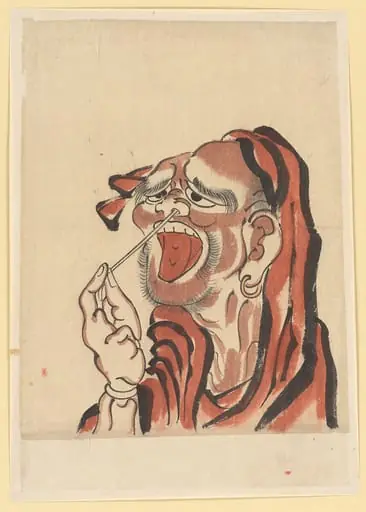
- 冨嶽三十六景 隅田川関屋の里|Sekiya Village on the Sumida River (Sumidagawa Sekiya no sato), from the series Thirty-six Views of Mount Fuji (Fugaku sanjūrokkei)
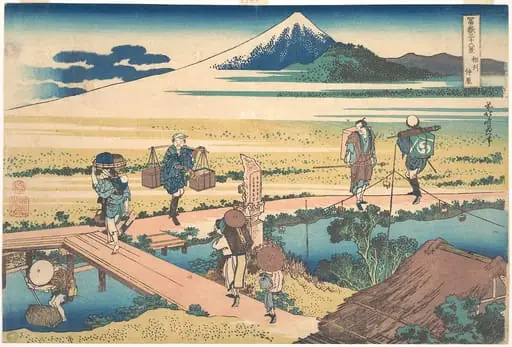 冨嶽三十六景 相州仲原|Nakahara in Sagami Province (Sōshū Nakahara), from the series Thirty-six Views of Mount Fuji (Fugaku sanjūrokkei)
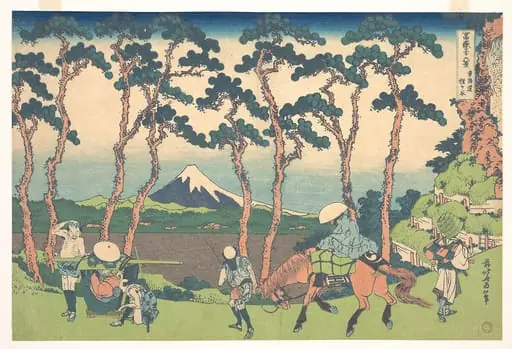 冨嶽三十六景 東海道保土ケ谷|Hodogaya on the Tōkaidō (Tōkaidō Hodogaya), from the series Thirty-six Views of Mount Fuji (Fugaku sanjūrokkei)
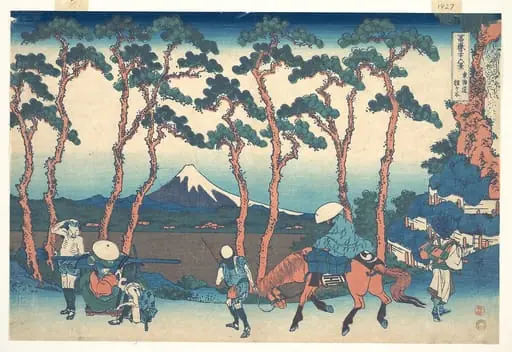 冨嶽三十六景 東海道保土ケ谷|Hodogaya on the Tōkaidō (Tōkaidō Hodogaya), from the series Thirty-six Views of Mount Fuji (Fugaku sanjūrokkei)
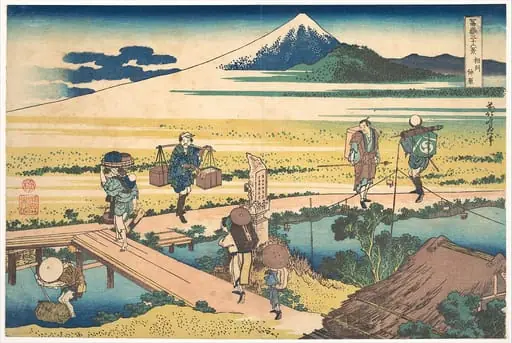 冨嶽三十六景 相州仲原|Nakahara in Sagami Province (Sōshū Nakahara), from the series Thirty-six Views of Mount Fuji (Fugaku sanjūrokkei)
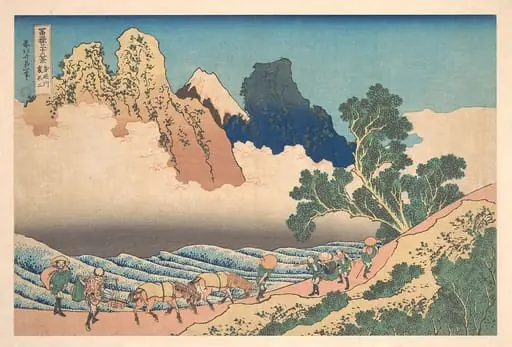 冨嶽三十六景 身延川裏不二|View from the Other Side of Fuji from the Minobu River (Minobugawa ura Fuji), from the series Thirty-six Views of Mount Fuji (Fugaku sanjūrokkei)
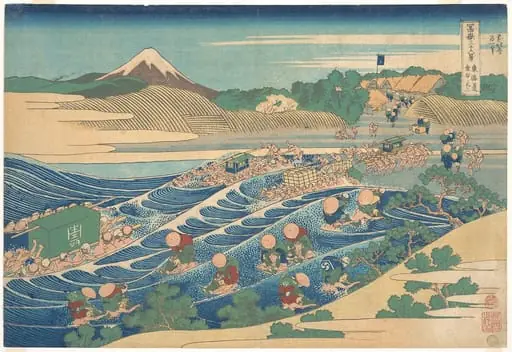 冨嶽三十六景 東海道金谷の不二|Fuji Seen from Kanaya on the Tōkaidō (Tōkaidō Kanaya no Fuji), from the series Thirty-six Views of Mount Fuji (Fugaku sanjūrokkei)