Artwork
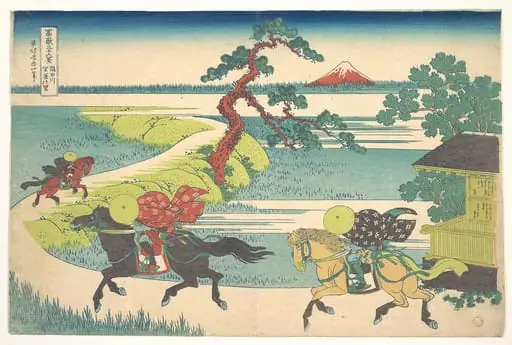
冨嶽三十六景 隅田川関屋の里|Sekiya Village on the Sumida River (Sumidagawa Sekiya no sato), from the series Thirty-six Views of Mount Fuji (Fugaku sanjūrokkei)
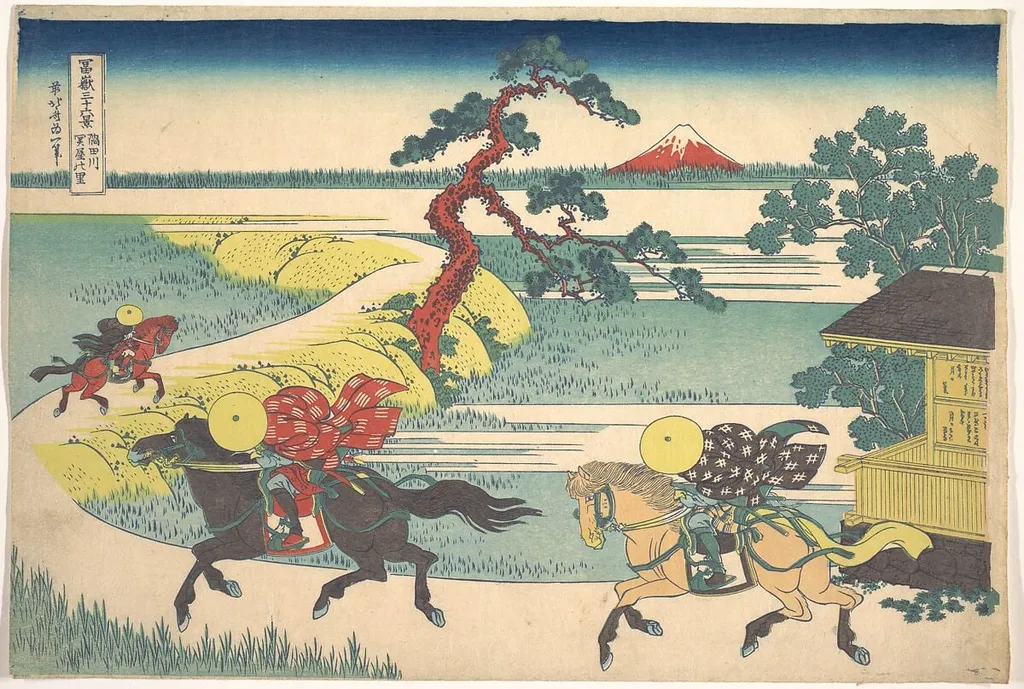
冨嶽三十六景 隅田川関屋の里|Sekiya Village on the Sumida River (Sumidagawa Sekiya no sato), from the series Thirty-six Views of Mount Fuji (Fugaku sanjūrokkei) is an ink print by the Japonisme artist Katsushika Hokusai. It dates from 1831 and is held in the collection of the Metropolitan Museum of Art.
About this work
Overview
Katsushika Hokusai’s woodblock print, created around 1831, depicts Sekiya Village on the Sumada River as part of his renowned series Thirty‑six Views of Mount Fuji. Executed in ink and color on paper, the image is now part of the collection of the Metropolitan Museum of Art.
Subject & Meaning
The composition centers on three riders charging across a grassy plain, two of the horses draped in vivid red blankets and the third bearing a patterned saddle. A solitary pine with a twisted trunk rises in the background, while a distant mountain looms beyond a modest tiled-roof building, suggesting a fleeting moment of travel along the river’s edge.
Technique & Style
Hokusai employs bold, saturated hues and simplified forms to convey motion and depth. The contrast between the bright red blankets and the muted landscape, together with the use of flat color planes, creates a dynamic sense of speed, while the lone pine and distant mountain provide atmospheric perspective through subtle tonal shifts.
History & Provenance
The print was produced during the late Edo period, a time when Hokusai was prolific in ukiyo‑e publishing. After its initial circulation as a multicolored woodblock, the work entered the Western market in the early 20th century and was eventually acquired by the Metropolitan Museum of Art, where it remains on display.
Context
Sekiya Village lies along the Sumida River, a frequent subject for artists documenting everyday life in Edo (modern Tokyo). By situating the scene within the broader series of Mount Fuji views, Hokusai links a localized, bustling landscape to the iconic silhouette of the sacred mountain, reflecting the interplay of urban activity and natural grandeur in early‑19th‑century Japan.
Artist & collection

Artist
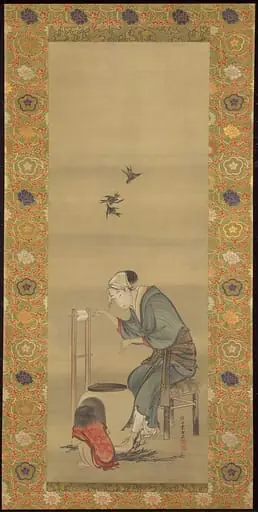
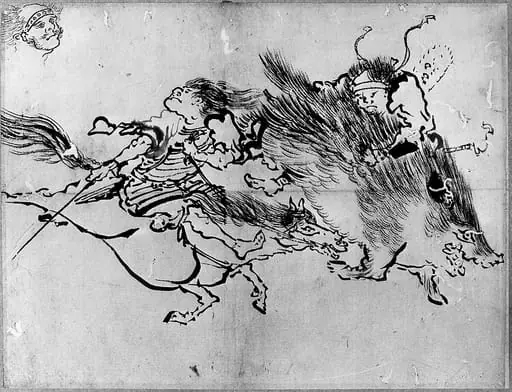
Katsushika Hokusai spent his life in Edo, now Tokyo, where he drew and carved prints for a living.

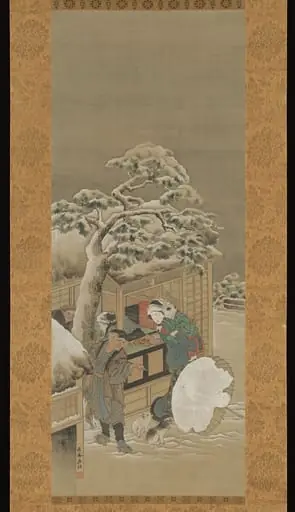
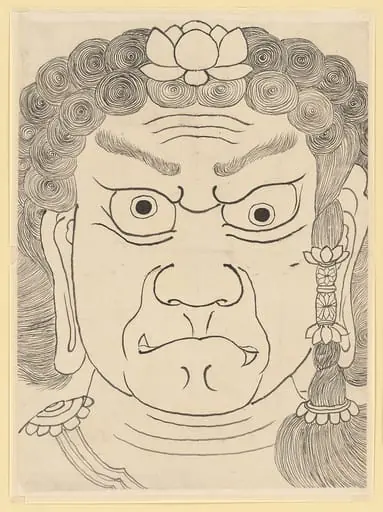
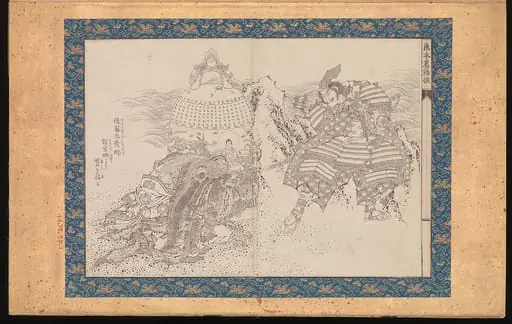
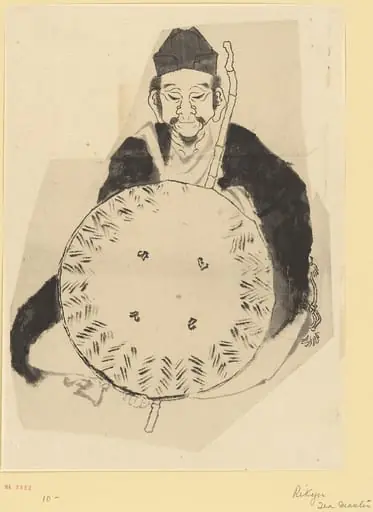
- 冨嶽三十六景 隅田川関屋の里|Sekiya Village on the Sumida River (Sumidagawa Sekiya no sato), from the series Thirty-six Views of Mount Fuji (Fugaku sanjūrokkei)
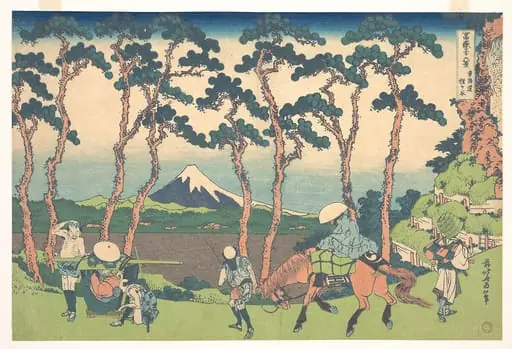 冨嶽三十六景 東海道保土ケ谷|Hodogaya on the Tōkaidō (Tōkaidō Hodogaya), from the series Thirty-six Views of Mount Fuji (Fugaku sanjūrokkei)
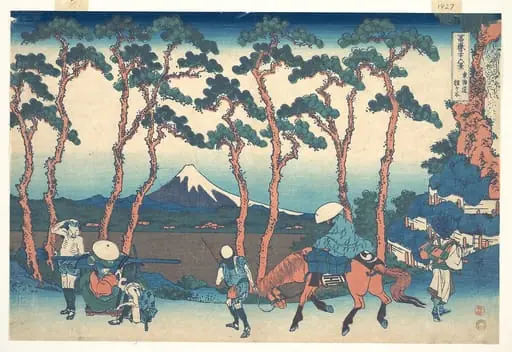 冨嶽三十六景 東海道保土ケ谷|Hodogaya on the Tōkaidō (Tōkaidō Hodogaya), from the series Thirty-six Views of Mount Fuji (Fugaku sanjūrokkei)
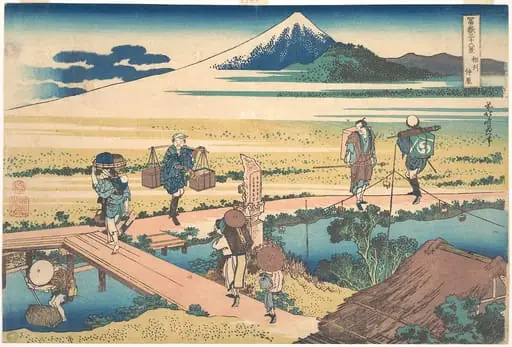 冨嶽三十六景 相州仲原|Nakahara in Sagami Province (Sōshū Nakahara), from the series Thirty-six Views of Mount Fuji (Fugaku sanjūrokkei)
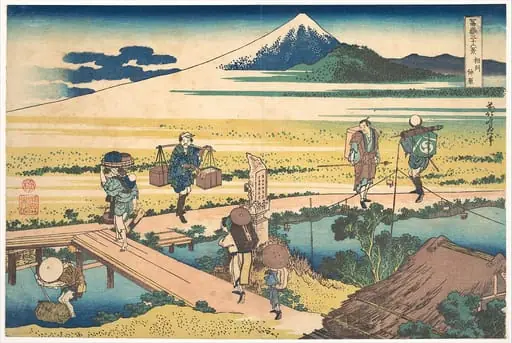 冨嶽三十六景 相州仲原|Nakahara in Sagami Province (Sōshū Nakahara), from the series Thirty-six Views of Mount Fuji (Fugaku sanjūrokkei)
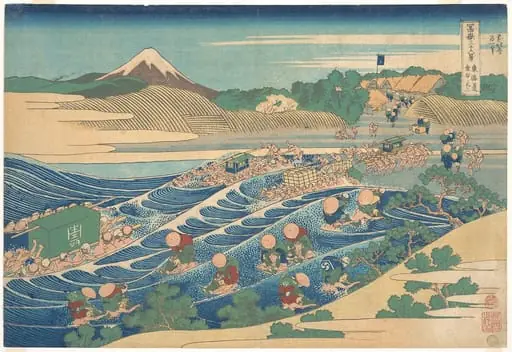 冨嶽三十六景 東海道金谷の不二|Fuji Seen from Kanaya on the Tōkaidō (Tōkaidō Kanaya no Fuji), from the series Thirty-six Views of Mount Fuji (Fugaku sanjūrokkei)
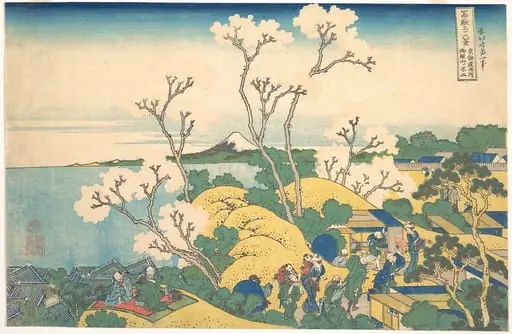 冨嶽三十六景 東海道品川御殿山の不二|Fuji from Gotenyama at Shinagawa on the Tōkaidō (Tōkaidō Shinagawa Gotenyama no Fuji), from the series Thirty-six Views of Mount Fuji (Fugaku sanjūrokkei)
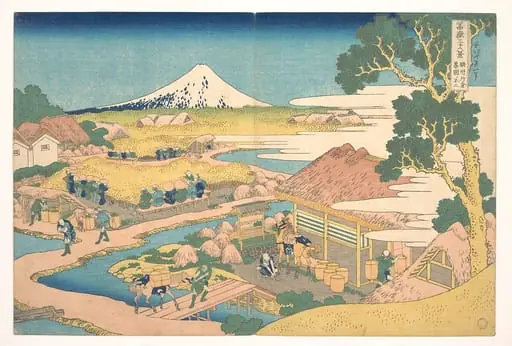 冨嶽三十六景 駿州片倉茶園の不二|Fuji from the Katakura Tea Fields in Suruga (Sunshū Katakura chaen no Fuji), from the series Thirty-six Views of Mount Fuji (Fugaku sanjūrokkei)
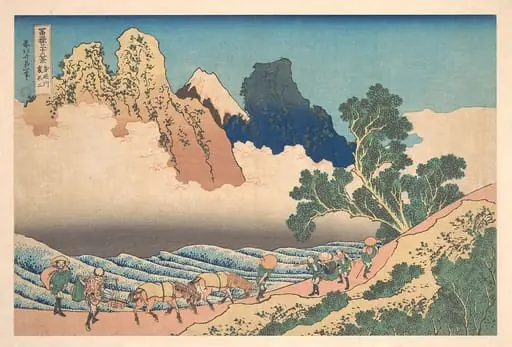 冨嶽三十六景 身延川裏不二|View from the Other Side of Fuji from the Minobu River (Minobugawa ura Fuji), from the series Thirty-six Views of Mount Fuji (Fugaku sanjūrokkei)