Artwork
冨嶽三十六景 身延川裏不二|View from the Other Side of Fuji from the Minobu River (Minobugawa ura Fuji), from the series Thirty-six Views of Mount Fuji (Fugaku sanjūrokkei)
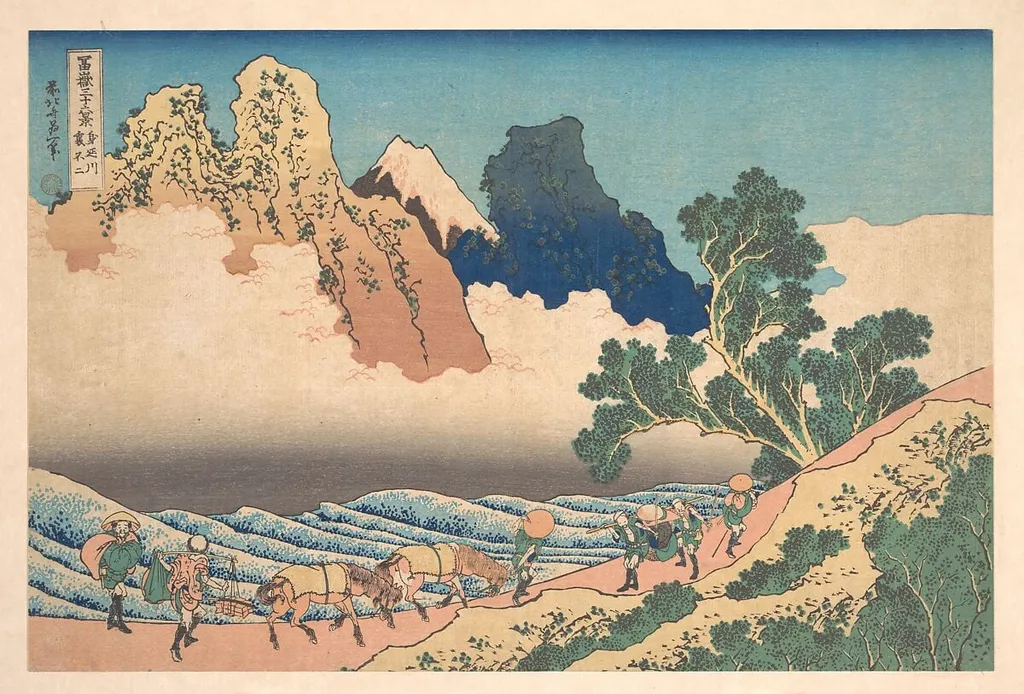
冨嶽三十六景 身延川裏不二|View from the Other Side of Fuji from the Minobu River (Minobugawa ura Fuji), from the series Thirty-six Views of Mount Fuji (Fugaku sanjūrokkei) is an ink print by the Japonisme artist Katsushika Hokusai. It dates from 1831 and is held in the collection of the Metropolitan Museum of Art.
About this work
Overview
Created around 1831, this woodblock print belongs to Katsushika Hokusai’s celebrated series Thirty‑six Views of Mount Fuji. Executed in ink and color on paper, the image depicts a broad river valley framed by gentle hills and a distant mountain range, with a clear blue sky overhead. The work is part of the Metropolitan Museum of Art’s collection.
Subject & Meaning
The composition centers on a tranquil rural scene: a horse‑drawn cart guided by two figures, accompanied by a solitary pedestrian, moves along a path lined with trees and shrubs. While Mount Fuji looms in the background, it recedes from visual dominance, allowing the everyday activity of travel and the surrounding landscape to convey a sense of quiet harmony.
Technique & Style
Hokusai employs traditional ukiyo‑e woodblock methods, layering ink outlines with muted pigments to render earth tones for the hills and foliage, contrasted by a bright cerulean sky. The delicate rendering of clouds and the subtle gradations of color create depth, while the crisp line work defines the figures and architectural elements of the cart.
History & Provenance
The print was produced in the late Edo period, a time when Hokusai’s series circulated widely among urban audiences. After its original distribution, the sheet entered private collections before being acquired by the Metropolitan Museum of Art, where it remains on view as part of the museum’s Japanese prints holdings.
Context
Situated within the Thirty‑six Views series, this image illustrates Hokusai’s interest in portraying Mount Fuji from varied perspectives, emphasizing its presence in everyday life rather than as a singular focal point. The work reflects the broader Edo‑period fascination with travel, landscape, and the integration of iconic natural landmarks into quotidian settings.
Artist & collection

Artist
Katsushika Hokusai spent his life in Edo, now Tokyo, where he drew and carved prints for a living.

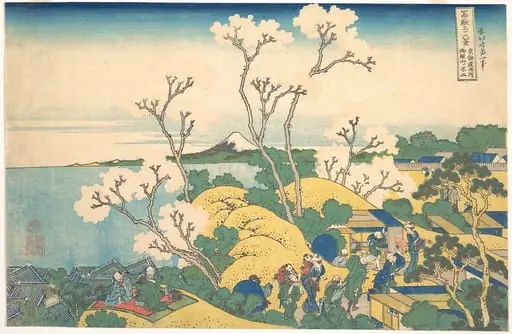 冨嶽三十六景 東海道品川御殿山の不二|Fuji from Gotenyama at Shinagawa on the Tōkaidō (Tōkaidō Shinagawa Gotenyama no Fuji), from the series Thirty-six Views of Mount Fuji (Fugaku sanjūrokkei)
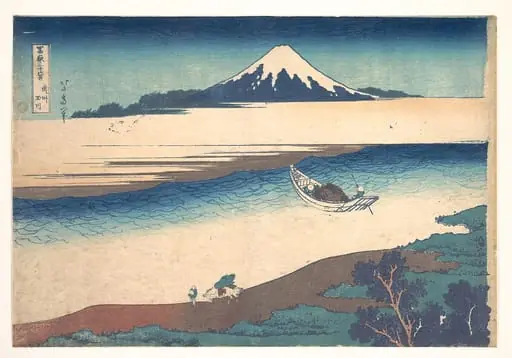 冨嶽三十六景 武州玉川|Tama River in Musashi Province (Bushū Tamagawa), from the series Thirty-six Views of Mount Fuji (Fugaku sanjūrokkei)
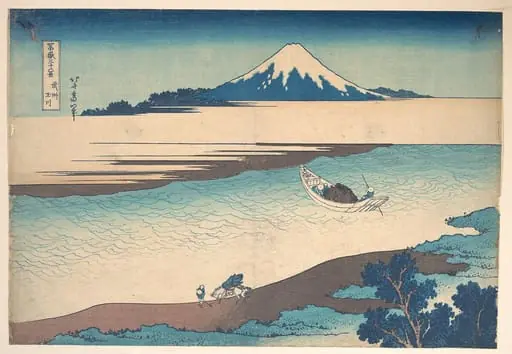 冨嶽三十六景 武州玉川|Fuji—The Tama River, Musashi Province, from the series Thirty-six Views of Mount Fuji (Fugaku sanjūrokkei)
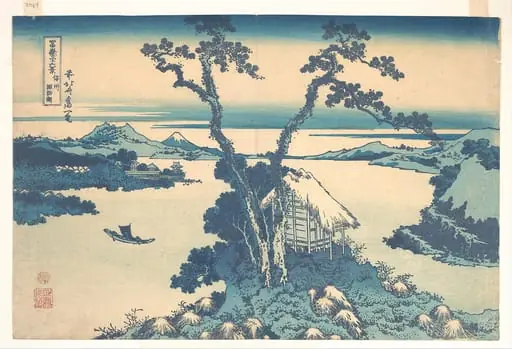 冨嶽三十六景 信州諏訪湖|Lake Suwa in Shinano Province (Shinshū Suwako), from the series Thirty-six Views of Mount Fuji (Fugaku sanjūrokkei)
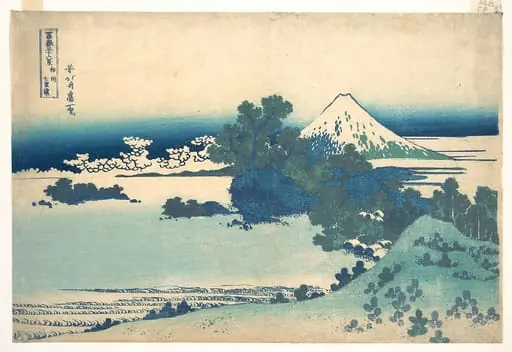 冨嶽三十六景 相州七里浜|Shichirigahama in Sagami Province (Sōshū Shichirigahama), from the series Thirty-six Views of Mount Fuji (Fugaku sanjūrokkei)
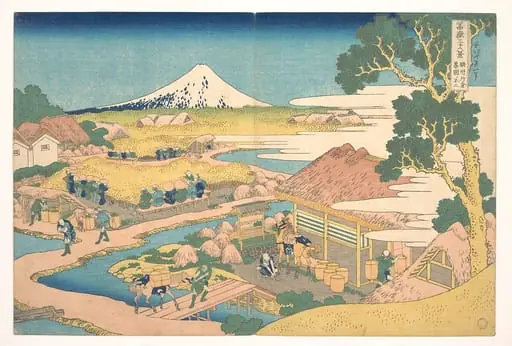 冨嶽三十六景 駿州片倉茶園の不二|Fuji from the Katakura Tea Fields in Suruga (Sunshū Katakura chaen no Fuji), from the series Thirty-six Views of Mount Fuji (Fugaku sanjūrokkei)
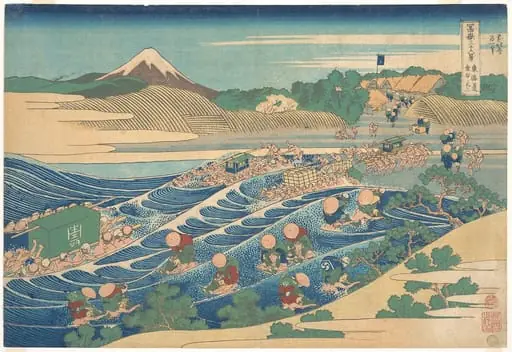 冨嶽三十六景 東海道金谷の不二|Fuji Seen from Kanaya on the Tōkaidō (Tōkaidō Kanaya no Fuji), from the series Thirty-six Views of Mount Fuji (Fugaku sanjūrokkei)
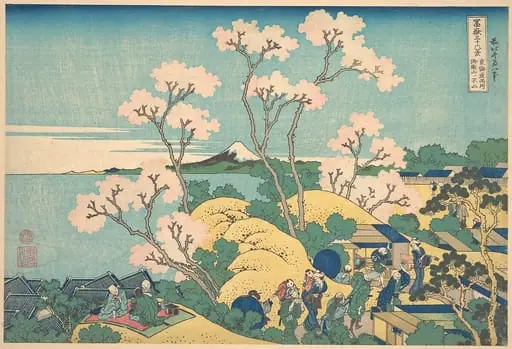 冨嶽三十六景 東海道品川御殿山の不二|Fuji from Gotenyama on the Tōkaidō at Shinagawa (Tōkaidō Shinagawa Gotenyama no Fuji), from the series Thirty-six Views of Mount Fuji (Fugaku sanjūrokkei)
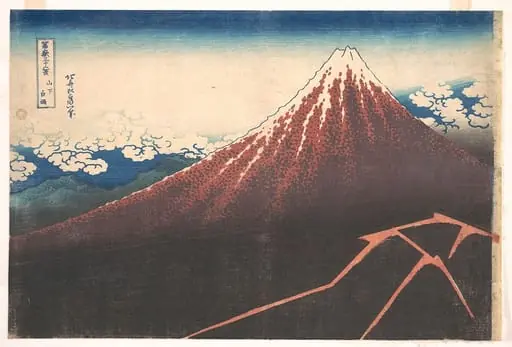 冨嶽三十六景 山下白雨|Storm below Mount Fuji (Sanka no haku u), from the series Thirty-six Views of Mount Fuji (Fugaku sanjūrokkei)