Artwork
Untitled
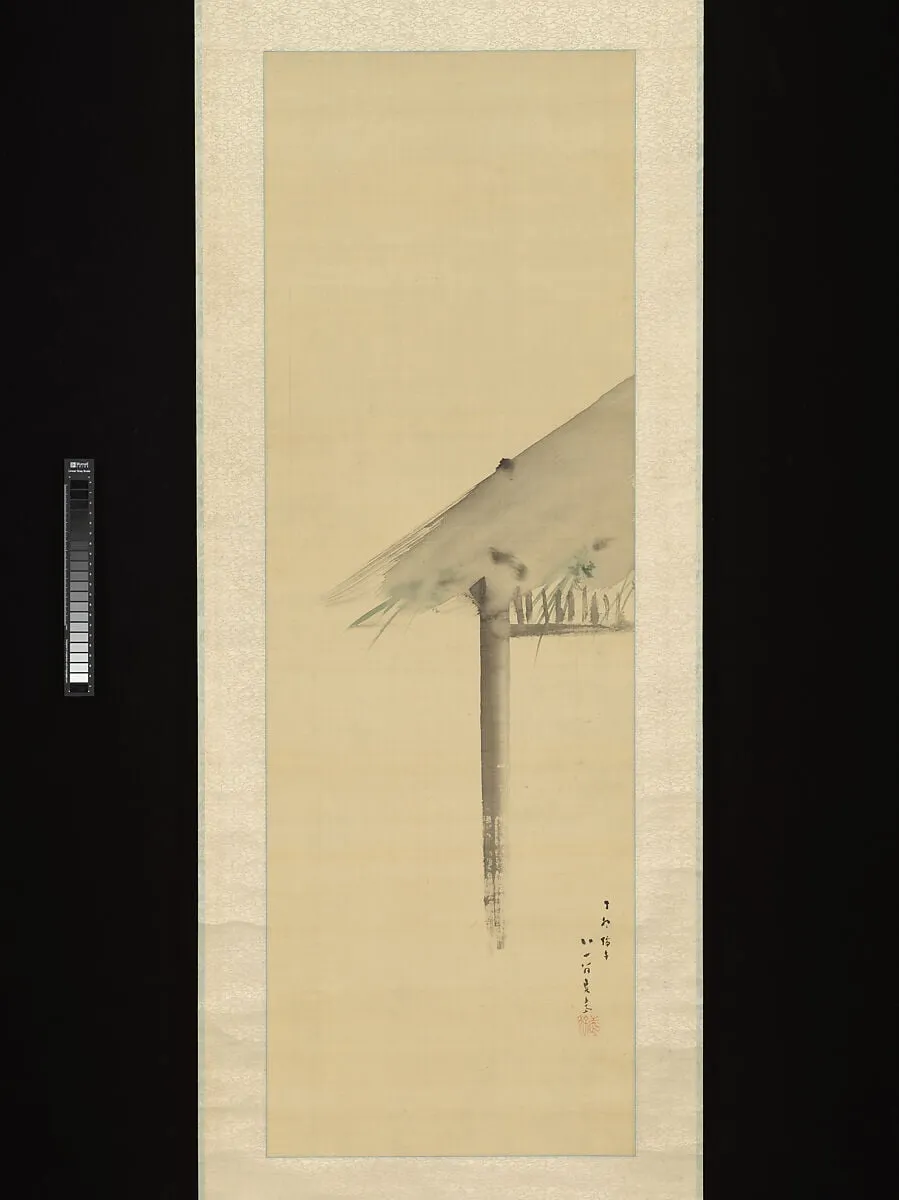
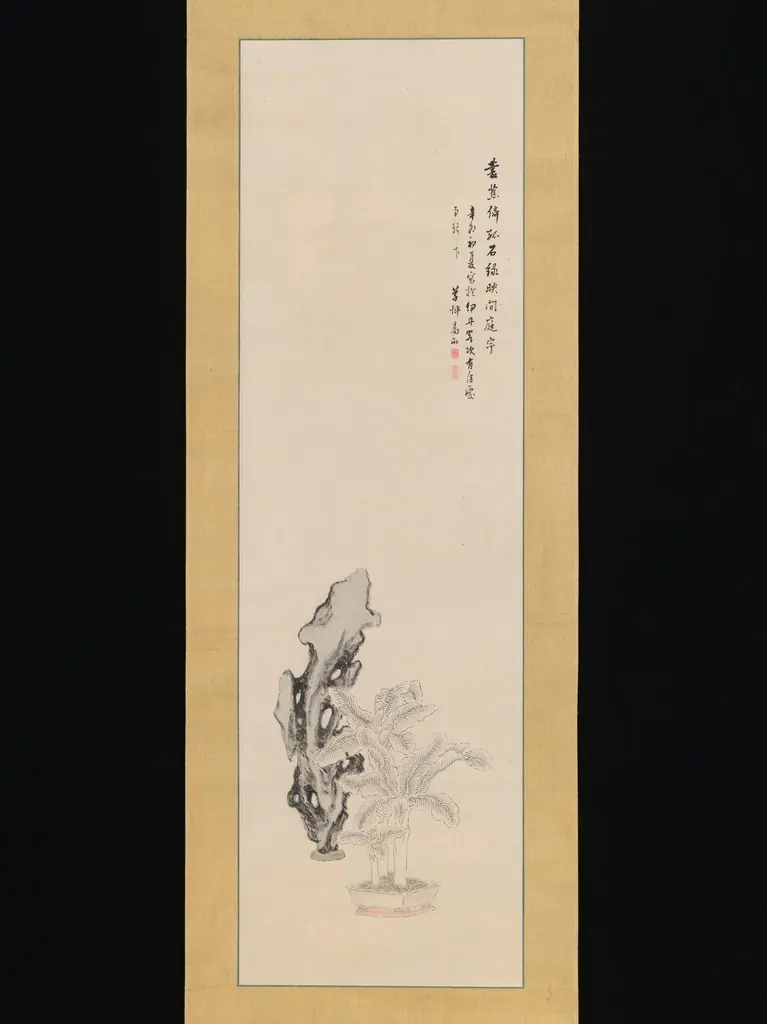
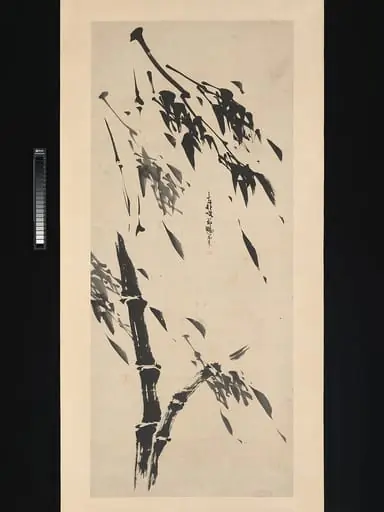
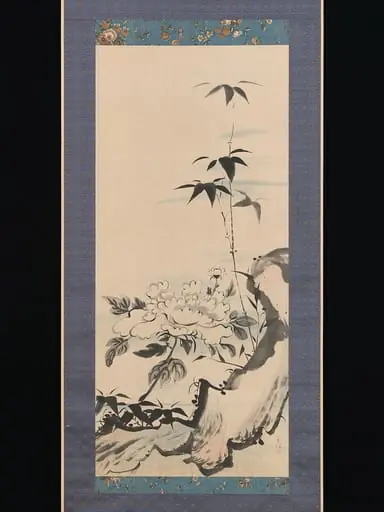
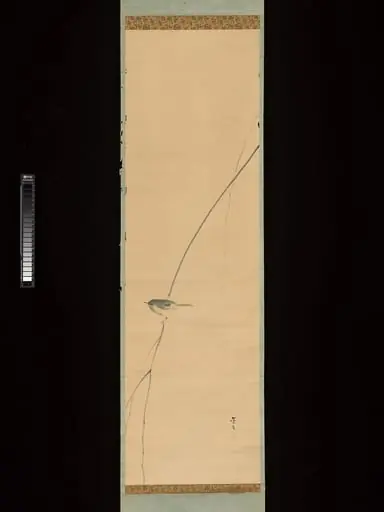
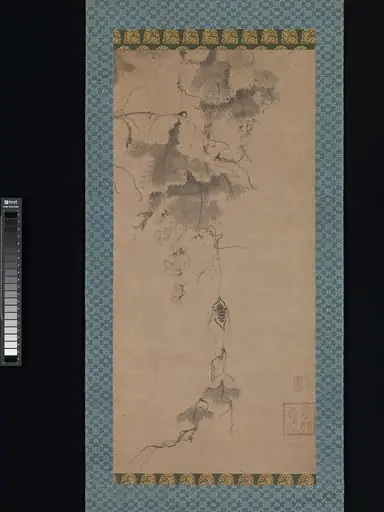
Untitled is an ink painting by the Impressionist artist Kikuchi Yōsai. It dates from 1867 and is held in the collection of the Metropolitan Museum of Art.
- Accession no.
- 36.100.98
About this work
Subject & Meaning
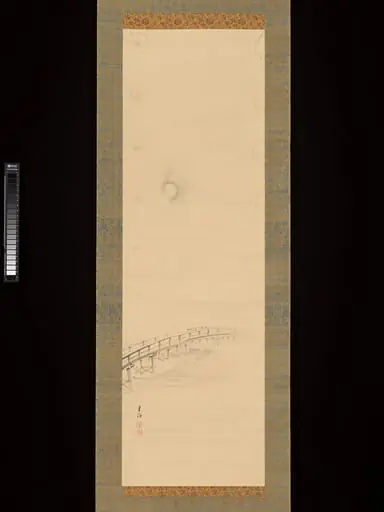
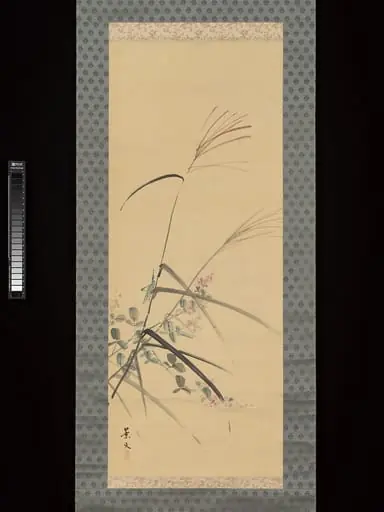
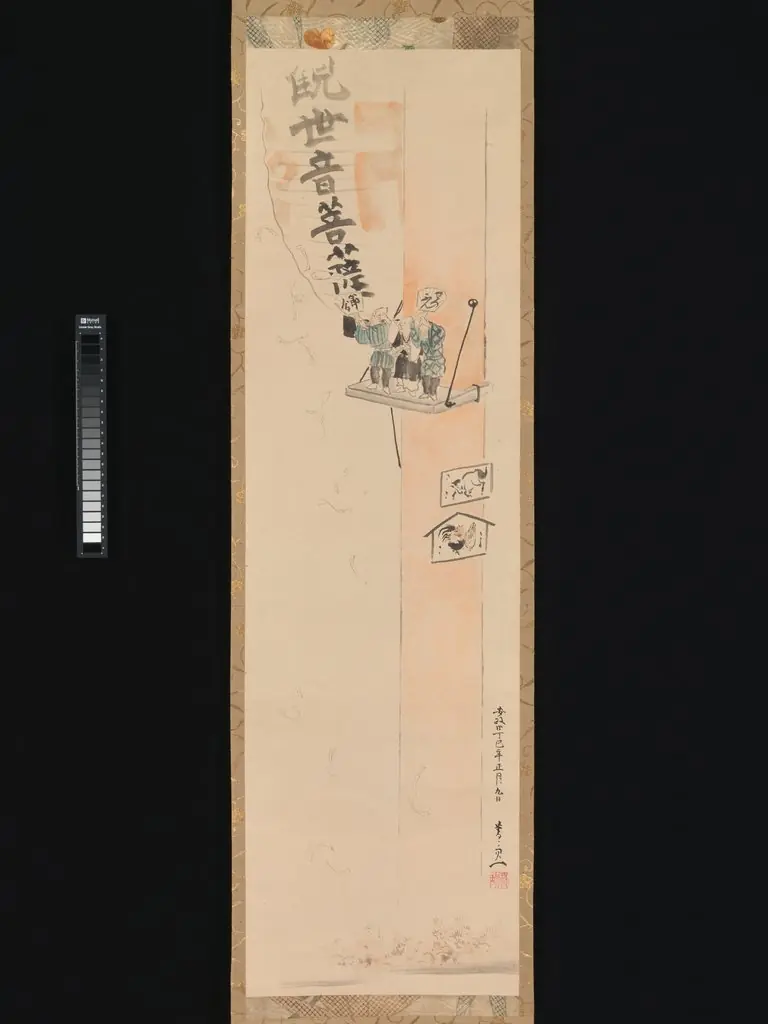
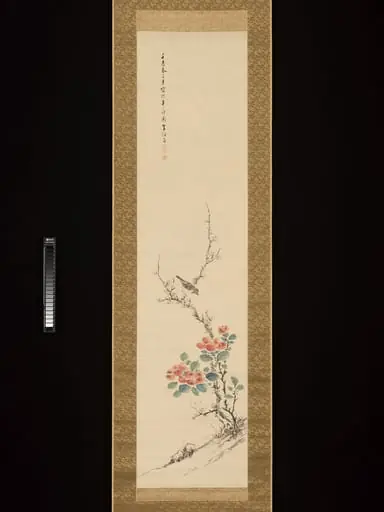
The work is categorized as a landscape painting that depicts a roof. Created in 1867 by Kikuchi Yōsai, the piece focuses on this specific architectural element as its primary subject. The sources do not provide further details regarding additional iconography, symbolic meanings, or what the work represents beyond the visual depiction of the roof structure.
History & Provenance
The work was painted in 1867 by Kikuchi Yōsai, as recorded by the artist’s dated inscription and corroborated by the Metropolitan Museum’s catalogue entry.
The work was painted in 1867 by Kikuchi Yōsai, as recorded by the artist’s dated inscription and corroborated by the Metropolitan Museum’s catalogue entry.
It entered the collection of the Metropolitan Museum of Art, where it is currently held. The scroll is executed in ink and color on silk, mounted as a hanging scroll, with dimensions of 118.4 cm in height and 39.4 cm in width.
The hanging scroll titled Untitled by Kikuchi Yōsai, created in 1867, is held in the collection of the Metropolitan Museum of Art. The work, classified as a painting depicting a roof, is executed in ink and color on silk. While the source confirms its presence in the museum's collection, no specific accession number or detailed exhibition history is provided in the available records.
Overview
Created in 1867, this hanging scroll by Kikuchi Yōsai presents a solitary roof tile rendered in black ink against a silk background. The composition is dominated by the tile, which occupies the entire surface, while delicate touches of pale green suggest moss growing upon it. The work’s minimal scale and focus on a single architectural element invite quiet contemplation.
Technique & Style
Yōsai employs traditional ink brushwork on silk, using strong, confident strokes to define the tile’s edges and finer, cross‑hatched lines for shading. The moss is suggested with light, translucent washes of pale green, creating a contrast between the dense black ink and the airy coloration. The overall aesthetic reflects the Japanese ink painting tradition’s capacity for economy of line.
Artist & collection

Artist
Kikuchi Yōsai lived in old Tokyo when it was still called Edo. He grew up during a time of samurai, tea houses, and long nights under lantern light. Yōsai wasn’t interested in color; he spent decades drawing faces with…