Artwork
Zwei Männer, einander in höherer Stellung vermutend, begegnen sich (Two Men Meet, Each Believing the Other to Be of Higher Rank
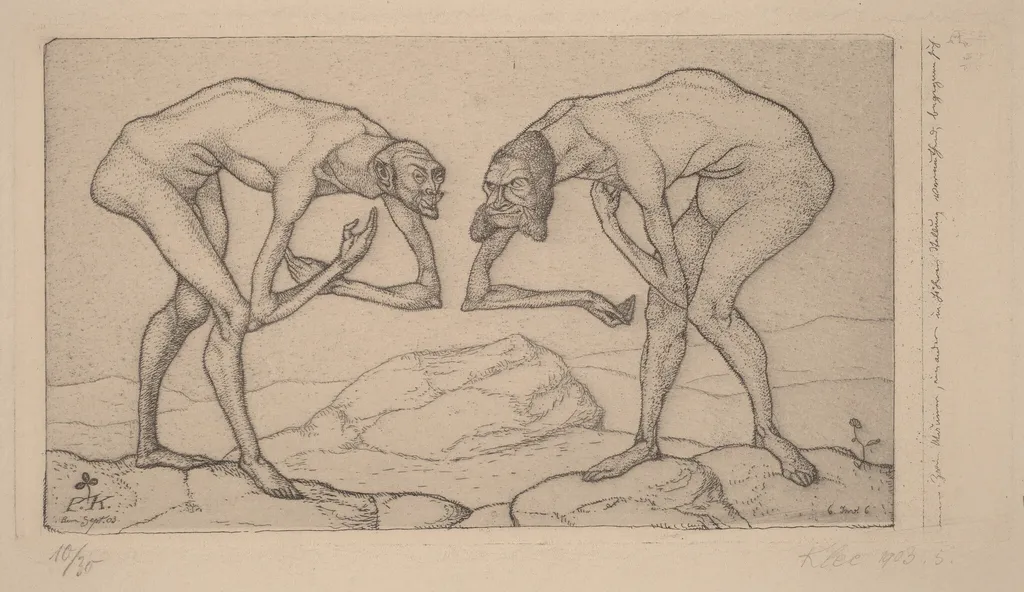
Zwei Männer, einander in höherer Stellung vermutend, begegnen sich (Two Men Meet, Each Believing the Other to Be of Higher Rank is an ink print by Paul Klee. It dates from 1903 and is held in the collection of the National Gallery of Art.
About this work
Overview
Created in 1903, this zinc etching by Paul Klee presents a compact composition of two confronting figures. The work belongs to Klee’s formative period, when he was exploring the possibilities of printmaking before his later, more celebrated experiments in painting and abstraction.
Subject & Meaning
The image shows two men standing opposite one another, their bodies twisted in a poised, almost dance‑like gesture. Each figure extends a hand toward the other, their elongated faces and arms suggesting a tentative encounter in which each assumes the other holds a higher social rank.
Technique & Style
Executed as a single‑color etching on zinc, the piece relies on bold, clean lines and minimal tonal variation. The background consists of a subtle gradient that recedes without detail, allowing the stark contours of the figures to dominate the visual field. The simplicity of the line work underscores the expressive quality of the composition.
History & Provenance
The print is an early example of Klee’s engagement with the graphic arts, predating his more extensive work in watercolor and oil. It was produced during his student years and reflects the experimental approach that would later characterize his contributions to modern art. The work remains documented in several museum collections of early 20th‑century prints.
Artist & collection

Artist
Paul Klee (German:; 18 December 1879 – 29 June 1940) was a Swiss-born German artist.

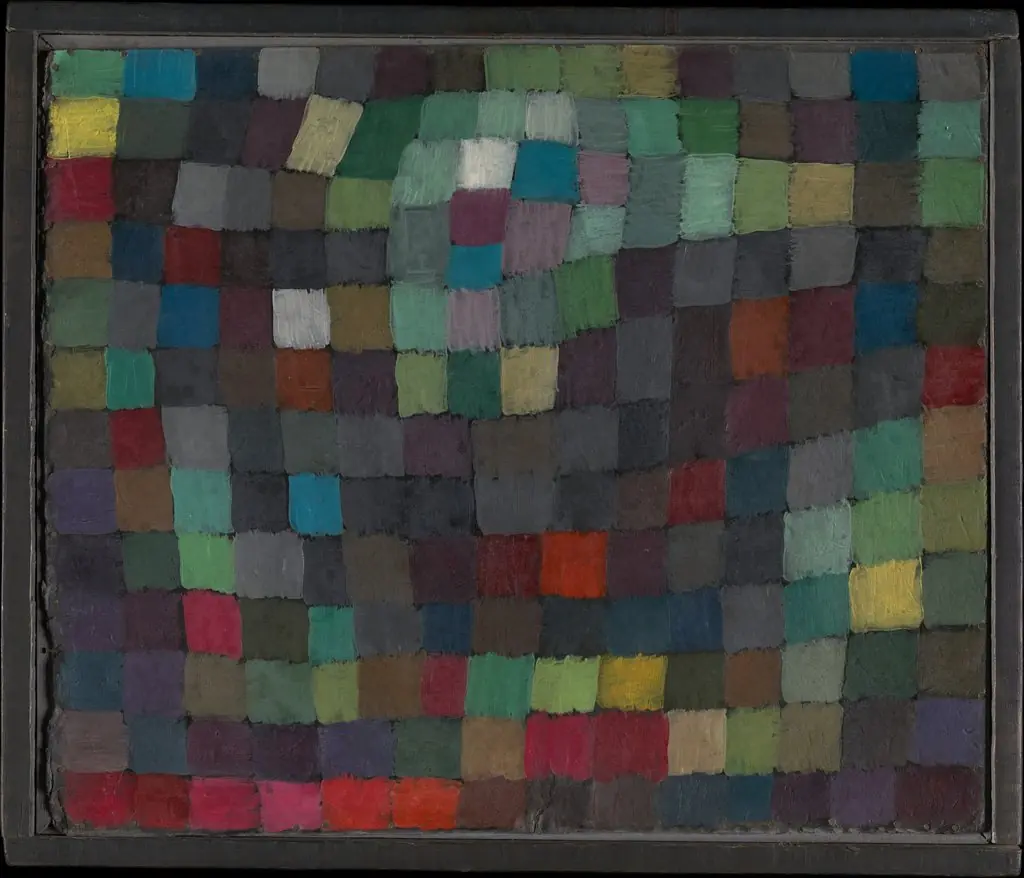
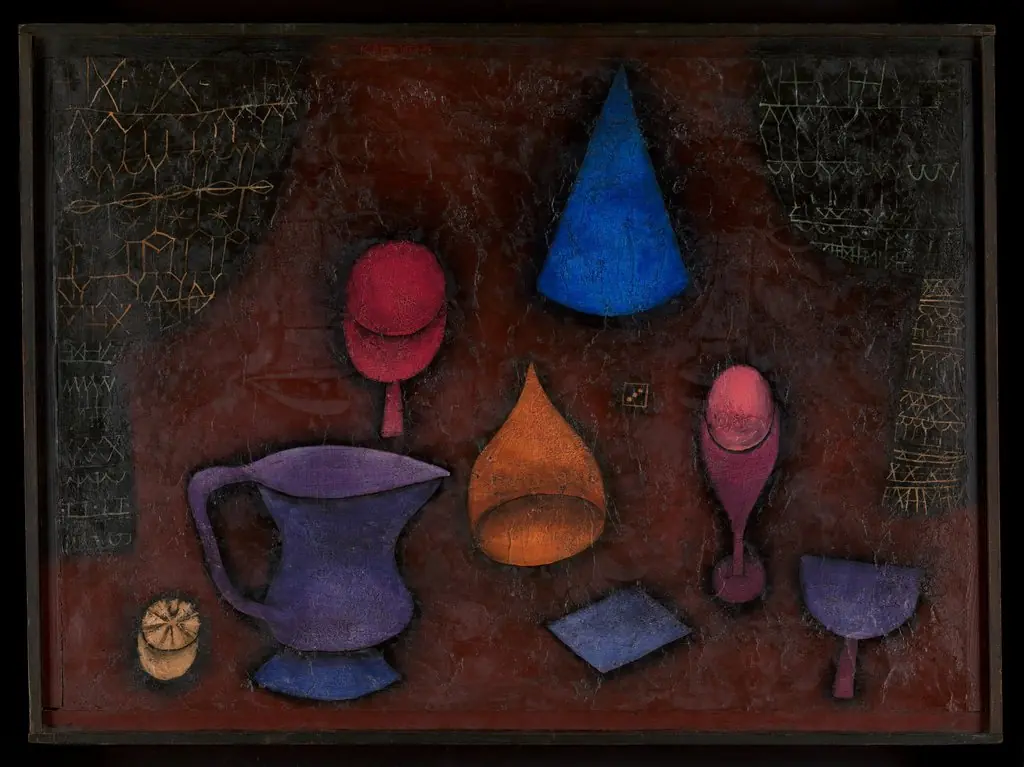
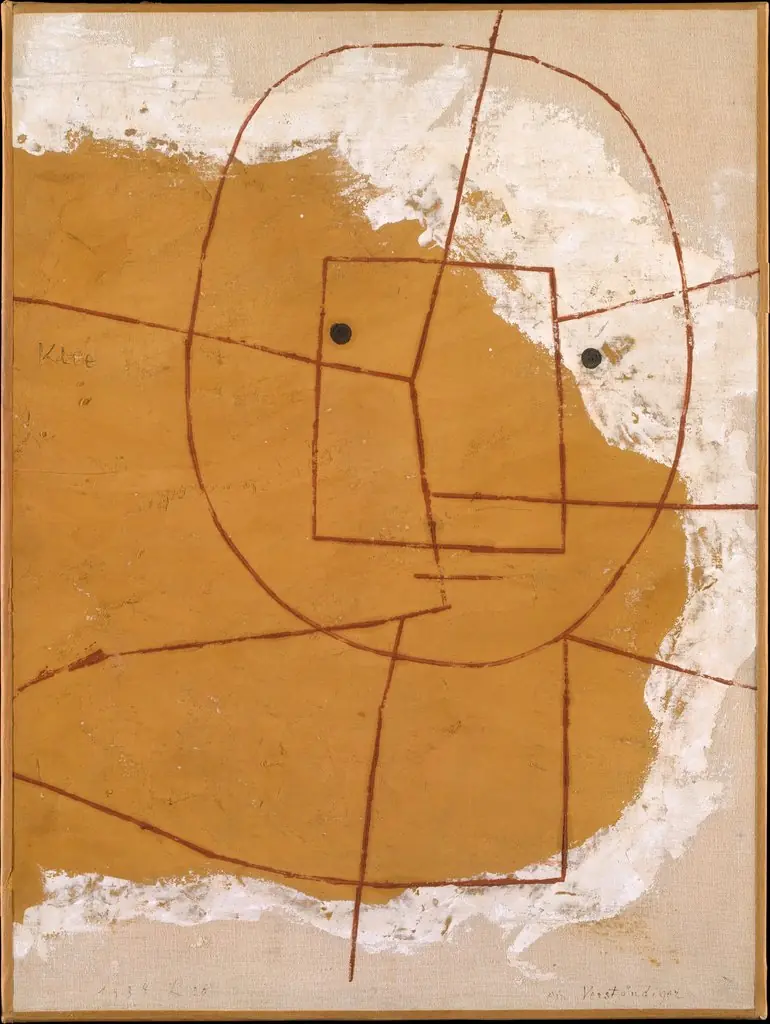
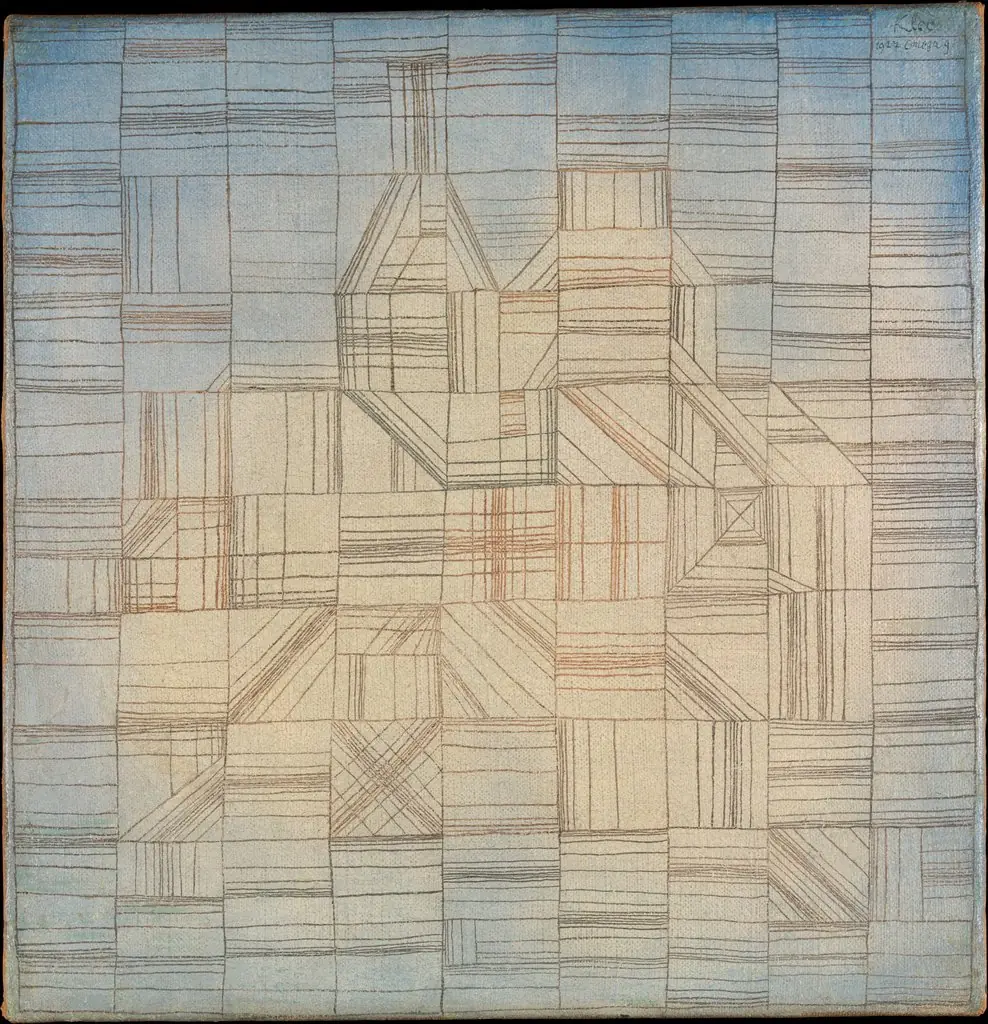
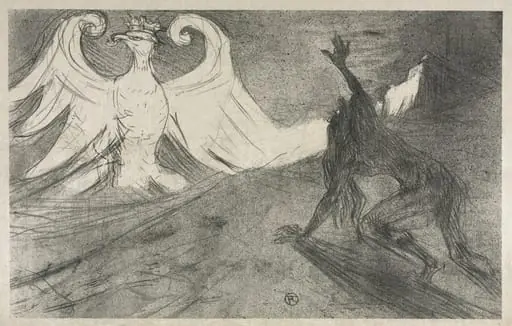 Project for Frontispiece to: Au pied du Sinaï
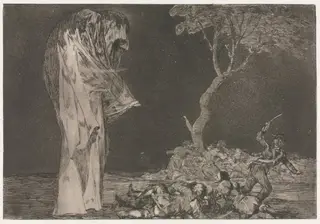 The Proverbs: Folly of Fear
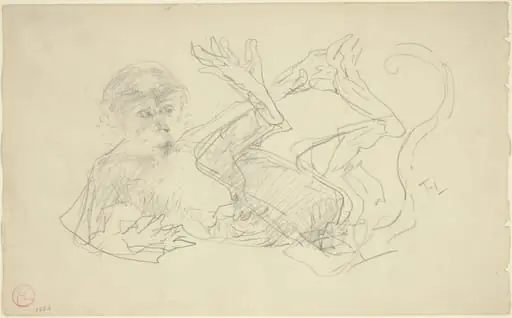 A Monkey Playing on His Back
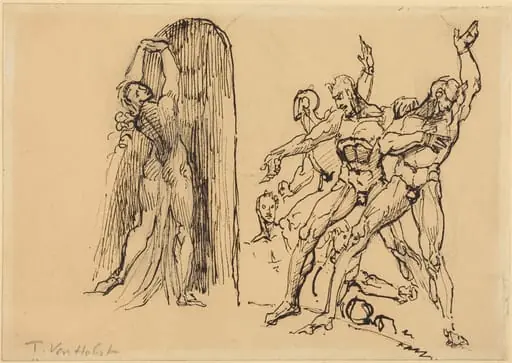 Five Male Nudes Gesticulating as a Nude Woman Enters a Portal
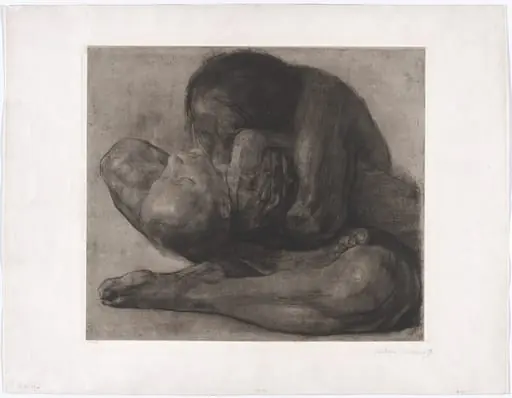 Untitled
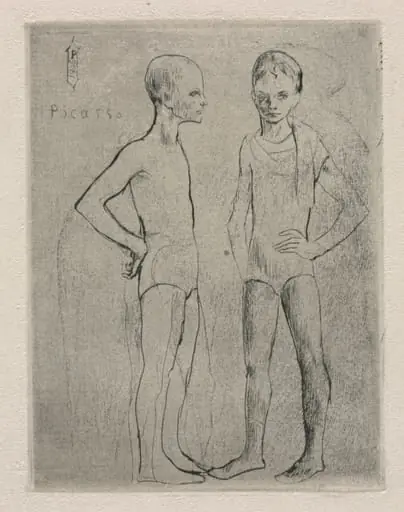 The Two Saltimbanques
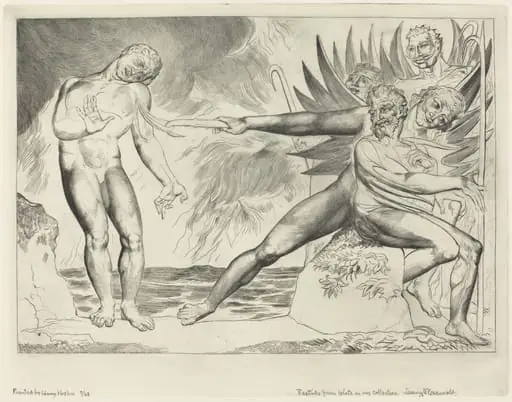 The Circle of the Corrupt Officials; The Devils Tormenting Ciampolo
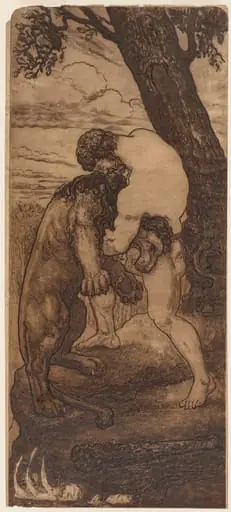 Hercules and the Nemean Lion
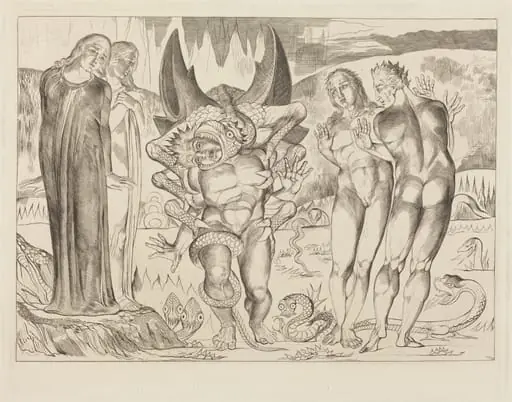 The Circle of the Thieves; Agnolo Brunelleschi Attacked by a Six-Footed Serpent
 The Circle of the Thieves; Agnolo Brunelleschi Attacked by a Six-Footed Serpent