Artwork
Siesta I: pl.3
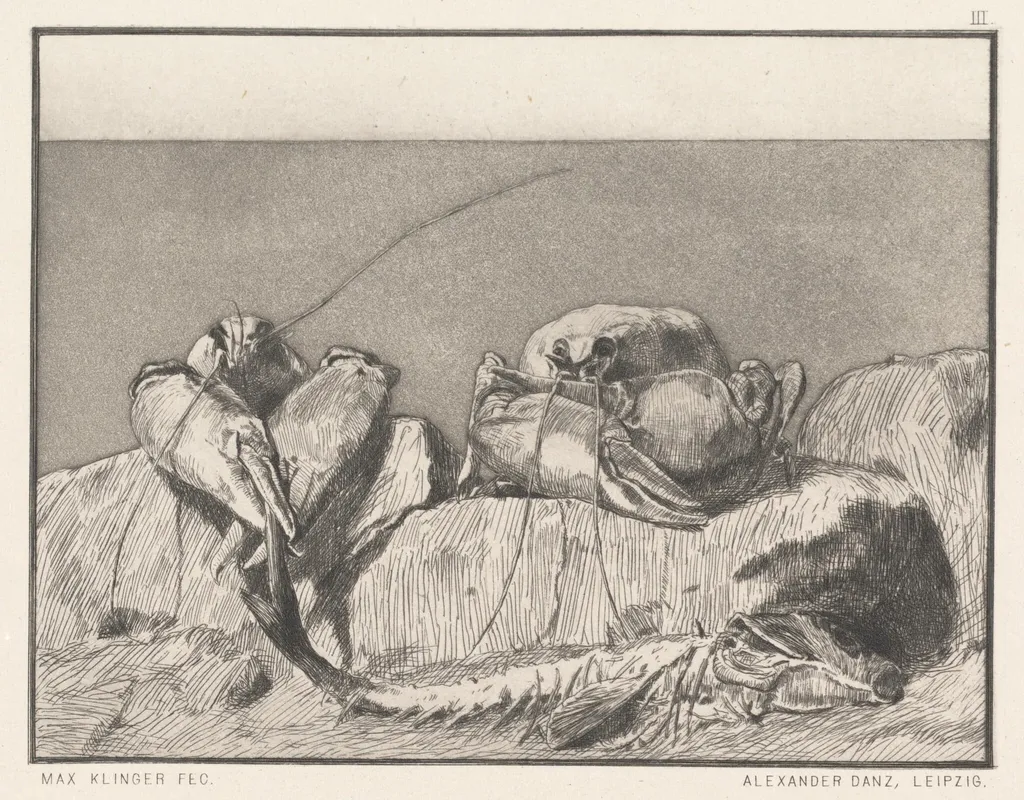
Siesta I: pl.3 is an ink print by the Impressionist artist Max Klinger. It dates from 1879 and is held in the collection of the National Gallery of Art.
- Inscription
- Inscribed:lower left in plate: MAX KLINGER FEC; lower right in plate: ALEXANDER DANZ LEIPZIG; upper right: III
About this work
Overview
Created in 1879, this work is an etching on laid paper by the German artist Max Klinger. It belongs to a series titled Siesta I and is catalogued as plate three. The image presents a quiet domestic scene rendered in monochrome, exemplifying Klinger’s interest in the expressive possibilities of printmaking during the late nineteenth century.
Subject & Meaning
The composition depicts three figures asleep together, their bodies intertwined beneath a single blanket. Their heads are positioned close, and one arm extends toward the others, suggesting intimacy and shared repose. The absence of background detail directs attention to the tactile qualities of the drapery and the serene, almost timeless, moment of rest.
Technique & Style
Klinger employed delicate, incised lines to delineate the folds of the blanket and the subtle texture of the paper surface. Light cross‑hatching creates gentle shading that conveys volume without heavy contrast. The restrained line work aligns with Symbolist aesthetics and anticipates the flowing forms later associated with the Vienna Secession and Jugendstil movements.
History & Provenance
The etching forms part of Klinger’s extensive graphic output, which he later expanded with series such as Paraphrase on the Finding of a Glove. While specific ownership records for this plate are limited, it reflects the artist’s broader engagement with print theory and his role in advancing etching as a medium for nuanced visual narrative in the late 1800s.
Own this work as a print
Artist & collection

Artist
Max Klinger (18 February 1857 – 5 July 1920) was a German artist who produced significant work in painting, sculpture, prints and graphics, as well as writing a treatise articulating his ideas on art and the role of…

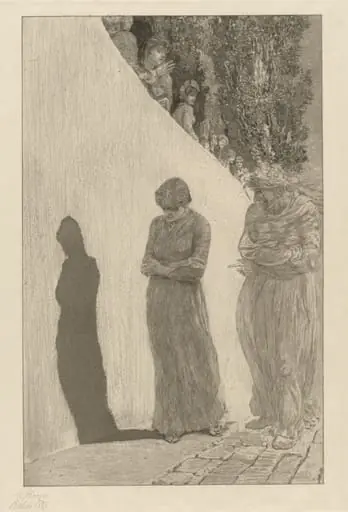
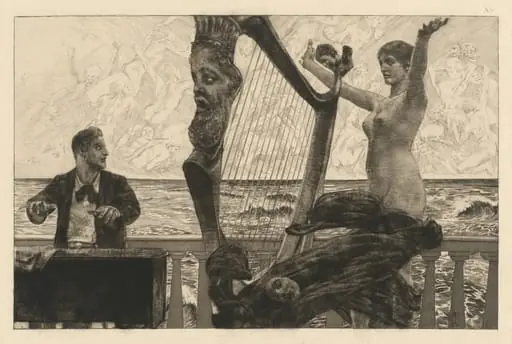
- Dolphins and Crocodile
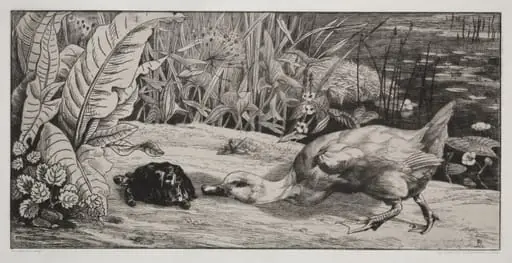 An Unknown
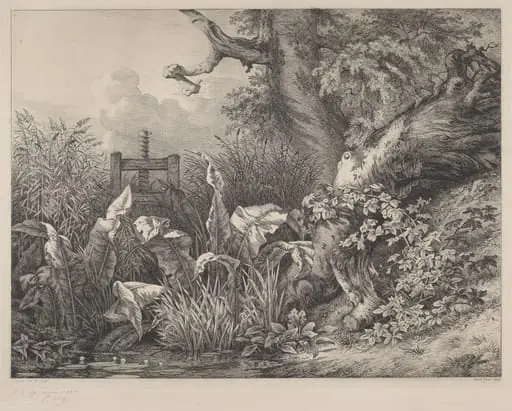 Water Dock and Brambles at a Sluice
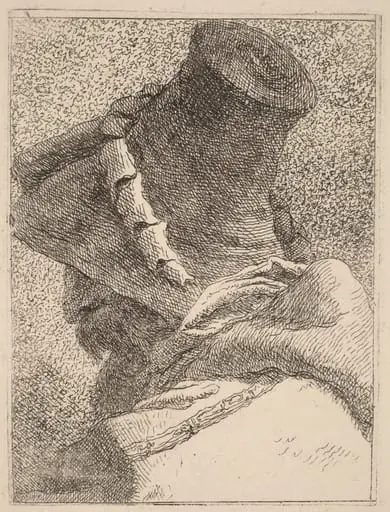 Profile of an Old Man with a Hat
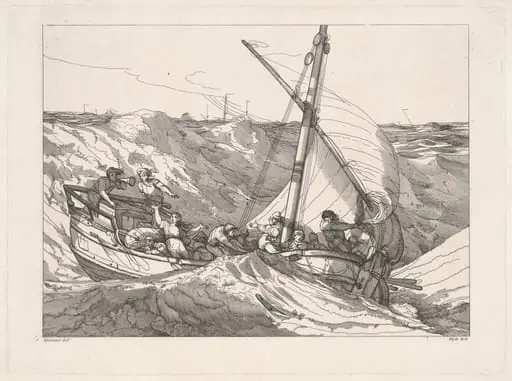 Boat in a Storm at Sea
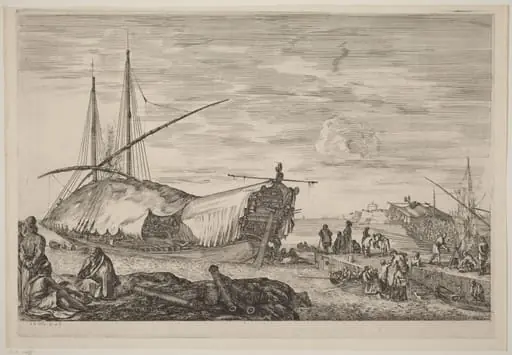 Galley with Deck Covered with Sails
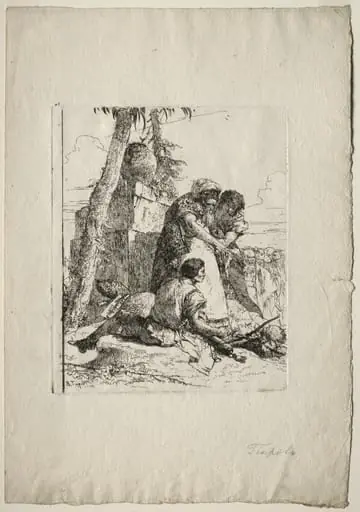 Scherzi di Fantasia: Magician Pointing Out a Burning Head to Two Youths
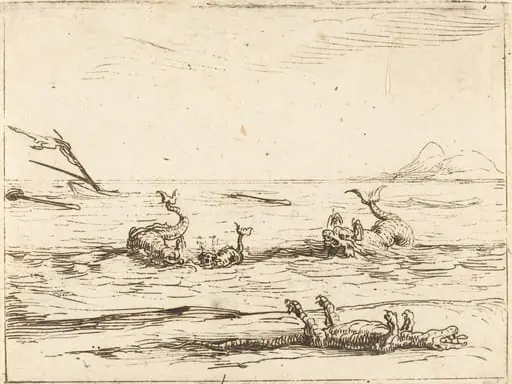 Dolphins and Crocodile
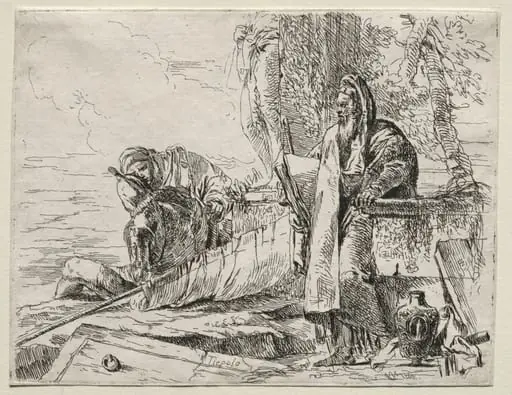 Various Caprices: The Philosopher Holding a Book
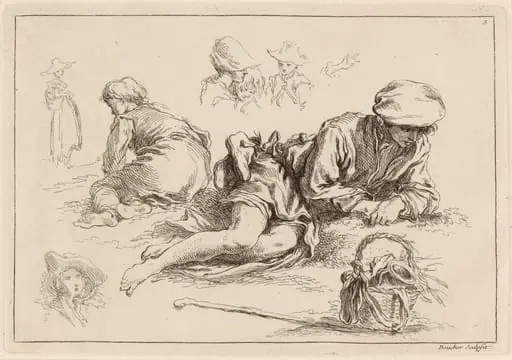 Figure Studies including Reclining Boy
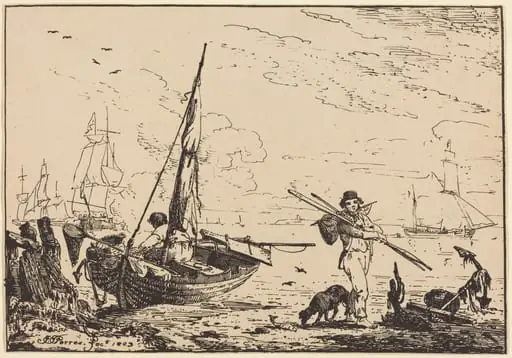 Marine: Fishing Boats on Shore, Man with Oars, Ship in Distance
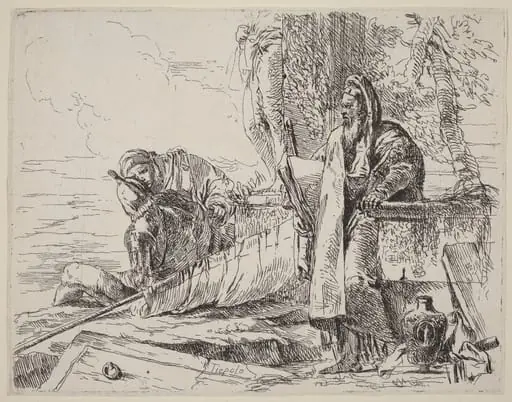 Standing Philosopher and Two Other Figures