Artwork
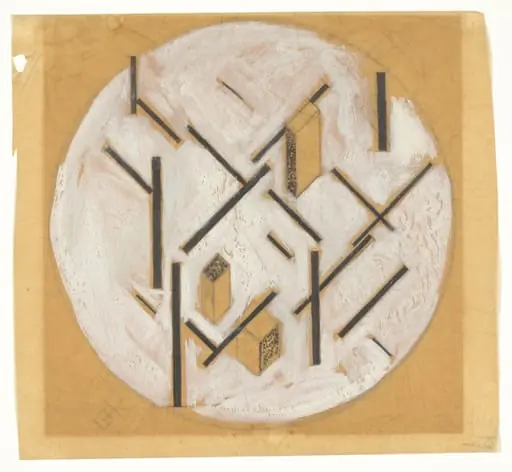
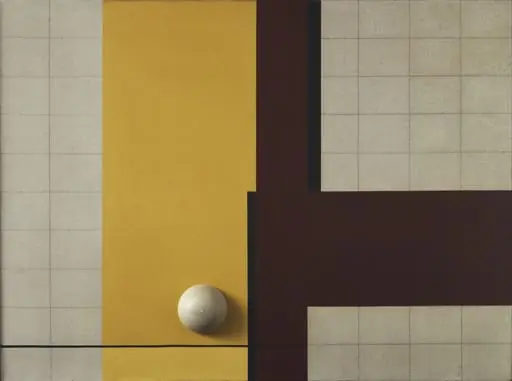
Χωρίς τίτλο/ Αντιγραφή έργου του Friedrich Vordemberge- Gildewart
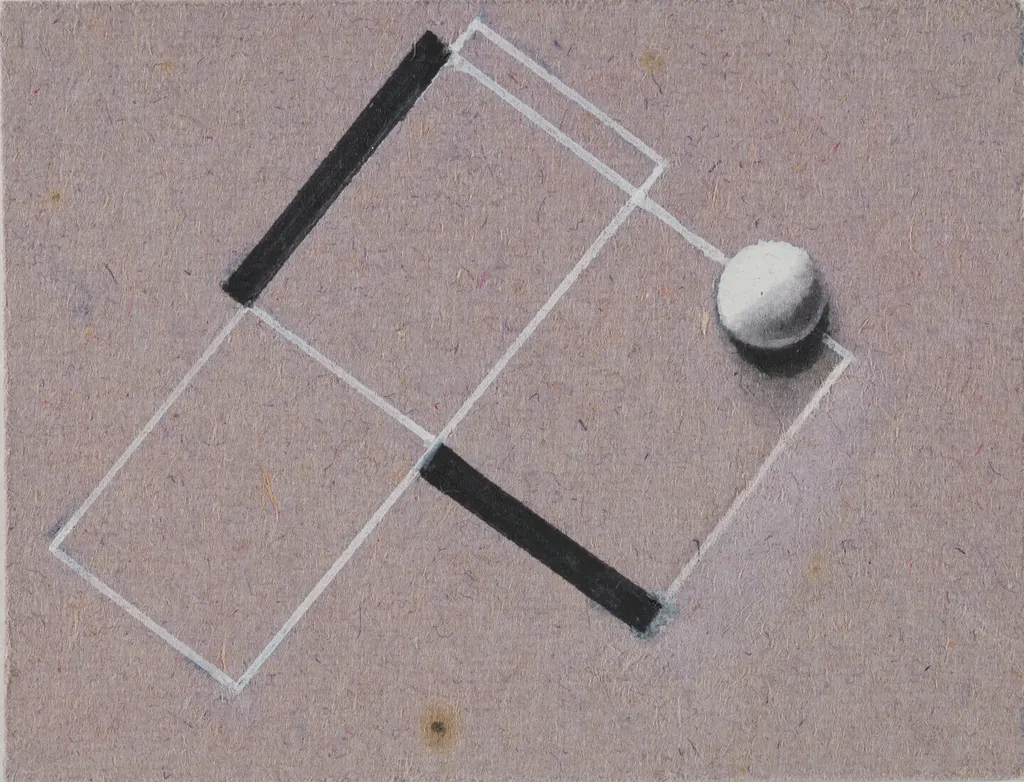
Χωρίς τίτλο/ Αντιγραφή έργου του Friedrich Vordemberge- Gildewart is a drawing by Ivan Kliun. It dates from 1918 and is held in the collection of the Metropolitan Organisation of Museums of Visual Arts of Thessaloniki – MOMus.
About this work
Overview
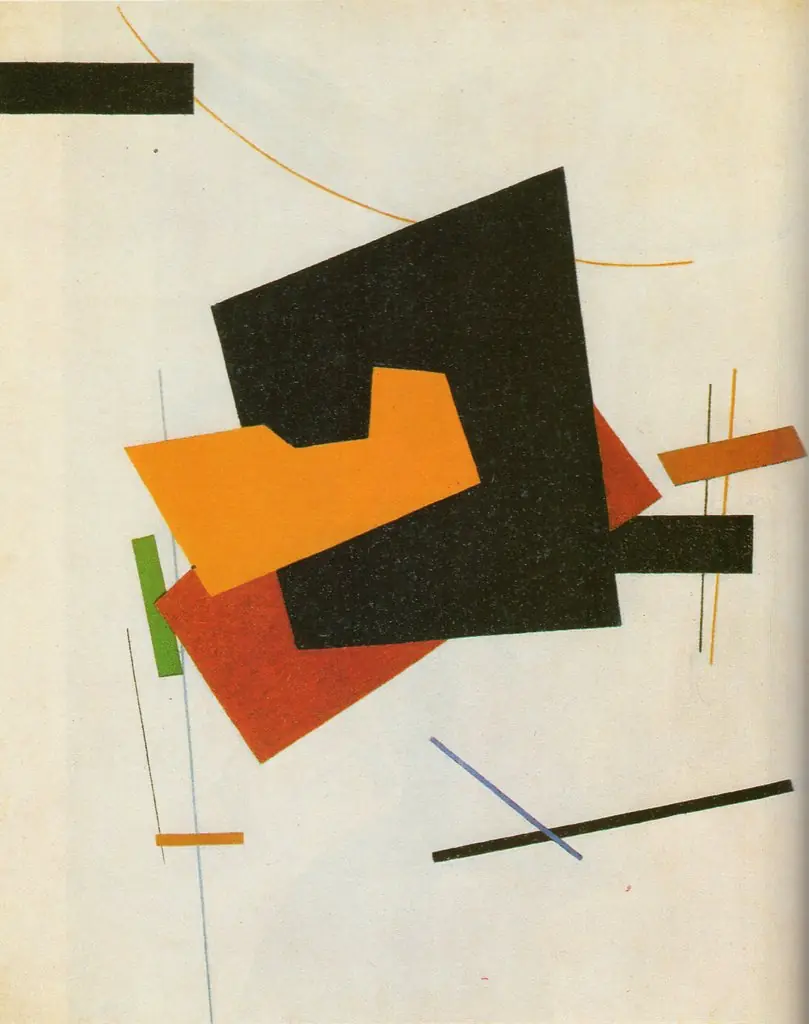
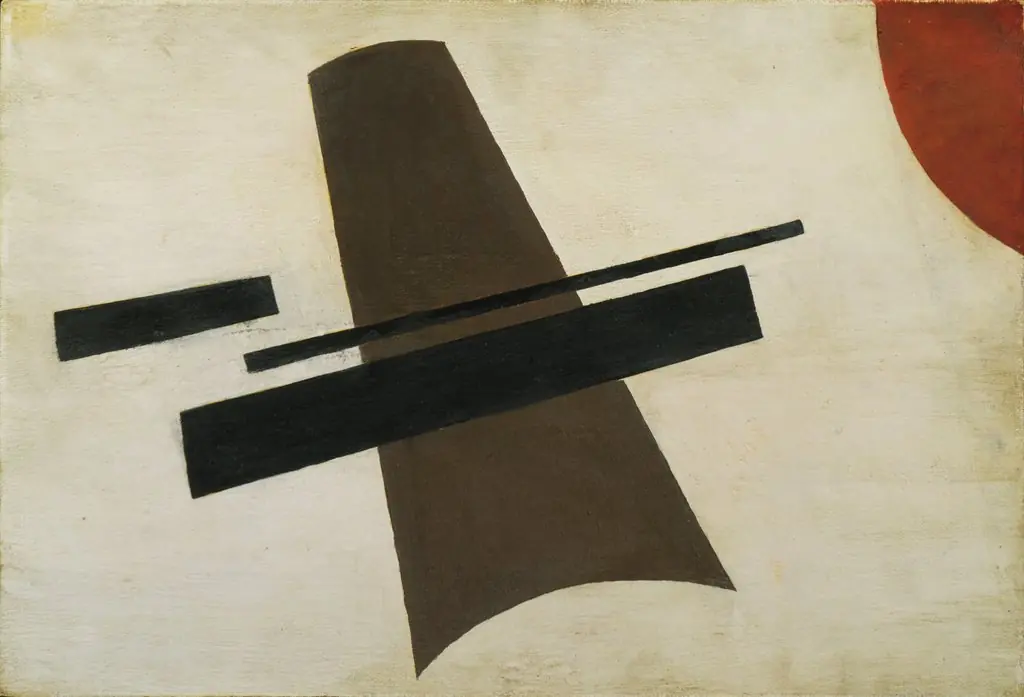
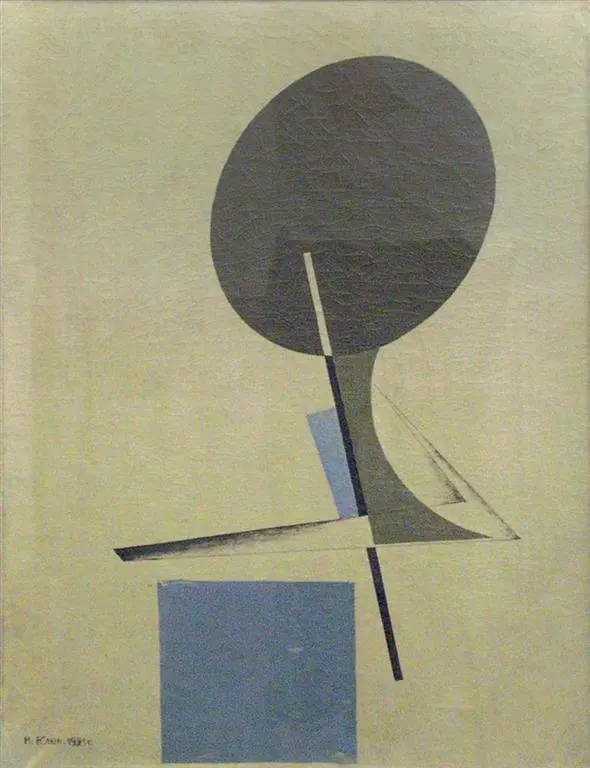
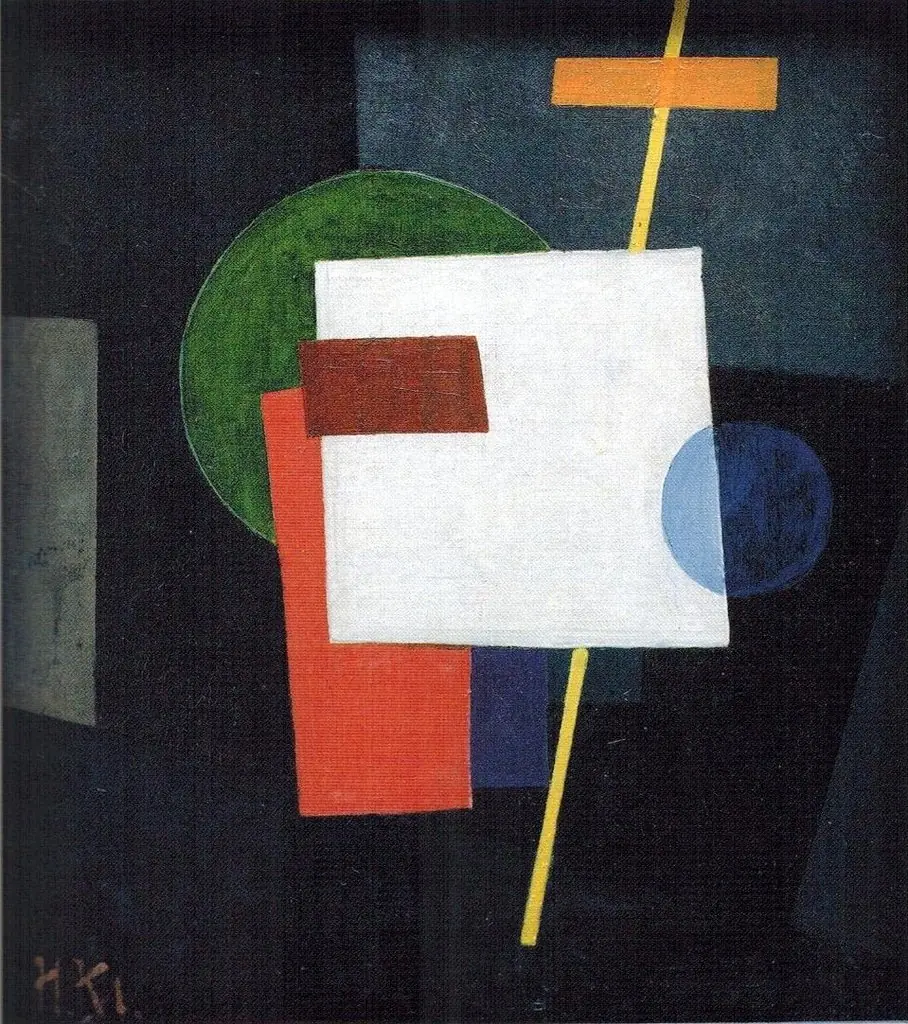
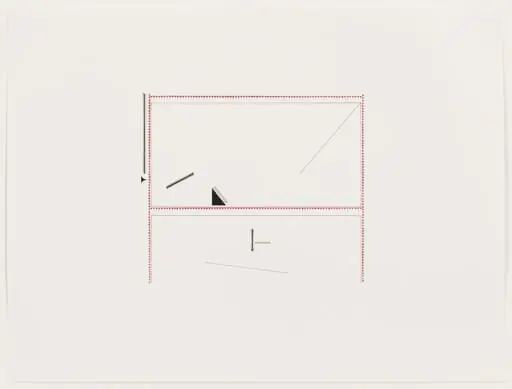
Executed on a rough, light brown surface, the work reduces its source to essential geometric forms: two black rectangles and a white diamond outline.
Created around 1918 by Ivan Kliun, this untitled drawing is a deliberate reinterpretation of a composition by Friedrich Vordemberge-Gildewart. Executed on a rough, light brown surface, the work reduces its source to essential geometric forms: two black rectangles and a white diamond outline. A single white circle, positioned near the lower right, serves as the only discrete element. The drawing reflects a process of abstraction, stripping away detail to focus on structure and spatial relationships.
Subject & Meaning
The drawing contains no representational imagery; its subject is form itself. The arrangement of rectangles and the diamond outline suggests a structural inquiry into balance and containment. The isolated white circle introduces a point of focus, possibly implying presence within an abstract field.
By omitting narrative or symbolic content, Kliun emphasizes the autonomy of geometric elements, aligning with early 20th-century explorations of non-objective art.
Technique & Style
Kliun employed sharp, precise lines to define the black rectangles and white diamond, contrasting with the uneven, textured background. The white circle, rendered as a solid form, stands apart from the linear framework. The technique favors clarity over ornamentation, using minimal marks to convey spatial hierarchy.
The roughness of the surface grounds the composition in materiality, while the clean geometry suggests intentionality and restraint.
History & Provenance
The work entered the collection of the Museum of Ethnography, where it remains today. Its origin as a copy of Vordemberge-Gildewart’s piece situates it within a network of Russian and European avant-garde artists exchanging ideas during the post-Revolutionary period. Kliun’s adaptation reflects a broader practice among contemporaries of reworking abstract compositions to test formal principles, rather than replicating originals faithfully.
Context
Created in the aftermath of the Russian Revolution, this drawing emerges from a climate in which artists sought new visual languages divorced from traditional representation. Kliun, associated with the Suprematist and Constructivist circles, engaged with geometric abstraction as a means of redefining artistic purpose. His reinterpretation of Vordemberge-Gildewart’s work illustrates cross-cultural dialogue between Russian and German avant-gardes during a period of intense experimentation.
Legacy
This drawing exemplifies how early 20th-century artists used copying not as imitation, but as a method of analysis. Kliun’s reduction of form influenced later discussions on the autonomy of abstract elements in art. Its preservation in an ethnographic museum underscores its significance as a cultural artifact of artistic inquiry, rather than a decorative object, contributing to broader understandings of modernist practice beyond Western centers.
Own this work as a print
Artist & collection
Artist
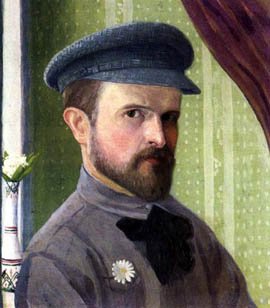
Ivan Vasilievich Kliun, or Klyun, born Klyunkov was a Russian Avant-Garde painter, sculptor and art theorist, associated with the Suprematist movement.
Museum
Metropolitan Organisation of Museums of Visual Arts of Thessaloniki – MOMus
Continue through works from the same source collection.