Subject
Glass
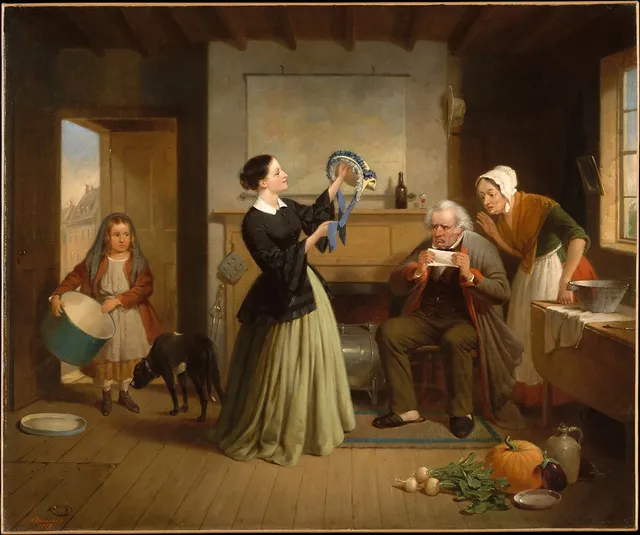
Glass is a subject in art. The gallery holds 73 works in this subject in art, including works by Thomas Eakins, Francis William Edmonds and Johannes Vermeer.
In the visual arts, glass occupies a special place as both a coveted luxury object and a supreme test of a painter's skill. Although vessels appear in Roman wall painting and medieval manuscripts, glass emerged as a subject in its own right alongside the rise of European glassmaking. From the fifteenth century, craftsmen on the Venetian island of Murano perfected cristallo, an almost colourless, transparent glass prized as the finest in the world; by the sixteenth century they had mastered colour, filigree canework and mirror-making, and Venetian glass became a byword for wealth and refinement across Europe. As prosperity spread to the Netherlands, painted glassware came to signal the affluence of merchant patrons.
The depiction of glass crystallised into a genre during the Dutch and Flemish Golden Age, where it served two purposes at once. Technically, the transparent bowl of a roemer—a green-stemmed drinking glass whose base was coiled around a conical core and whose stem bore studded prunts for grip—allowed artists to demonstrate command of reflection, refraction and shifting light; painters sometimes set a tiny mirrored window in a glass rim. Symbolically, glass was fragile and easily shattered, so a half-empty or overturned vessel became a staple of vanitas painting, a reminder of life's transience and the vanity of worldly pleasure.
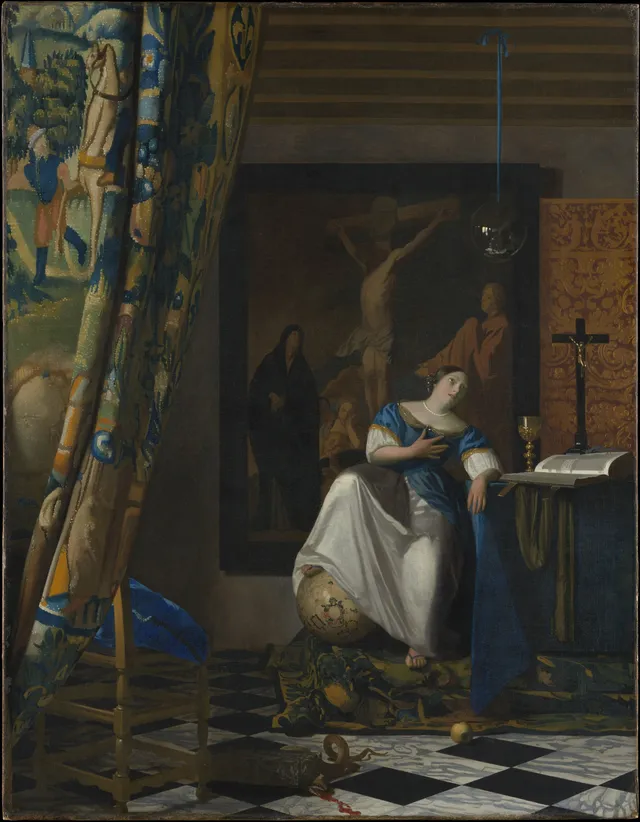
The principal masters include Clara Peeters, whose Venetian Glass, Roemer and a Candlestick (1607) shows precocious skill; Pieter Claesz, an early painter of the roemer; and above all Willem Kalf, the leading exponent of the lavish pronkstilleven, who picked transparent Venetian forms out of deep shadow with dabs and dots of light. The catalogue holds Jan Davidsz. de Heem's Still Life with a Glass and Oysters, a jewel-like rendering of a roemer beside shucked oysters, and Johannes Vermeer's Allegory of the Catholic Faith, where a hanging glass sphere becomes a theological emblem.
This tradition shaped later European still life through Jean-Siméon Chardin and Jean-Baptiste Oudry, and its fascination with transparent surfaces echoes onward to nineteenth- and twentieth-century realism. (The word also survives as the surname Glass, of Cornish, English, German, Slavic, Irish or Scottish origin.) Few subjects so fully unite virtuoso technique with moral meaning.
Key artists


Artist
Works
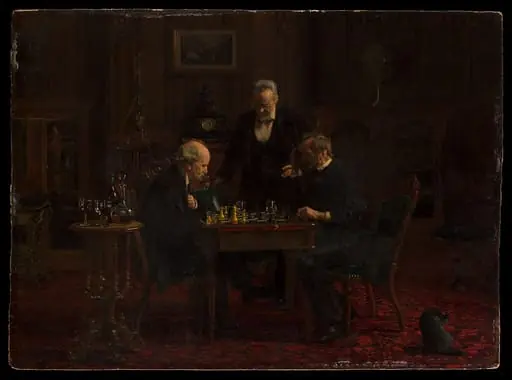 The Chess Players
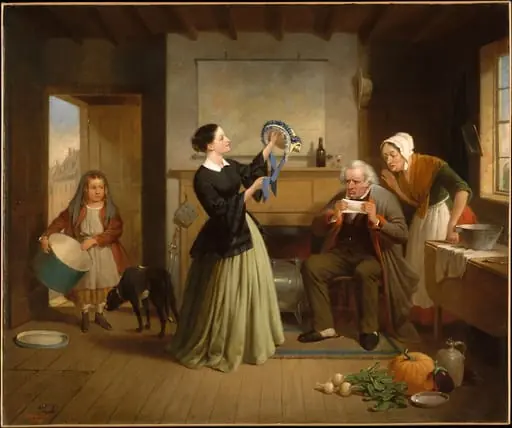 The New Bonnet
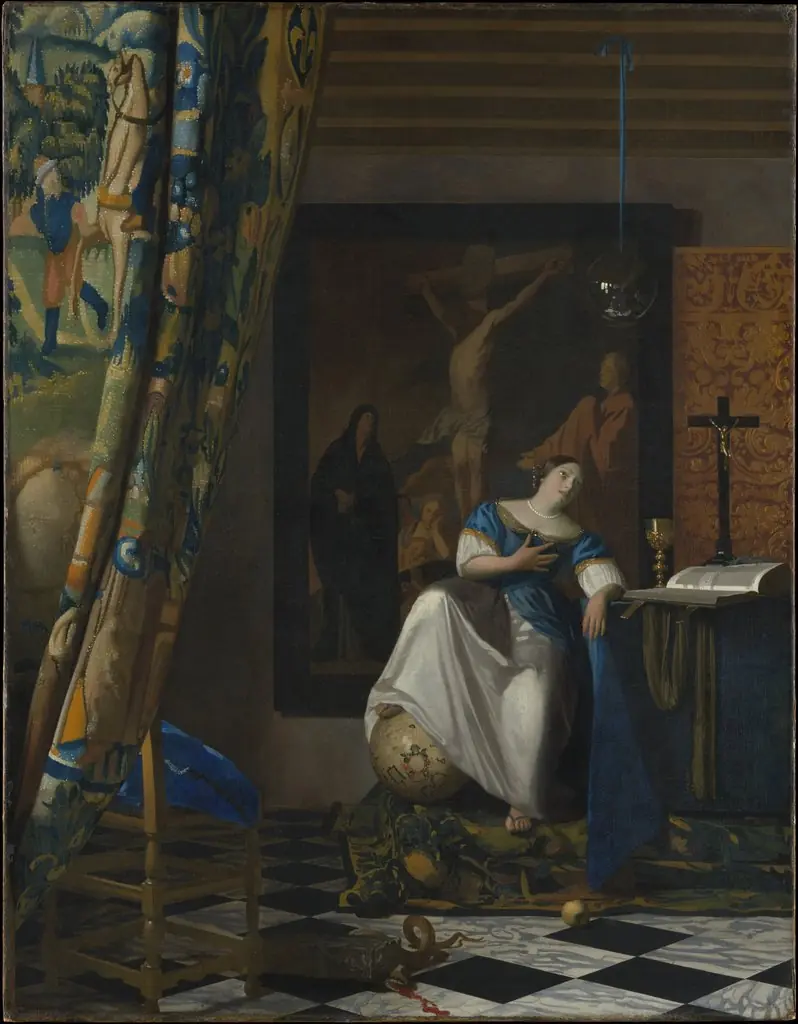 Allegory of the Catholic Faith
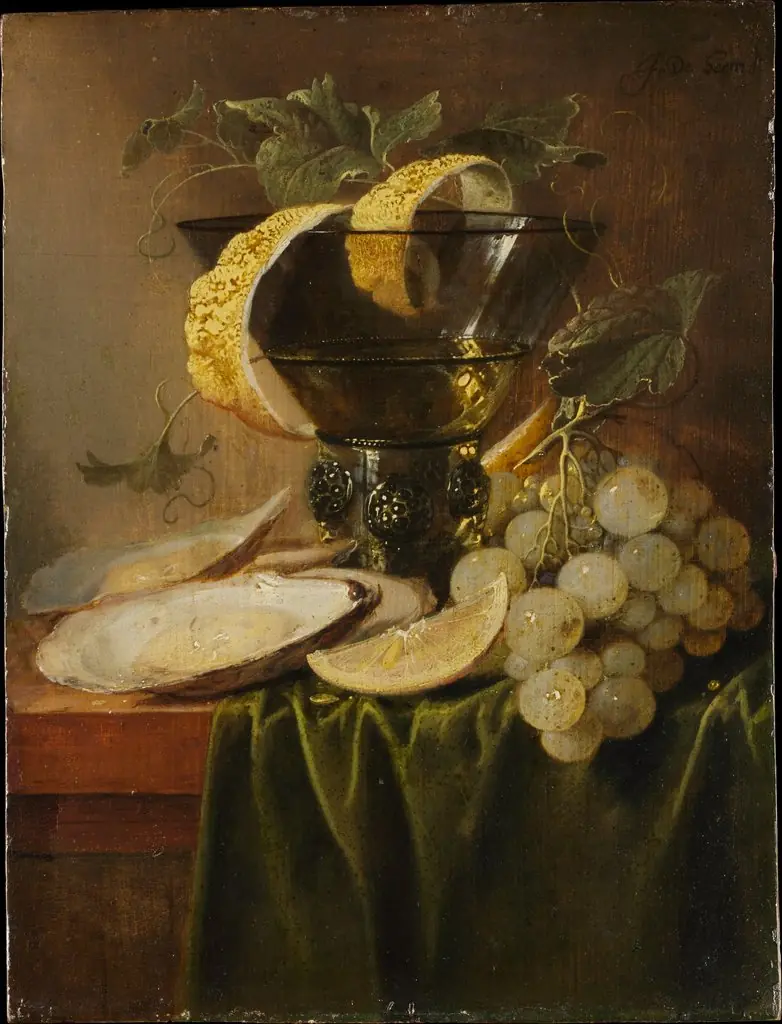 Still Life with a Glass and Oysters
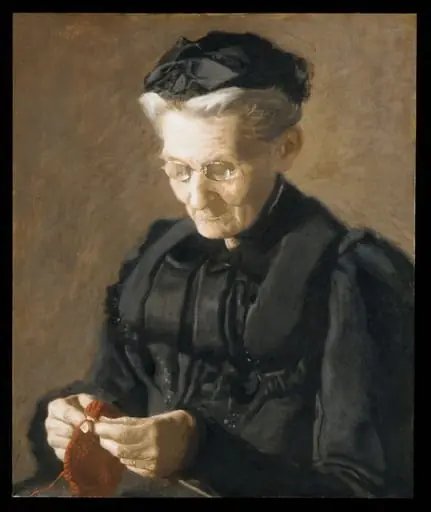 Mrs. Mary Arthur
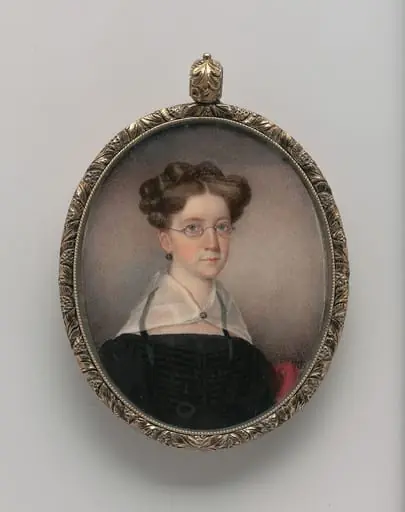 Portrait of a Lady
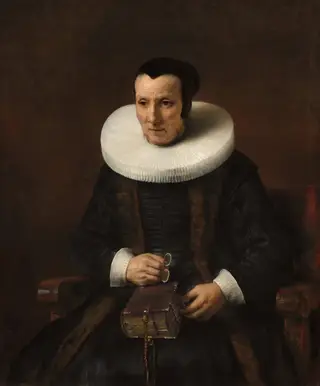 An Old Lady with a Book
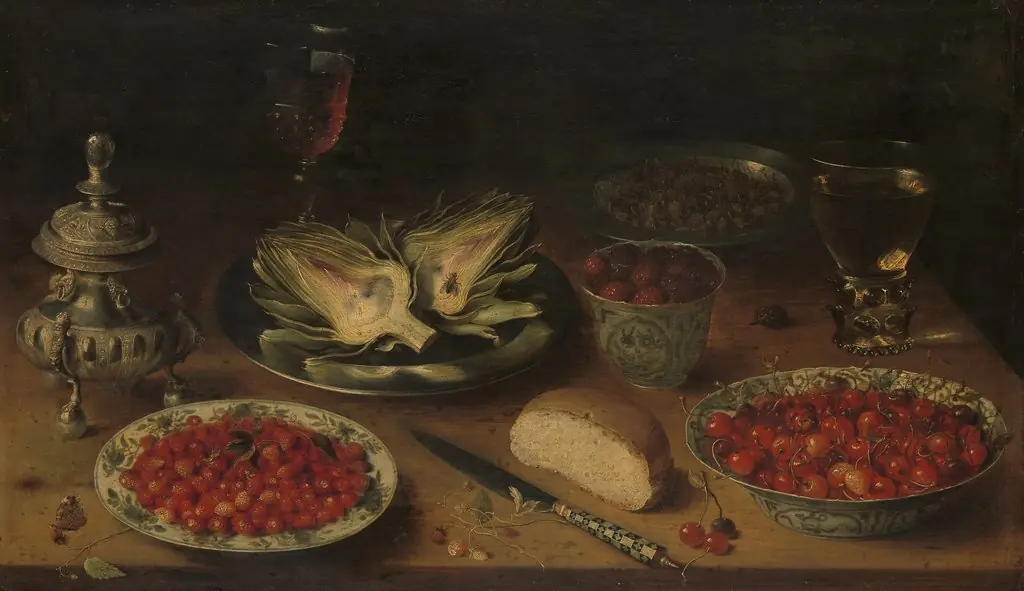 Still life with chinese porcelain, berries, and artichokes
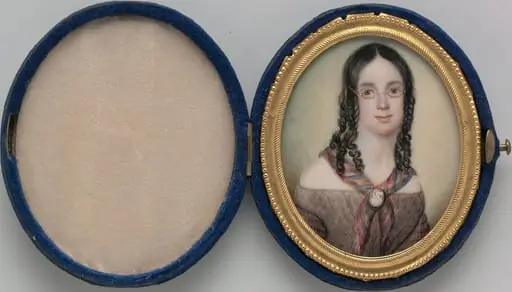 Portrait of a Lady
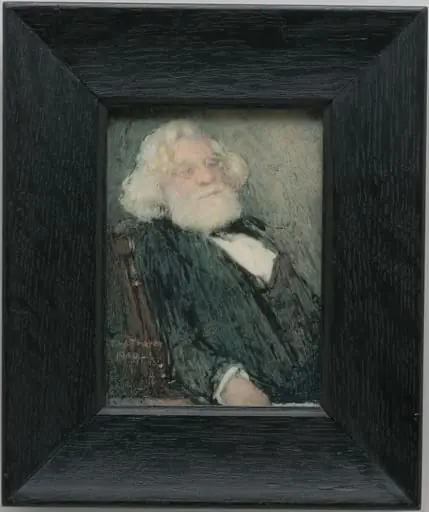 Parke Godwin
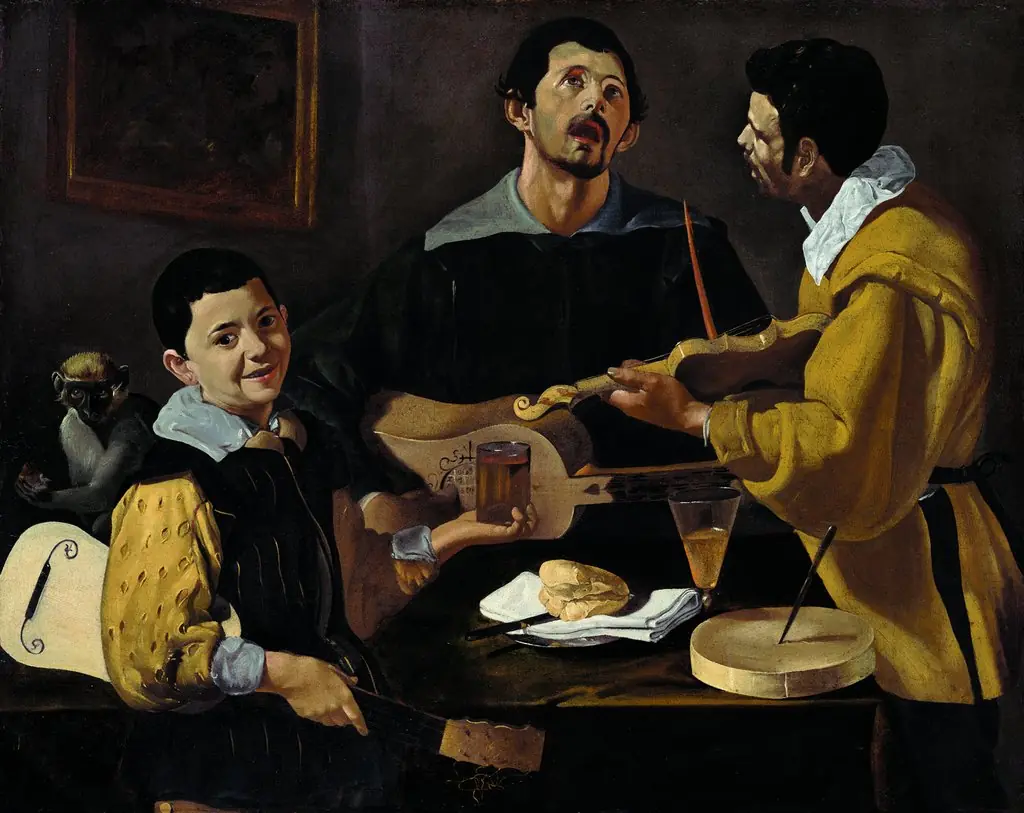 Three Musicians
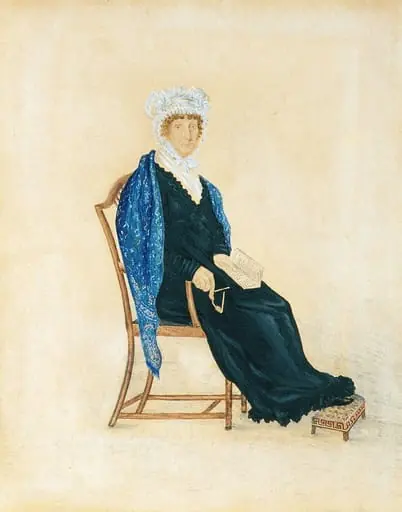 Portrait of Mrs. Crofts
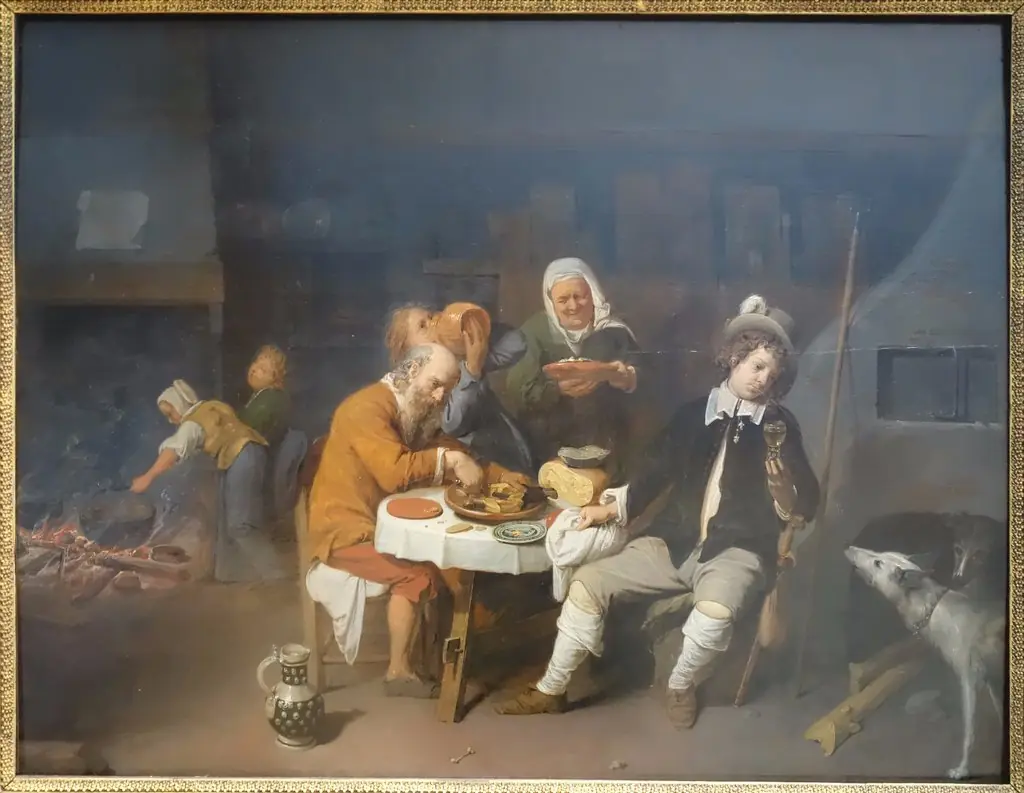 Dinner at a Farmhouse
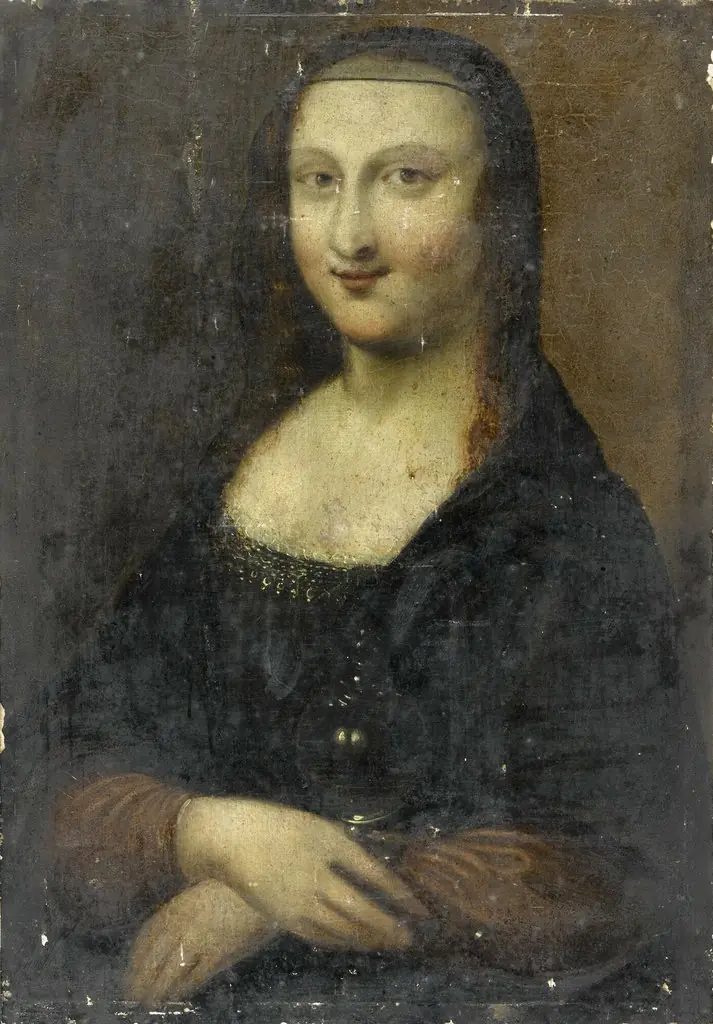 Mona Lisa (copy)
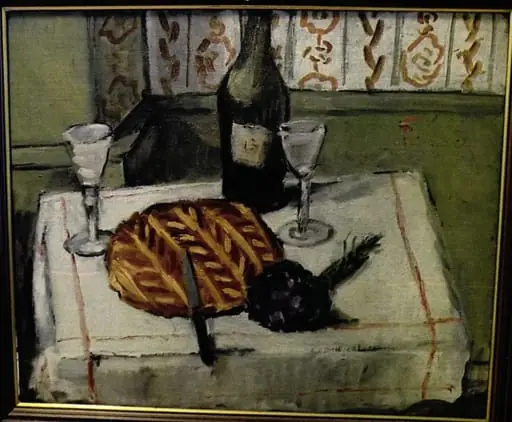 Azimă
Azimă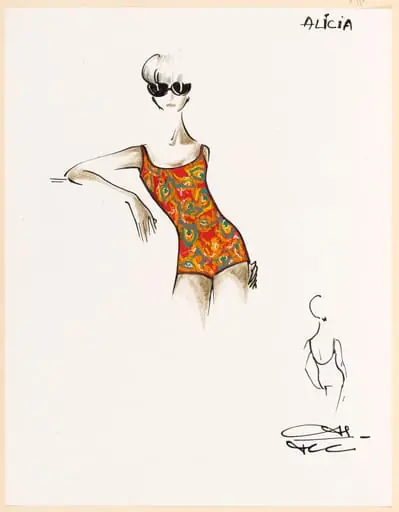 Alicia
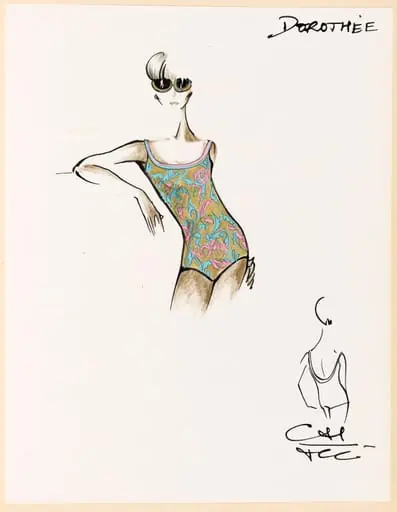 Dorothée
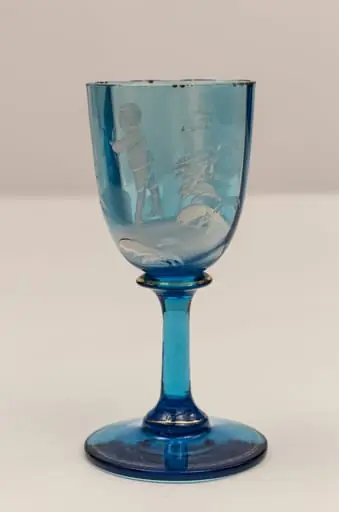 Piesă din sticlă suflată, modelată și pictată, alcătuită dintr-o cupă tronconică, fin fațetată și un picior subțire și înalt, cu talpă circulară, delimitat de două inele în relief. Piesa se încadrează, prin modul de realizare a decorului, stilului artistei Mary Gregory, specializată în sticla emailată, cu personaje și scene realizate alb pe alb pe suportul colorat (turcoaz în acest caz). Decorul apare pe cupa vasului, reprezentând o scenă cu un băiat îmbrăcat în stil victorian, ținând flori în mână, situat într-un cadru natural plin de vegetație (arbori). Piciorul și talpa paharului sunt decorate cu motive circulare aurii. Piesa se încadrează din punct de vedere estetic centrelor cehoslovace, fiind realizată posibil înaintea celui de-al Doilea Război Mondial (elemente detaliate; detalii punctate). Cromatică: turcoaz transparent, alb lăptos, auriu.
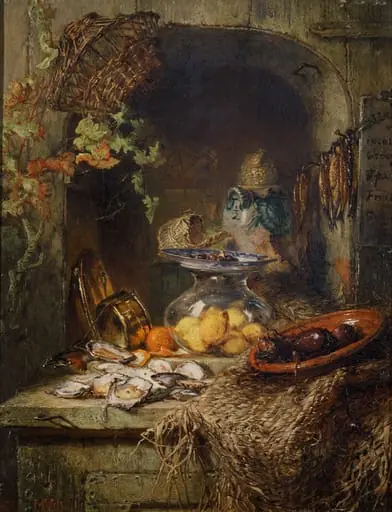 Natură statică
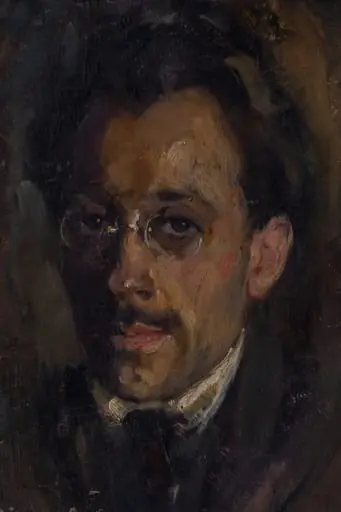 Portret de bărbat (Riconti)
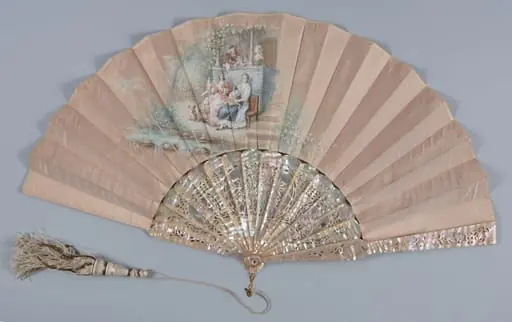 Eventail plié
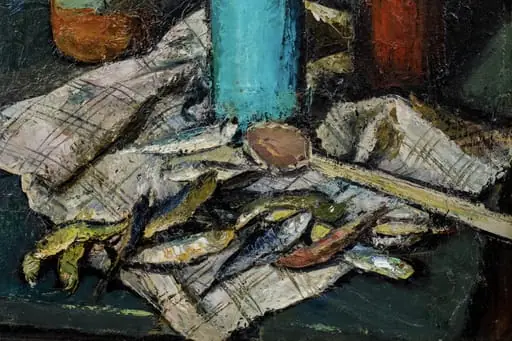 Natură statică (pești, linguri)
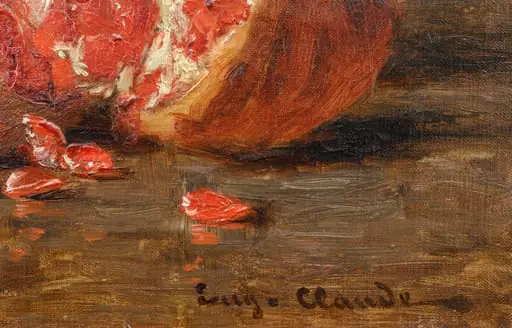 Natură statică
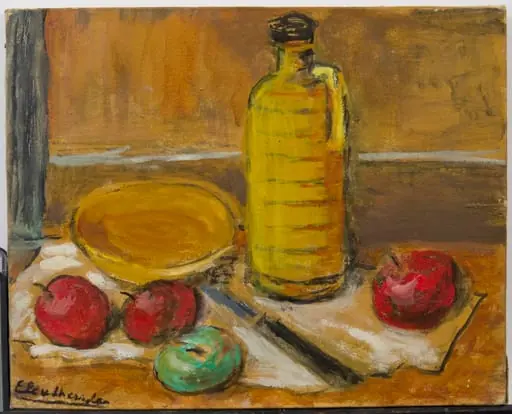 Natură statică cu mere
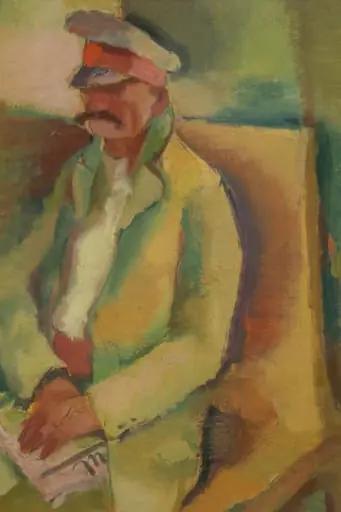 Ceferistul
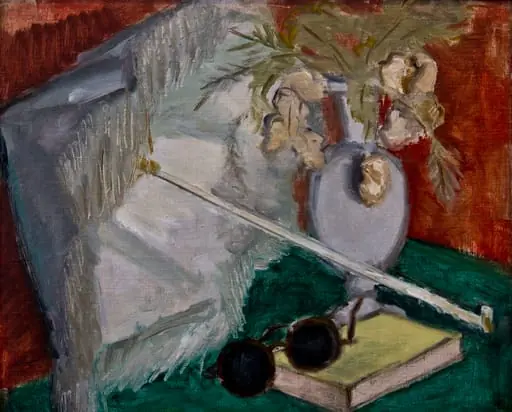 Natură statică cu carte galbenă, ochelari și vas cu flori
 ODIHNA MICILOR LĂUTARI
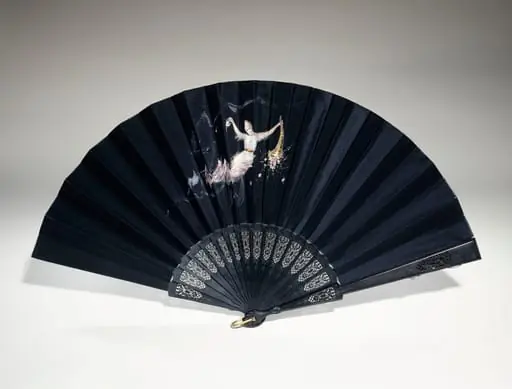 Eventail à système
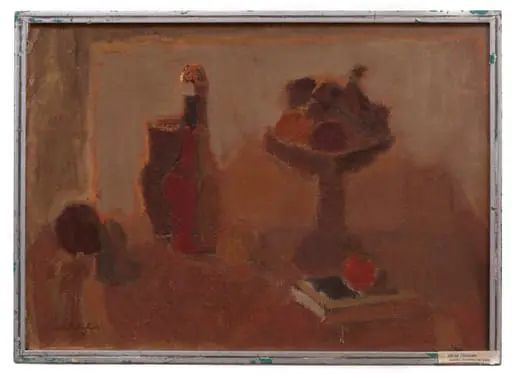 Natură statică cu roșuri
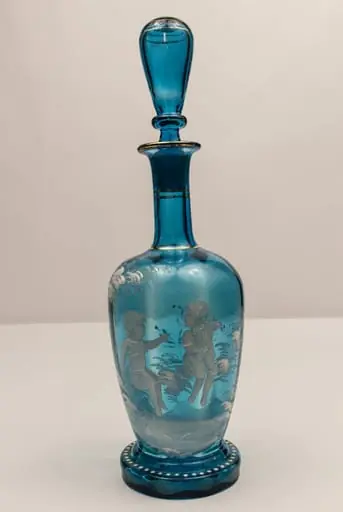 Piesă din sticlă suflată, modelată și pictată, de formă bombată, cu gât îngust, buză răsfrântă și bază rotundă. Are un dop de formă bulbară, care prezintă o prelungire ce se introduce în sticlă. Piesa se încadrează, prin modul de realizare al decorului, stilului artistei Mary Gregory, specializată în sticla emailată, cu personaje și scene realizate alb pe alb pe suportul colorat (turcoaz în acest caz). Decorul apare pe corpul vasului, reprezentând o scenă cu două fetițe șezând situate într-un cadru natural plin de vegetație (arbori). Una dintre ele ține în brațe un buchet de flori. Gâtul sticlei este decorat cu patru motive circulare aurii, iar la bază apare un cerc realizat din motive punctiforme. Pe dop apar două cercuri concentrice și un disc auriu. Piesa se încadrează din punct de vedere estetic centrelor cehoslovace, fiind realizată, posibil, înaintea celui de-al Doilea Război Mondial (elemente detaliate, detalii punctate). Cromatică: turcoaz transparent, alb lăptos, auriu.
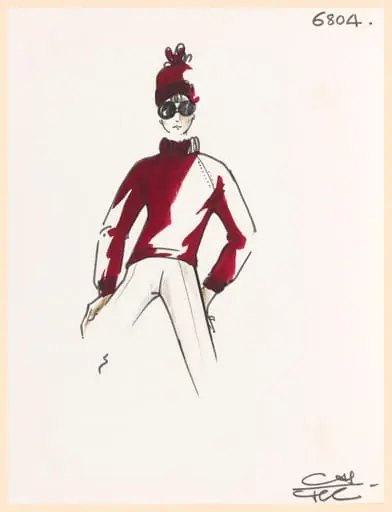 Pull-over à manches longues pourpre, bonnet assorti, pantalon et lunettes de soleil
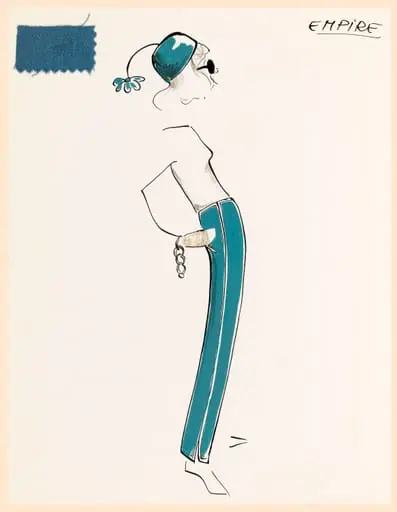 Empire
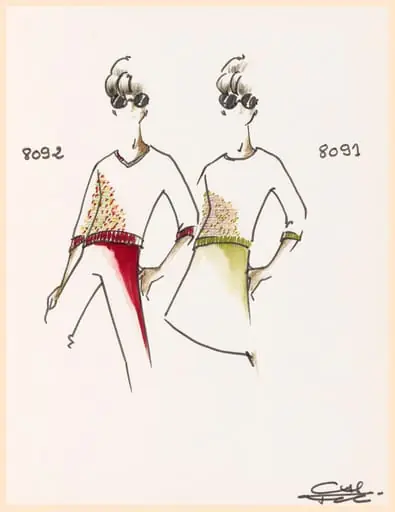 Pull-over à manches trois quarts et à encolure V à motifs multicolores, pantalon cerise et lunettes de soleil
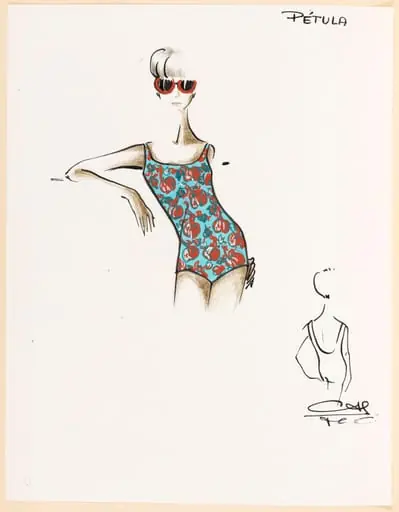 Pétula
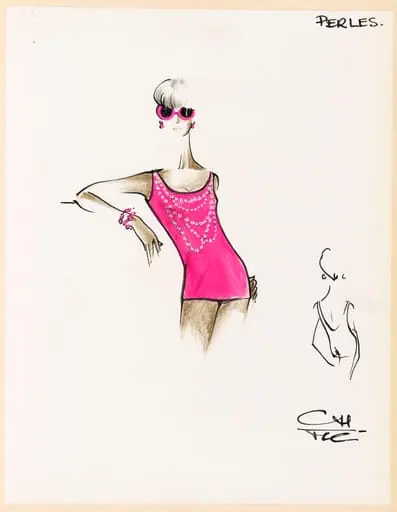 Perles
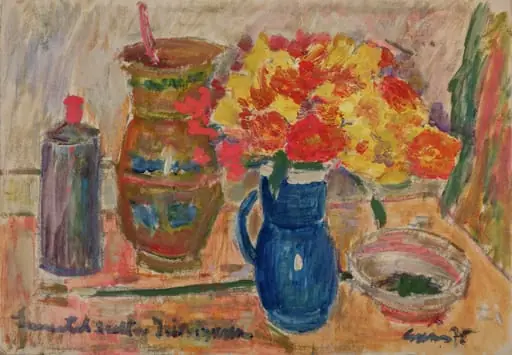 Eboșă a unei compoziții cu o ulcică albastră cu flori roșii și galbene și o strachină în jumătatea din dreapta, prim-plan. În plan secund, în jumătatea din stânga, o ulcică verde-brun și o sticlă. Fundal si suport neutru. Disproporție in ceea ce privește formele prin mărimea exagerată a ulciorului din planul al doilea; disonanță cromatică în elaborarea vasului cu flori, lipsa contrastului cald-rece. Semnat și datat cu albastru, dreapta jos: Craiu (19)75.
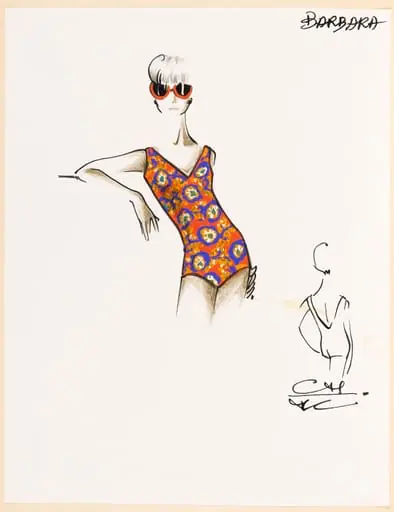 Barbara
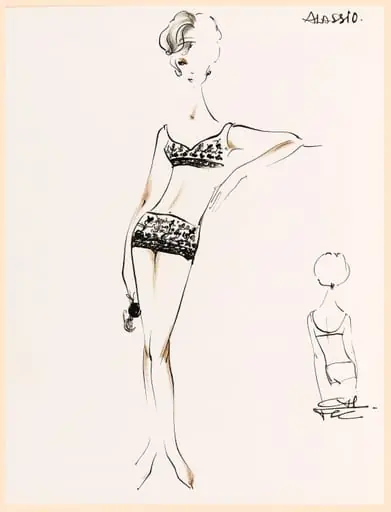 Alassio
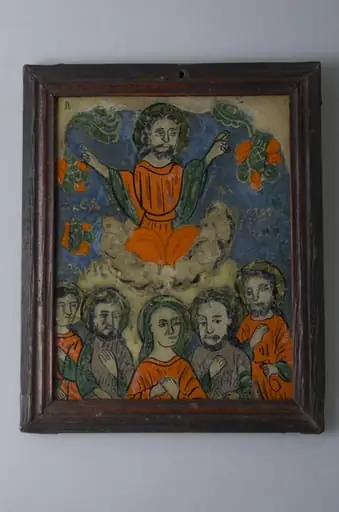 În registrul superior central, este reprezentat Iisus cu brațele larg deschise și binecuvântând, plutind pe norii slavei. În registrul inferior este redată central Fecioara Maria încadrată de grupul apostolilor, în dreapta ei Sfântul Petru cu cheia în mână, alături de un alt sfânt apostol, în stânga ei sfinții Pavel și Ioan. În registrul superior, de o parte și de cealaltă a lui Iisus este redat pe fundalul albastru elemente florale. Icoana are o ramă din lemn de brad cu elemente profilate pe latura interioară, grunduită. Cromatică: albastru; roșu pal; verde; oliv; negru și foiță de aur.
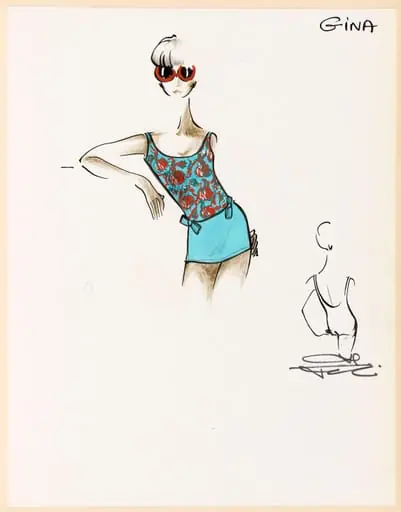 Gina
Gina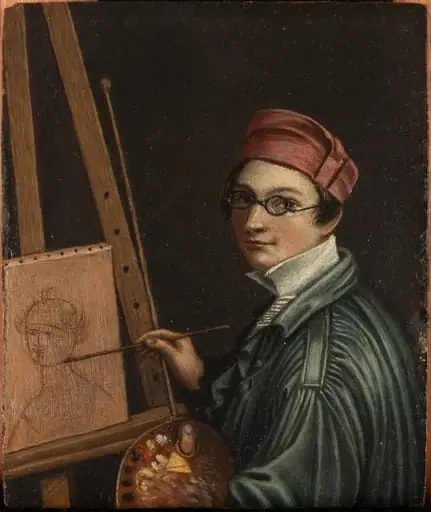 Selbstbildnis des Malers Anton Meier vor der Staffelei
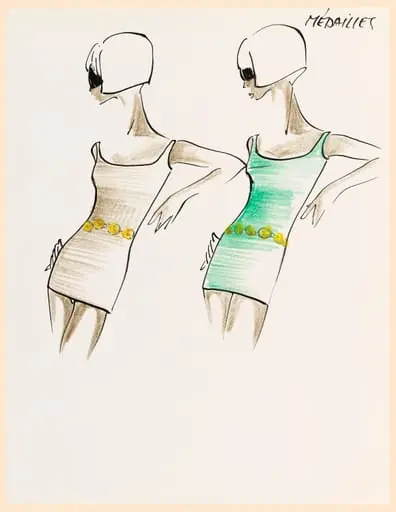 Médailles
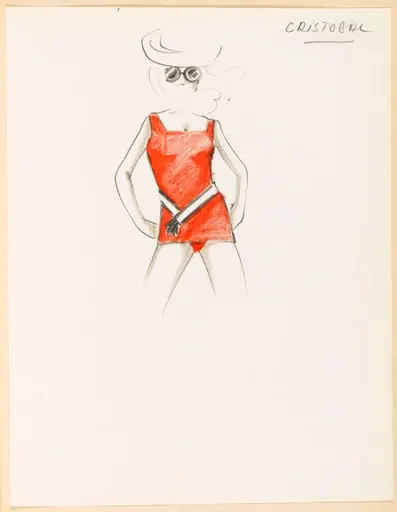 Cristobal
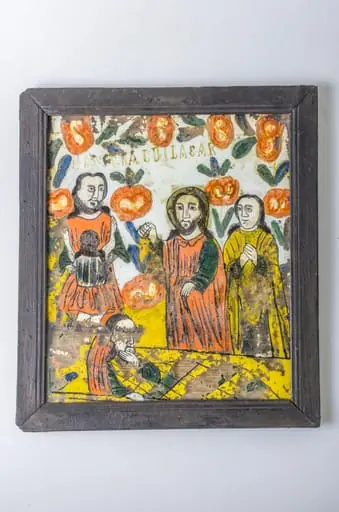 Figura centrală a icoanei este Iisus stând în fața mormântului sărmanului Lazăr, pe care îl învie, ridicând semnificativ , dreapta cu degetele strânse. La picioarele lui Iisus, Lazăr stă întins în mormânt cu corpul acoperit de fașele obișnuite pentru stilul de înmormântare, capul ridicat trezindu-se, mâna stângă adusă spre bărbie. În stânga lui Iisus, se remarcă o figură bărbătească luând în brațe un copil, reprezentat din spate, simbolizând probabil, intrarea în sânul lui Avram al sărmanului Lazăr, semn al intrării în rândul drepților (sufletul fiind reprezentat sub formă de copil). În dreapta lui Iisus un apostol. Cromatica: bleu, roșu, galben, verde. În partea superioară e scris „Învierea lui Lazăr”. Pe spate, icoana este întărită cu o placă din lemn de esență moale.
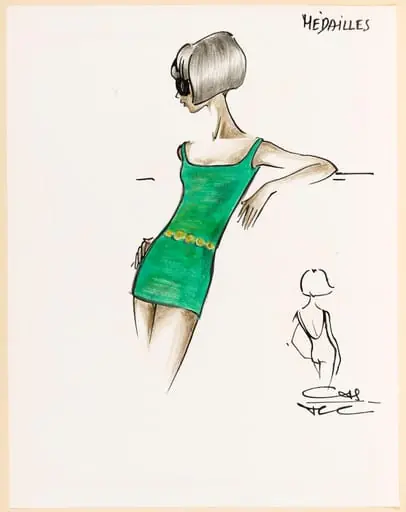 Médailles
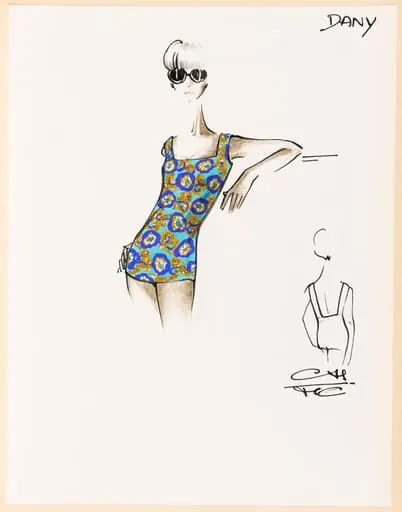 Dany
Dany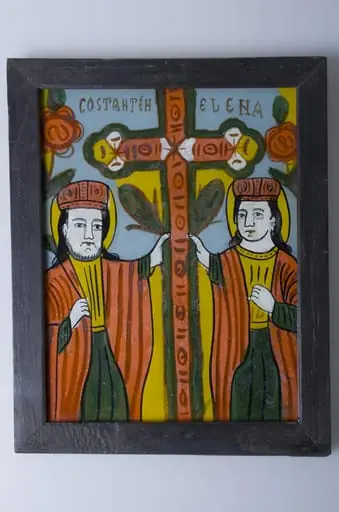 Icoana este pictată pe sticlă, cu reprezentarea Sfinților Împărați Constantin și Elena, îmbrăcați în veșminte împărătești, redați de o parte și de cealaltă a crucii. Deasupra Sfinților este înscris textul: „Constantin
 Icoana o prezintă pe Maica Domnului cu capul orientat spre dreapta cu coroana pe cap; pe bratul sting Isus copil. Decorul este reprezentat de motive florale pe fundal: trandafiri; Cromatică: roșu; verde; galben; alb; fond albastru.
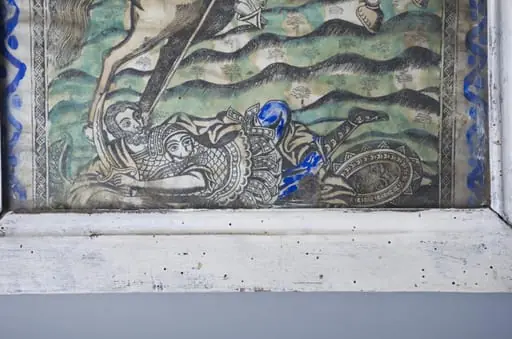 Icoană de formă patrulateră, cu rama compusă din patru fâșii de lemn îmbinate între ele. Toate cele patru elemente componente ale cadrului sunt prevăzute cu o șănțuire concavă, longitudinală. Tema iconografică este reprezentată de Sf. Dumitru călare, îmbrăcat în echipament militar (platoșă și suliță). În câmpul inferior al icoanei, sunt reprezentate două personaje, culcate la pământ, împunse cu sulița de către Sf. Dumitru. Pe fundalul temei este reprezentată imaginea unui oraș fortificat cu ziduri crenelate din cărămidă. Cromatica: negru, albastru, roșu, verde.
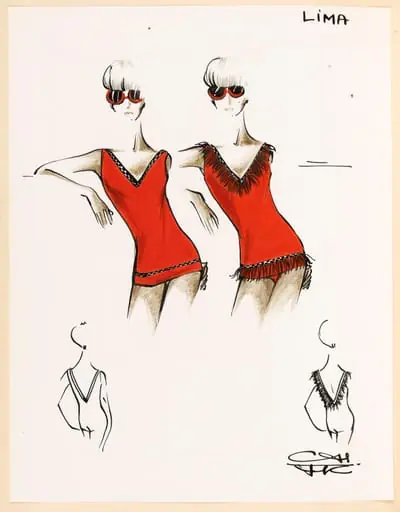 Lima
Lima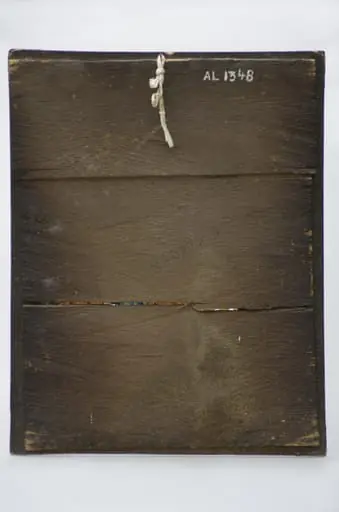 Icoană cu tema. Fecioara și pruncul Isus, ținut în mâna dreaptă; sus un chenar cu flori. Cromatică: fond albastru; culori: negru; alb; verde; galben.
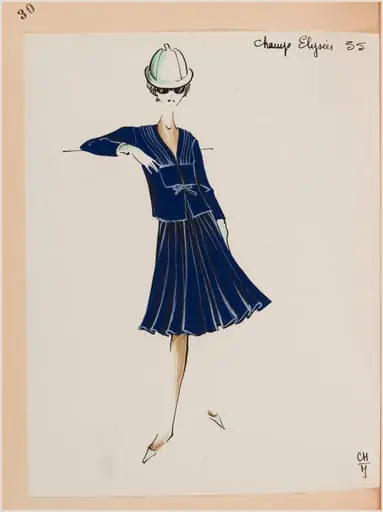 Champs Elysées
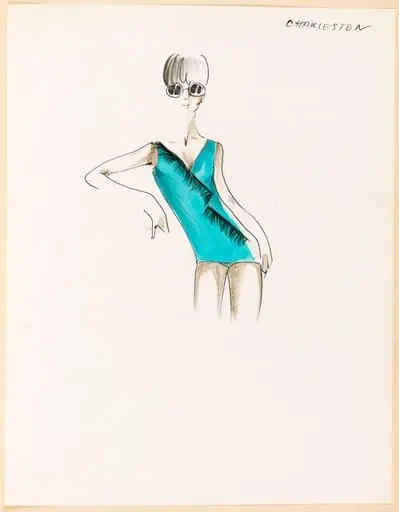 Charleston
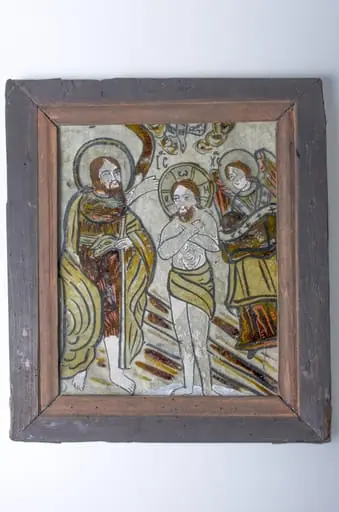 Icoana este pictată pe sticlă, având tema Botezului. Iisus se află în apa Iordanului fiind încadrat în stânga de Sfântul Ioan Botezatorul iar în dreapta de un înger cu năframa în mâini. Deasupra lui Hristos, în nori, este redat Sfântul Duh în chip de porumbel, iar dedesubt sunt înscrise în grafie chirilică prescurtarea numelui lui Iisus: „ICXC”. Pe verso-ul ramei sunt prinse scânduri subțiri din lemn pentru protecția icoanei. Cromatică: fond: gri; roșu; alb; negru; culoarea lemnului grunduit.
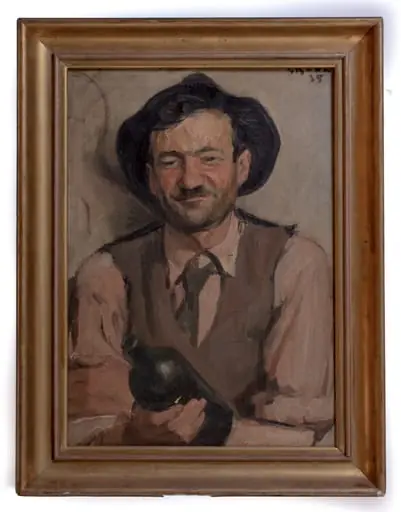 Băutorul
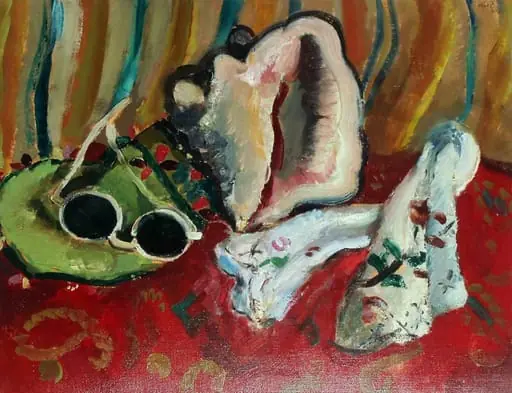 Natură moartă cu scoică
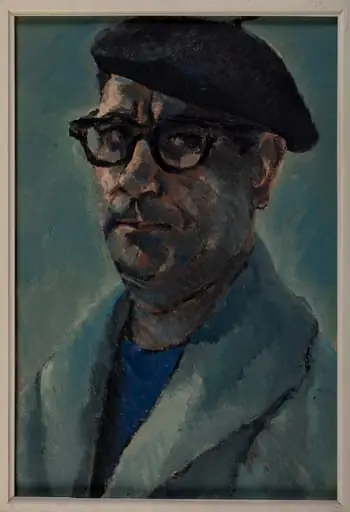 Autoportret
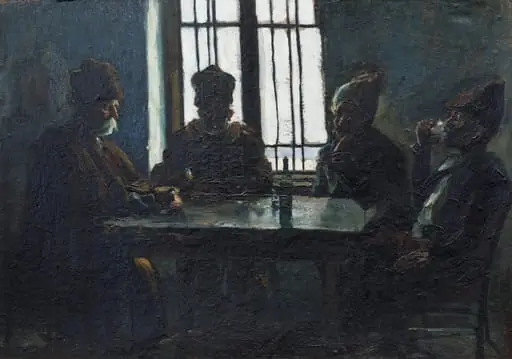 În cârciumă
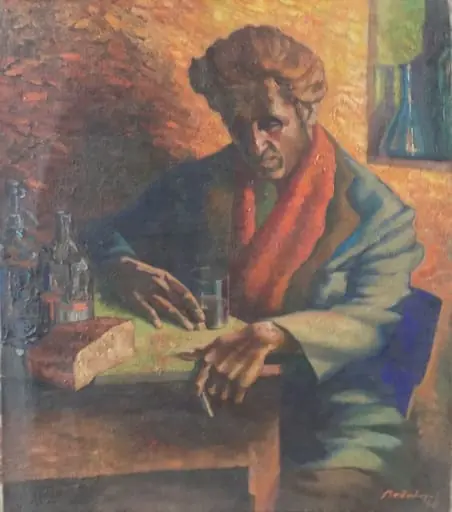 Ultimul han
 Scrumbii afumate
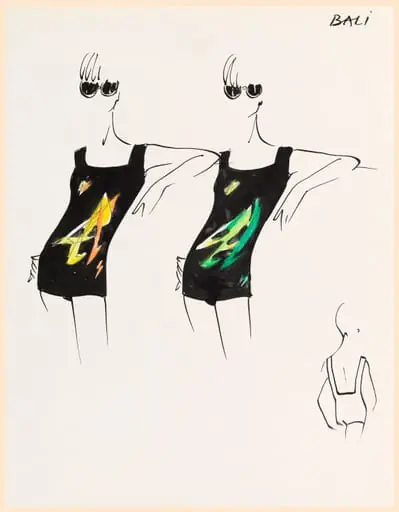 Bali
Bali Icoana este pictată pe sticlă, reprezentând Botezului Domnului. Iisus Hristos în apa Iordanului este reprezentat central, încadrat de o parte și de cealaltă de Sf. Ioan Botezătorul și de un înger cu năframă în mâini. Deasupra lor Sfântul Duh reprezentat în chip de porumbel revarsă raze asupra personajelor. Într-un nor pictat la partea superioară a imaginii este înscris în grafie chirilică textul: „Botezul lui HS”. Fundalul pe care sunt redate personajele este de culoare albastră pe acesta fiind ilustrate flori în culorile alb și maro. Cromatică: auriu; roșu; maro; galben; negru; albastru.
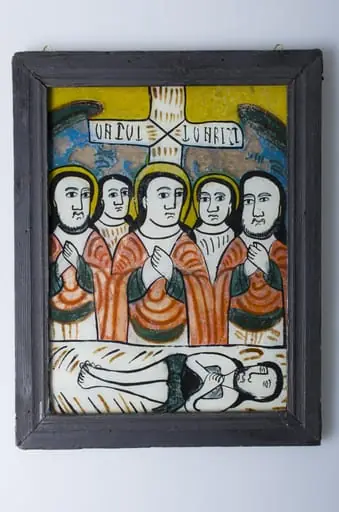 Icoana este pictată pe sticlă, având tema "Plângerea lui Iisus"; în registrul secund este ilustrat Iisus întins pe lințoliu, în jurul lui aflându-se un grup de cinci persoane, în mijlocul lor fiind reprezentată Sfânta Fecioară. Pe verso, de rama din lemn, pentru a proteja icoana, sunt prinse câteva scânduri. Rama este realizată din lemn de brad cu elemente profilate pe latura interioară, grunduită. Cromatica: alb; negru; roșu; galben; albastru; culoarea patinată a lemnului (rama).
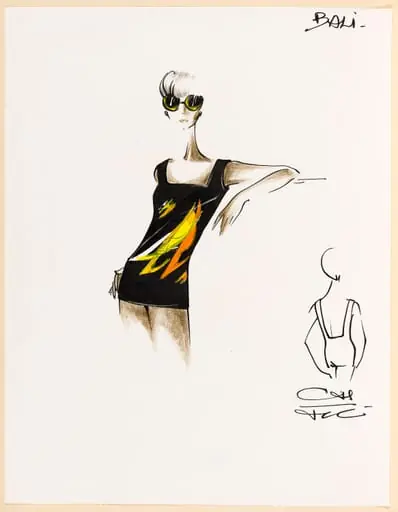 Bali
Bali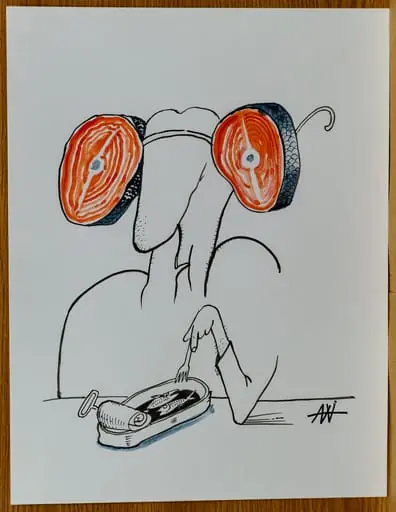 Viziune
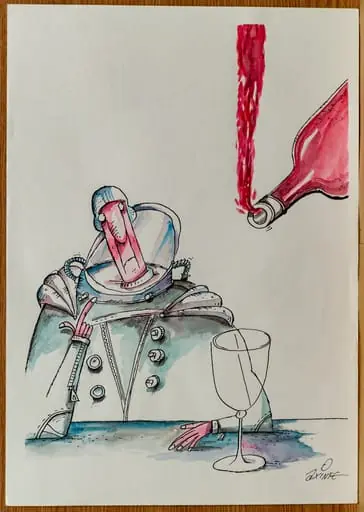 Imponderabilitate
 Soțul meu
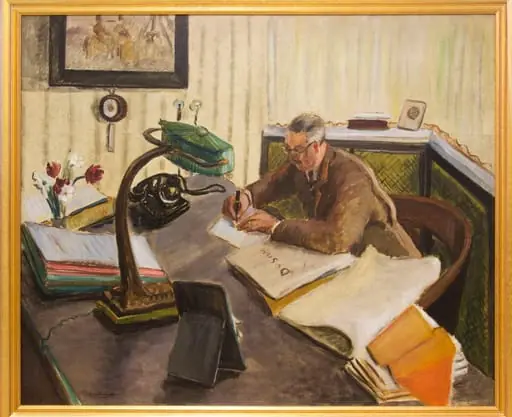
 Conversație la birou
 Natură statică
 Chimie
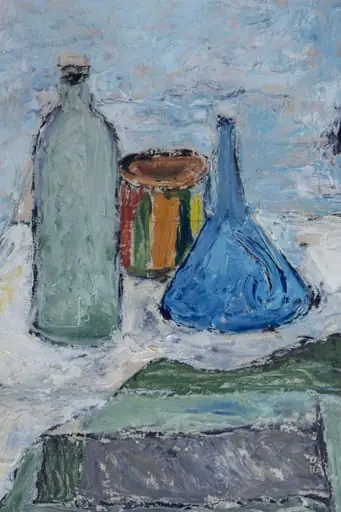 Natură statică
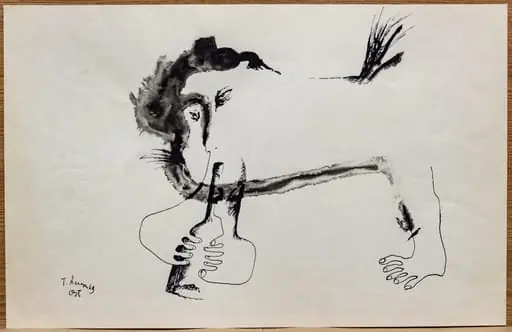 Bețiv I
 Untitled
Frequently asked questions
What is Glass?
Glass or Glaß is a surname with several sources.
How many Glass works does Artifact World Gallery have?
Artifact World Gallery holds 73 public-domain Glass works, all free to view and download.
Who are the key Glass artists?
Key Glass artists in the collection include Thomas Eakins, Francis William Edmonds and Johannes Vermeer.
Where can I see Glass works?
Glass works in the collection are held by Palais Galliera - Musée de la Mode de la Ville de Paris, Moldova National Museum Complex and Metropolitan Museum of Art.