Artwork
Χωρίς τίτλο
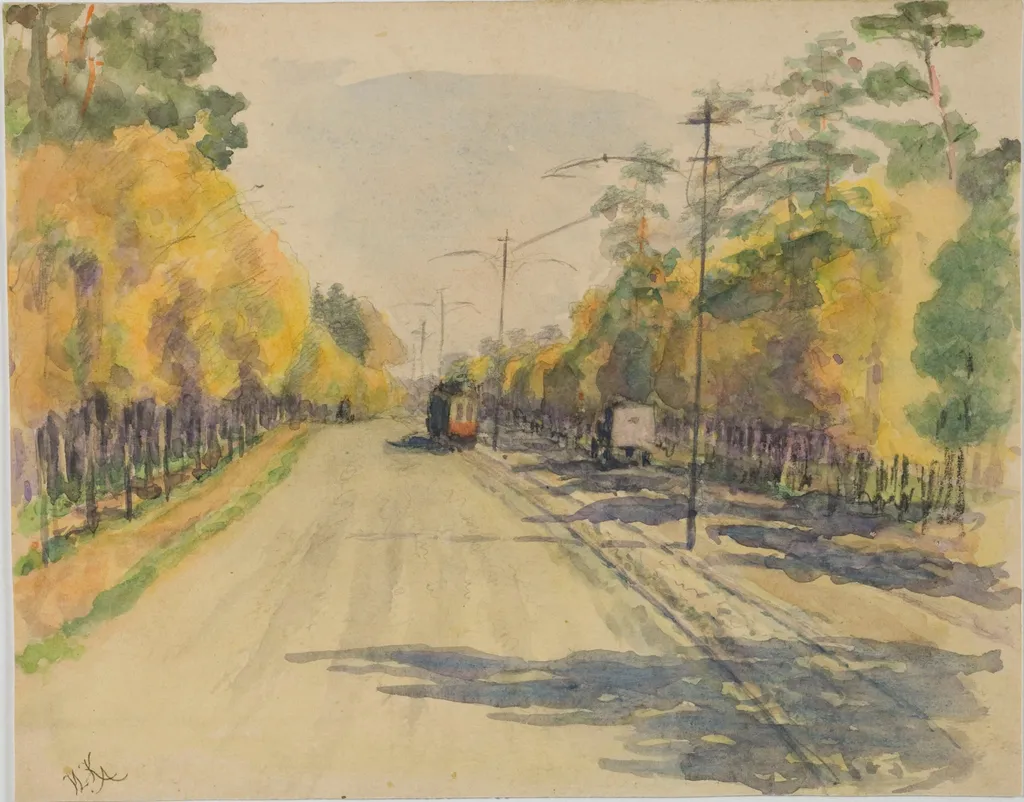
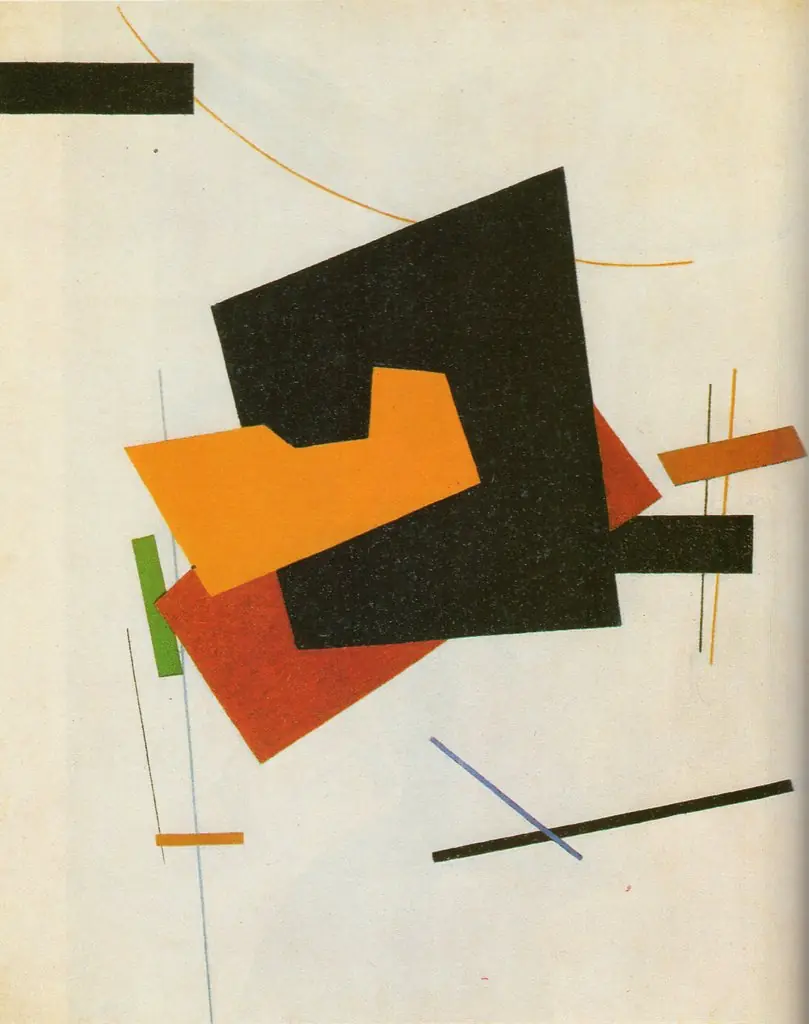
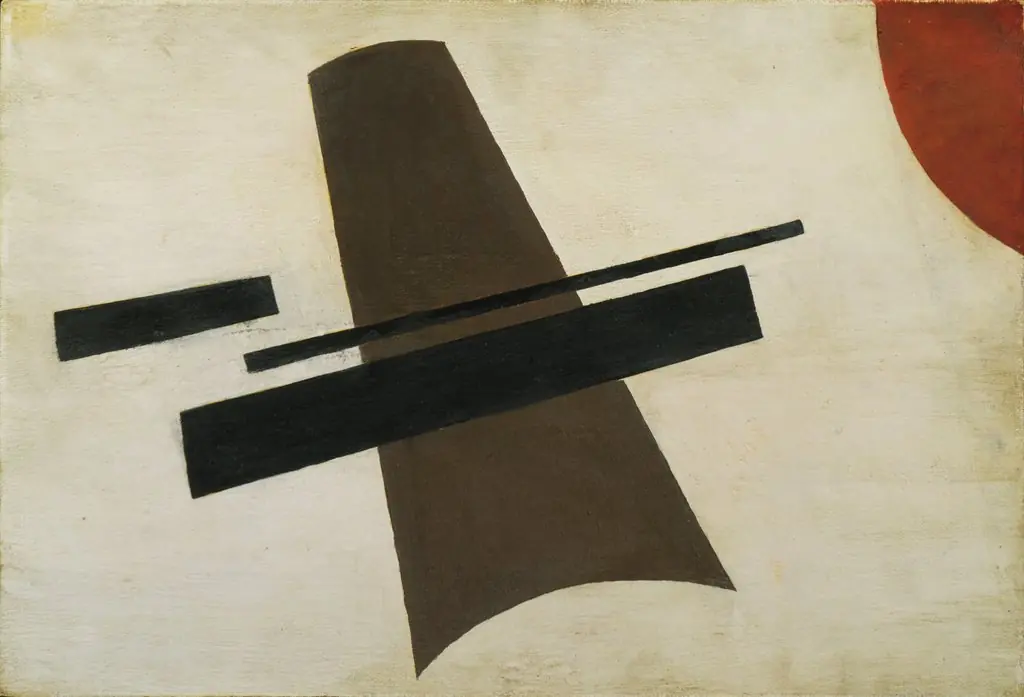
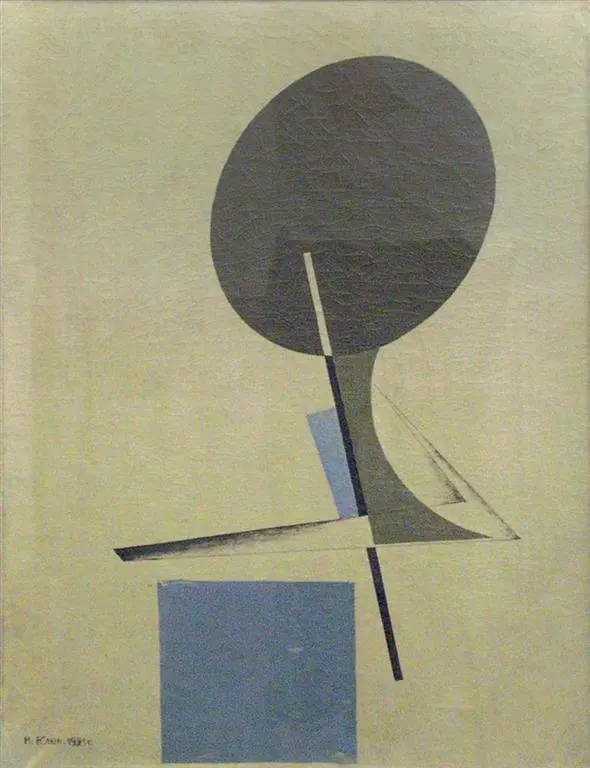
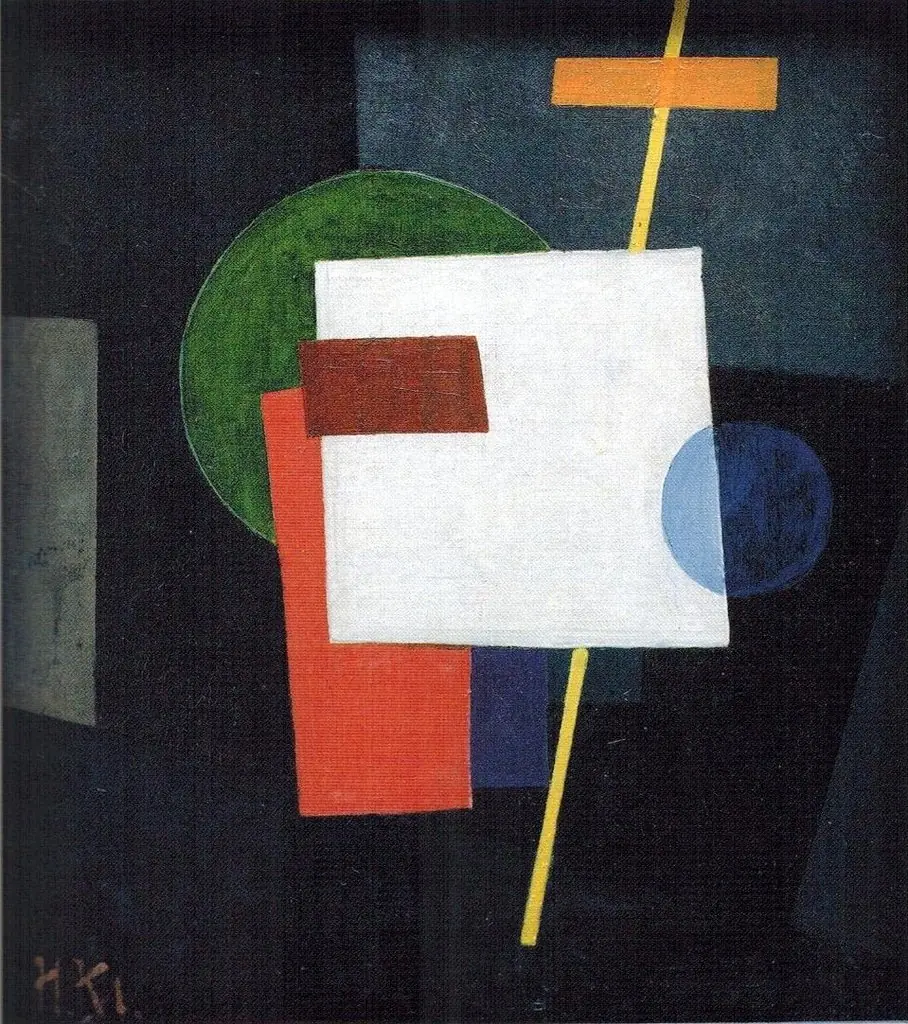
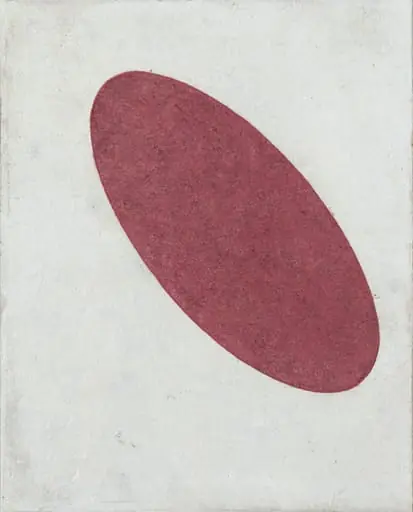
Χωρίς τίτλο is an unspecified painting by the Suprematist artist Ivan Kliun. It dates from 1928 and is held in the collection of the Metropolitan Organisation of Museums of Visual Arts of Thessaloniki – MOMus.
About this work
This work quietly resists the strict rules of Socialist Realism that were pushed in the USSR by 1934.
Ivan Kliun painted a grid of white squares on a white background in 1928. It looks simple, even empty. But the squares aren’t perfectly even. Some edges wobble. Small shadows give them depth.
This work quietly resists the strict rules of Socialist Realism that were pushed in the USSR by 1934. Artists were told to paint only clear, approved scenes of revolutionary progress. Kliun’s subtle, abstract shapes refused that demand.
Look up Ivan Kliun, Ivan (1873-1943)
Overview
Painted in 1928, this work by Ivan Kliun consists of a loose grid of white squares on a white ground. Though visually minimal, the subtle irregularities in edge alignment and faint tonal shifts suggest hand-made precision rather than mechanical repetition. Created years before Socialist Realism became state doctrine, the piece stands as a quiet assertion of abstract inquiry amid growing pressures for figurative conformity in Soviet art.
Subject & Meaning
The painting presents no narrative, figures, or ideological symbols. Instead, it explores spatial relationships through monochrome geometry. Its meaning lies in its refusal to serve political messaging, offering instead a contemplative space defined by texture, shadow, and subtle variation.
In a cultural climate increasingly hostile to abstraction, this work became an act of non-verbal resistance, prioritizing formal exploration over prescribed realism.
Technique & Style
Kliun applied paint with deliberate, non-industrial precision. The squares vary slightly in size and alignment; edges are not rigidly straight, and faint shadows suggest layered application. The white-on-white composition relies on nuance rather than contrast, demanding close observation. This restrained technique reflects a continuation of Suprematist principles, emphasizing material presence over symbolic content.
History & Provenance
Created in 1928, the work predates the 1934 official mandate of Socialist Realism. Kliun, once active in avant-garde circles, began shifting toward more conventional subjects in the early 1930s under institutional pressure. This painting likely remained in private hands, avoiding public display during the height of state censorship. Its survival offers rare evidence of abstract practice persisting in the shadow of enforced realism.
Context
By the mid-1930s, Soviet authorities suppressed experimental art, closing institutions, canceling exhibitions, and penalizing non-conformist artists. The state demanded art that glorified labor, revolution, and progress through clear, legible imagery. Kliun’s abstract composition, though not overtly political, defied this mandate by rejecting representation entirely. Its existence underscores the tension between artistic autonomy and state control.
Legacy
Though Kliun later adopted figurative styles under duress, this work remains a testament to the resilience of abstract thought in Soviet art. It challenges the assumption that all non-Socialist Realist art from the period was extinguished. Today, it is recognized as a quiet but significant artifact of artistic integrity, preserved not through public acclaim but through endurance against erasure.
Own this work as a print
Artist & collection
Artist
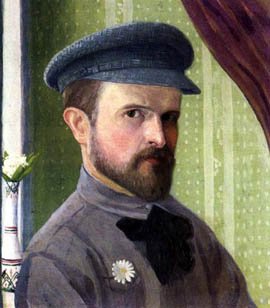
Ivan Vasilievich Kliun, or Klyun, born Klyunkov was a Russian Avant-Garde painter, sculptor and art theorist, associated with the Suprematist movement.
Museum
Metropolitan Organisation of Museums of Visual Arts of Thessaloniki – MOMus
Continue through works from the same source collection.