Artwork
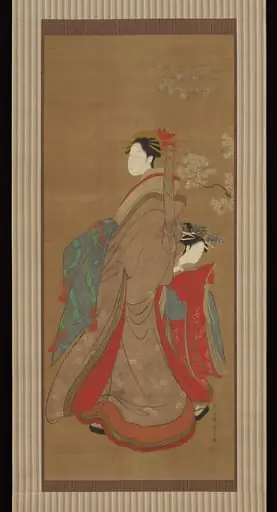
Woman and Two Children
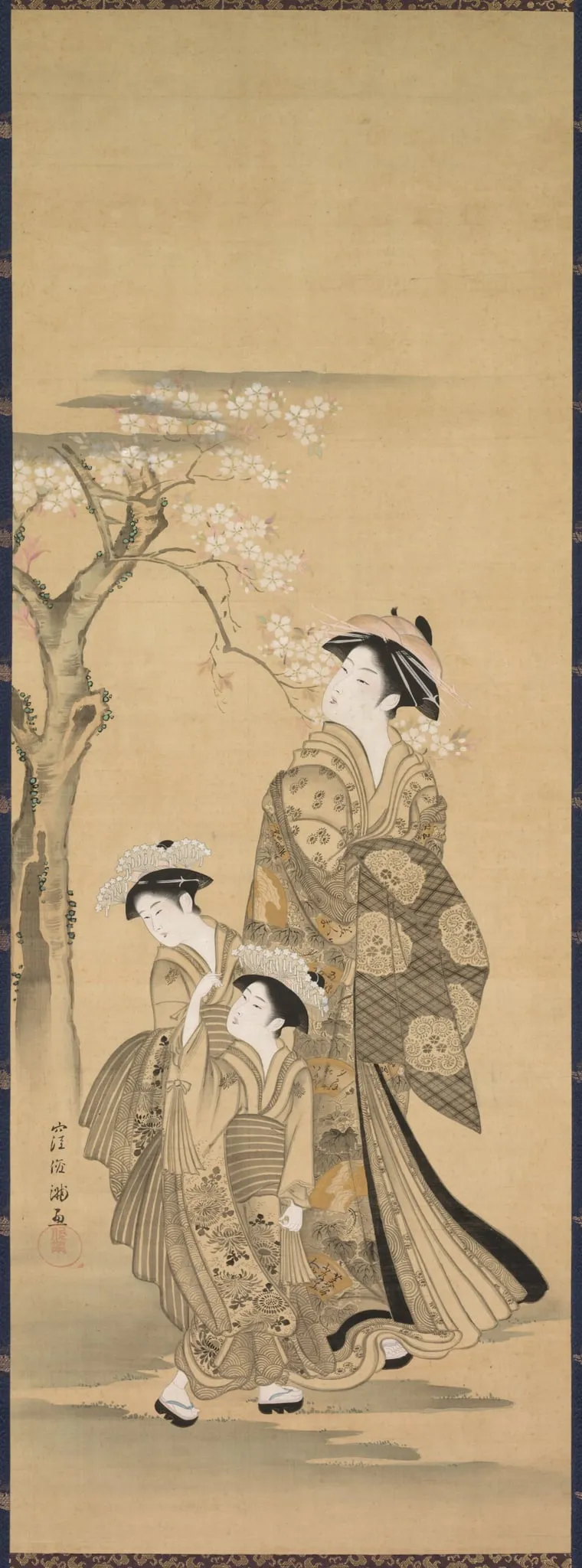
Woman and Two Children is an unspecified painting by the Ukiyo-e artist Kubo Shunman. It is held in the collection of the Cleveland Museum of Art.
- Accession no.
- 1949.382
- Credit line
- Gift of Mrs. John A. Hadden
About this work
Overview
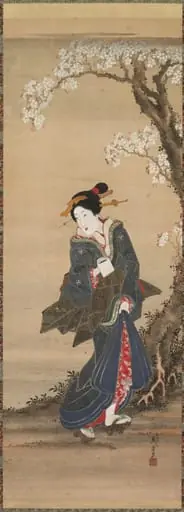
Woman and Two Children is a late Meiji-period painting by Kubo Shunman, dated around 1904. It depicts a quiet outdoor moment featuring a woman and two children walking together. The work is part of the collection at The Cleveland Museum of Art, where it is held as an example of early 20th-century Japanese genre painting that blends traditional aesthetics with subtle modern sensibilities.
Subject & Meaning
The painting portrays a domestic, everyday scene: a woman leading two children through a winter landscape. The figures move in quiet unison, suggesting familial bonds and routine. The matching patterns on the children’s hats and the tree’s blossoms imply a harmony between human life and nature, evoking themes of continuity and seasonal change without overt narrative.
Technique & Style
Shunman employed soft, muted pigments and fluid, unbroken lines to convey stillness and restraint. The robes are rendered with delicate, fine detailing, while the bare tree and pale sky are suggested with minimal brushwork. The composition avoids dramatic contrast, favoring tonal harmony and subtle texture to reinforce the scene’s tranquil mood.
History & Provenance
The painting was created during a period of rapid modernization in Japan, when traditional subjects were still favored by certain artists. It entered the Cleveland Museum of Art’s collection in the 20th century, likely through early Western interest in Japanese prints and paintings. Its provenance prior to acquisition remains undocumented in public records.
Context
Created around 1904, the work reflects a transitional moment in Japanese art, where ukiyo-e traditions persisted alongside Western influences. While urban scenes and modern life gained attention, Shunman chose to focus on quiet rural or suburban moments, aligning with a broader trend among artists who sought to preserve intimate, pre-industrial Japanese life.
Legacy
Though not widely exhibited outside specialized collections, Woman and Two Children exemplifies the quiet endurance of genre painting in early modern Japan. It stands as a modest but thoughtful record of daily life, valued for its restraint and sensitivity rather than its novelty, offering insight into how ordinary moments were preserved in art during a time of sweeping change.
Artist & collection


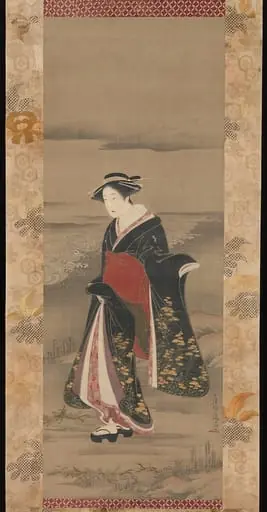
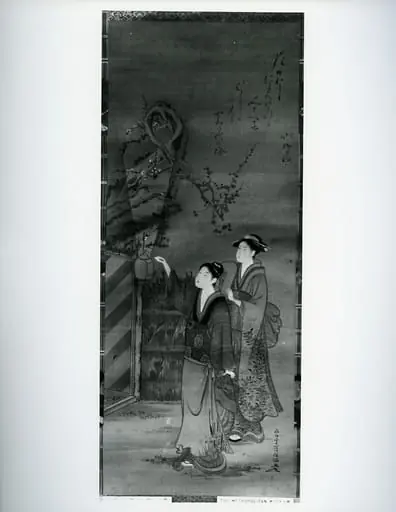
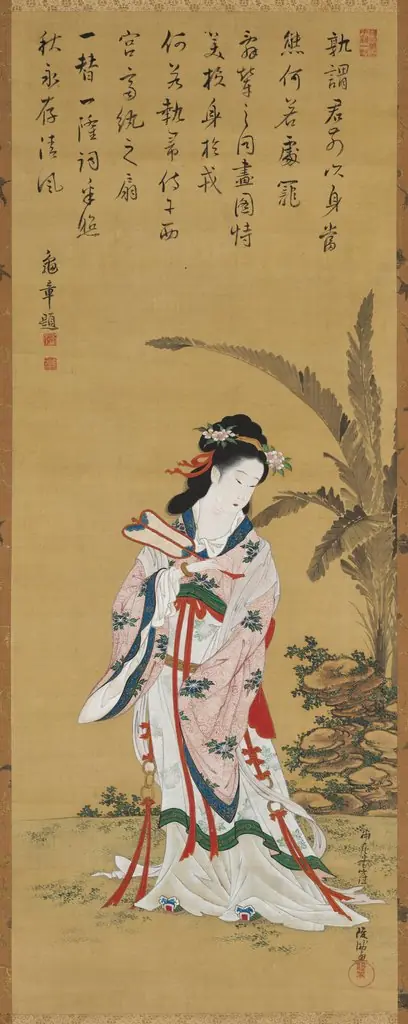
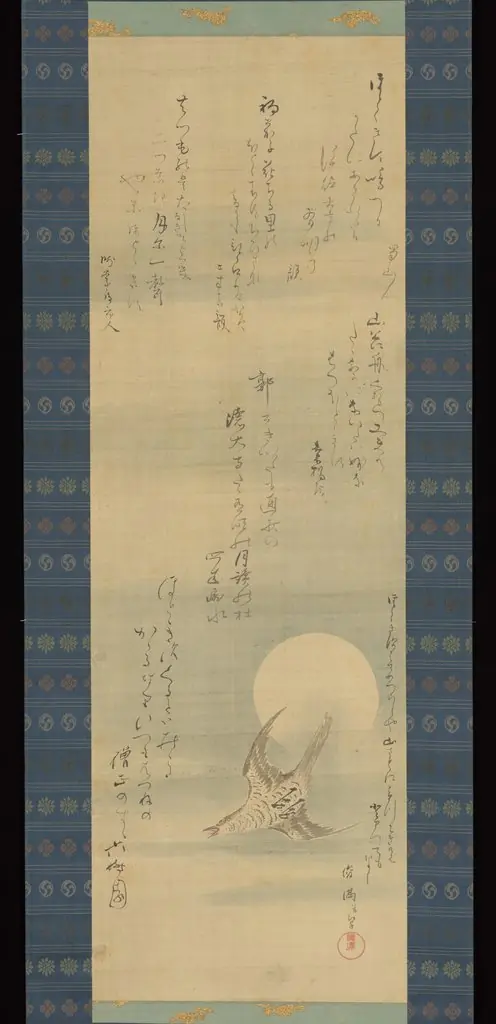
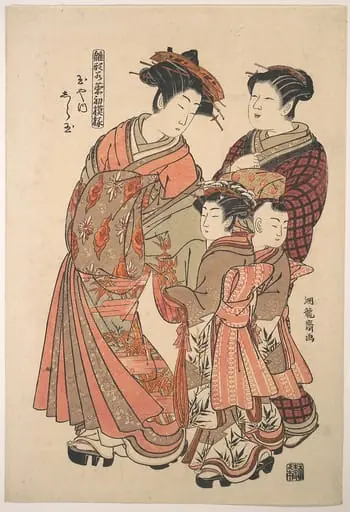 『雛形若菜初模様 玉や内 しら玉』|The Courtesan Shiratama of the Tamaya Brothel, from the series “A Pat-tern Book of the Year’s First Designs, Fresh as Spring Herbs” (“Hinagata wakana hatsu moyō”)
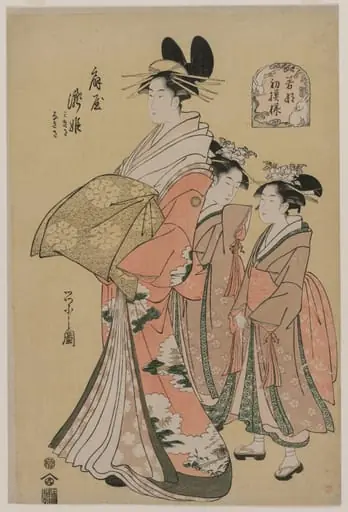 The Courtesan Takihime and Attendants (from the series New Patterns of Young Greens)
 Untitled
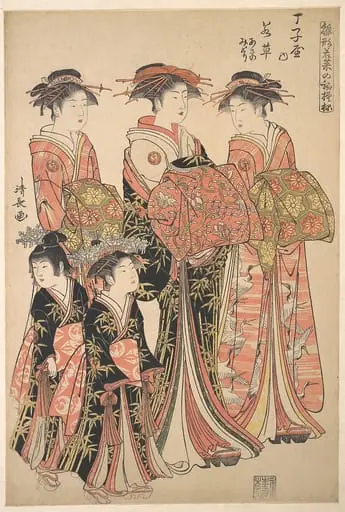 鳥居清長画 「雛形若菜の初模様 丁子屋の若草・ あさの・みどり」|The Courtesan Wakakusa of the Chōjiya Brothel, and Attendants Asano and Midori, from the series “A Pattern Book of the Year’s First Designs, Fresh as Spring Herbs” (Hinagata wakana no hatsumoyō)
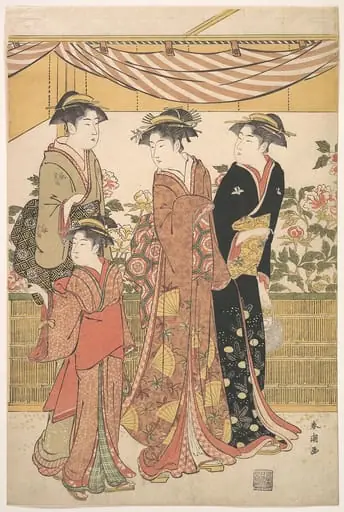 Untitled
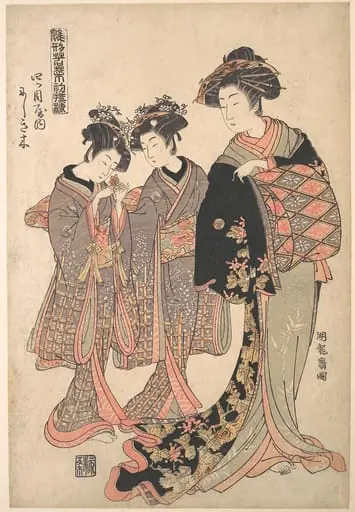 『雛形若菜初模様 四ツ目屋内 にしき木』|The Courtesan Nishikigi of the Yotsumeya Brothel, from the series “A Pattern Book of the Year’s First Designs, Fresh as Spring Herbs” (“Hinagata wakana hatsu moyō”)
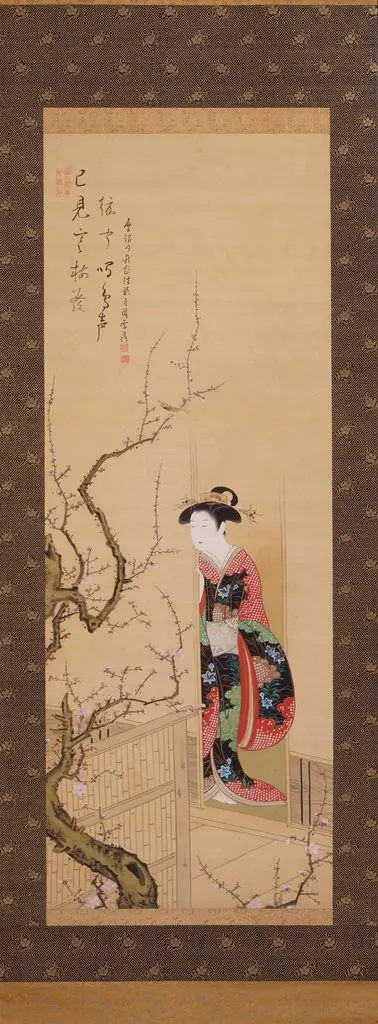 Beauty Admiring a Warbler on a Plum Tree
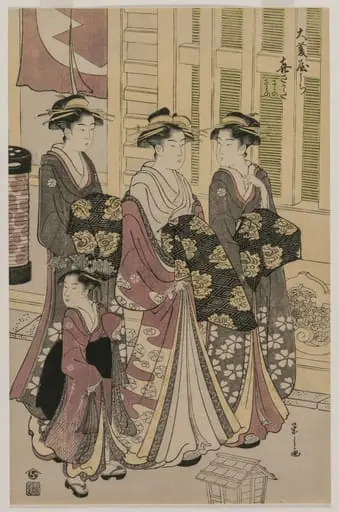 The Courtesan Kisagata of Ohishiya Strolling at Night with Two Shinzo and a Kamuro
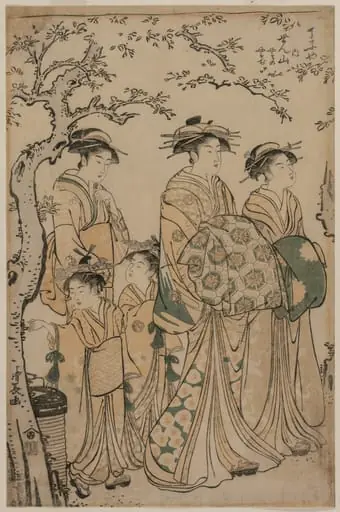 The Courtesan Senzan of Chojiya Strolling with her Kamuro Yasono and Yasoji and Two Shinzo
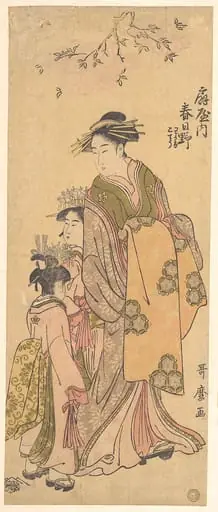 扇屋内春日野わかな こてう|The Oiran Kasugano of Ōgiya on Parade
- Woman and Two Children
 Courtesan