Artwork
Saint Luke painting the Madonna
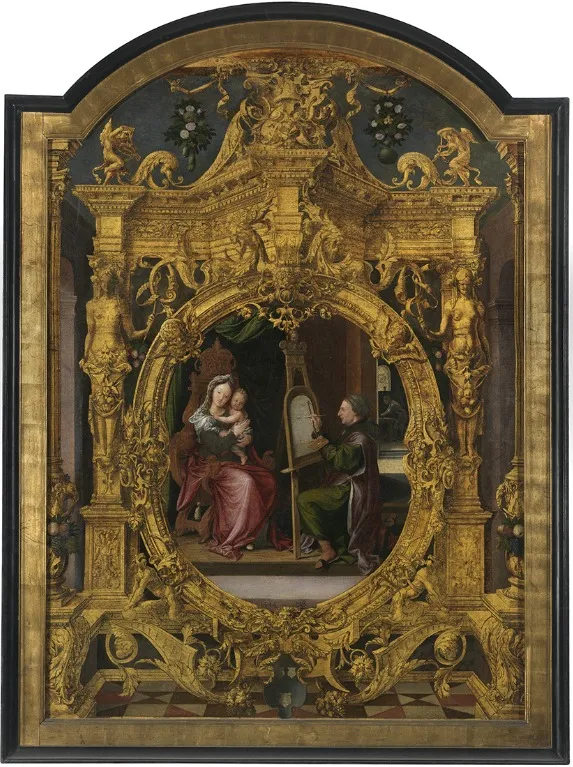
Saint Luke painting the Madonna is an oil painting by the Northern Renaissance artist Lancelot Blondeel. It dates from 1545 and is held in the collection of the Groeningemuseum.
About this work
Subject & Meaning
The painting portrays Luke the Evangelist in the act of creating an image of the Madonna and Child, a common devotional motif in early Netherlandish art.
The painting portrays Luke the Evangelist in the act of creating an image of the Madonna and Child, a common devotional motif in early Netherlandish art. He stands before an easel, holding a brush and palette, while symbols such as a flower and fruit lie nearby, emphasizing his role as a painter of sacred narratives. The composition underscores Luke’s traditional association with authorship and visual representation of the divine, reflecting the Renaissance belief in the painter’s ability to capture spiritual truth through earthly observation.
Luke is identified as the central figure, depicted with a manuscript and a small portrait of the Virgin, reinforcing his status as the patron saint of painters and the author of the Gospel that guided artistic practice. The work thus embodies the theological idea that visual art can convey sacred stories, linking the act of painting directly to the transmission of Christian doctrine.
History & Provenance
Lancelot Blondeel created the oil painting Saint Luke painting the Madonna in 1545. Executed on canvas, the work measures 144.5 cm in height and 103 cm in width. The piece depicts the Evangelist Luke at an easel portraying the Virgin Mary and Child, surrounded by fruit and flowers.
Historically, the painting was featured in the Exposition des primitifs flamands à Bruges. It is currently held in the collection of the Groeningemuseum as part of the Flemish Art Collection (Vlaamse Kunstcollectie). No specific details regarding the original commission or intermediate ownership transfers prior to its museum acquisition are provided in the available records.
Overview
Created in 1545 by the Bruges‑based artist Lancelot Blondeel, this oil painting belongs to the Northern Renaissance. It portrays the evangelist Luke at work, his brush poised before an easel as he renders a portrait of the Virgin Mary holding the infant Christ. The composition is framed by an elaborate gilded border that mimics carved wood, enhancing the sense of a richly appointed interior.
Technique & Style
Blondeel employs oil on panel with the fine detailing characteristic of Flemish painters of the period. His handling of light creates a subtle chiaroscuro that models the figures against a dark, vaulted backdrop. The gilded frame, rendered with meticulous brushwork, imitates actual carved ornamentation, complete with lions, floral motifs and scrolls, blurring the line between painted surface and architectural décor.
Context
Blondeel’s career spanned painting, architecture and urban planning, reflecting the multidisciplinary nature of many Renaissance artists. The work aligns with the Northern Renaissance’s interest in devotional subjects rendered with naturalistic detail. Its elaborate frame mirrors contemporary trends in ecclesiastical and civic commissions, where painted panels were often surrounded by actual carved frames to integrate visual art with interior space.
Artist & collection
Artist
Lancelot Blondeel, also Lanceloot (1498 – 4 March 1561), was a Flemish artist active in Bruges. He worked as a painter, architect, city planner, surveyor and cartographer, and designed sculptures, tapestries and jewelry.

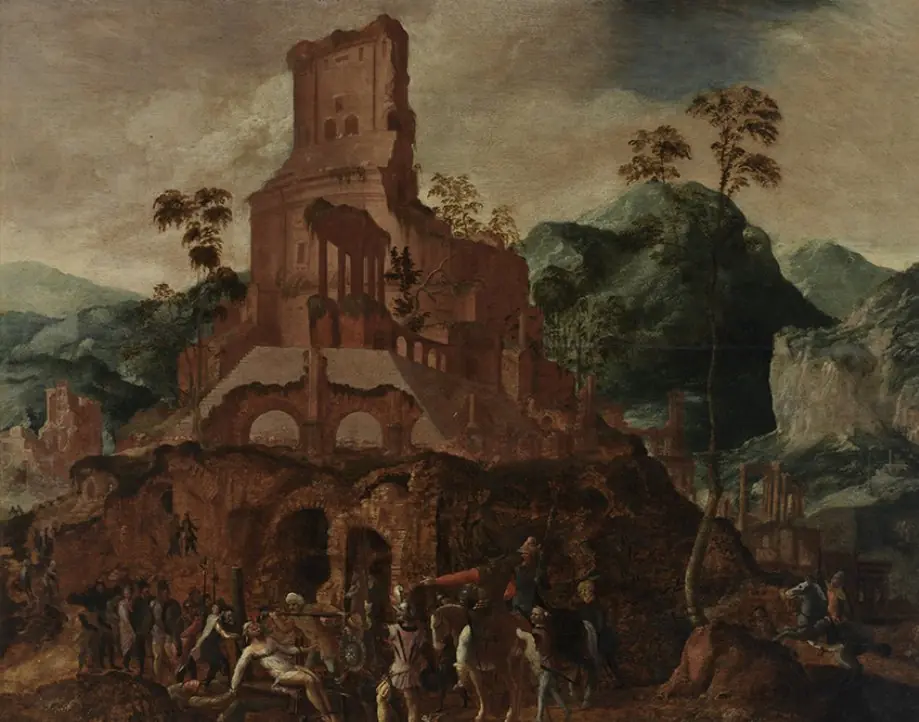
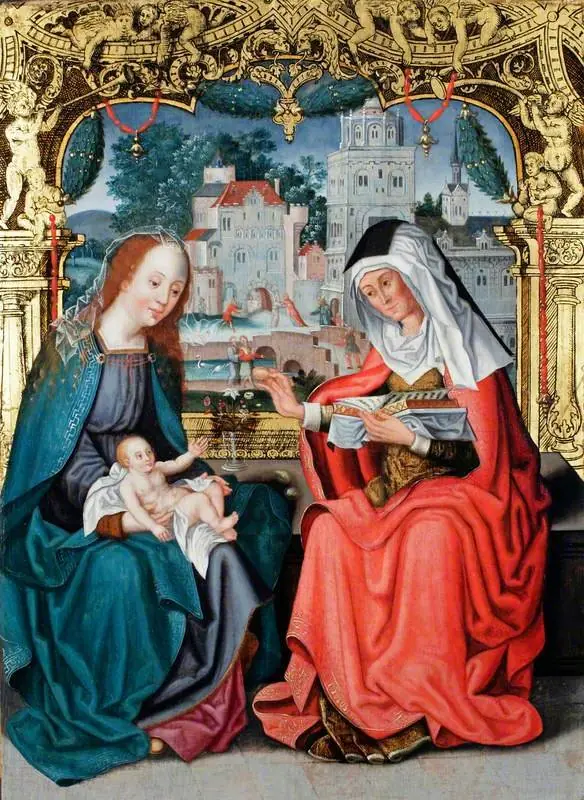
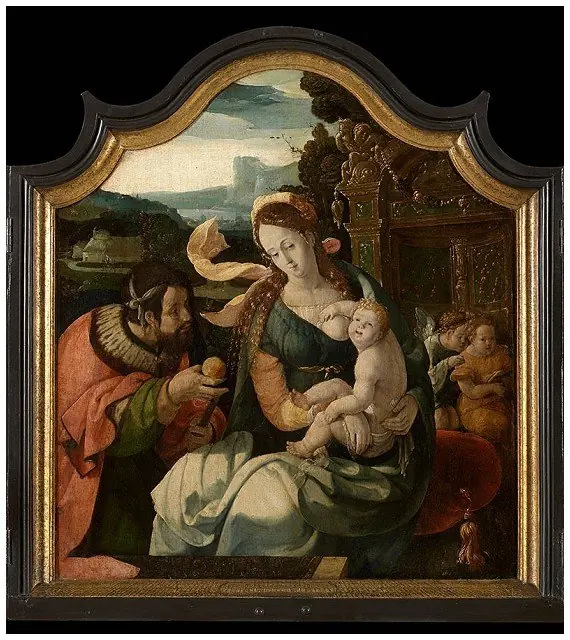 Holy Family
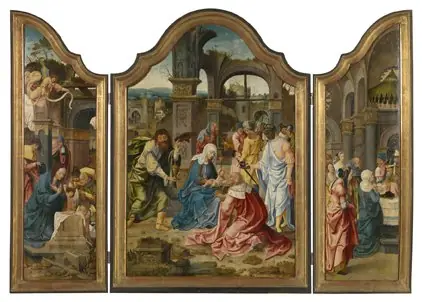 Triptych with the adoration of the magi
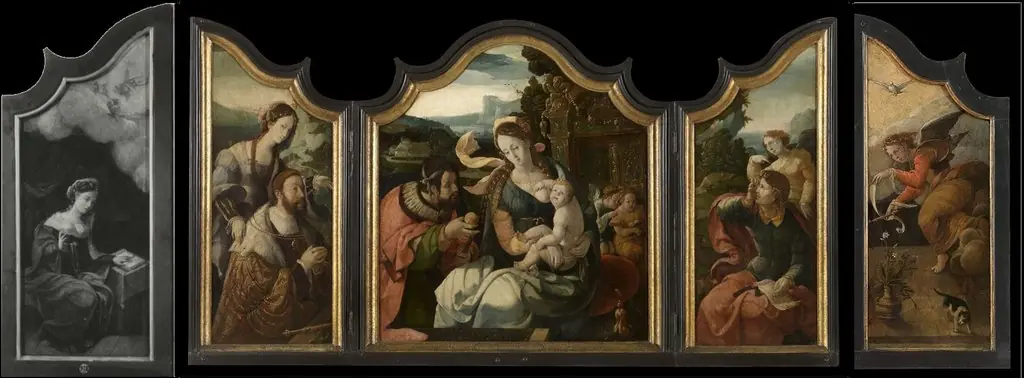 Triptych of Count Henry III of Nassau
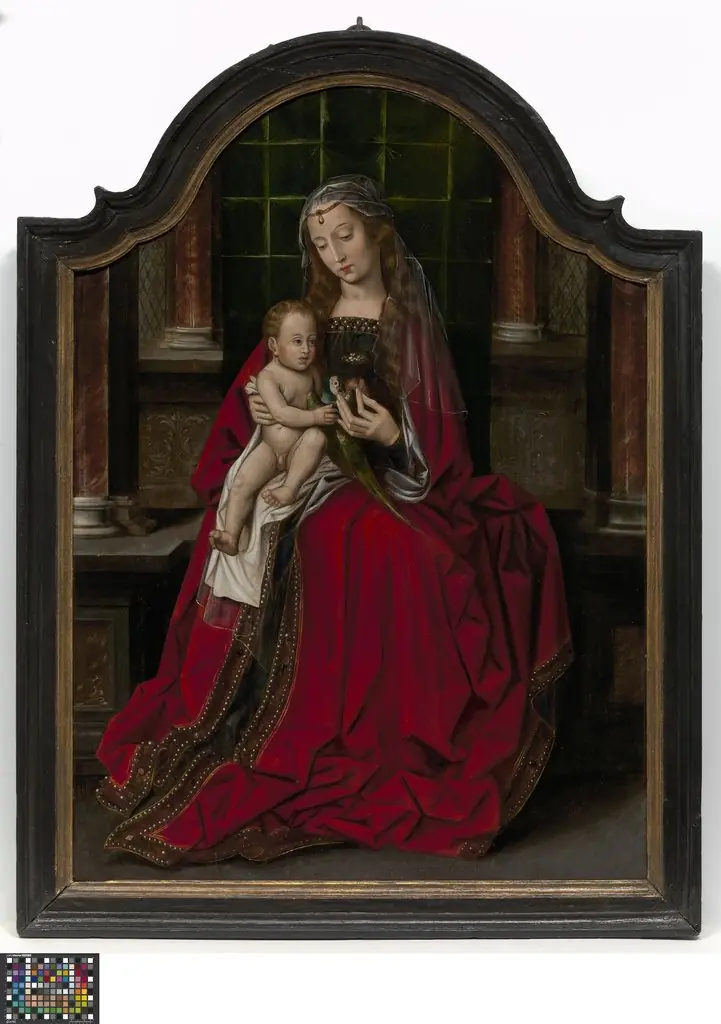 Madonna
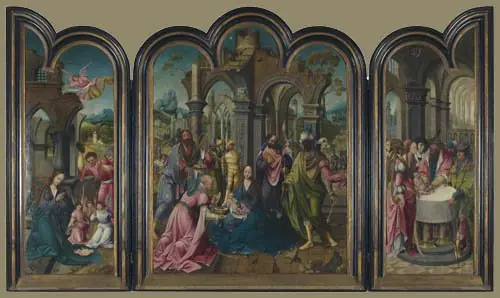 Triptych with adoration by the Magi
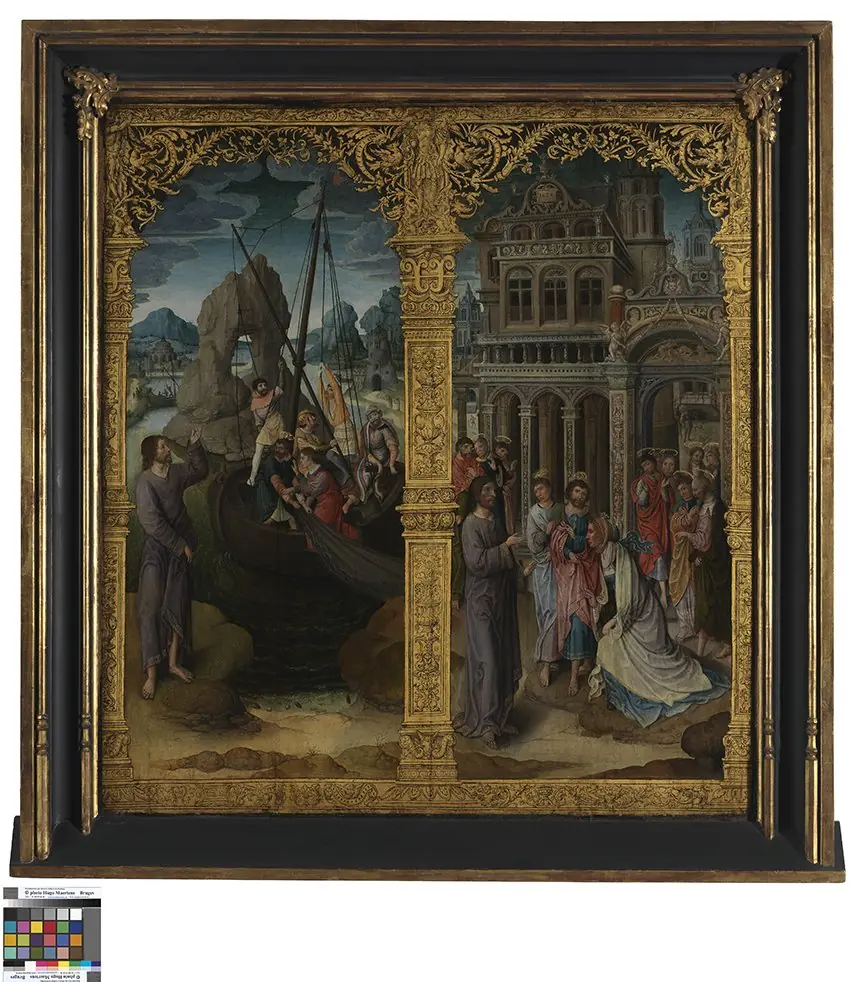 The Calling of James and John
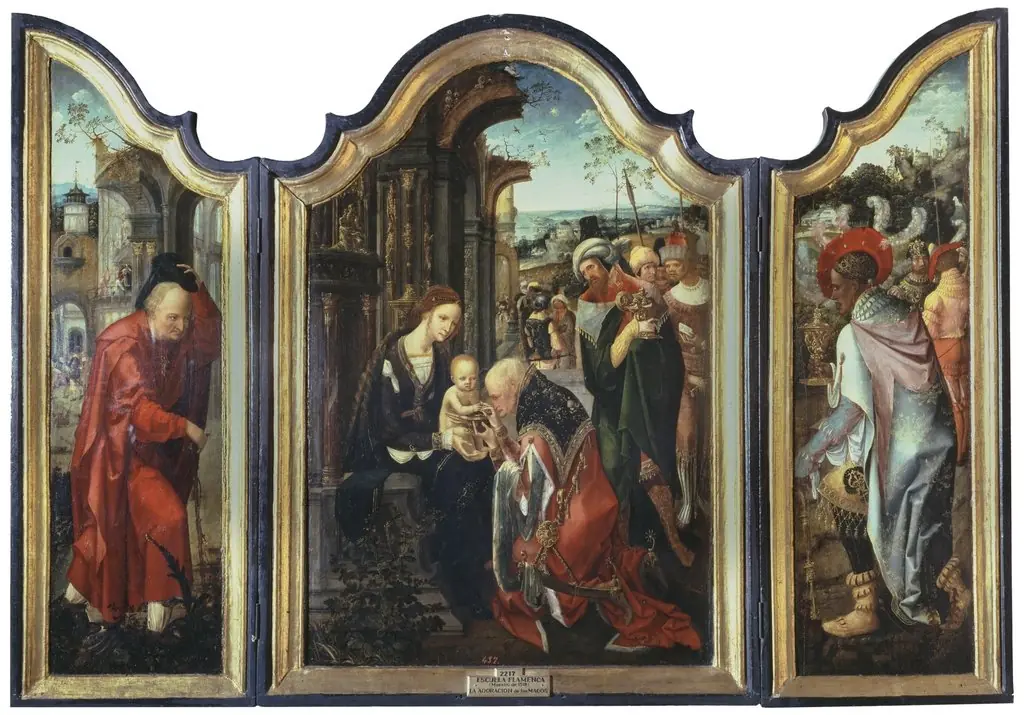 Adoration of the Magi
![Altarpiece showing scenes from the Infancy of Christ: The Adoration of the Magi [center]; The Annunciation; The Presentation of Christ in the Temple; The Flight into Egypt; The Nativity [clockwise from upper left], by Master of Hoogstraeten](https://artifactworldgallery.com/img/master-of-hoogstraeten--altarpiece-showing-scenes-from-the-infancy-of-christ-the-ado--6a236bfea3373486-w320.webp) Altarpiece showing scenes from the Infancy of Christ: The Adoration of the Magi [center]; The Annunciation; The Presentation of Christ in the Temple; The Flight into Egypt; The Nativity [clockwise from upper left]
Altarpiece showing scenes from the Infancy of Christ: The Adoration of the Magi [center]; The Annunciation; The Presentation of Christ in the Temple; The Flight into Egypt; The Nativity [clockwise from upper left]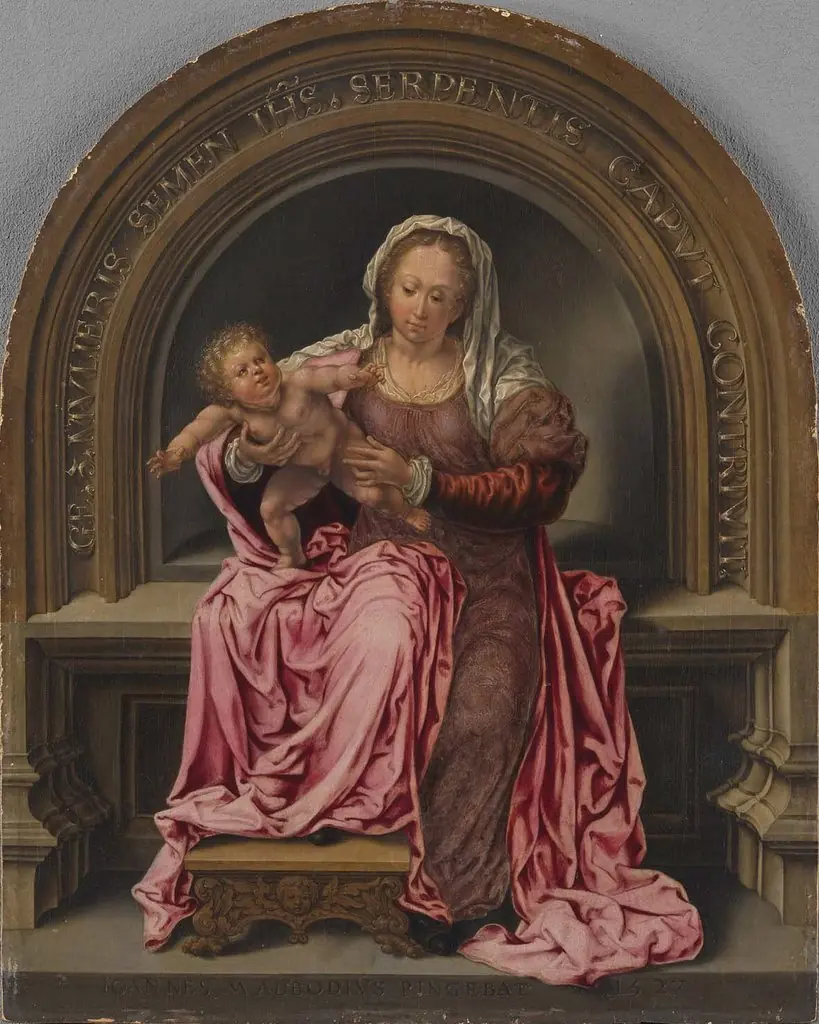 Madonna and child
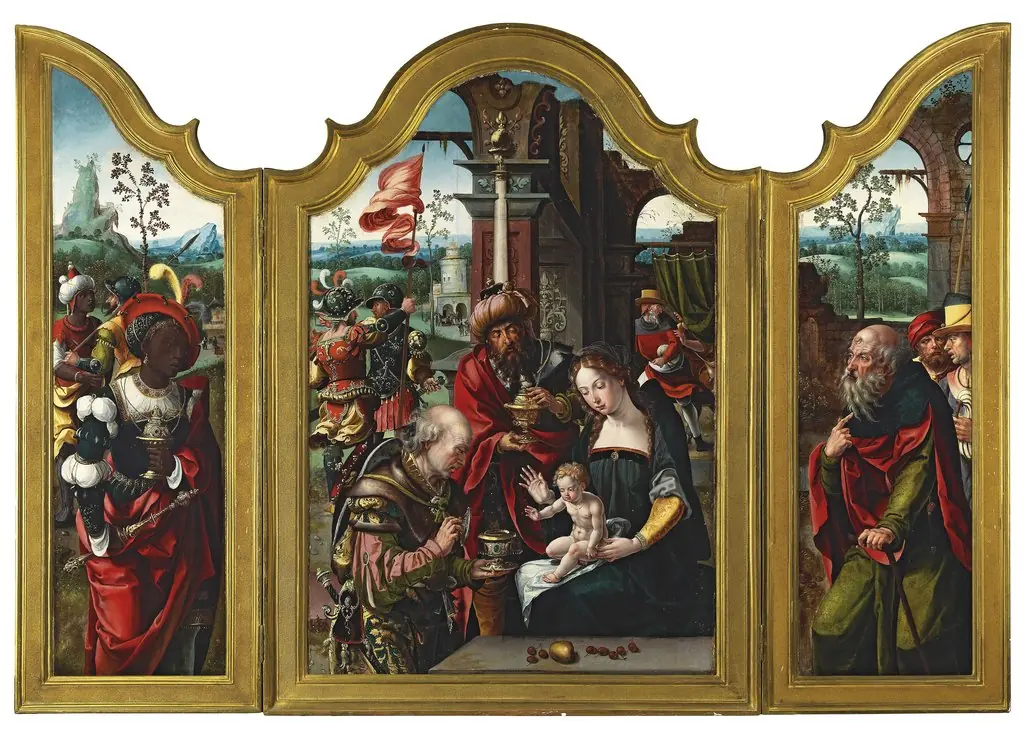 Adoration of the Magi
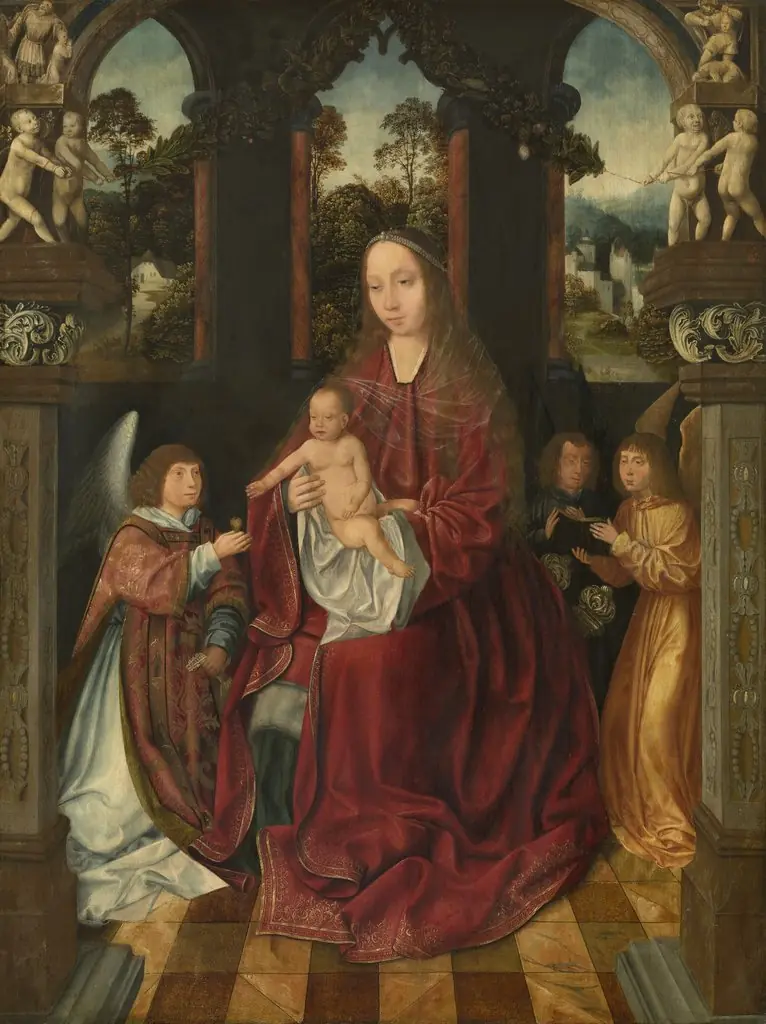 Madonna with Angels
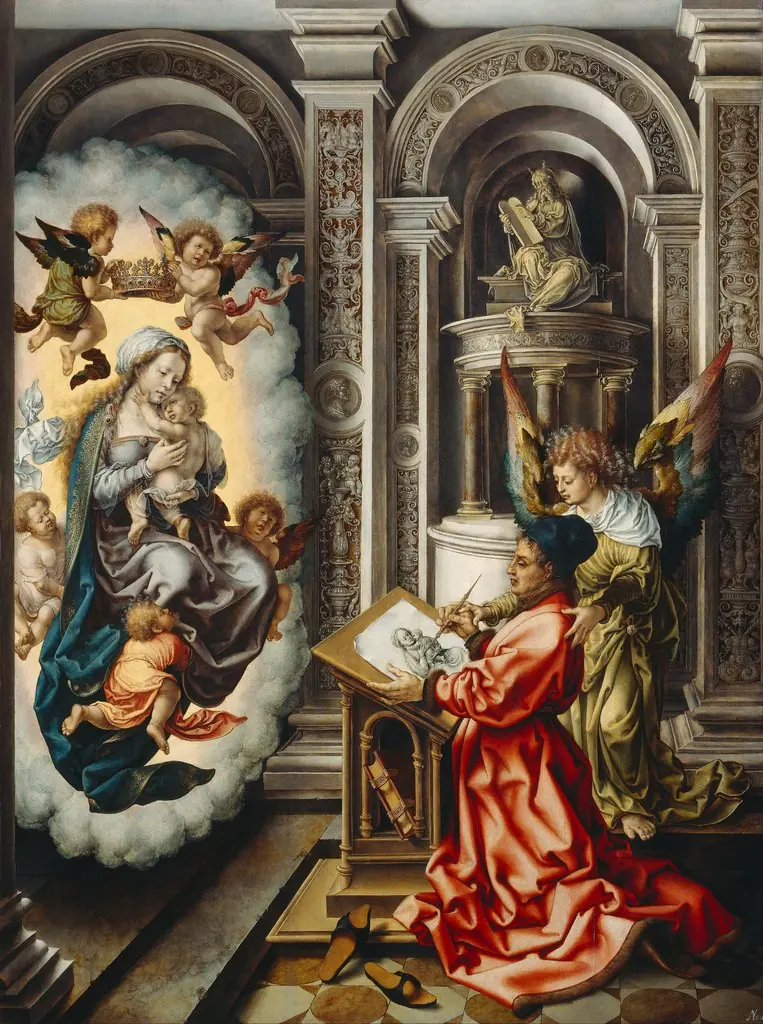
- Saint Luke painting the Virgin