Artwork
Holy Family
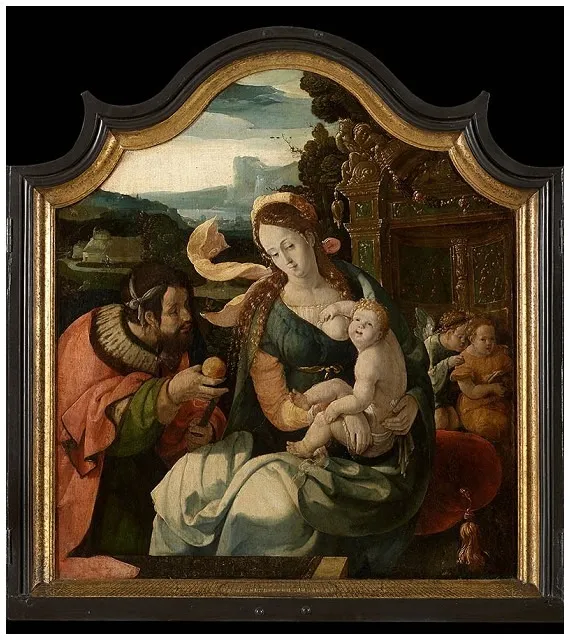
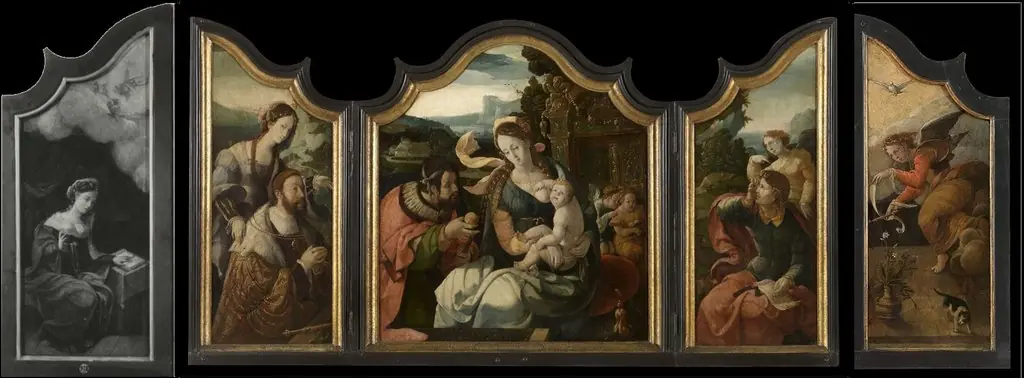
Holy Family is an oil painting by the Mannerist artist Aertgen van Leyden. It dates from 1535 and is held in the collection of the Royal Museum of Fine Arts Antwerp.
About this work
Technique & Style
Its subject matter falls within the tradition of devotional religious art, depicting the Holy Family alongside an apple as a symbolic attribute.
The Holy Family by Aertgen van Leyden is executed in oil paint on panel, a support typical of Netherlandish painting of the period. The work takes the form of a horizontal composition, measuring 88.5 cm in height by 185.5 cm in width, a broad format suited to a multi-figure religious scene. Its subject matter falls within the tradition of devotional religious art, depicting the Holy Family alongside an apple as a symbolic attribute.
No further details regarding the painting's handling, brushwork, palette, conservation condition, or stylistic development are documented in the available sources.
History & Provenance
The painting Holy Family by Aertgen van Leyden is held in the collection of the Royal Museum of Fine Arts Antwerp. Created in 1535, this oil-on-panel work depicts the Holy Family alongside an apple. While the specific inventory or accession number is not provided in the available records, the museum's location is confirmed as the primary holding institution for this religious artwork.
The provided sources do not contain details regarding a specific exhibition history for this piece.
Context
The Holy Family painted by Aertgen van Leyden in 1535 exemplifies early Netherlandish religious art with its meticulous oil technique and symbolic inclusion of an apple. This work is housed in the Royal Museum of Fine Arts Antwerp, reflecting the artist's integration into Antwerp's vibrant 16th-century art market and his influence on subsequent religious compositions. Scholarship emphasizes its stylistic connections to Gerard David and its role in shaping family devotional imagery in the Low Countries.
Legacy
The Holy Family by Aertgen van Leyden, painted in 1535, has been recognized as an influential early Netherlandish religious composition that shaped later interpretations of familial intimacy within sacred art. Its depiction of the family with symbolic attributes such as the apple contributed to the visual vocabulary adopted by subsequent artists exploring the Holy Family theme. The work's presence in the Royal Museum of Fine Arts Antwerp has reinforced its reputation as a seminal example of 16th-century Antwerp painting, influencing scholarly discourse on devotional imagery and artistic lineage in the Low Countries.
Overview
Created in 1535, this oil painting presents a quiet domestic tableau of the Holy Family. The Virgin is shown holding the infant Christ, while Joseph stands nearby, clutching an apple. The composition unfolds against a gentle landscape of rolling hills beneath a softly clouded sky, rendered in warm tonalities that convey a sense of closeness and calm.
Subject & Meaning
The central figures, Mary, the child Jesus, and Joseph, are arranged to emphasize familial intimacy. The apple, held by Joseph, alludes to the biblical motif of the forbidden fruit, inviting contemplation of redemption and the role of the family in salvation history. The tender expressions and relaxed postures reinforce a humanized, approachable depiction of the sacred narrative.
Artist & collection
Artist
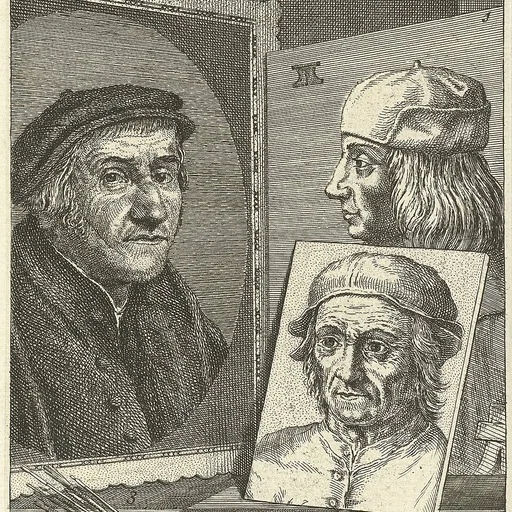
Aertgen Claesz. van Leyden (c. 1498 – c. 1564), also known as Allaert or Aert van Leyden or Aert Claesz. van Leyden, was a 16th-Century Dutch painter, draughtsman and designer of stained glass. Works by this artist can…

- Holy Family
 Triptych of Count Henry III of Nassau
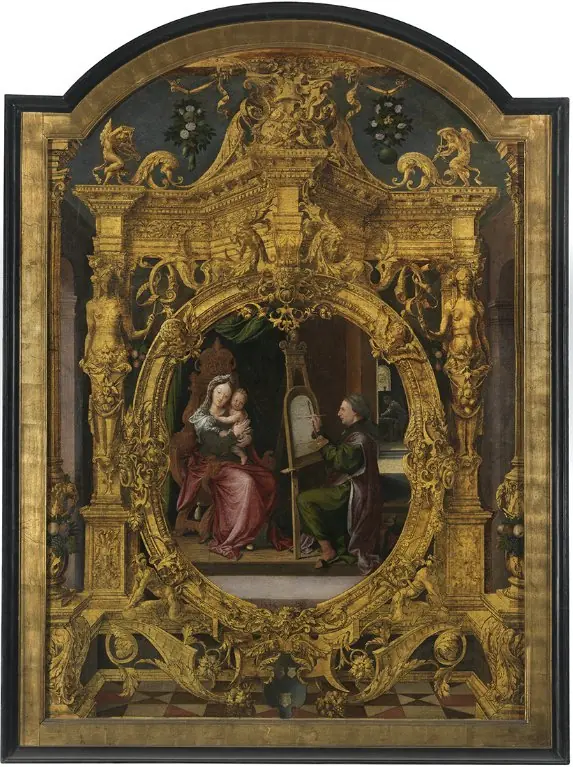 Saint Luke painting the Madonna
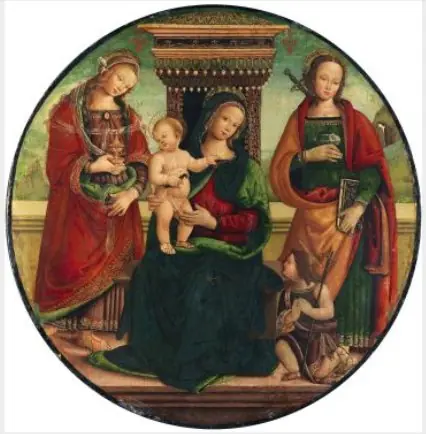 The Virgin and Child with Saints
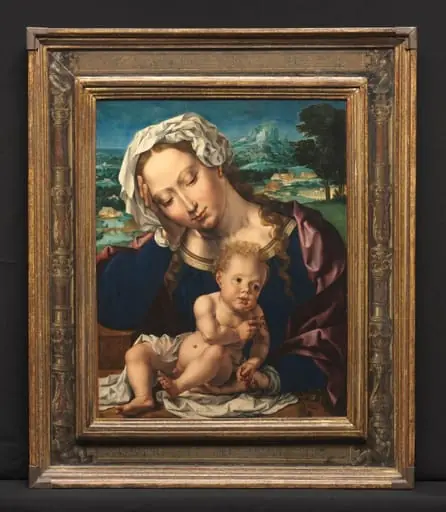 Virgin and Child in a Landscape
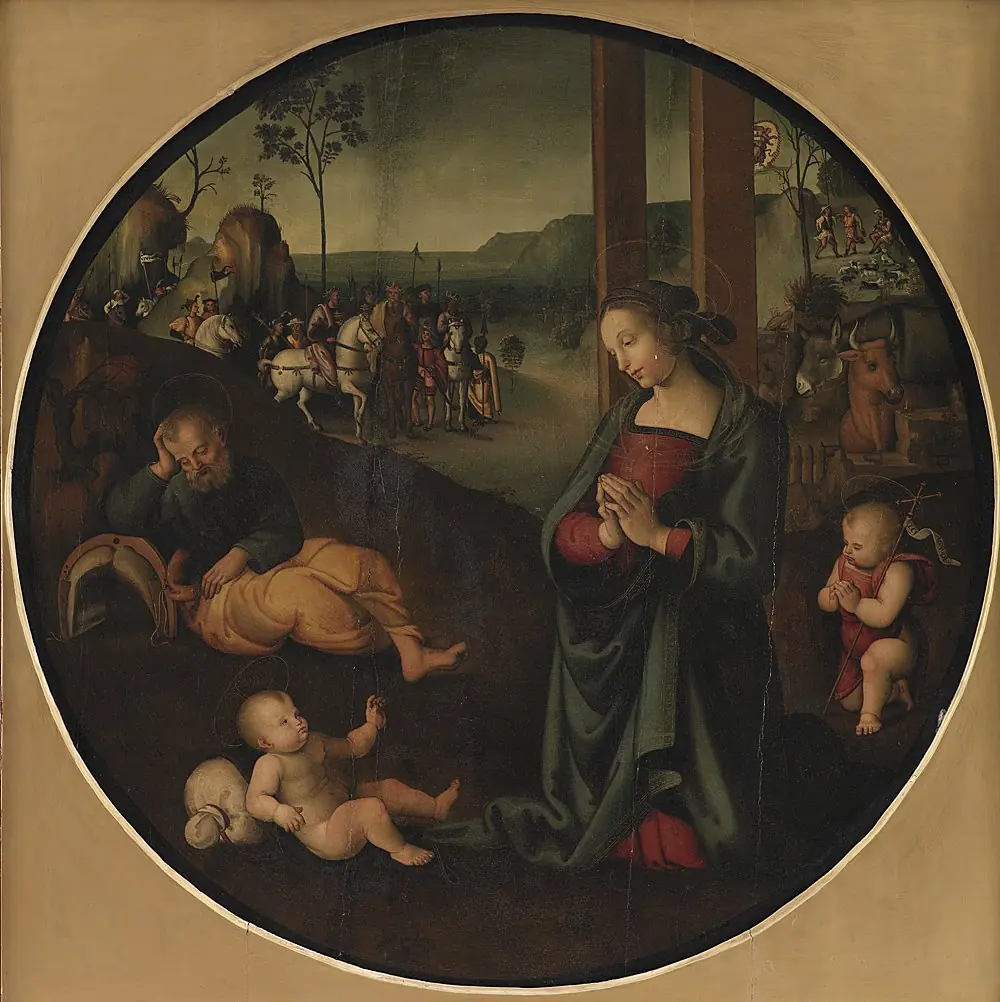 The Holy Family
 The Virgin and Child with Saint John the Baptist and an Angel
 Triptych with the adoration of the magi
 Triptych with Adoration of the Magi
 The Holy Family with Saint John the Baptist
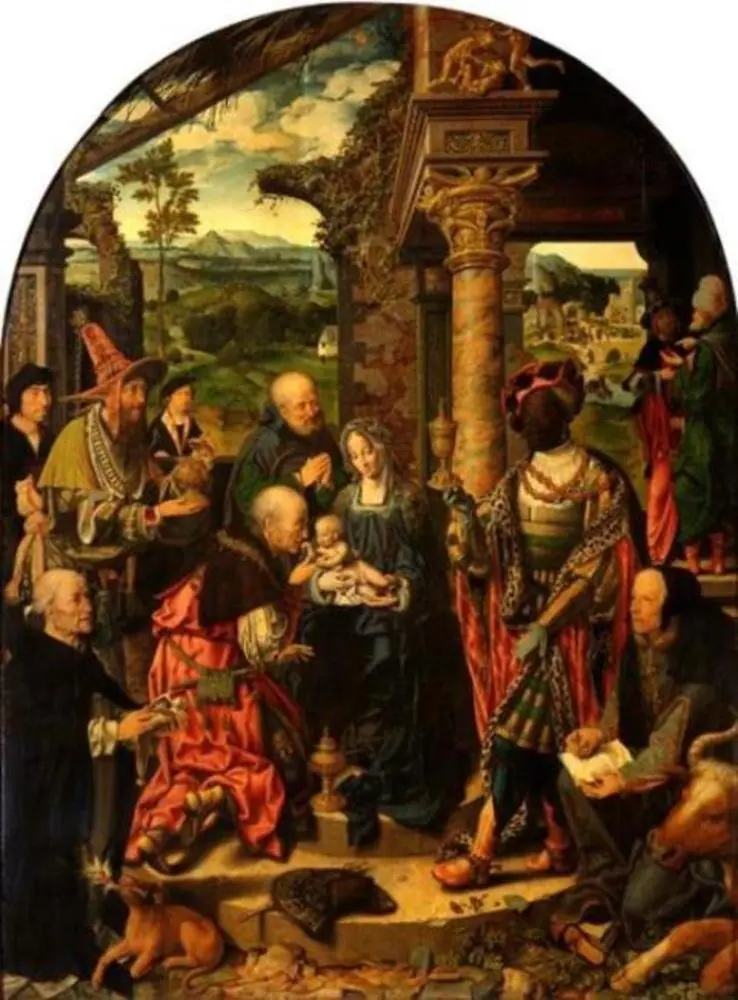 The large Adoration of the Kings