Artwork
Nicolas Ysambert
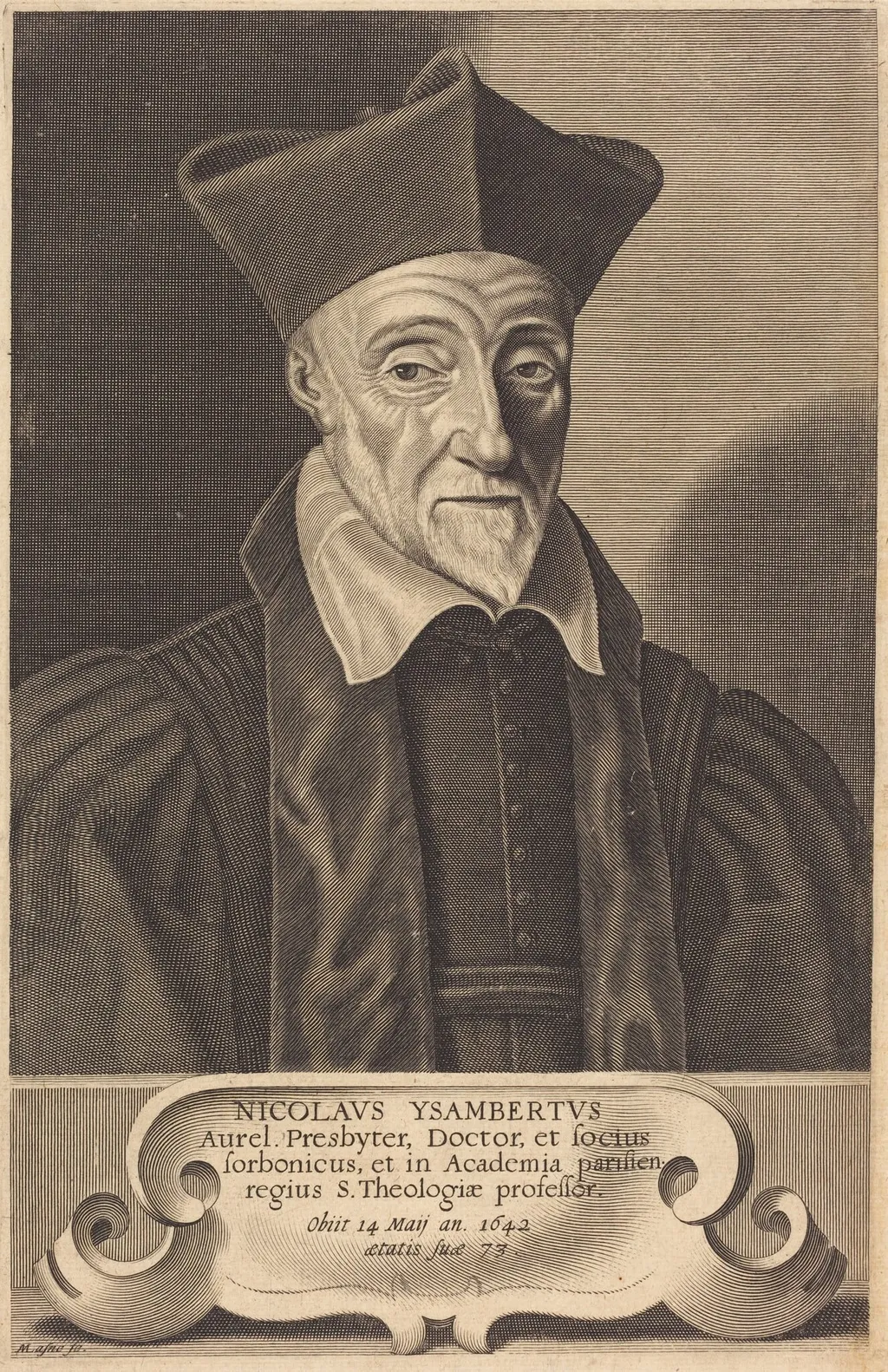
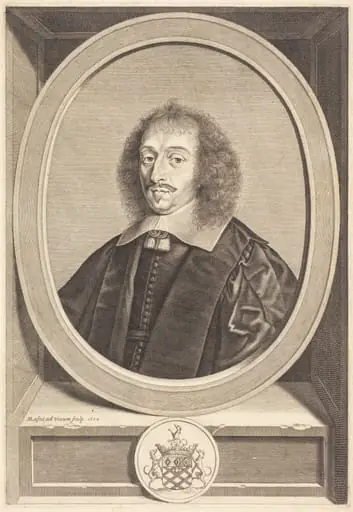
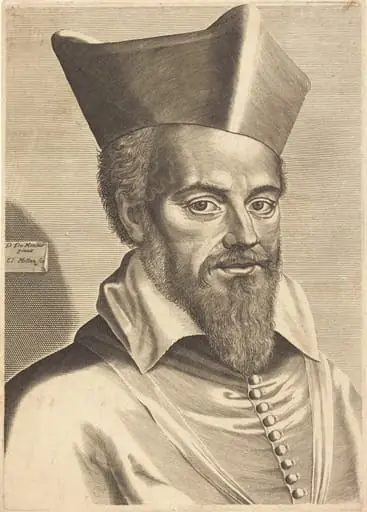
Nicolas Ysambert is an ink print by the Baroque artist Michel Lasne. It dates from 1642 and is held in the collection of the National Gallery of Art.
- Inscription
- Inscribed:lower center in plate: NICOLAVS YSAMBERTVS / Aurel. Presbyter, Doctor, et focius / forbonicus, et in Academia parifien. regius S. Theologiae professor. / obiit 14 Ma ij an. 1642 / etatis fue 73.; lLp//: MLasne fe.
About this work
Overview
Executed in fine engraving on laid paper, the portrait reflects the period’s preference for reproductive prints to circulate likenesses of prominent figures.
Michel Lasne’s 1642 engraving portrays Nicolas Ysambert, a legal scholar and professor at the University of Paris. Executed in fine engraving on laid paper, the portrait reflects the period’s preference for reproductive prints to circulate likenesses of prominent figures. Lasne, trained in Antwerp and later appointed royal engraver to Louis XIII, specialized in precise, detailed portraiture suited to scholarly and aristocratic audiences.
Subject & Meaning
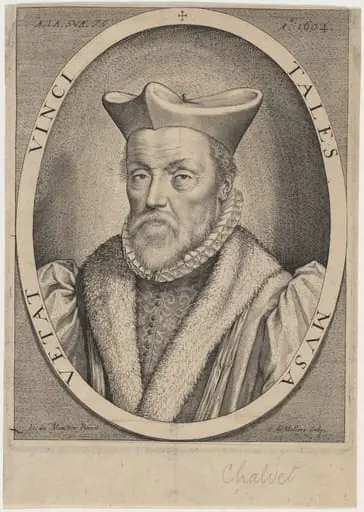
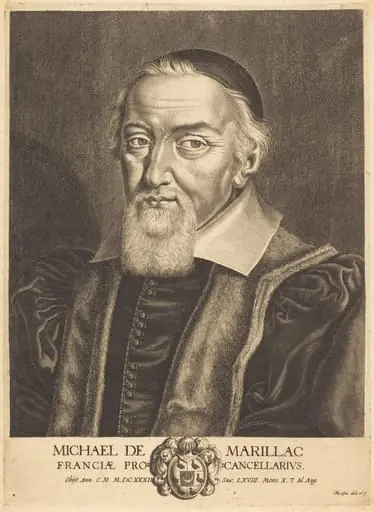
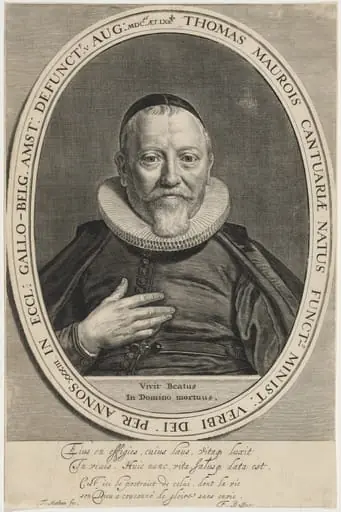
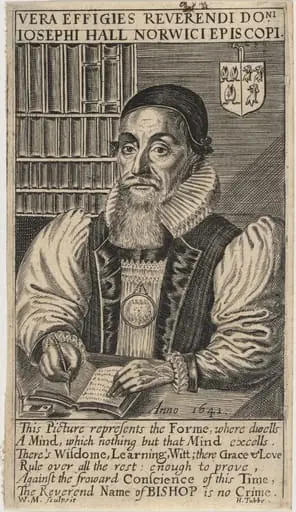
Nicolas Ysambert is depicted as a respected jurist, his solemn expression and formal attire signaling authority and intellectual gravitas. The dark robe and tall, pointed hat reflect academic dress of the time, while the stark white collar contrasts sharply, drawing attention to his face. The image conveys dignity and erudition, aligning with the cultural value placed on legal scholarship in early 17th-century France.
Technique & Style
Lasne employed fine linear engraving to render texture and volume, particularly in the folds of the robe and the crispness of the collar. The dark background isolates the figure, enhancing focus on facial detail and fabric. The controlled use of light and shadow, along with meticulous line work, reflects Baroque tendencies toward realism and psychological depth, characteristic of Lasne’s reproductive style.
History & Provenance
Created in 1642, the print was likely made to commemorate Ysambert’s academic standing. Lasne, who settled in Paris by 1621 and became royal engraver in 1633, produced numerous portraits of French intellectuals and court figures. This work belongs to a broader corpus of engraved portraits intended for scholarly circulation, though specific early ownership records remain undocumented.
Context
In mid-17th-century France, engraved portraits served as tools of intellectual and institutional identity. The University of Paris was a center of legal education, and figures like Ysambert were celebrated through visual media. Lasne’s position as royal engraver placed him at the intersection of academic and royal patronage, making such portraits both personal tributes and instruments of cultural prestige.
Legacy
Lasne’s engravings, including this portrait, contributed to the standardization of scholarly portraiture in France. His technical precision influenced later printmakers, and his works remain valuable for understanding how academic authority was visually constructed in the Baroque era. The print survives in institutional collections as a record of legal culture and printmaking practice of the time.
Own this work as a print
Artist & collection
Artist
Michel Lasne (Caen, ca. 1590–4 December 1667, Paris), was a French engraver, draughtsman and collector. Lasne was born in Caen and was the son of a goldsmith. He was a member of the Guild of Saint Luke in Antwerp for…