Artwork
Allegory of Music
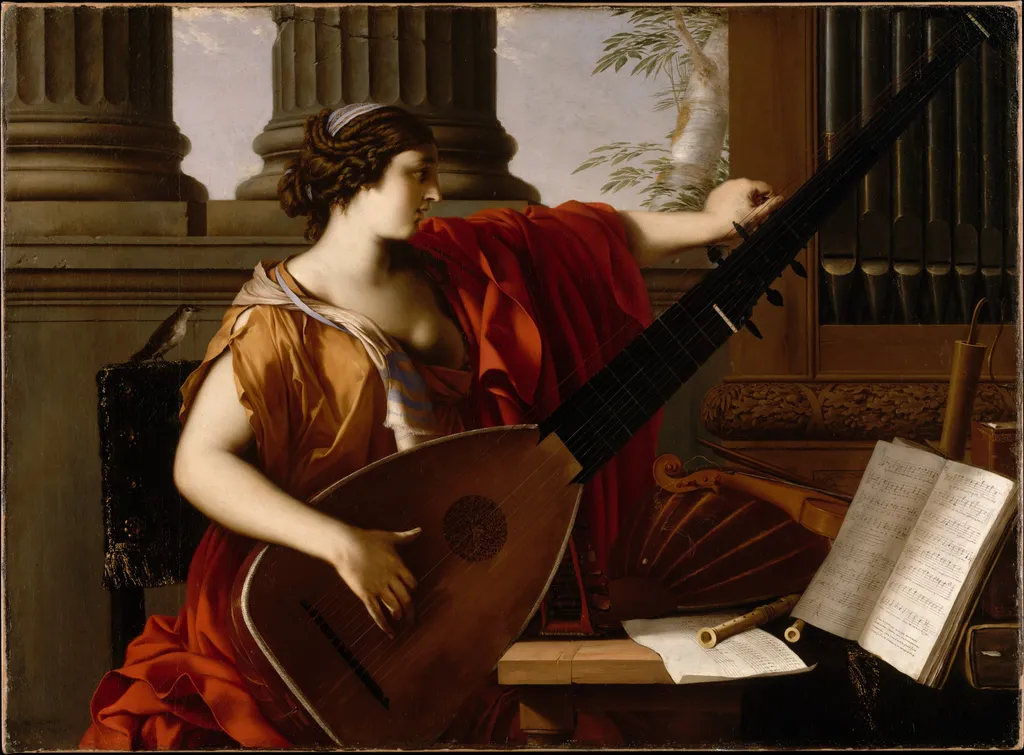
Allegory of Music is an oil painting by the French Classical Baroque artist Laurent de La Hyre. It dates from 1649 and is held in the collection of the Metropolitan Museum of Art.
About this work
Subject & Meaning
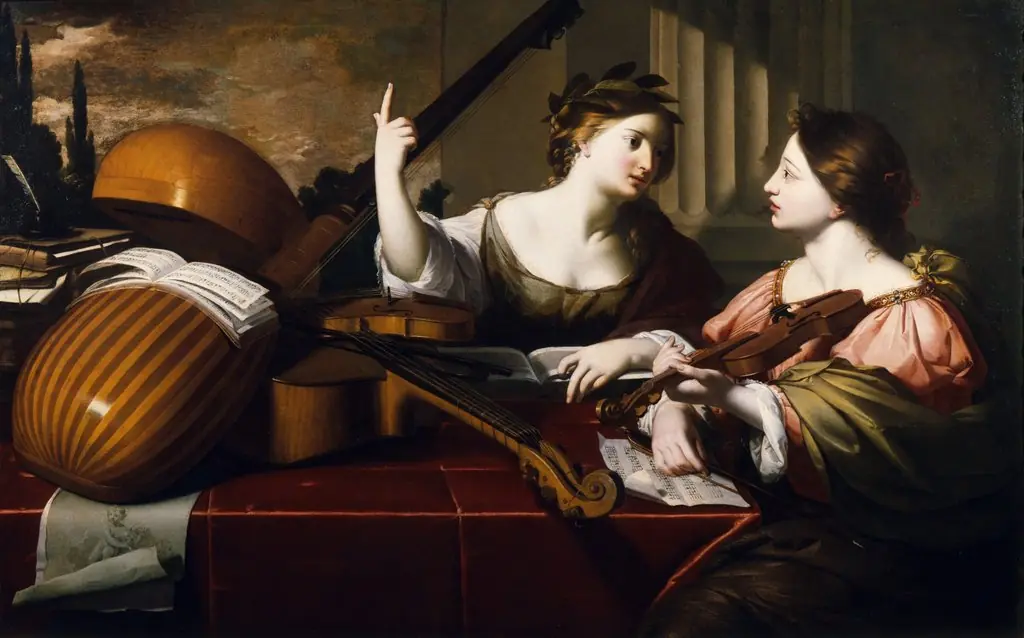
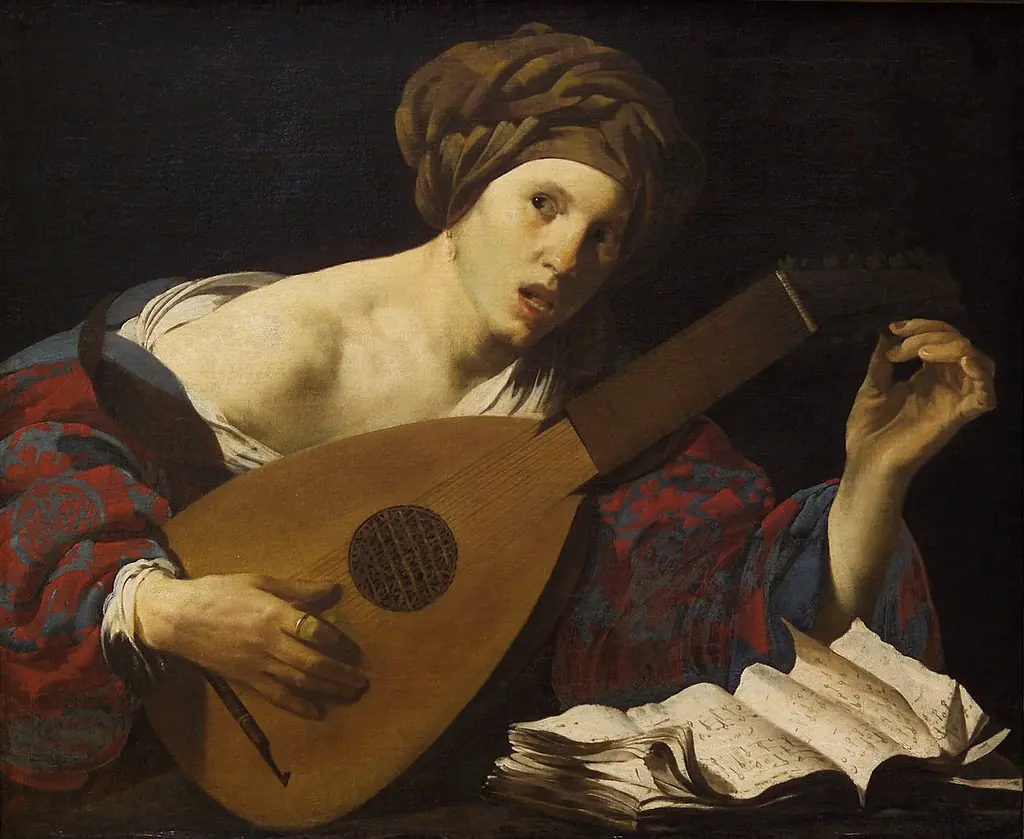
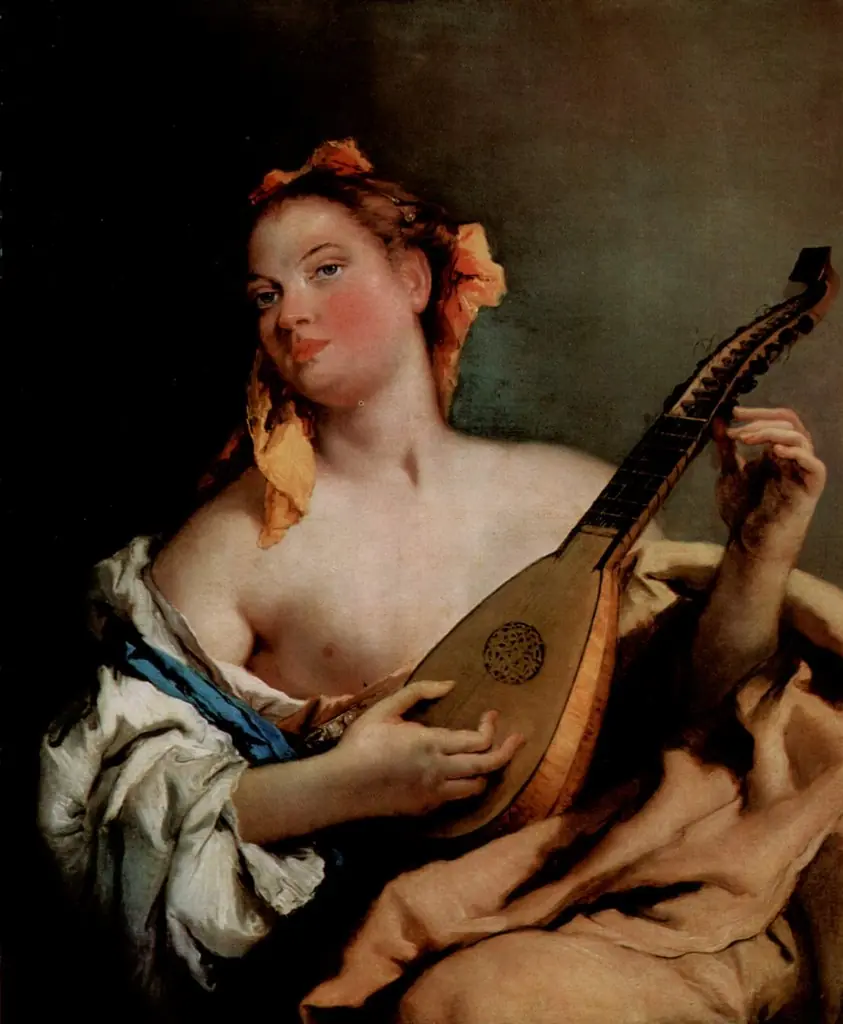
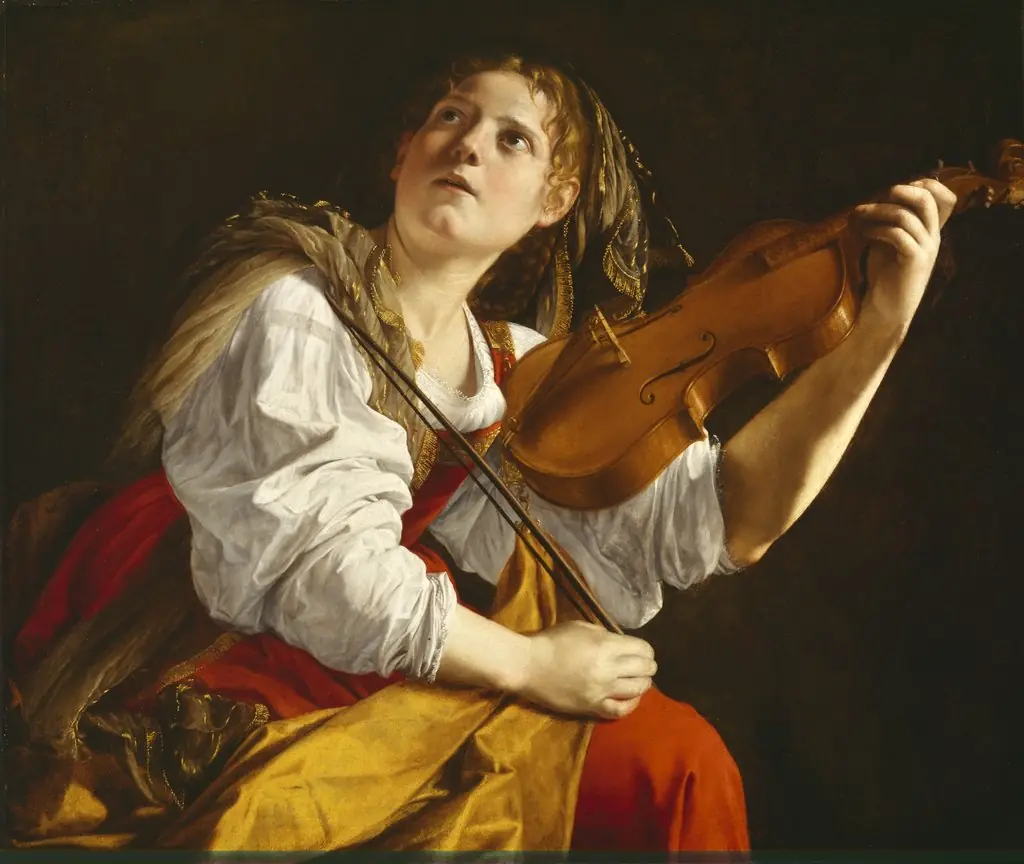
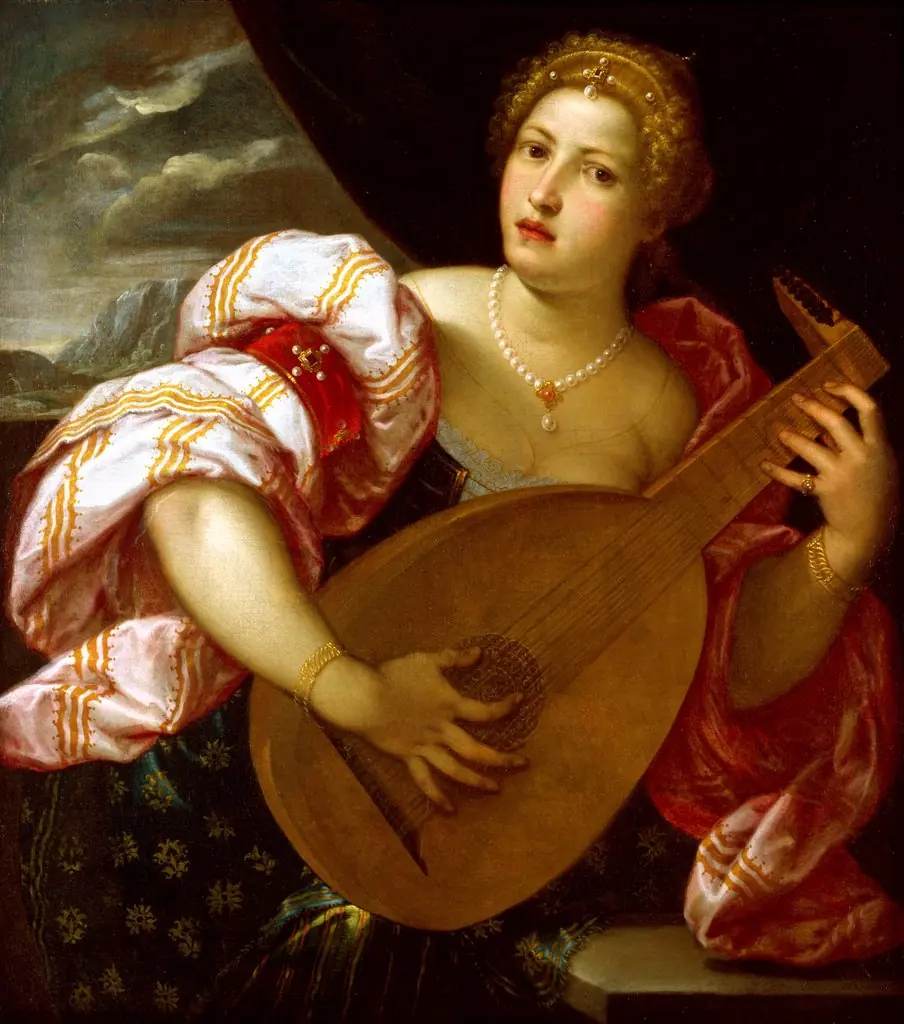
The composition incorporates specific iconographic elements to represent the subject, including a lute and a violin, which signify instrumental performance.
Laurent de La Hyre's 1649 oil painting functions as an allegory of music, personified by a female figure. The composition incorporates specific iconographic elements to represent the subject, including a lute and a violin, which signify instrumental performance. A book is also depicted, likely referencing musical theory or scored composition, while the inclusion of a bird may allude to natural melody or song.
Together, these objects and the central woman create a visual definition of music, blending the practical aspects of performance with the intellectual foundations of the art form.
Technique & Style
The Allegory of Music is an oil painting on canvas executed by Laurent de La Hyre in 1649. The work measures 105.7 centimetres in height and 144.1 centimetres in width, typical of a mid-seventeenth-century French allegorical canvas. It is presently housed in the Metropolitan Museum of Art, New York.
History & Provenance
Allegory of Music is an oil on canvas painting executed in 1649 by French artist Laurent de La Hyre. The work portrays an allegorical scene of music with a book, a woman, a bird, a lute, and a violin, reflecting contemporary symbolic conventions. It measures approximately 105.7 cm in height and 144.1 cm in width.
The painting is held in the collection of the Metropolitan Museum of Art. No earlier ownership records or commissioning details are documented in the available sources.
Overview
Laurent de La Hyre's Allegory of Music, executed in 1649, is a quintessential example of French Baroque allegorical painting. The composition centers on a female figure personifying Music, seated in a dimly lit interior characterized by carved wooden paneling and heavy drapery. She wears a red and gold robe, creating a focal point of warm color against the somber background.
The figure engages directly with musical instruments: she plays a violin while holding a small lute in her left hand, her right arm resting on a stand that supports sheet music. A window to her side reveals a tree branch leaning against the exterior wall, introducing a natural element that contrasts with the structured interior. Painted during the height of La Hyre's career, shortly before his death, the work reflects the artist's commitment to clarity, balanced composition, and the intellectual rigor favored by the French academic tradition.
The painting serves as a visual meditation on the liberal arts, demonstrating the artist's ability to merge symbolic content with a restrained, classical aesthetic typical of mid-seventeenth-century French art.
Own this work as a print
Artist & collection
Artist
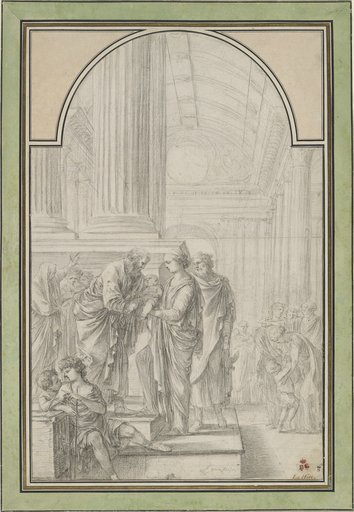
Laurent de La Hyre (French pronunciation: ; 27 February 1606 – 28 December 1656) was a French Baroque painter, born in Paris. He was a leading exponent of the neoclassical style of Parisian Atticism.