Artwork
Mercury Takes Bacchus to be Brought up by Nymphs
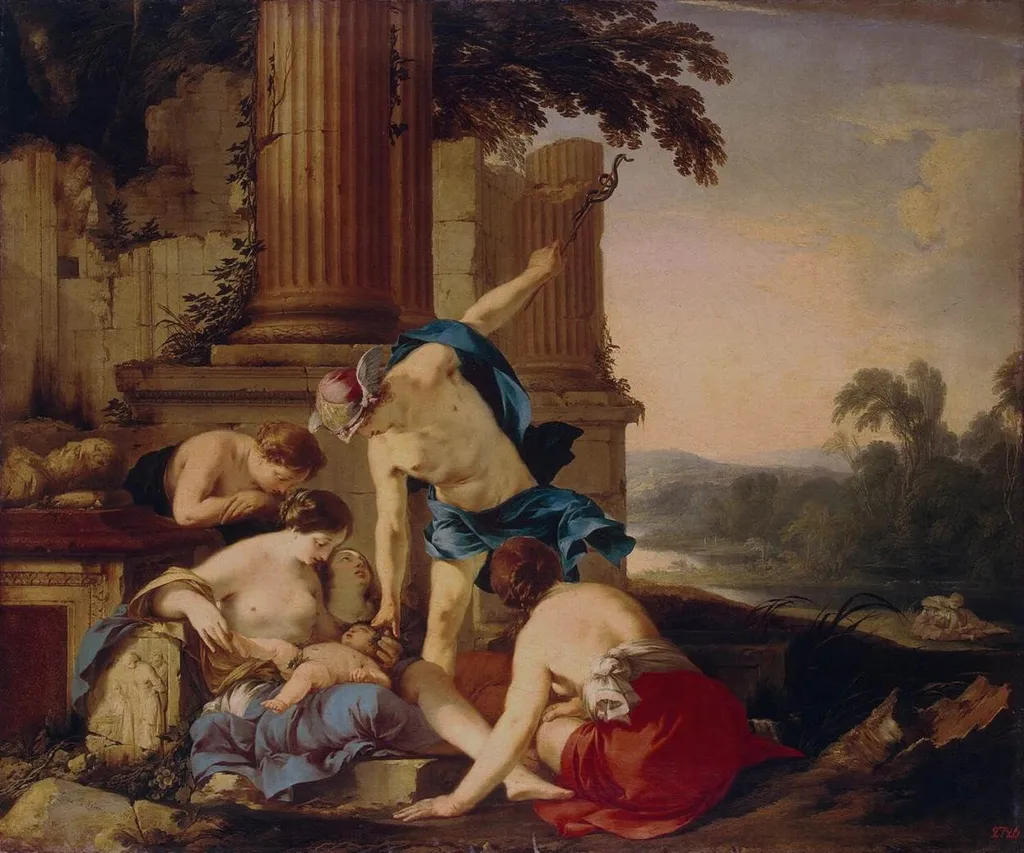
Mercury Takes Bacchus to be Brought up by Nymphs is an oil painting by the French Classical Baroque artist Laurent de La Hyre. It dates from 1638 and is held in the collection of the Hermitage Museum.
About this work
Subject & Meaning
Symbolically, the work underscores themes of transformation and the protective care surrounding the emergence of new powers within the mythic hierarchy.
The painting depicts Mercury escorting the infant Bacchus to be raised by nymphs, a scene drawn from classical mythology that emphasizes the transmission of divine authority and the nurturing of youthful deities. Symbolically, the work underscores themes of transformation and the protective care surrounding the emergence of new powers within the mythic hierarchy.
The composition features Mercury handing the child Bacchus to a group of attendant nymphs, highlighting the role of caretakers in the upbringing of nascent gods. This iconography aligns with Baroque interpretations of mythological narratives that blend sensuality with allegorical instruction.
In this context, the artwork represents both a narrative moment and an allegorical meditation on the guidance of emerging forces, reflecting the cultural fascination with mythic origins during the 17th century.
Technique & Style
The work is executed in oil paint on canvas, a standard support for French easel painting of the 1630s. The composition shows Mercury guiding the infant Bacchus toward a group of nymphs, rendered with a restrained chiaroscuro that emphasizes the figures’ delicate gestures and the soft folds of their drapery. The brushwork is precise yet fluid, creating a luminous surface that highlights the mythological narrative without excessive ornamentation.
The painting’s dimensions measure 113 cm in height by 135 cm in width, confirming its large‑scale, narrative focus within the mythological genre.
History & Provenance
Laurent de La Hyre created the oil-on-canvas painting Mercury Takes Bacchus to be Brought up by Nymphs in France in 1638. The work depicts the mythological figures Mercury, Bacchus, and nymphs, measuring 113 cm in height and 135 cm in width. It is currently held in the collection of the Hermitage Museum.
The sources do not provide specific details regarding the original commission, the initial owner, or the subsequent chain of ownership leading to its current location.
Context
Laurent de La Hyre painted Mercury Takes Bacchus to be Brought up by Nymphs in 1638, a mythological canvas now held by the Hermitage Museum in St. Petersburg. The work depicts the infant Bacchus being carried by nymphs while Mercury gestures, combining classical narrative with Baroque dynamism. Scholars note its significance as an early French interpretation of mythological subjects that prefigures the decorative trends of the Grand Siècle, situating La Hyre within the broader shift toward illusionistic ceiling paintings and cabinet works.
Its composition reflects influences from the Cabinet des Dessins tradition and the evolving academic approach to mythological storytelling in 17th-century French art.
Overview
Laurent de La Hyre painted Mercury Takes Bacchus to be Brought up by Nymphs in 1638. Executed in oil on canvas, the work belongs to the French Classical Baroque tradition and reflects the neoclassical Atticism that characterized Parisian art in the early seventeenth century. The painting is part of the State Hermitage Museum’s collection.
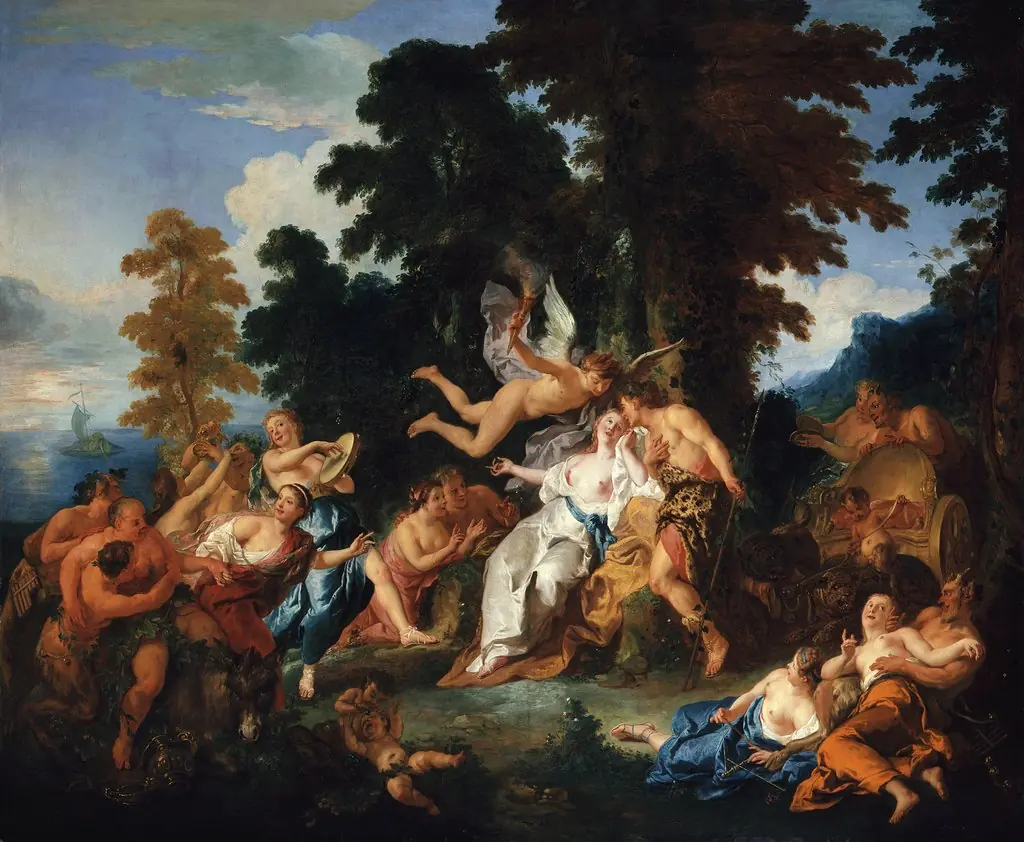
Artist & collection
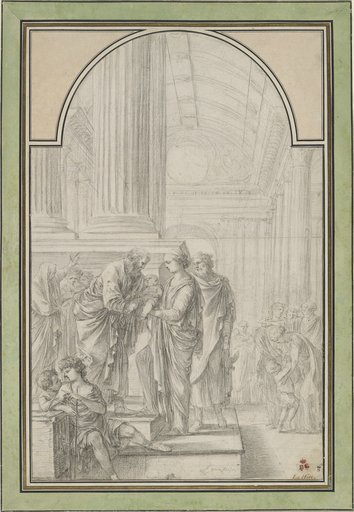
Artist
Laurent de La Hyre (French pronunciation: ; 27 February 1606 – 28 December 1656) was a French Baroque painter, born in Paris. He was a leading exponent of the neoclassical style of Parisian Atticism.

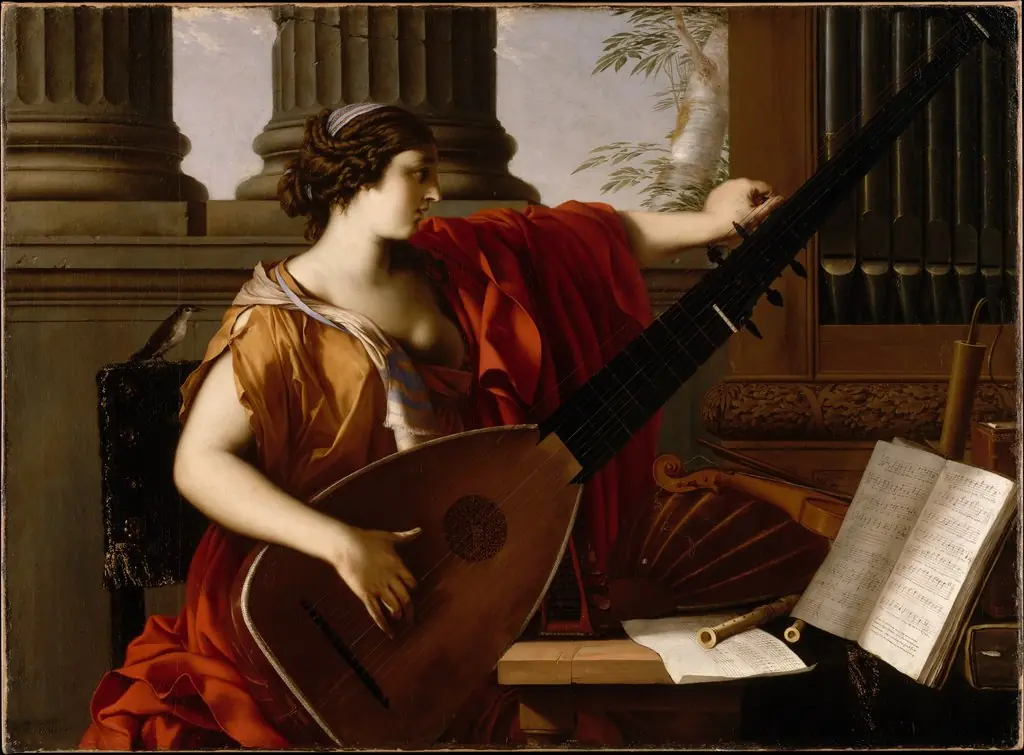
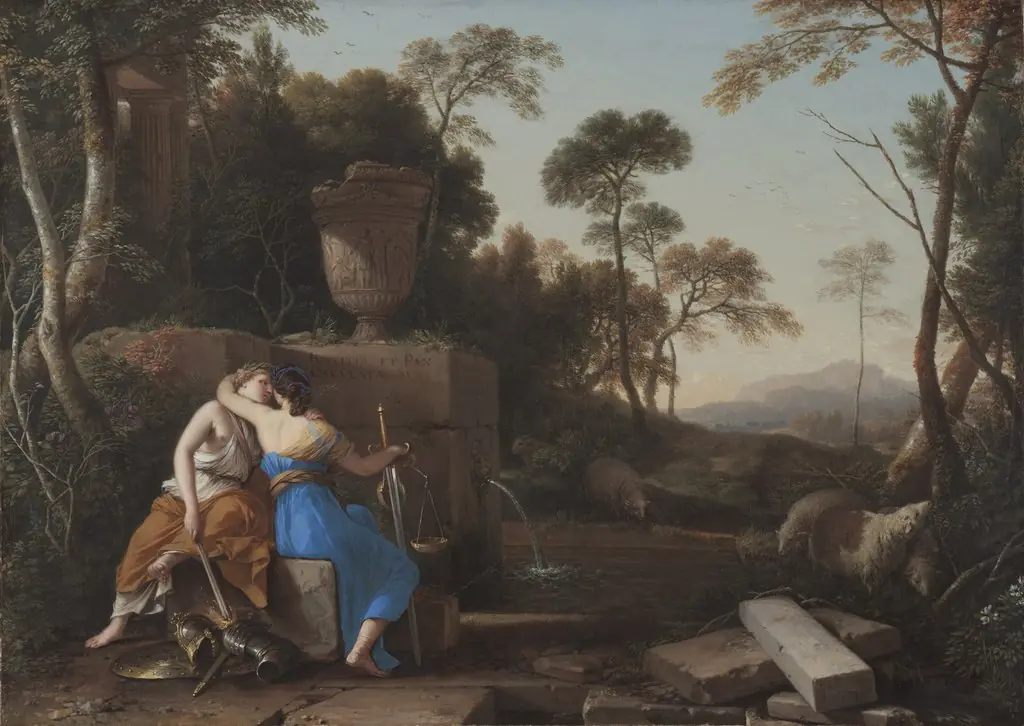
- Bacchus and Ariadne
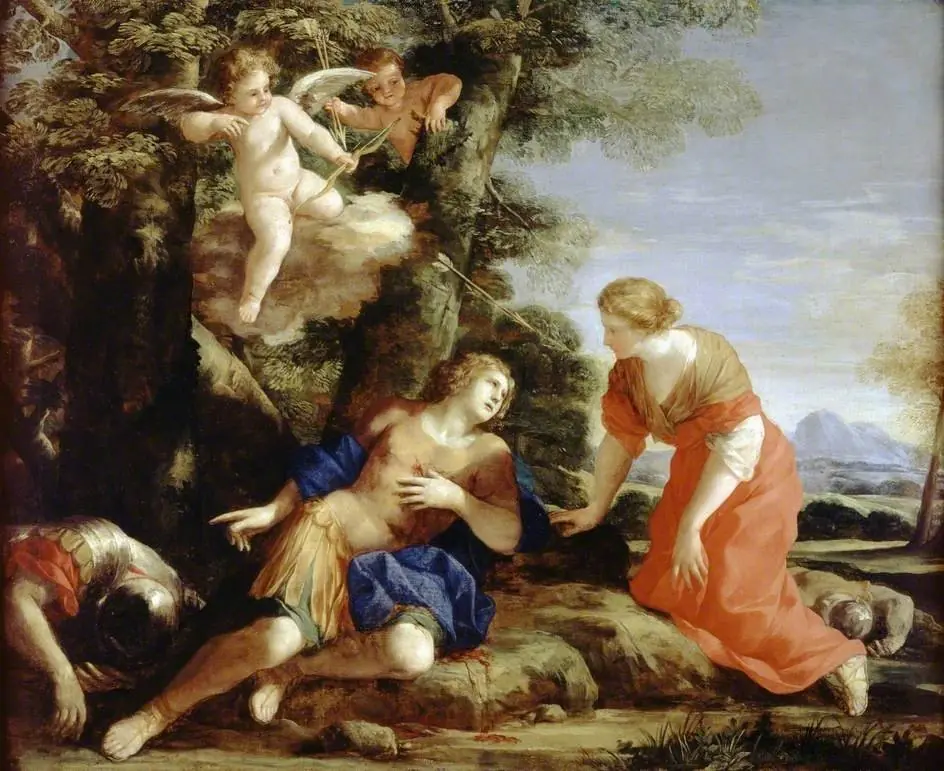 Angelica encountering the wounded Medoro
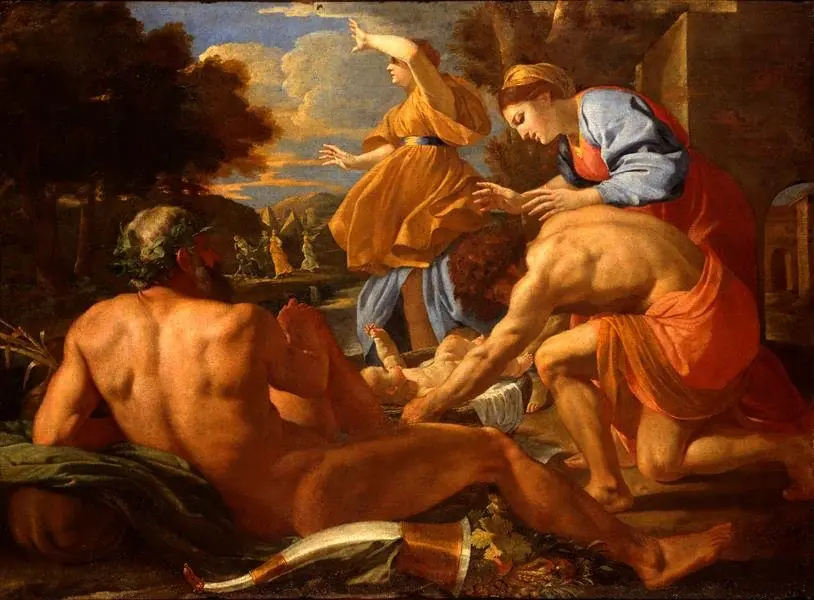 The Exposition of Moses
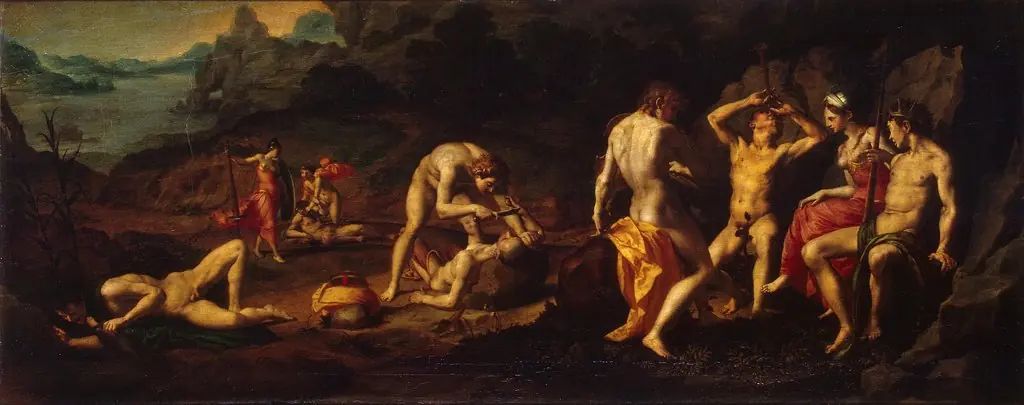 Flaying of Marsyas
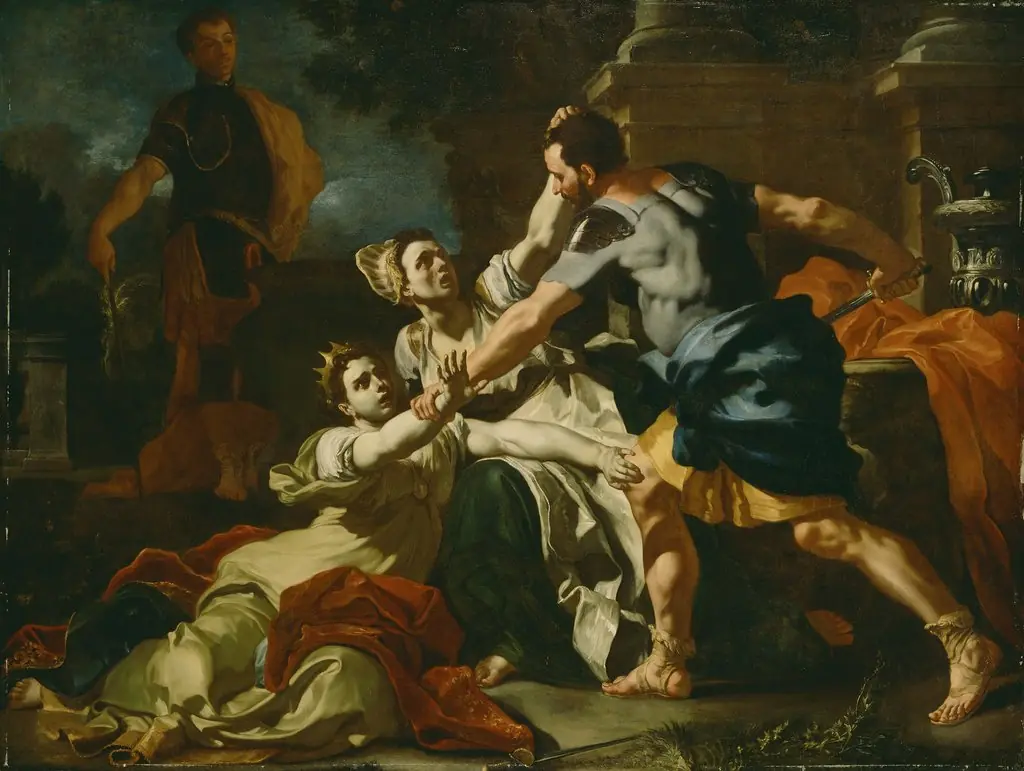 Death of Messalina
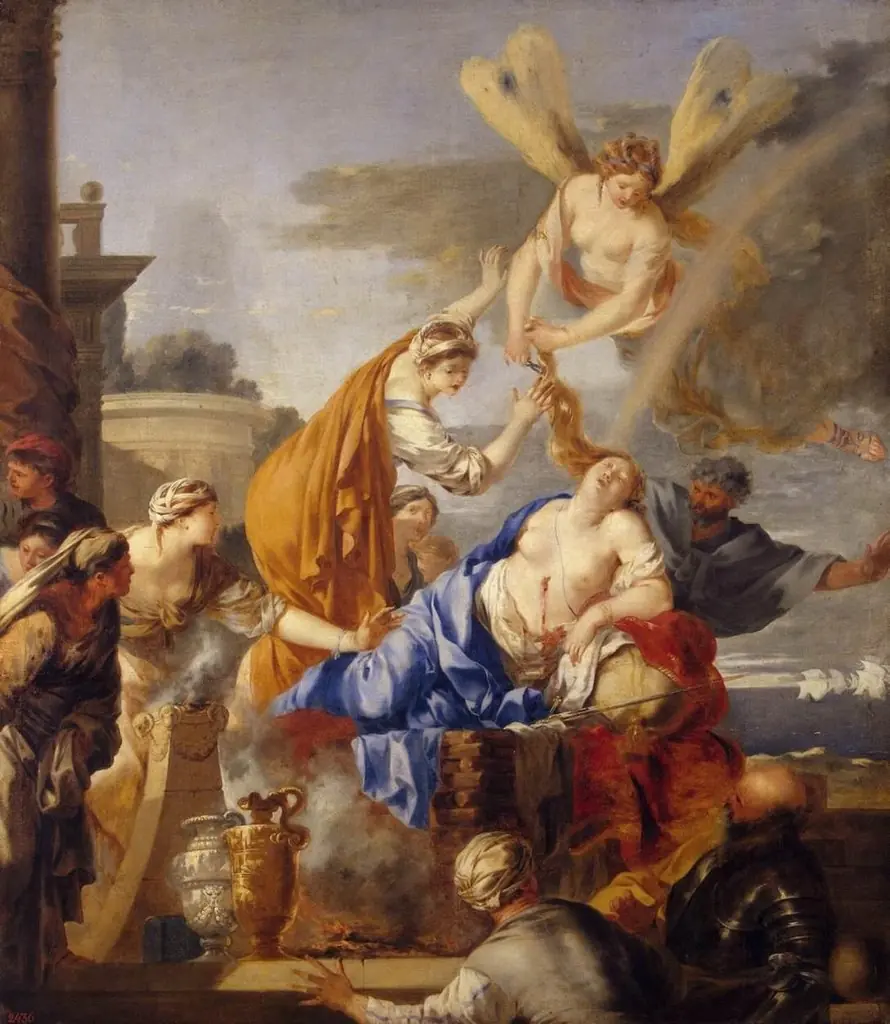 Death of Dido
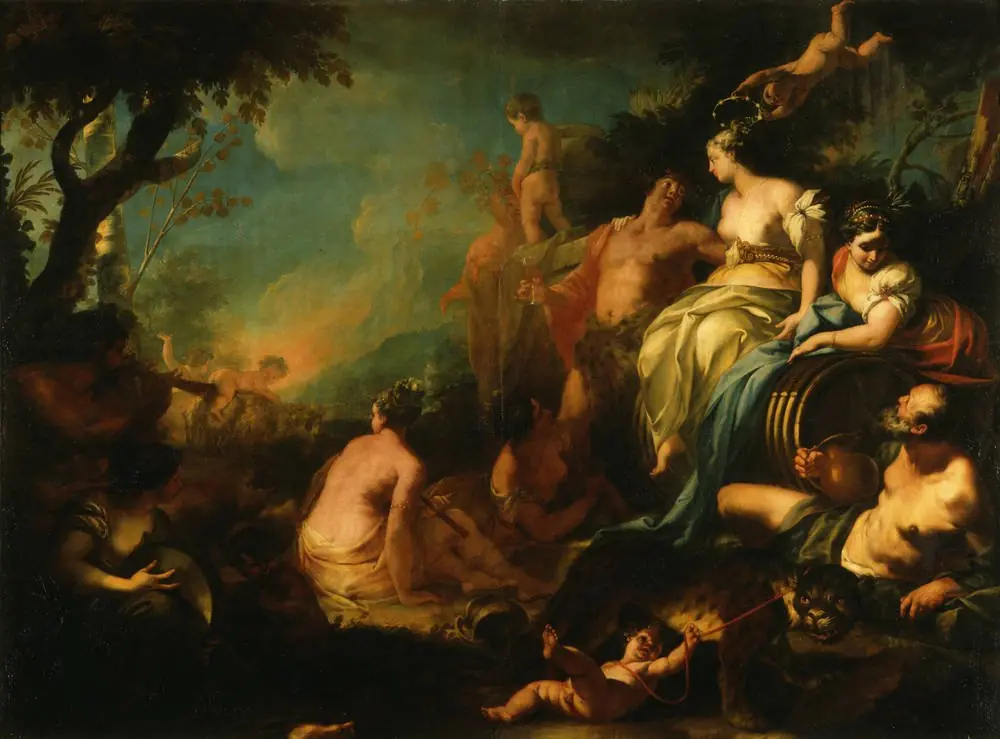 Bacchus and Ariadne
 The Death of King Laius
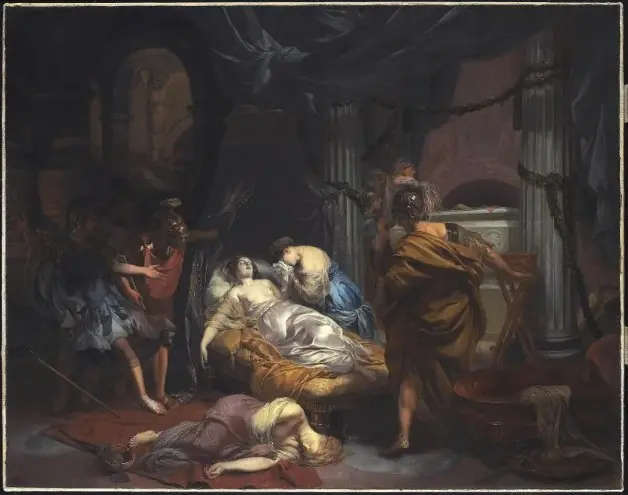 The Death of Cleopatra
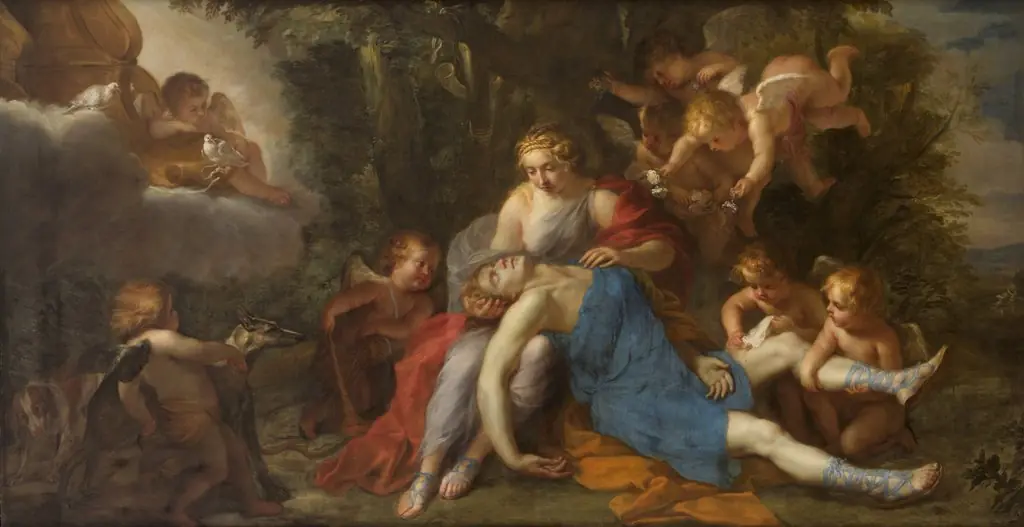 Venus beweint den toten Adonis
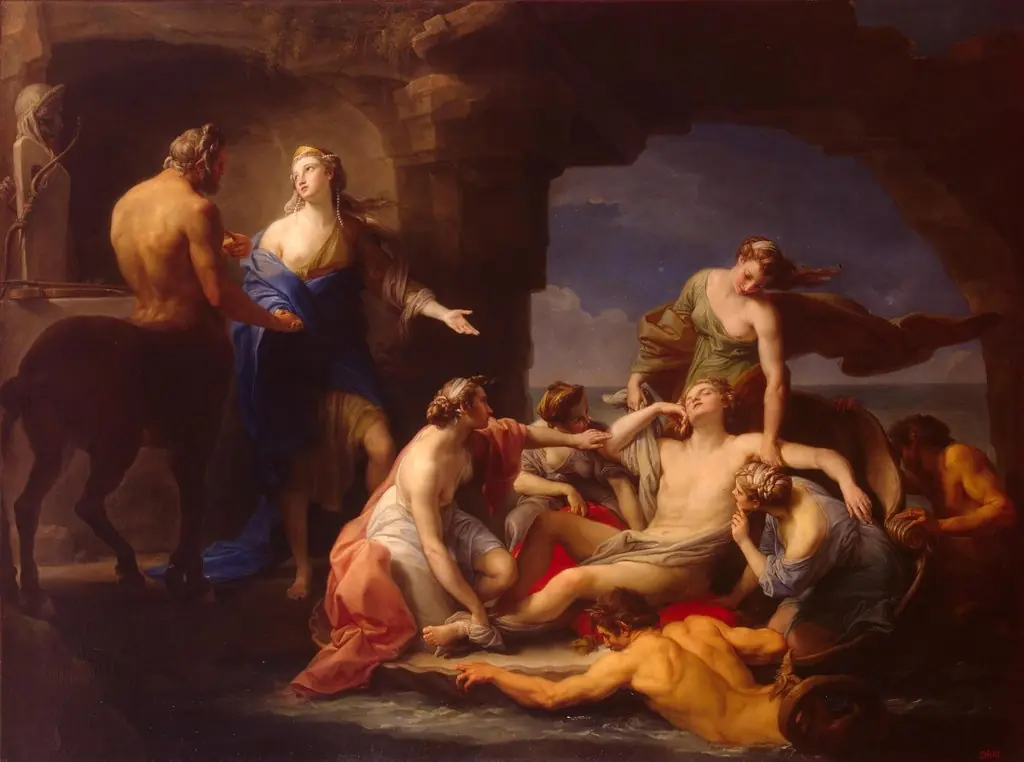 Thetis takes Achilles from the Centaur Chiron
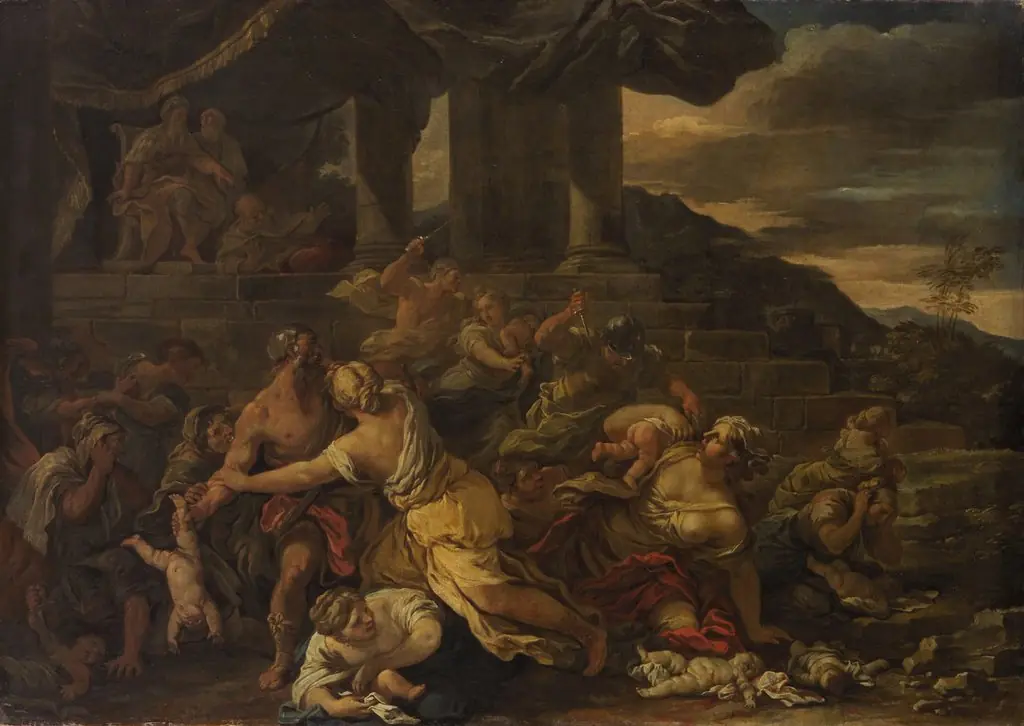 Killing of the Children in Bethlehem