Artwork
Thetis takes Achilles from the Centaur Chiron
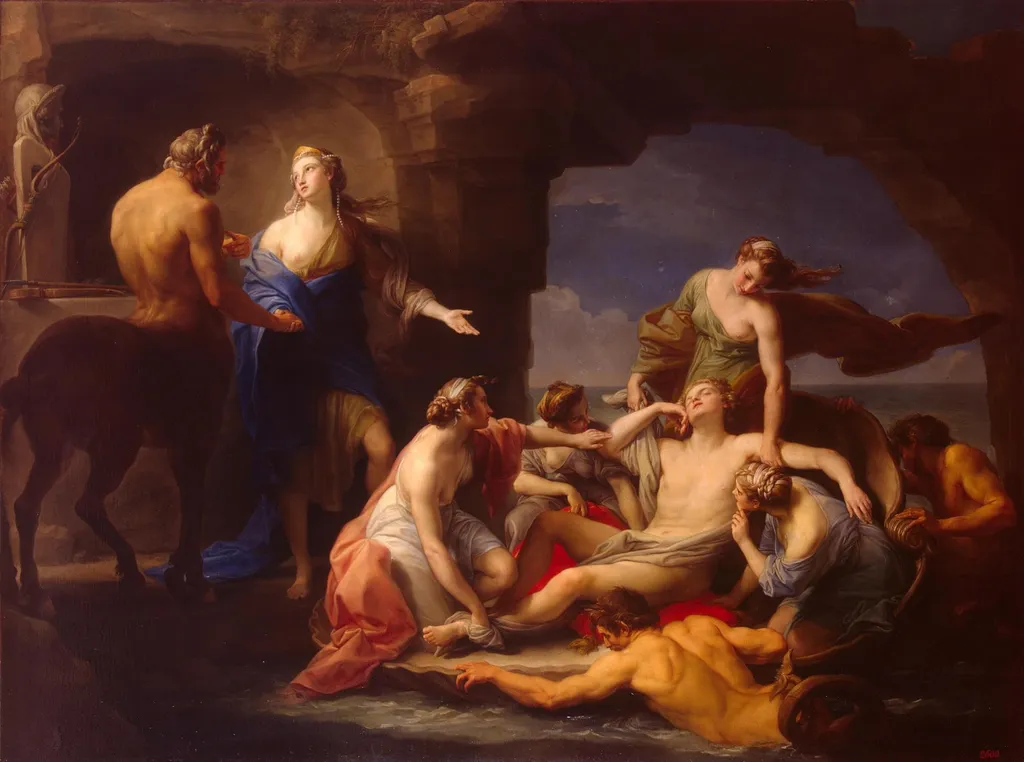
Thetis takes Achilles from the Centaur Chiron is an oil painting by the Rococo painting artist Pompeo Batoni. It dates from 1770 and is held in the collection of the Hermitage Museum.
About this work
Subject & Meaning
Pompeo Batoni's 1770 mythological painting illustrates the narrative moment where the sea goddess Thetis retrieves her son, Achilles, from the centaur Chiron.
Pompeo Batoni's 1770 mythological painting illustrates the narrative moment where the sea goddess Thetis retrieves her son, Achilles, from the centaur Chiron. The composition explicitly depicts these three figures, capturing the transition of the hero from his tutelage in the wild to his destined role in the Trojan War. The inclusion of sleep as a depicted element suggests a specific atmospheric or narrative condition surrounding the separation, emphasizing the vulnerability or divine nature of the infant hero.
As a work of mythological genre, the piece serves as a visual representation of classical legends concerning Achilles' early life and his removal from the centaur's care.
Technique & Style
Thetis takes Achilles from the Centaur Chiron is an oil painting executed on canvas by Pompeo Batoni in 1770. The work measures 226.5 cm in height and 297.5 cm in width. As a mythological painting, the piece depicts the figures of Achilles, Thetis, and Chiron, alongside the personification of sleep.
The medium of oil paint on canvas was a standard support for large-scale Italian works of the period, allowing for the detailed rendering characteristic of Batoni's style.
History & Provenance
Painted in 1770, the work entered the collection of the State Hermitage Museum in Saint Petersburg, where it remains housed. The canvas was created in Italy during Batoni’s maturity, aligning with his established practice of mythological subjects for international patrons. Its dimensions are 226.5 cm in height and 297.5 cm in width.
Overview
Created in 1770 by the Italian painter Pompeo Batoni, this oil canvas illustrates a moment from Greek legend in which the sea‑goddess Thetis removes her son Achilles from the tutelage of the centaur Chiron. Executed within the Rococo aesthetic, the work now belongs to the collection of the State Hermitage Museum in Saint Petersburg.
Own this work as a print
Artist & collection
Artist
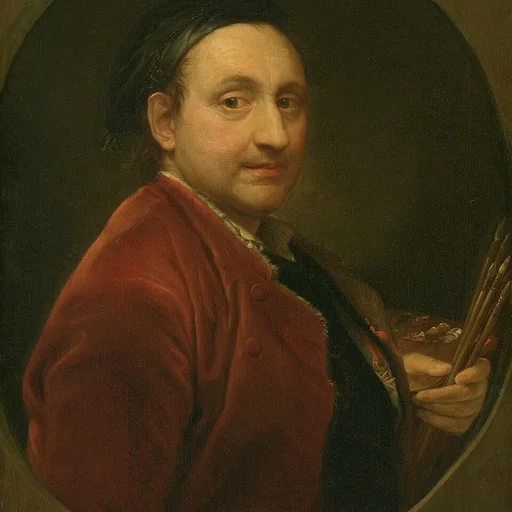
Pompeo Girolamo Batoni (25 January 1708 – 4 February 1787) was an Italian painter who displayed a solid technical knowledge in his portrait work and in his numerous allegorical and mythological pictures.

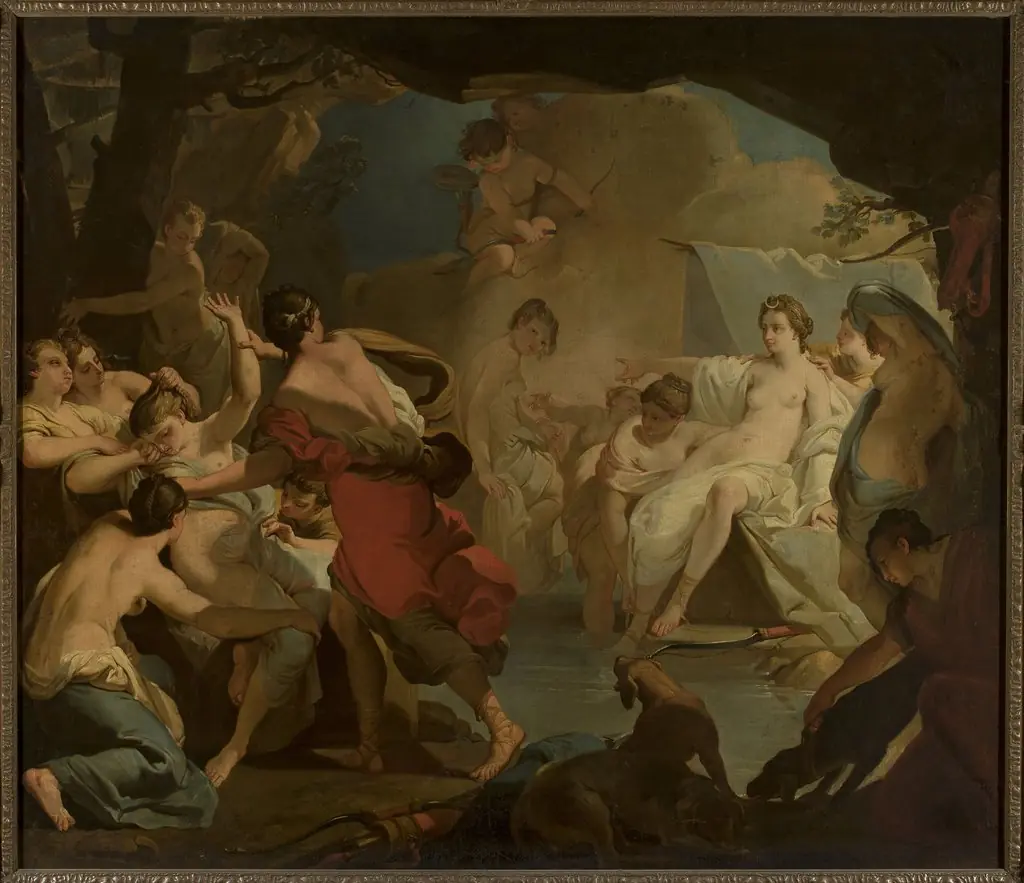 Diana's judgement of the nymph Callisto
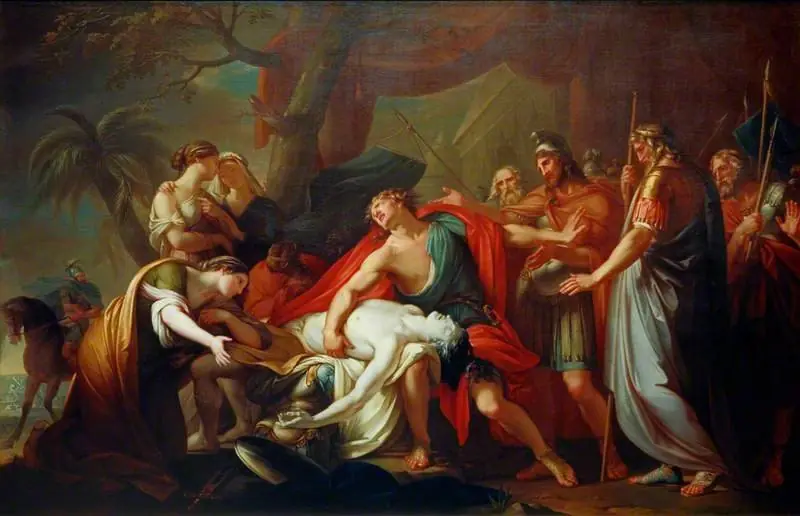 Achilles Lamenting the Death of Patroclus
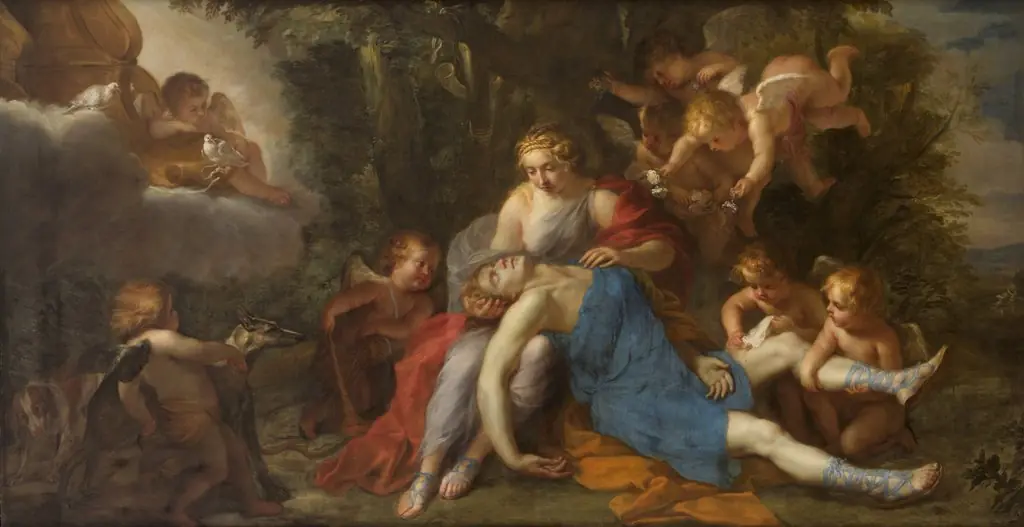 Venus beweint den toten Adonis
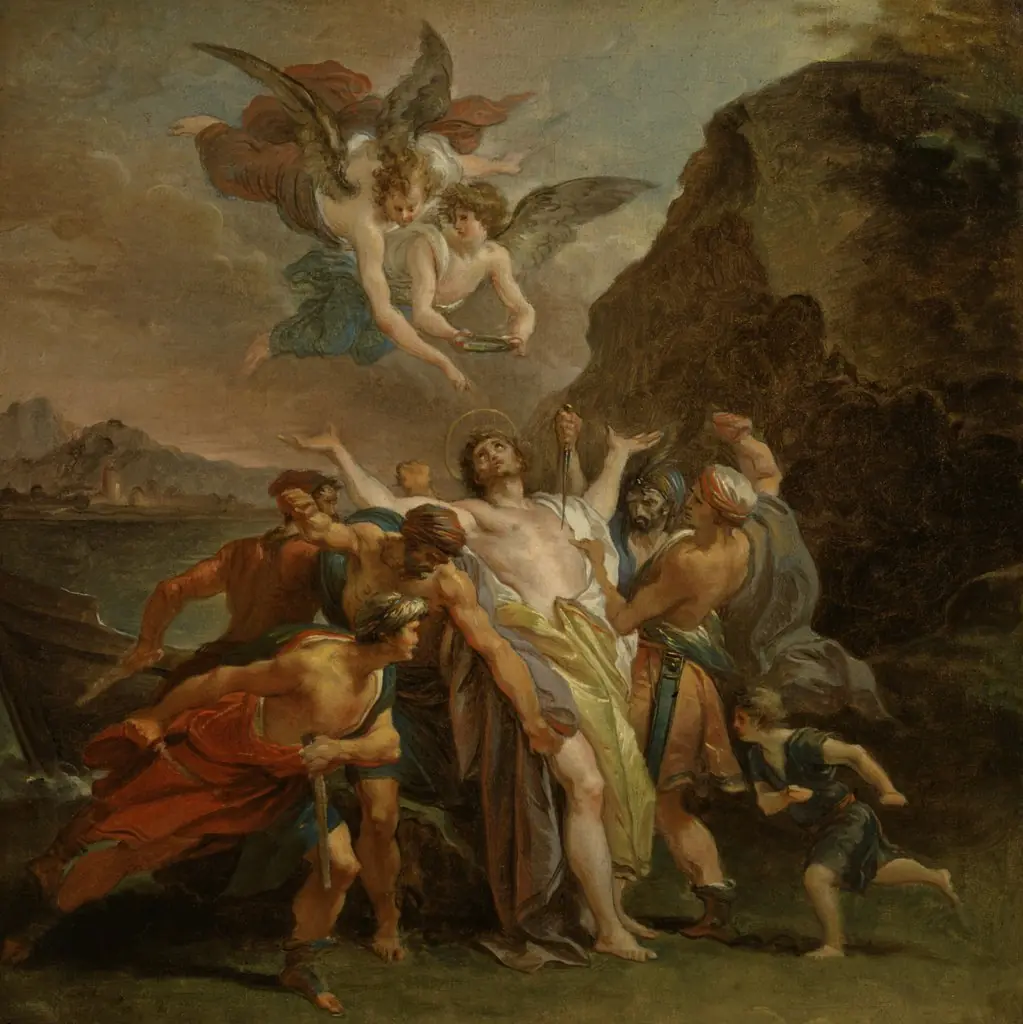 The Martyrdom of the Blessed Signoretto Alliata
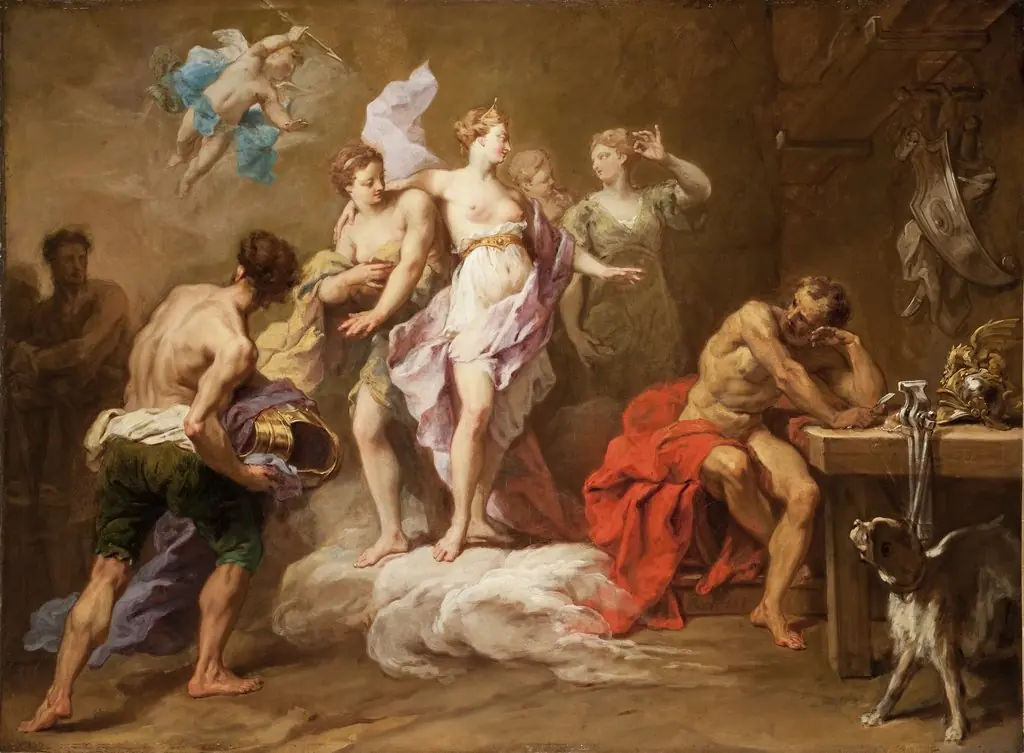 Venus Ordering Arms from Vulcan for Aeneas
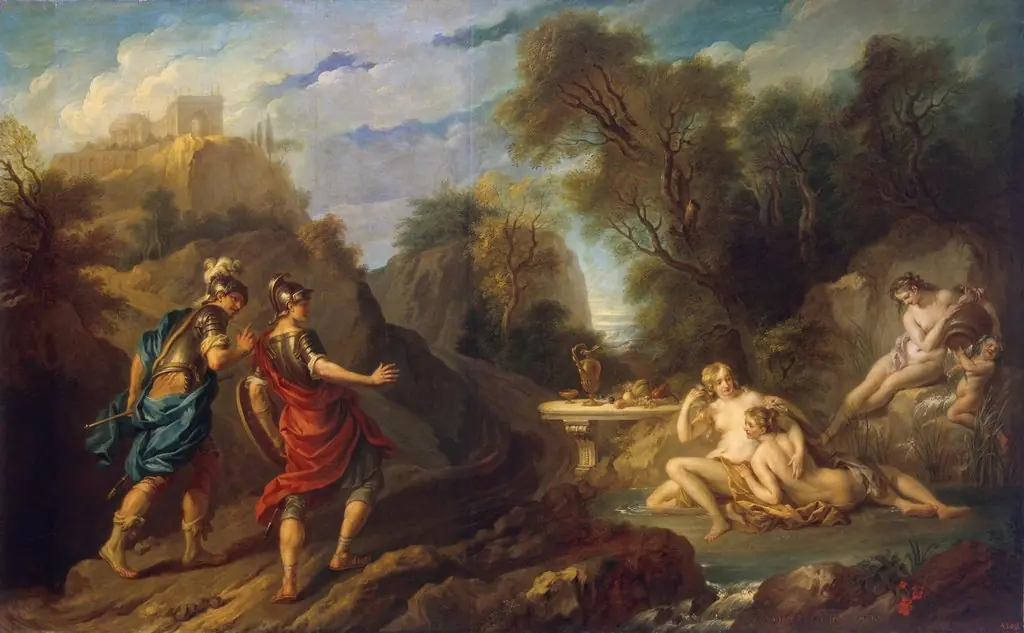 Messengers of Godfrey of Bouillon in Gardens of Armida
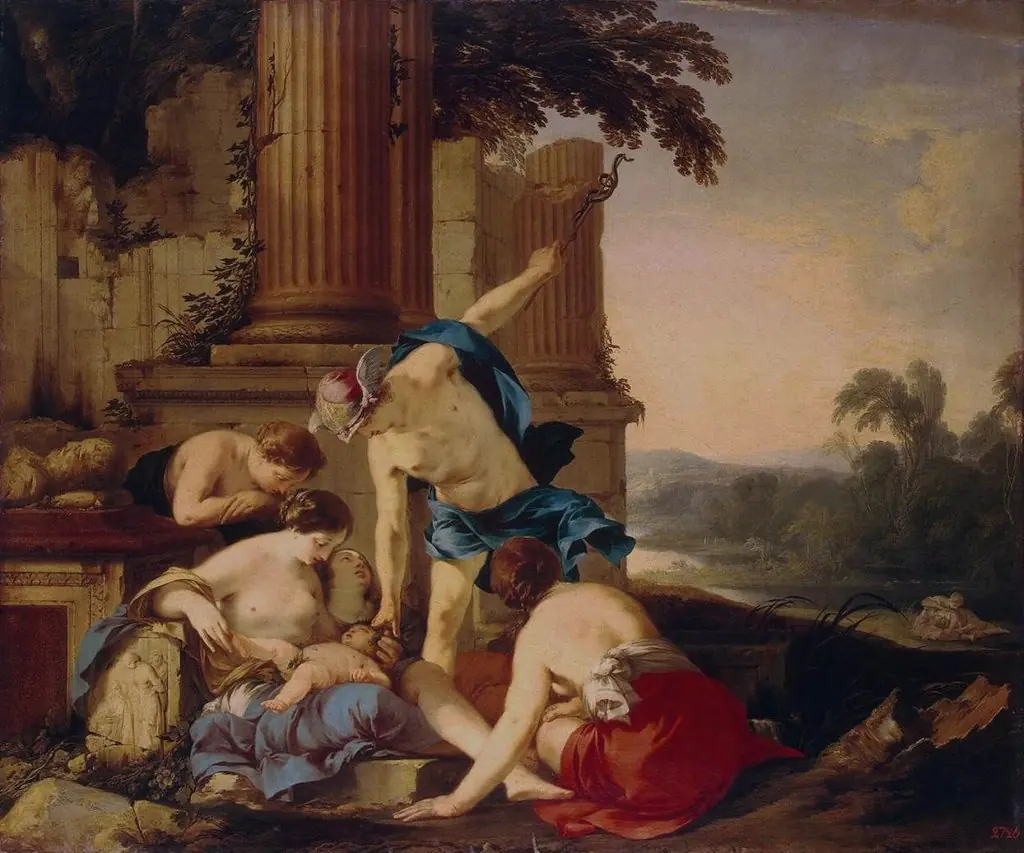 Mercury Takes Bacchus to be Brought up by Nymphs
 The Generosity of Scipio
 Aeneas Becomes a God
 Antiochus Yearning for Stratonice
 Antiochus Yearning for Stratonice
- Apollo and Thetis