Artwork
Painting
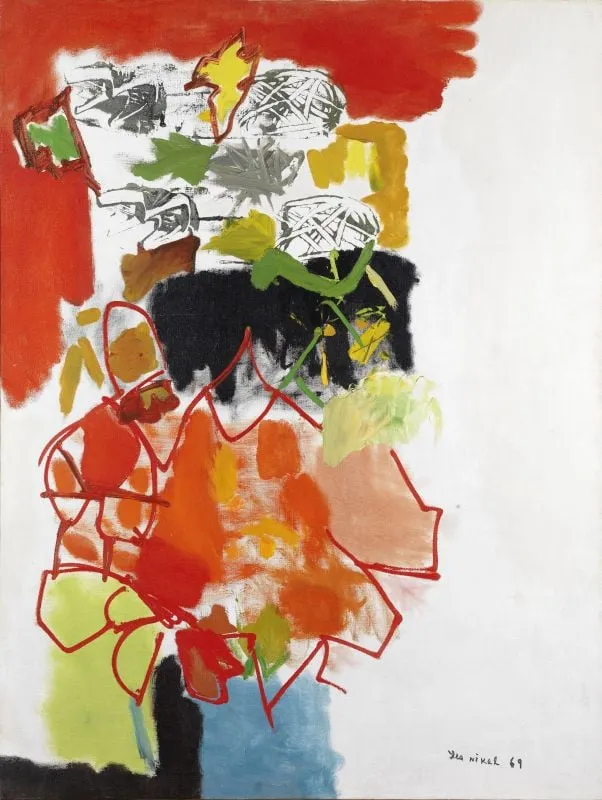
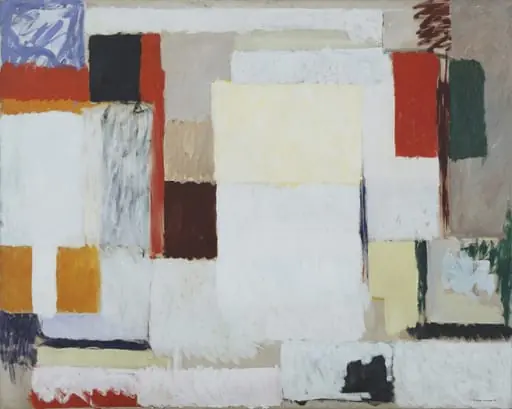
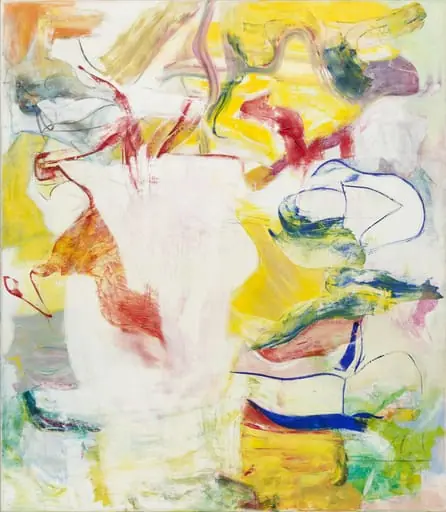
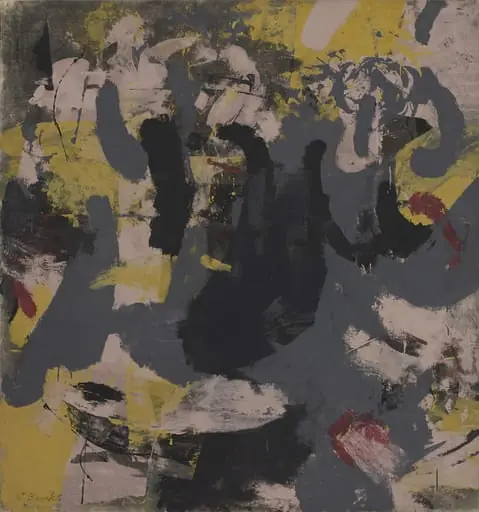
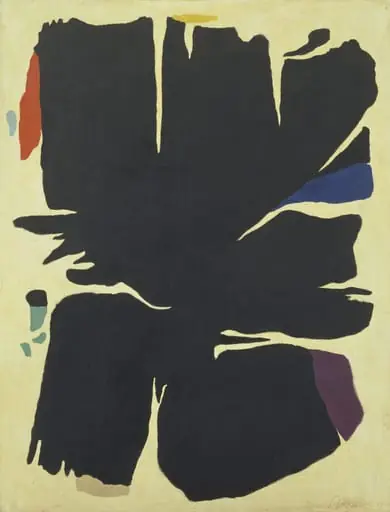
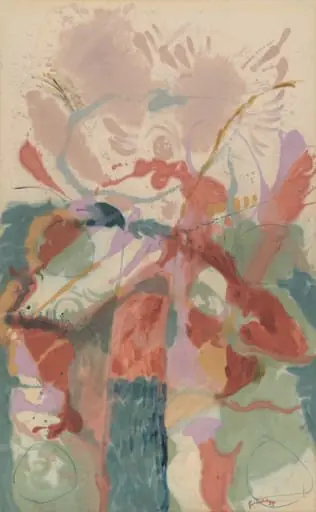
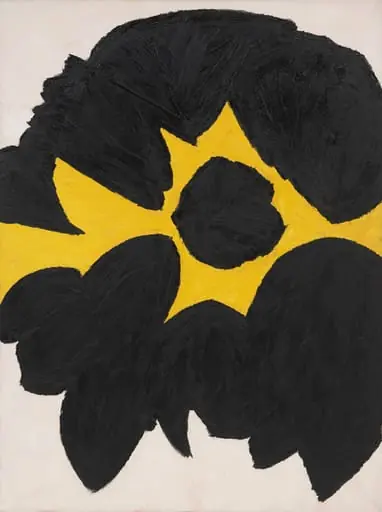
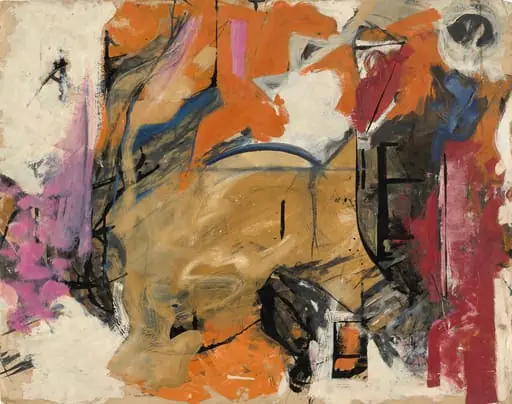
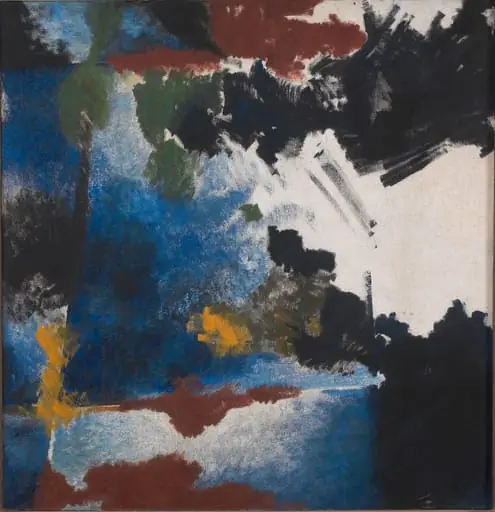
Painting is a paint painting by the Abstract Expressionist artist Lea Nikel. It dates from 1969 and is held in the collection of the Israel Museum.
About this work
Overview
Lea Nikel’s 1969 canvas, titled simply “Painting,” belongs to the collection of the Museum of Ethnography. The work presents a vivid, non‑representational field of color, split horizontally into two zones that pulse with contrasting hues. Its size and material are typical of mid‑century modernist canvases, emphasizing the artist’s interest in pure visual impact over narrative content.
Subject & Meaning
This juxtaposition creates a dynamic tension that suggests movement and emotional intensity without referencing external subjects.
The composition offers no identifiable figures, instead relying on the interaction of color and form to evoke sensation. The upper half bursts with dominant reds interlaced with green, yellow, and black, while the lower portion blends orange, red, blue, and touches of black and white. This juxtaposition creates a dynamic tension that suggests movement and emotional intensity without referencing external subjects.
Technique & Style
Nikel employs loose, gestural brushwork that leaves the texture of the paint surface visible. Broad swaths of pigment merge at their edges, while thin, scribbled red lines cut across the field, adding a sense of immediacy. The layering of saturated tones and the visible strokes reflect her engagement with abstract expressionist methods, emphasizing spontaneity and the physical act of painting.
History & Provenance
Created in 1969, the canvas entered the Museum of Ethnography’s holdings at an unspecified date, becoming part of its modern art assemblage. Its acquisition aligns with the institution’s broader effort to represent post‑war Israeli artists, situating Nikel’s work within a narrative of mid‑20th‑century artistic exchange.
Context
Lea Nikel, an Israeli painter active in the 1960s, was known for her bold color palettes and abstract compositions. This piece reflects the period’s shift toward expressive abstraction, where color itself became the primary vehicle for emotional expression. Within the museum’s collection, the work dialogues with contemporaneous pieces that explore similar concerns of chromatic intensity and gestural freedom.
Artist & collection