Subject
Artist
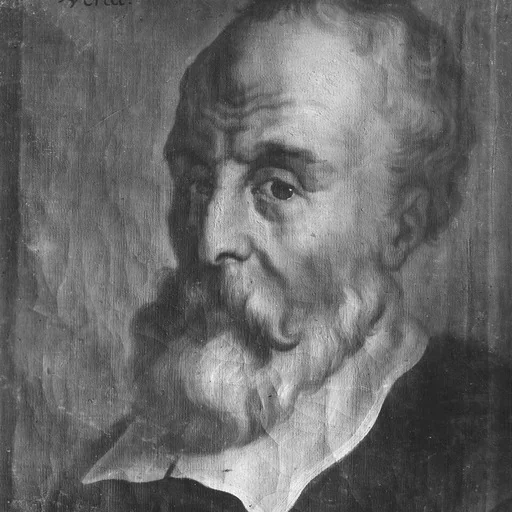
Artist is a subject in art. The gallery holds 46 works in this subject in art, including works by Paolo Veronese, Edgar Degas and Jean Léon Gérôme.
An artist is a person who creates art or practices the arts. The most common usage in everyday speech and academic discourse refers to a practitioner of the visual arts, such as painting or drawing.
Key artists


Overview
An artist is a person who creates art or practices the arts, a definition most commonly applied in everyday speech and academic discourse to practitioners of the visual arts, such as painting, drawing, or sculpture. The term derives from the Medieval Latin artista, rooted in the Latin ars, meaning art, skill, or craft, and entered English usage from the Middle French artiste in the mid 1500s. While the word broadly encompasses practitioners across visual, performing, literary, and musical disciplines, its application remains inherently indeterminate. Because philosophers and creators lack an agreed upon definition of art itself, the boundary of who qualifies as an artist resists strict aesthetic prescription and remains highly contingent on culture.
Iconography & meaning
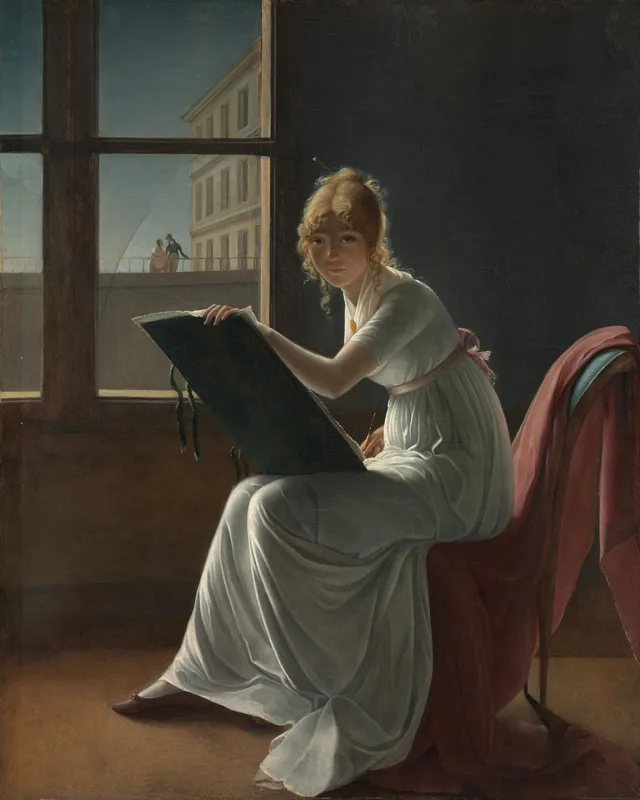
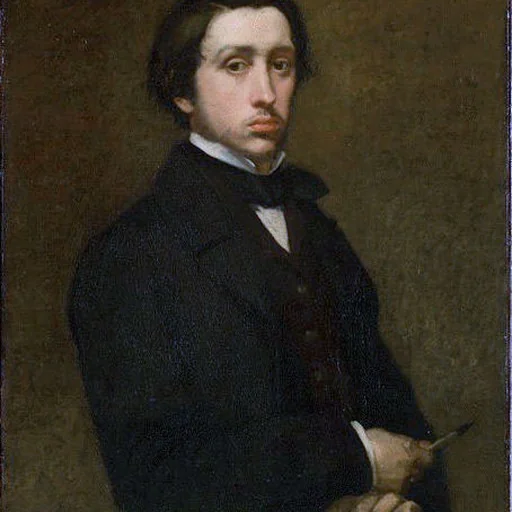
The iconography of the artist in Western thought is deeply tied to the historical tension between intellectual mastery and manual labor. In Ancient Greece, the nine Muses oversaw fields of human creation, yet none governed the visual arts of painting and sculpture, which were regarded as mere manual labor often performed by slaves. During the Middle Ages, the term artist designated those practicing the liberal arts, such as grammar and rhetoric, rather than manual creators. The Church viewed the artisan as an artifex, reproducing divine creation but bound by ecclesiastical rules. As the status of creators shifted, self portraiture emerged as a key motif for the artist. Initially appearing discreetly in the margins of works, the self portrait evolved into a powerful symbol of the changing social standing and self perception of visual creators, reflecting a trajectory from anonymous craftsman to the Divino artista of the Renaissance, and eventually to the critical, doubt filled introspection seen in later eras.
Across movements & periods
The treatment and social status of the artist have transformed drastically across historical periods. In classical antiquity, visual practitioners were held in low regard, considered manual laborers regardless of their skill. During the Middle Ages, the concept of the artist was closer to that of a skilled craftsman, and artisanal products like textiles were often more valued than paintings or sculptures. The Renaissance marked a pivotal shift, driven by Leon Battista Alberti's treatises emphasizing the intellectual skills of the creator over manual dexterity, elevating the practitioner to a creative genius. By the second half of the 17th century, European academies formalized the division between the fine and applied arts. In the 19th and 20th centuries, artists led revolutionary movements that redefined visual expression, shifting from the observational capture of light and feeling in Impressionism, to the subjective emotional distortions of Expressionism, and eventually to pure Abstraction, which shunned realism entirely to focus on color, texture, and material.
Notable depictions
Notable depictions of the artist frequently center on the self portrait as a means of asserting professional identity and intellectual parity. During the Renaissance, figures like Sandro Botticelli and Albrecht Durer began inserting restrained self portraits into their works, a practice that evolved into baroque self certainty before giving way to the critical self examination of later artists like Vincent van Gogh. In the broader context of art movements, the image of the artist became synonymous with radical stylistic innovation. Edvard Munch used Expressionism to convey psychological horror, while Pablo Picasso and Georges Braque fragmented perspective in Cubism. Later, Jackson Pollock and Mark Rothko made the act of creation the explicit subject, using gestural application or pure color fields to represent the artist's subjective experience.
Legacy
The legacy of the artist is characterized by an ongoing expansion of the term's boundaries and a continuous negotiation of the creator's role in society. In the German intellectual tradition, the concept of the artist extended beyond a mere occupation to represent the epitome of a cultivated human being, a philosophical view stretching from Goethe and Schiller to Thomas Mann, before society reduced the term primarily to a professional job title in the 20th century. Contemporary definitions resist standardization, with many artists viewing their role as carrying civic responsibility and using their platforms to advocate for social and political issues. Furthermore, the distinction between creating and performing art has broadened the concept, while legal frameworks in countries like Germany and Austria have attempted to define artistic activity through criteria such as personal, original creation and specific professional training, even as self taught and outsider artists continue to challenge institutional boundaries.
Works
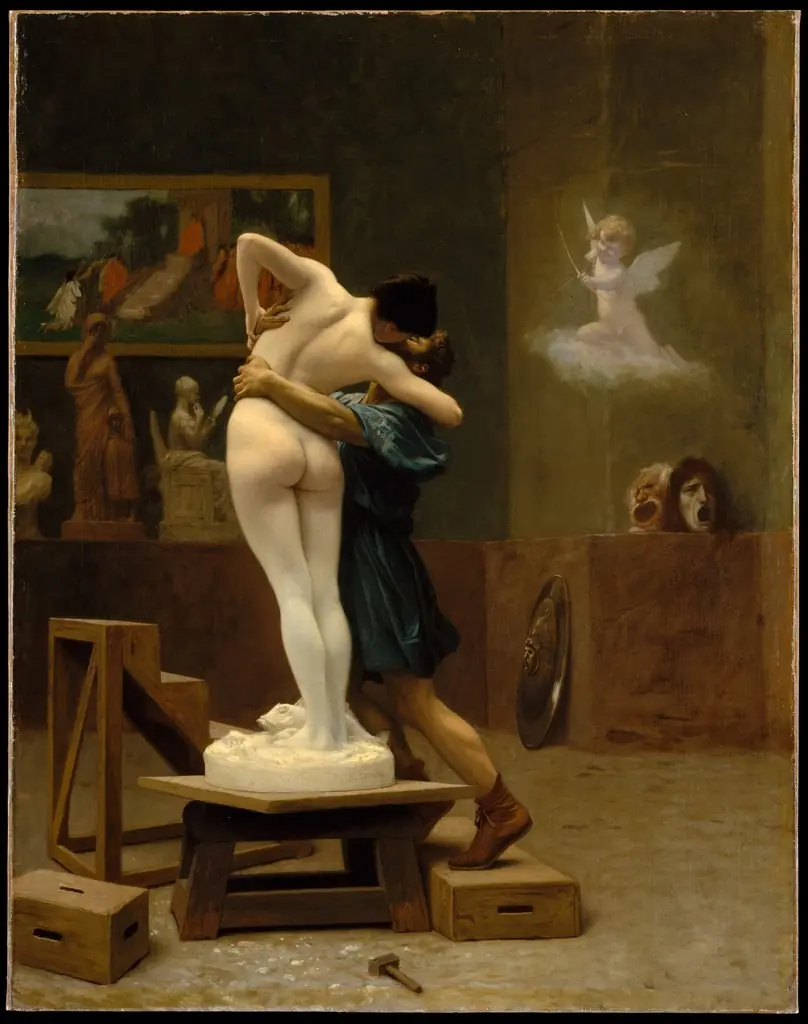 Pygmalion and Galatea
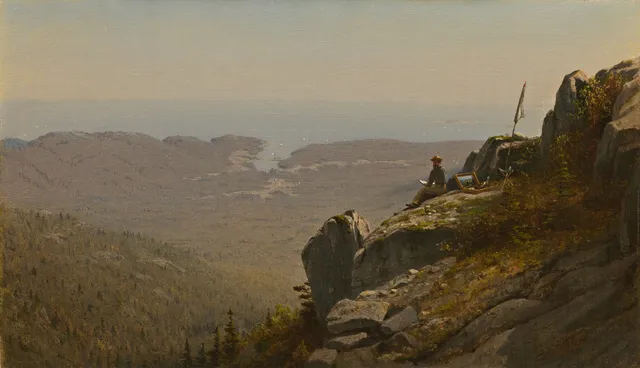
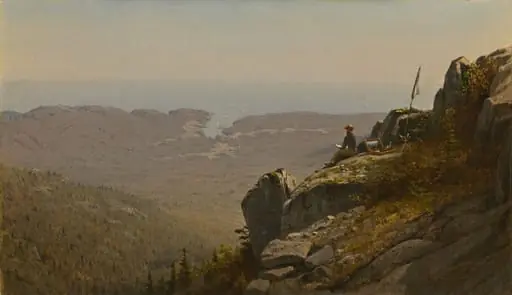 The Artist Sketching at Mount Desert, Maine
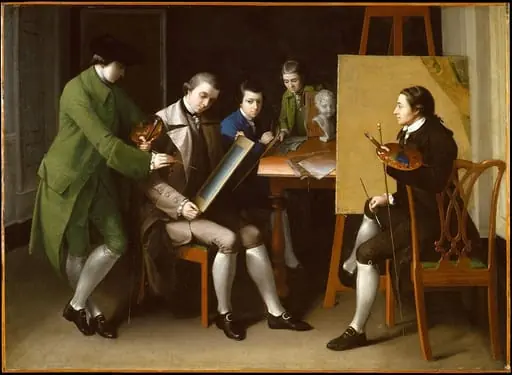 The American School
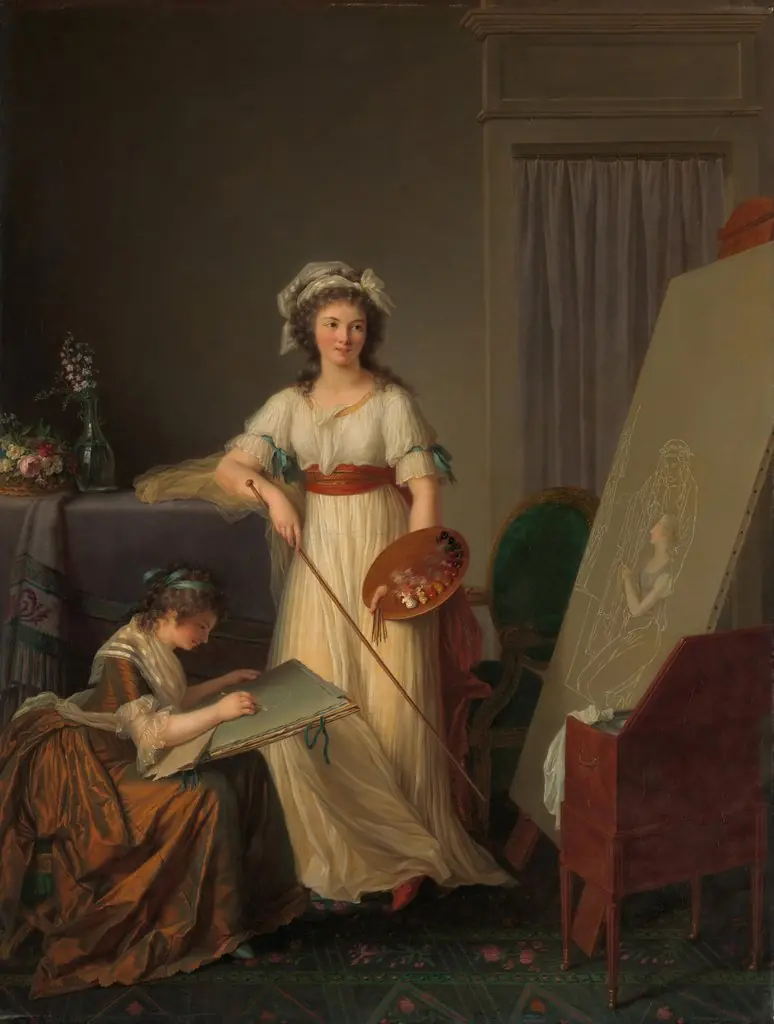 The Interior of an Atelier of a Woman Painter
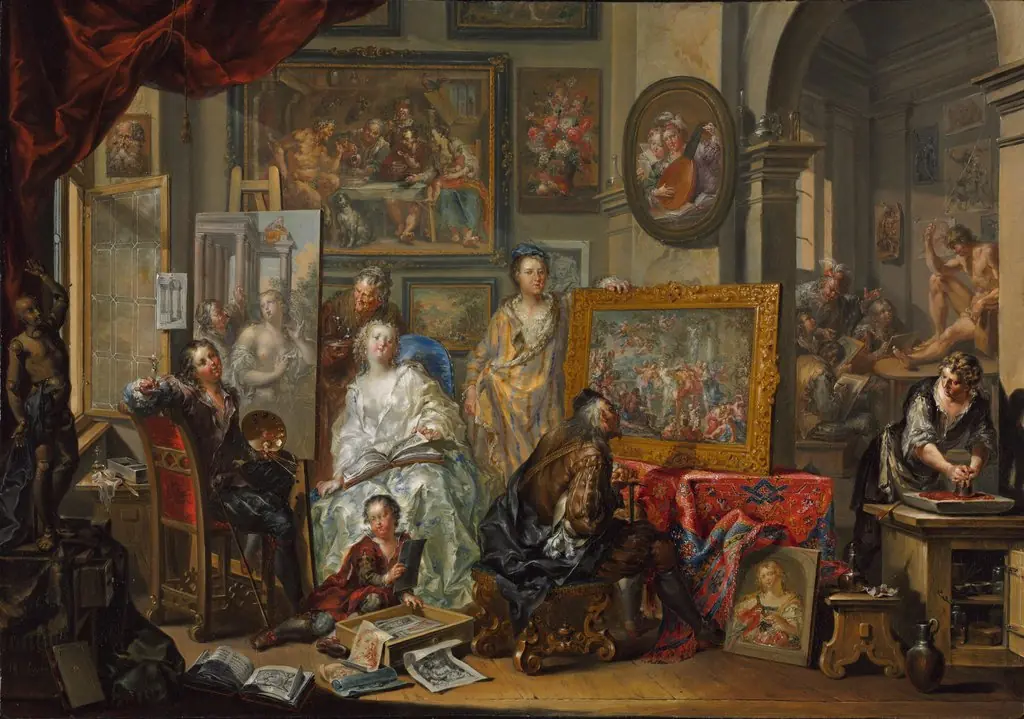 The Artist's Studio
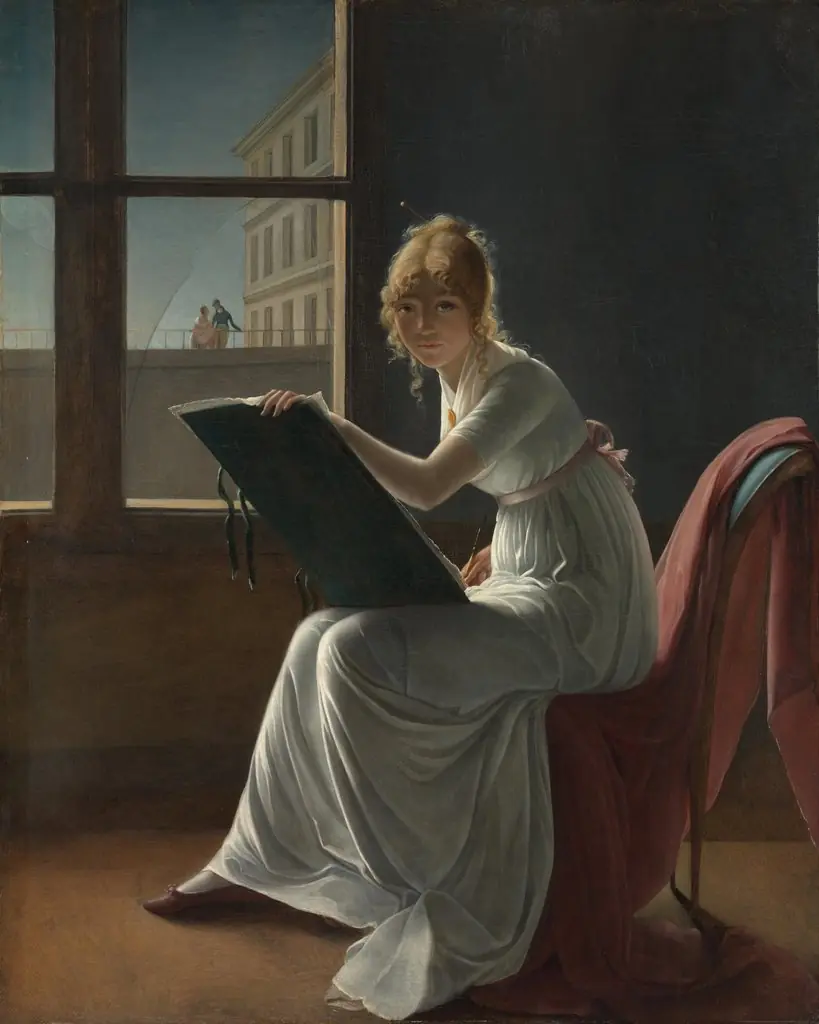 Portrait of Charlotte du Val d'Ognes
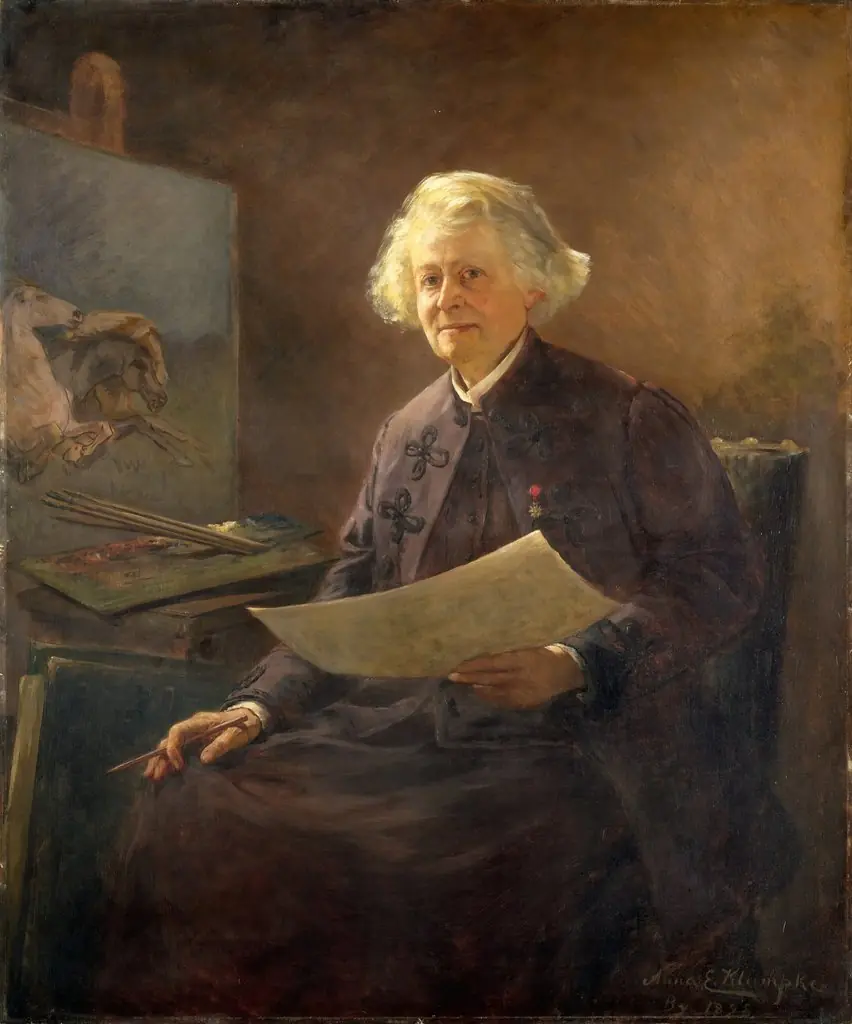 Rosa Bonheur
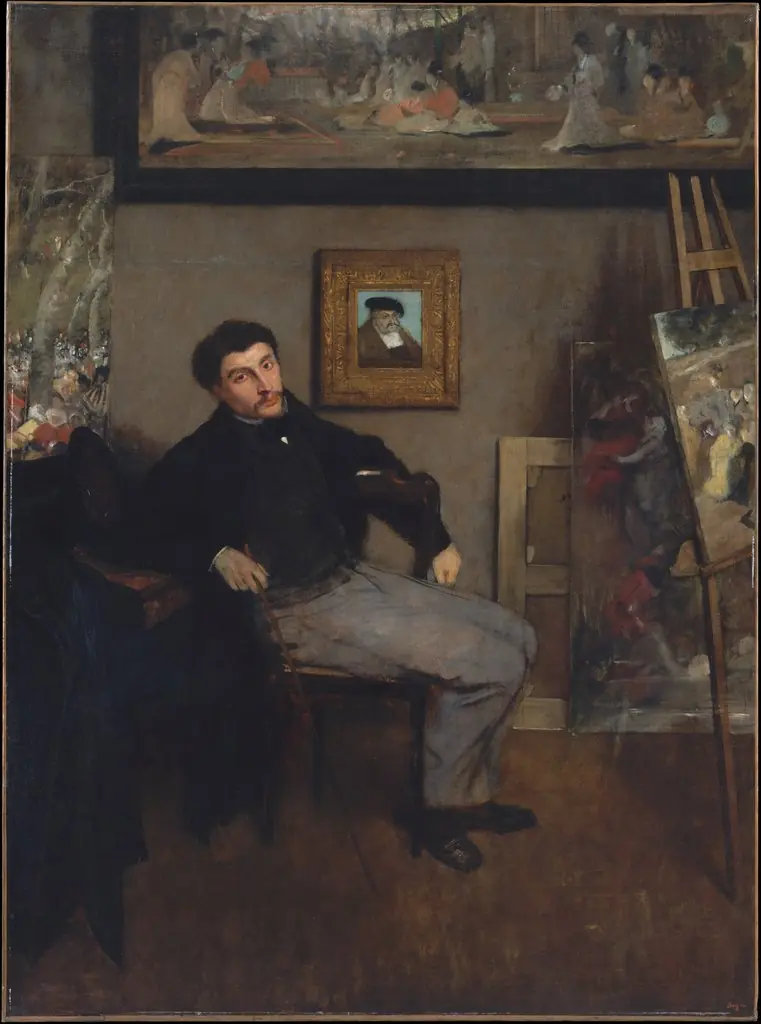 James-Jacques-Joseph Tissot (1836–1902)
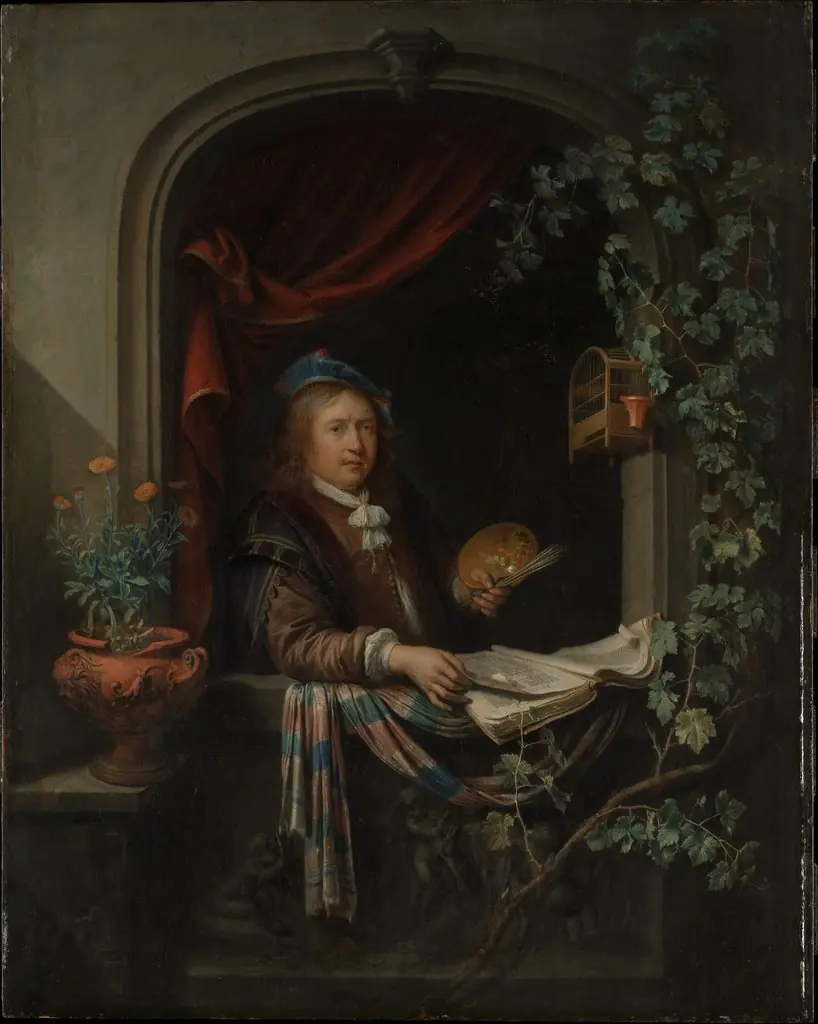 Self-Portrait
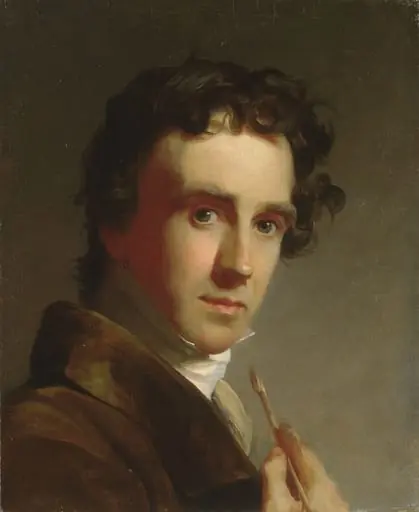 Portrait of the Artist
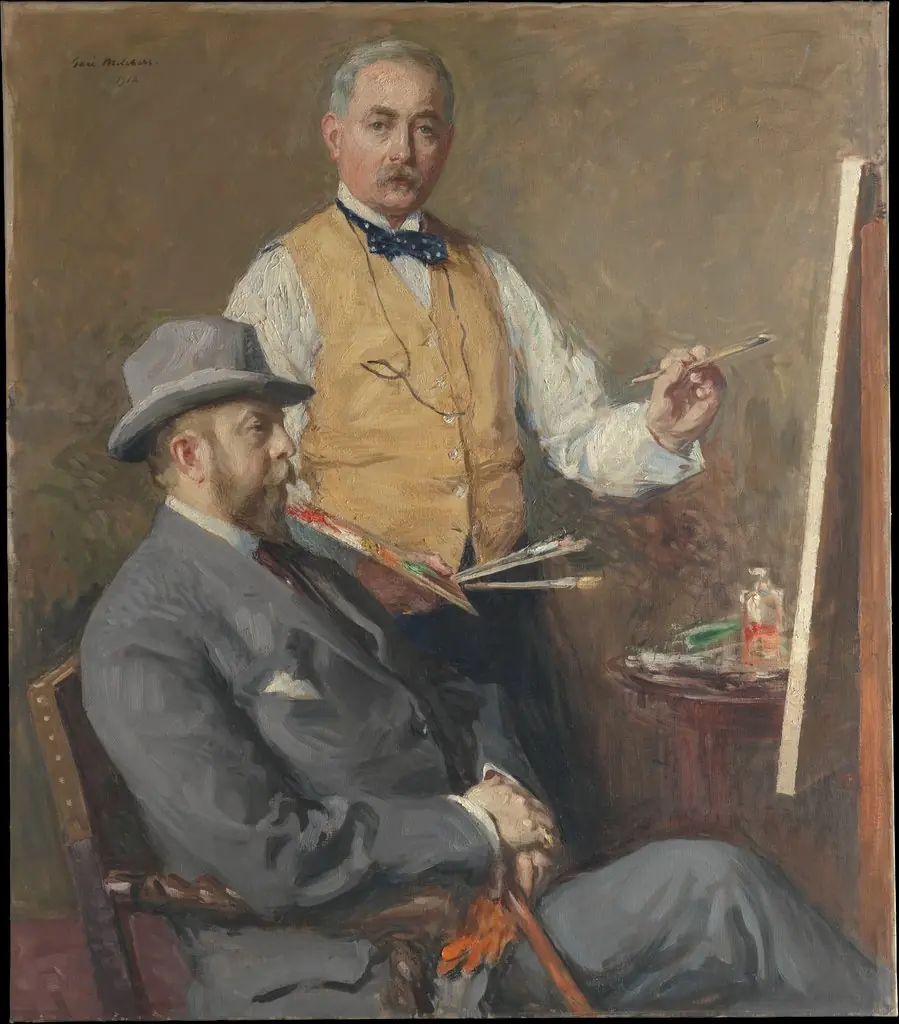 In the Studio (Gari Melchers and Hugo Reisinger)
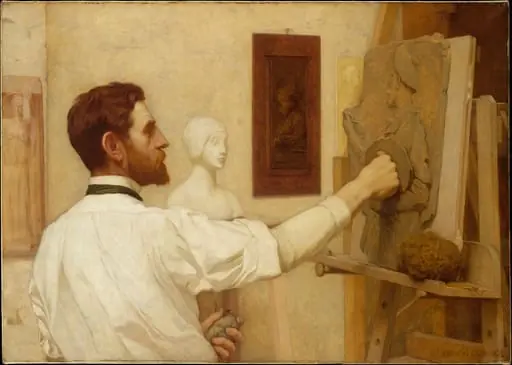 Augustus Saint-Gaudens
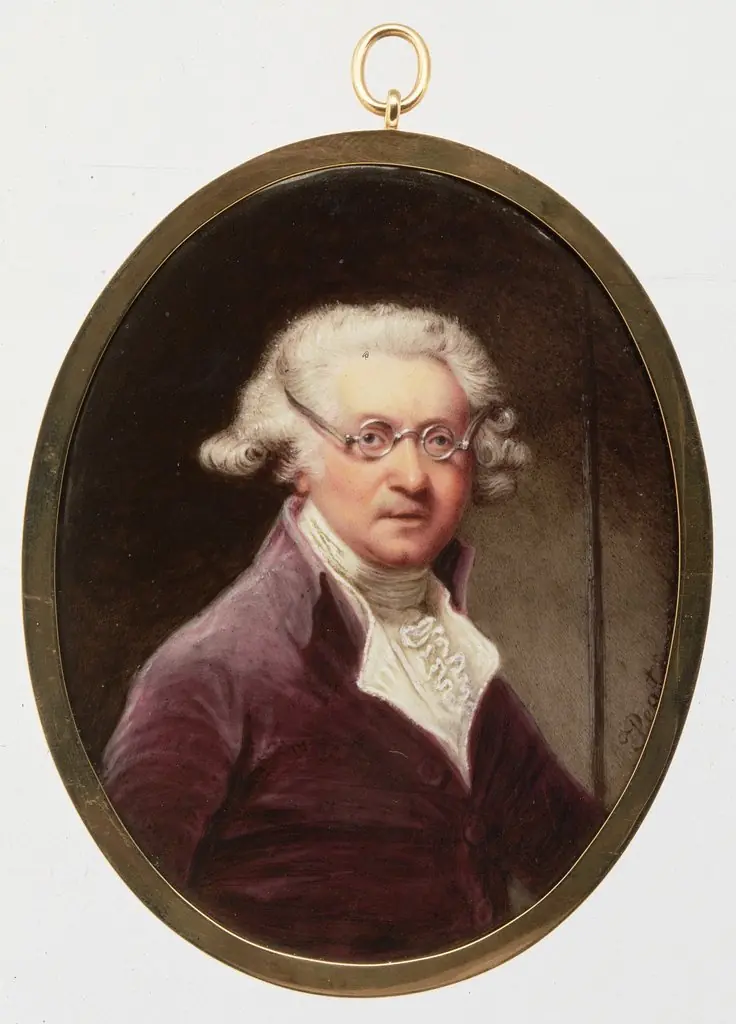 Sir Joshua Reynolds (1723–1792)
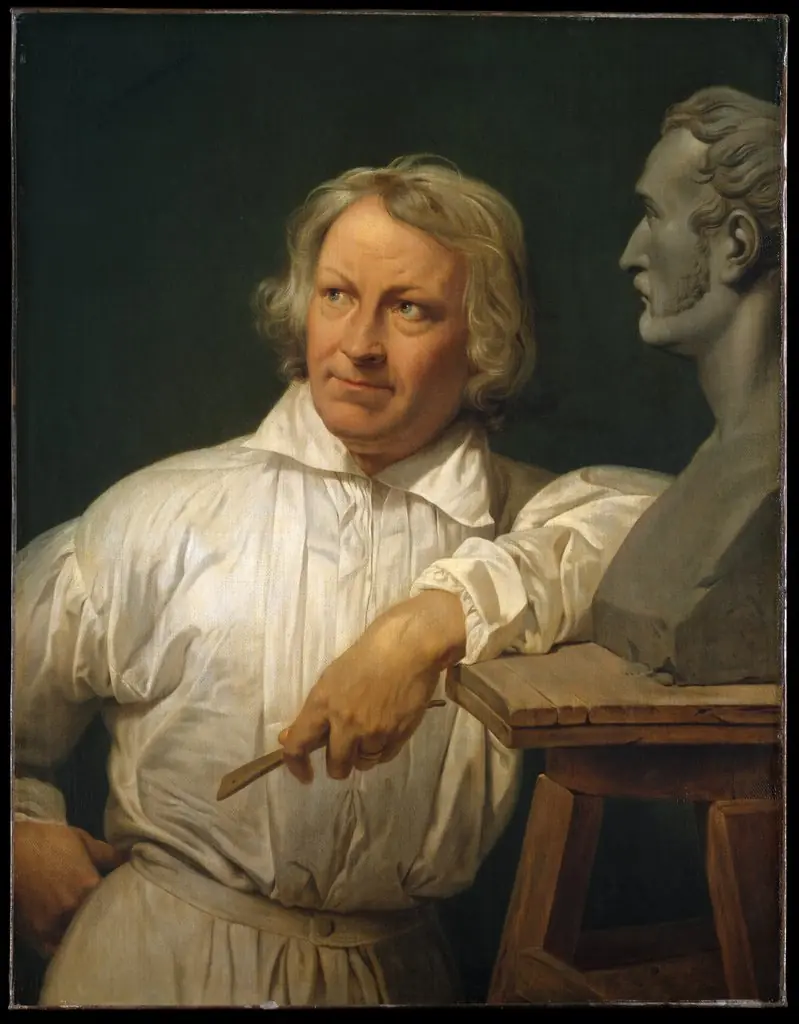 Bertel Thorvaldsen (1768–1844) with the Bust of Horace Vernet
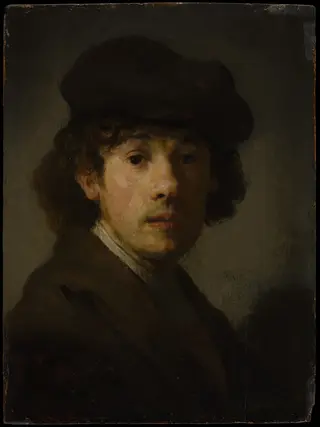 Rembrandt (1606–1669) as a Young Man
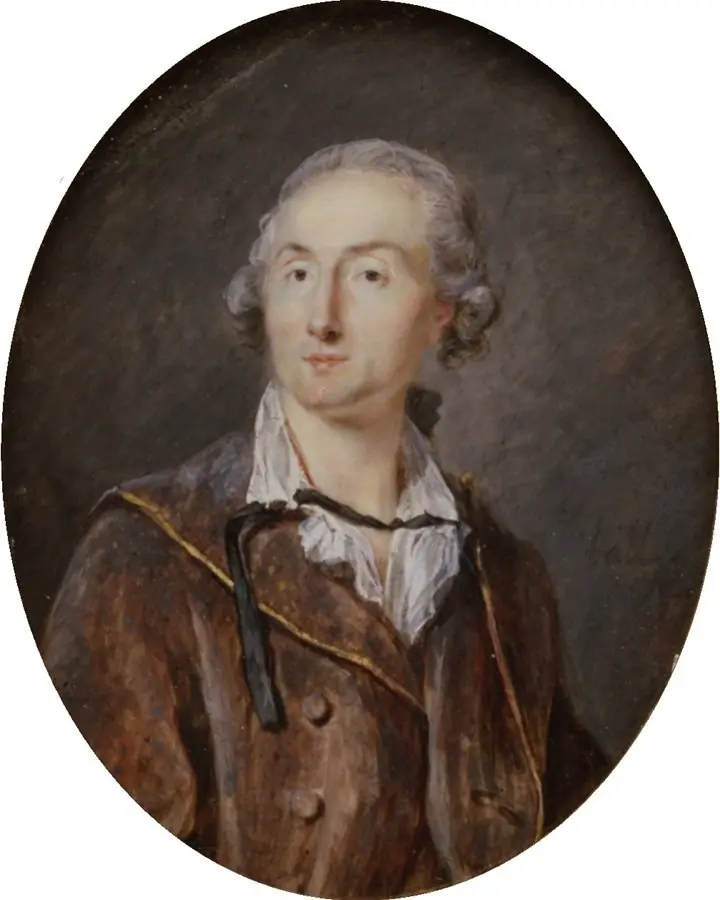 The Painter Louis Joseph Maurice (1730–1820)
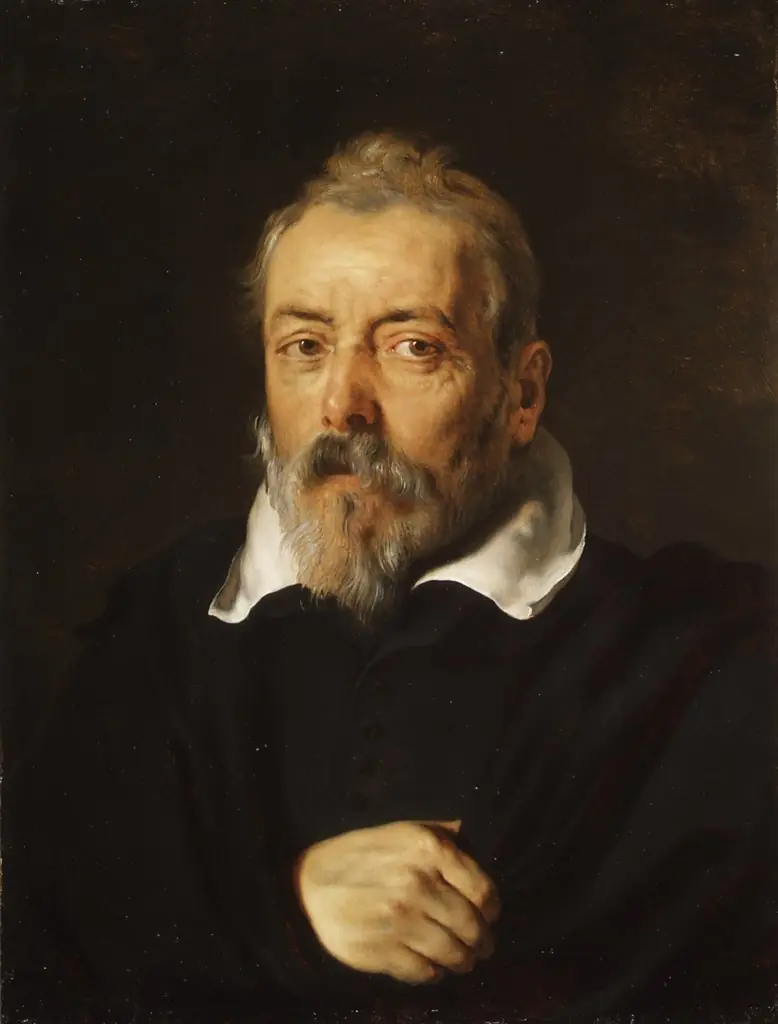 Portrait of Frans Francken I (1542–1616)
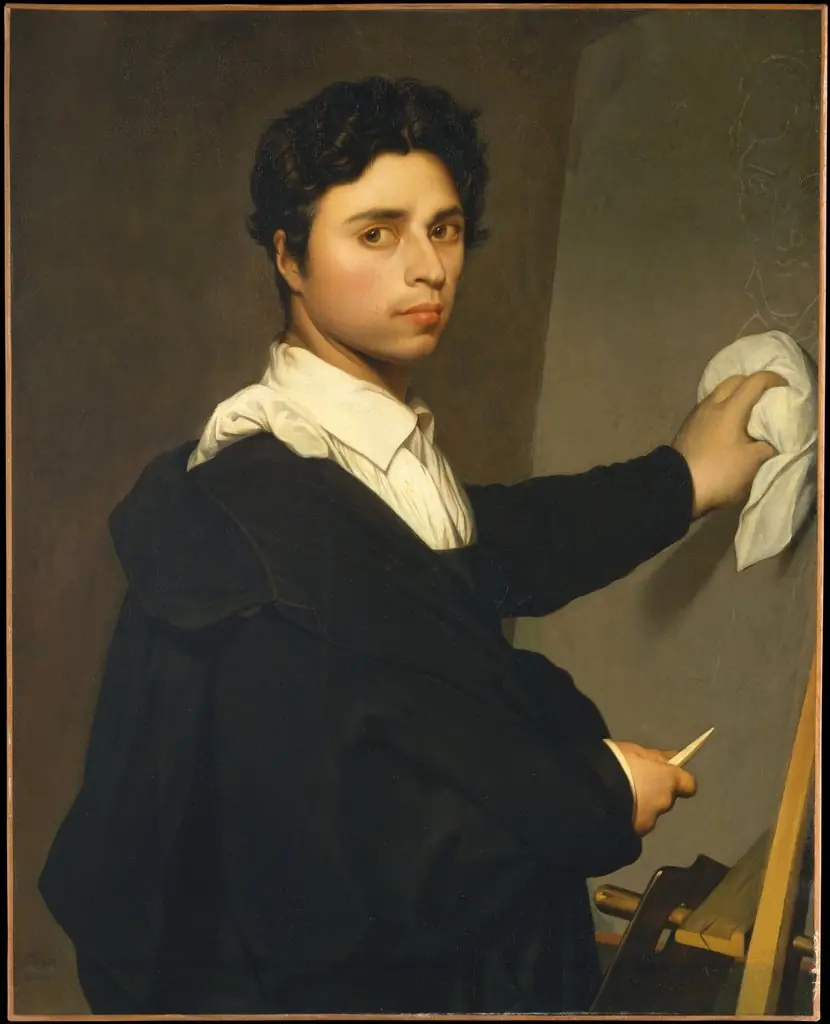 Ingres (1780–1867) as a Young Man
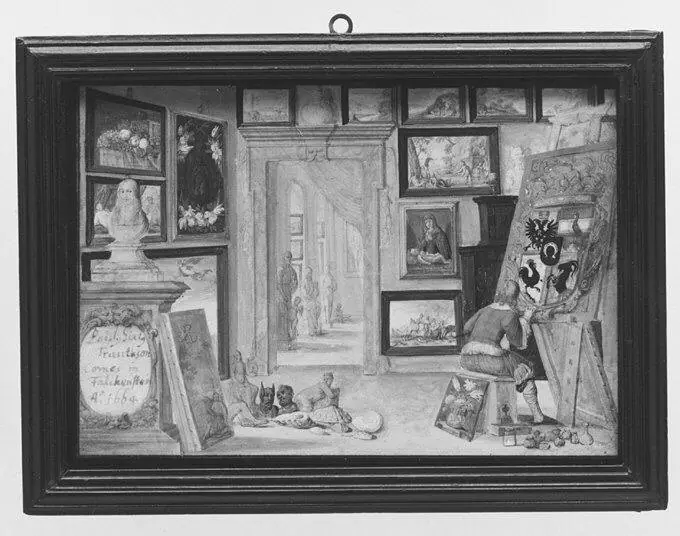 An Artist Painting a Heraldic Shield in a Cabinet of Curiosities
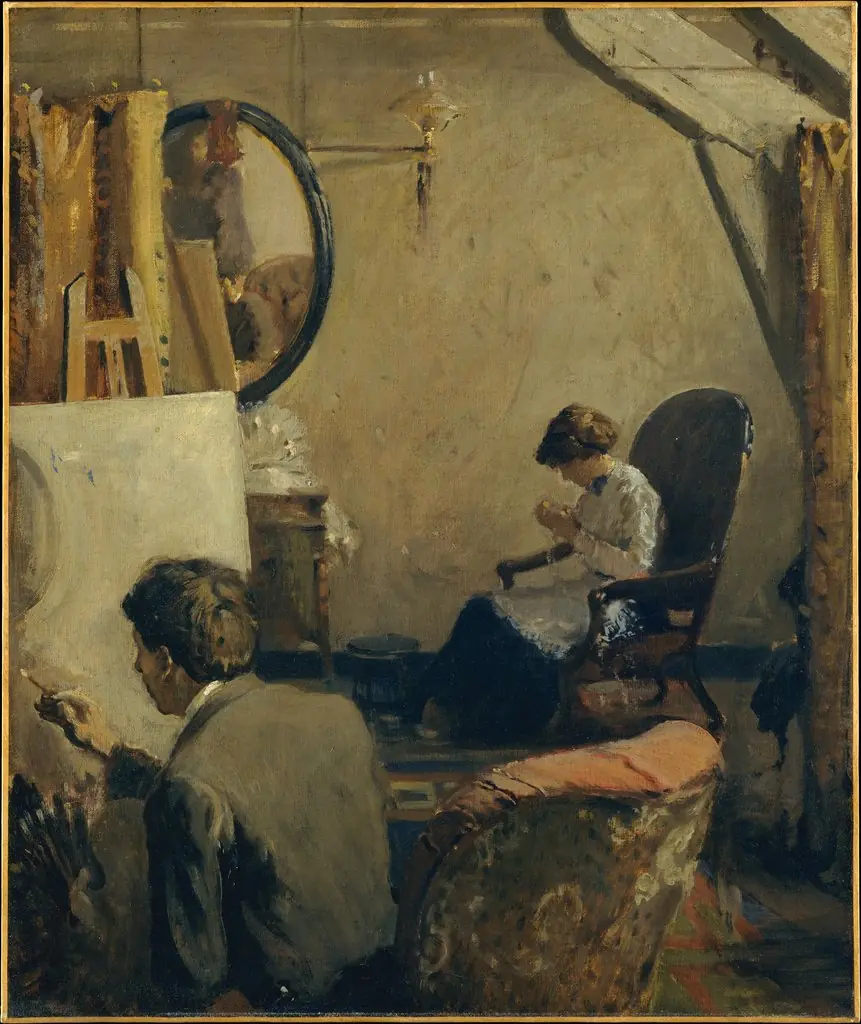 Louis Kronberg in His Studio in Copley Hall
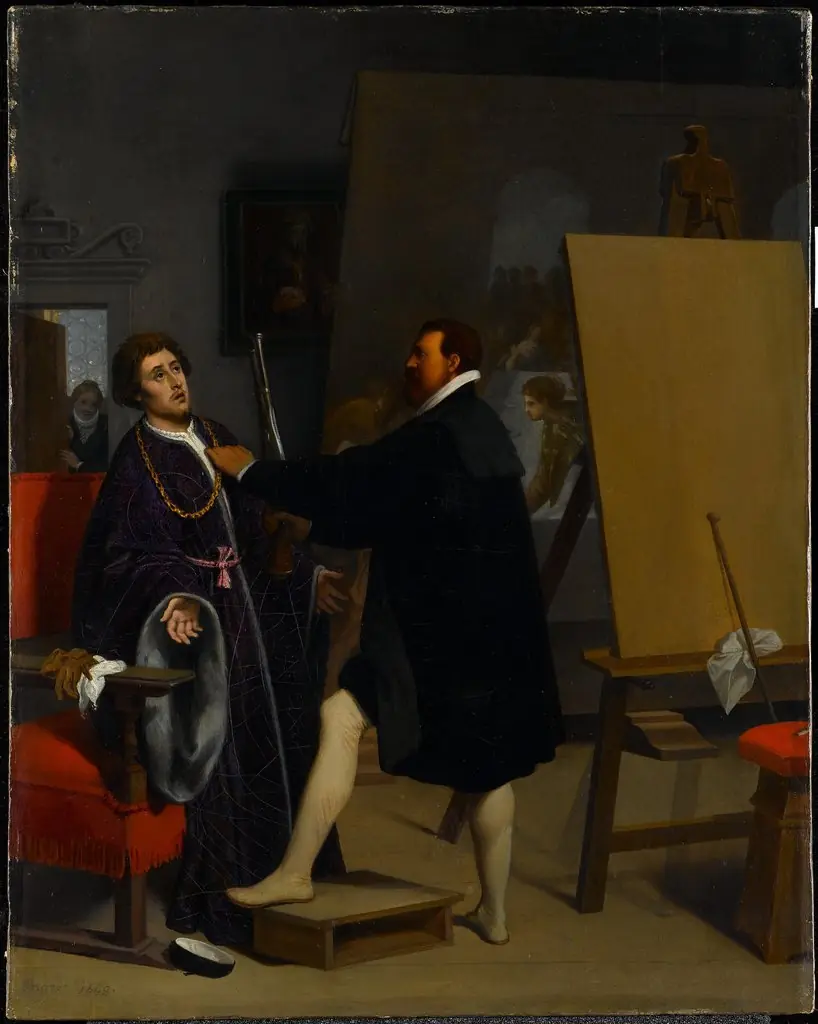 Aretino in the Studio of Tintoretto
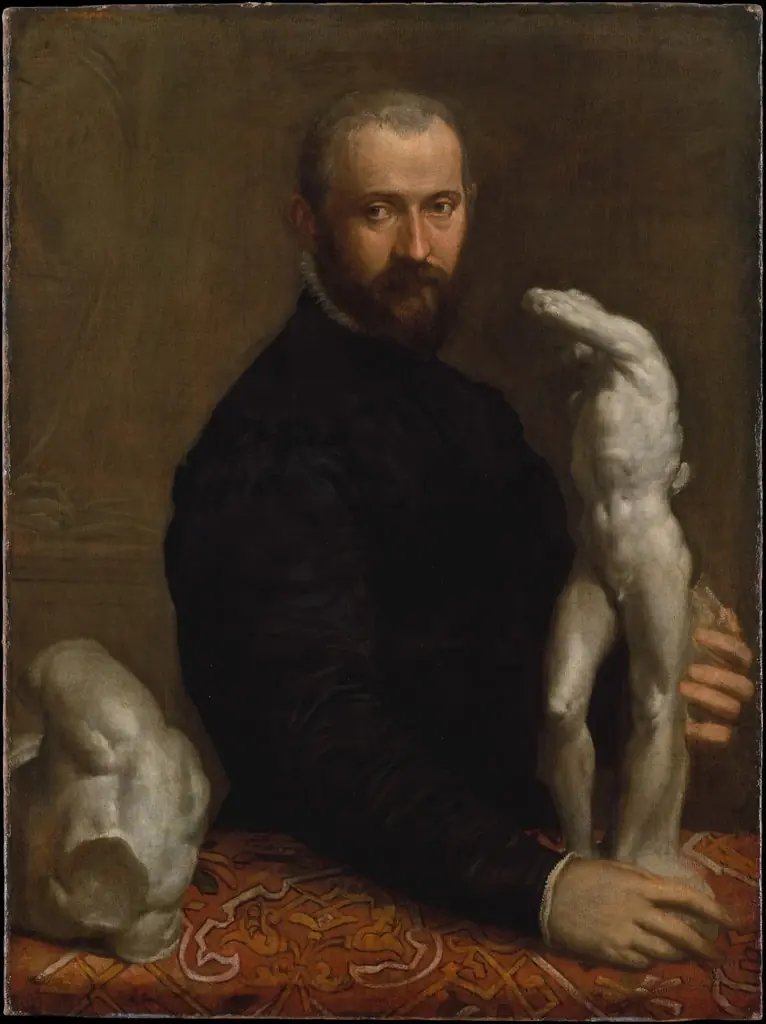 Alessandro Vittoria (1524/25–1608)
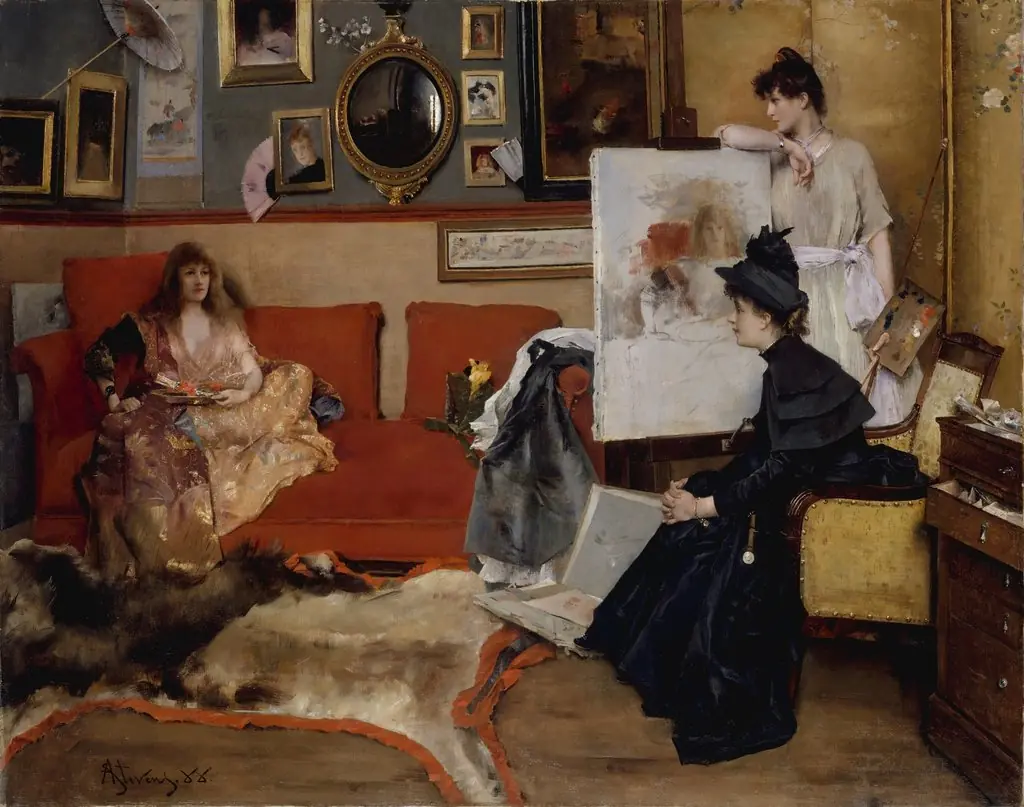 In the Studio
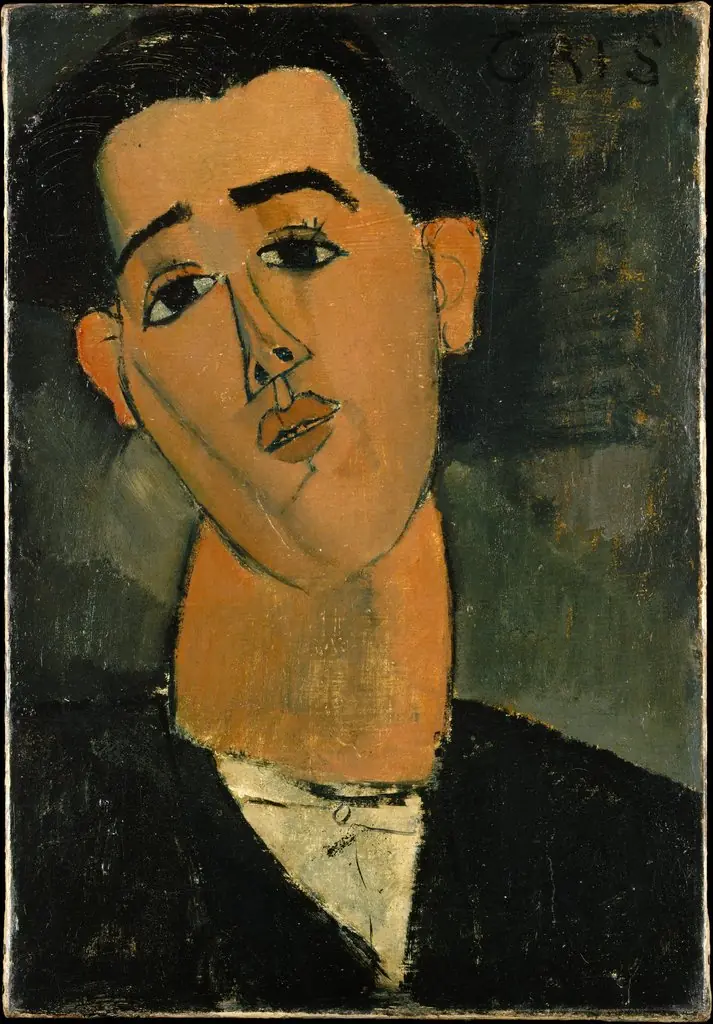 Juan Gris (1887–1927)
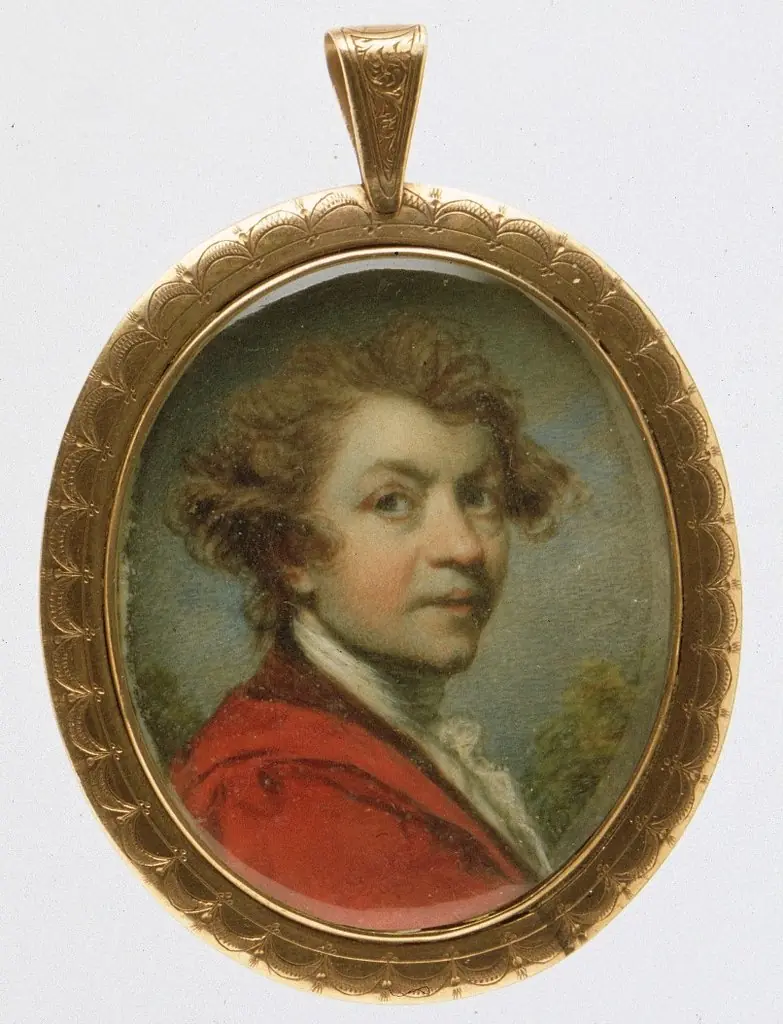 Sir Joshua Reynolds (1723–1792)
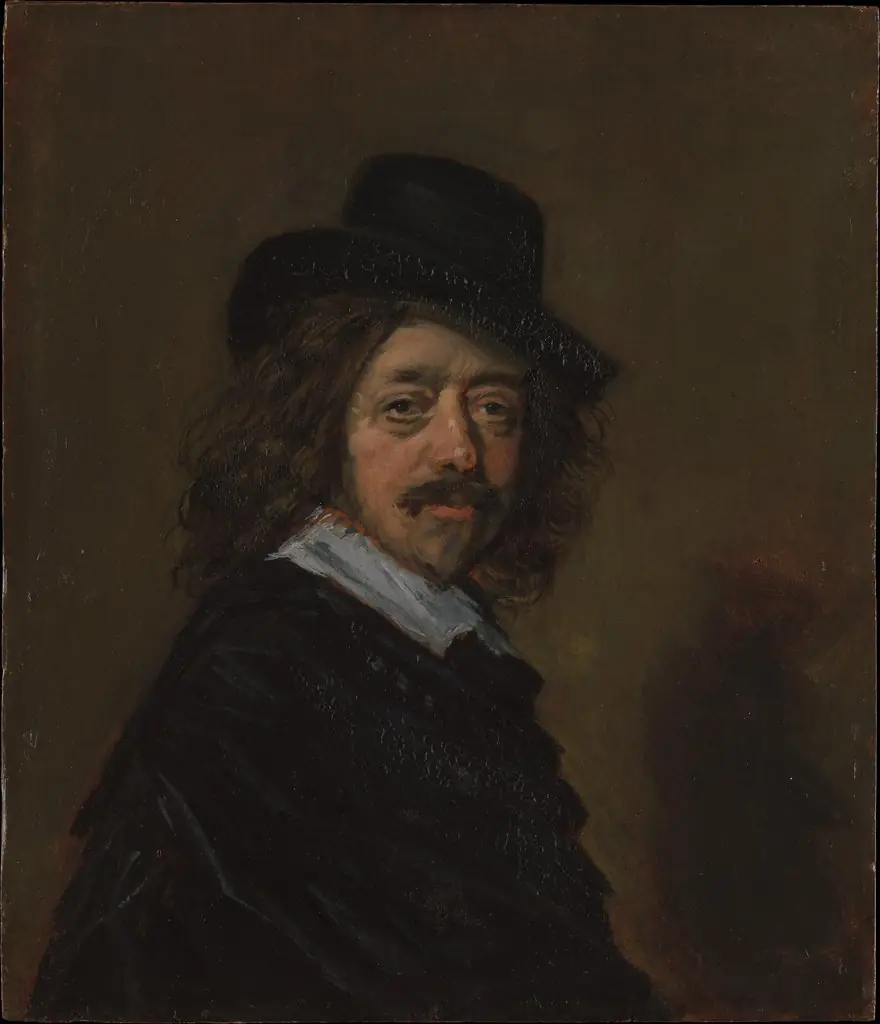 Frans Hals (1582/83–1666)
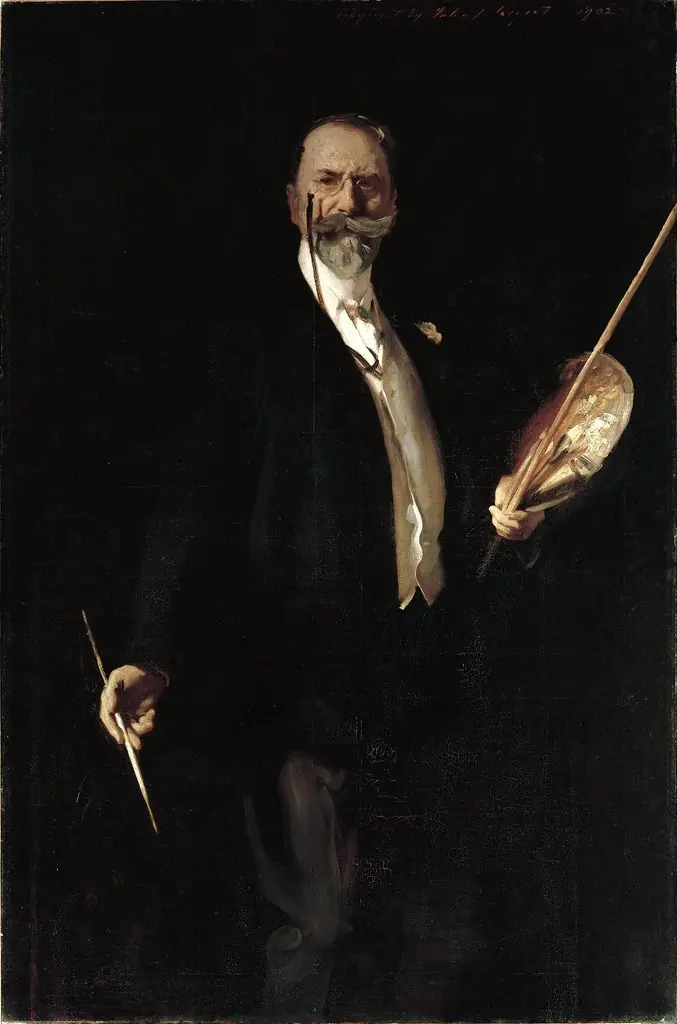 William M. Chase, N. A.
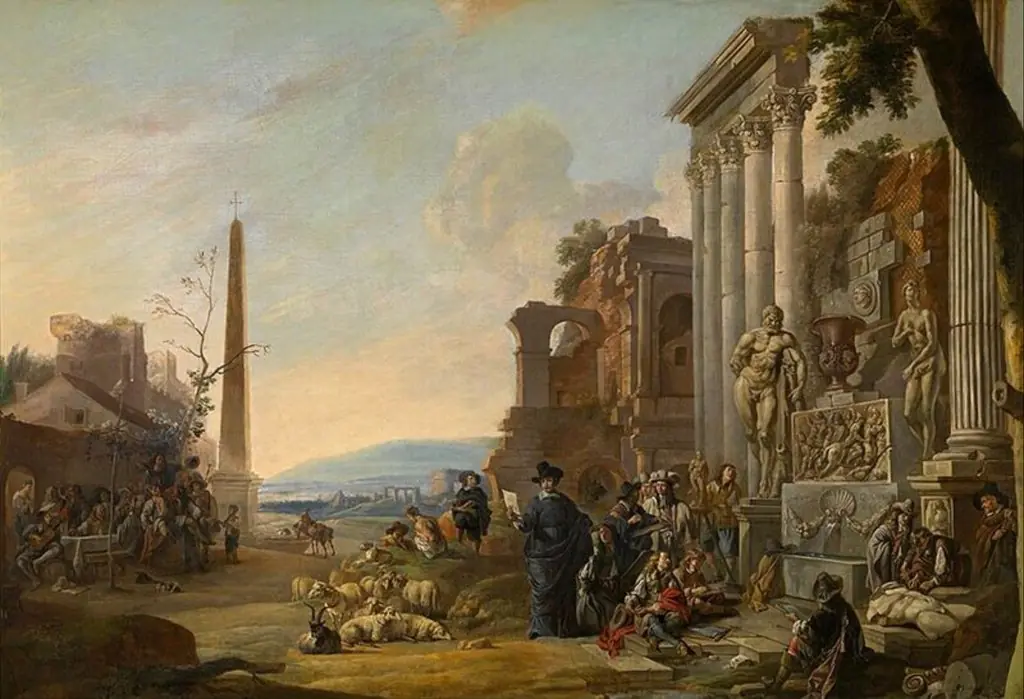 The Study of Art in Rome
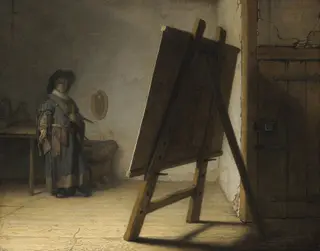 Artist in his studio
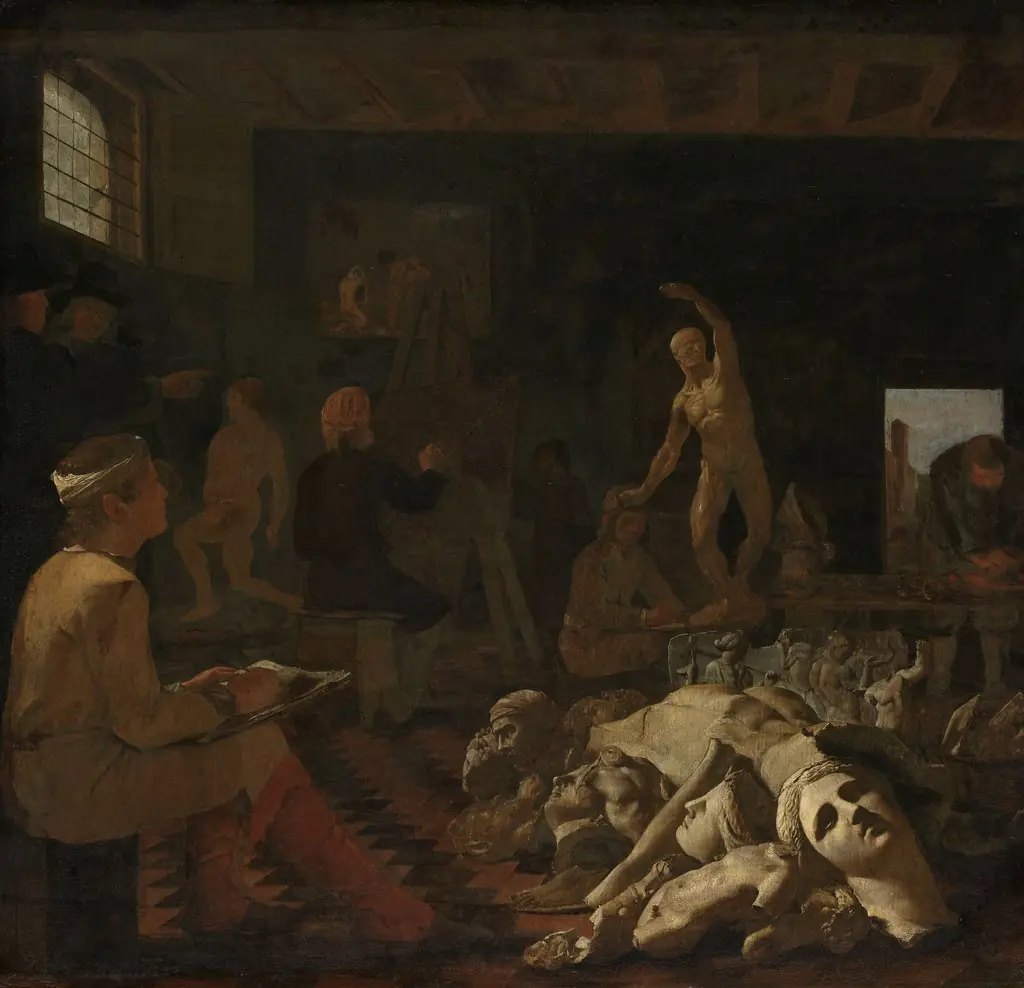 A Painter’s Studio
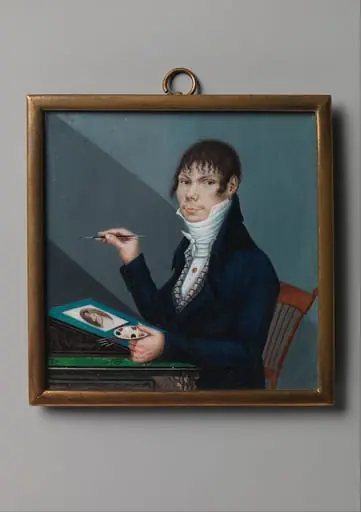 Self Portrait
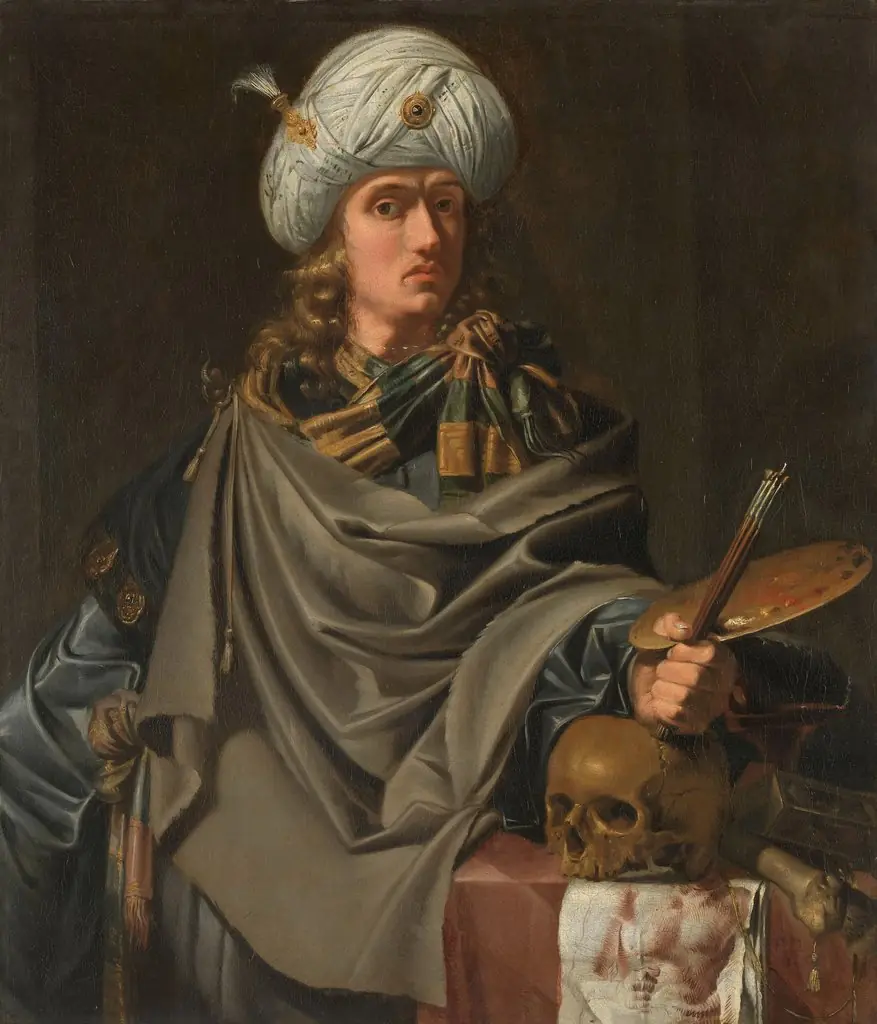 An antique artist
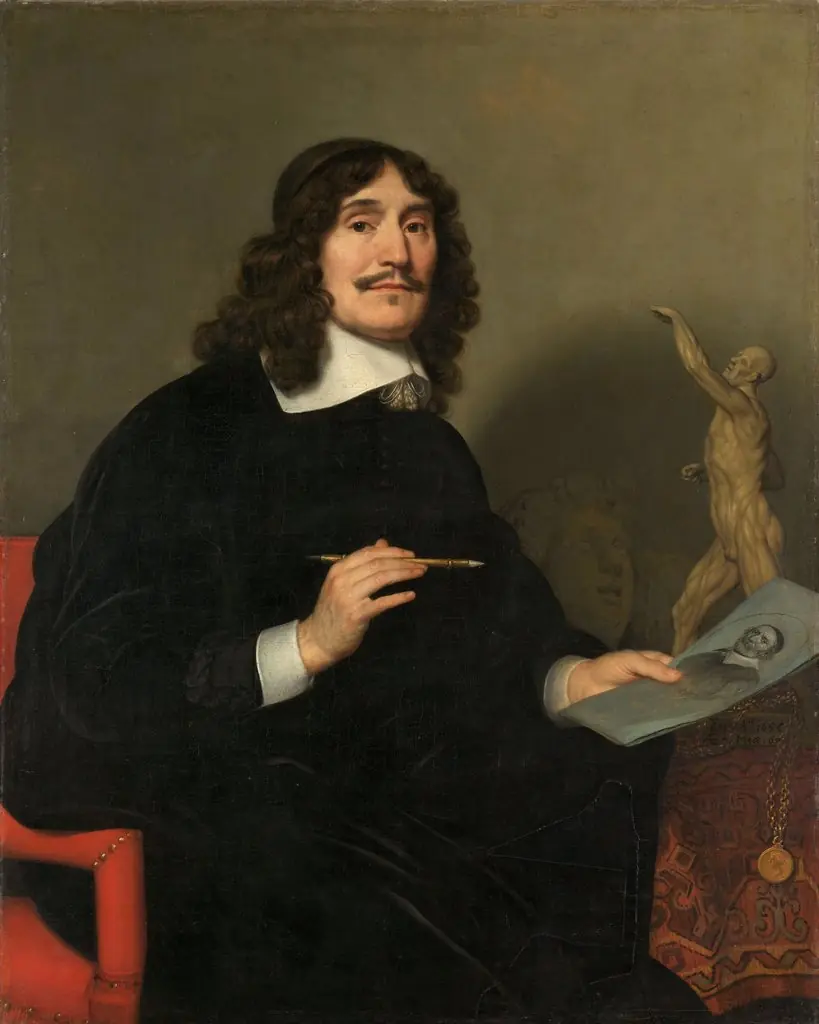 Portrait of an artist
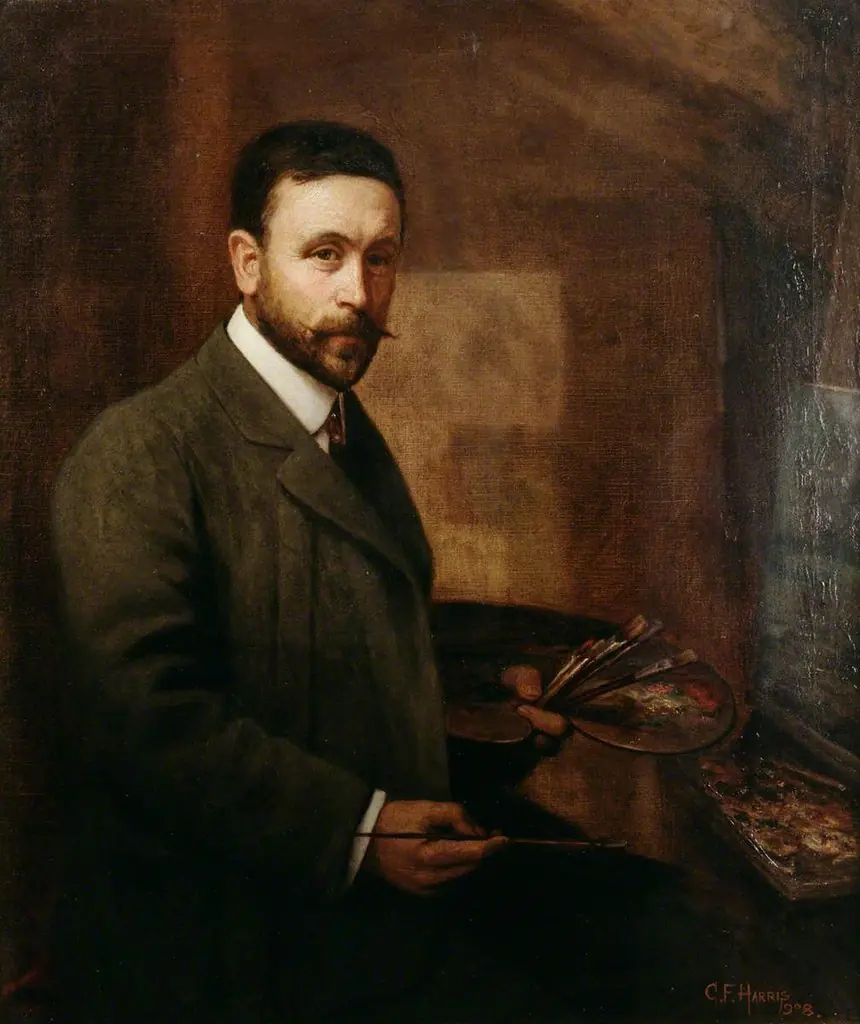 Portrait of a Man
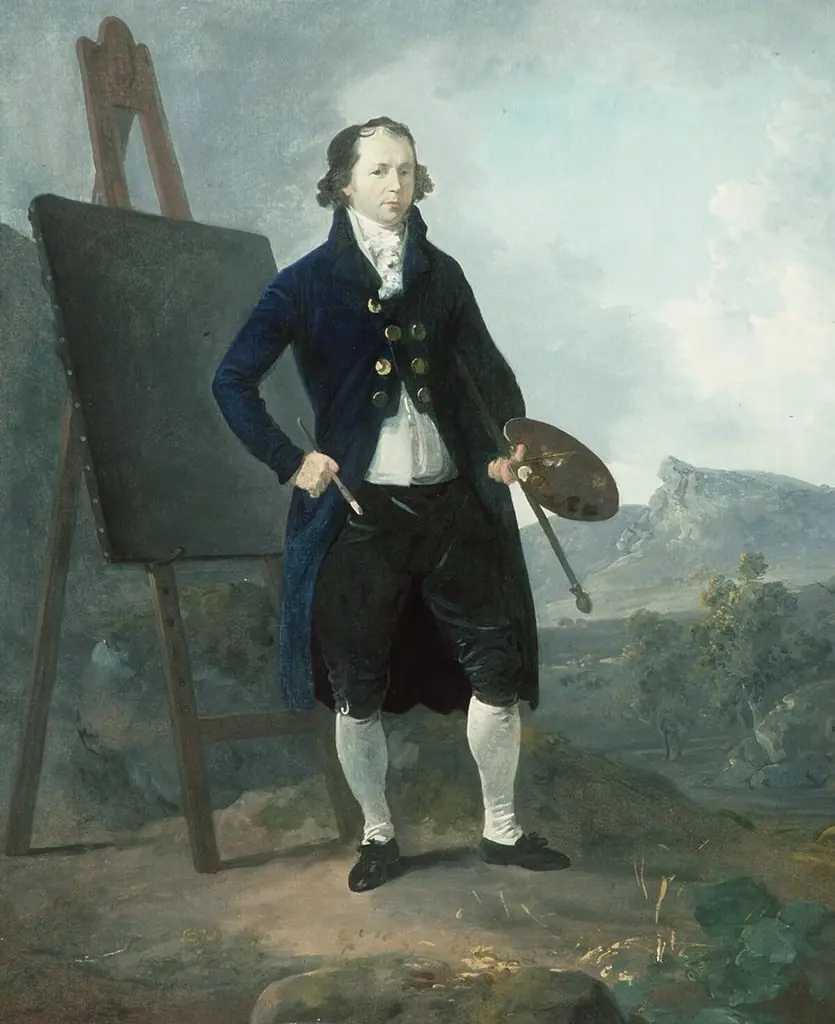 Self portrait of artist in landscape
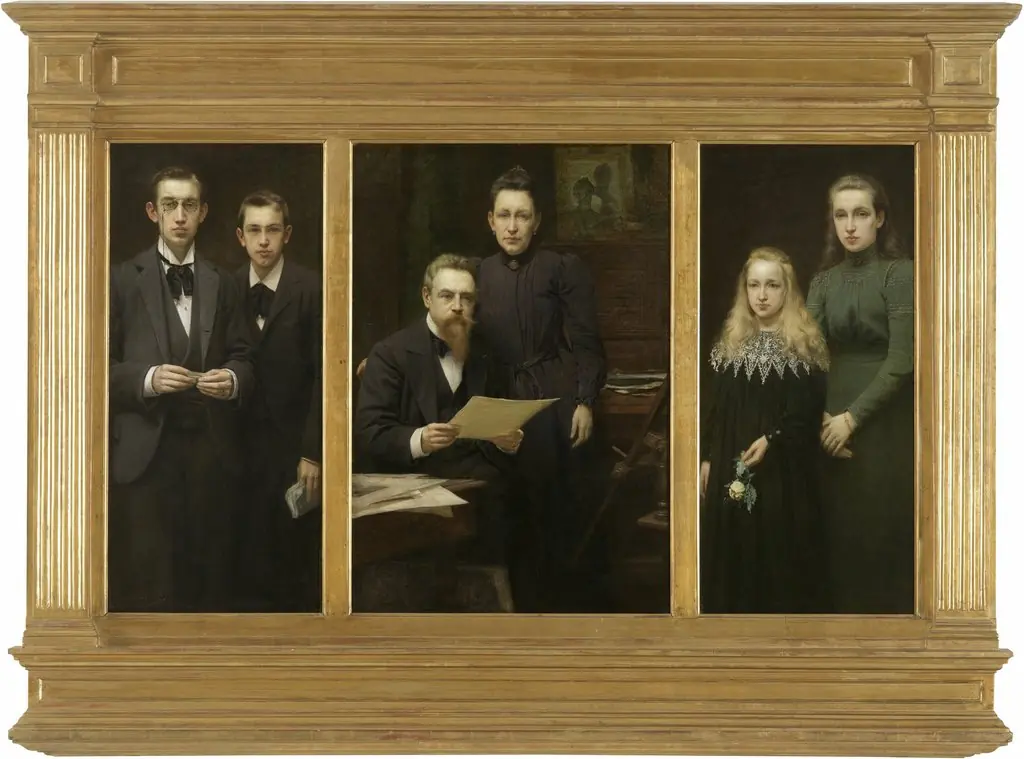 Portrait of the Artist and his Family
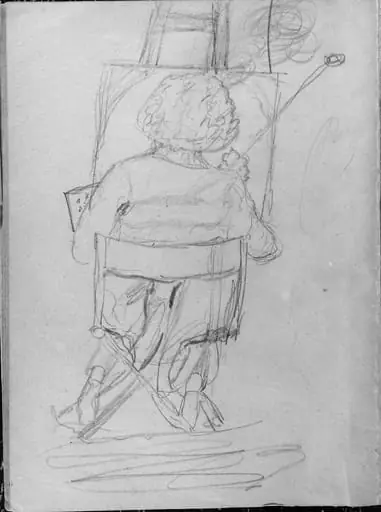 Seated Artist, Viewed from the Rear, Painting at an Easel (from Whistler Album)
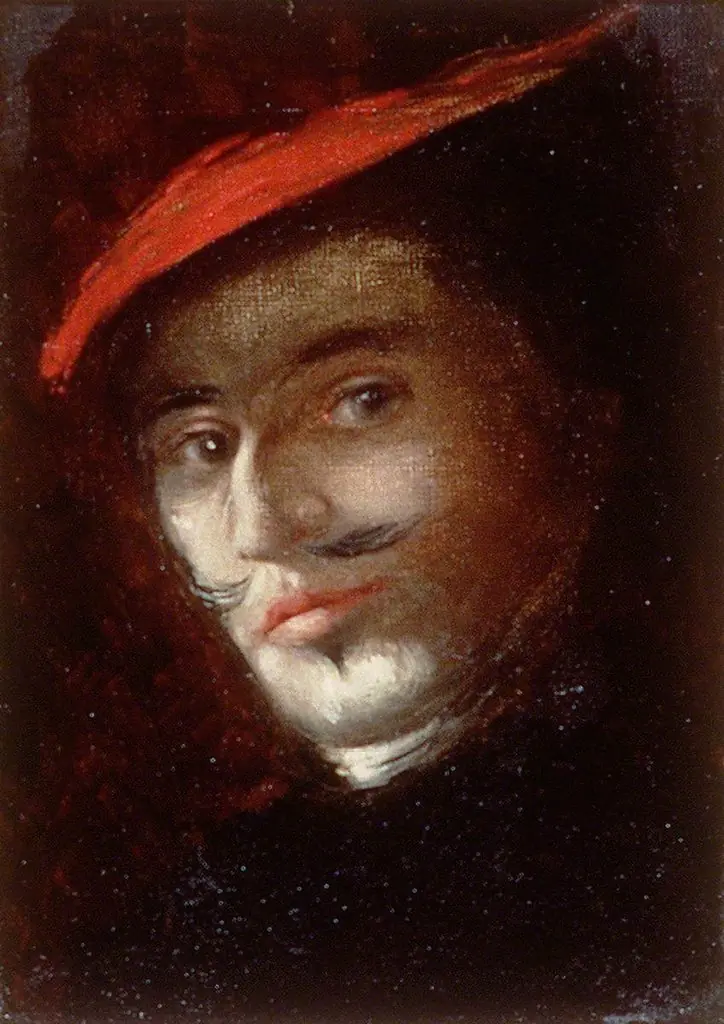 Self Portrait
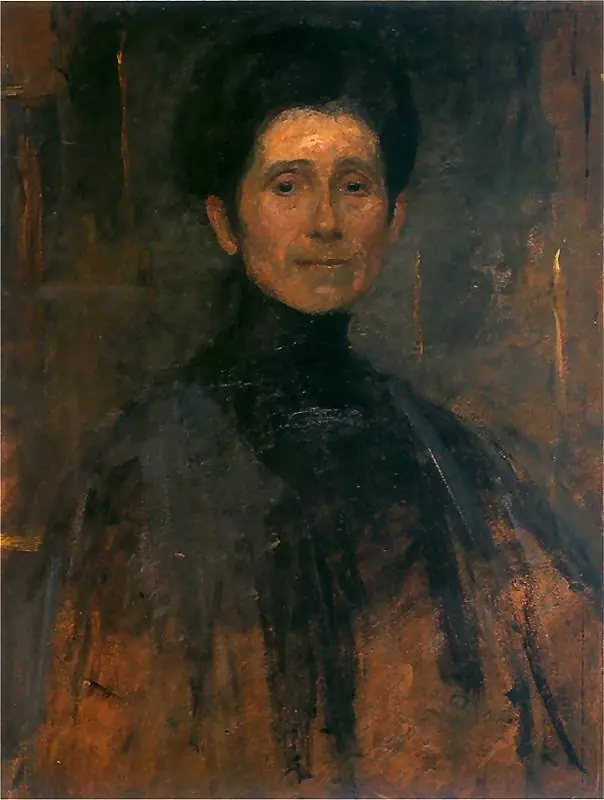 Self-portrait (1906)
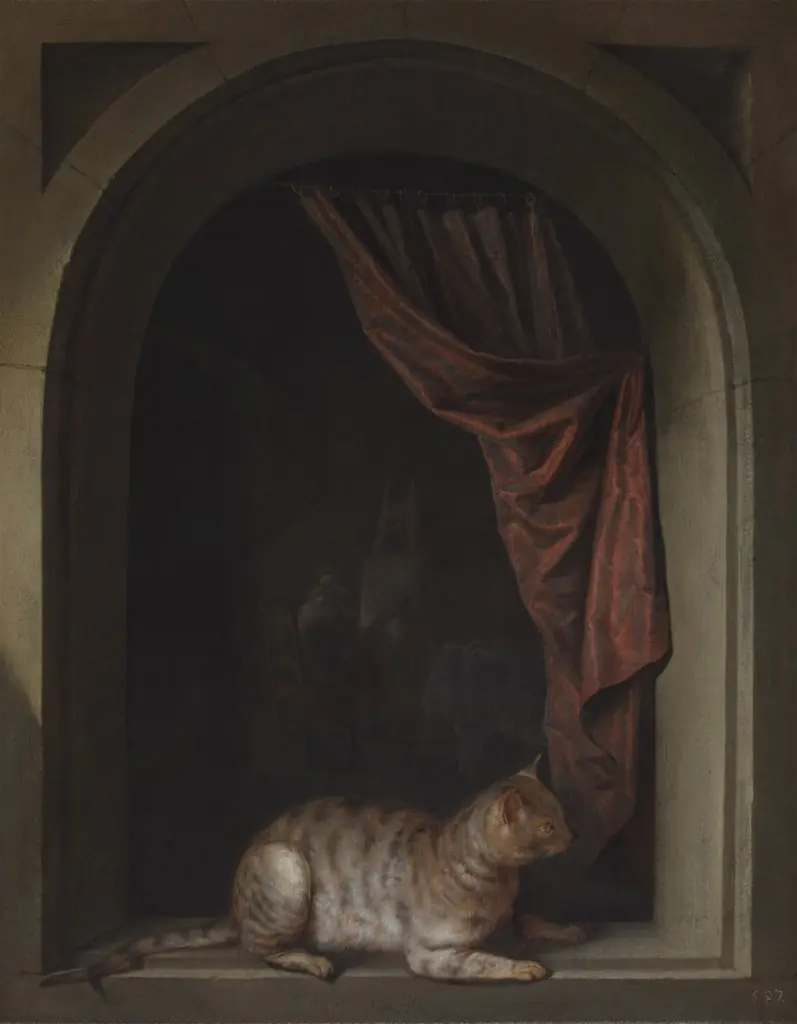 Cat on a Ledge
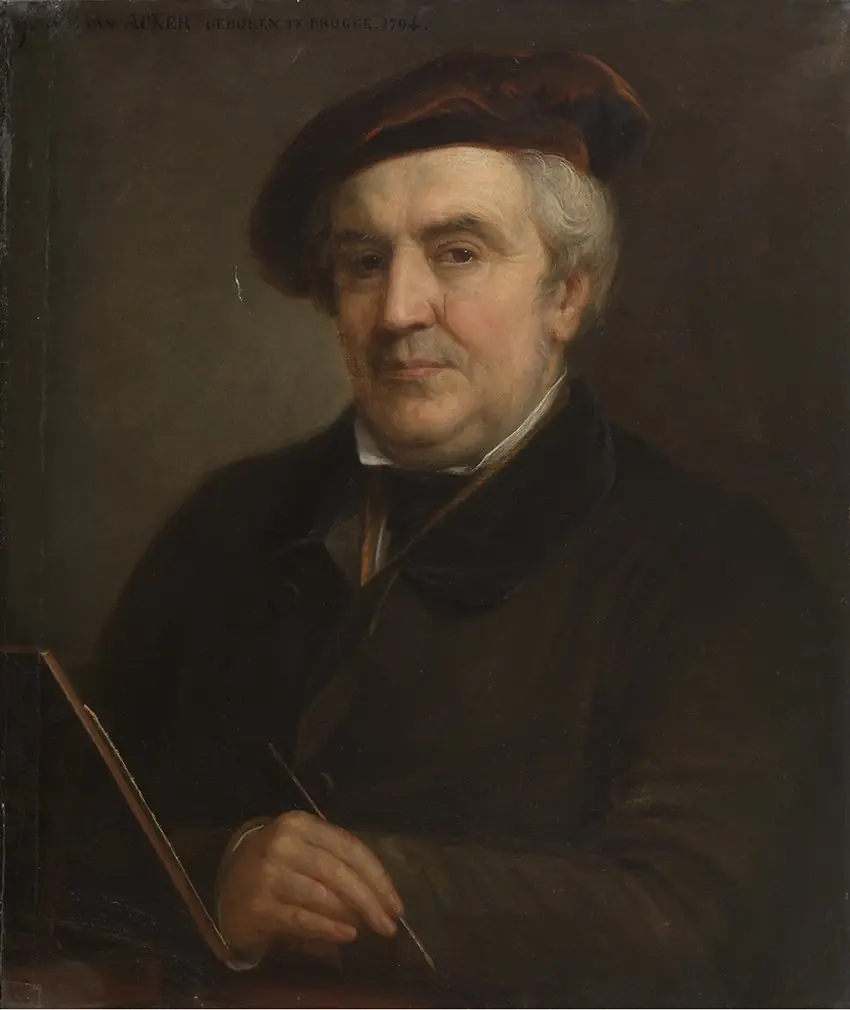 Portrait of Johannes Van Acker
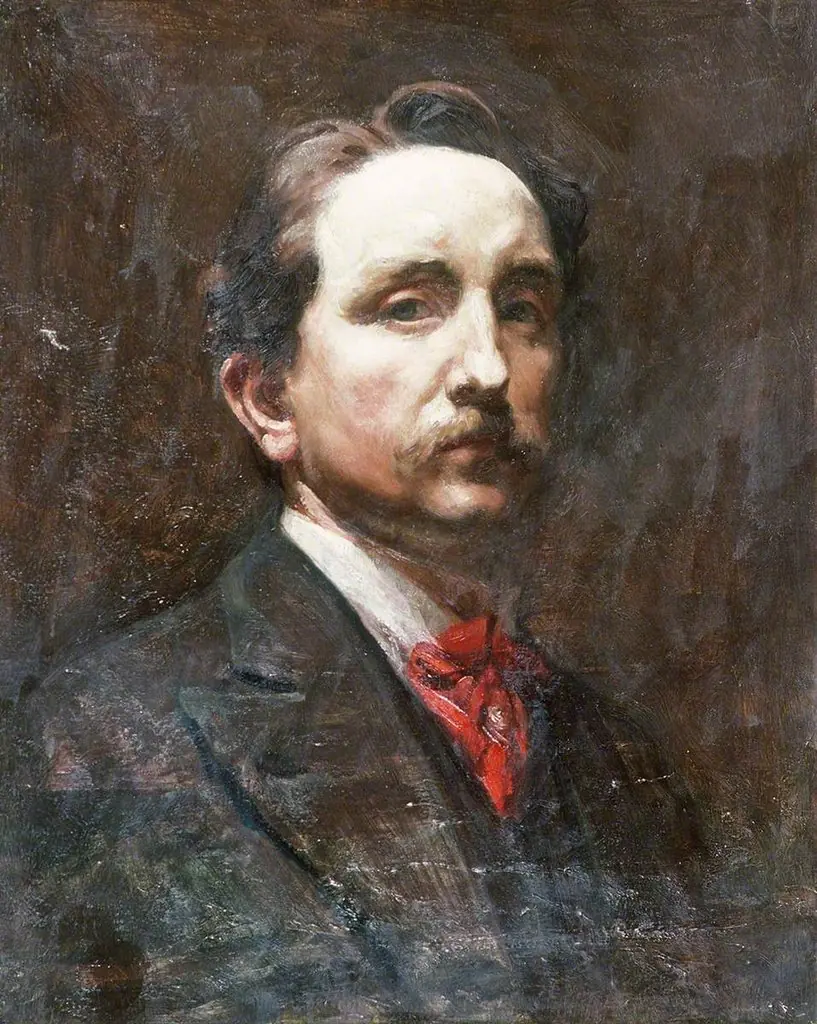 Self Portrait
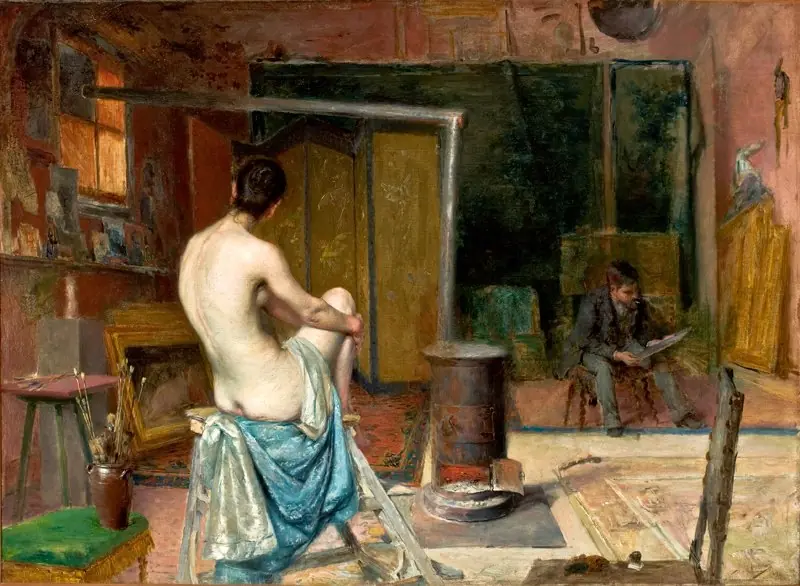 The Artist's Atelier
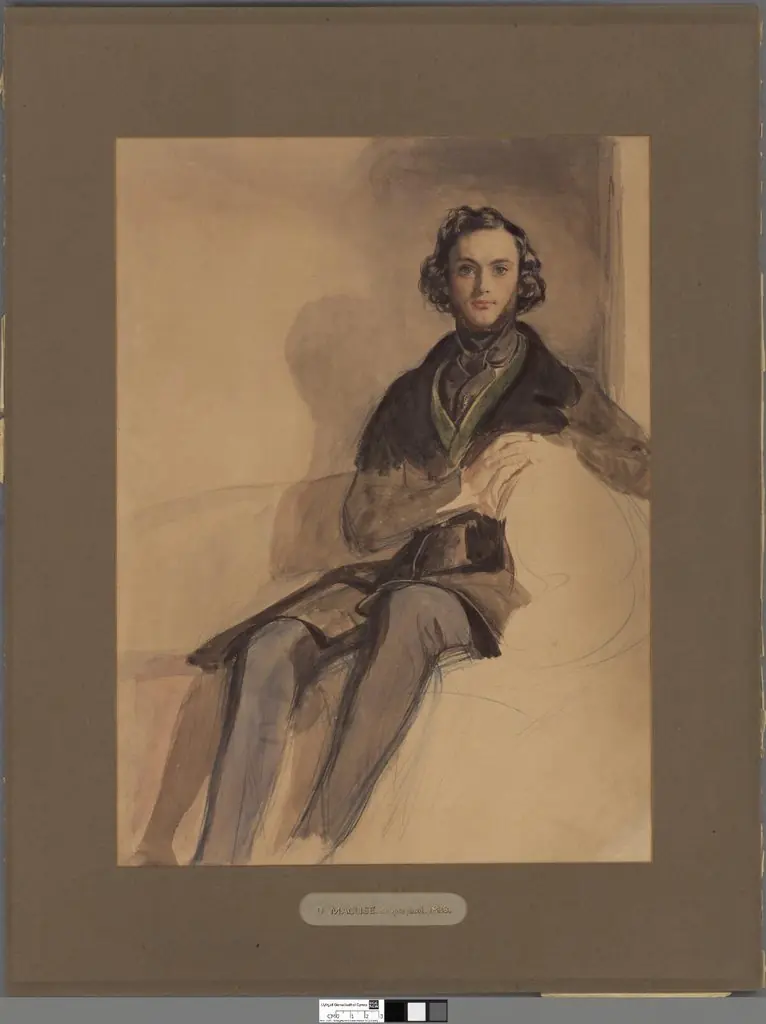 D Maclise
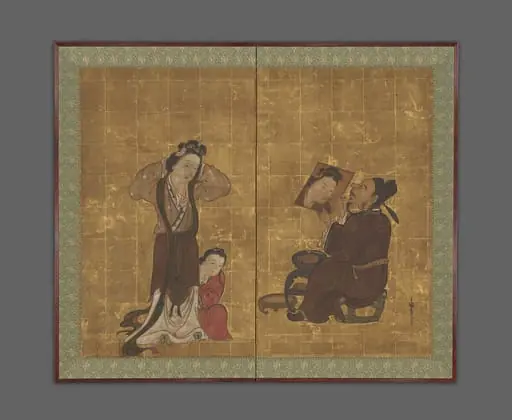 Untitled
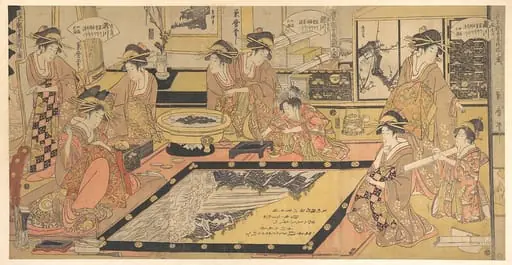 『浅草観音奉掛額之 図』 「扇屋内滝川 富川、粂川、玉川、津川、歌川、清川 め浪、お浪」|A Votive Picture to Be Donated to the Kannon of Asakusa (Asakusa Kannon hō kakegaku no zu), by Takigawa of the Ōgiya, Kamuro Menami and Onami, with Tomikawa, Kumegawa, Tamagawa, Tsugawa, Utagawa, and Kiyokawa
Frequently asked questions
What is Artist?
Artist is a subject in art. An artist is a person who creates art or practices the arts.
How many Artist works does Artifact World Gallery have?
Artifact World Gallery holds 46 public-domain Artist works, all free to view and download.
Who are the key Artist artists?
Key Artist artists in the collection include Paolo Veronese, Edgar Degas and Jean Léon Gérôme.
Where can I see Artist works?
Artist works in the collection are held by Metropolitan Museum of Art, National Library of Wales and Rijksmuseum.