Artwork
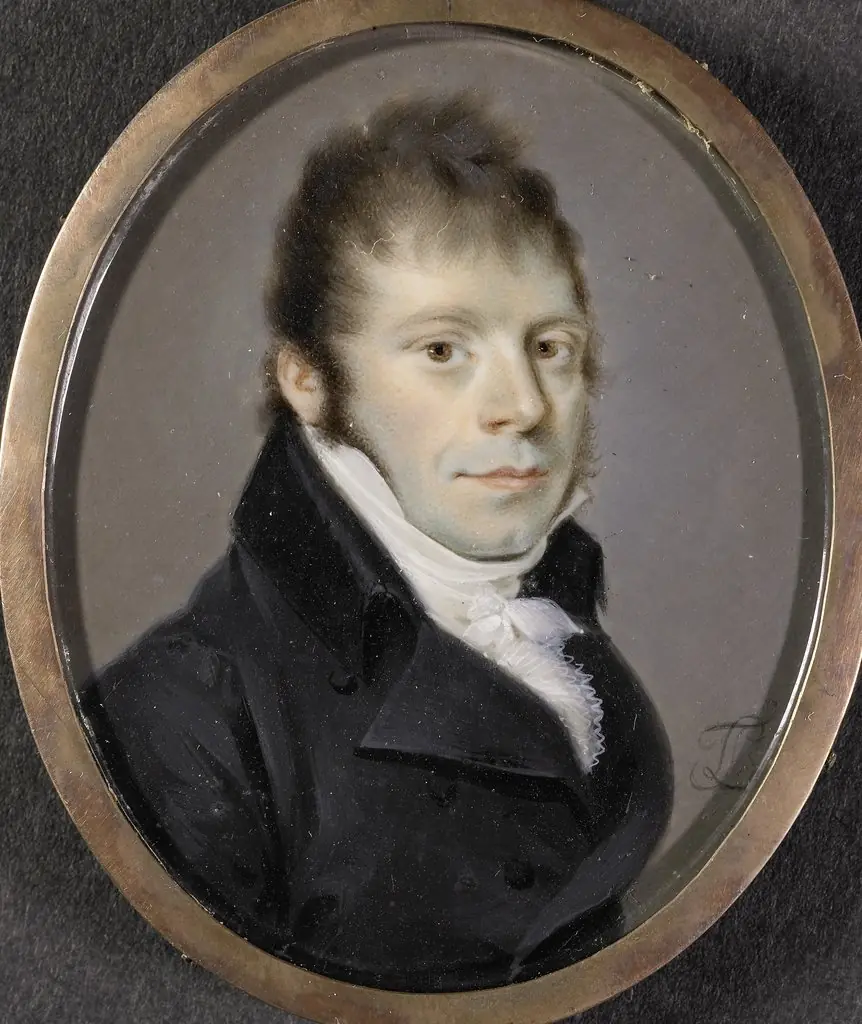
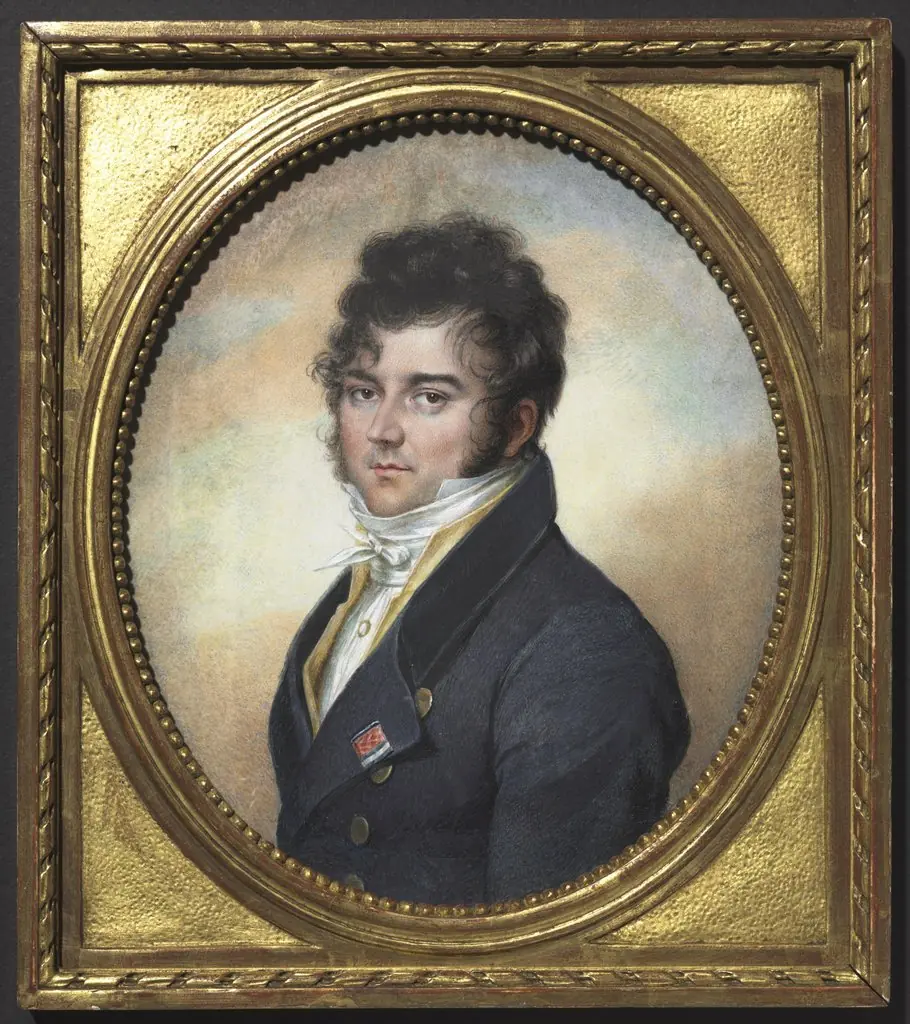
Willem Jacob Verkouteren (1779-1861), in het uniform van de Garde d'Honneur van Delft
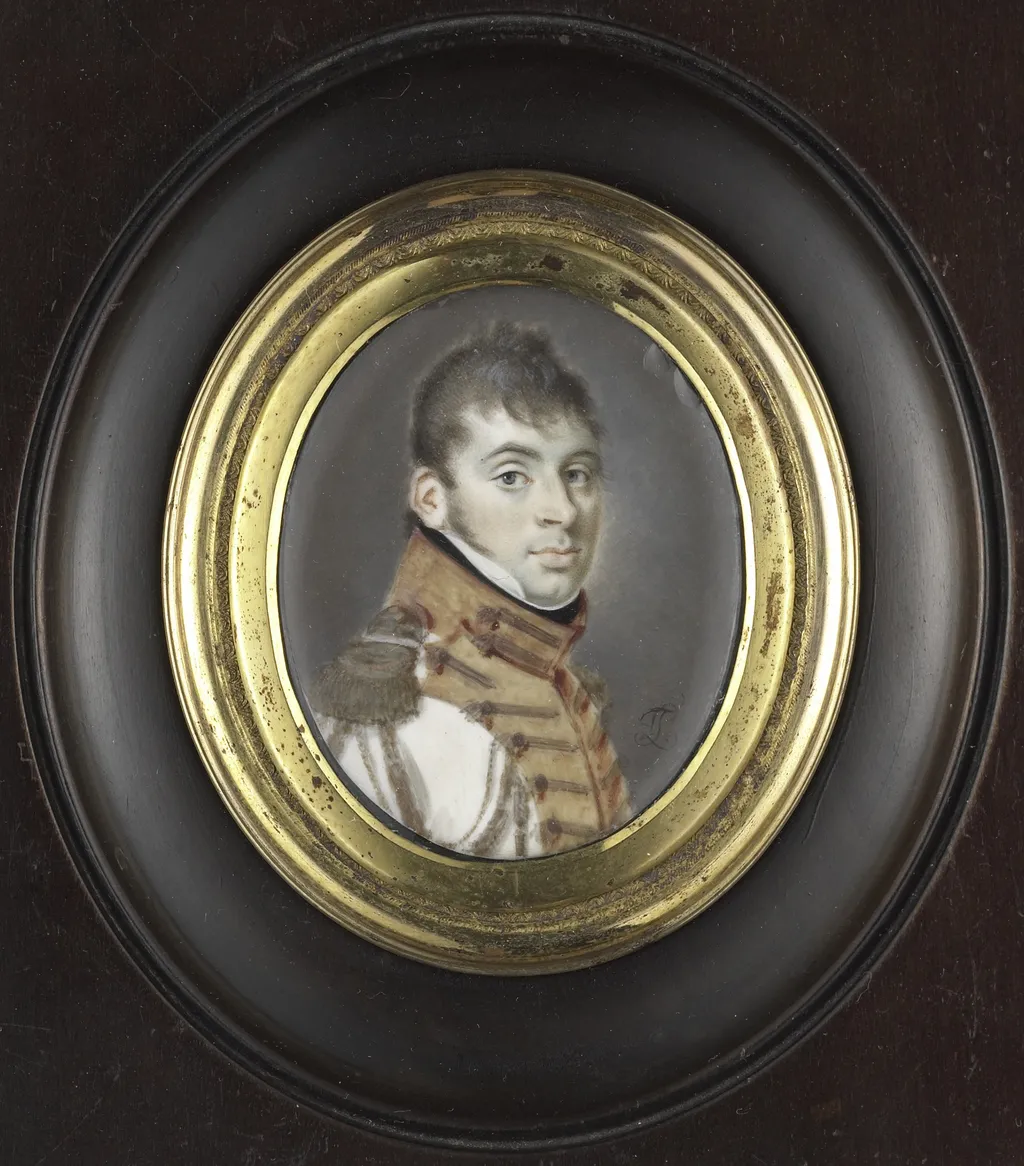
Willem Jacob Verkouteren (1779-1861), in het uniform van de Garde d'Honneur van Delft is an ivory painting by the Neoclassicist artist Leonardus Temminck. It dates from 1806 and is held in the collection of the Rijksmuseum.
About this work
Subject & Meaning
The portrait shows Willem Jacob Verkouteren wearing the uniform of the Garde d'Honneur of Delft, a civic honor guard in the Dutch Republic.
The portrait shows Willem Jacob Verkouteren wearing the uniform of the Garde d'Honneur of Delft, a civic honor guard in the Dutch Republic. The uniform signifies membership in this prestigious militia association, reflecting civic pride and status. As a portrait on ivory created in 1806 by Leonardus Temminck for the Rijksmuseum, the work captures both individual identity and the broader cultural value placed on civic duty in the Netherlands.
Technique & Style
The work is a portrait executed on ivory support, measuring 5.6 cm in height and 4.5 cm in width. It was created in 1806 by Leonardus Temminck, who rendered the subject in the uniform of the Garde d'Honneur van Delft. The painting is part of the Rijksmuseum collection and is classified as a portrait genre work.
Overview
Leonardus Temminck painted this intimate portrait in 1806, now part of the Rijksmuseum’s collection. The sitter is Willem Jacob Verkouteren (1779–1861), depicted in the uniform of Delft’s Garde d’Honneur. Executed on a small ivory panel, the work is framed within a circular gold‑rimmed setting, emphasizing its modest scale.
History & Provenance
Created in the early nineteenth century, the painting has remained in Dutch public collections, eventually entering the Rijksmuseum’s holdings. Its documentation traces back to the artist’s studio records, confirming the date and sitter.
Context
The Garde d’Honneur of Delft was a civic militia, a common subject for Dutch portraiture in the post‑Napoleonic era, reflecting civic pride and the social status of its members. Verkouteren’s uniform situates him within this tradition of local military representation.
Own this work as a print
Artist & collection