Artwork
Portrait of a Man
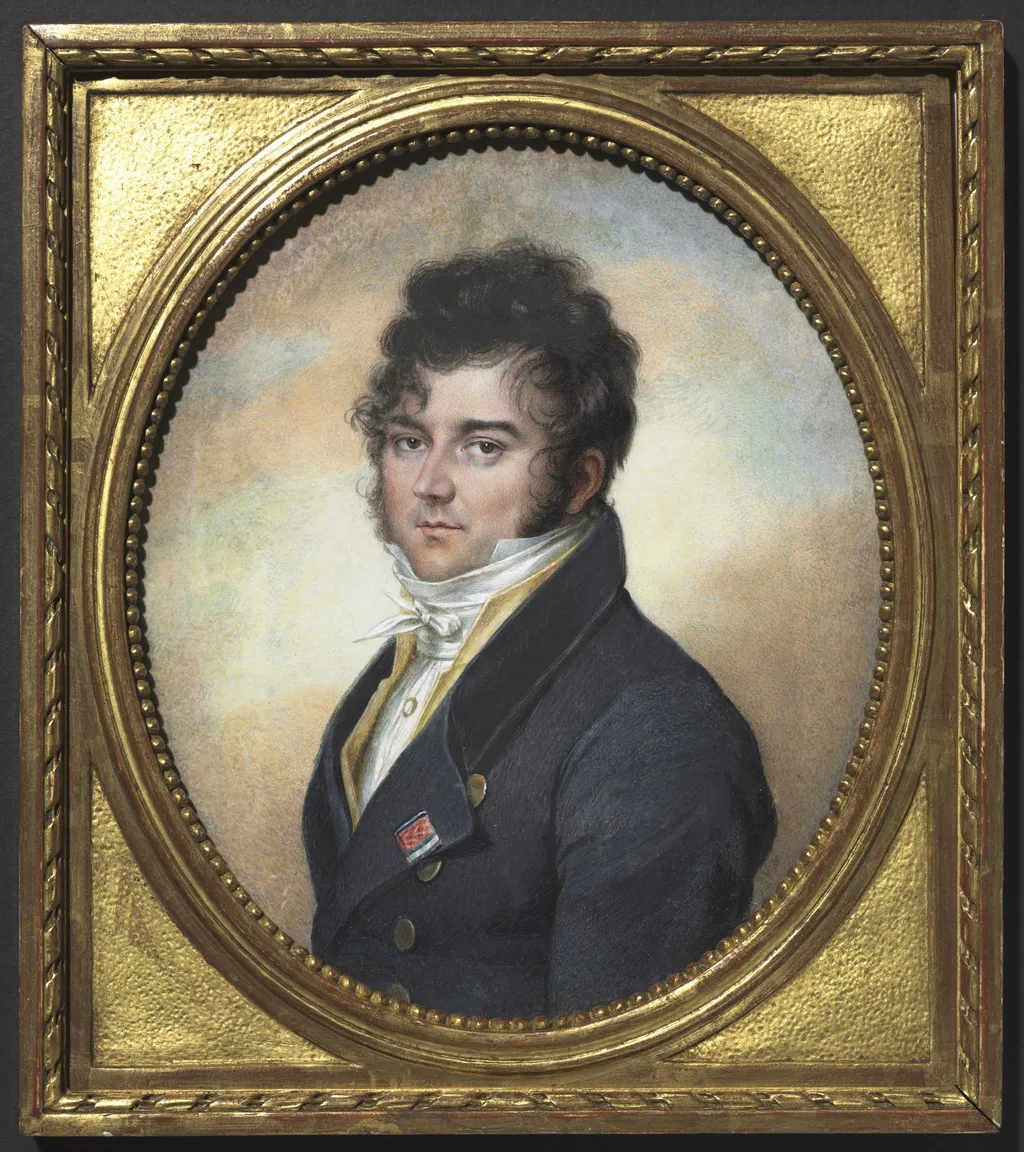
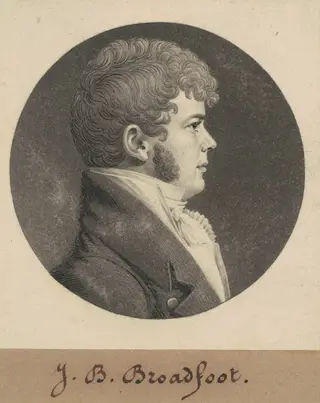
Portrait of a Man is an unspecified painting. It dates from 1810 and is held in the collection of the Cleveland Museum of Art. This painting presents a formal depiction of an unidentified man.
About this work
Technique & Style
As a miniature, the piece belongs to a genre defined by its small scale and refined execution, typically intended for intimate viewing or personal possession.
This work is a portrait miniature created by Jean-Urbain Guérin in 1810. As a miniature, the piece belongs to a genre defined by its small scale and refined execution, typically intended for intimate viewing or personal possession. The Cleveland Museum of Art holds this specific example, cataloged under the accession number 1942.1135.
While the specific support material such as ivory or vellum is not detailed in the available records, the classification as a miniature implies the use of traditional fine-art techniques associated with the medium during the early nineteenth century.
Legacy
The portrait, attributed to Jean‑Urbain Guérin, exemplifies early‑19th‑century French portrait miniature practice and is preserved in the Cleveland Museum of Art, where it is studied as a representative example of the genre. Dating to 1810, the work is classified as a painting within the portrait genre, reflecting the transitional phase between full‑scale portraiture and intimate miniature formats. Its inclusion in the museum’s collection underscores its significance within the historical development of miniature portraiture, and it continues to be referenced in scholarly discussions of early European portraiture.
Overview
This painting presents a formal depiction of an unidentified man. He is shown from the chest up, dressed in a dark coat adorned with gold buttons and a crisp white cravat. His hair is meticulously arranged, and his gaze conveys a serious demeanor. The composition emphasizes his features against a subdued, light background, drawing focus to his face.
Context
The formal presentation of the subject, combined with the painting's elaborate gold frame, suggests its creation within an era where such portraits served as significant social markers. This style of depiction, emphasizing a subject's dignified appearance and serious demeanor, was common for individuals of status. The artwork likely functioned as a personal or familial record, reflecting the sitter's position in society.
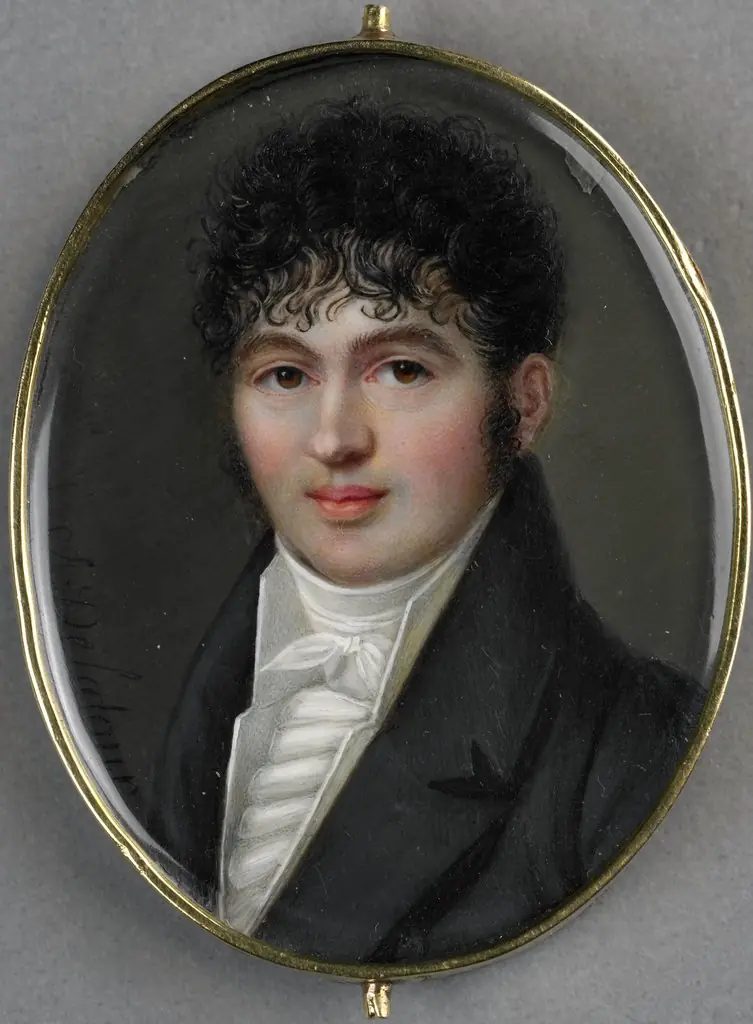
Artist & collection

- Portrait of an unknown man
 Portrait of a Man
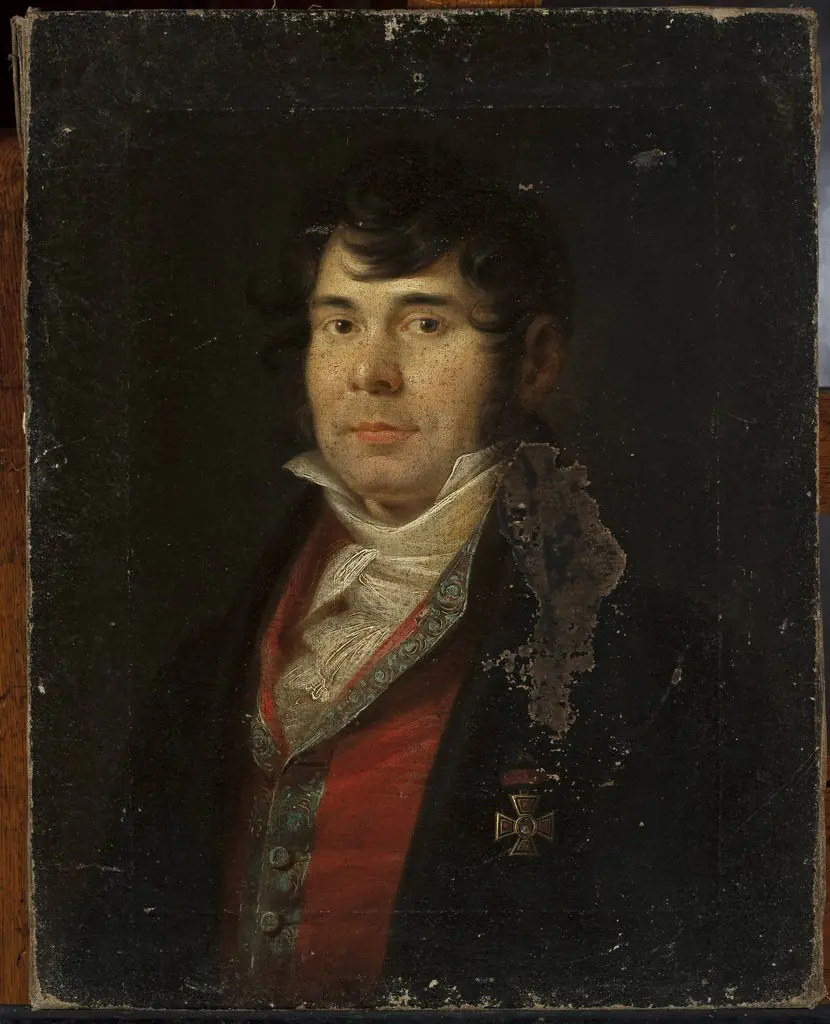 Male portrait
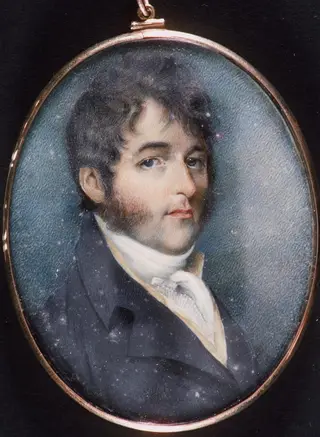 Portrait of M.P. for Cardigan 1818-49
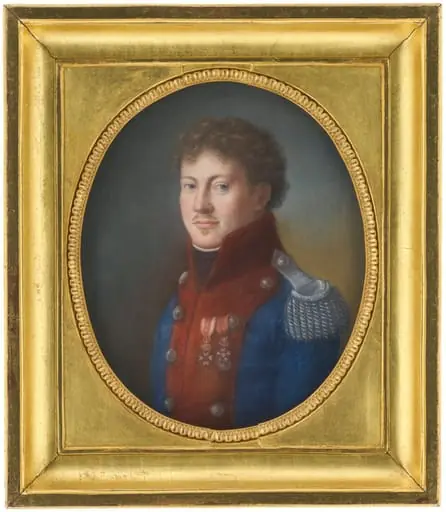 Rittmeister Heinrich Bauer
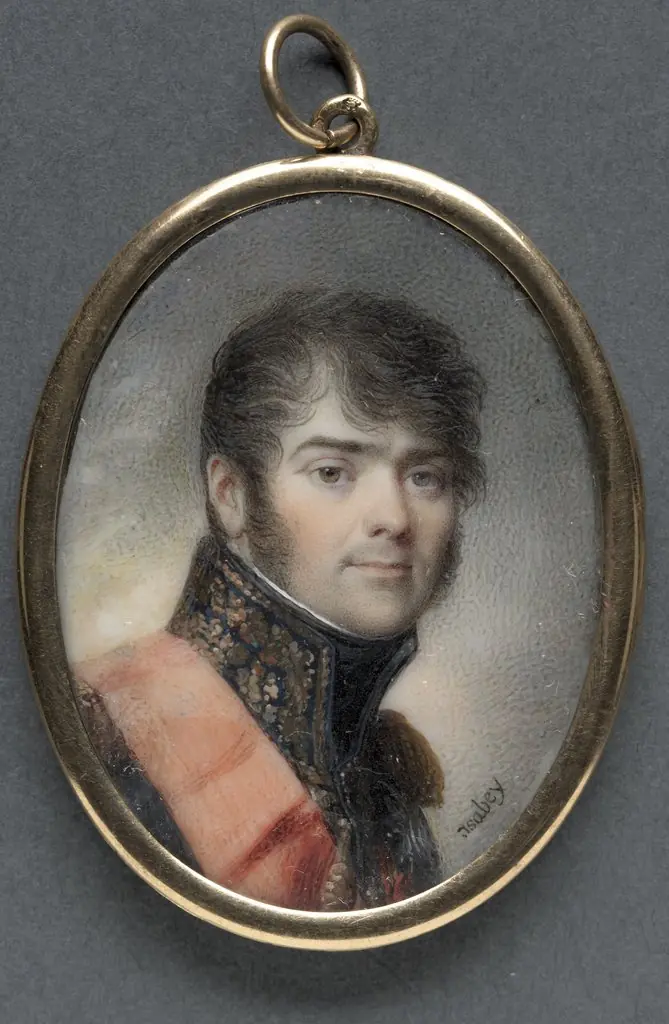 Portrait of Henri Gratien, Comte Bertrand
 Portrait of Henri Gratien, Comte Bertrand
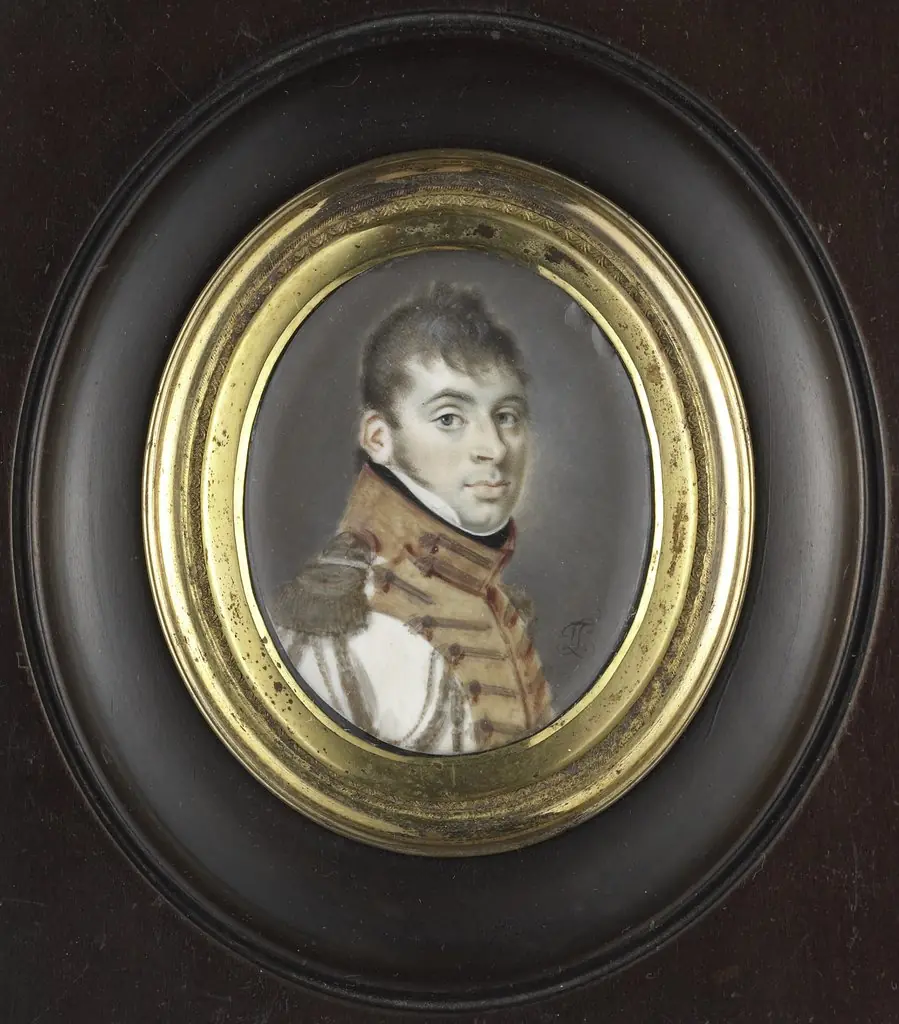 Willem Jacob Verkouteren (1779-1861), in het uniform van de Garde d'Honneur van Delft
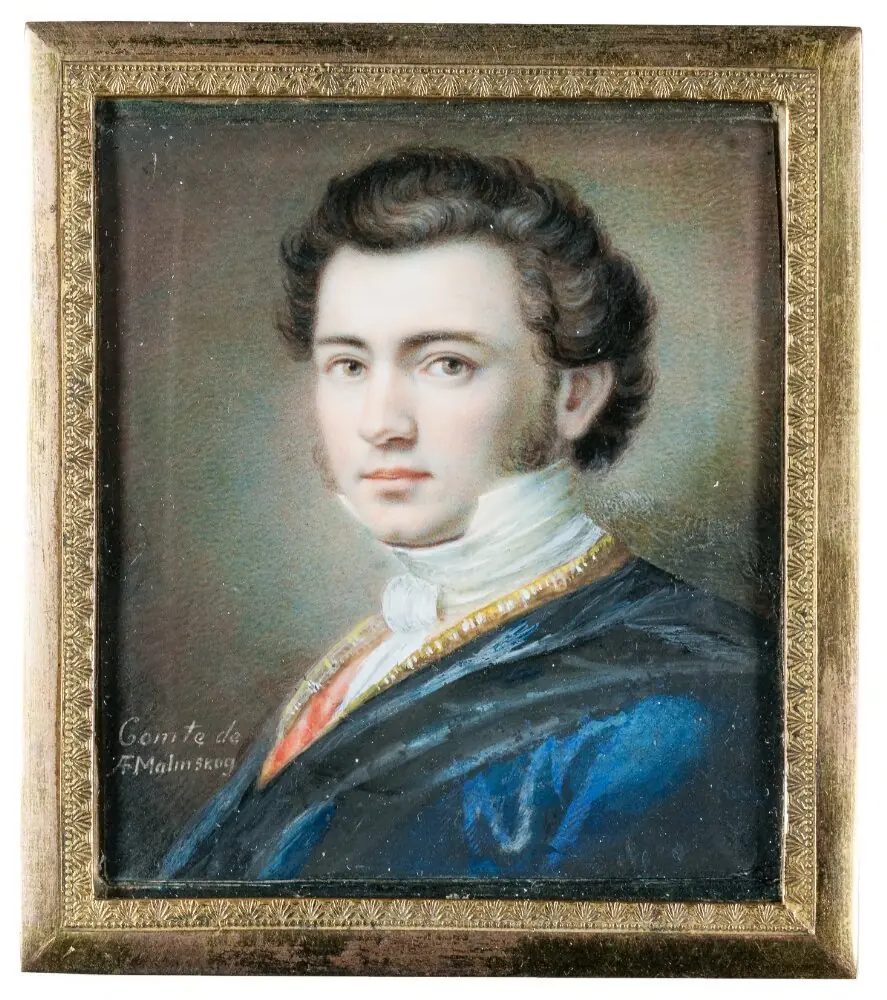 Self-portrait
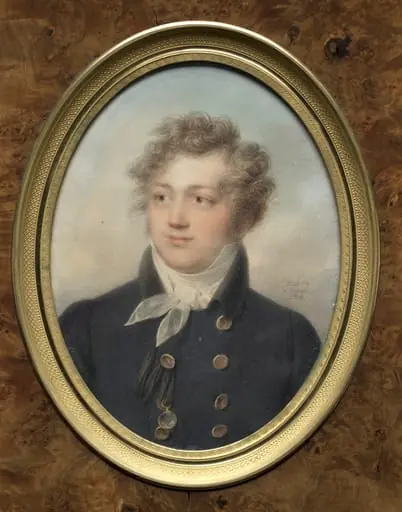 Portrait of a Man, possibly Alexander I, Emperor of Russia
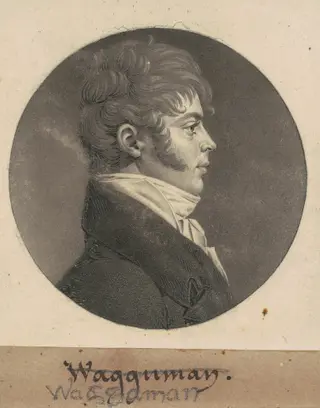 Thomas Ennalls Waggaman
 Henry Hall