Artwork
Kermis
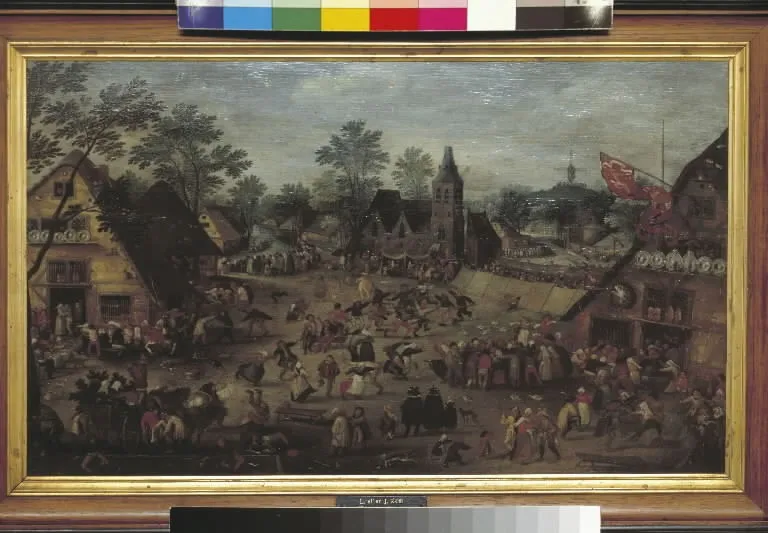
Kermis is an unspecified painting by the Northern Renaissance artist Leonhard Cemp. It dates from 1601 and is held in the collection of the Statens Museum for Kunst.
About this work
History & Provenance
It portrays a village fair (kermis) with buildings and a town square, characteristic of the artist’s subject matter.
The painting Kermis was created by Leonhard Cemp in 1601, as indicated by its inception date. It portrays a village fair (kermis) with buildings and a town square, characteristic of the artist’s subject matter. The work entered the collection of Statens Museum for Kunst (the National Gallery of Denmark) in Copenhagen, where it remains today; no earlier owners are recorded in the available sources. The canvas measures approximately 355 cm in height and 590 cm in width.
Leonhard Cemp's 1601 painting Kermis is held in the collection of the Statens Museum for Kunst. The work depicts a building and a square, measuring 355 cm in height and 590 cm in width. No specific inventory or accession number is provided in the available records, nor is there documented exhibition history for this piece within the supplied sources.
Overview
Leonhard Cemp’s painting Kermis, executed in 1601, presents a lively village square framed by modest dwellings and a prominent church tower. The work is part of the collection of Denmark’s Statens Museum for Kunst, where it is displayed as an example of early‑17th‑century genre painting.
Subject & Meaning
The canvas captures a bustling fairground scene: townspeople gather around a central spectacle, likely a staged fight, while others stroll, converse, and tend to daily tasks. The composition conveys a snapshot of communal life, emphasizing the collective energy and social interaction of a provincial celebration.
Technique & Style
Cemp employs a detailed, almost narrative approach, rendering figures with individualized expressions and attire. The palette is vivid, juxtaposing reds, greens, and blues against a muted sky, while the architecture is delineated with precise lines and sloping roofs, creating depth and a sense of immediacy.
Artist & collection
Artist
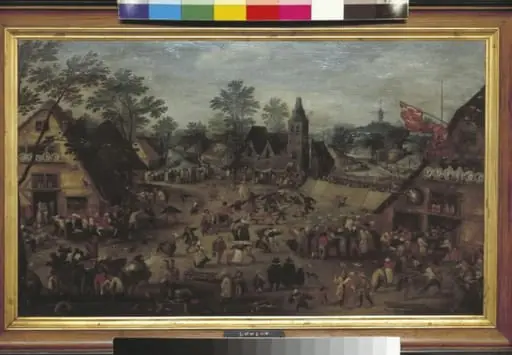
Leonhard Cemp’s small, quiet paintings bring the Dutch Golden Age indoors. His single recorded work here, Kermis (1601), shows a village festival crowded with stalls and dancers in stiff ruffs and wooden shoes. The…

 River Landscape
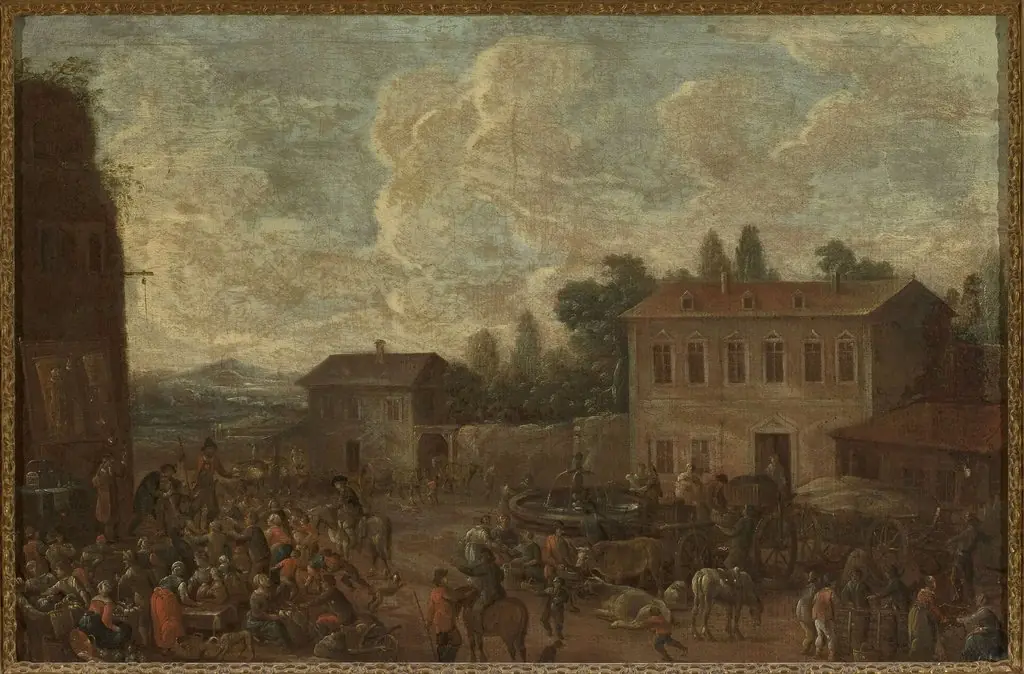 Fountain in a town
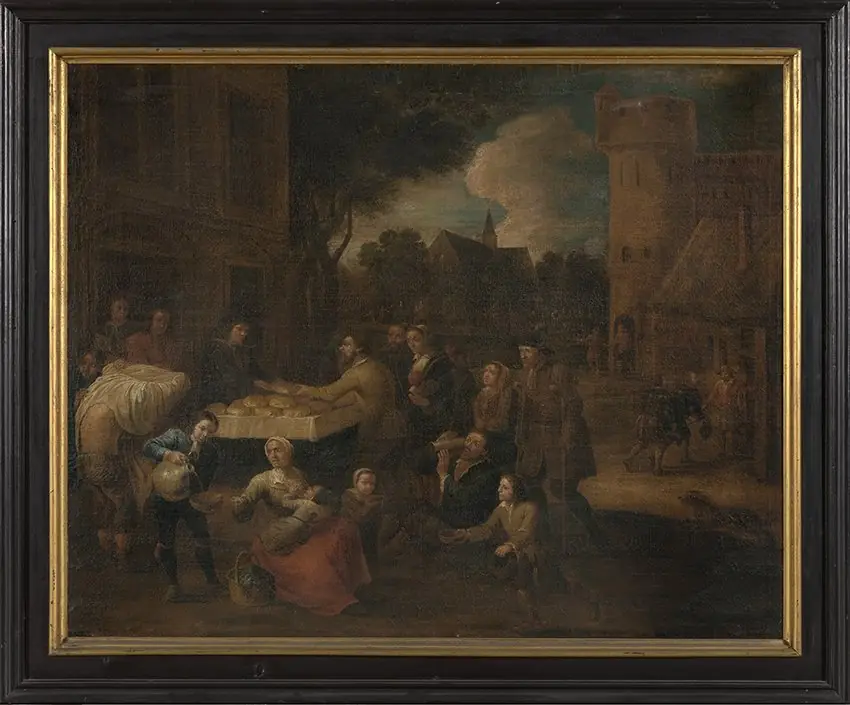 Werken van barmhartigheid
 "The Goose Game" on the Vijvar at the Hague
 Luptă de cavalerie la marginea codrului
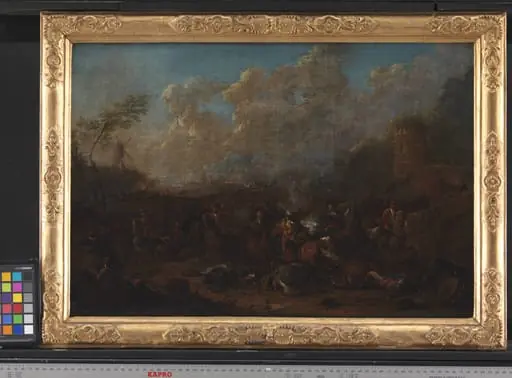 Cavalry Skirmish at a Fortress
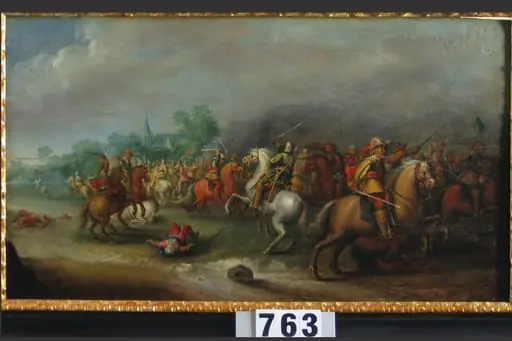 Luptă de cavalerie lângă un oraș. Pandant: Luptă de cavalerie lângă o capelă
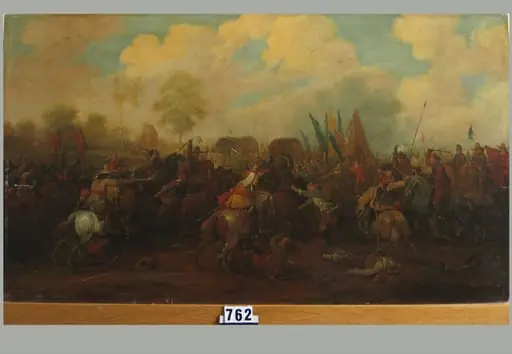 Luptă de cavalerie lângă o capelă. Pandant: Luptă de cavalerie lângă un oraș
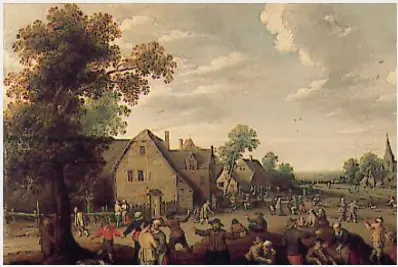 Village Festival
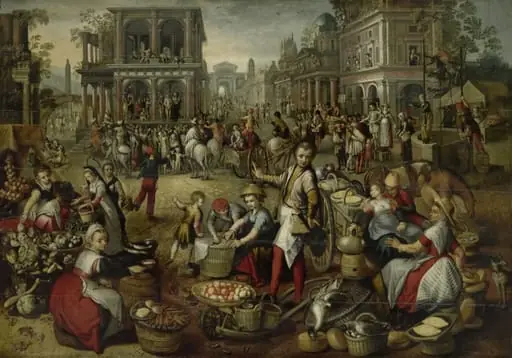 Marketplace, with the Flagellation, the Ecce Homo and the Bearing of the Cross in the background
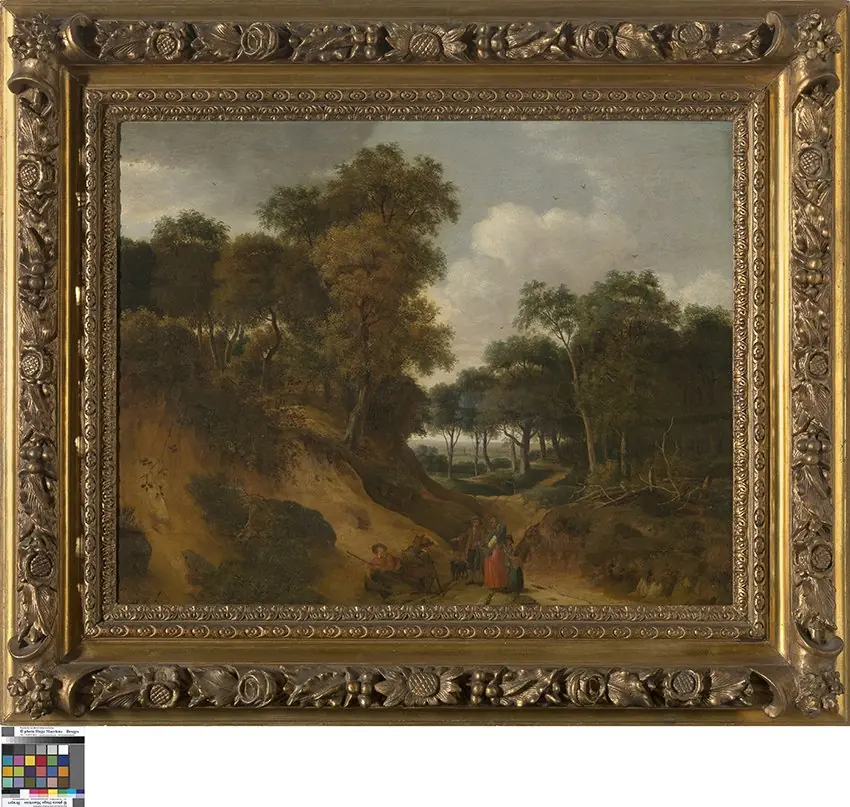 Landschap met wandelaars
- Kermis