Artwork
Fouet
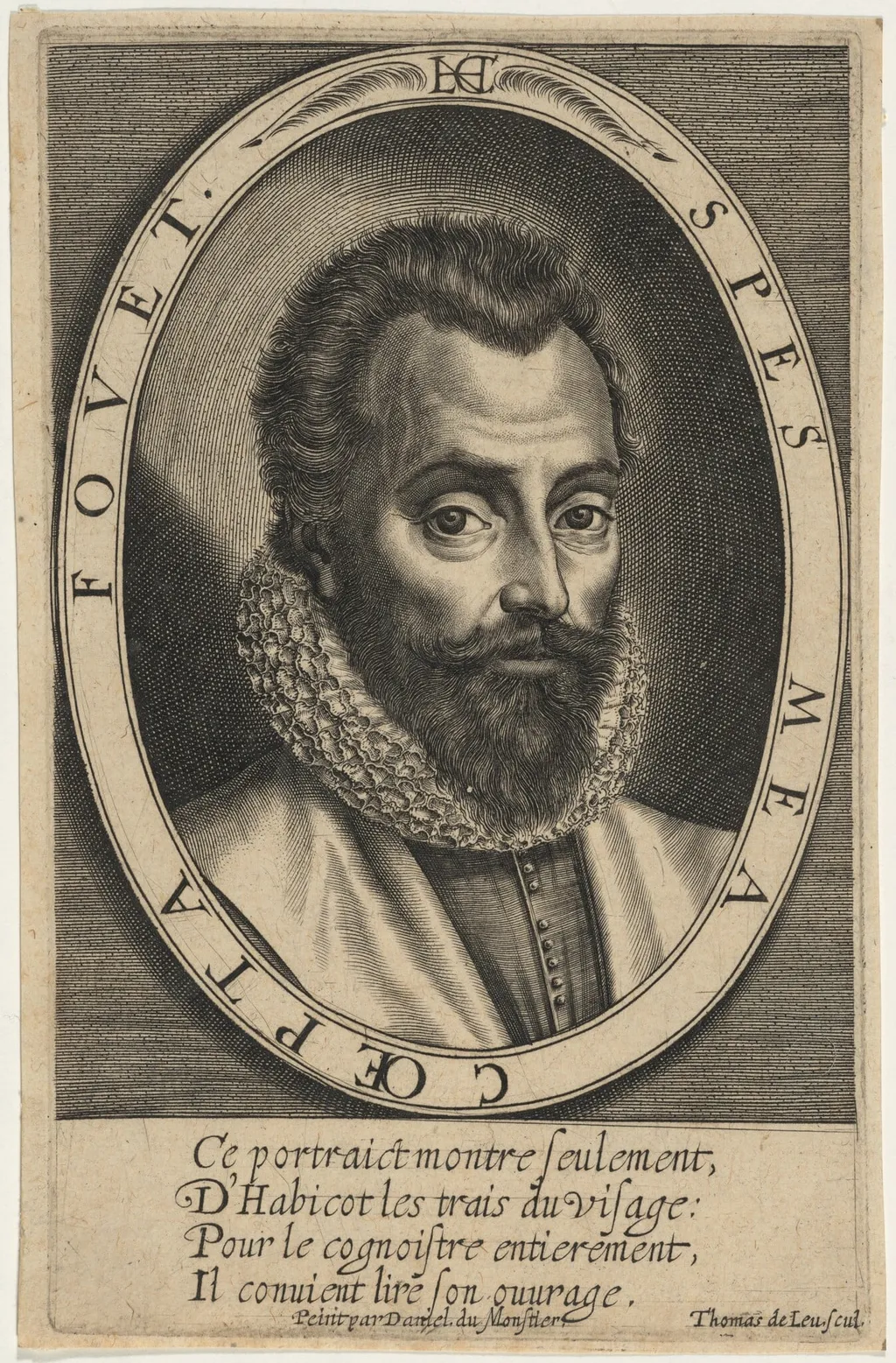
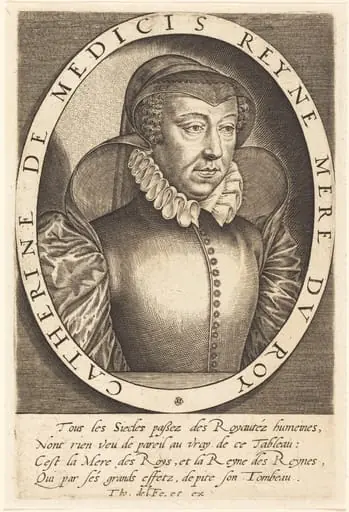
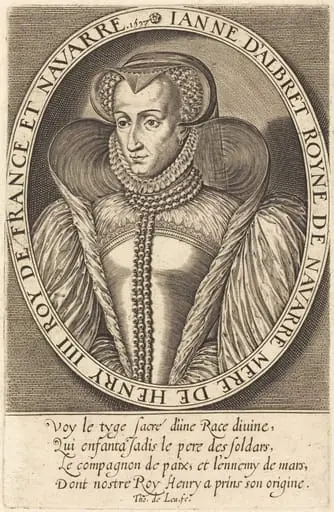
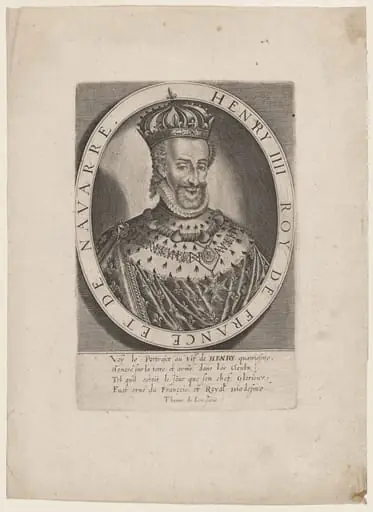
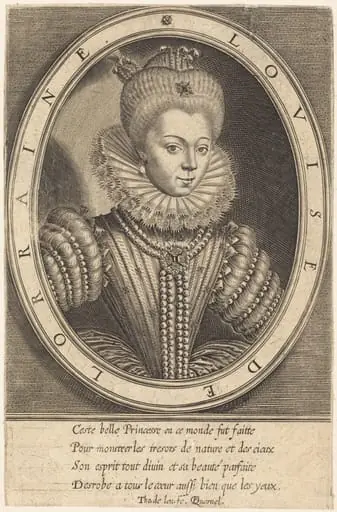
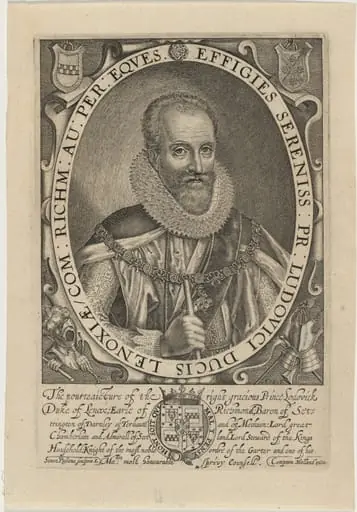
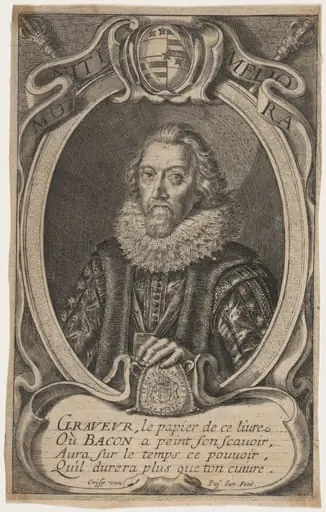
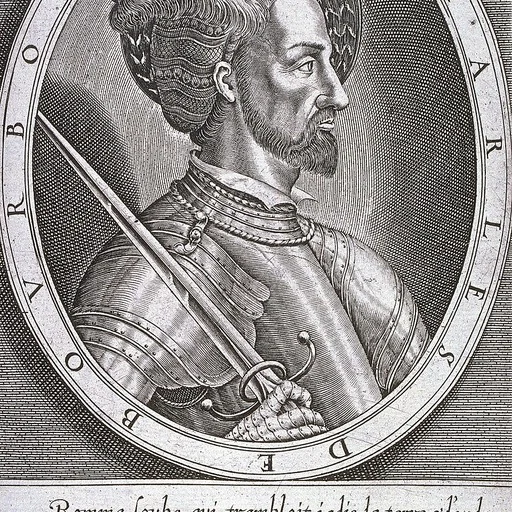
Fouet is an ink print by the Renaissance artist Thomas de Leu. It dates from 1590 and is held in the collection of the National Gallery of Art.
About this work
Overview
It reflects the commercial print culture of the period, where images were reproduced and circulated beyond the reach of original paintings.
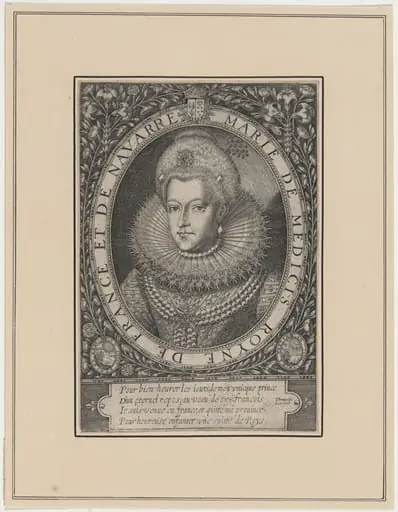
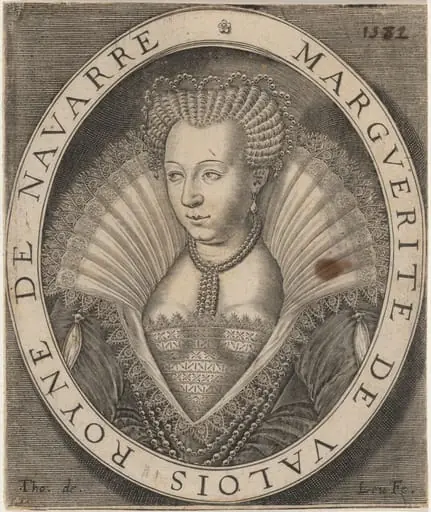
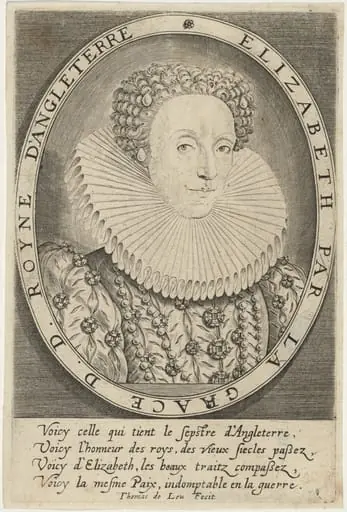
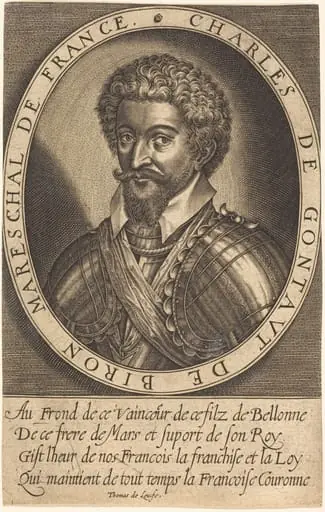
Thomas de Leu, a Flemish artist active in late 16th-century Paris, produced this engraving in 1590 as part of his practice as both creator and distributor of prints. The work, titled Fouet, is a portrait rendered in fine linear detail, characteristic of the engraving technique. It reflects the commercial print culture of the period, where images were reproduced and circulated beyond the reach of original paintings.
Subject & Meaning
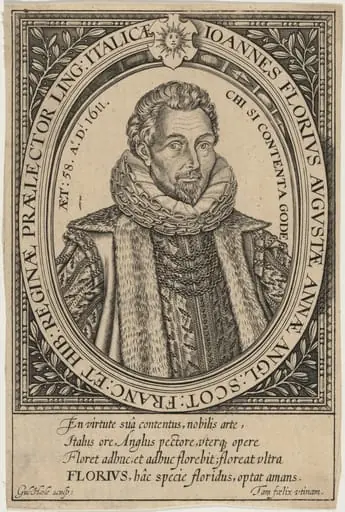
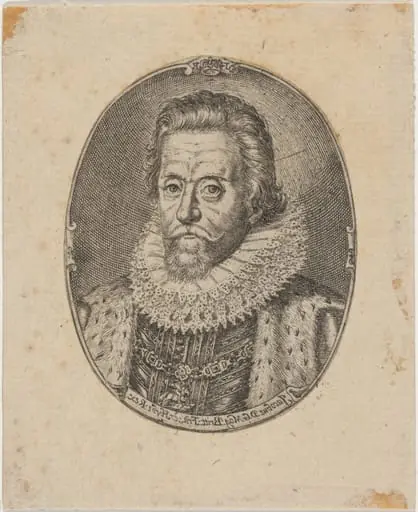
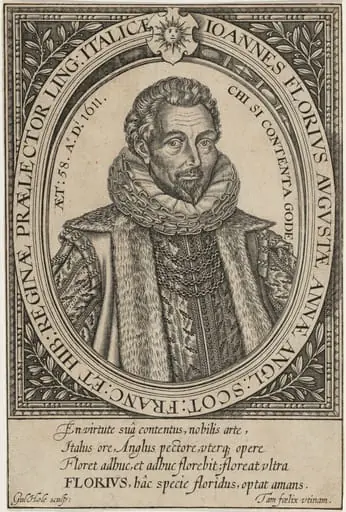
The portrait depicts a man with curly hair, a full beard, and a stiff ruff collar, his expression solemn and direct. The circular inscription around the image reads 'FOVET' and 'SPECIAL,' while a small note at the base suggests the face alone cannot convey the subject’s full identity. This implies the sitter’s significance lies in his writings or public role, not merely his appearance.
Technique & Style
The image is executed in precise, controlled engraving lines that model form through subtle tonal gradations. The plain background focuses attention on the face, while the fine cross-hatching defines texture in the beard and ruff. De Leu’s technique aligns with Northern Renaissance traditions, emphasizing clarity and detail over dramatic lighting or emotional intensity.
History & Provenance
Created in 1590, the print emerged during a period when Paris was a hub for print distribution. De Leu, originally from Flanders, operated as both engraver and publisher, producing works for a broad audience. Fouet likely circulated among literate elites interested in portraiture and intellectual figures, though the identity of the sitter remains unconfirmed.
Context
In late 16th-century France, engraved portraits served as affordable substitutes for painted likenesses, often used to commemorate scholars, clergy, or public figures. The inclusion of textual cues, like the note urging viewers to consult the subject’s writings, reflects a cultural emphasis on intellectual identity over visual representation alone.
Legacy
De Leu’s work contributed to the spread of printed portraiture in early modern Europe. While Fouet is not widely known today, it exemplifies how engravers bridged art and communication, making visual culture accessible beyond aristocratic circles. His prints remain valuable for understanding the mechanics and social function of print in the pre-industrial era.
Own this work as a print
Artist & collection
Artist
Thomas de Leu or Leeuw or Le Leup or Deleu (1560–1612) was a French engraver, publisher, and print dealer of Flemish origin.