Artwork
Skeleton of a Quadruped
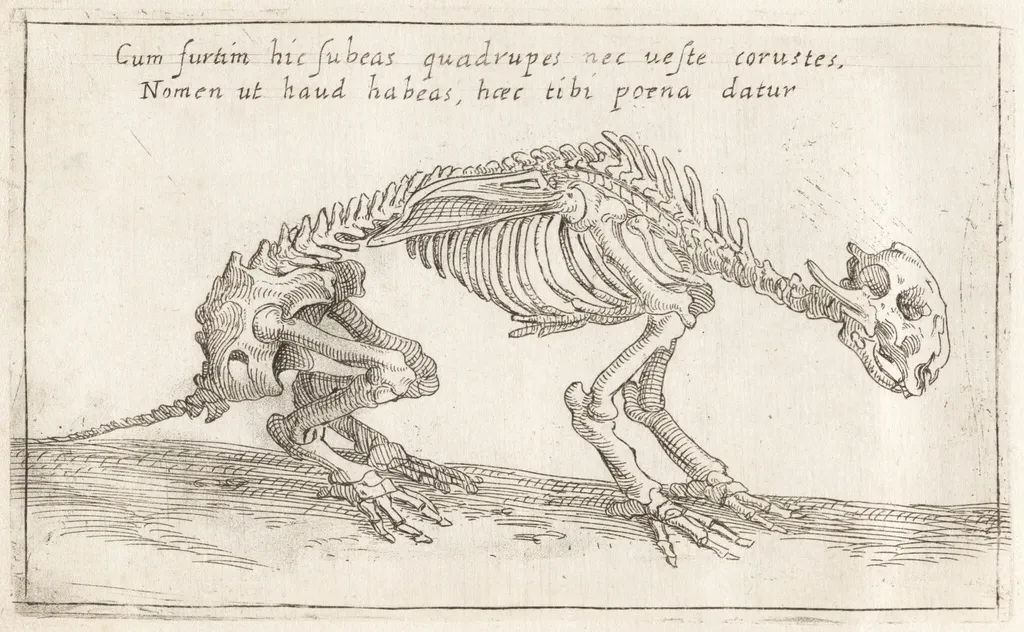
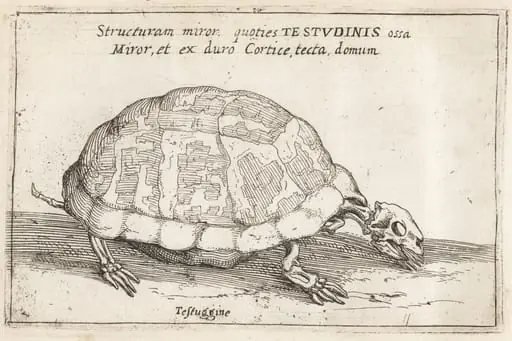
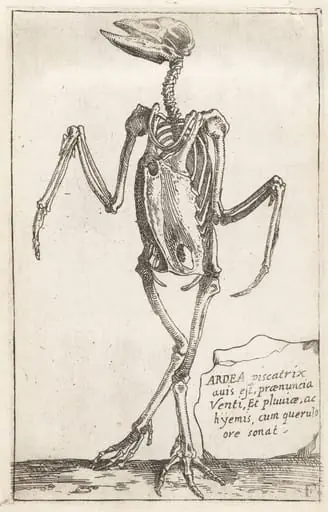
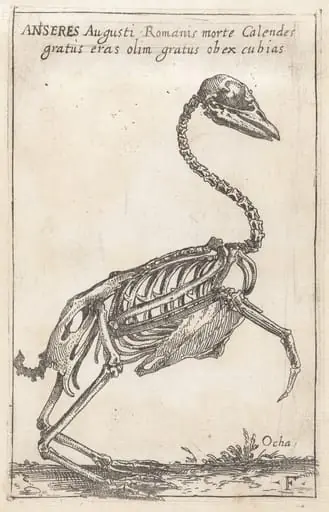
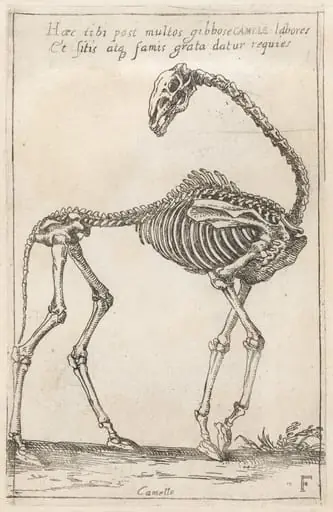
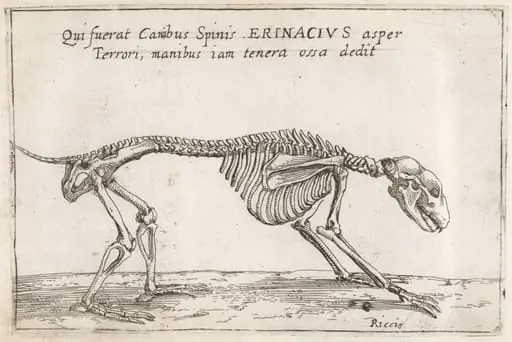
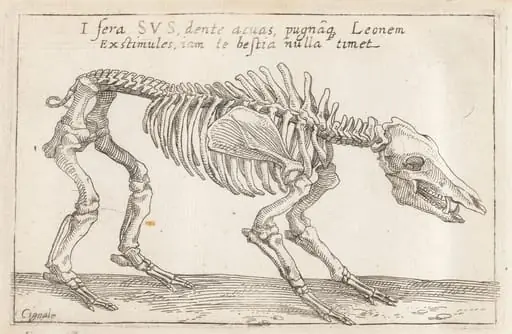
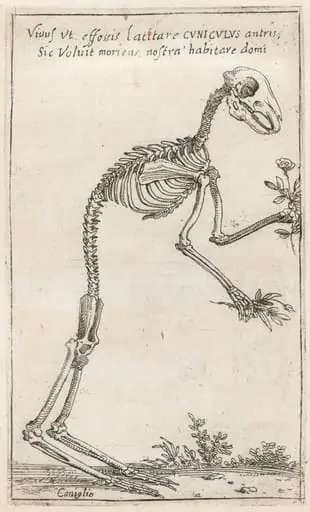
Skeleton of a Quadruped is an ink print by the Baroque artist Teodoro Filippo di Liagno. It dates from 1620 and is held in the collection of the National Gallery of Art.
- Inscription
- Inscribed:in plate, at top: Cum furtim hic Subeas quadrupes nec veste corustes / Nomen ut haud habeas, haec tibi poena datur; bottom left corner of sheet, in pen and ink by a later hand: 24
About this work
Overview
Teodoro Filippo di Liagno's 1620 etching, Skeleton of a Quadruped, is a detailed print on laid paper, currently housed at the National Gallery of Art in Washington.
Subject & Meaning
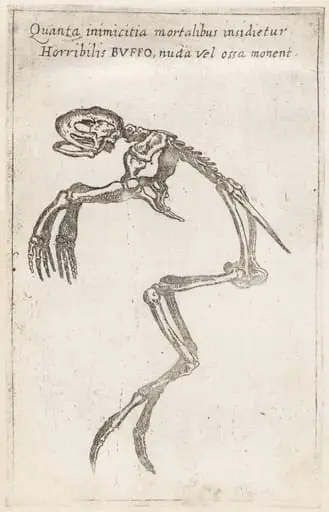
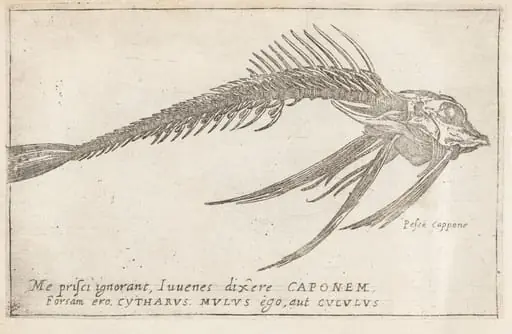
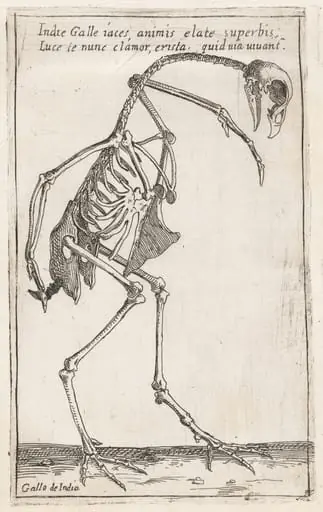
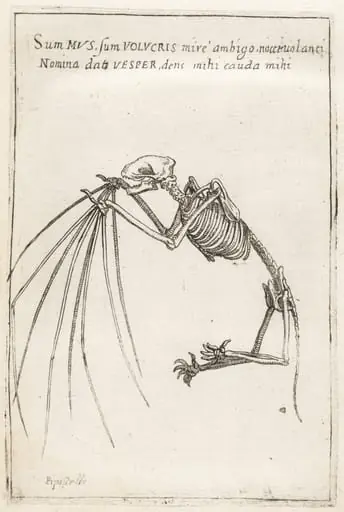
The etching depicts the contorted skeleton of a quadruped, possibly a horse or cow, in a dynamic, splayed pose, emphasizing anatomical accuracy.
Technique & Style
Rendered in fine detail with visible vertebrae, ribs, and joints, the work showcases the artist's etching skill in a dark, muted tone, set against a plain off-white background.
History & Provenance
Created in 1620, the etching's provenance prior to its current location at the National Gallery of Art, Washington, is not detailed here.
Context
This etching reflects the early 17th-century interest in detailed anatomical studies, common in the era's scientific and artistic explorations.
Legacy
While specific influence or notable exhibitions are not highlighted, the etching remains a testament to di Liagno's technical proficiency in etching and anatomical representation.
Artist & collection