Subject
Animal
Animal is a subject in art. The gallery holds 75 works in this subject in art, including works by Sesson Shūkei, Edward Hicks and Kawanabe Kyōsai 河鍋暁斎.
Animals are among the very oldest subjects of human art, predating writing, agriculture, and settled life. The painted and engraved beasts of the Chauvet Cave in southern France, reliably dated to roughly 33,000–30,000 years ago, include some eighty creatures—among them thirty-six lions and twenty-three rhinoceroses—rendered with a sophistication once thought impossible so early. At Lascaux, painted around 15,000 years ago, more than 600 images of horses, bison, and deer cover the walls. From these beginnings the animal recurs across nearly every culture: in Egyptian deities, Scythian and Celtic "animal style" metalwork, Chinese bird-and-flower painting, and the menageries of medieval bestiaries and manuscript margins.
For much of the Western tradition, animal painting ranked low in the academic hierarchy of genres, beneath history, portraiture, and even landscape. Yet artists repeatedly elevated it. Albrecht Dürer treated the animal as a worthy subject in its own right: his watercolour Young Hare (1502) carries his proud monogram, while his famous woodcut Rhinoceros (1515)—drawn from a written report of a beast he never saw—became one of the most reproduced images in Europe.
The eighteenth and nineteenth centuries produced the great specialists. George Stubbs, trained in dissection, painted Whistlejacket (c. 1762), a lifesize rearing racehorse against bare gold ground that reads as both anatomical triumph and a prefiguration of Romanticism. Rosa Bonheur won international fame with The Horse Fair (1855), and Sir Edwin Landseer, Queen Victoria's favourite, gave Victorian audiences moralising, anthropomorphic scenes such as Monarch of the Glen.
In the modern era the animal became a vehicle for spiritual and formal experiment. Franz Marc, co-founder of Der Blaue Reiter, used the beast as a purer being than man, his Blue Horse I (1911) deploying colour symbolically rather than descriptively. American folk painting offers its own visionary strain in Edward Hicks, the Quaker preacher who painted more than a hundred versions of the Peaceable Kingdom (c. 1820–1849), illustrating Isaiah's prophecy of wolf and lamb at rest; the catalogue's Hicks holding, The Falls of Niagara, shares that emblematic, didactic spirit. Together these works trace the animal's passage from sacred presence to scientific specimen to modern symbol.
Key artists

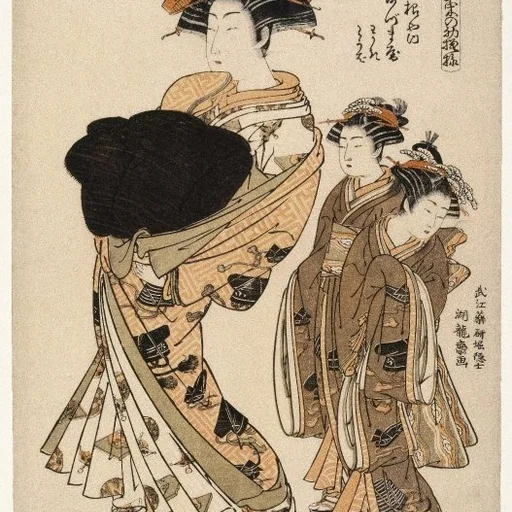
Works
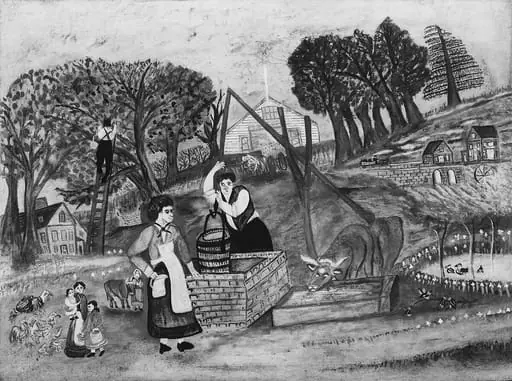 The Old Oaken Bucket which Hung in the Well
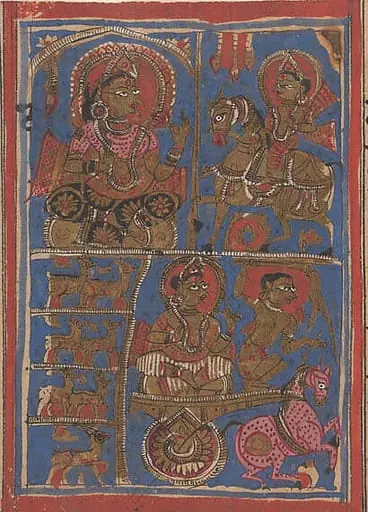 Untitled
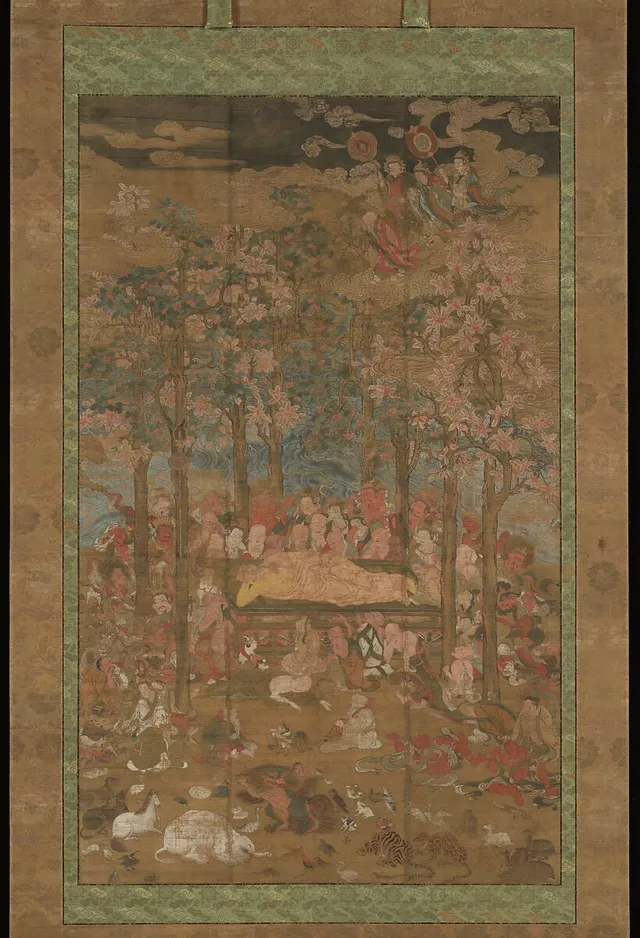
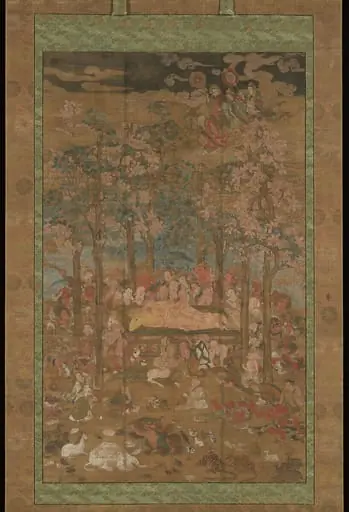 仏涅槃図|Death of the Historical Buddha (Nehan-zu)
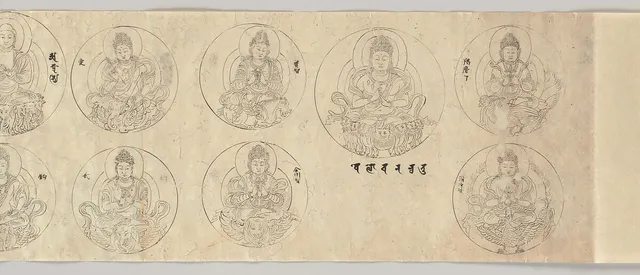
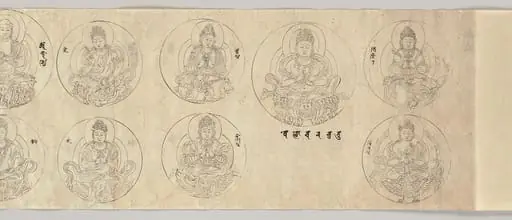 金剛界曼荼羅諸尊図像|Scroll of Deities of the Diamond World Mandala
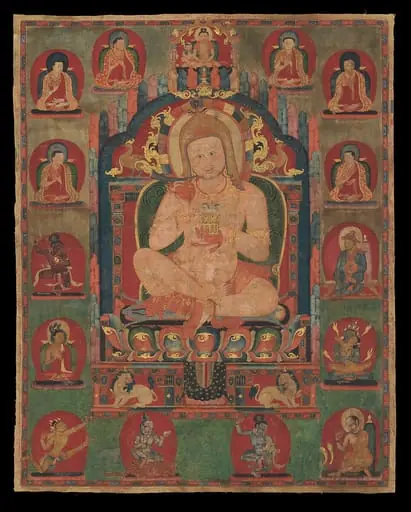 Untitled
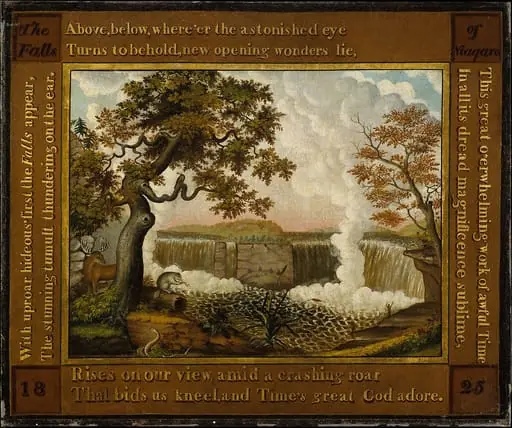 The Falls of Niagara
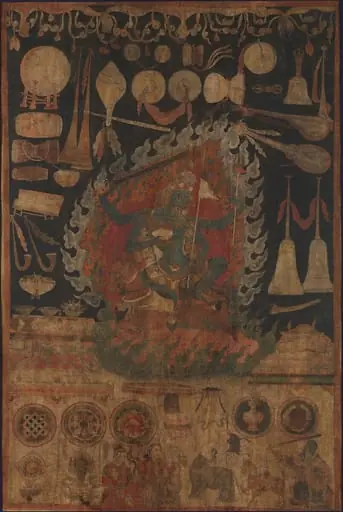 Untitled
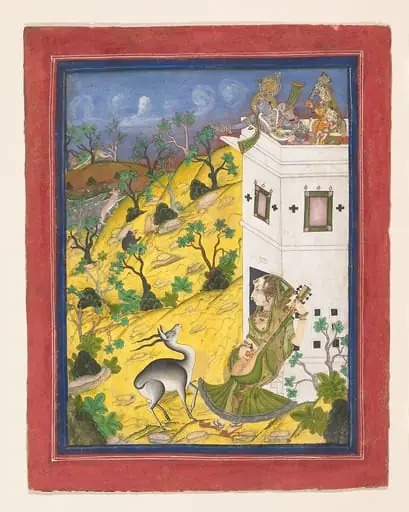 Untitled
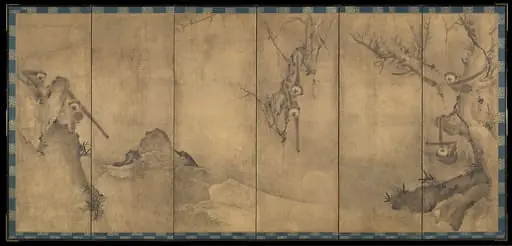 Untitled
 Untitled
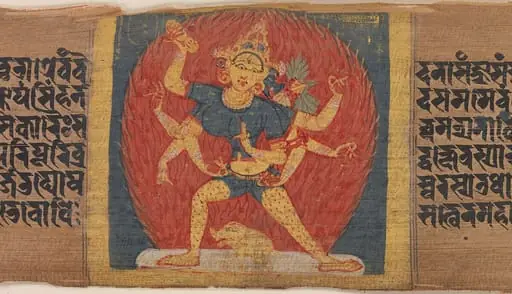 Untitled
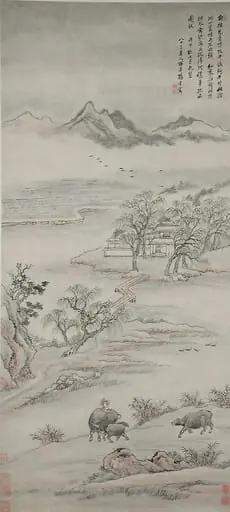 清 楊晉 滄洲牧牛圖 軸|Landscape with Figures
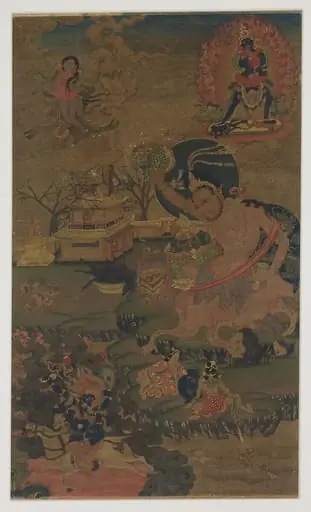 Untitled
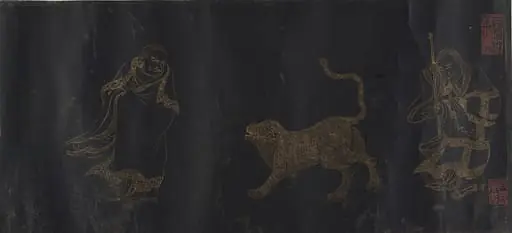 Untitled
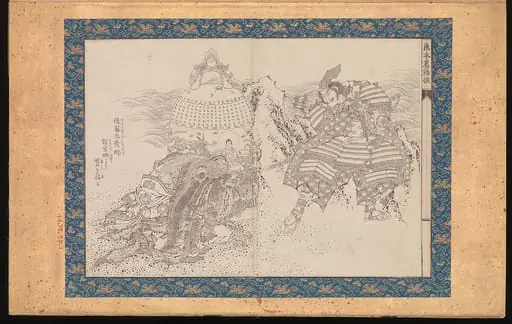 『画本葛飾振』|Picture Book in the Katsushika Style (Ehon Katsushika-buri)
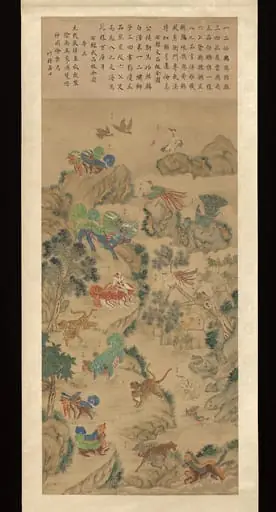 Untitled
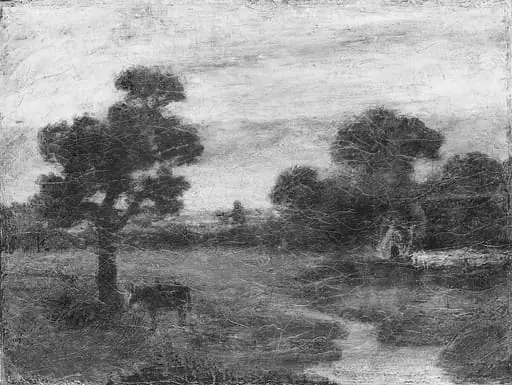 Pasture at Evening
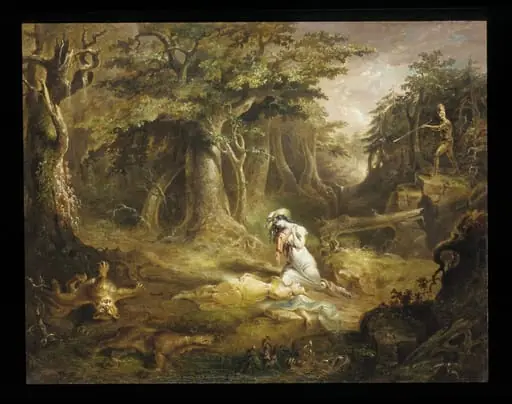 Leatherstocking's Rescue
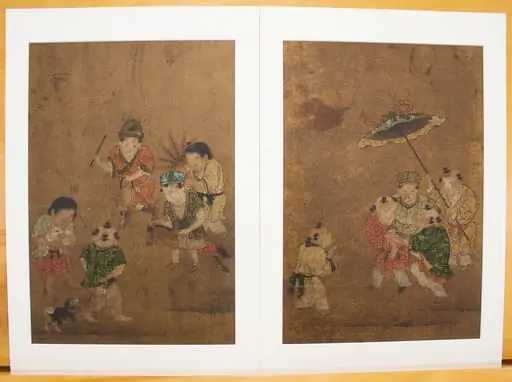 Untitled
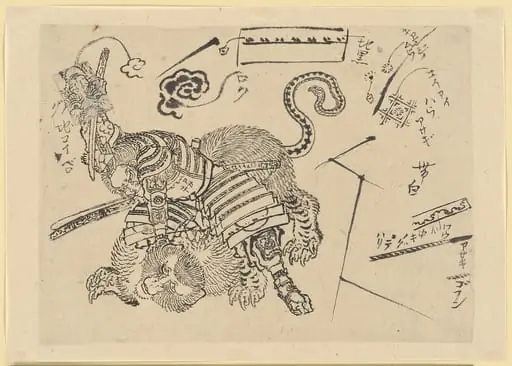 Untitled
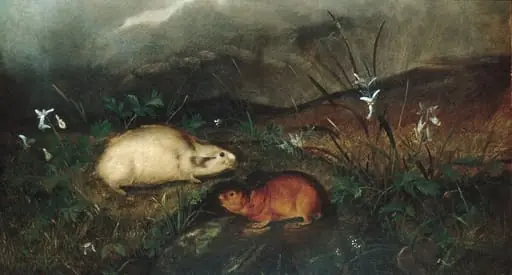 Hudson's Bay Lemming
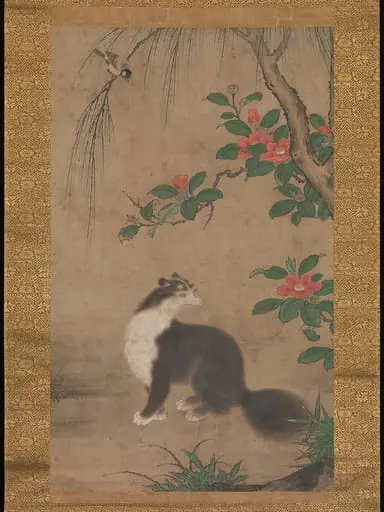 右都御史筆 麝香猫図|Musk Cat
 Untitled
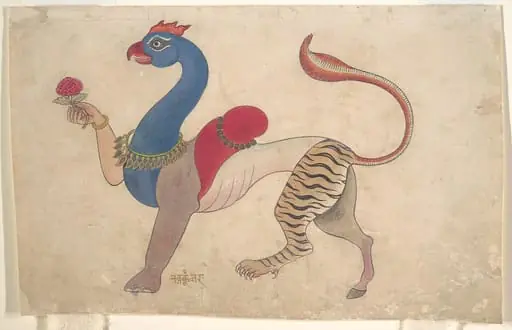 Untitled
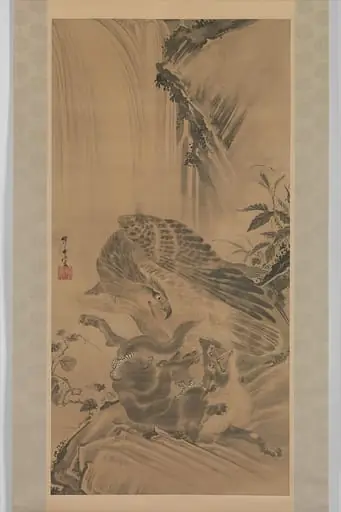 Untitled
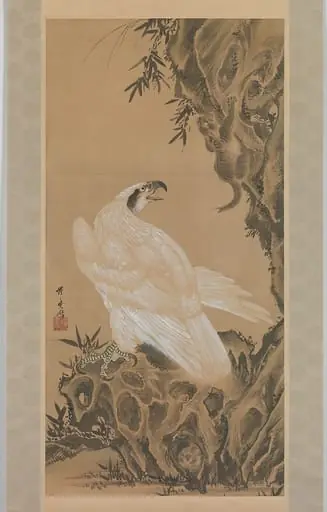 Untitled
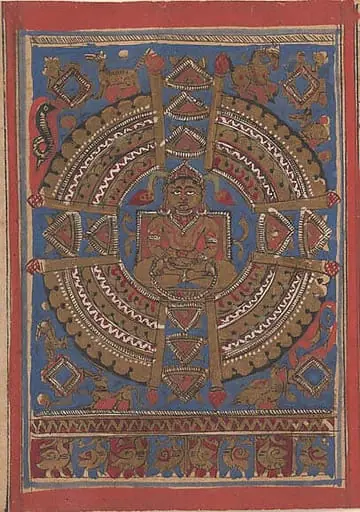 Untitled
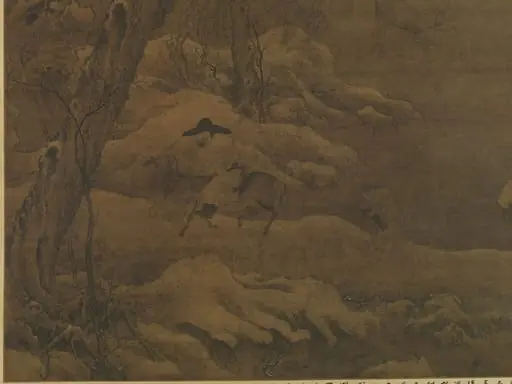 宋 佚名 倣李成 寒林策驢圖 軸|Travelers in a Wintry Forest
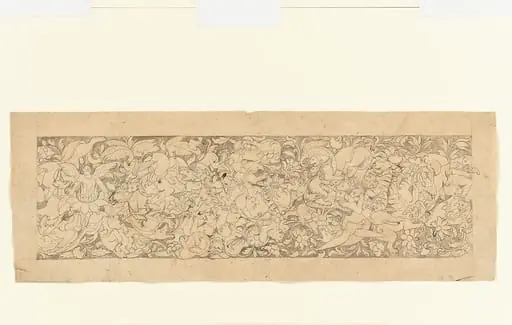 Untitled
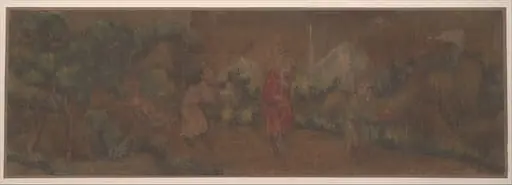 Untitled
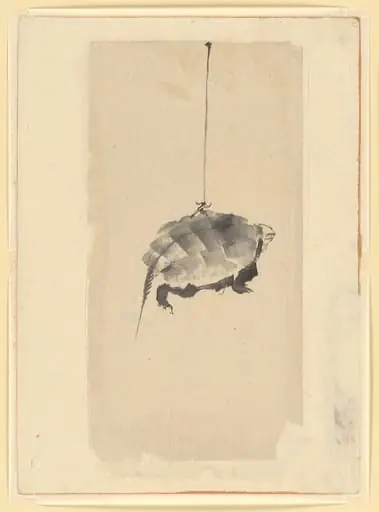 Untitled
 Untitled
 Untitled
 Untitled
 Untitled
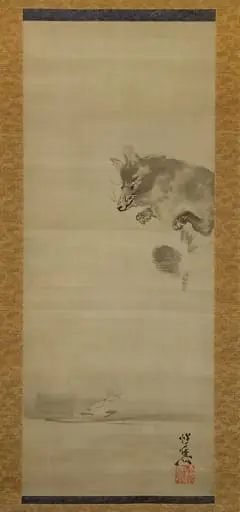 Untitled
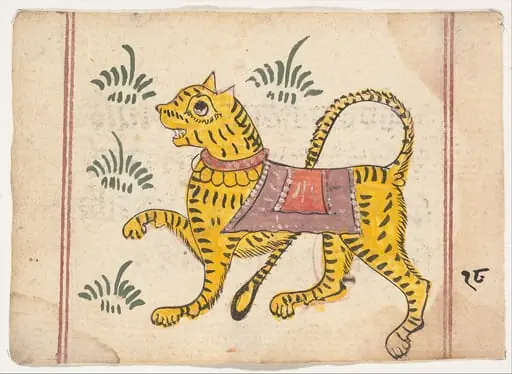 Untitled
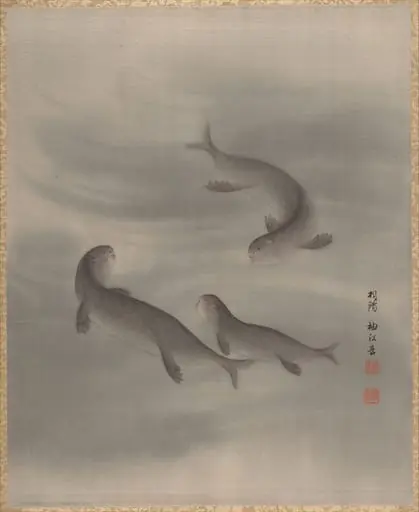 Untitled
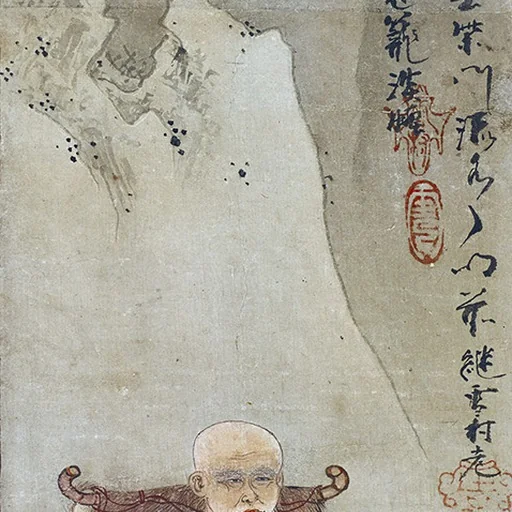
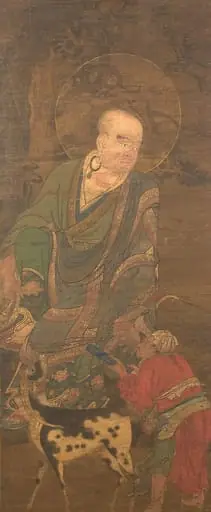 羅漢図|Rakan
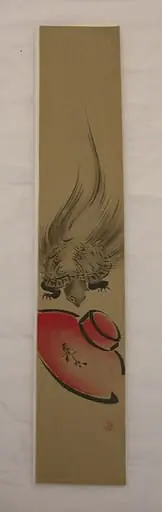 Untitled
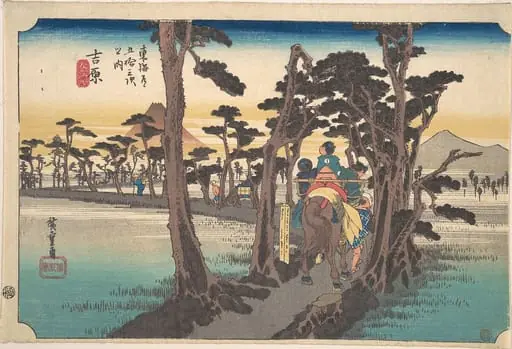 東海道五十三次之内 吉原 左富士|Yoshiwara, Hidari Fuji
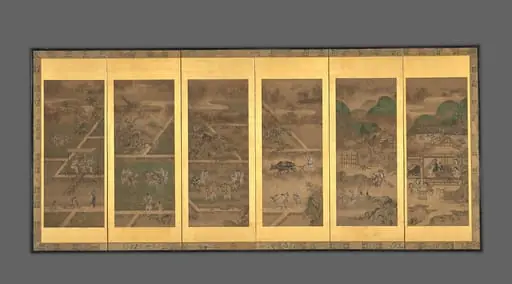 農耕作月次図屏風|Farmers' Lives in the Twelve Months
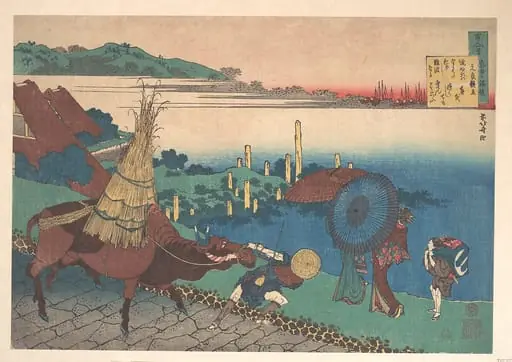 百人一首 乳母かえ説 元良親王|Poem by Motoyoshi Shinnō, from the series One Hundred Poems Explained by the Nurse (Hyakunin isshu uba ga etoki)
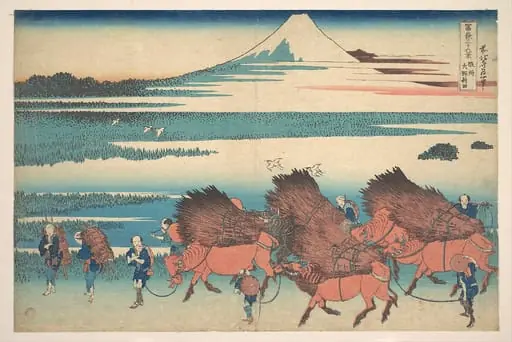 冨嶽三十六景 駿州大野新田|The New Fields at Ōno in Suruga Province (Sunshū Ōno shinden), from the series Thirty-six Views of Mount Fuji (Fugaku sanjūrokkei)
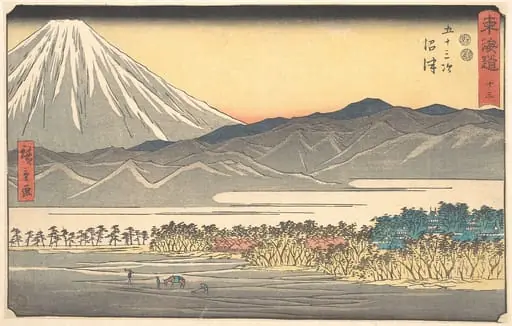 東海道五十三次 沼津|Numazu
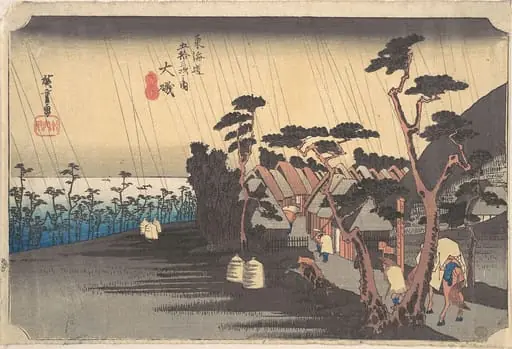 東海道五十三次之内 大磯 虎ケ雨|Tiger Rain at Ōiso Station
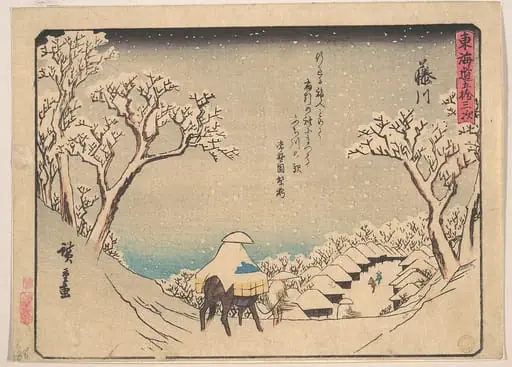 東海道五十三次 藤川|Fujikawa
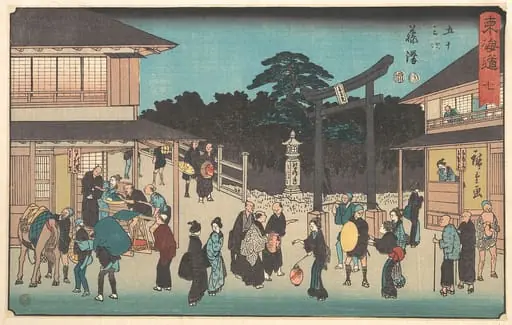 東海道五十三次 藤澤|Fujisawa
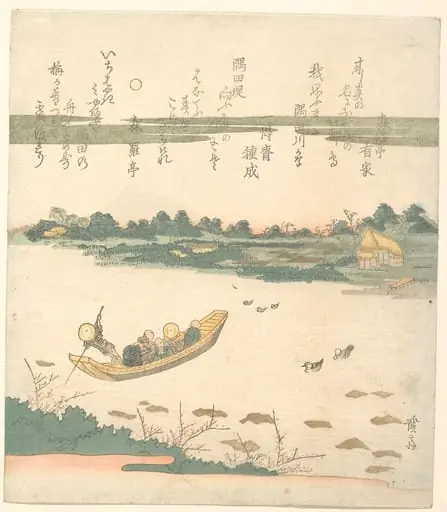 Untitled
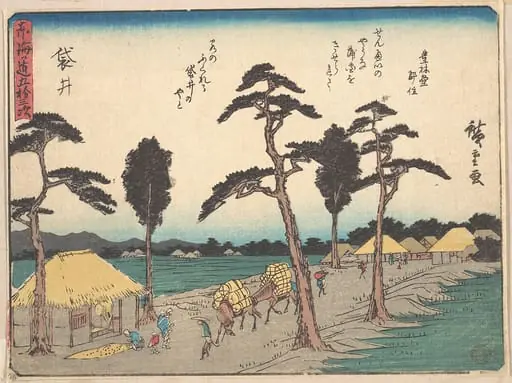 東海道五十三次 袋井|Fukuroi
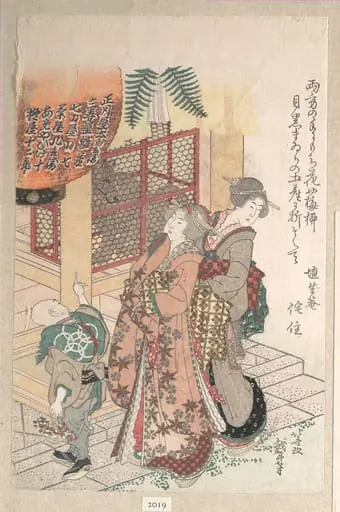 初詣|Young Women Visiting a Shinto Shrine
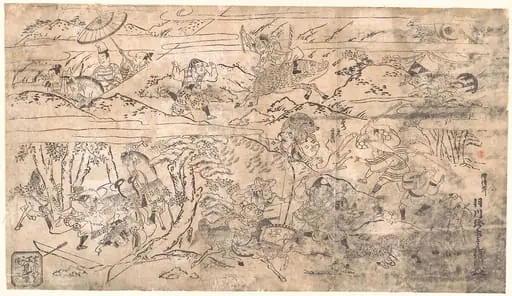 Untitled
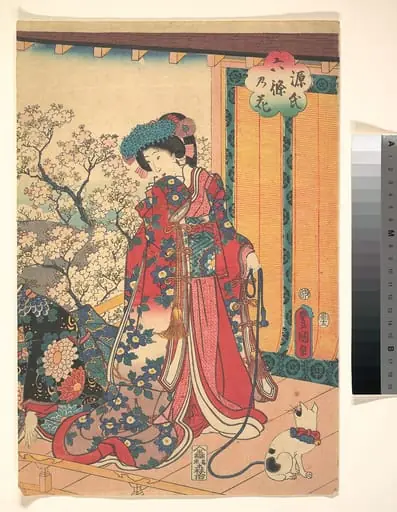 Untitled
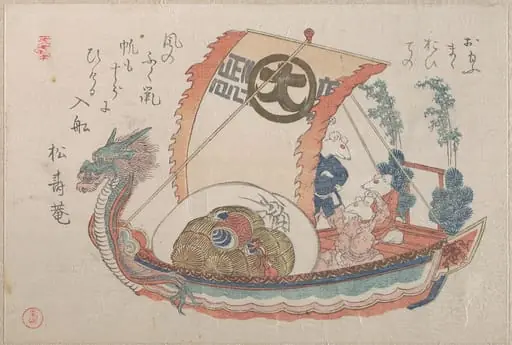 Untitled
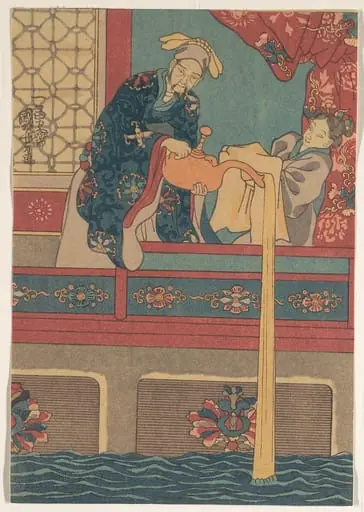 Untitled
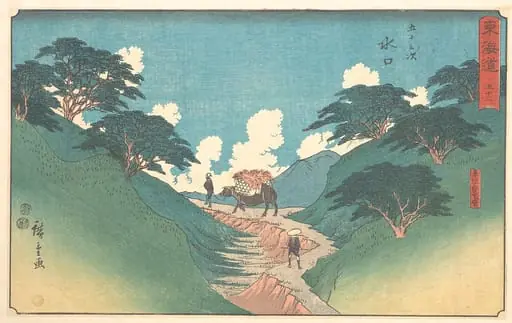 東海道五十三次 水口 平松山美松|Minaguchi
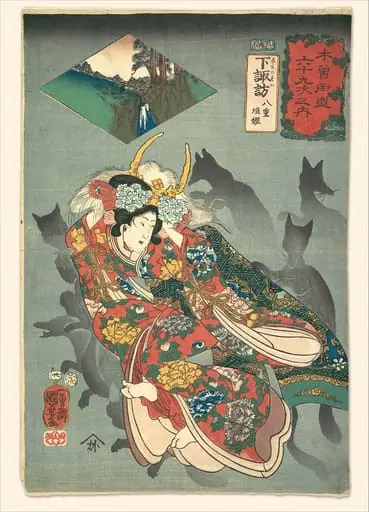 木曽街道六十九次之内・下諏訪 八重垣姫|Princess Yaegaki
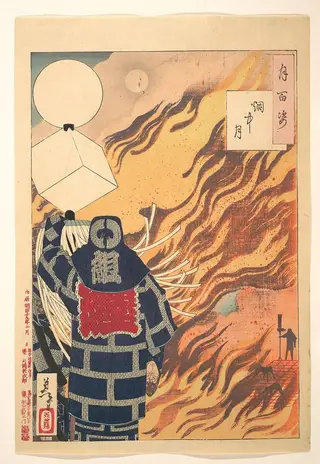 月百姿 - 煙中月|Moon in the Flame from the Series One Hundred Images of the Moon (Tsuki hyaku sugata-enchūgetsu)
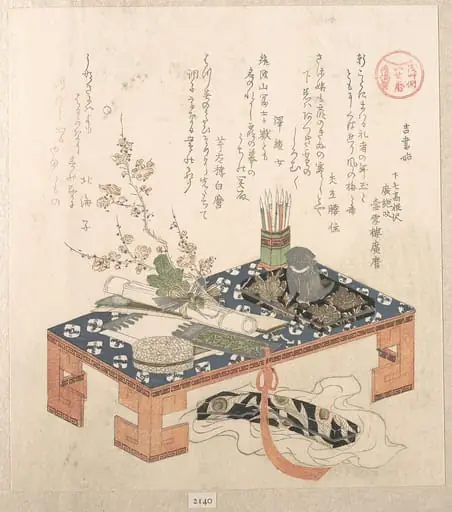 『浅草側いせ暦』 文房具と梅熨斗『春雨集』 摺物帖 |“Desk with Writing Set and Plum Flowers,” from the series Ise Calendars for the Asakusa Group (Asakusa-gawa Ise goyomi)From the Spring Rain Collection (Harusame shū), vol. 2
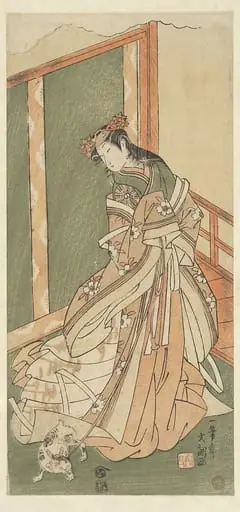 Untitled
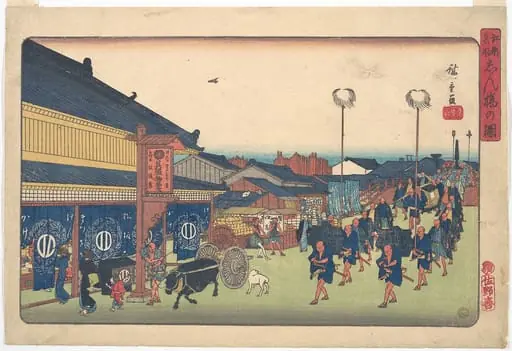 江都名所 新橋の図|Shimbashi no Zu
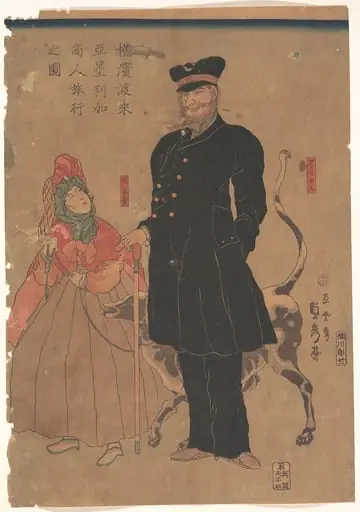 Yokohama torai Amerika shonin ryoko no zu|横浜渡來亜墨利加商人旅行之図|American Merchant Strolling in Yokohama
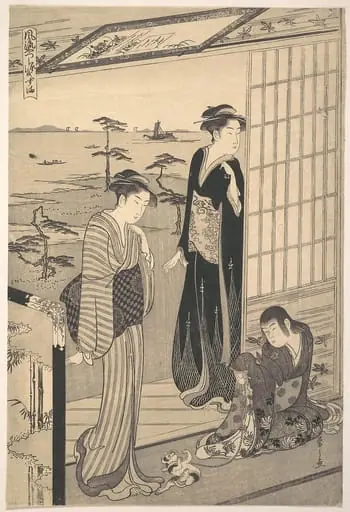 鳥文斎栄之画 「風流やつし源氏 須磨」|Genji in Exile at Suma, from the series Genji in Fashionable Modern Guise (Fūryū yatsushi Genji: Suma)
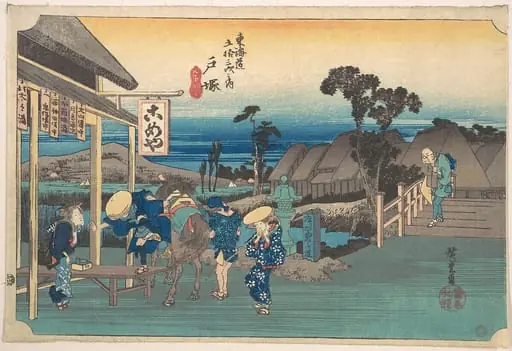 東海道五十三次之内 戸塚 元町別道|Totsuka; Moto Machi Betsudo
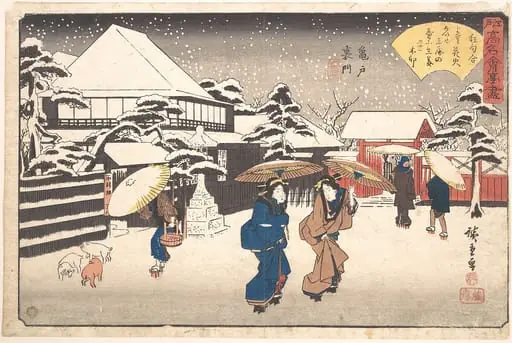 江戸高名会亭尽 亀戸裏門 玉屋|Kameido Uramon (Tama-ya)
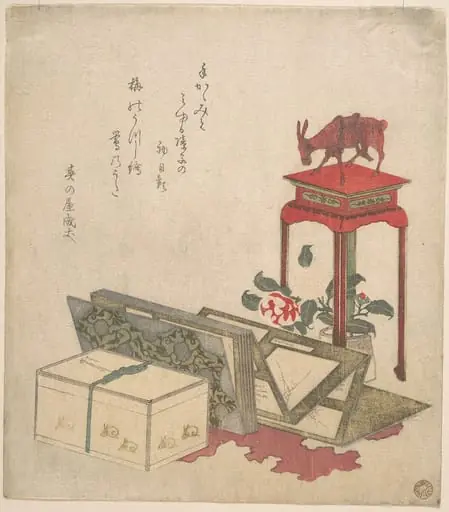 Untitled
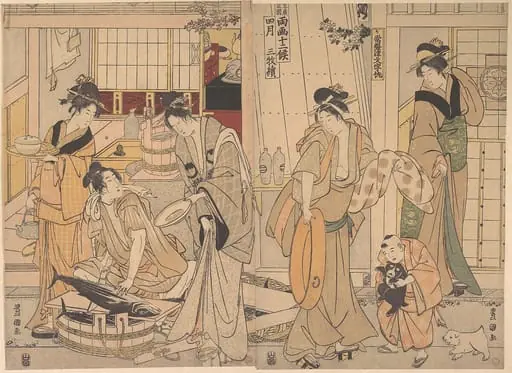 Untitled
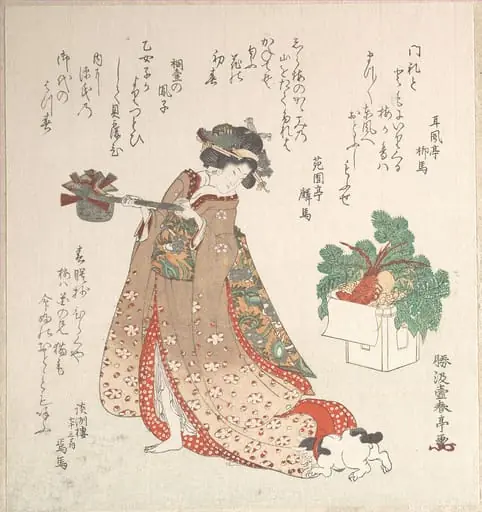 Untitled
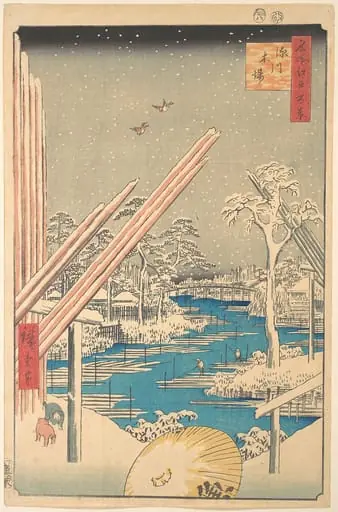 名所江戸百景 深川木場|The Lumber Yard at Fukagawa
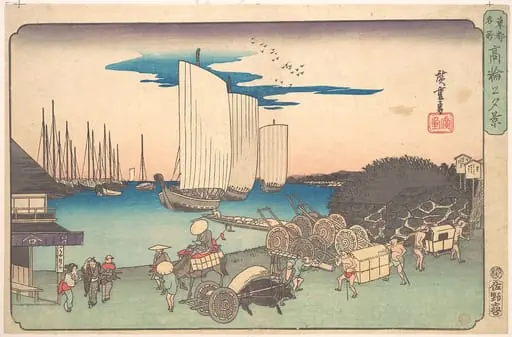 東都名所 高輪の夕景|Takanawa no Yukei
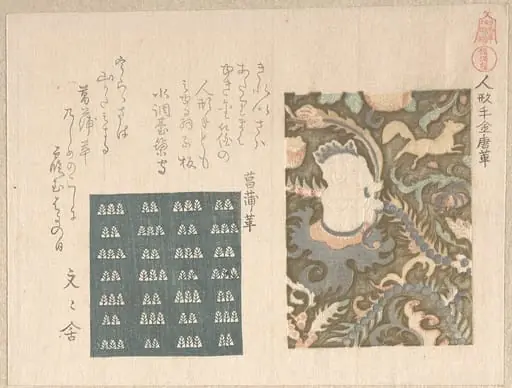 『名物革仝印籠仝根付』 人形手金唐革 菖蒲革『春雨集』 摺物帖|“Gold-decorated Leather with Figure of a Chinese Boy” and “Patterned Leather,” from the series Famous Leathers, Inrō, and Netsuke Meibutsu kawa, inrō, netsuke)From the Spring Rain Collection (Harusame shū), vol. 2
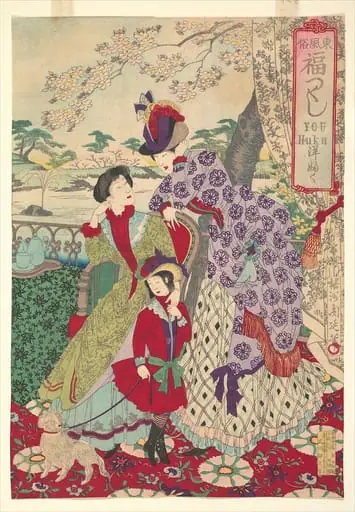 『東風俗福づくし 洋 ふく』|Western Clothing from the series An Array of Auspicious Customs of Eastern Japan (Azuma fūzoku, fukuzukushi-Yōfuku)
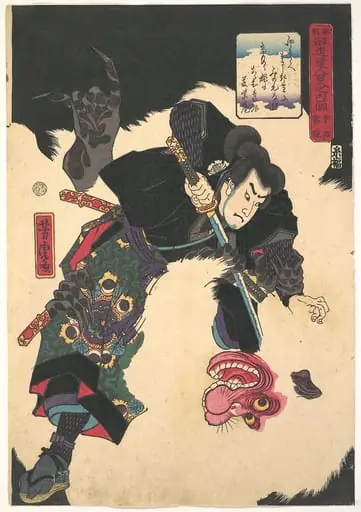 Untitled
 Untitled
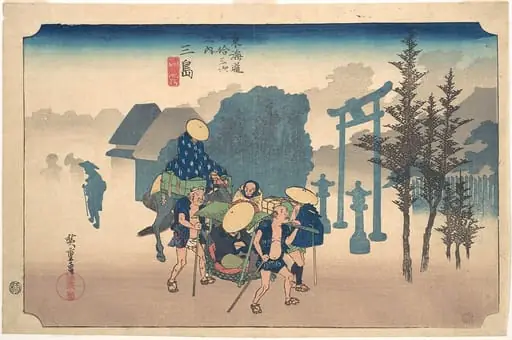 東海道五十三次 三島 朝霧|Morning Mist at Mishima
Frequently asked questions
What is Animal?
Animal: The International Journal of Animal Bioscience is a scientific journal established February 2007 and published monthly by Elsevier.
How many Animal works does Artifact World Gallery have?
Artifact World Gallery holds 75 public-domain Animal works, all free to view and download.
Who are the key Animal artists?
Key Animal artists in the collection include Sesson Shūkei, Edward Hicks and Kawanabe Kyōsai 河鍋暁斎.
Where can I see Animal works?
Animal works in the collection are held by Metropolitan Museum of Art.