Artwork
Madonna and Child
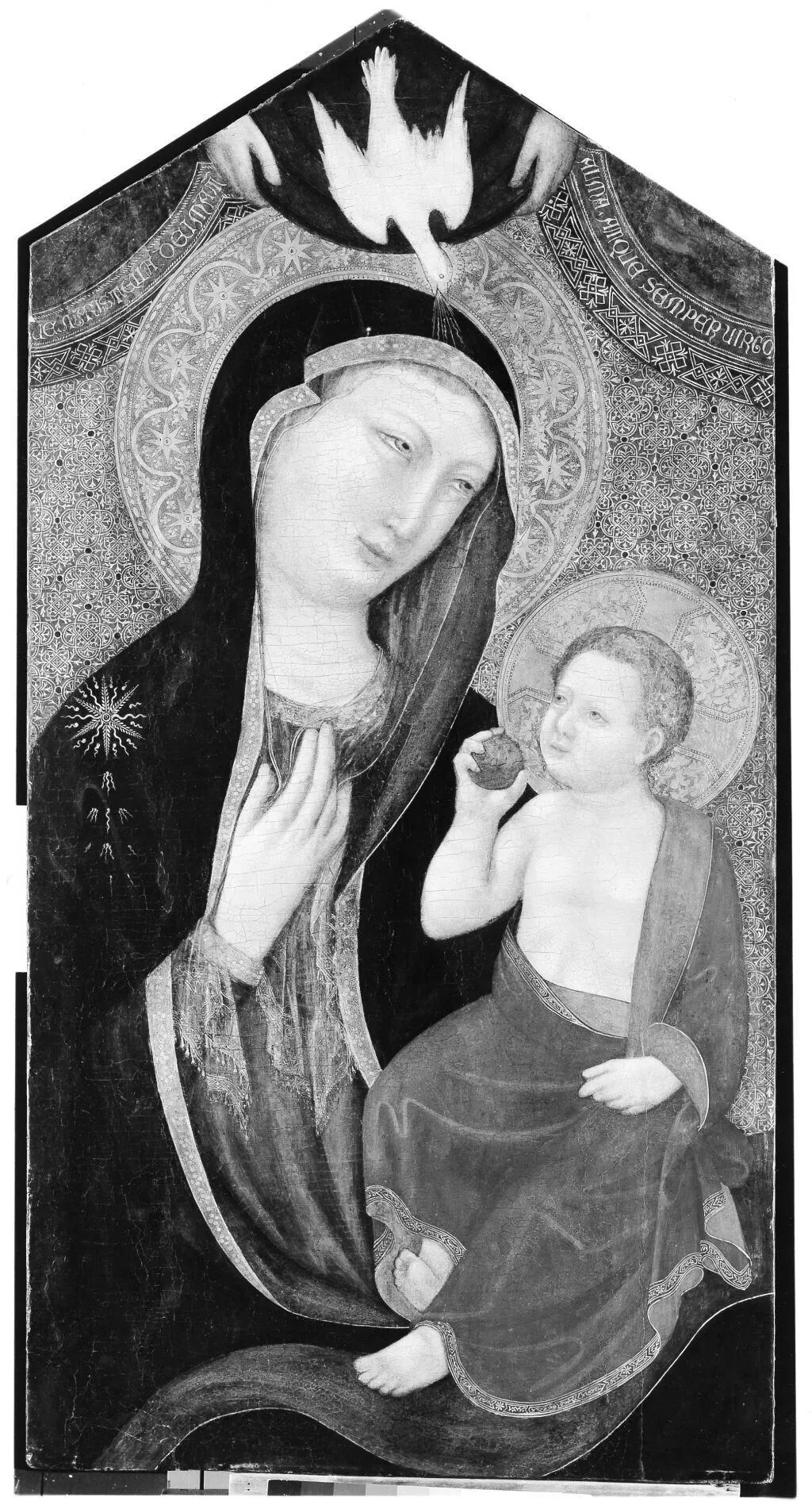
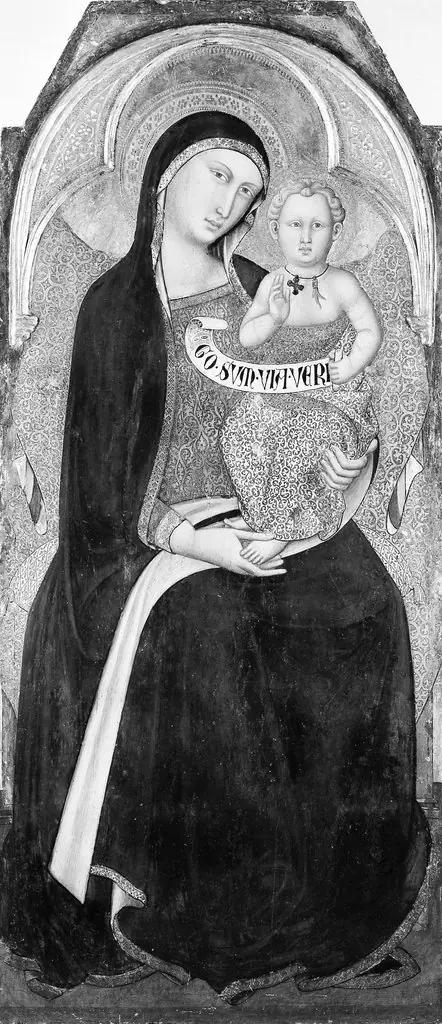
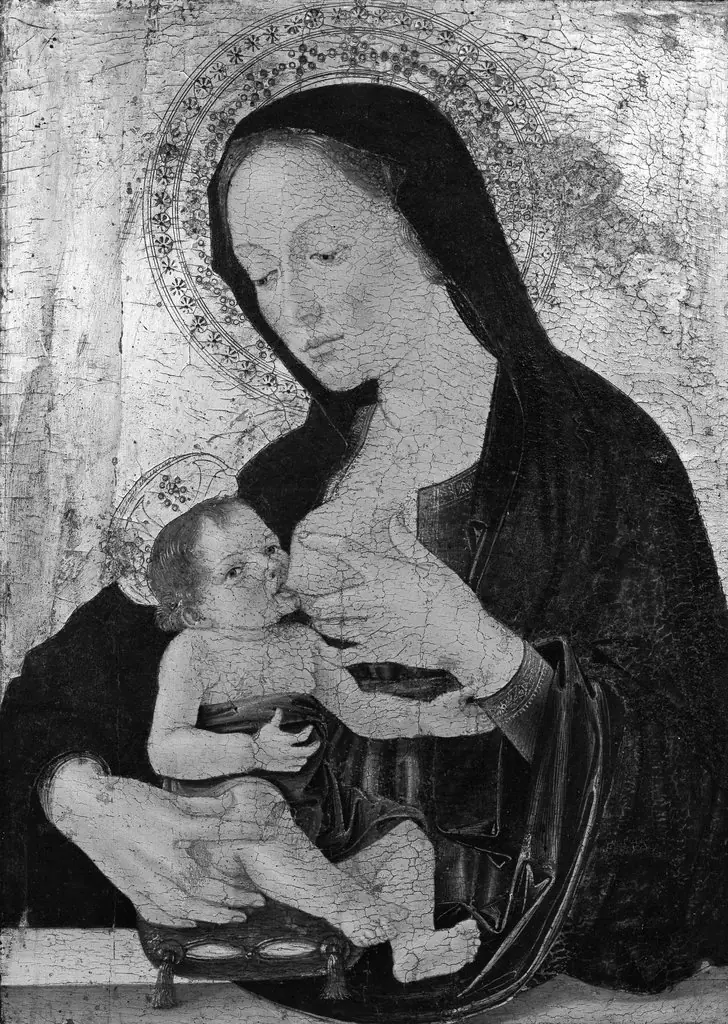
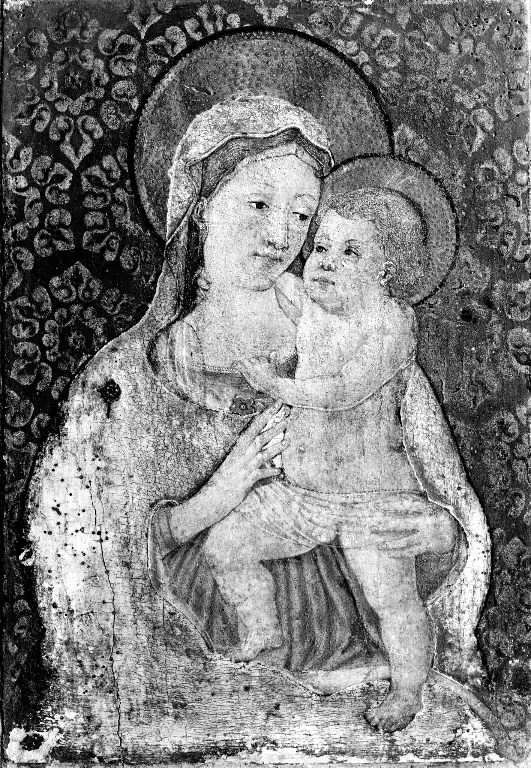
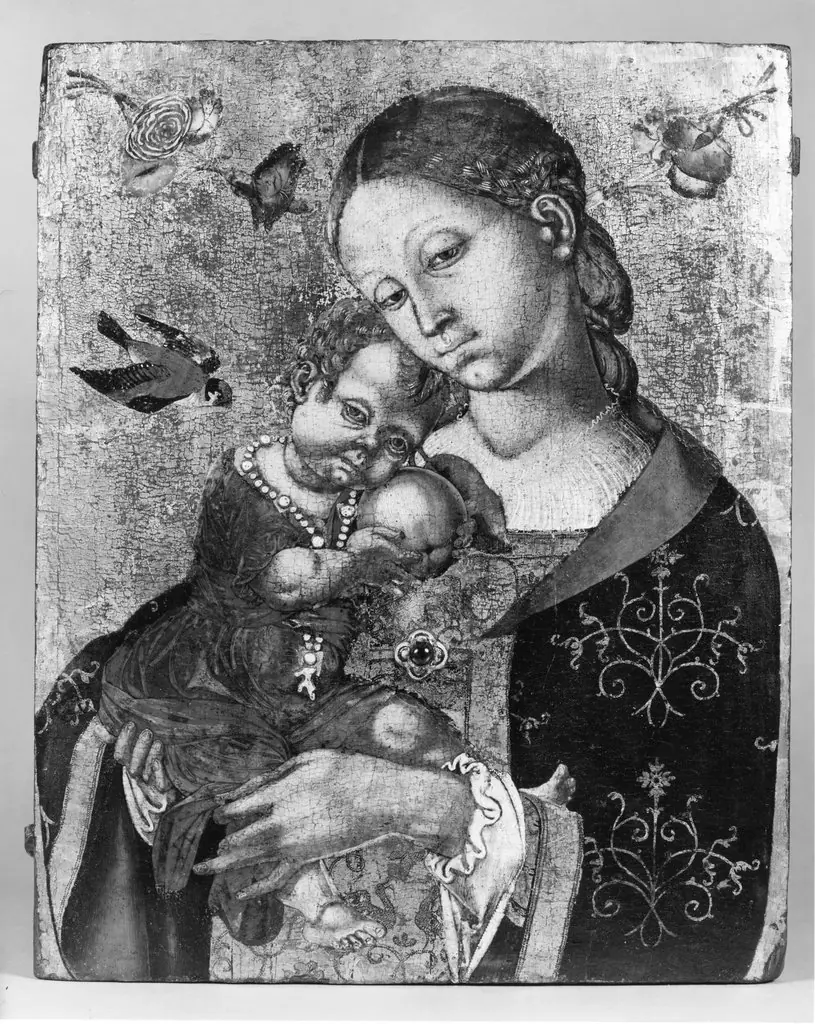
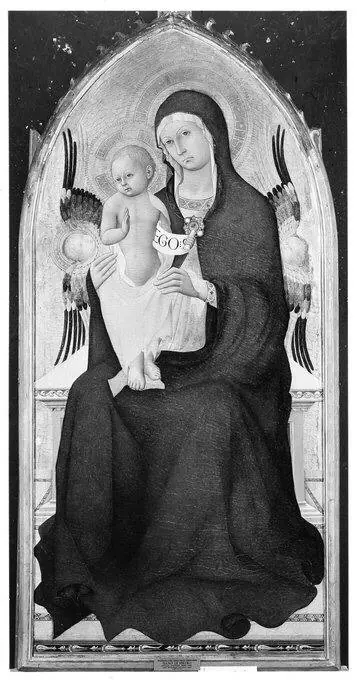
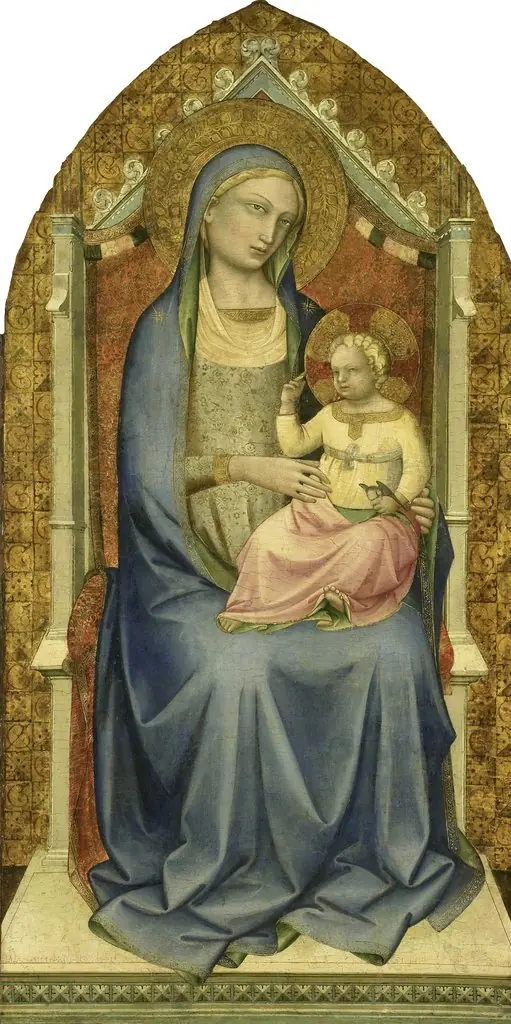
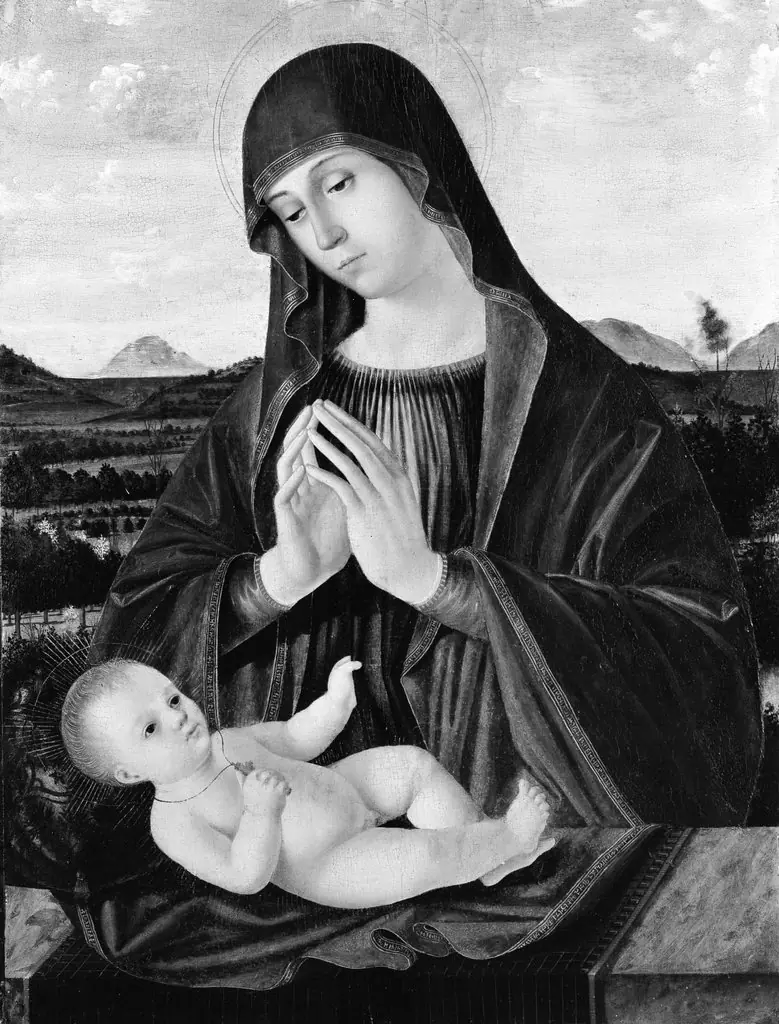
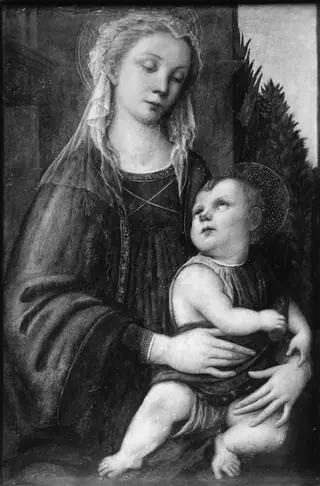
Madonna and Child is a tempera painting by the Italo Byzantine artist Lippo di Benivieni. It dates from 1311 and is held in the collection of the Metropolitan Museum of Art.
About this work
Subject & Meaning
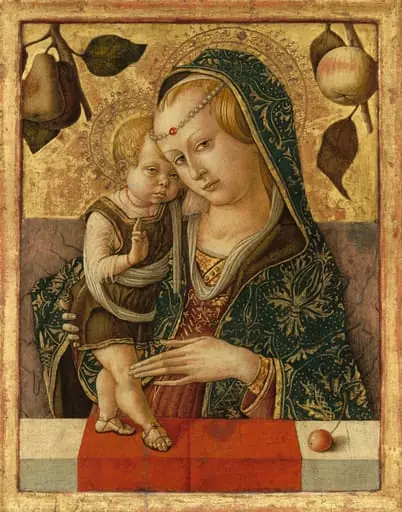
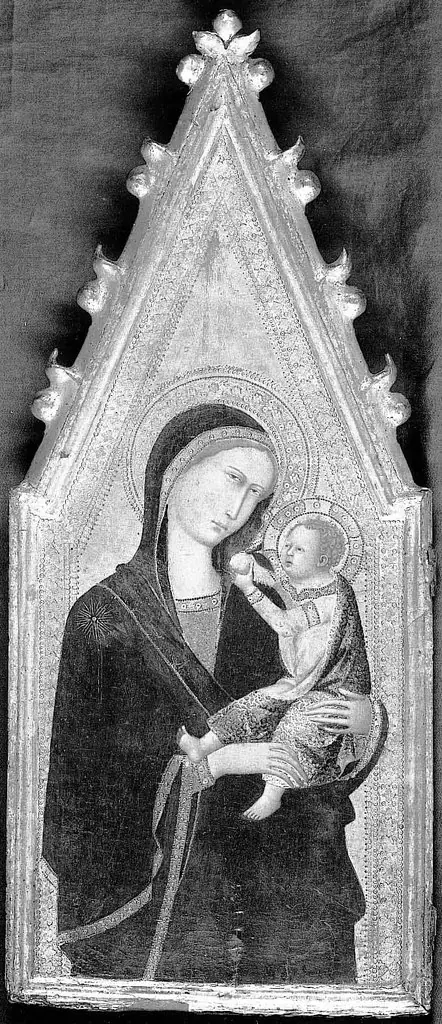
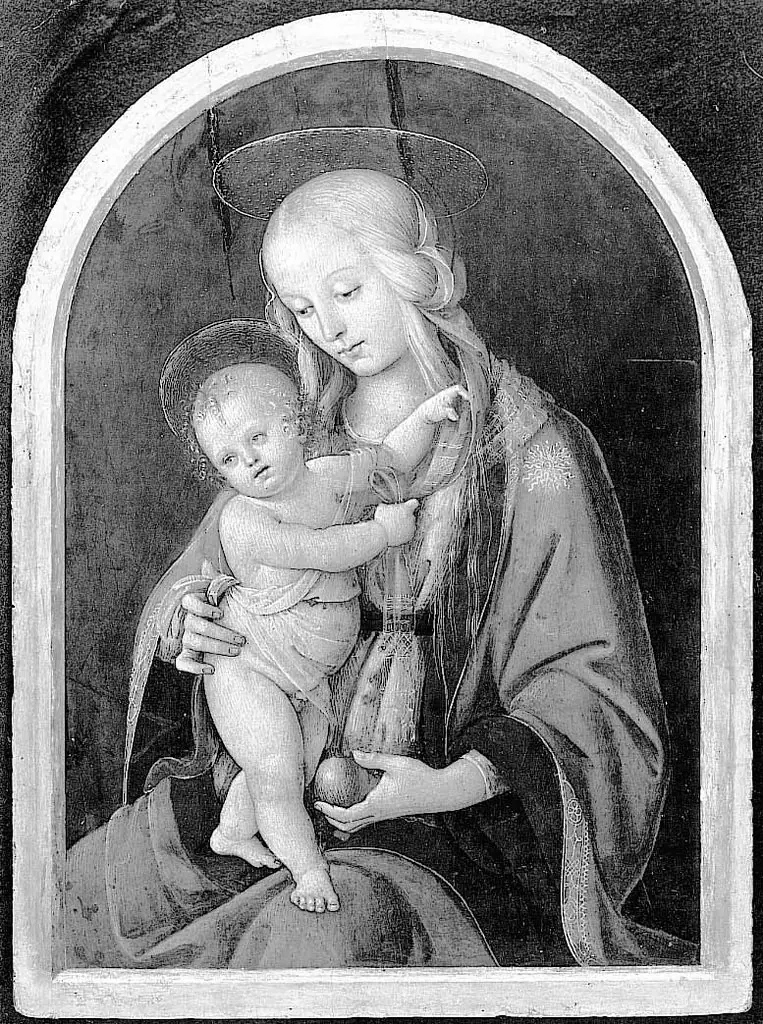
Created in 1311 by Lippo di Benivieni, this tempera panel painting exemplifies the religious genre through its depiction of the Madonna and Child.
Created in 1311 by Lippo di Benivieni, this tempera panel painting exemplifies the religious genre through its depiction of the Madonna and Child. The work's primary iconography centers on the Virgin Mary holding the Christ Child, a standard representation in Christian art symbolizing divine motherhood and the Incarnation. As a piece of religious art housed in the Metropolitan Museum of Art, the image serves as a devotional object, visually articulating the theological bond between mother and son.
The composition focuses exclusively on these two figures, adhering to traditional conventions where Mary is presented as the seat of wisdom and the child as the embodiment of God made flesh. The use of tempera on panel was a common medium for such sacred images during the early fourteenth century, intended to inspire reverence and contemplation among viewers.
Technique & Style
The Madonna and Child is a tempera painting on panel dated to 1311. Executed in tempera on a wooden support, the work belongs to the religious genre and depicts the Virgin Mary with the Christ Child. The sources do not provide further details on the artist's handling technique or the current condition of the piece.
History & Provenance
The Madonna and Child attributed to Lippo di Benivieni was created in 1311, as consistently documented in scholarly and institutional records. Executed in tempera on panel, the work measures 170.8 by 85.7 centimeters and represents a devotional image of the Virgin Mary and Christ Child. No direct evidence of its original commission survives, though its religious genre and scale suggest it was likely produced for private worship or a small ecclesiastical setting.
The painting entered the collection of the Metropolitan Museum of Art, where it remains housed, though earlier stages of its ownership history prior to acquisition by the museum are not recorded in available sources.
The painting Madonna and Child by Lippo di Benivieni, dated 1311, is housed in the collection of the Metropolitan Museum of Art in New York. The work is listed as part of the museum’s holdings, though no specific accession or inventory number is provided in the available records. No exhibition history for this particular panel is documented in the sources consulted, indicating that it has not been featured in publicly noted exhibitions up to the present.
Overview
Lippo di Benivieni, a Florentine painter from the early fourteenth century, created this Madonna and Child in 1311. The painting depicts the Virgin Mary tenderly holding the Christ Child, a central theme in Christian art. Executed in tempera, the work exemplifies the Italo-Byzantine style prevalent during its creation, characterized by its spiritual focus and decorative elements. It is currently part of The Metropolitan Museum of Art's collection.
Artist & collection
Artist
Lippo di Benivieni (active 1296–1327) was a Florentine painter active during the first third of the fourteenth century. Little is known of his biography.