Artwork
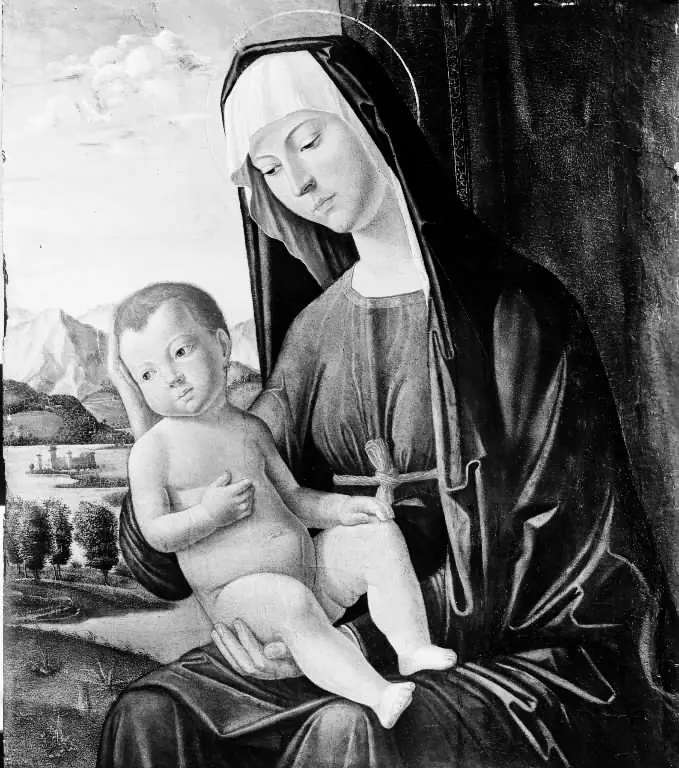
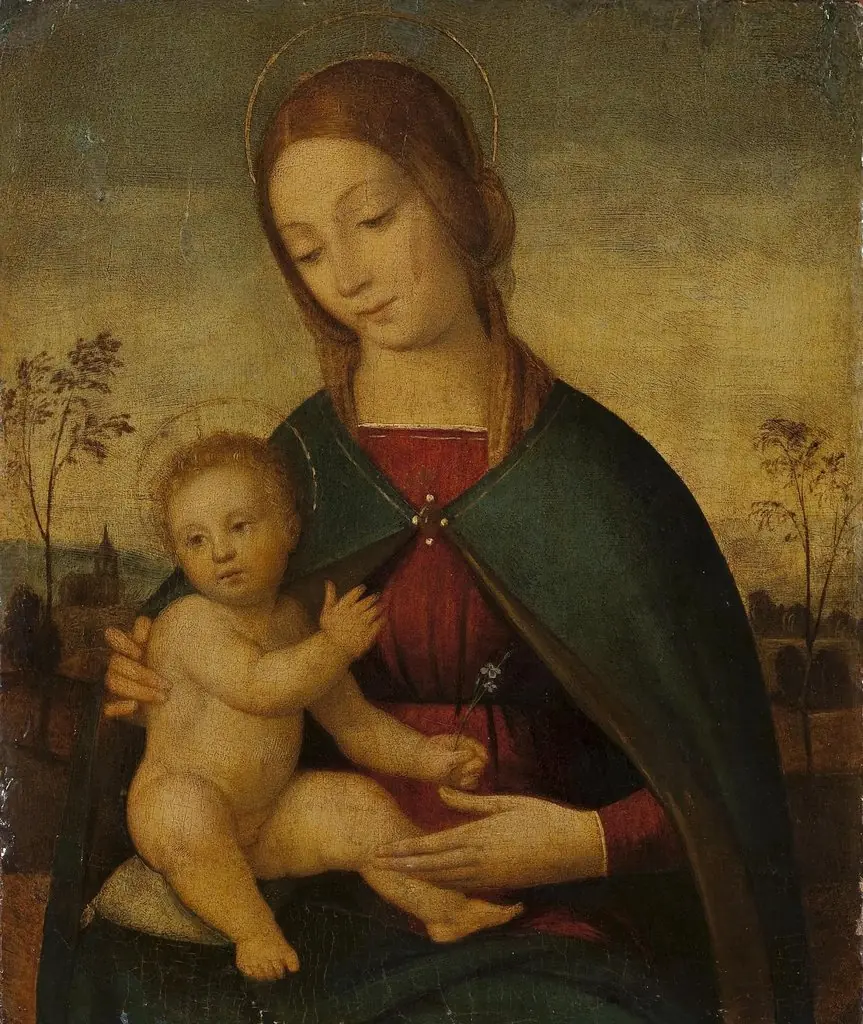
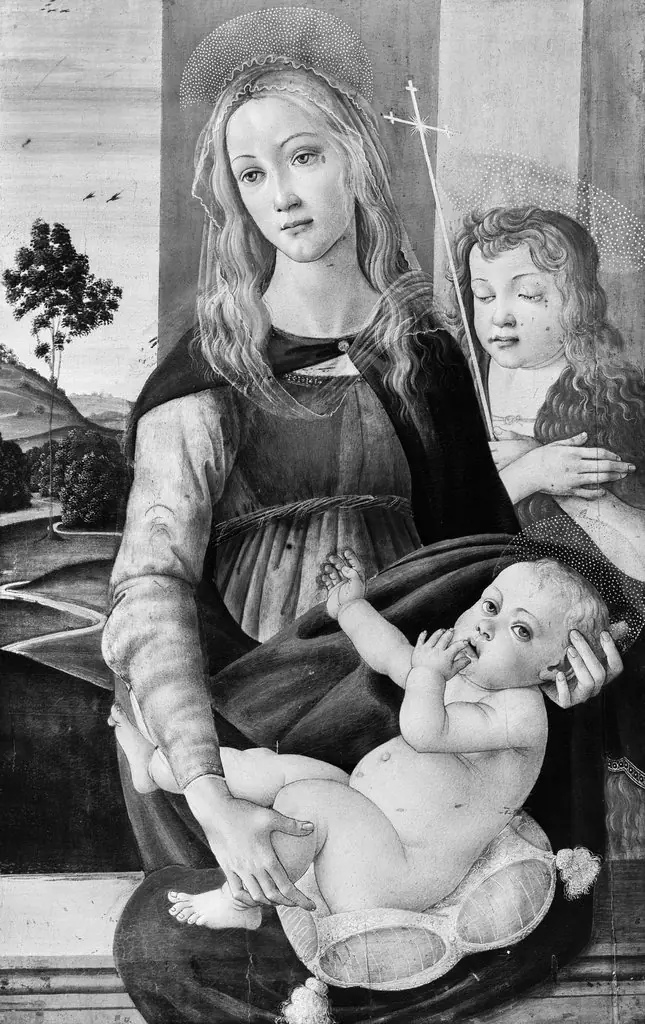
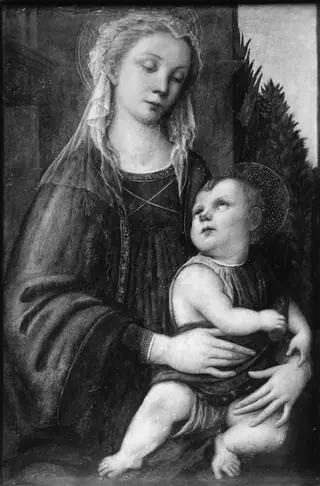
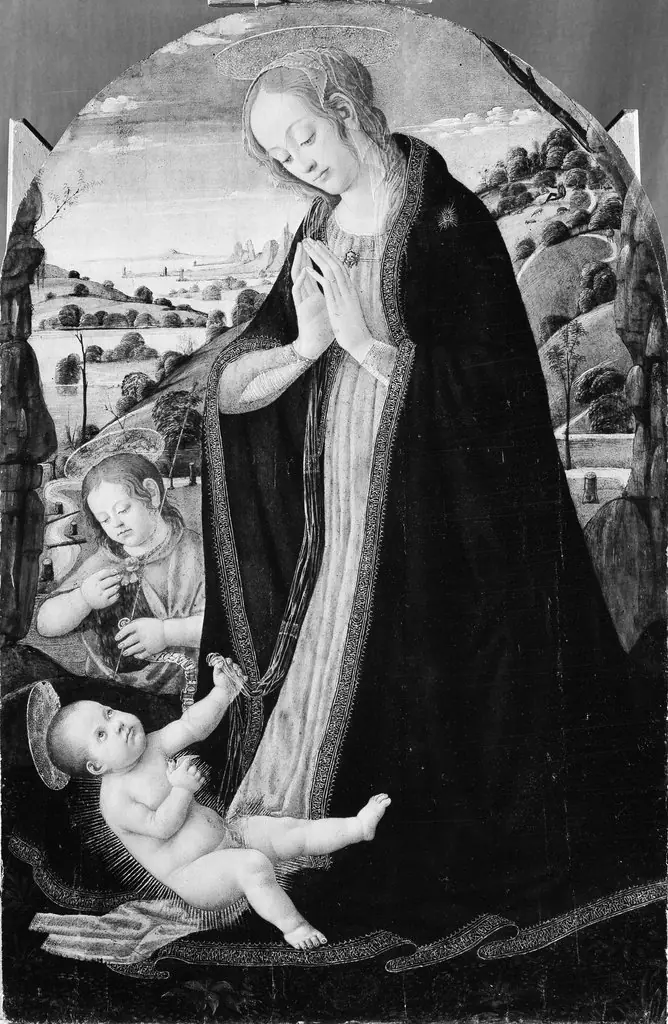
Madonna Adoring the Child
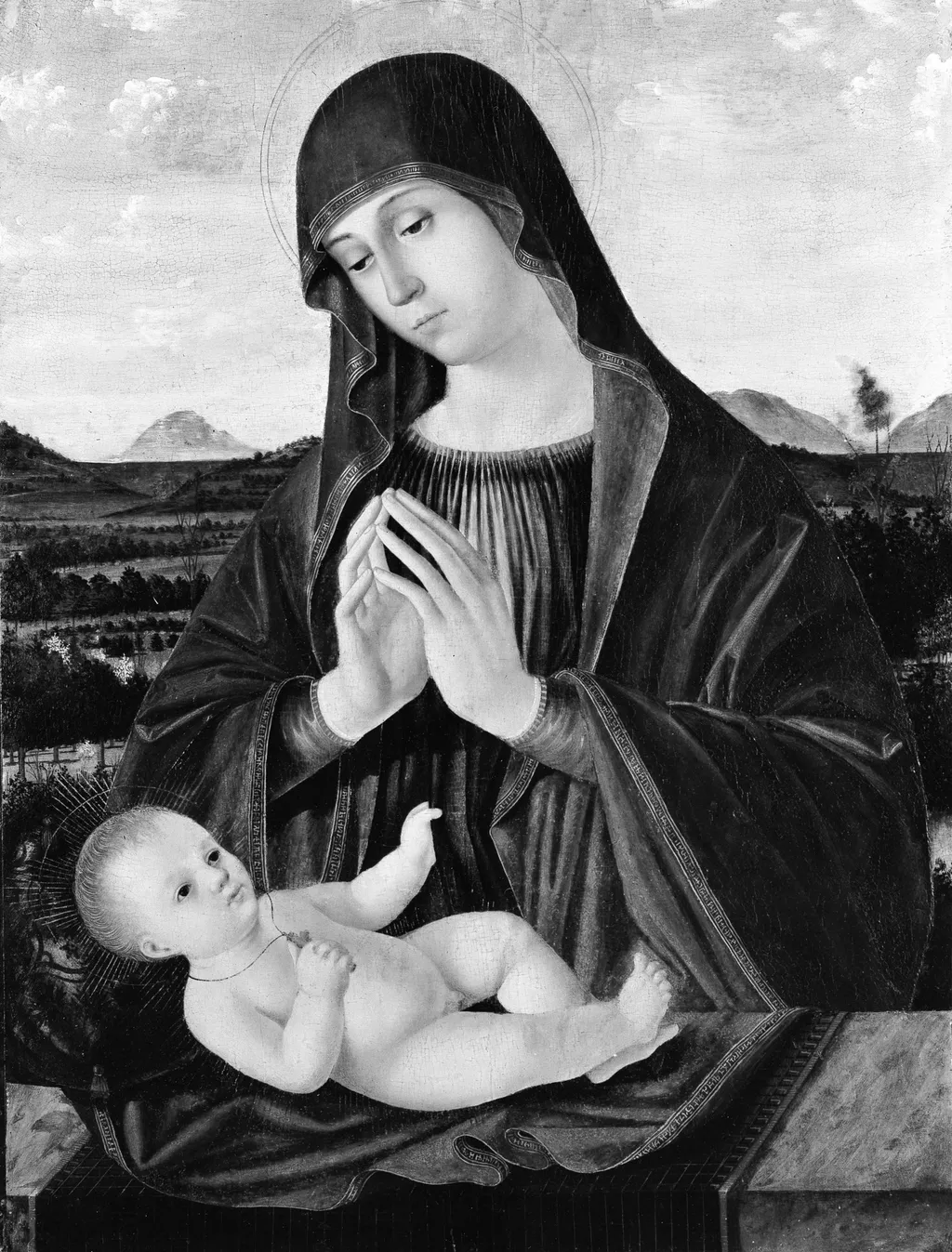
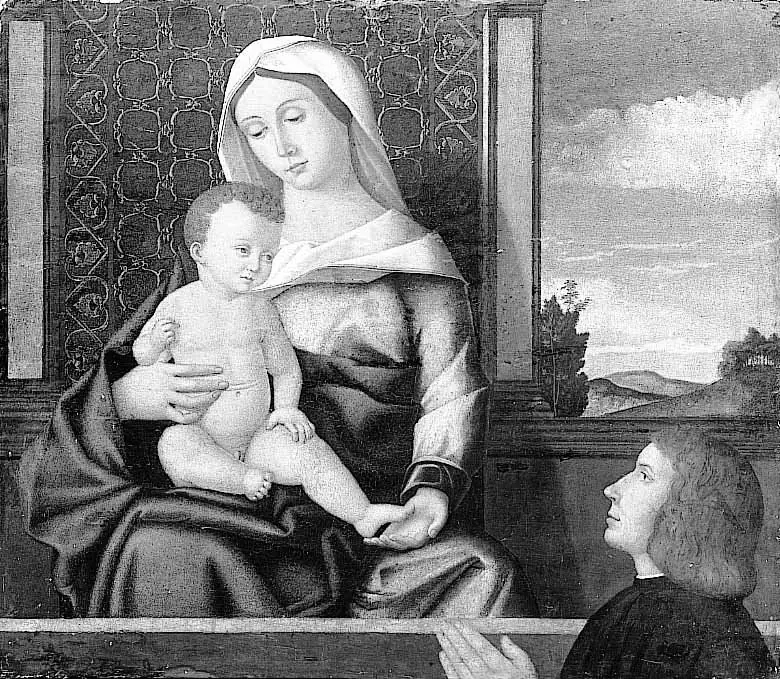
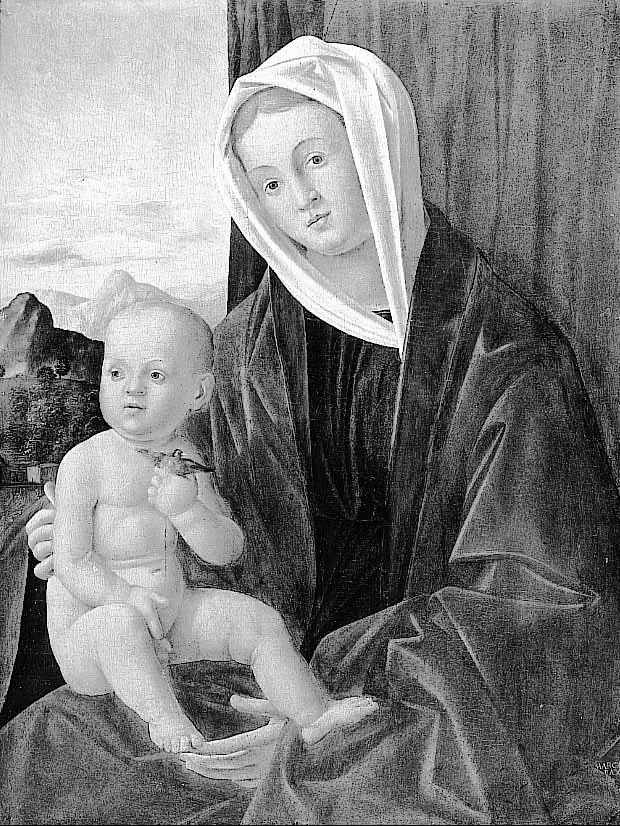
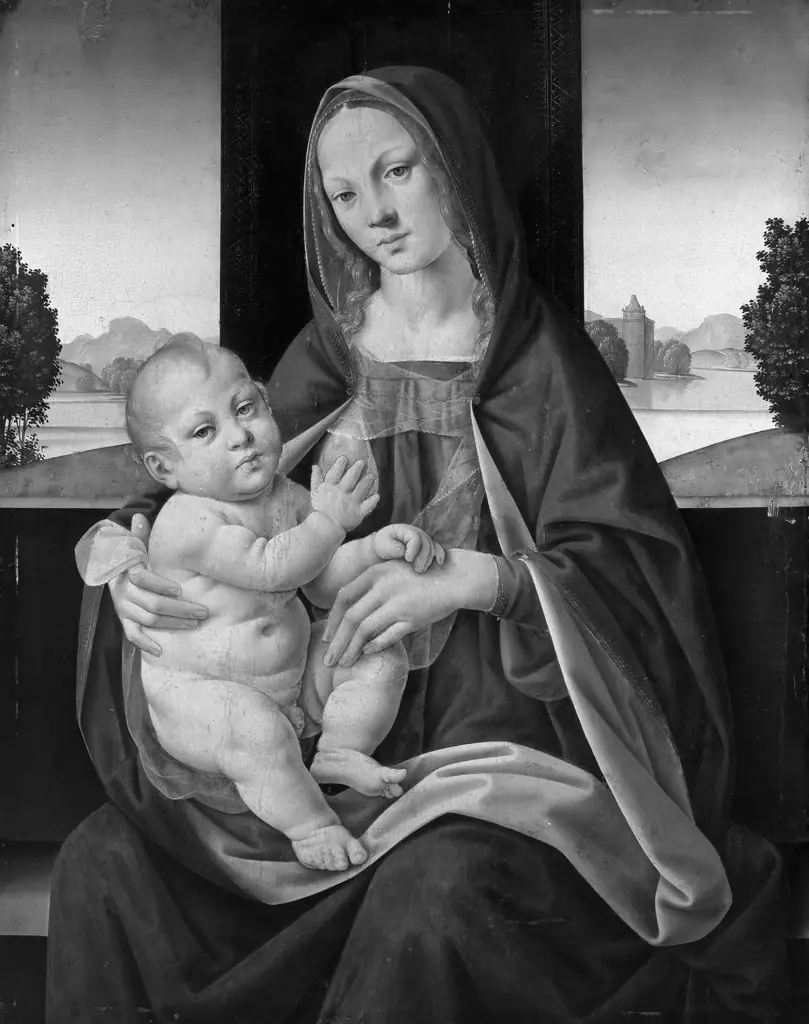
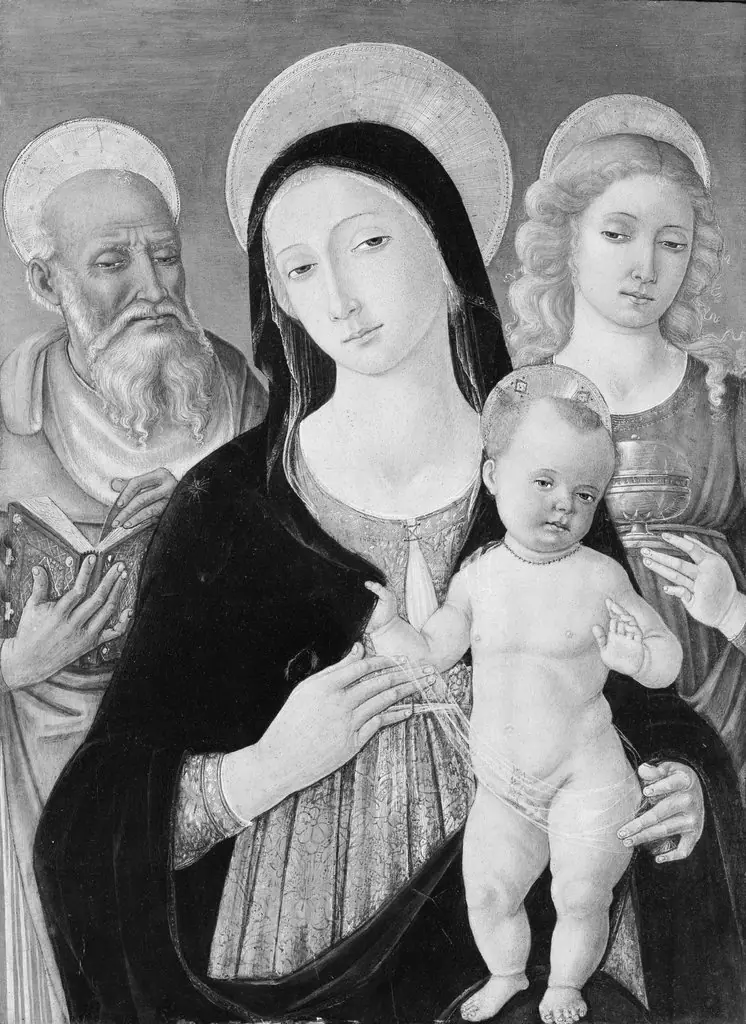
Madonna Adoring the Child is an unspecified painting by the Italo Byzantine artist Antonello de Saliba. It dates from 1510 and is held in the collection of the Metropolitan Museum of Art.
About this work
Subject & Meaning
The child is shown nude and seated on a cloth-covered surface, while Mary’s hands are joined in prayer, underscoring the devotional character of the scene.
The work depicts the Virgin Mary kneeling in adoration before the Christ Child, a conventional subject in Christian iconography known as the Madonna Adoring the Child. The composition centers on the intimate encounter between mother and son, emphasizing reverence and tenderness rather than narrative action. The child is shown nude and seated on a cloth-covered surface, while Mary’s hands are joined in prayer, underscoring the devotional character of the scene.
The restrained palette and careful modeling align with Quattrocento conventions for sacred imagery, directing the viewer’s focus to the spiritual bond between the figures.
History & Provenance
Antonello de Saliba painted Madonna Adoring the Child, a religious work now held by the Metropolitan Museum of Art in New York. The painting measures 67.6 cm in height and 49.5 cm in width. It entered the museum's collection at an unspecified date, reflecting its established provenance within the institution's holdings.
Overview
Created circa 1510 by the Sicilian‑Calabrian painter Antonello de Saliba, this small panel portrays the Virgin Mary with the infant Jesus. The work is part of the Metropolitan Museum of Art’s collection and exemplifies the Italo‑Byzantine aesthetic that persisted in southern Italy during the early sixteenth century.
Technique & Style
De Saliba employs a restrained palette of dark robes illuminated by subtle highlights, creating a modest chiaroscuro that models the figures against a muted background. The smooth rendering of the infant’s skin and the delicate modeling of Mary’s face reflect the lingering medieval iconography blended with emerging Renaissance attention to volume and light.
Context
Produced at a time when the Byzantine visual tradition still influenced Sicilian workshops, the work demonstrates how regional artists integrated older iconographic conventions with the nascent naturalism of the Renaissance. De Saliba’s oeuvre often combined gilded backgrounds with emerging spatial awareness, situating this piece within a transitional artistic moment.
Own this work as a print
Artist & collection
Artist
Antonio de Saliba, or Antonello de Saliba or Resaliba, (c.1466-c.1535) was an Italian painter of the Renaissance, mainly active in Sicily and Calabria.