Artwork
Portrait of Léontine de Rivière
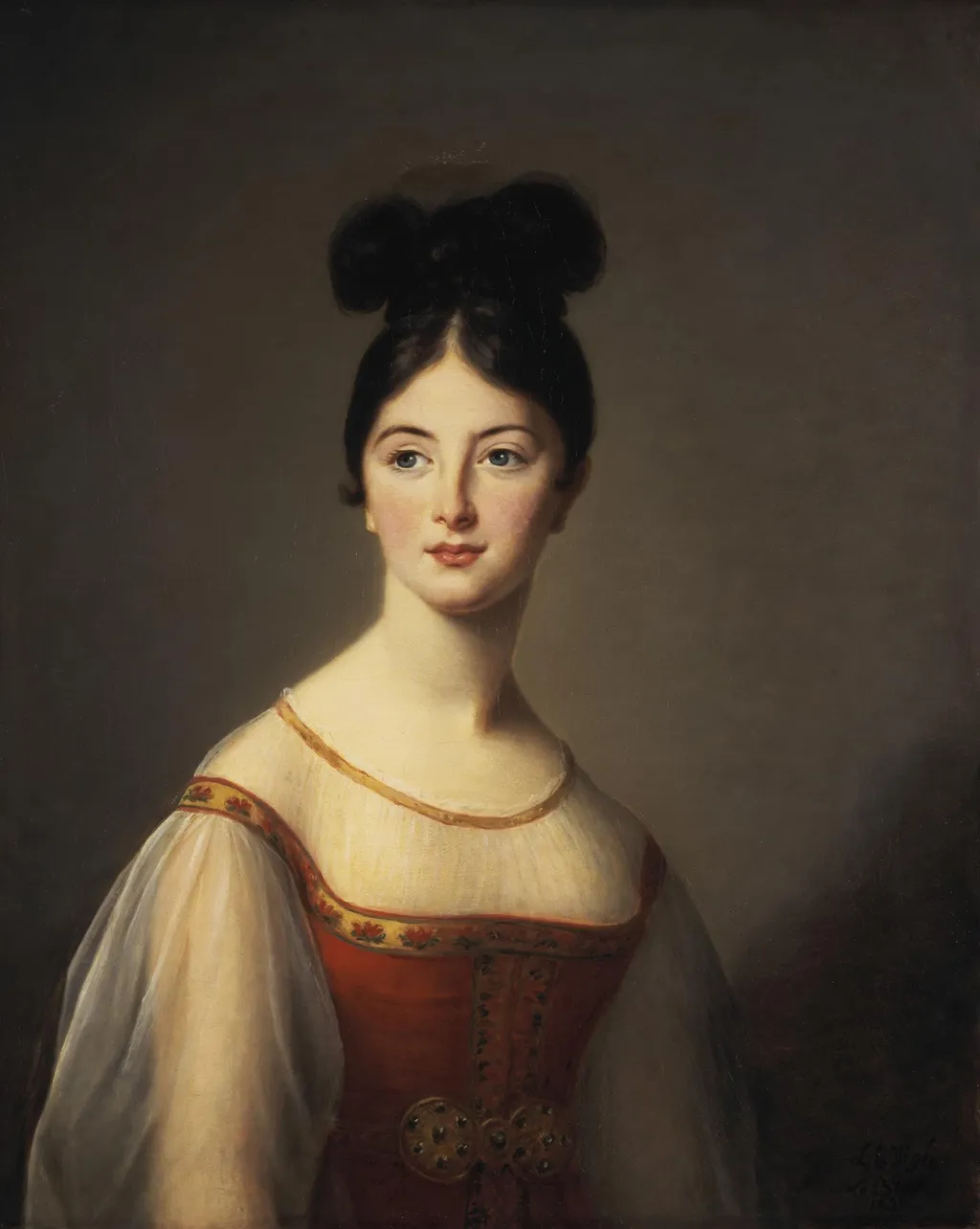
Portrait of Léontine de Rivière is an oil painting by the Neoclassicist artist Élisabeth Louise Vigée Le Brun. It dates from 1831 and is held in the collection of the Hermitage Museum.
About this work
Overview
Measuring 80 by 65 centimetres, the work depicts a young woman in Russian court dress and is held in the collection of the Hermitage Museum in Saint Petersburg.
The Portrait of Léontine de Rivière is an oil on canvas painting by the French artist Élisabeth Louise Vigée Le Brun, completed in 1831 when the artist was seventy-six years old. Measuring 80 by 65 centimetres, the work depicts a young woman in Russian court dress and is held in the collection of the Hermitage Museum in Saint Petersburg. The painting represents a significant late work by one of the most celebrated portraitists of the late eighteenth and early nineteenth centuries, an artist who produced over 660 portraits during her long career and whose work bridges the transition from Rococo to Neoclassicism.
Subject & Meaning
The portrait presents Léontine de Rivière in a half-length composition, her body turned slightly to the right while her face meets the viewer directly. She wears a white chemise with a wide neckline and sheer puffed sleeves, over which sits a rust-red bodice trimmed with a floral patterned band in gold and red; a decorative circular brooch or clasp rests at her waist. Her dark hair is arranged in an elaborate topknot with a central part. The Russian-language description of the painting identifies the costume specifically as a Russian court dress, indicating that the sitter was likely a lady-in-waiting or held some position within the Russian imperial court. The plain, muted background shifts from darker tones at the edges to lighter near her head, focusing attention entirely on the sitter. The direct gaze and formal presentation convey both social status and personal presence, while the costume signals cultural and political connections between the French artist and Russian aristocratic patronage.
Technique & Style
Vigée Le Brun executed the portrait in oil on canvas with the smooth, blended brushwork and polished finish characteristic of her mature technique. Soft light illuminates the face and chest from the left, creating gentle shadows that model the forms with subtle gradations rather than sharp contrasts. The handling of skin and fabric demonstrates the refined, almost enamel-like surface that had won her acclaim since her early career, when she had developed what contemporaries recognised as a highly sophisticated and distinctly personal method. The dimensions of 80 by 65 centimetres conform to a standard half-length portrait format that the artist employed throughout her career. A signature appears in the lower right corner, consistent with her practice of signing works as "Louise Élisabeth Vigée Le Brun." The overall effect combines the colour palette and sensuous attention to texture associated with Rococo portraiture with the composed, direct presentation that aligns with Neoclassical tendencies in her later work.
History & Provenance
The painting was created in France in 1831, during the final decade of Vigée Le Brun's life. She had settled permanently in France in 1805 after more than twelve years of emigration following the French Revolution, during which she had built a European clientele that included patrons in Russia. The work entered the collection of the Hermitage Museum in Saint Petersburg, where it remains today; it is catalogued under Hermitage Museum work ID 37907. The painting's provenance before its acquisition by the Hermitage is not specified in the available sources, though its subject in Russian court dress suggests it may have been commissioned by or for Russian patrons during the artist's continued engagement with European aristocracy after her return to France.
Context
Vigée Le Brun's career spanned one of the most turbulent periods in European history, from the Ancien Régime through the French Revolution and the Napoleonic era into the July Monarchy. Having served as official portraitist to Marie Antoinette and produced thirty portraits of the queen between 1778 and 1789, she had established a reputation that transcended national boundaries. During her emigration from 1789 to 1802, she received official recognition from academies in Rome, Bologna, Parma, Florence and Saint Petersburg, and her memoir published between 1835 and 1837, with assistance from her nieces Caroline Rivière and Eugénie Tripier Le Franc, testifies to the continued involvement of the Rivière family in her late career. The Portrait of Léontine de Rivière thus emerges from a network of familial and aristocratic connections that sustained her practice into old age. Critical reception of her work during her lifetime was highly favourable; Joshua Reynolds compared her with Rubens and the old Dutch masters. The painting exemplifies how Vigée Le Brun adapted her court portraiture to changing political circumstances while maintaining the technical refinement and psychological acuity that had defined her work for over half a century.
Legacy
The Portrait of Léontine de Rivière occupies an important place within Vigée Le Brun's late oeuvre and within the broader history of European portraiture. As a work created in 1831, it demonstrates the artist's continued productivity and relevance well into her eighth decade, at a time when few artists maintained active careers. The painting's presence in the Hermitage Museum, among the major institutional collections that hold her work alongside the Louvre, the National Gallery in London and the Metropolitan Museum of Art, ensures its accessibility to scholars and the public. The work contributes to understanding how Vigée Le Brun navigated the representation of foreign aristocratic culture, having painted European elites throughout her emigration and after her return to France. Its particular value lies in documenting Russian court costume and the continued cultural exchange between France and Russia in the early nineteenth century, as well as in representing the sustained technical accomplishment of an artist whose career bridged multiple artistic and political epochs.
Own this work as a print
Artist & collection
Artist
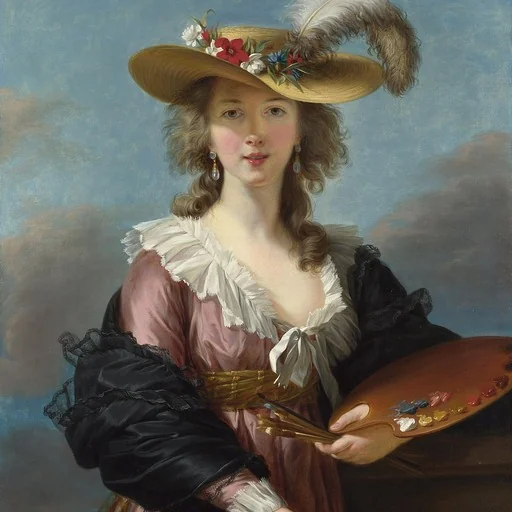
Élisabeth Louise Vigée Le Brun
Élisabeth Louise Vigée Le Brun (French:; née Vigée; 16 April 1755 – 30 March 1842), also known as Louise Élisabeth Vigée Le Brun or simply Madame Le Brun, was a French painter who mostly specialized in portrait…

 The Marquise de Pezay, and the Marquise de Rougé with Her Sons Alexis and Adrien
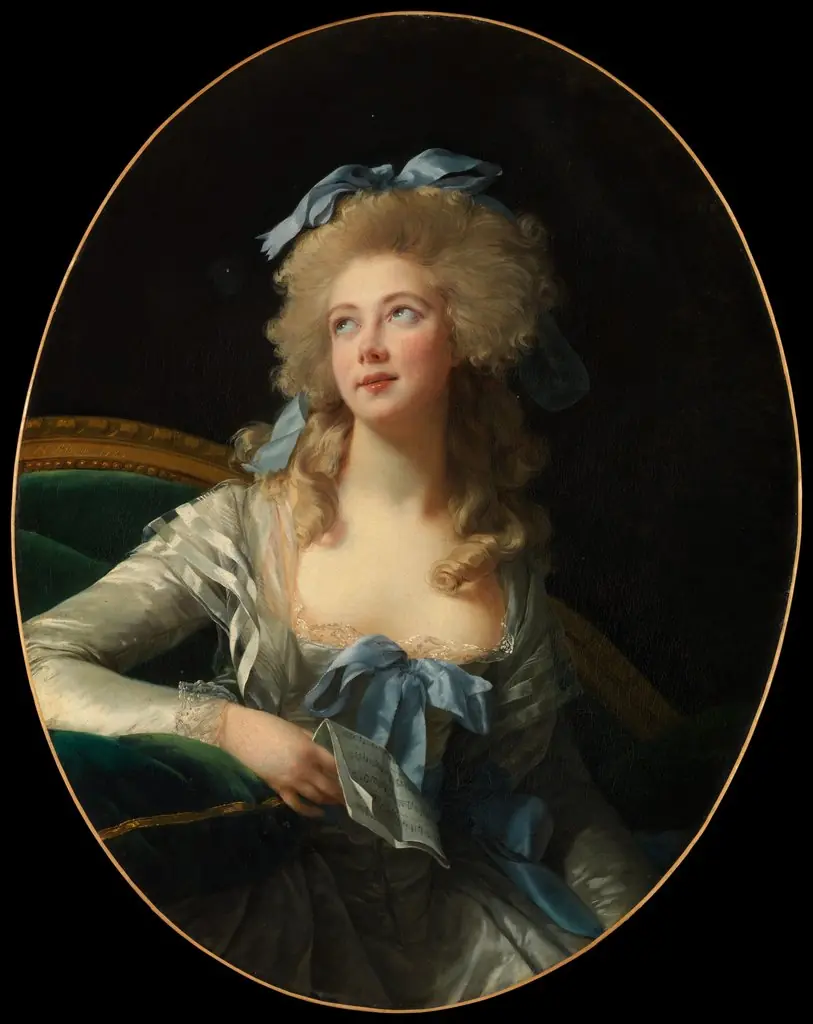 Madame Grand (Noël Catherine Verlée, 1761–1835)
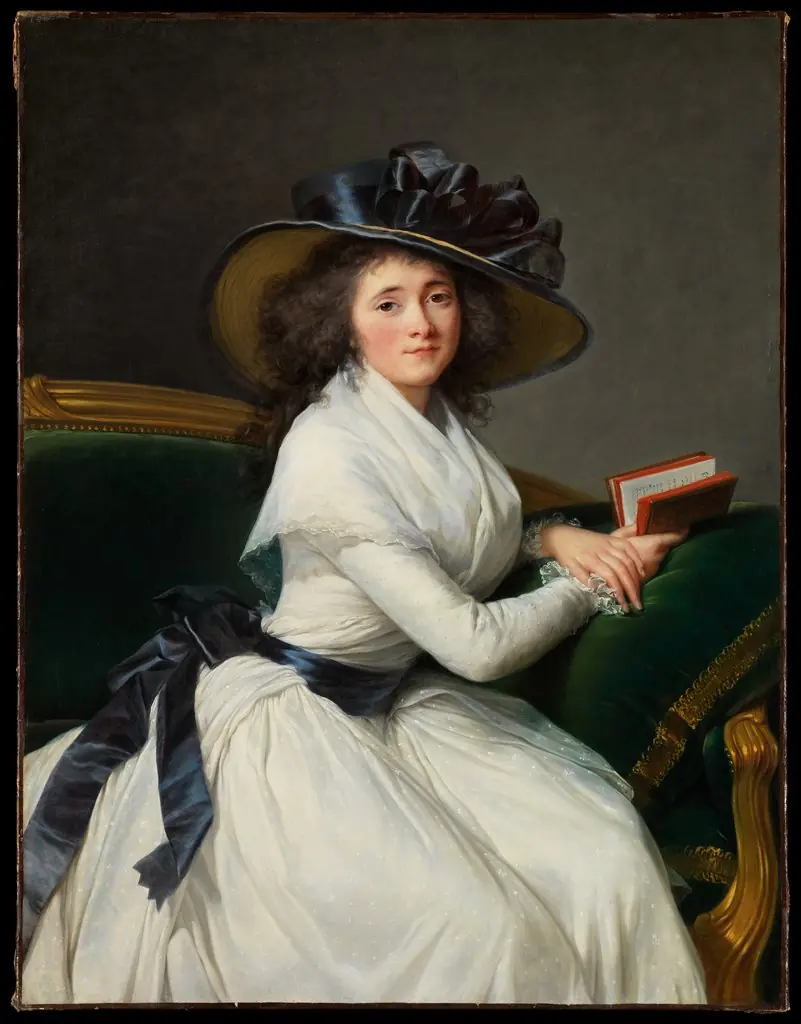 Comtesse de la Châtre (Marie Charlotte Louise Perrette Aglaé Bontemps, 1762–1848)
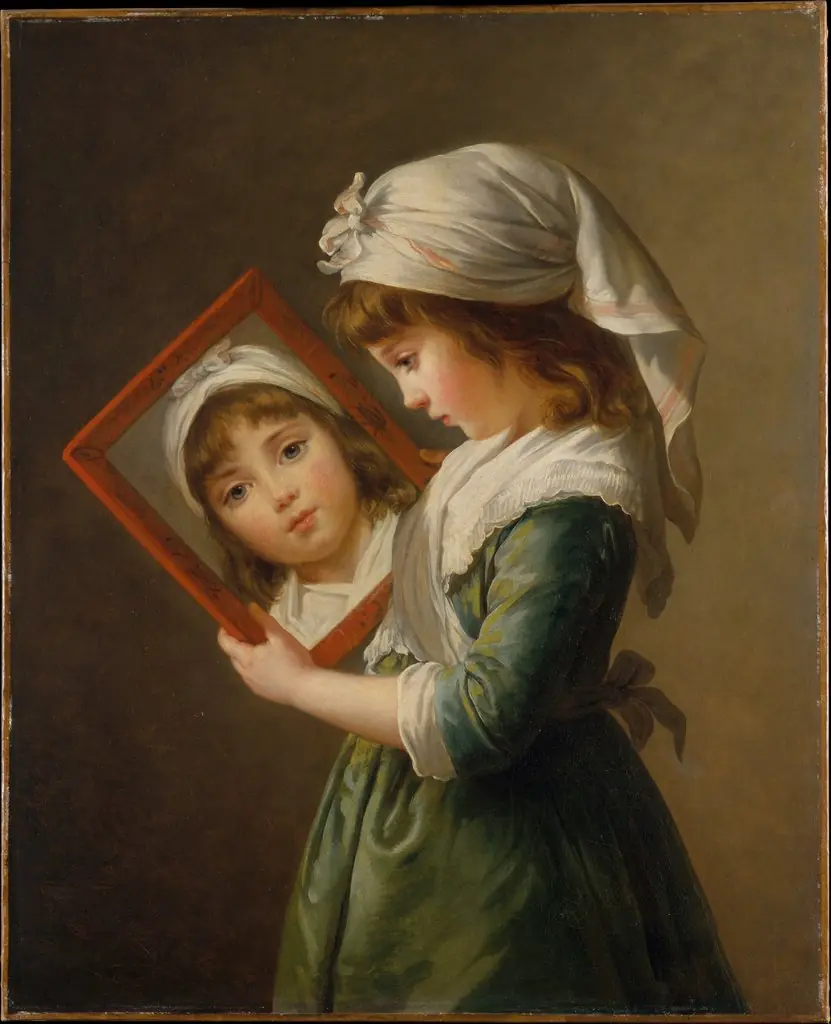 Julie Le Brun (1780–1819) Looking in a Mirror
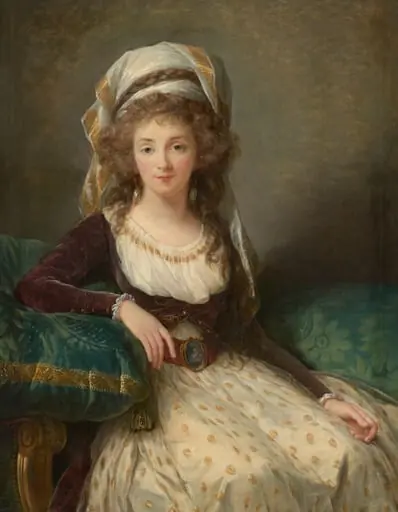 Madame d'Aguesseau de Fresnes
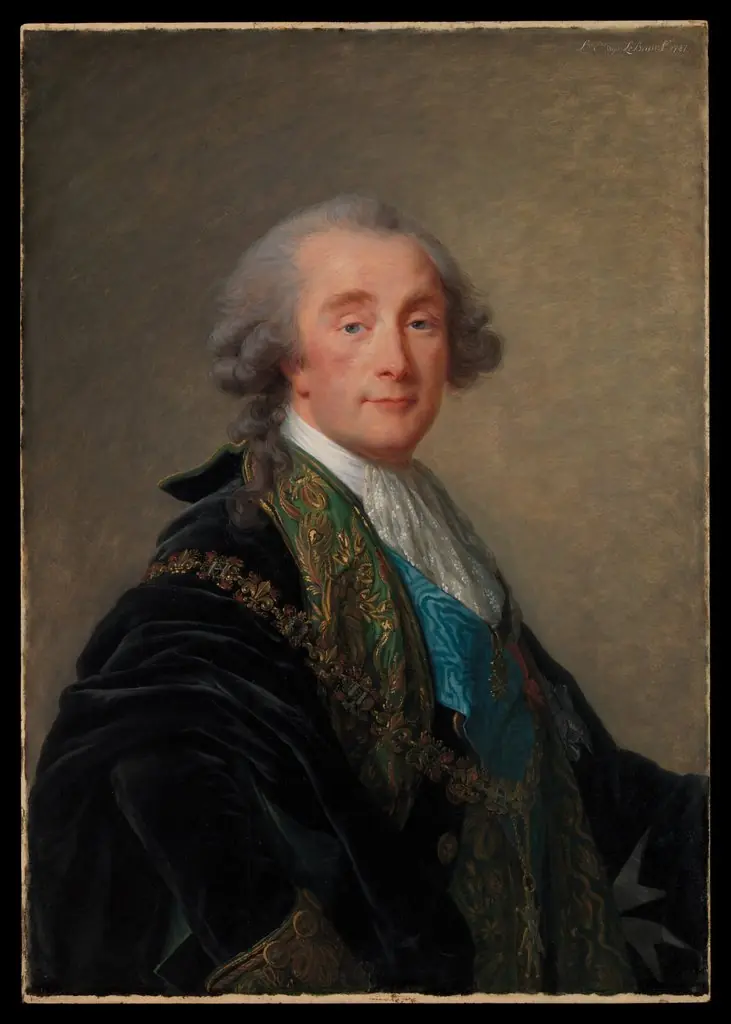 Alexandre Charles Emmanuel de Crussol-Florensac (1743–1815)
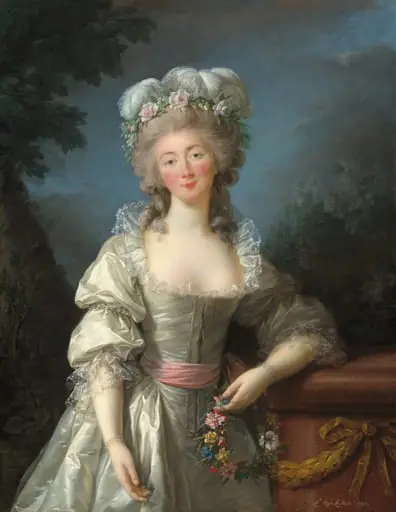 Madame du Barry
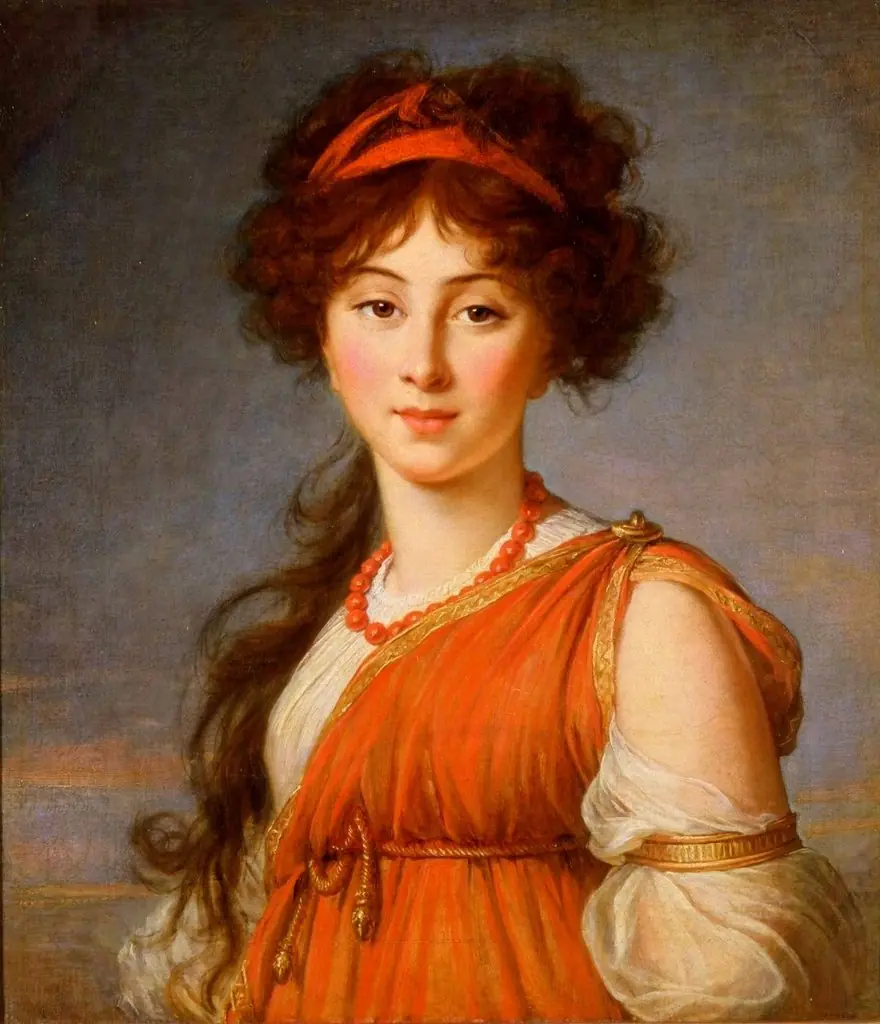 Varvara Ivanovna Ladomirsky
- Portrait of Princess Anna Nikolayevna
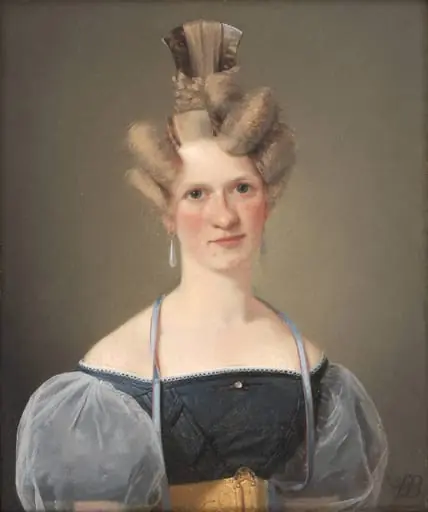 Marie Raffenberg, the Artist's Betrothed
 Catharina Annette Fraser (1815-92)
 Portrait of Maria Christina Nijssen, Wife of Anthonie van der Hout
 Juliette Récamier
 Julianna Hazlehurst
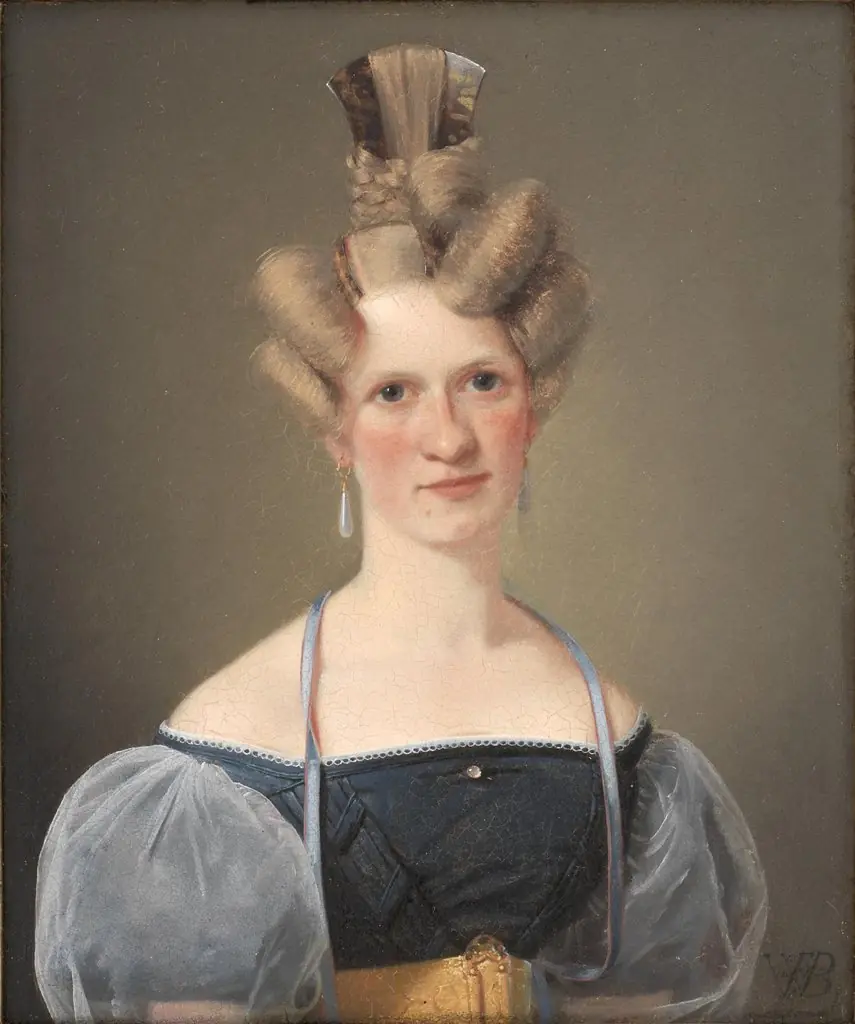 Marie Raffenberg, the Artist's Betrothed
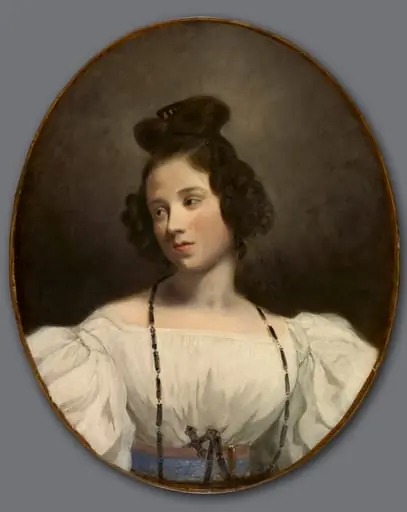 Mlle. Alexandrine-Julie de la Boutraye
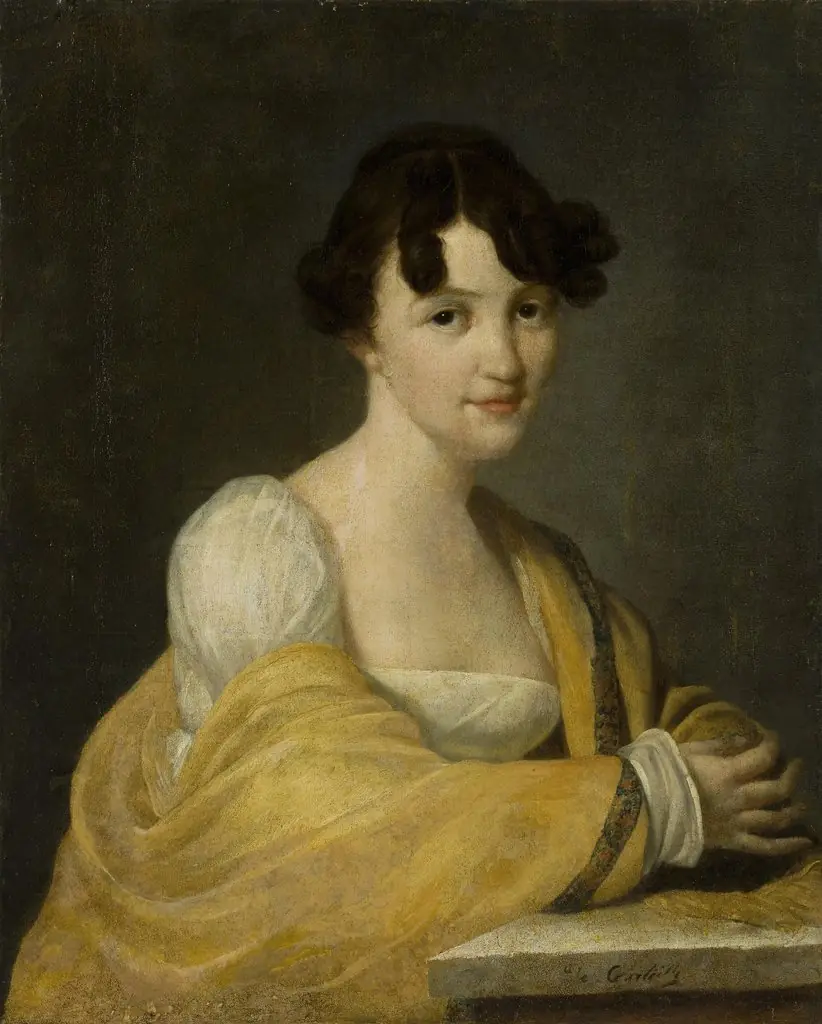 Portrait of a Woman from the Schmidt Family
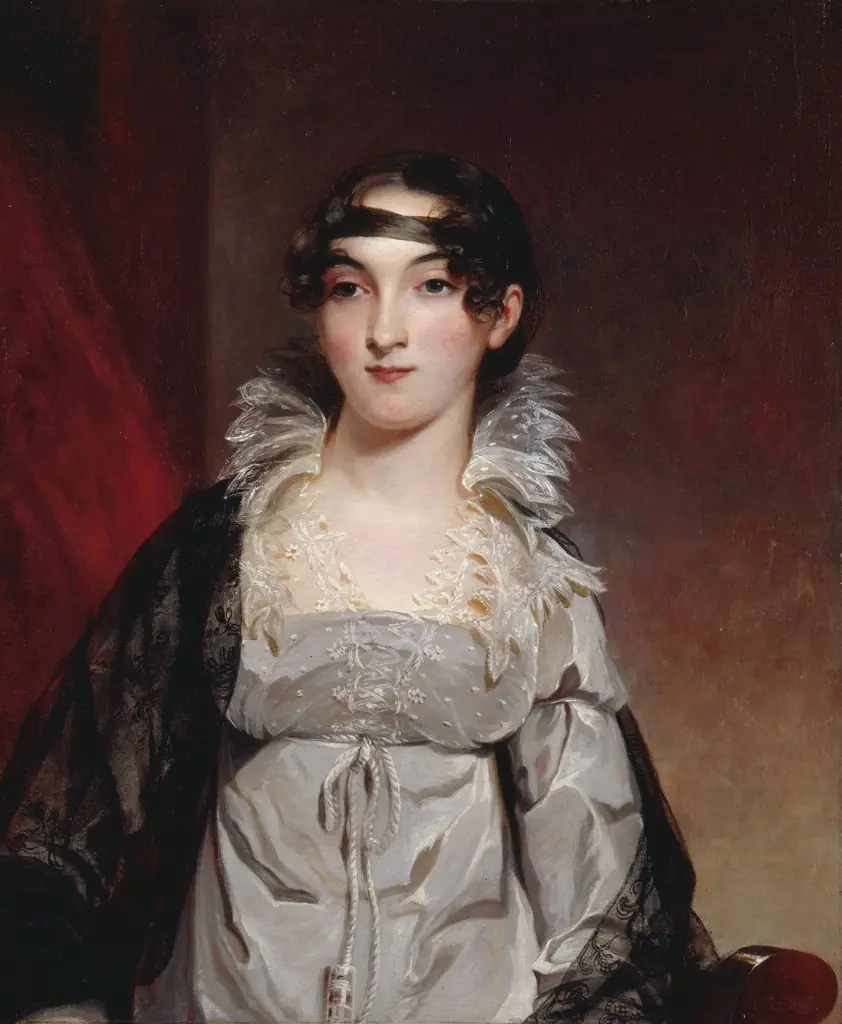 Mrs. Edward Hudson
 Mlle. Alexandrine-Julie de la Boutraye
 Portrait of Sophia S. Kiselyova (1801-1875)