Artwork
Alexandre Charles Emmanuel de Crussol-Florensac (1743–1815)
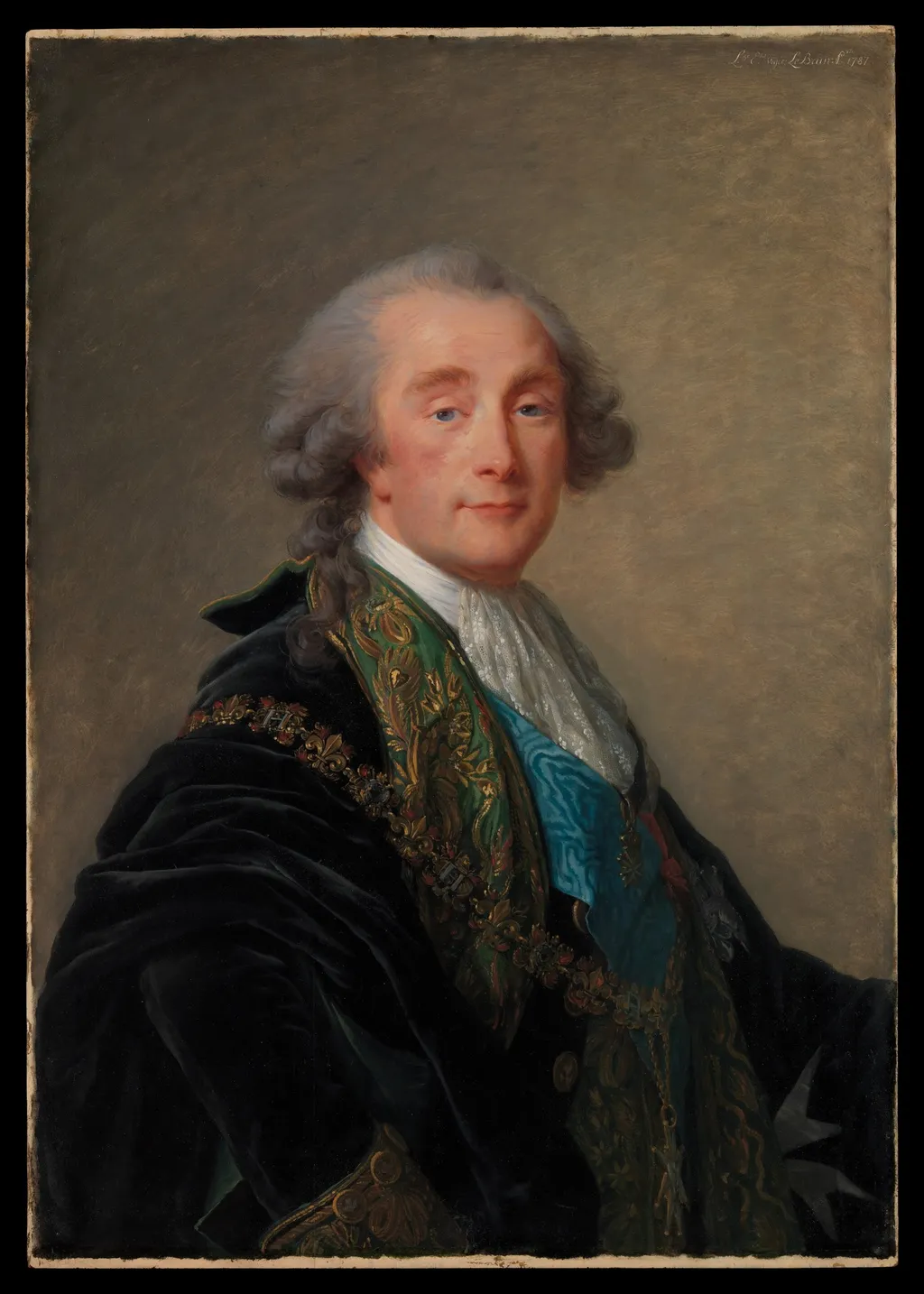
Alexandre Charles Emmanuel de Crussol-Florensac (1743–1815) is an oil painting by the Rococo painting artist Élisabeth Louise Vigée Le Brun. It dates from 1794 and is held in the collection of the Metropolitan Museum of Art.
About this work
This portrait painting depicts a man with gray hair, dressed in a black velvet coat adorned with gold embroidery and a green sash.
This portrait painting depicts a man with gray hair, dressed in a black velvet coat adorned with gold embroidery and a green sash. He wears a white shirt and a blue vest underneath. The background of the painting is a mottled brown color.
The man's attire and hairstyle suggest that the painting is from the 18th century. The level of detail in the painting, particularly in the man's clothing, indicates that it was created by a skilled artist.
The painting is a great example of the work of Élisabeth Louise Vigée Le Brun.
Subject & Meaning
The portrait depicts Alexandre Charles Emmanuel de Crussol-Florensac, a French nobleman, rendered in three-quarter view against a neutral background. Vigée Le Brun emphasizes the sitter’s aristocratic bearing through refined facial features and a composed posture, while the subdued palette and controlled brushwork convey dignity and restraint. As a member of the French nobility during the late ancien régime, the subject embodies the social hierarchies and cultural ideals of pre-revolutionary France, reflecting the era’s emphasis on lineage, elegance, and personal virtue.
The painting’s restrained elegance aligns with Vigée Le Brun’s signature style, which often foregrounded aristocratic identity and social status in portraiture.
Technique & Style
The portrait of Alexandre Charles Emmanuel de Crussol-Florensac was executed in oil on a wooden panel, a support commonly employed for French portraiture of the late 18th century. The painting measures roughly 89.9 × 64.8 cm, reflecting the scale typical of Vigée Le Brun’s commissioned works. Her technique is characterized by fine, controlled brushwork that renders delicate facial features and subtle fabric textures, while the handling of light produces a soft chiaroscuro that models the sitter’s face and attire.
The composition presents a naturalistic pose with a restrained palette, emphasizing both the aristocratic status of the subject and the artist’s skill in capturing psychological presence within the constraints of neoclassical portraiture.
History & Provenance
The portrait of Alexandre Charles Emmanuel de Crussol-Florensac was executed in 1787 by Élisabeth Louise Vigée Le Brun using oil on panel (89.9 × 64.8 cm). It belongs to the portrait genre and was created while the sitter was a young aristocrat of the French court. Following its completion the work entered the collection of Jules Bache, who later bequeathed it to the Metropolitan Museum of Art, where it remains on display.
The painting’s inception date is recorded as 1787, and its formal cataloguing in the museum’s records confirms its provenance from Bache’s ownership to the museum’s permanent collection.
The portrait by Vigée Le Brun is held by the Metropolitan Museum of Art, New York, with accession number 43.96. It was part of the Jules Bache Collection prior to its acquisition by the museum. The painting has not been recorded as lent to any major exhibitions in the sources provided.
Overview
This oil portrait, created in 1794 by the French artist Élisabeth Louise Vigée Le Brun, depicts Alexandre Charles Emmanuel de Crussol-Florensac. The painting exemplifies Vigée Le Brun's characteristic approach, which often combined the decorative elegance of Rococo with the emerging clarity of Neoclassical aesthetics. As a prominent portraitist, she was highly regarded in pre-Revolutionary French society for her ability to capture individual likenesses.
Context
Élisabeth Louise Vigée Le Brun established herself as a leading portrait painter in France during the late 18th and early 19th centuries. Her career flourished particularly in the years preceding the French Revolution, where she garnered significant recognition for her ability to portray the era's elite. This 1794 work reflects her continued practice during a period of considerable political and social change, maintaining her distinctive artistic voice.
Own this work as a print
Artist & collection
Artist
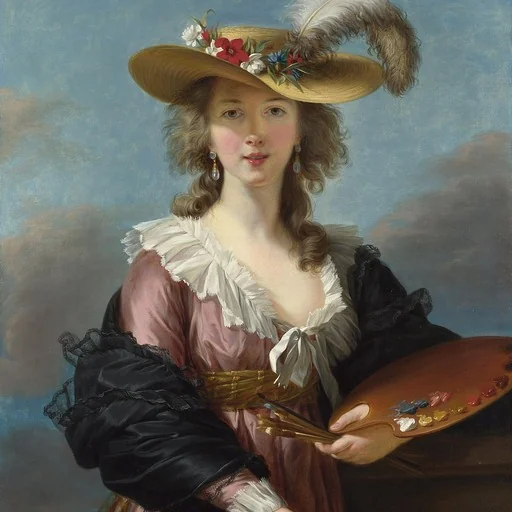
Élisabeth Louise Vigée Le Brun
Élisabeth Louise Vigée Le Brun (French:; née Vigée; 16 April 1755 – 30 March 1842), also known as Louise Élisabeth Vigée Le Brun or simply Madame Le Brun, was a French painter who mostly specialized in portrait…

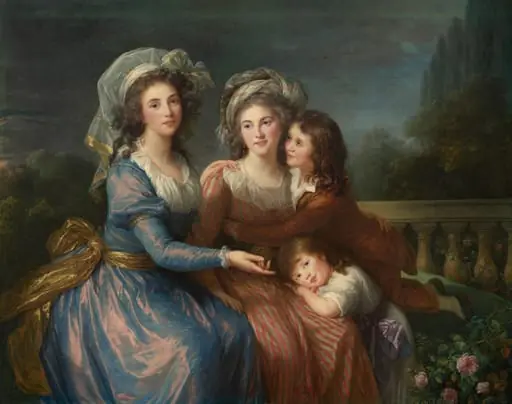 The Marquise de Pezay, and the Marquise de Rougé with Her Sons Alexis and Adrien
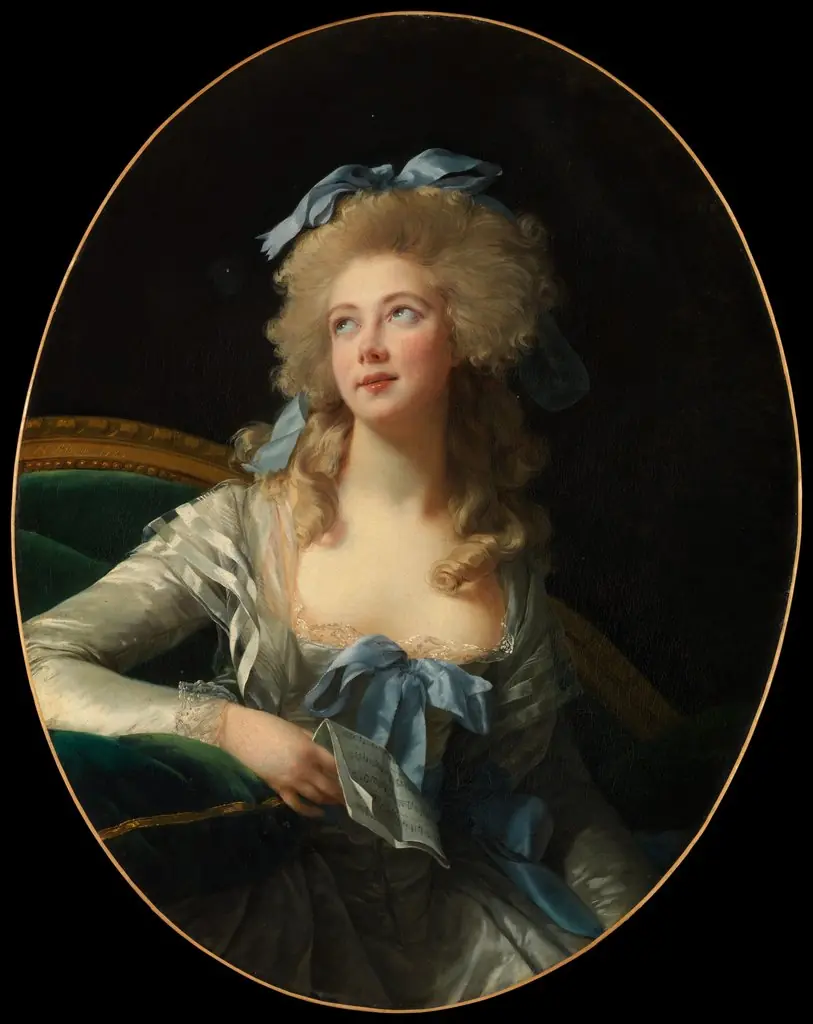 Madame Grand (Noël Catherine Verlée, 1761–1835)
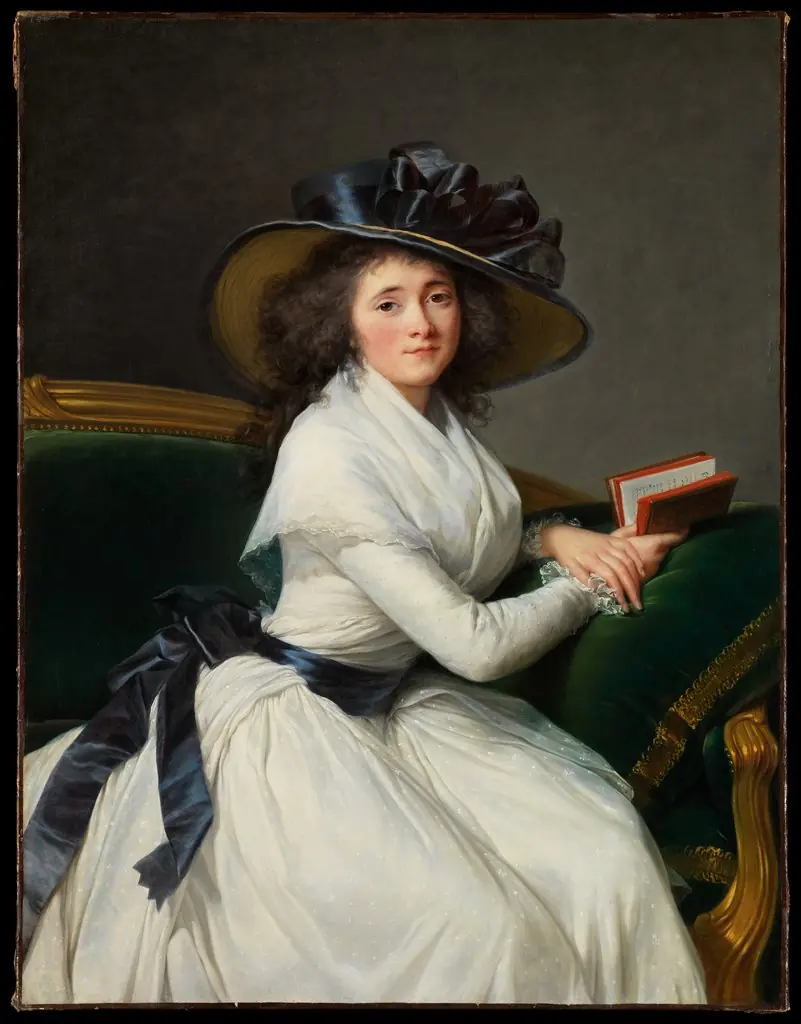 Comtesse de la Châtre (Marie Charlotte Louise Perrette Aglaé Bontemps, 1762–1848)
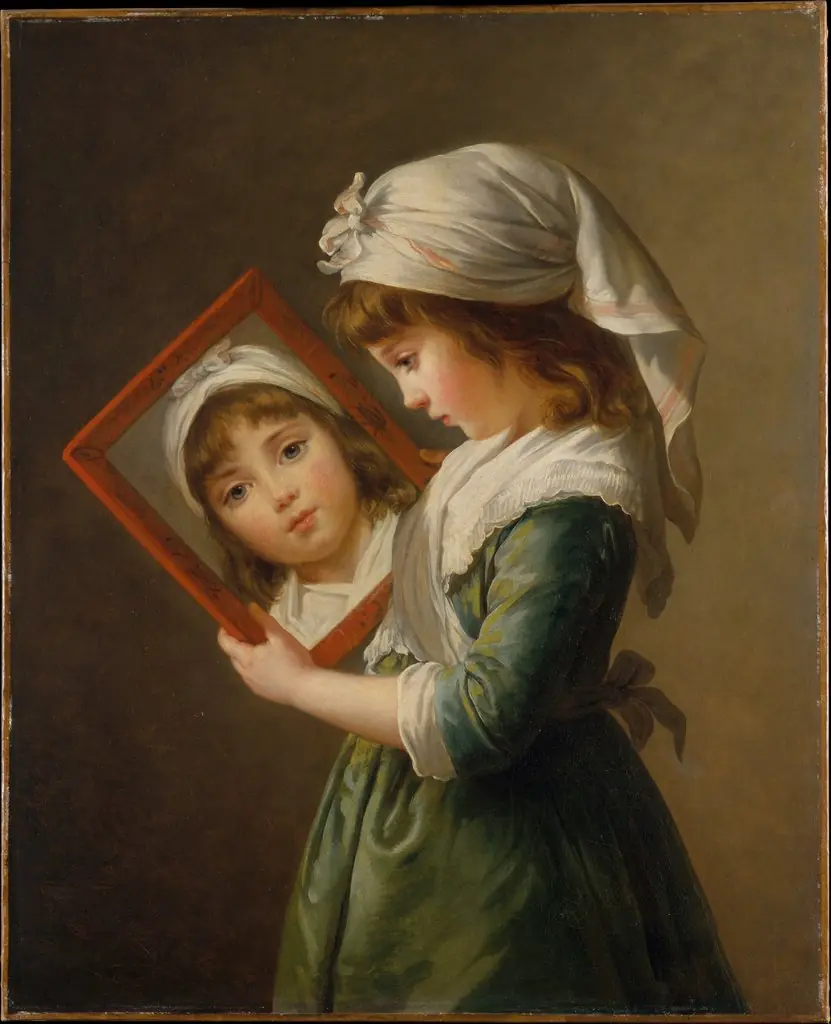 Julie Le Brun (1780–1819) Looking in a Mirror
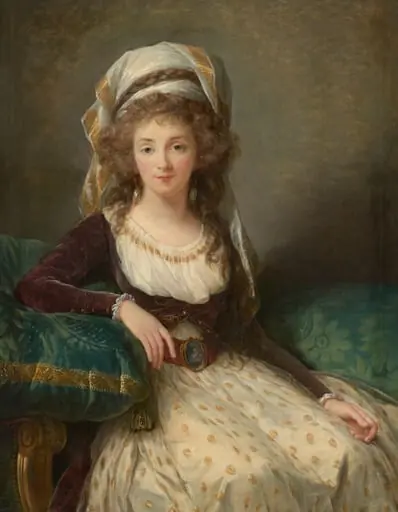 Madame d'Aguesseau de Fresnes
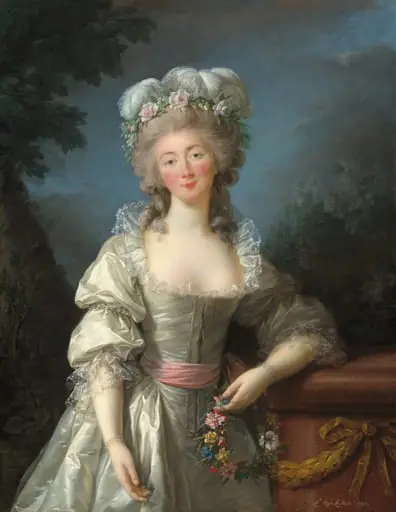 Madame du Barry
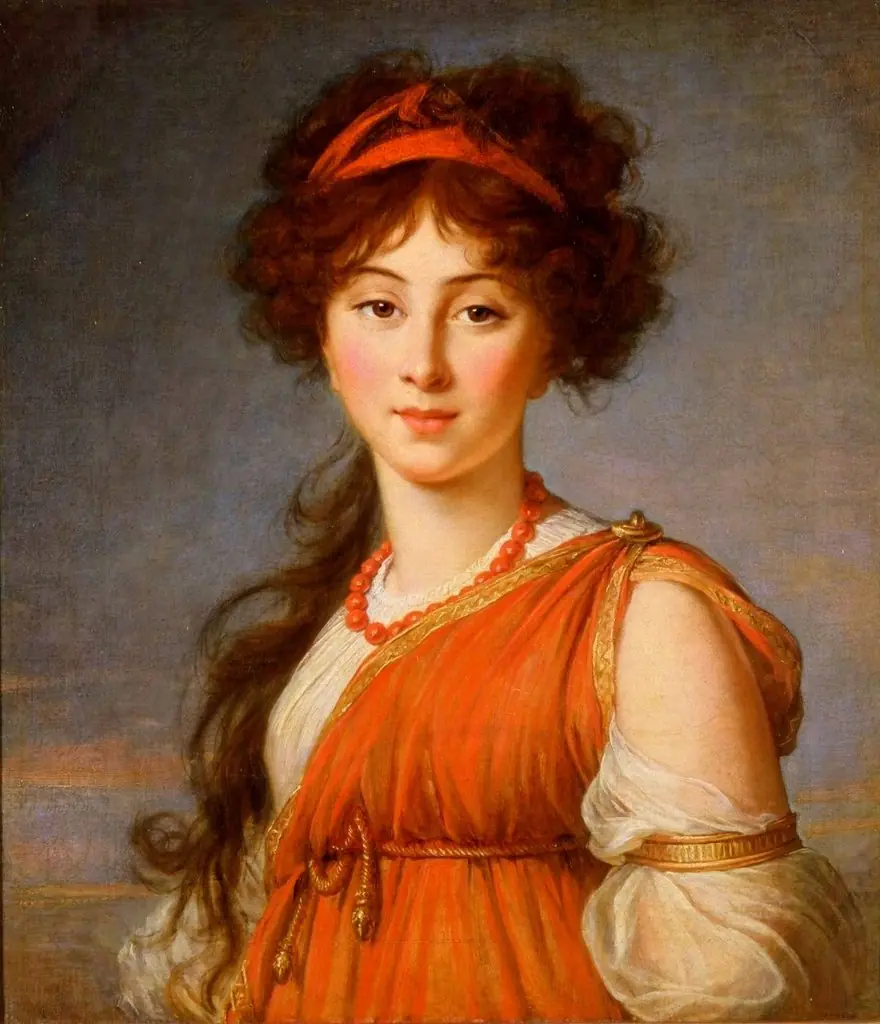 Varvara Ivanovna Ladomirsky
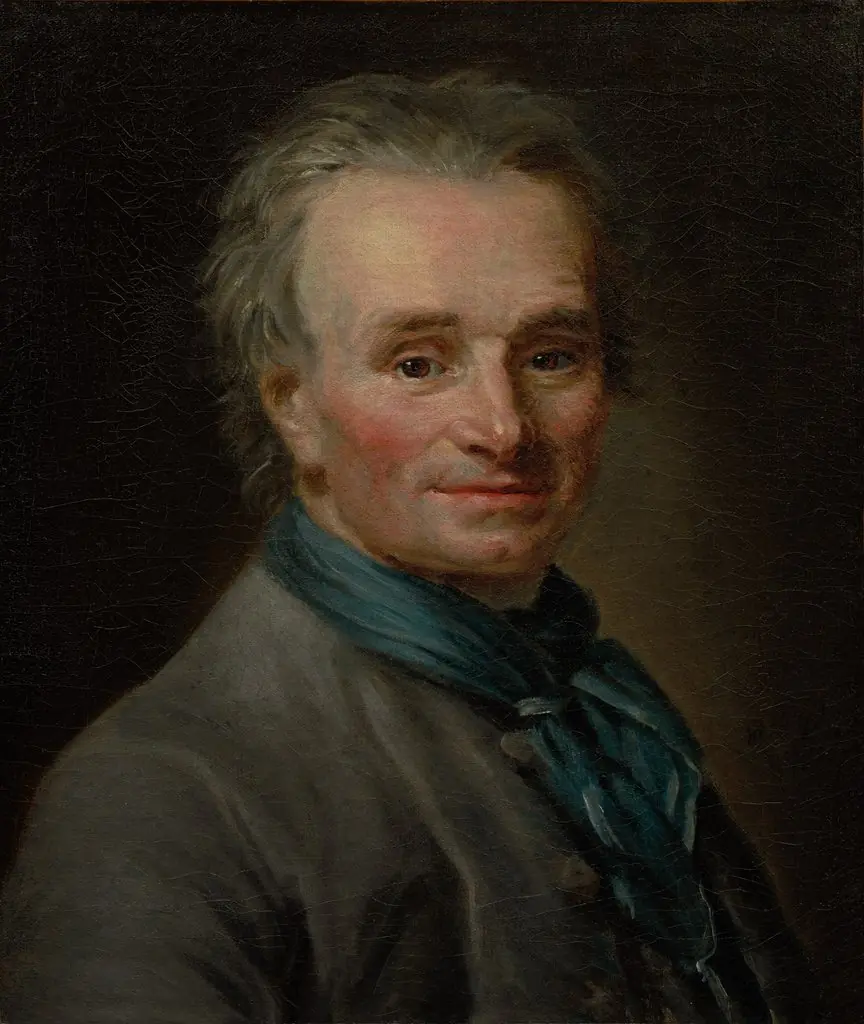 Portrait of Jean-Baptiste Lemoyne the Younger
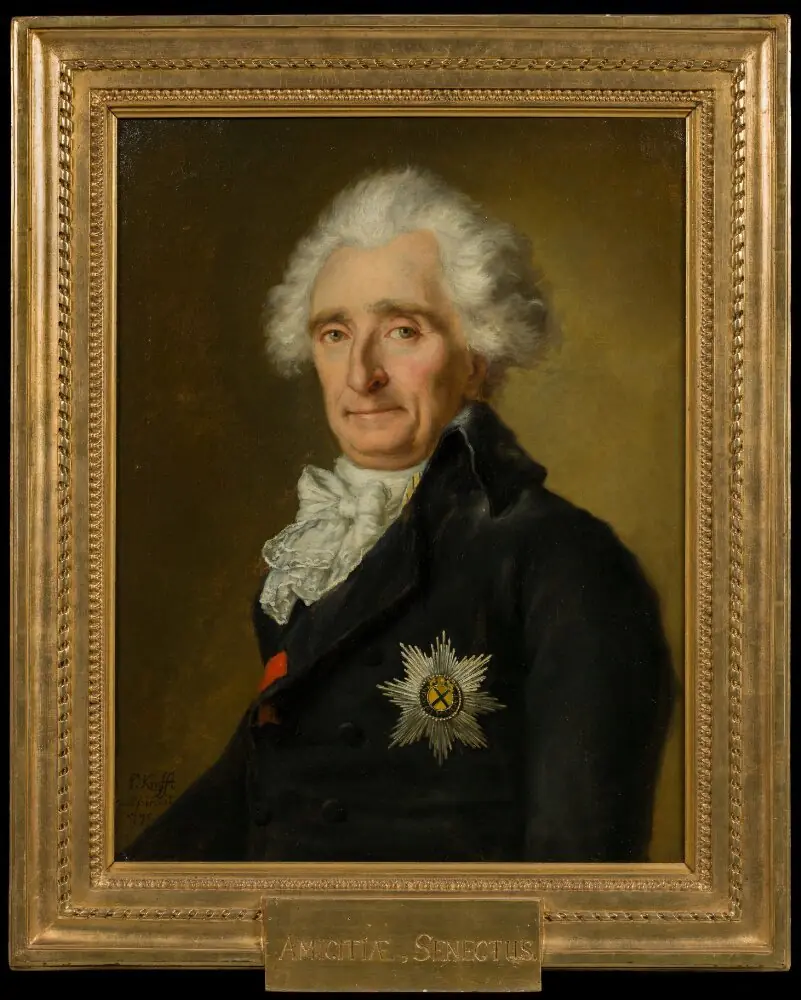 The French Emigré François-Emmanuel Guignard (1735–1821), Comte de Saint Priest
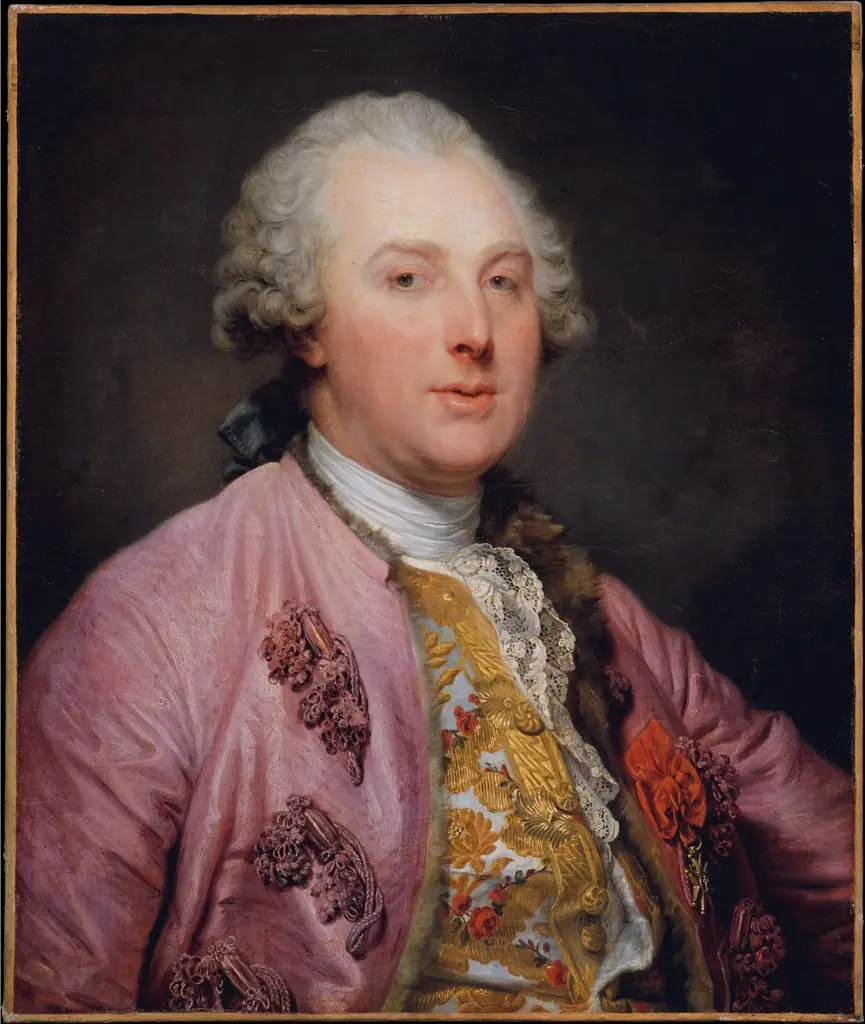 Portrait of Charles Claude de Flahaut de La Billarderie (Comte d'Angiviller)
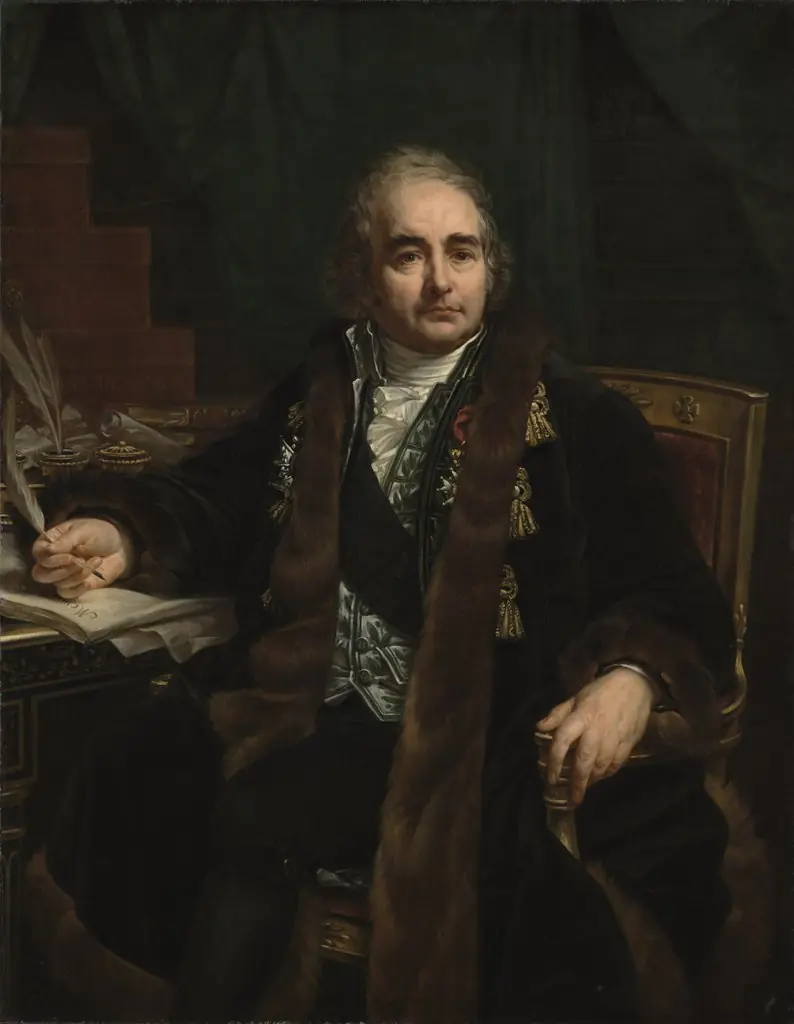 Portrait of Count Jean-Antoine Chaptal
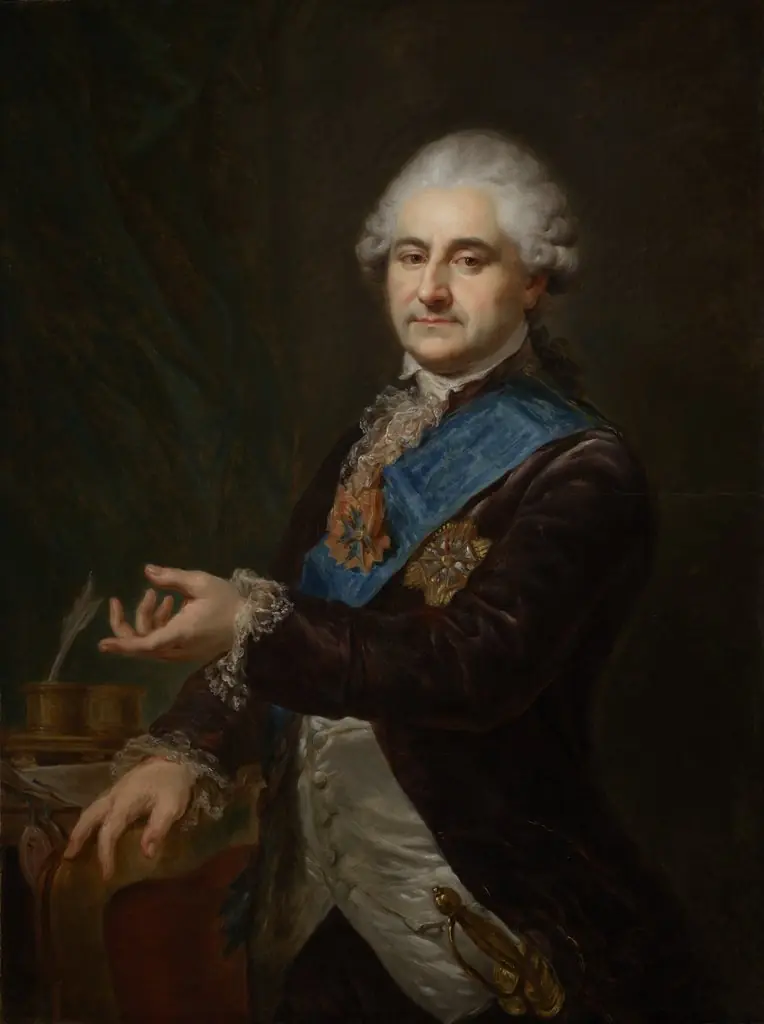 Portrait of Stanislaus Augustus Poniatowski (1732–1798)
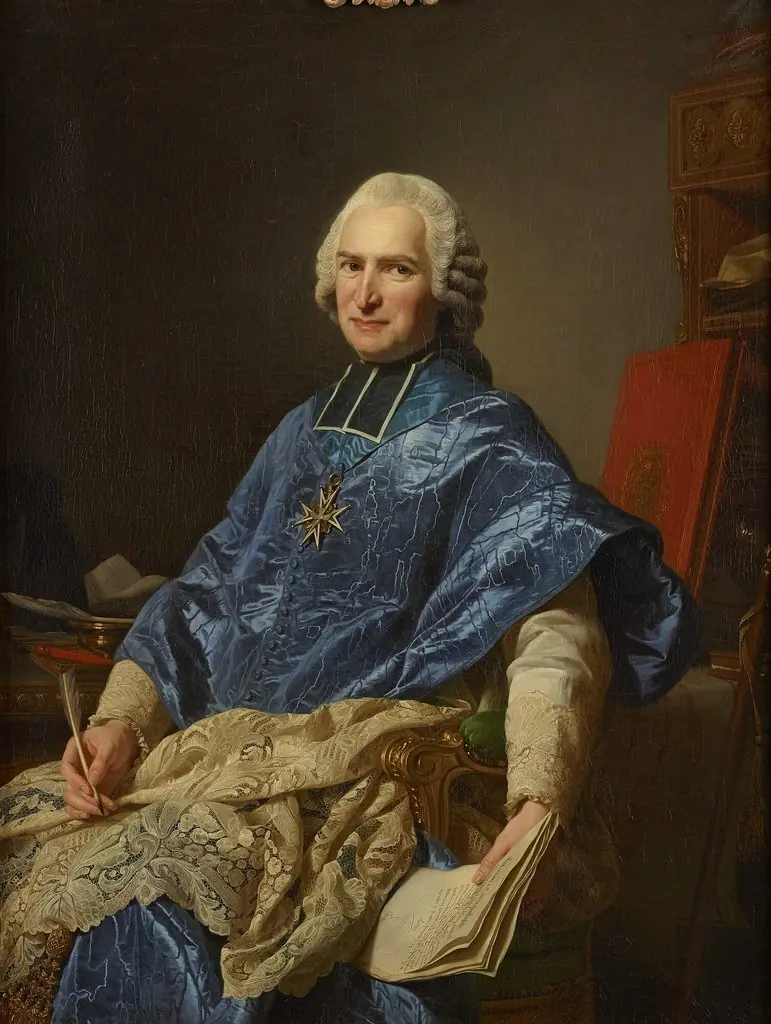 Portrait of Joseph Marie Terray
 Louis-Jules-Barbon Mancini-Mazarin, Duke of Nivernais (1716-1798)
 Portrait of Théophile Van Robais
 portrait of Jean-Antoine Chaptal