Artwork
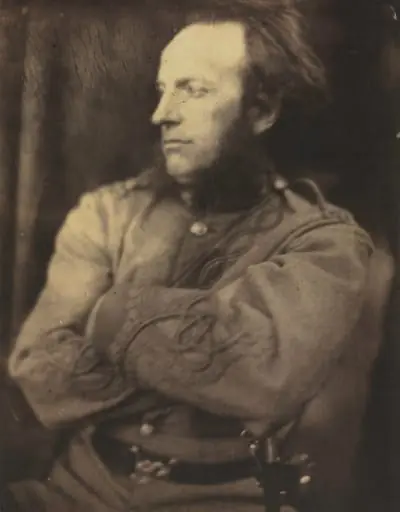
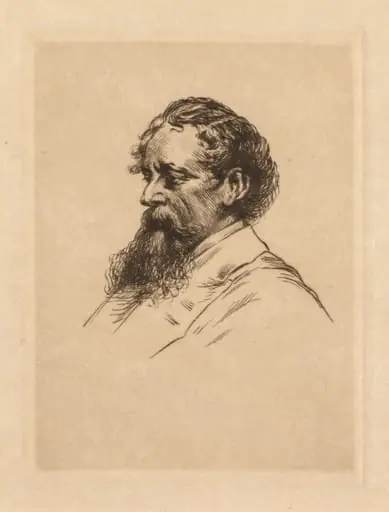
Photograph of Lord Tennyson
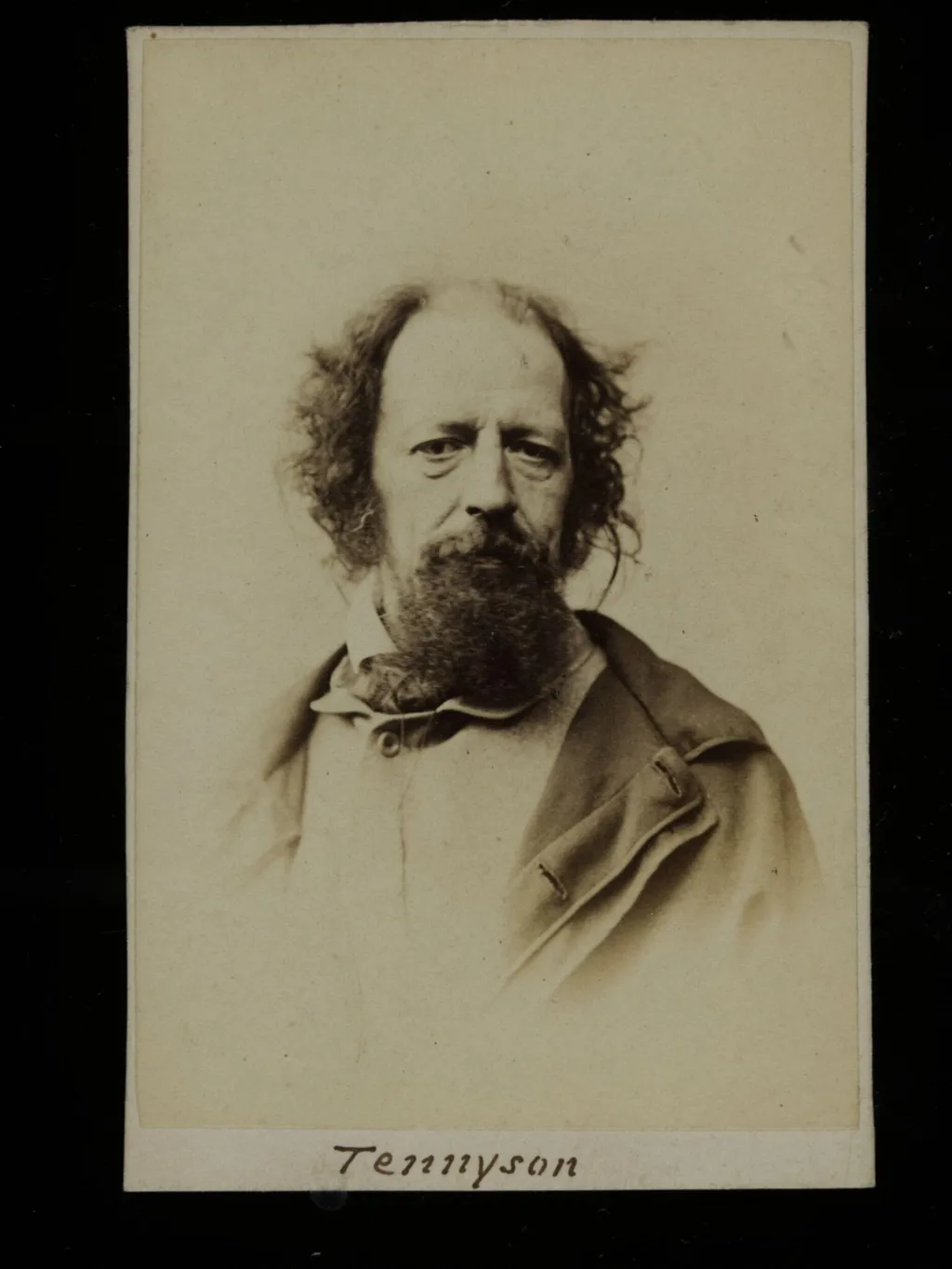
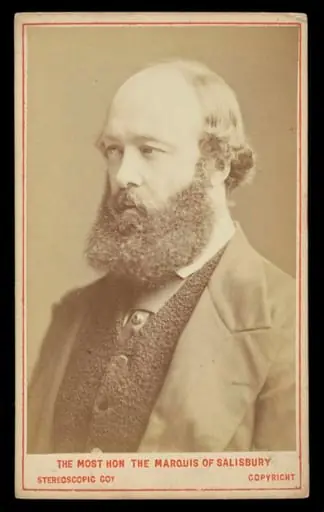
Photograph of Lord Tennyson is a photographic photography by the Impressionist artist London Stereoscopic and Photographic Company. It dates from 1860 and is held in the collection of the Victoria and Albert Museum. This mid‑nineteenth‑century portrait presents the poet Alfred, Lord Tennyson in a formal studio setting.
About this work
Overview
This mid‑nineteenth‑century portrait presents the poet Alfred, Lord Tennyson in a formal studio setting. Produced by the London Stereoscopic and Photographic Company around 1860, the image is a monochrome photograph now conserved in the Victoria and Albert Museum’s collection.
Subject & Meaning
The sitter is depicted with distinctive curly hair and a full beard, dressed in a dark vest over a light‑coloured shirt that features a high, standing collar. The composition conveys the dignified bearing typical of Victorian portraiture, while the handwritten label “Tennyson” at the lower edge identifies the figure.
Technique & Style
Executed on paper using the wet‑collodion process, the photograph displays the soft, diffused lighting characteristic of the era’s studio work. Slightly faded margins and a gentle loss of detail at the edges reflect the aging of the silver‑based emulsion, lending the image a subdued tonal range.
History & Provenance
Created by a leading London photographic firm, the portrait entered the Victoria and Albert Museum’s holdings as part of its 19th‑century photographic archive. The museum’s records list the work as a representative example of early commercial portrait photography in Britain.
Context
During the 1860s, photographic portraiture became a popular means of documenting public figures, complementing painted likenesses. Tennyson’s image illustrates how literary celebrities were rendered in this new medium, offering a visual counterpart to his widely read poetry.
Artist & collection
Artist
London Stereoscopic and Photographic Company
They snapped portraits for London’s theater crowd in the 1800s, turning actors and dancers into instant celebrities.