Artwork
Madonna and Child
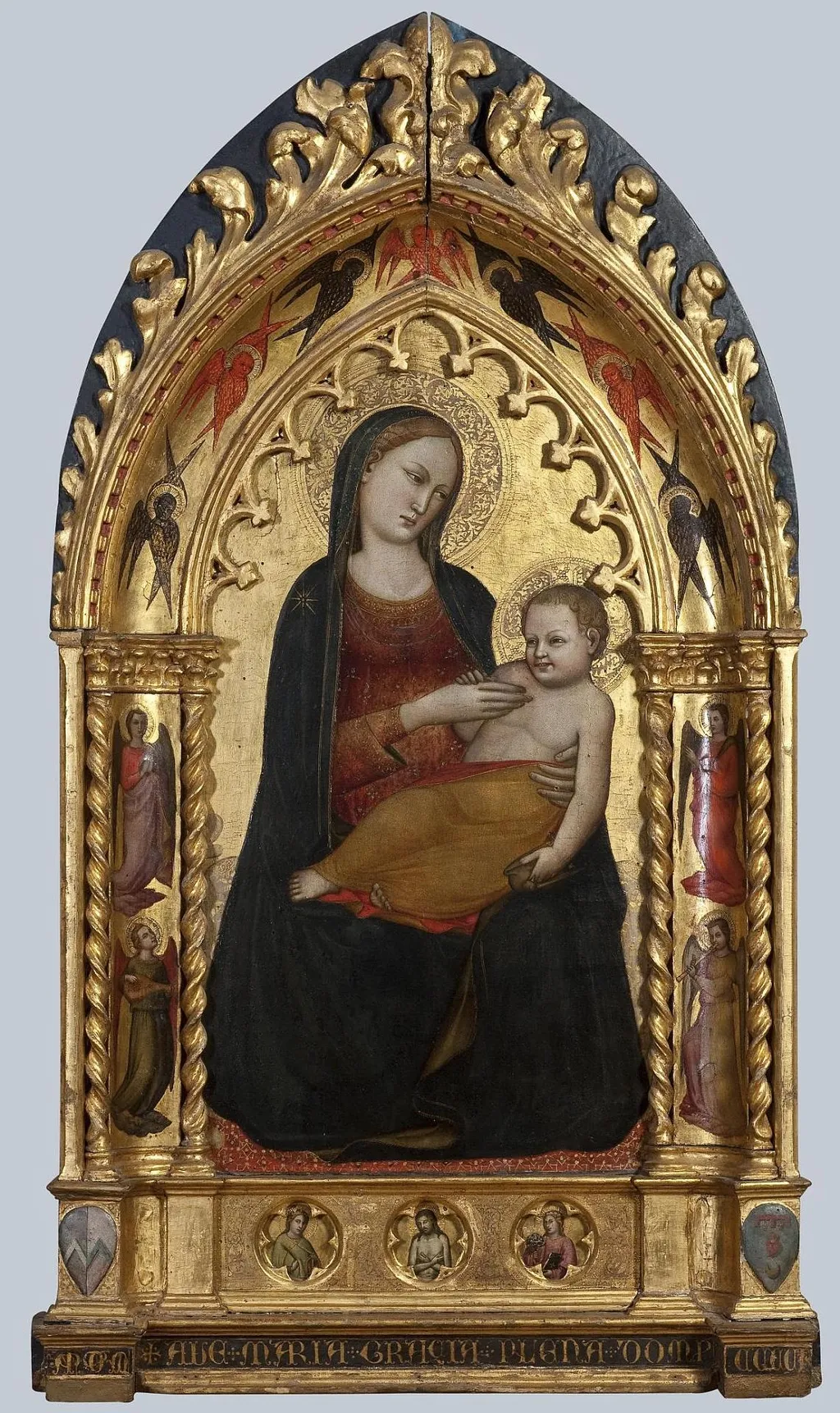
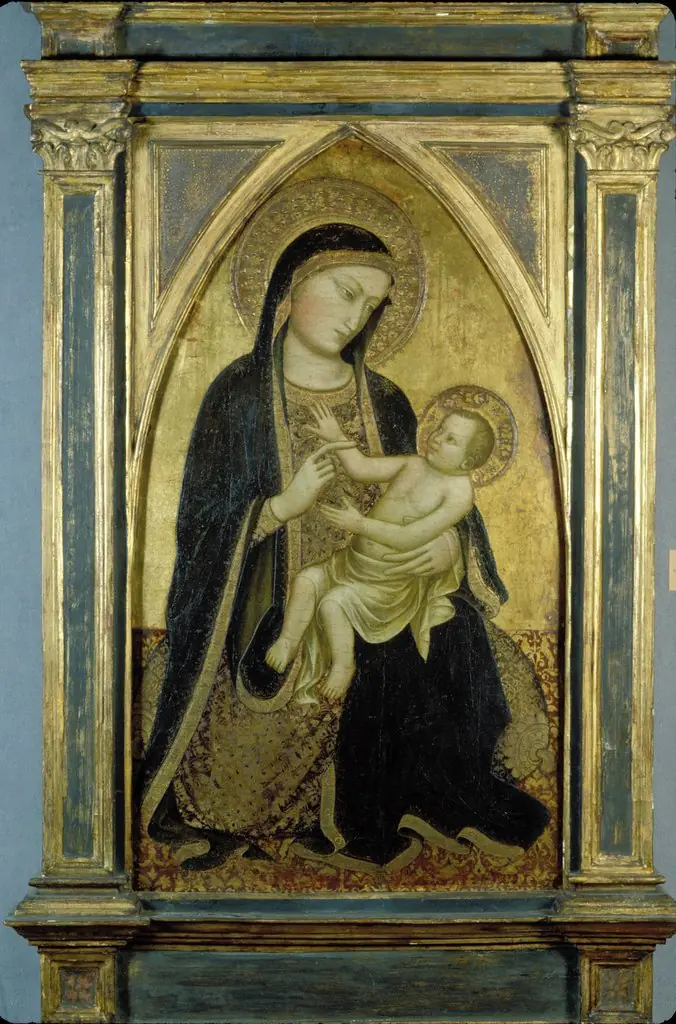
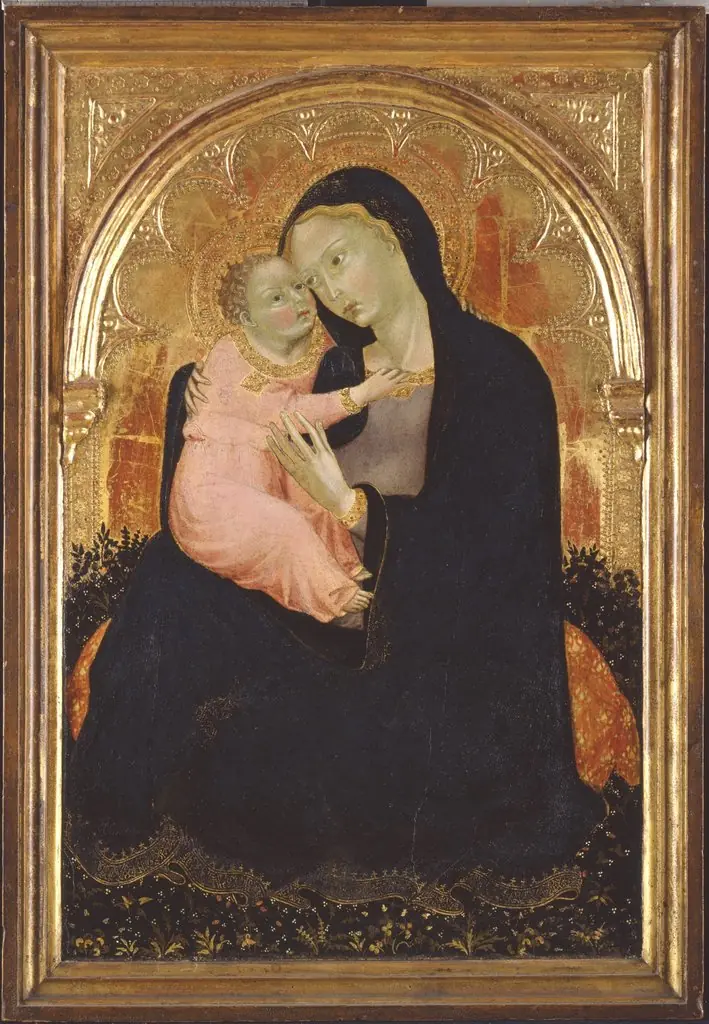
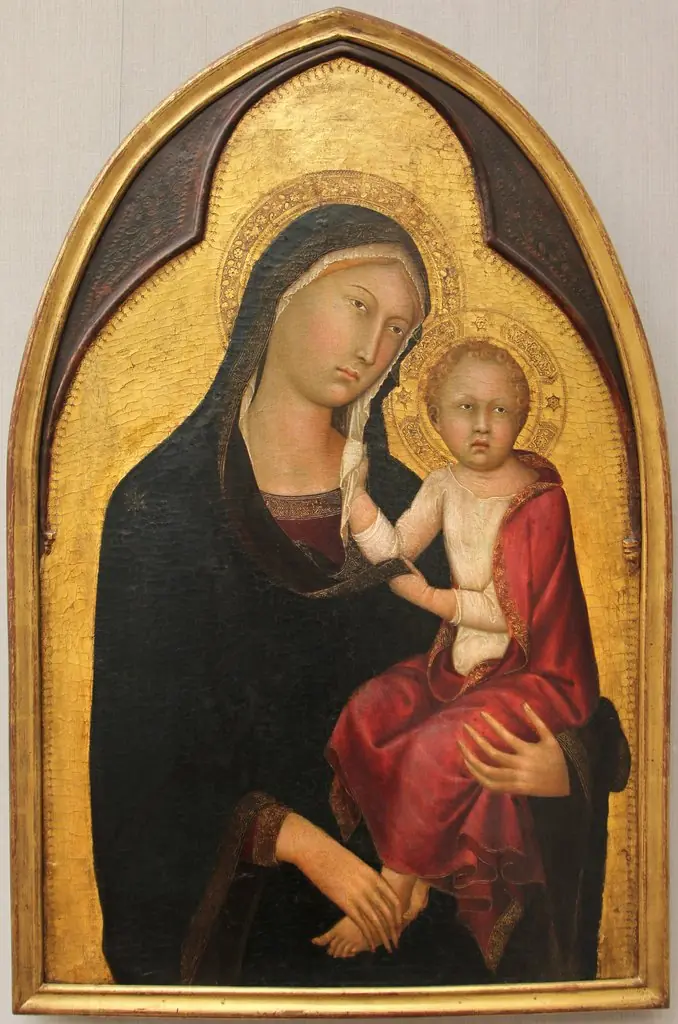
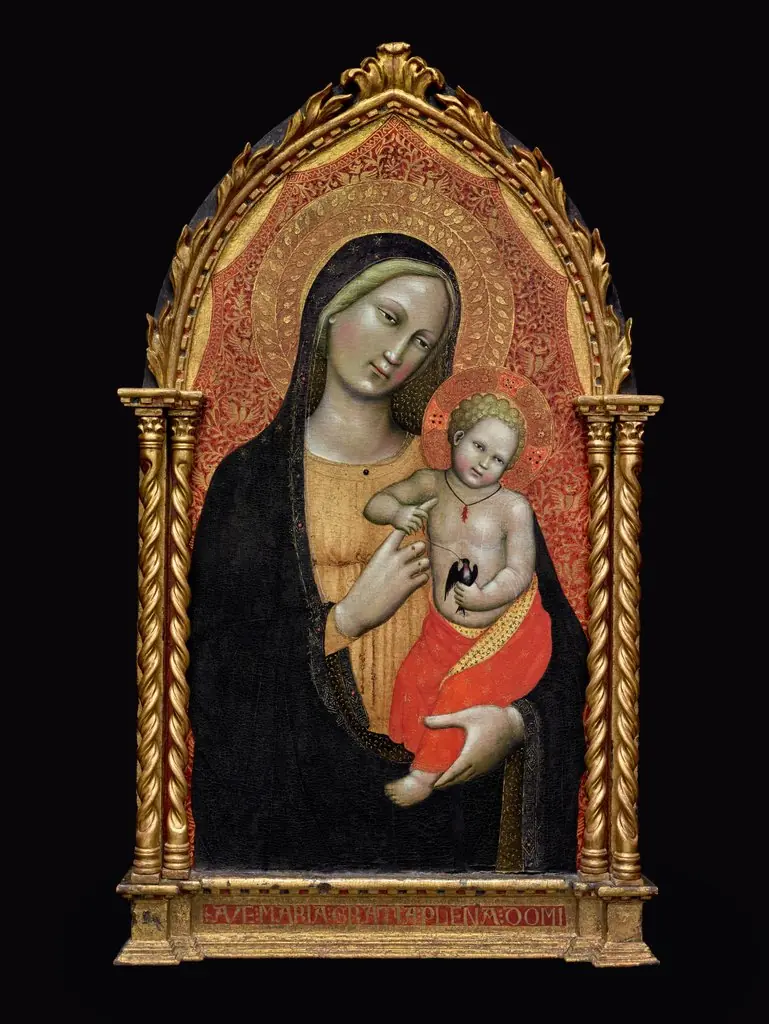
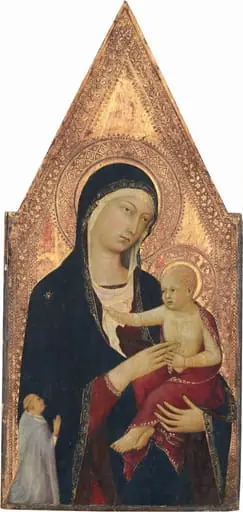
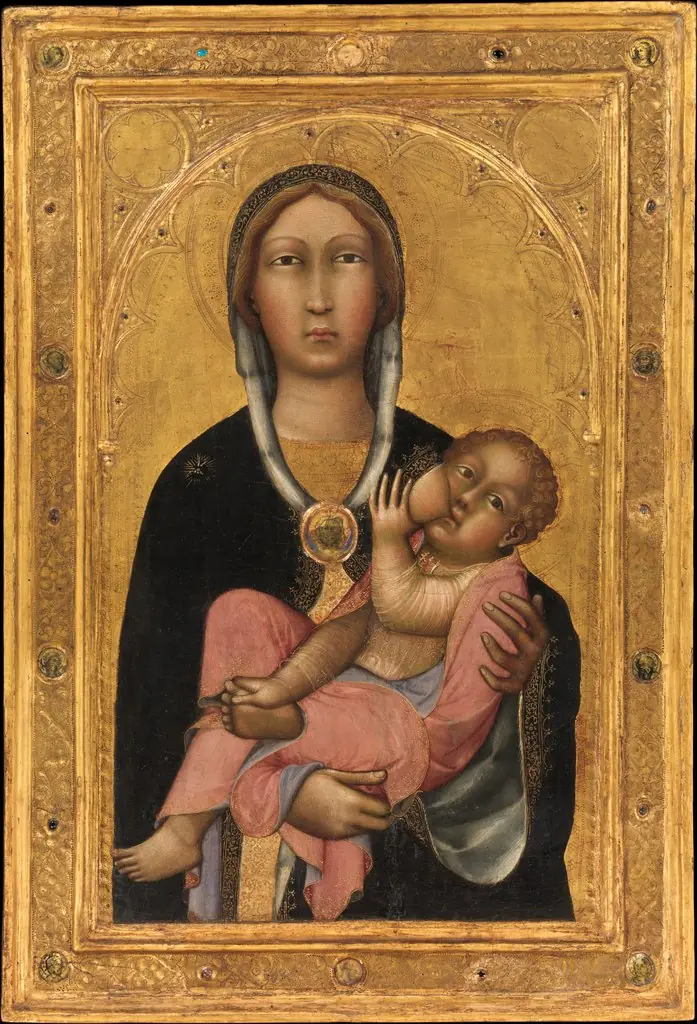
Madonna and Child is a tempera painting by the Early Renaissance artist Lorenzo di Niccolò. It dates from 1401 and is held in the collection of the Hermitage Museum. Created in 1401, this tempera panel presents the Virgin Mary cradling the infant Christ.
About this work
Subject & Meaning
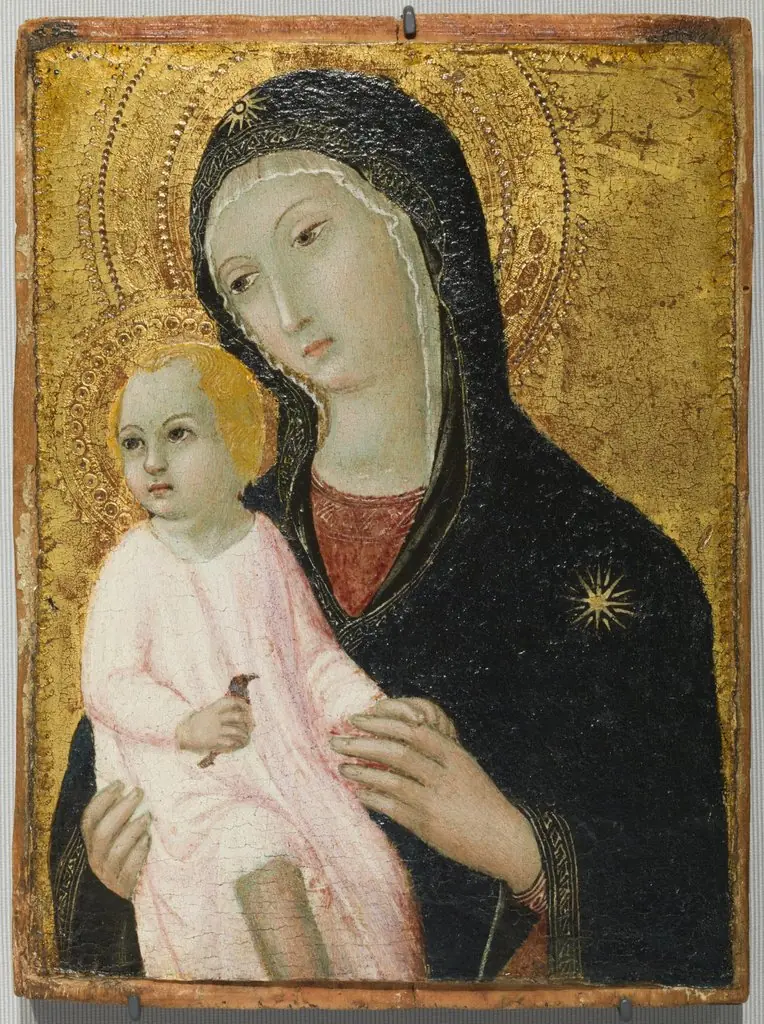
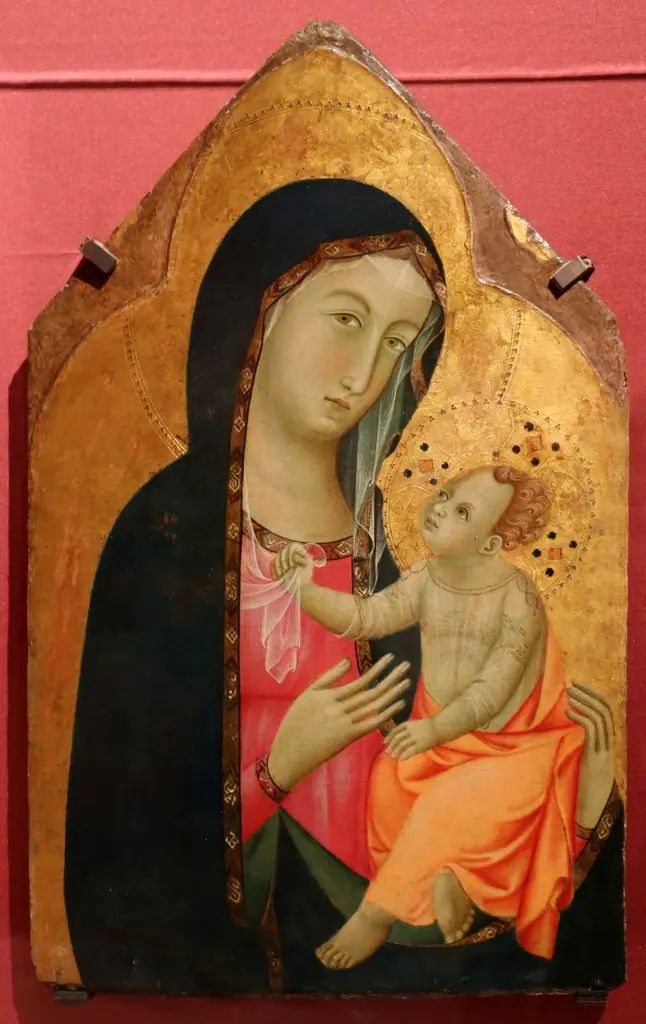
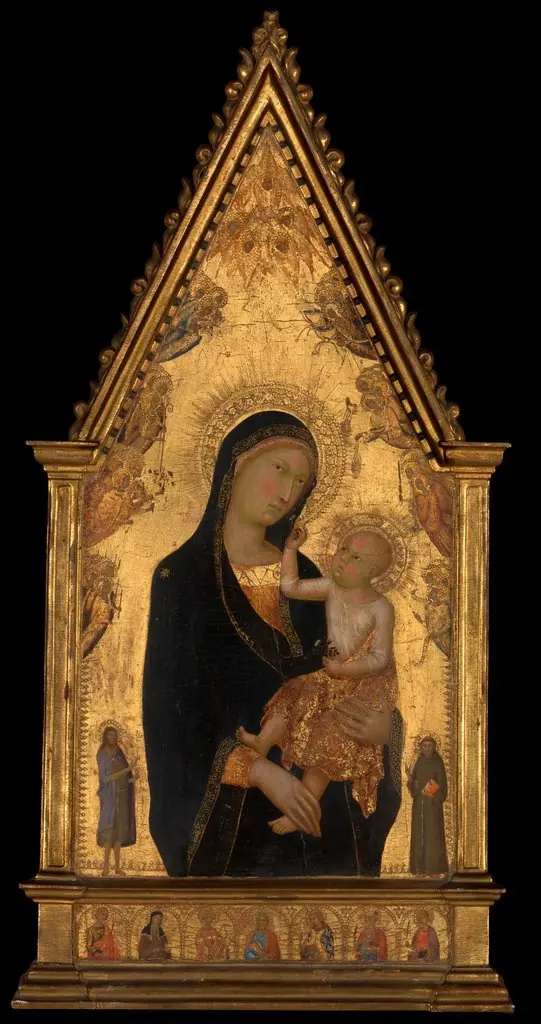
This early 15th-century panel painting portrays the Virgin Mary holding the Christ Child, a central subject in Christian religious art known as the Madonna and Child. Executed in tempera on a poplar panel, the work focuses entirely on these two figures, emphasizing their sacred relationship through formal composition rather than elaborate narrative settings. The depiction serves as an object of devotion, representing the theological significance of the Incarnation through the intimate presentation of the mother and her divine son.
Technique & Style
The work remains well-preserved, though minor craquelure and pigment darkening are visible along the edges, consistent with its age and material composition.
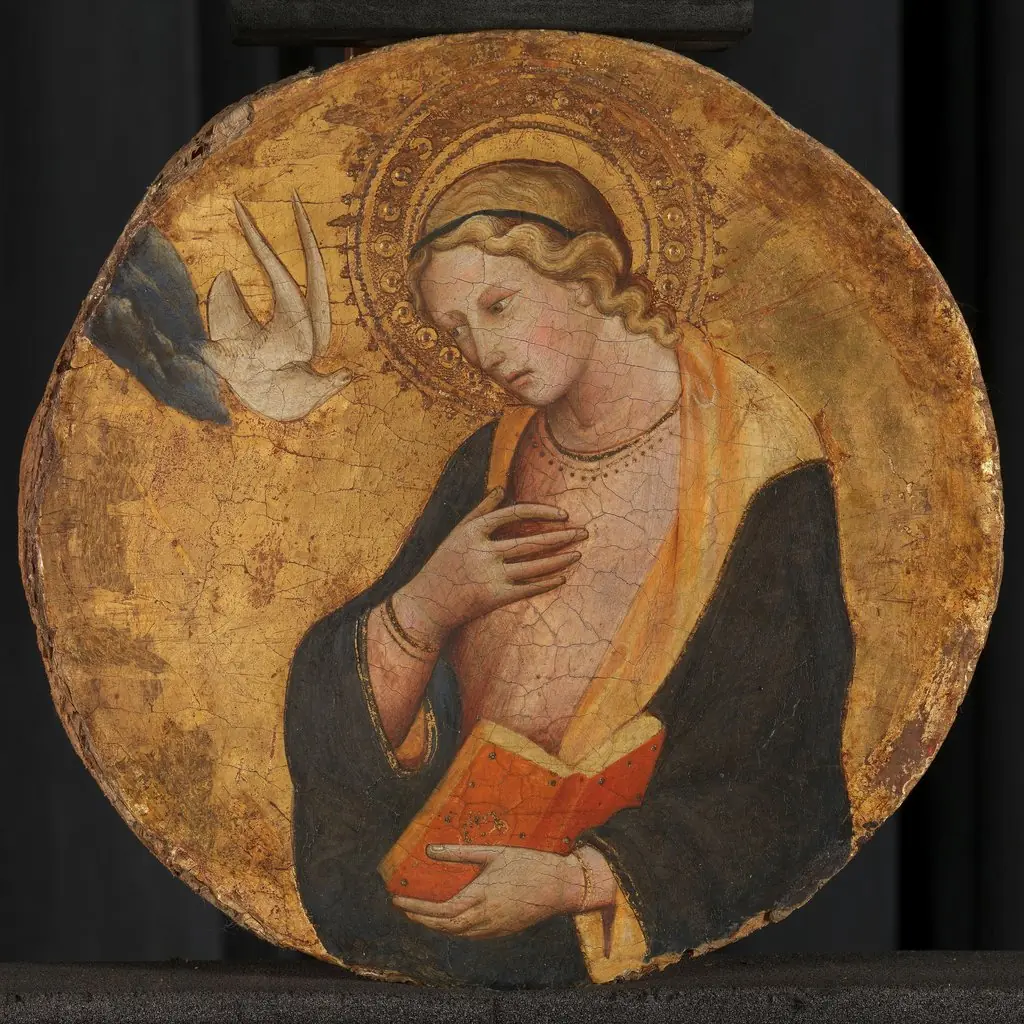
The painting was executed in tempera on a poplar panel and shows the Virgin Mary holding the infant Christ. Its surface bears the characteristic fine brushwork and delicate modeling typical of early 15th-century Sienese religious panels, with a subdued palette and gold leaf accents that emphasize the sacred narrative. The composition balances intimate tenderness with formal rigidity, reflecting the devotional conventions of the period.
The work remains well-preserved, though minor craquelure and pigment darkening are visible along the edges, consistent with its age and material composition.
History & Provenance
The painting was created in 1401 by Lorenzo di Niccolò as a religious work on poplar panel using tempera, measuring 130.5 cm in height and 69.5 cm in width. It was made in Italy and depicts Mary with the Christ Child. The work remains in the collection of the Hermitage Museum in St. Petersburg, where it is cataloged as part of their religious art holdings.
Context
The painting was created by Lorenzo di Niccolò in 1401 and features the Madonna and Child rendered in tempera on a poplar panel. Its classification as religious art situates it within the devotional painting traditions of early 15th-century Italy, where representations of the Virgin and Child were central to both artistic practice and spiritual life. The work's composition, depicting Mary with the infant Christ, reflects the theological emphasis on maternal devotion and divine incarnation that shaped visual culture during the period.
Art historians have noted its significance as an example of transitional stylistic elements between the Gothic and early Renaissance approaches to sacred imagery. The painting's inclusion in the collection of the Hermitage Museum underscores its recognized place in the narrative of European art history.
Overview
Created in 1401, this tempera panel presents the Virgin Mary cradling the infant Christ. The composition is set within a gilded architectural framework that encloses the figures, emphasizing their sacred function. The work exemplifies the early Renaissance period in Florence, where artists began to merge lingering Gothic conventions with nascent classical ideas.
Artist & collection
Artist
Lorenzo di Niccolò or Lorenzo di Niccolò di Martino was an Italian painter who was active in Florence from 1391 to 1412.