Artwork
Virgin and Child
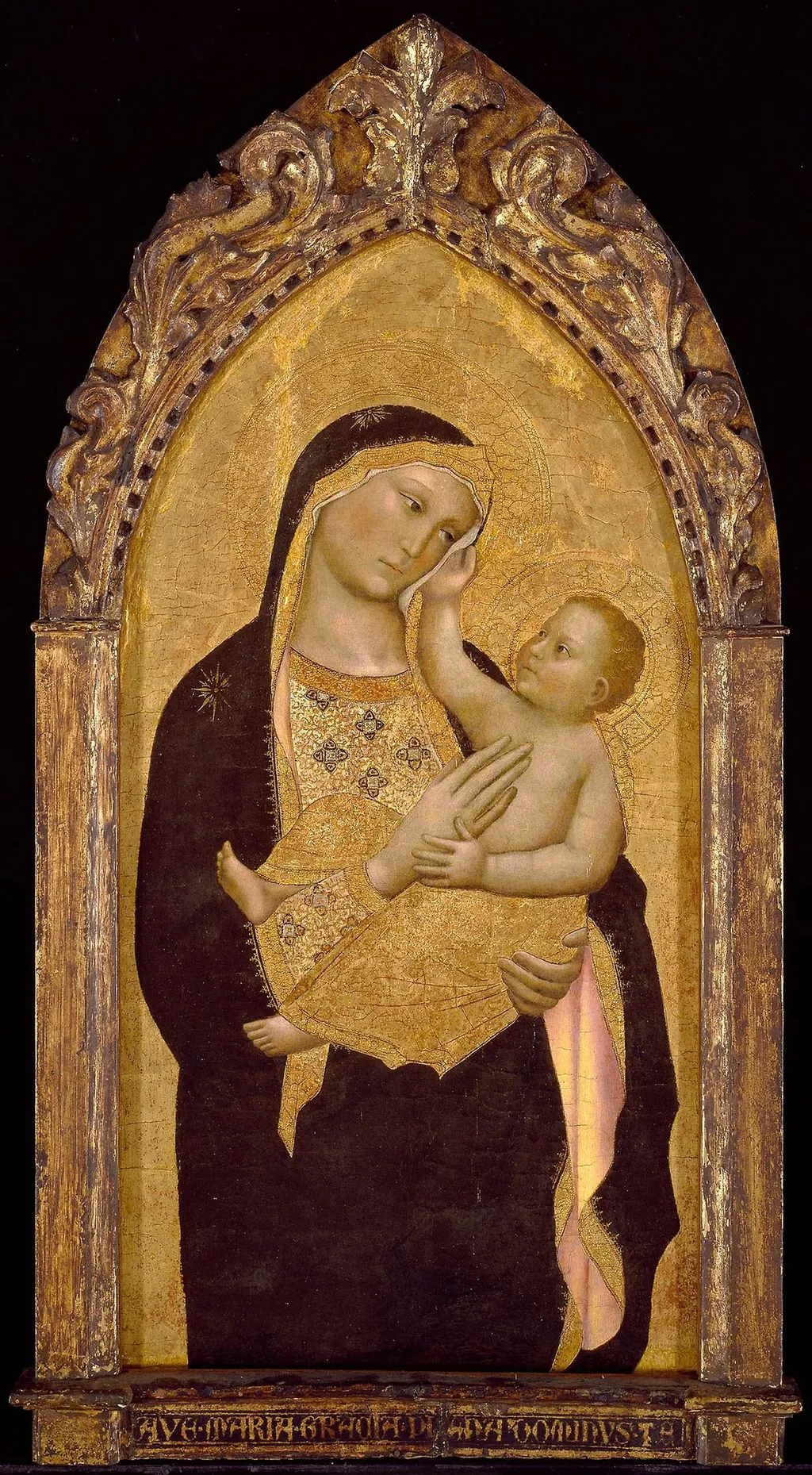
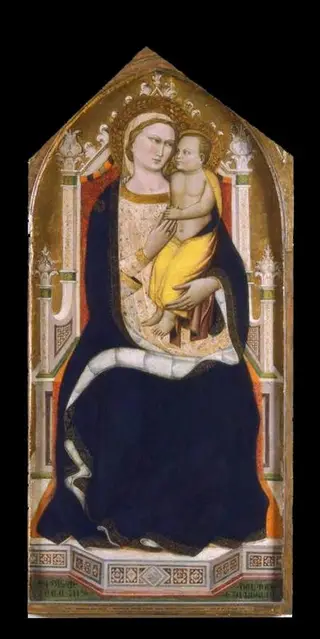
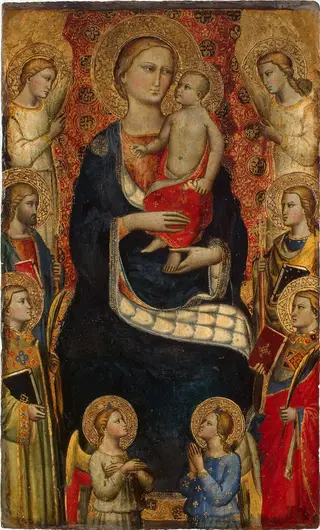
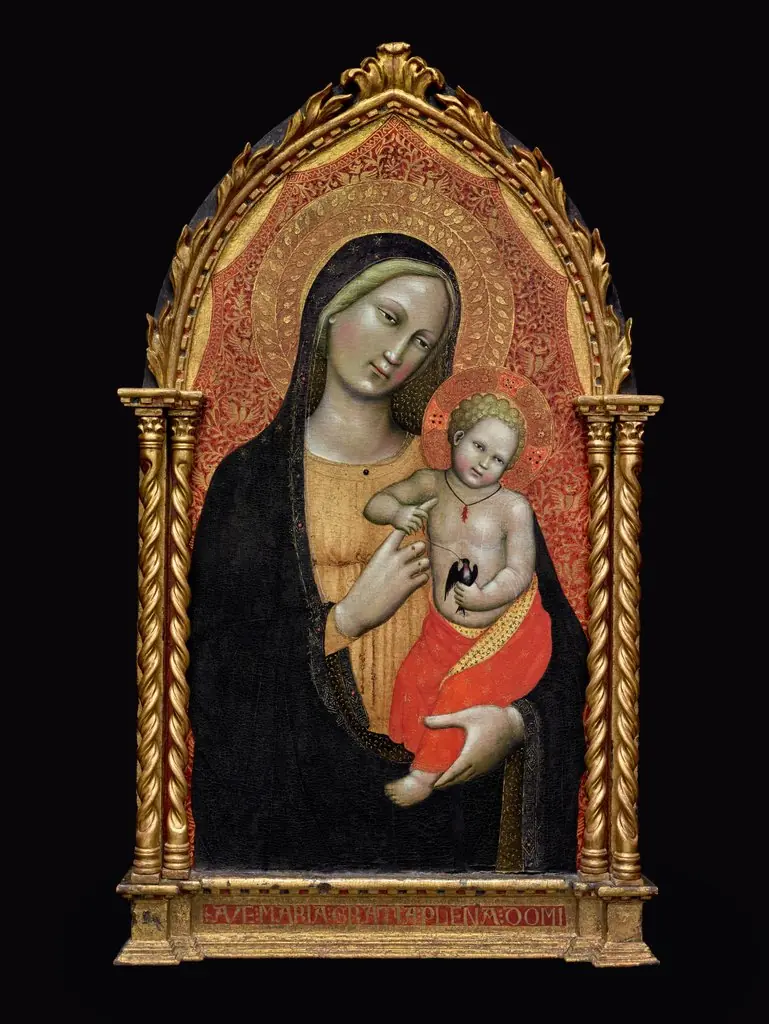
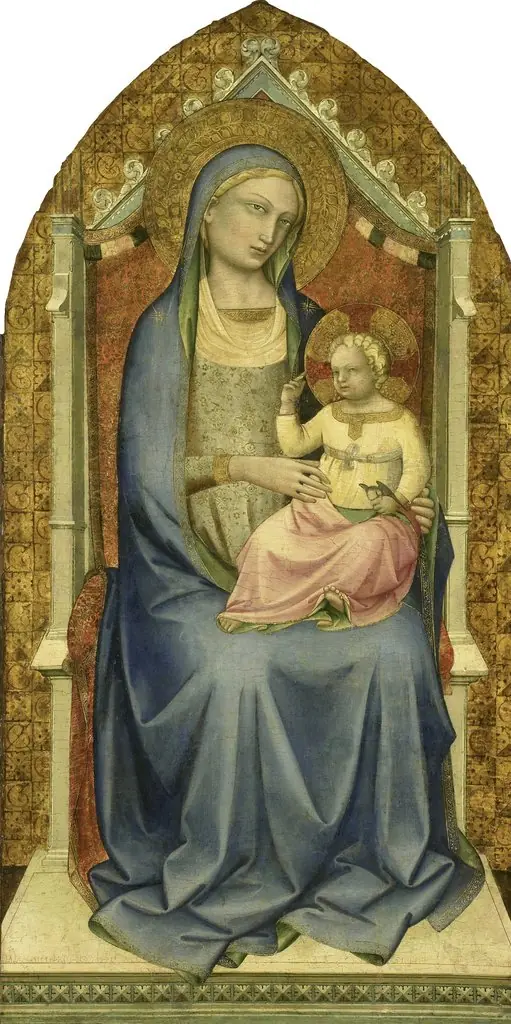
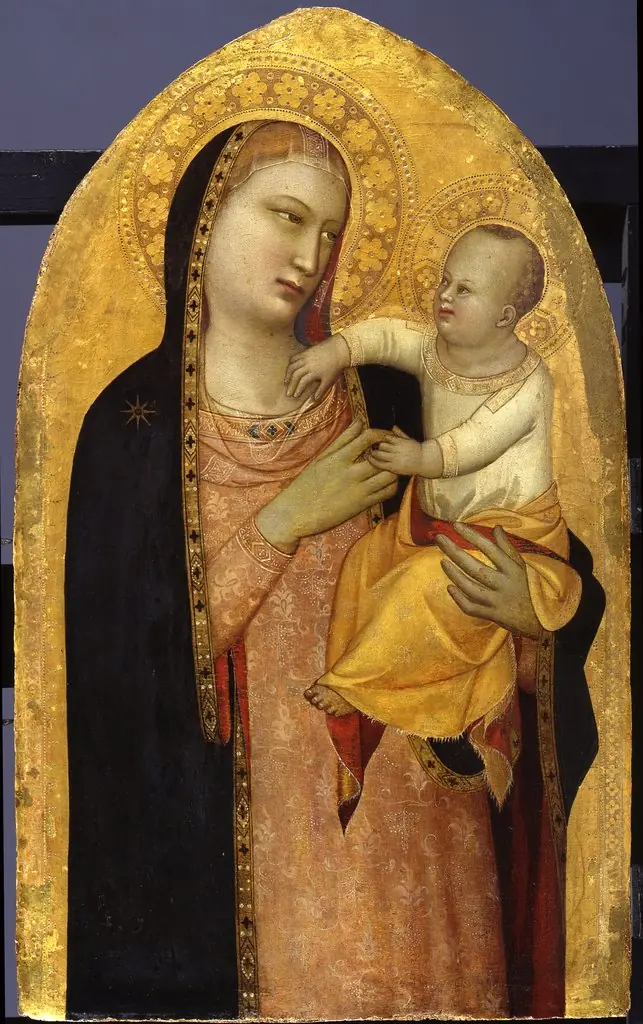
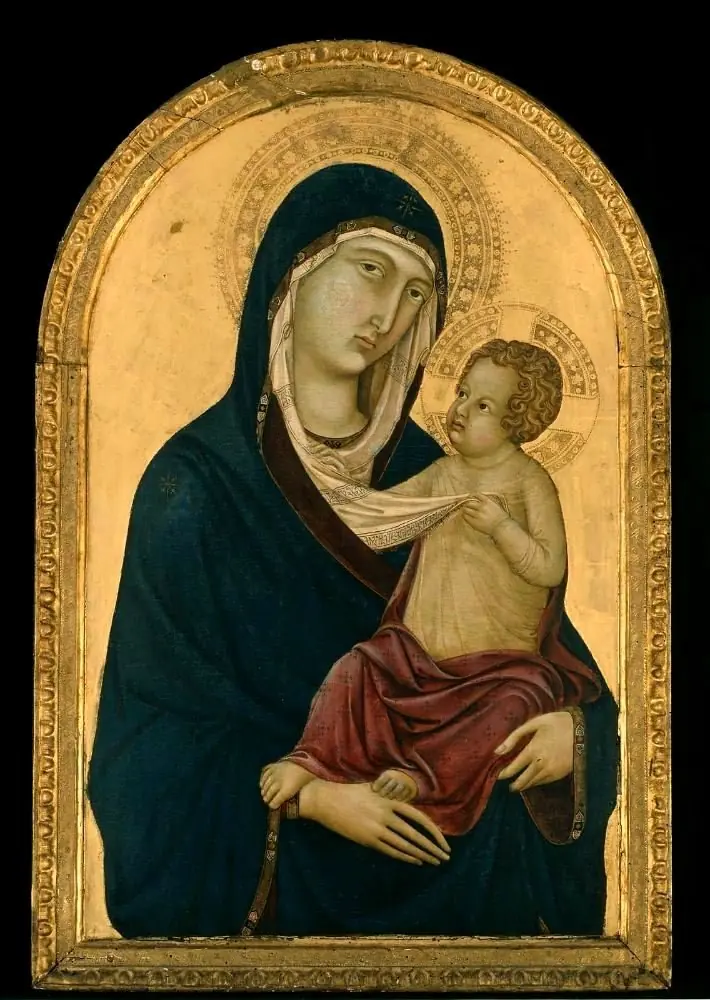
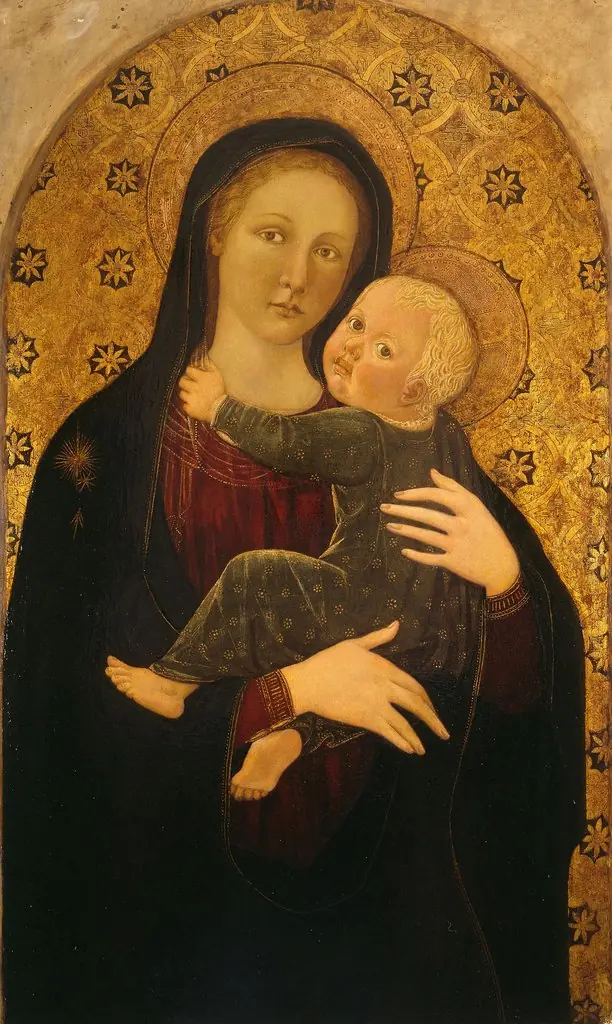
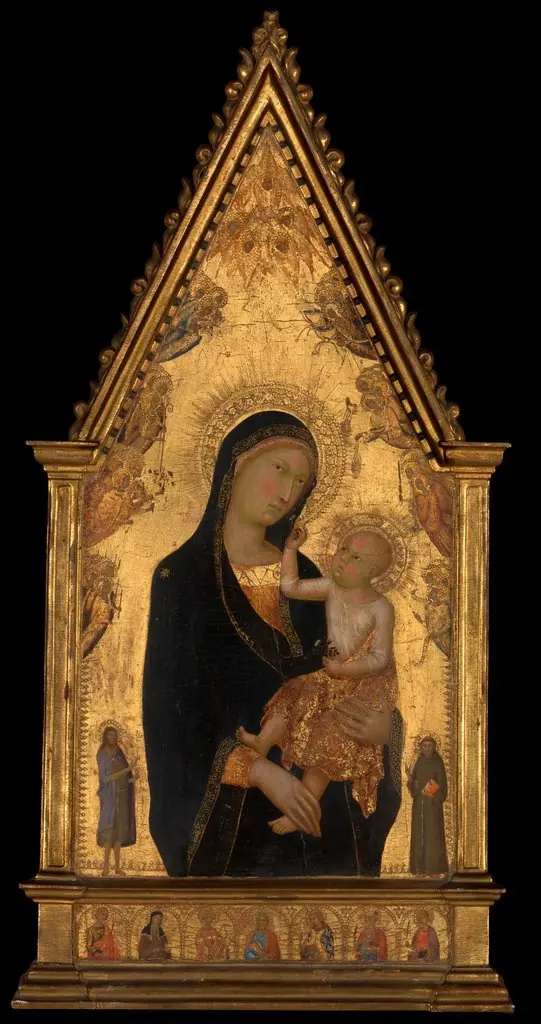
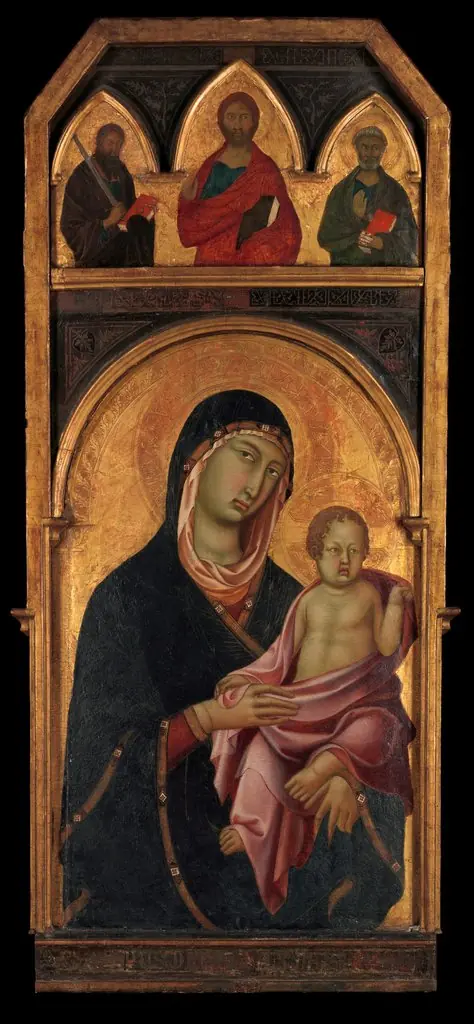
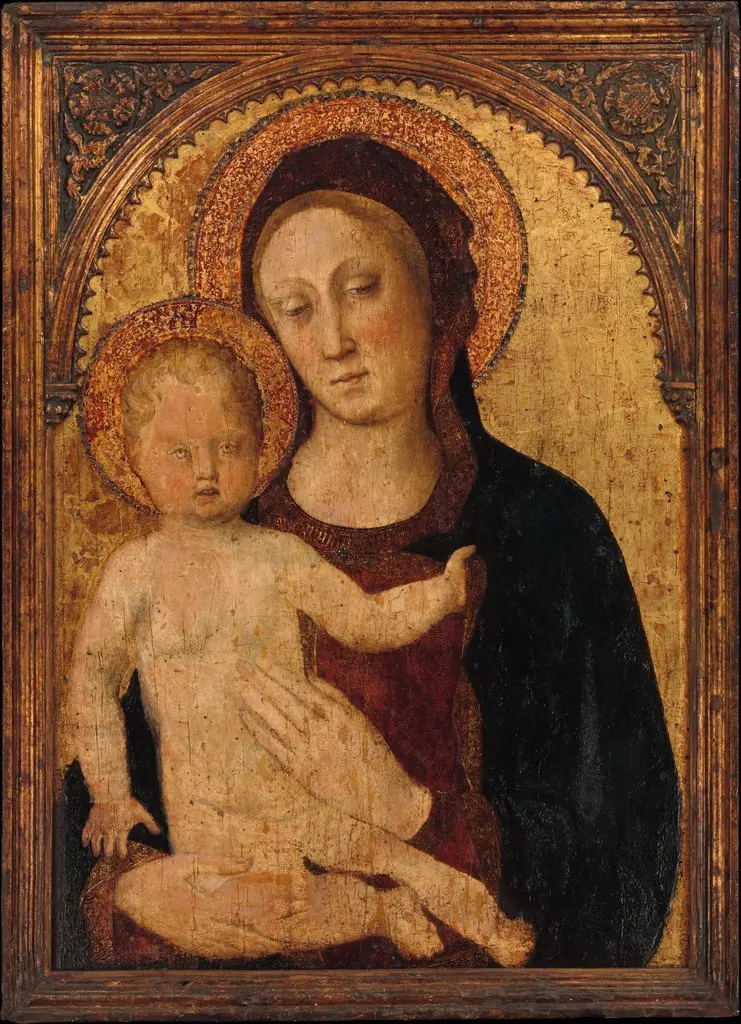
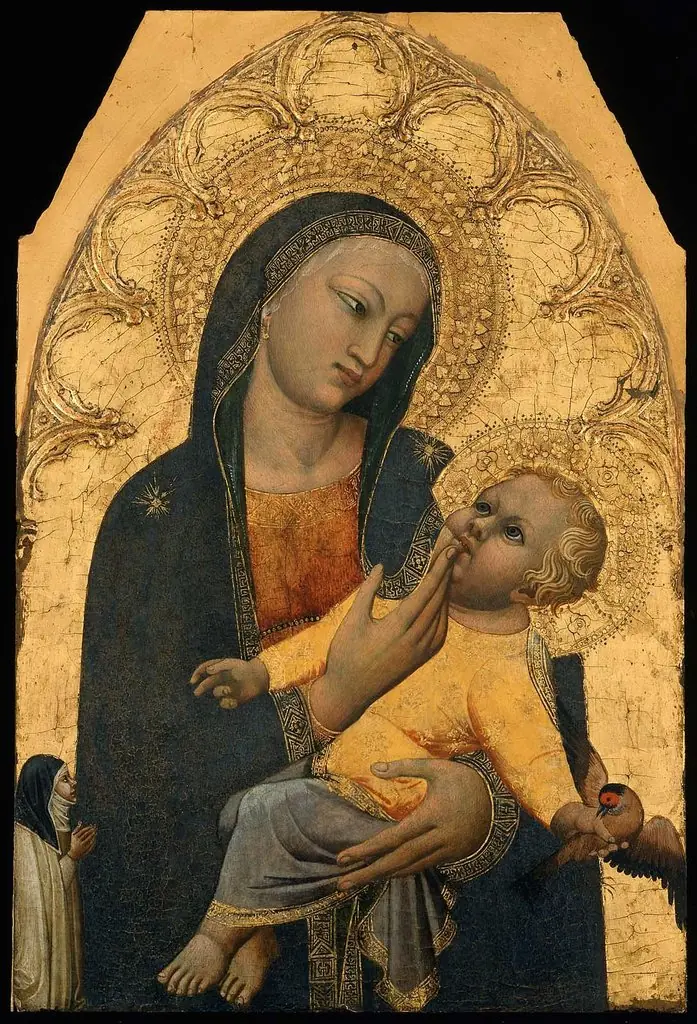
Virgin and Child is an unspecified painting by the Italo Byzantine artist Niccolò di Pietro Gerini. It dates from 1398 and is held in the collection of the Art Institute of Chicago.
About this work
Subject & Meaning
The composition focuses on the intimate relationship between the mother and her divine son, representing core themes of Christian devotion and the Incarnation.
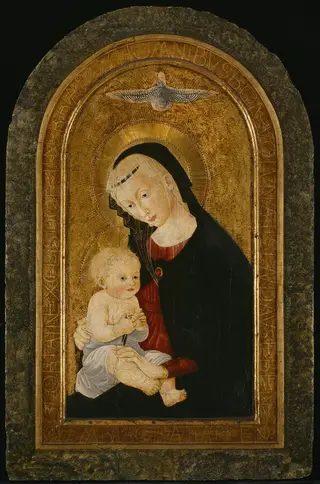
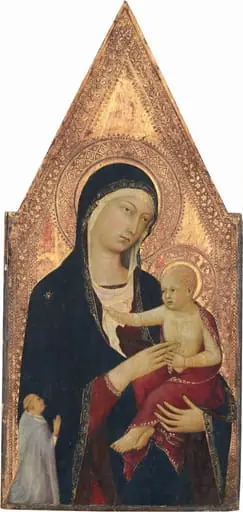
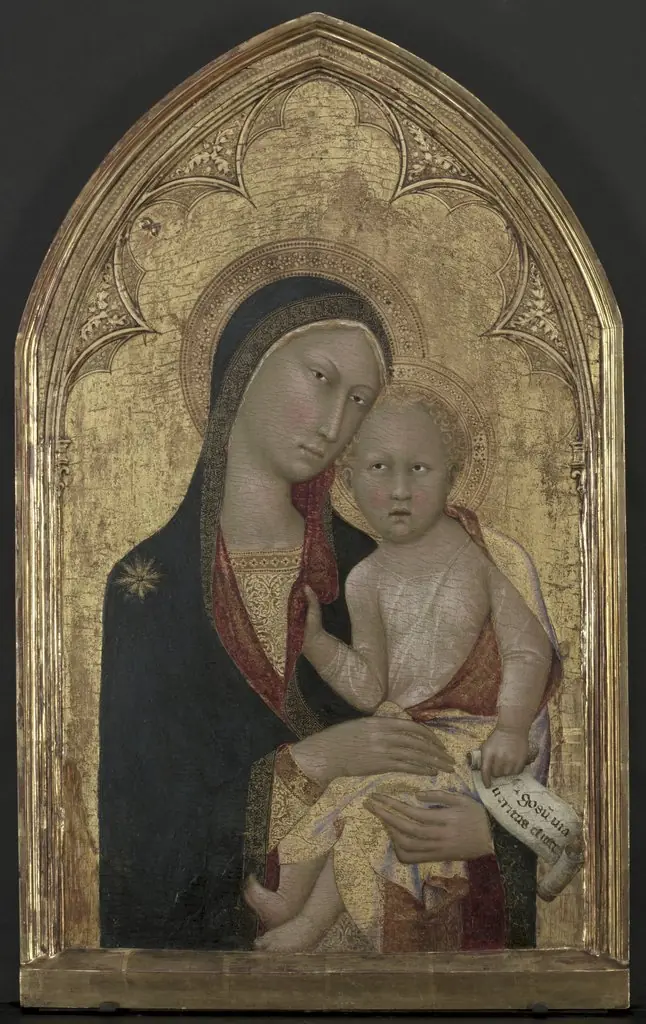
The work depicts the Madonna and Child, a central subject in religious art featuring the Virgin Mary and the Christ Child. Created by Niccolò di Pietro Gerini in 1395, the painting belongs to the genre of religious art. The composition focuses on the intimate relationship between the mother and her divine son, representing core themes of Christian devotion and the Incarnation.
As a devotional image, it serves to visualize the humanity and divinity of Christ through the presence of his mother.
History & Provenance
The painting Virgin and Child was created in 1395 by the Italian artist Niccolò di Pietro Gerini. This religious work, depicting the Madonna and Christ Child, is currently held in the collection of the Art Institute of Chicago. The institution lists the work's inception date as January 1, 1395, and records its dimensions as 78.7 cm in height by 46.5 cm in width.
No further details regarding the original commission or intermediate ownership history prior to its acquisition by the museum are provided in the available records.
The painting Virgin and Child by Niccolò di Pietro Gerini is held in the collection of the Art Institute of Chicago. Specific inventory or accession numbers for the work are not provided in the available sources. The artwork, created in 1395, remains part of the museum's holdings, where it is identified as a religious painting depicting the Madonna and Child. No exhibition history is documented in the provided references.
Context
Virgin and Child by Niccolò di Pietro Gerini, painted in 1395, exemplifies late 14th-century Italian religious art with its depiction of Mary and the Christ Child. The work, housed at the Art Institute of Chicago, has been studied within the framework of Giotto-influenced painting and the evolving devotional practices of the period, situating it within broader discussions of Gothic stylization and pre-Renaissance iconography. Scholarship emphasizes its role in understanding workshop practices and the transmission of sacred imagery in pre-Medici Florence, though specific critical responses from contemporary viewers remain unrecorded.
Its formal analysis contributes to larger narratives about panel painting techniques in late medieval Italy, particularly in relation to spatial composition and hierarchical representation of holy figures.
Legacy
The Virgin and Child by Niccolò di Pietro Gerini, painted in 1395, established a compositional model that resonated through later religious imagery. Its depiction of the Madonna and Child influenced subsequent depictions within the Florentine tradition, particularly in how the intimate domestic setting was rendered. The work's presence in the Art Institute of Chicago has contributed to scholarly attention on early Renaissance devotional practices, reinforcing its reputation as a representative example of late 14th-century altarpiece design.
Overview
Niccolò di Pietro Gerini, an Italian painter active in the late fourteenth century, produced the panel titled Virgin and Child in 1398. Executed in the Italo‑Byzantine tradition, the work presents the Virgin Mary holding the infant Christ within a gold‑leafed frame. The painting is part of the Art Institute of Chicago’s collection.
Technique & Style
Gerini employs the stiff, hieratic figures typical of late Gothic art, with a limited spatial depth and a flat gold background that recalls Byzantine icons. The gilded arch above the pair is adorned with stylized foliage, while the paint surface shows signs of age, including areas of fading and loss of pigment.
Artist & collection

Artist
Niccolò di Pietro Gerini (c. 1340 – 1414) was an Italian painter of the late Gothic period, active mainly in his native Florence although he also carried out commissions in Pisa and Prato. He was not an innovative…