Artwork
Virgin Annunciate
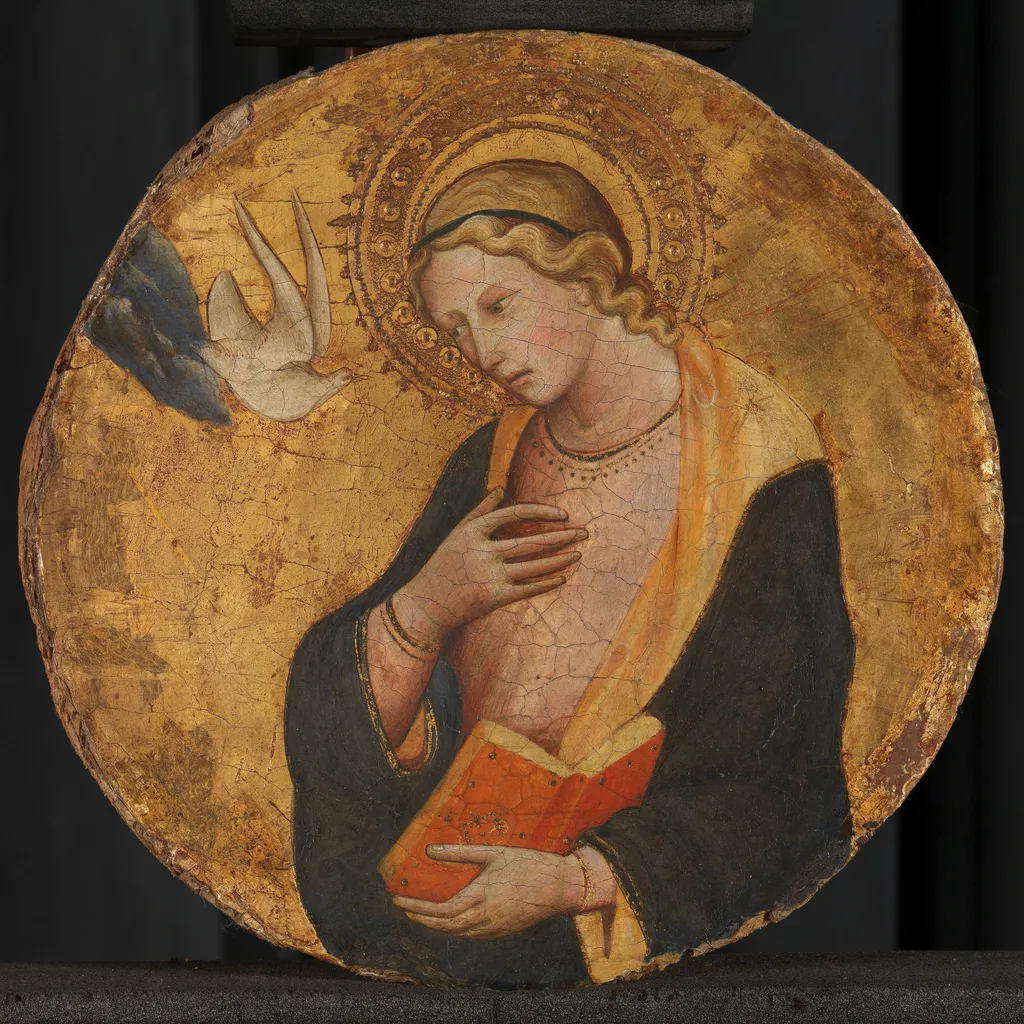
Virgin Annunciate is a tempera painting by the Early Renaissance artist Lorenzo di Niccolò. It dates from 1402 and is held in the collection of the Rijksmuseum.
About this work
Subject & Meaning
The subject matter is strictly confined to this biblical narrative, serving as an object of devotion and a visual meditation on the mystery of faith.
The Virgin Annunciate by Lorenzo di Niccolò depicts the Annunciation, a central event in Christian religious art where the Archangel Gabriel announces to the Virgin Mary that she will conceive and bear the Son of God. Created in 1402 in Florence, this panel painting in tempera focuses on the moment of divine revelation. As a work of religious art, it represents the theological concept of the Incarnation, emphasizing Mary's acceptance and humility in response to the angelic message.
The subject matter is strictly confined to this biblical narrative, serving as an object of devotion and a visual meditation on the mystery of faith.
Technique & Style
The painting Virgin Annunciate was created using tempera on a wooden panel, a technique typical of early 15th-century Florentine artists. It depicts the moment of the Annunciation with figures arranged in a shallow spatial setting, reflecting the stylistic conventions of the period. The composition emphasizes devotional clarity, with the Virgin positioned centrally and the angel Gabriel presented in a hieratic gesture.
The work retains its original surface integrity, though minor craquelure is visible across the panel, consistent with the natural aging of tempera on wood.
The formal execution demonstrates a restrained use of color and gold leaf detailing, enhancing the sacred narrative without distracting from its spiritual focus. The stylized drapery and elongated proportions align with contemporary Gothic-influenced aesthetics, while the subdued emotional expression underscores the devotional intent of the composition. These qualities contribute to its significance as an exemplar of early Renaissance panel painting.
History & Provenance
The work titled Virgin Annunciate was created in 1402 by Lorenzo di Niccolò in Florence using tempera on panel. It was commissioned as a religious painting depicting the Annunciation and is part of the Rijksmuseum's collection in Amsterdam, where it remains on display.
The Virgin Annunciate is housed in the Rijksmuseum, where it is recorded under the inventory number SK-A-2899. The work entered the museum's collection through a designated acquisition, establishing its current location within the institution's holdings. It has been featured in exhibitions focusing on early Netherlandish painting and Renaissance religious art, including a 2015 presentation on early Italian panels at the Rijksmuseum and a 2018 display on 15th-century devotional works in the museum's Gallery of Honour.
The painting remains part of the museum's permanent collection and is occasionally included in thematic exhibitions related to early Renaissance art.
The work was created in Florence around 1402 and exemplifies religious art from the early Italian school. It is executed in tempera on panel, reflecting the material and technical practices of the period.
Overview
Created in 1402 by Lorenzo di Niccolò, an early‑Renaissance painter active in Florence, the tempera panel titled Virgin Annunciate presents a devotional scene typical of its era. The work is part of the Rijksmuseum’s collection and exemplifies the transitional aesthetic between late medieval and emerging Renaissance sensibilities.
Context
The Virgin Annunciate reflects a period of artistic transition in Italy, when Gothic ornamentalism gradually gave way to the spatial awareness and humanism of the Renaissance. Its iconography, Mary, the book, the dove, aligns with contemporary devotional practices, while the gold background underscores the work’s liturgical function.
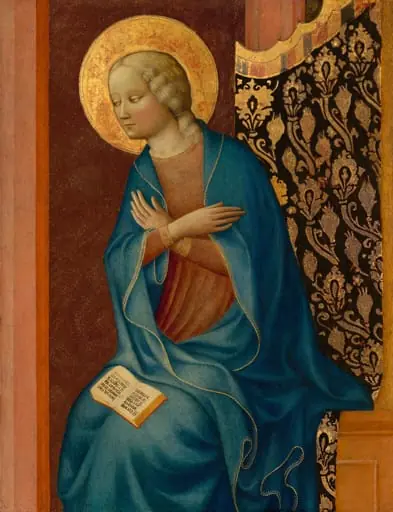
Own this work as a print
Artist & collection
Artist
Lorenzo di Niccolò or Lorenzo di Niccolò di Martino was an Italian painter who was active in Florence from 1391 to 1412.

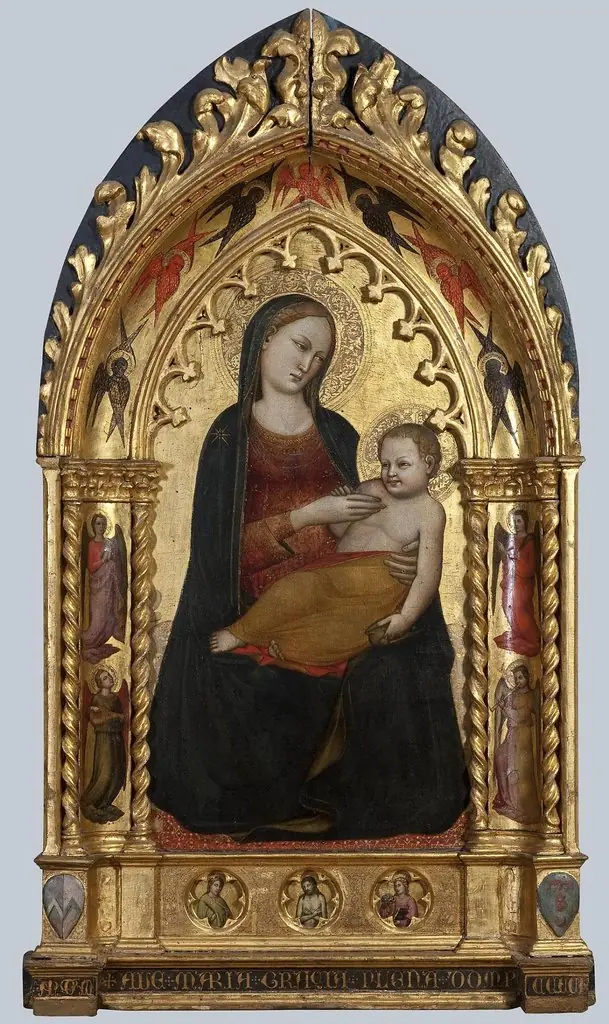
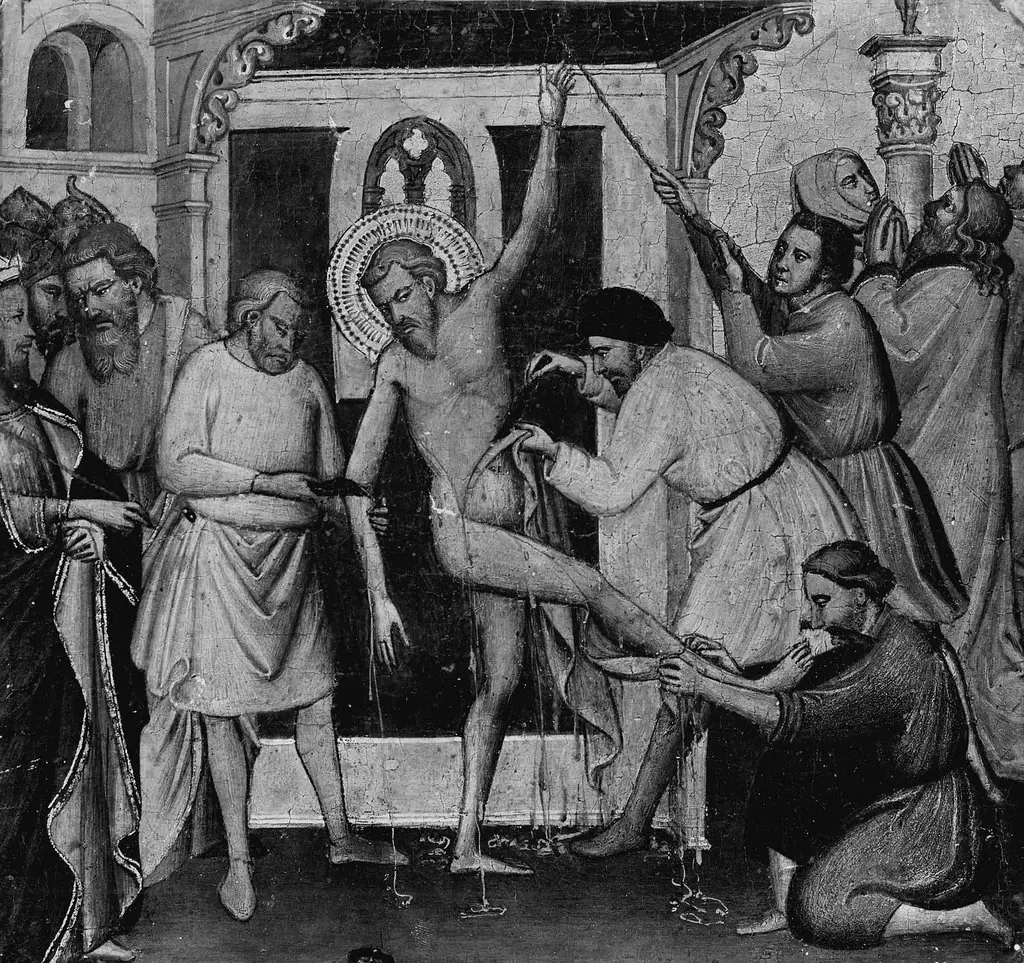
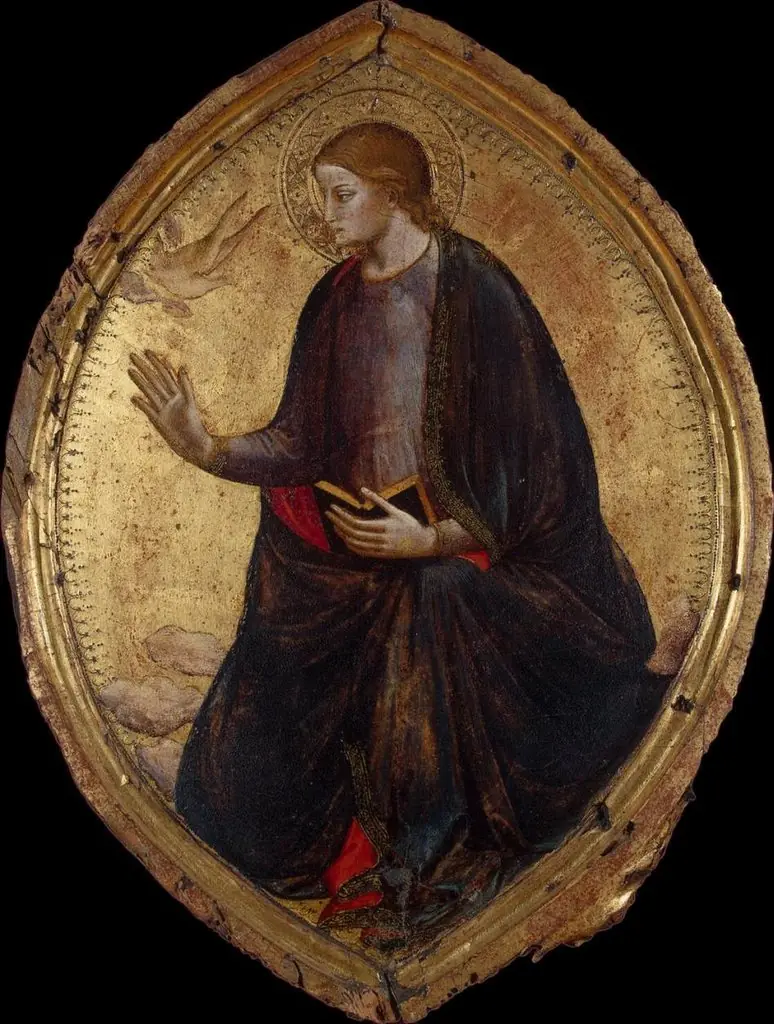 Madonna from the Annunciation Scene
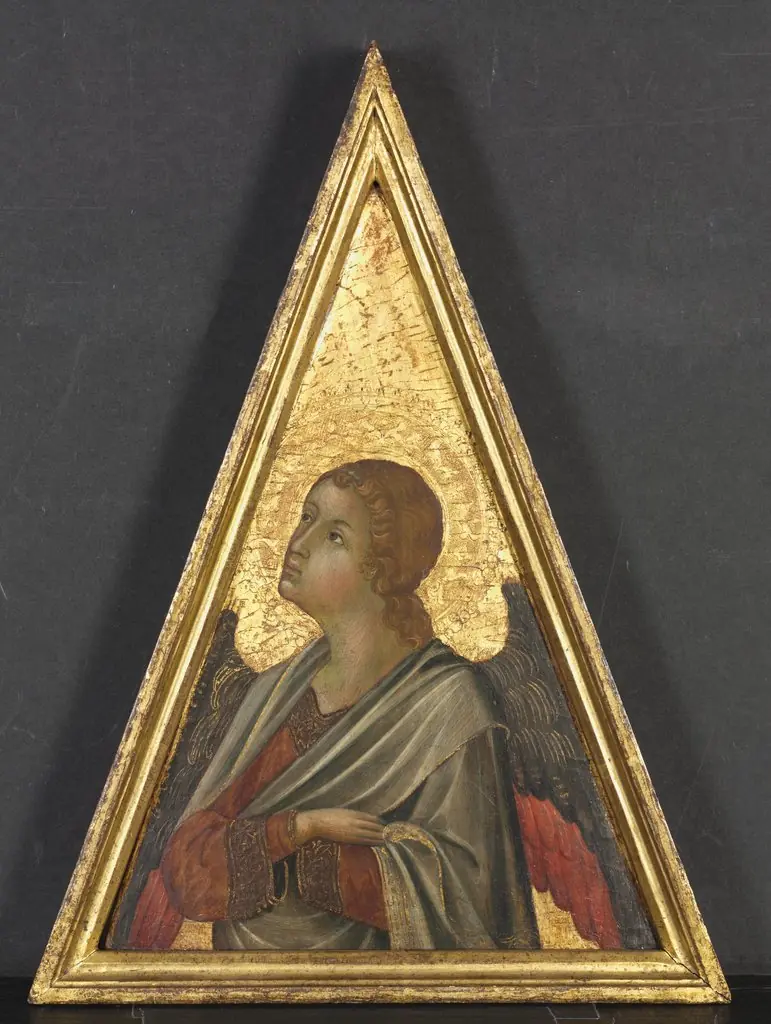 Pinnacle with Angel
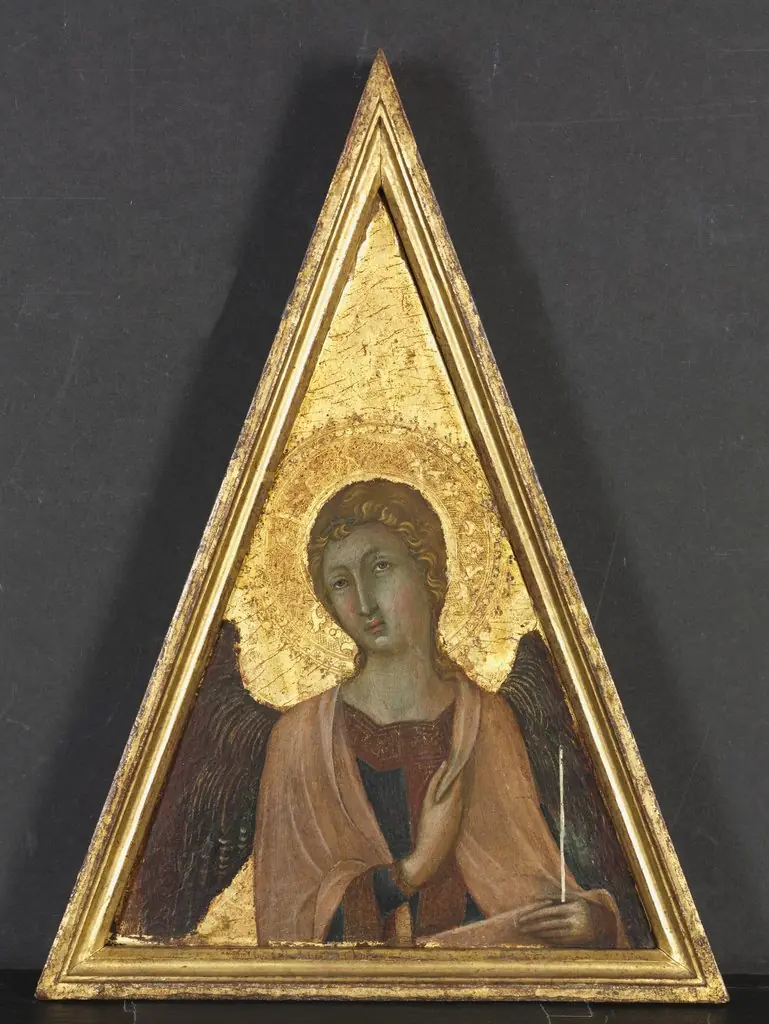 Pinnacle with Angel
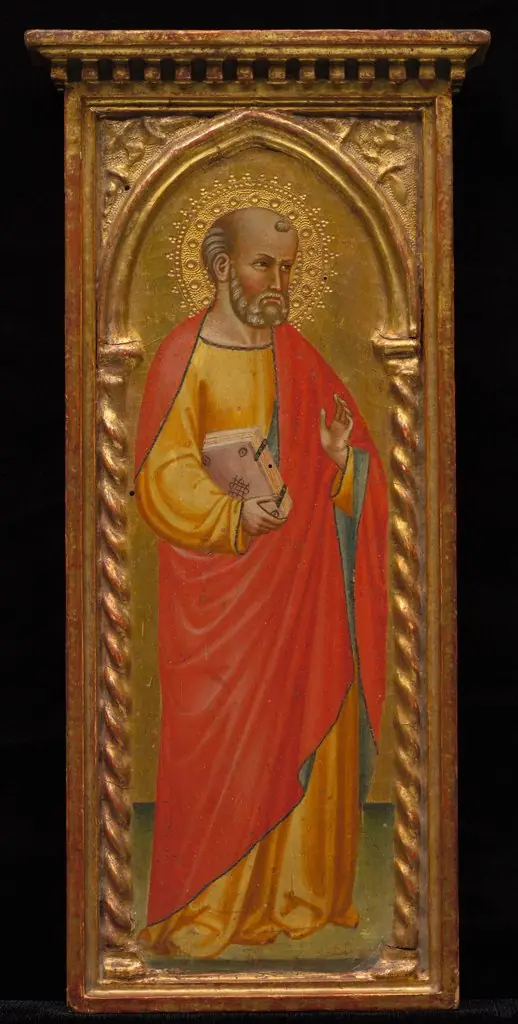 Saint in Red Cloak
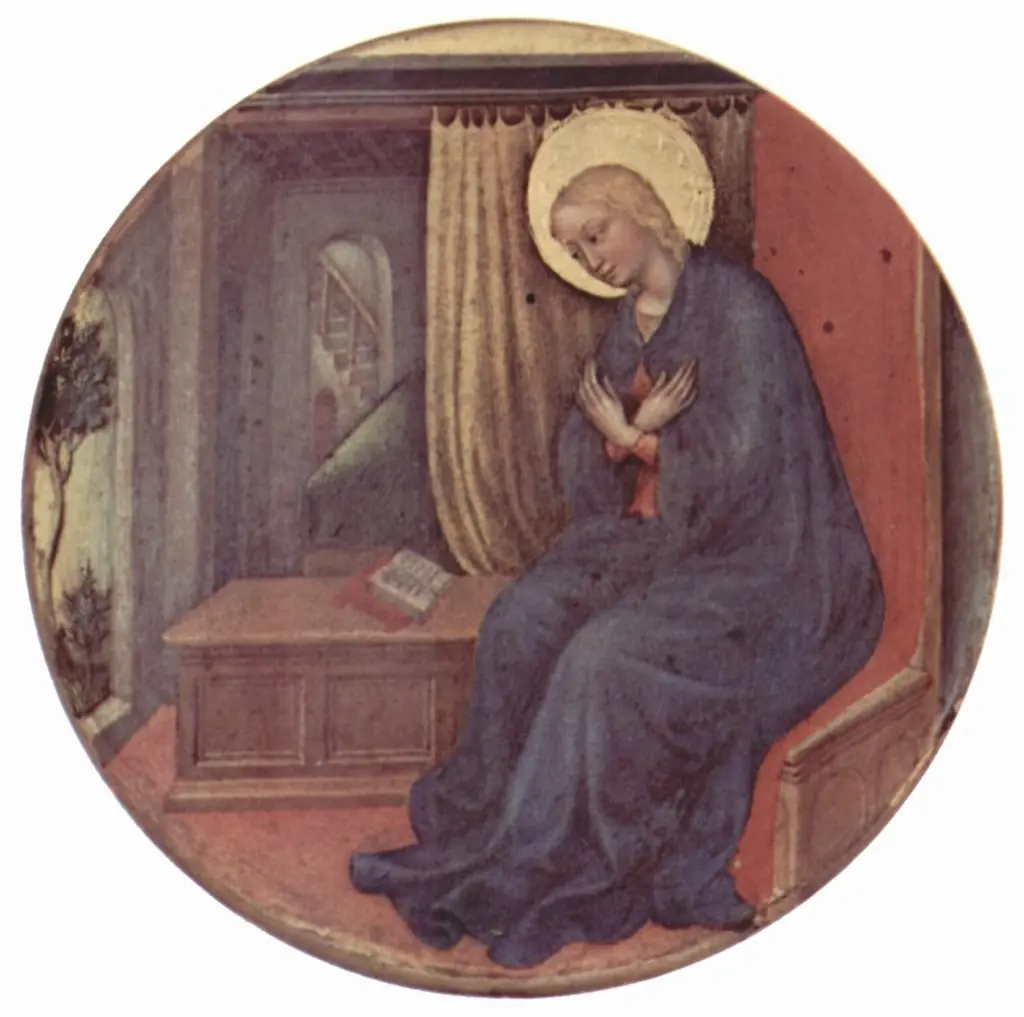 The young Mary in prayer
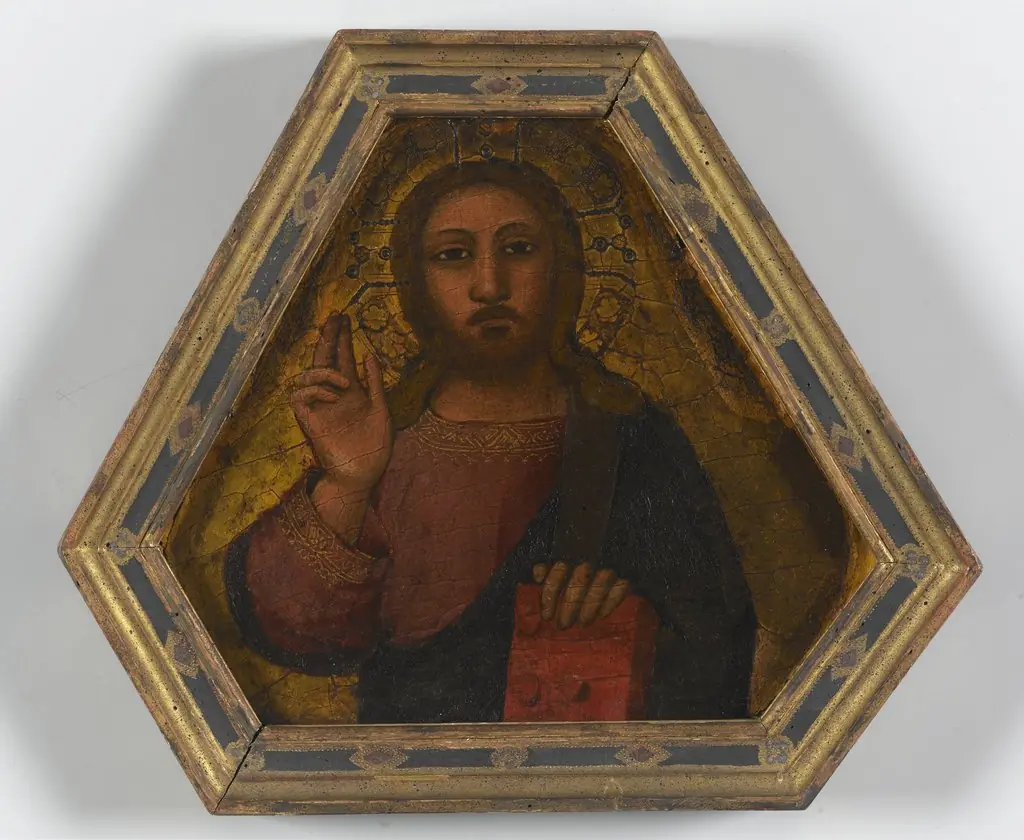 Christ Blessing
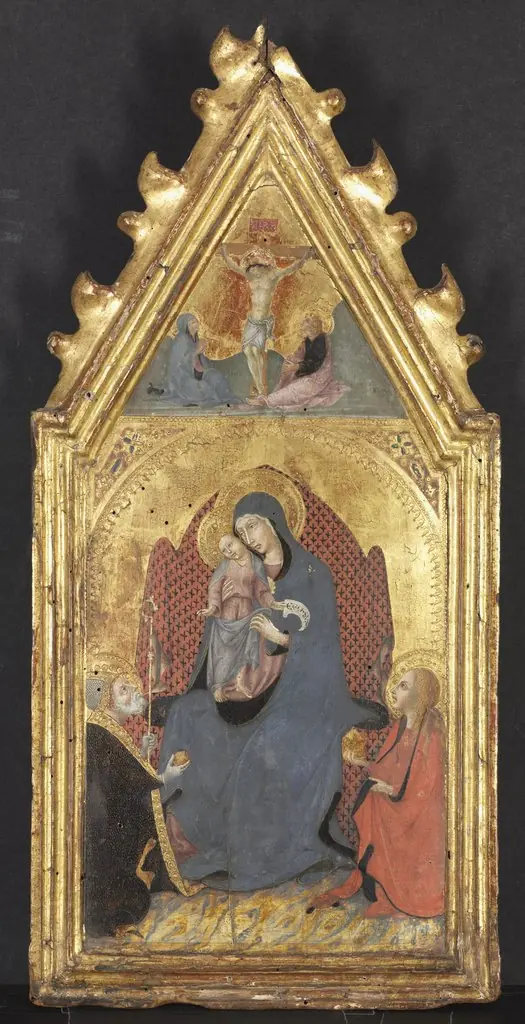 Virgin and Child Adored by Saints Mary Magdalene and Nicolas of Bari; Christ Crucified with the Virgin and Saint John the Evangelist
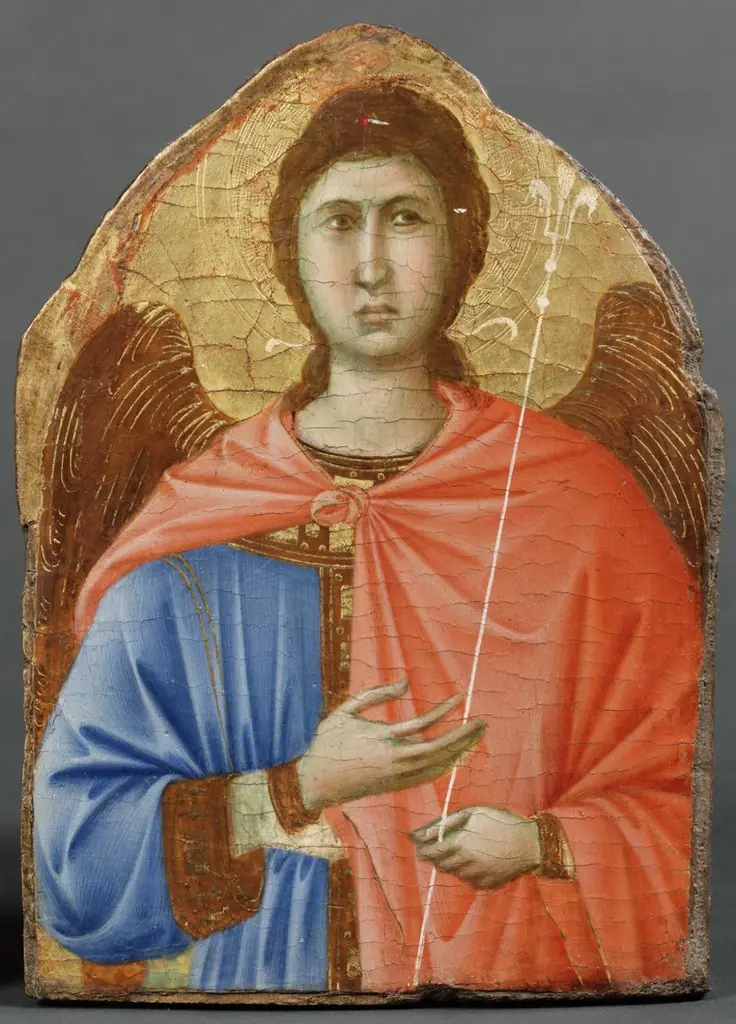 Archangel
 Standing Saint
 Saint in Red Cloak