Artwork
Madonna and Child
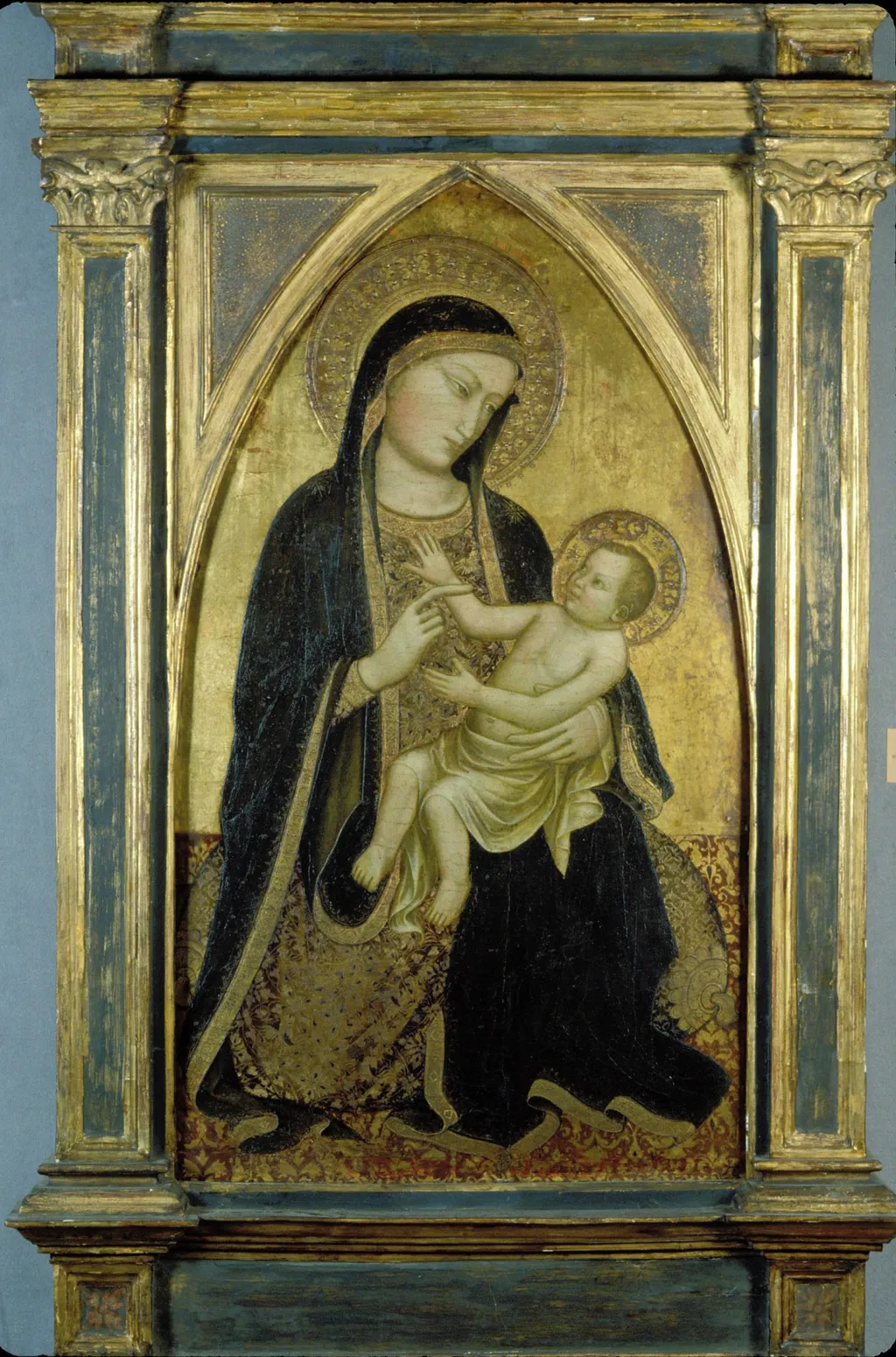
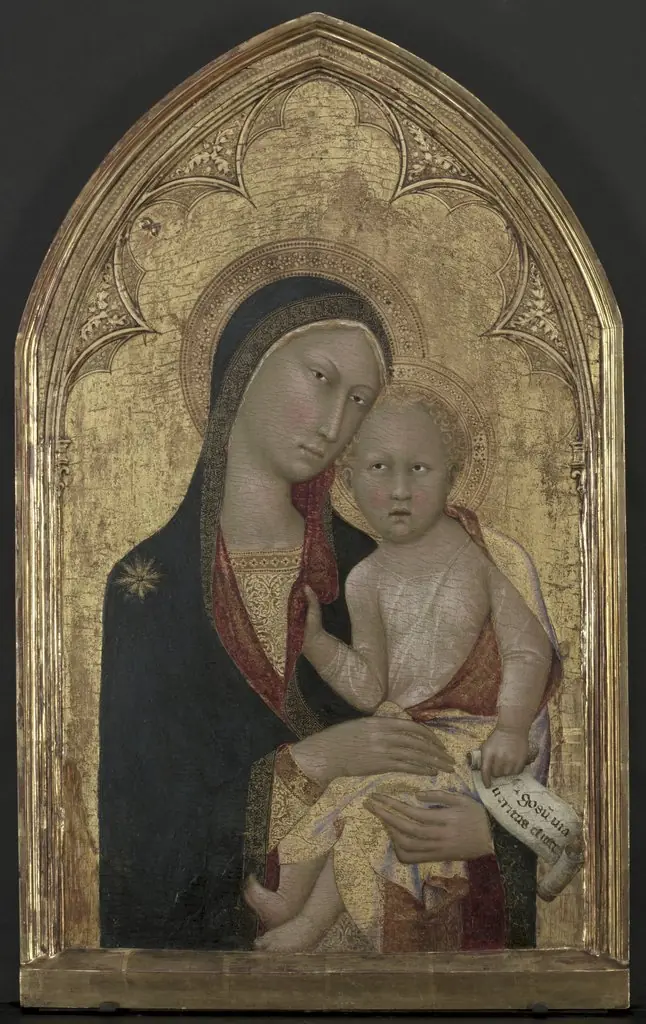
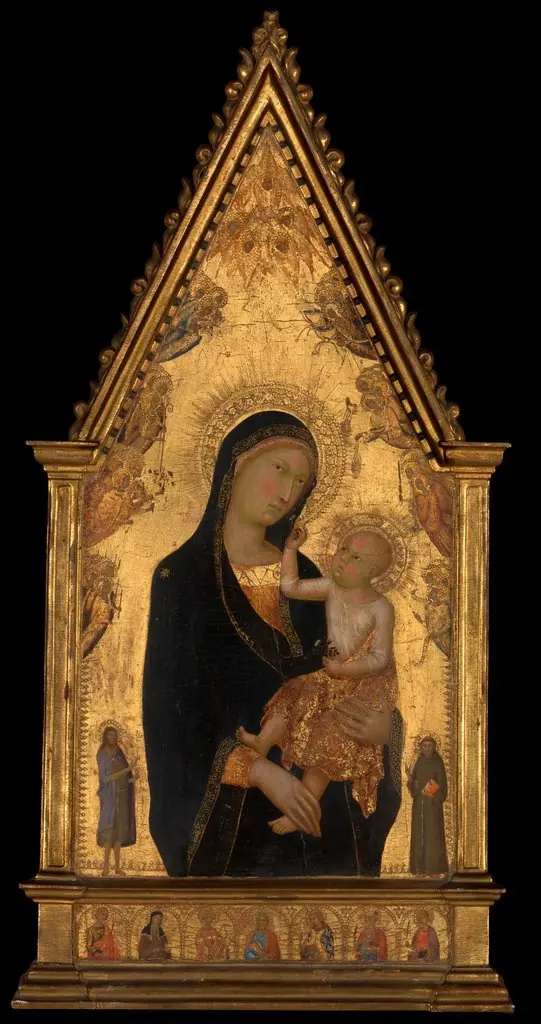
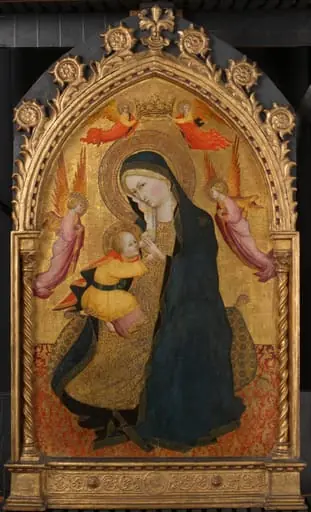
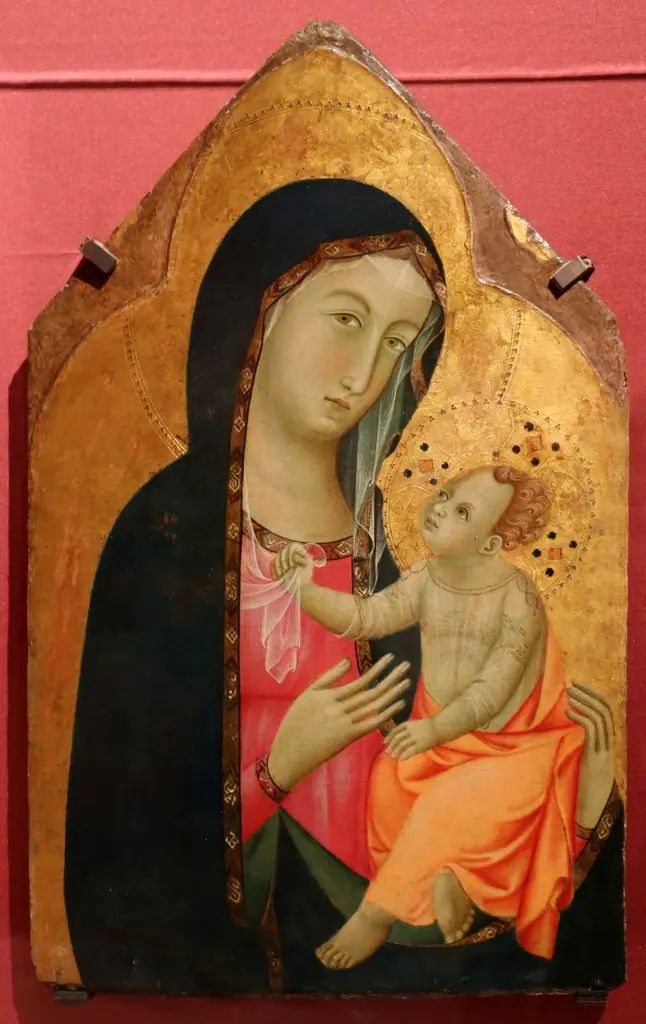
Madonna and Child is an unspecified painting by the Italo Byzantine artist Mariotto di Nardo. It dates from 1419 and is held in the collection of the Detroit Institute of Arts.
About this work
Subject & Meaning
These symbolic elements convey themes of protection, sacrifice, and the theological connection between the maternal figure and the redemptive role of Christ.
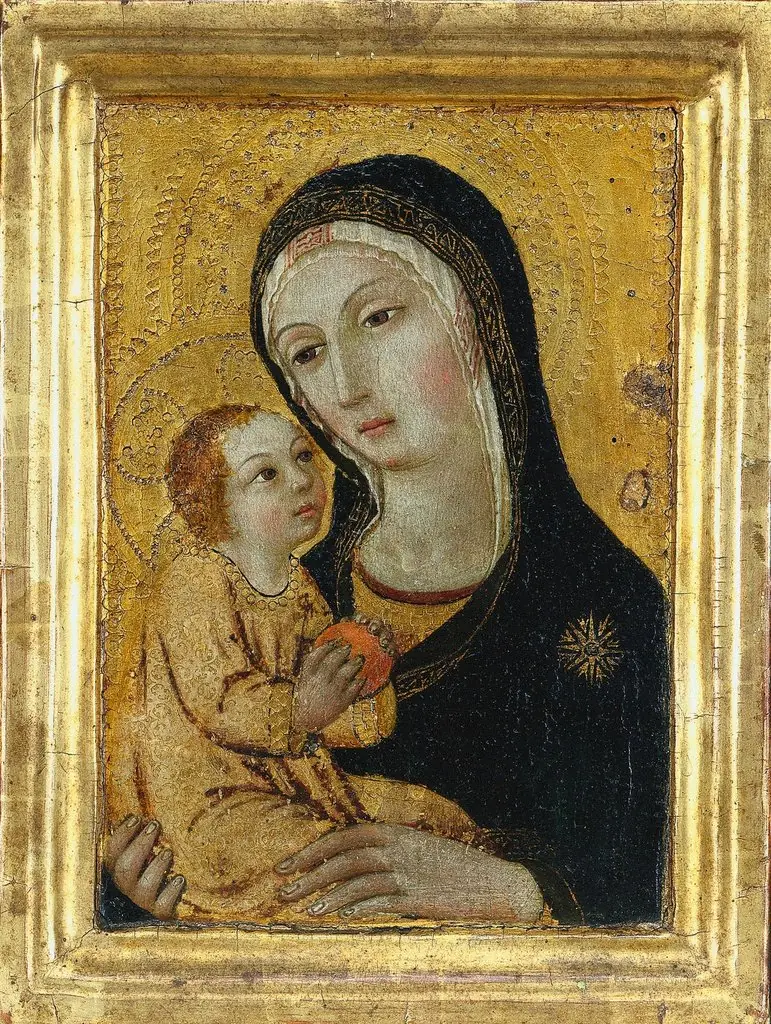
The painting portrays the Virgin Mary cradling the infant Jesus, a standard iconographic pairing in Christian religious art symbolizing divine motherhood and the incarnation. Mary is shown in a blue mantle over a red dress, colors traditionally associated with heaven and sacrificial love, while the Christ Child holds a goldfinch, a bird linked to the Passion and resurrection. These symbolic elements convey themes of protection, sacrifice, and the theological connection between the maternal figure and the redemptive role of Christ. The composition emphasizes intimate domestic tenderness within a sacred context, reflecting devotional practices of the period.
The work measures 88.3 cm in height and 50.8 cm in width, and is housed in the collection of the Detroit Institute of Arts.
History & Provenance
The painting is housed in the collection of the Detroit Institute of Arts in Detroit, Michigan, with an accession number recorded in the museum’s records. It has been part of the institution’s permanent display since its acquisition, featured in exhibitions highlighting Renaissance religious art and Italian paintings from the 15th century.
The work measures 88.3 cm in height and 50.8 cm in width.
Overview
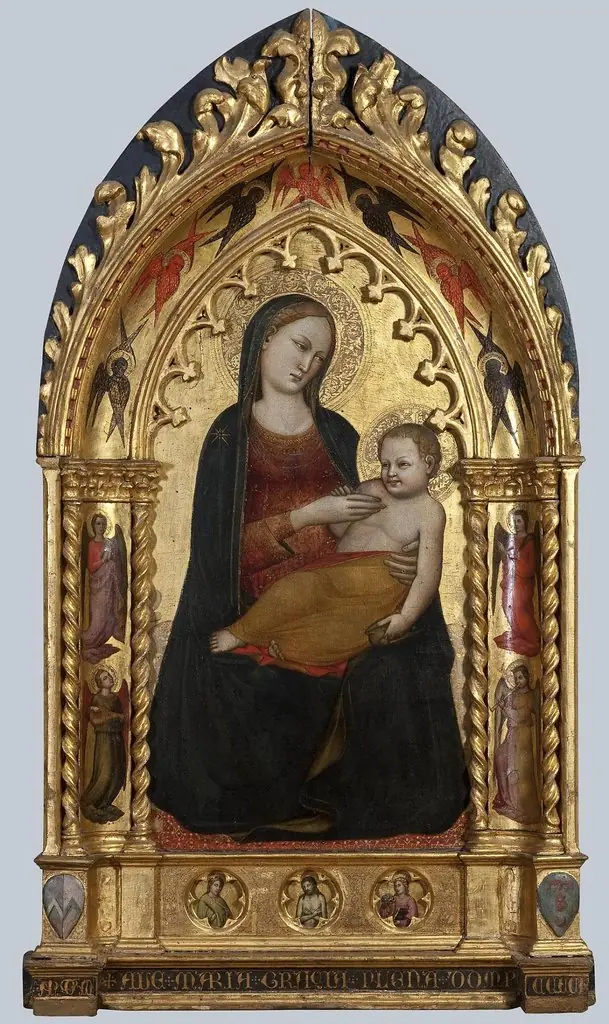
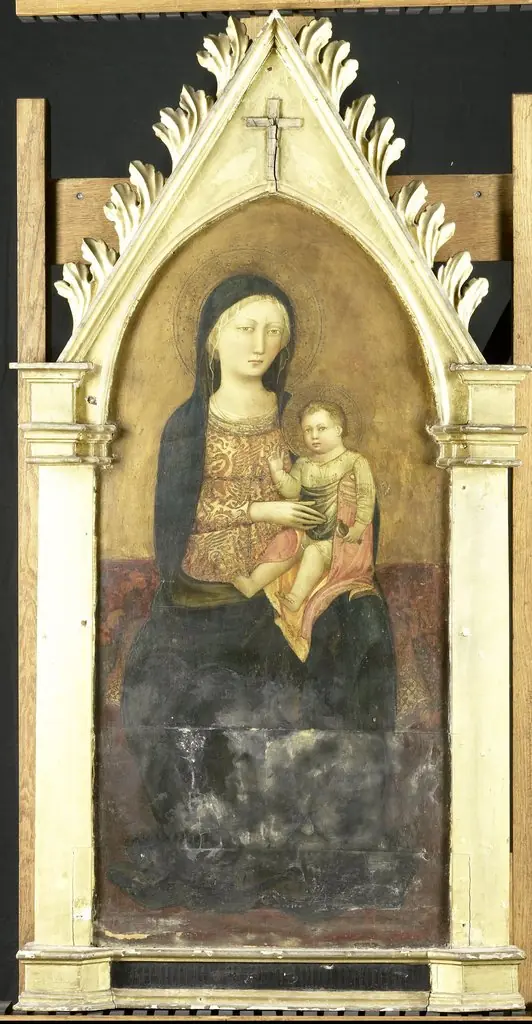
Madonna and Child is a painting created around 1419 by Mariotto di Nardo, a Florentine Gothic artist. The work features the Virgin Mary holding the Christ Child, characterized by their golden halos and set against a gilded arch background with blue and green accents. The painting is now part of the collection at the Detroit Institute of Arts.
Technique & Style
Executed in the Florentine Gothic style with italo-Byzantine influences, the painting incorporates gold leaf, evident in the halos and the golden arch background. The detailed, patterned robe and the intricate wooden frame with carvings further reflect the stylistic and technical choices of the artist.
Context
Created during the early 15th century, this work reflects the transitional period in Florentine art, blending traditional Byzantine elements with emerging Gothic styles. The subject matter and style would have been familiar and revered by the contemporary religious and noble audiences in Florence.
Legacy
While specific direct influences of Madonna and Child by Mariotto di Nardo are not widely documented, the work contributes to the broader legacy of Florentine Gothic art, illustrating the evolution of religious iconography during the period. Its preservation in a major museum facilitates ongoing study and appreciation of early 15th-century Italian art.
Own this work as a print
Artist & collection
Artist
Mariotto di Nardo di Cione (fl. 1388–1424) was a Florentine painter in the Florentine Gothic style. He worked at the Duomo of Florence, the church of Santa Maria Maggiore, and the Orsanmichele. He created both frescoes…

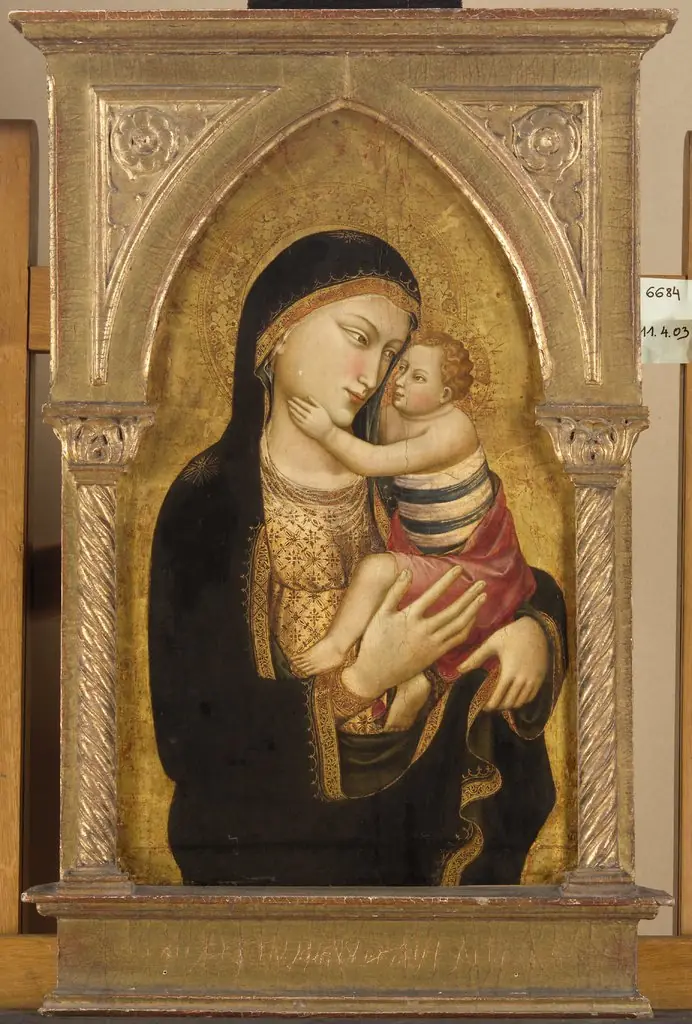 Maria mit Kind
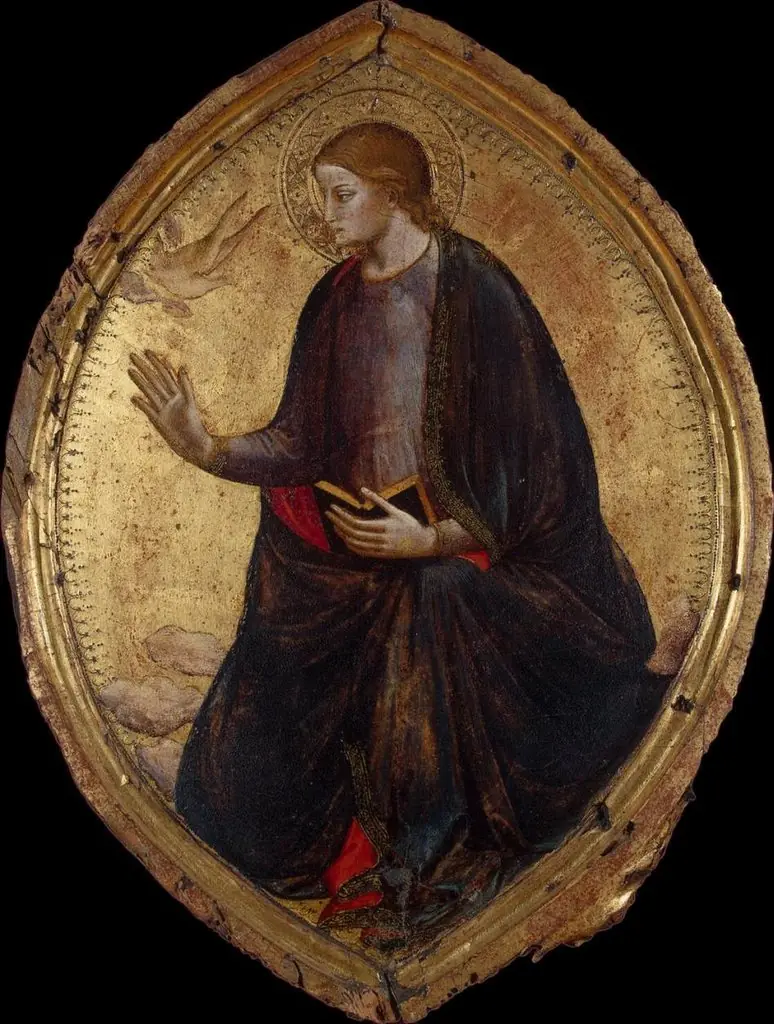 Madonna from the Annunciation Scene
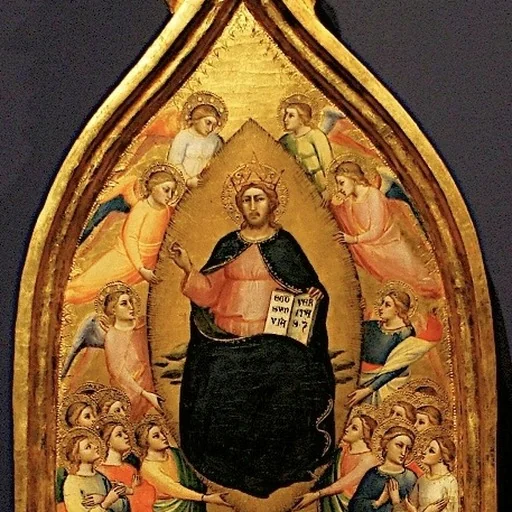
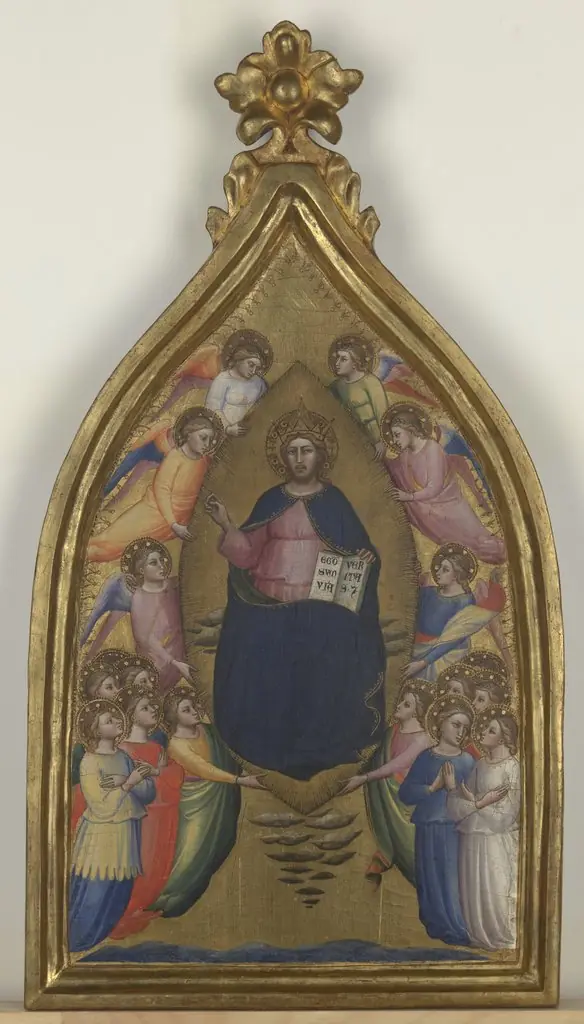 Christ Enthroned Within a Mandorla
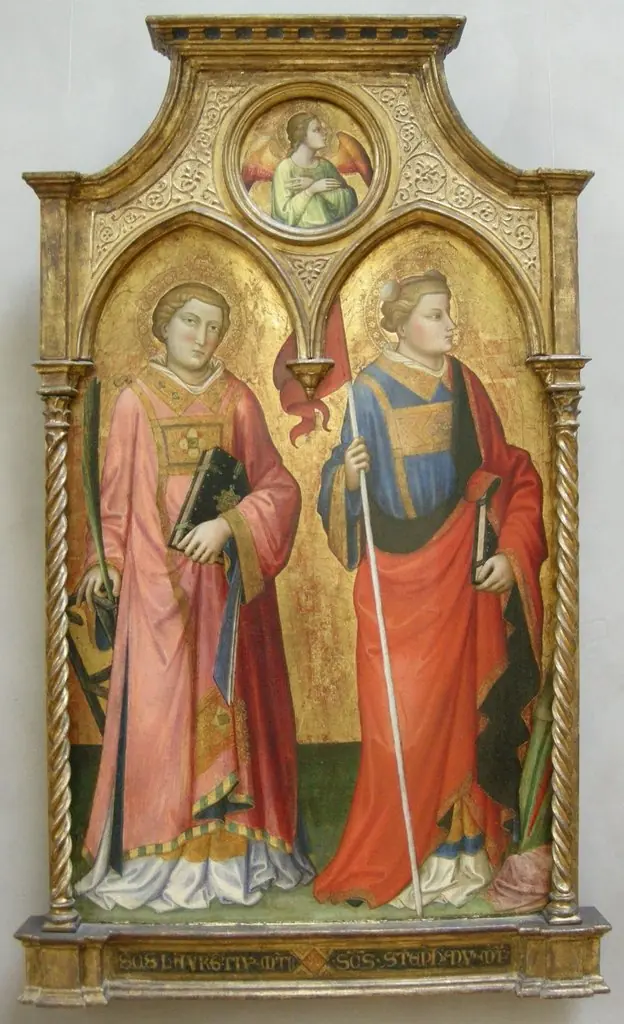 Saints Lawrence and Stephen
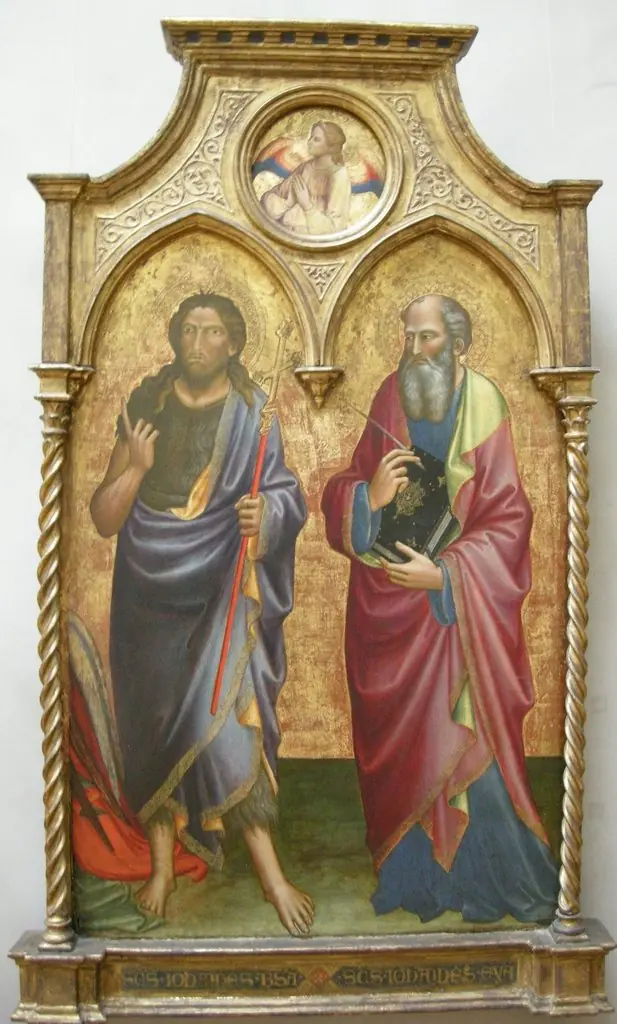 Saints John the Baptist and John the Evangelist
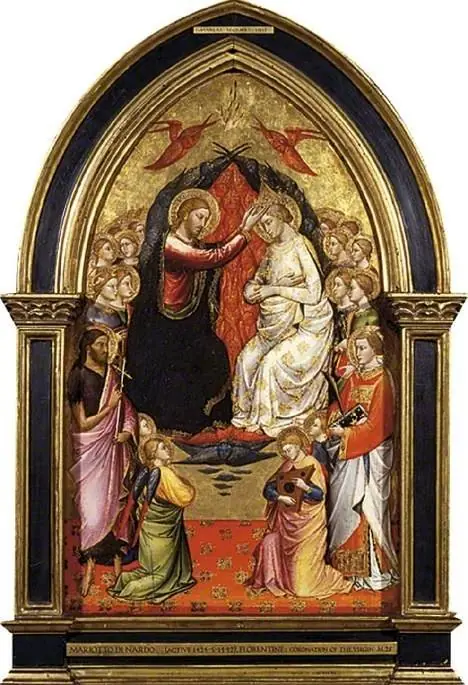 The Coronation of the Virgin
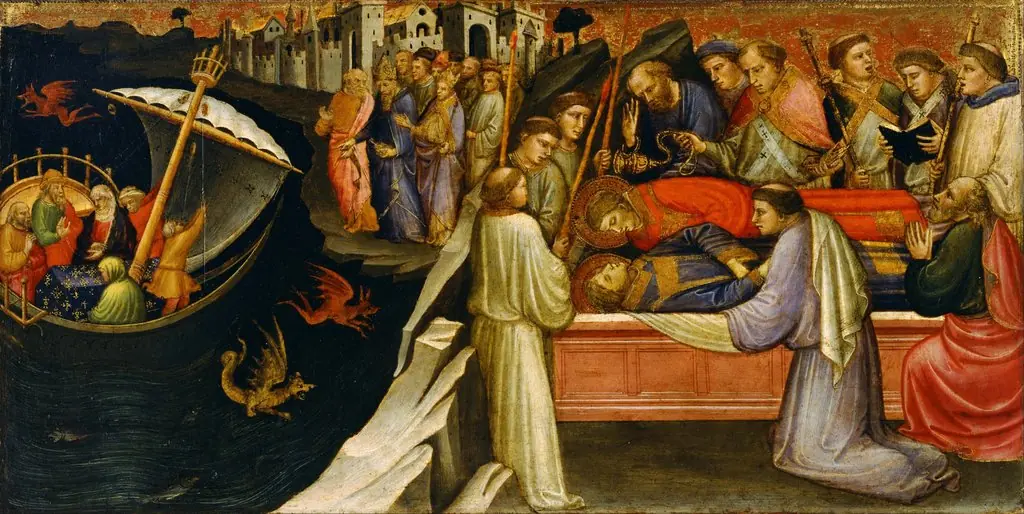 Predella Panel Representing the Legend of St. Stephen: Devils Agitating the Sea as Giuliana Transports the Body of St. Stephen from Jerusalem to Constantinople
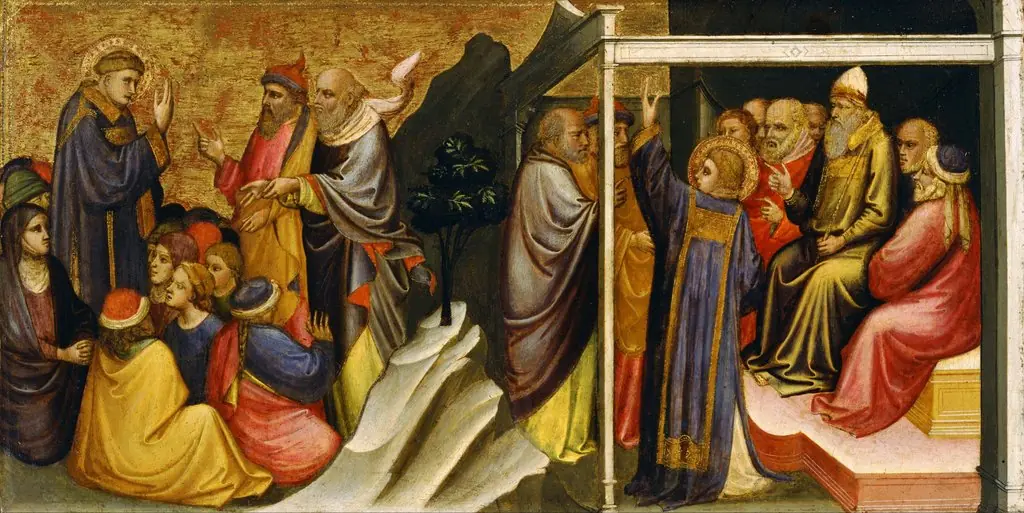 Predella Panel Representing the Legend of St. Stephen: St. Stephen Preaching