Artwork
Self portrait of Louis-Leopold Boilly (1761-1845)
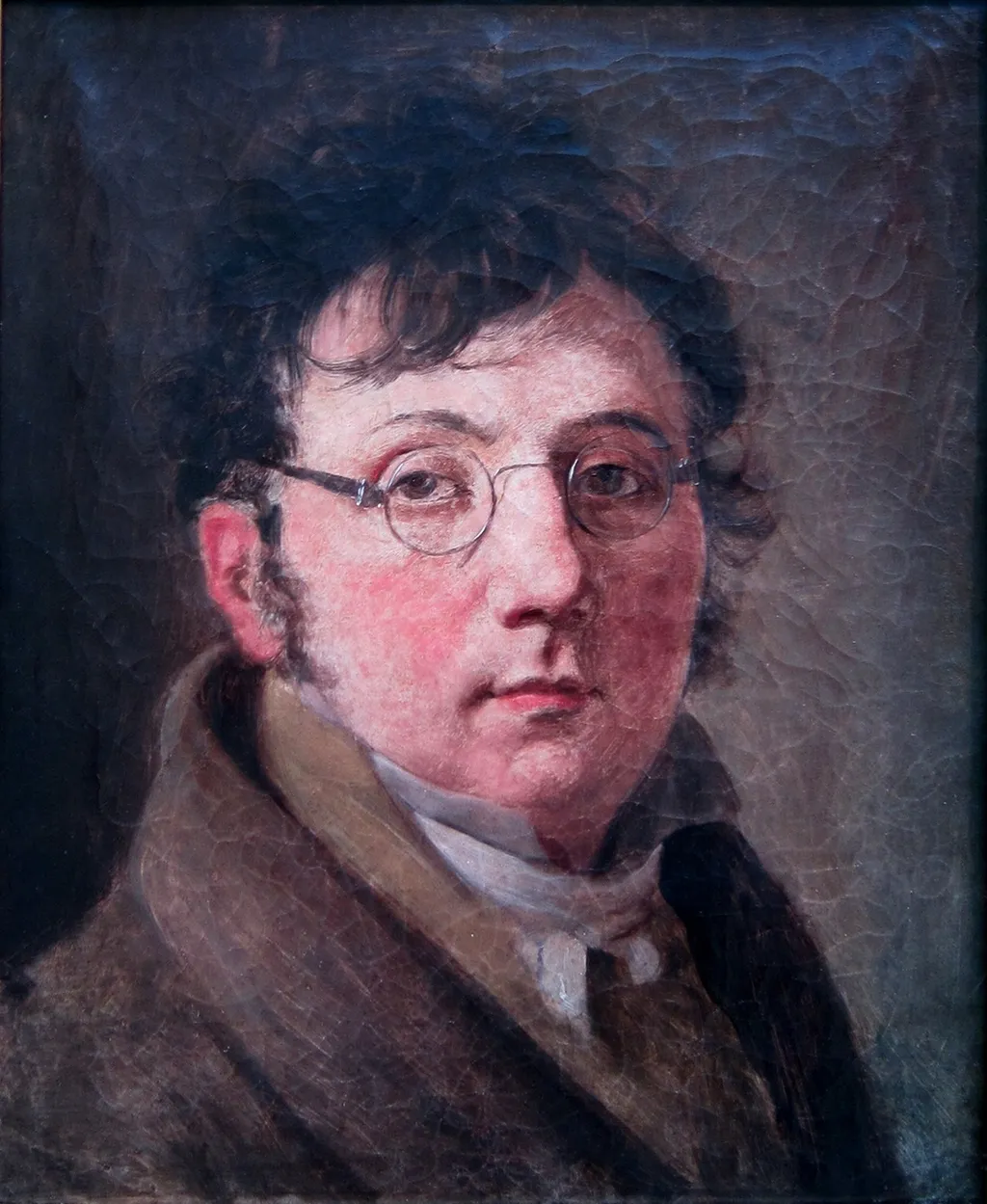
Self portrait of Louis-Leopold Boilly (1761-1845) is an oil painting by Louis-Léopold Boilly. It dates from 1805 and is held in the collection of the Palace of Versailles.
About this work
Overview
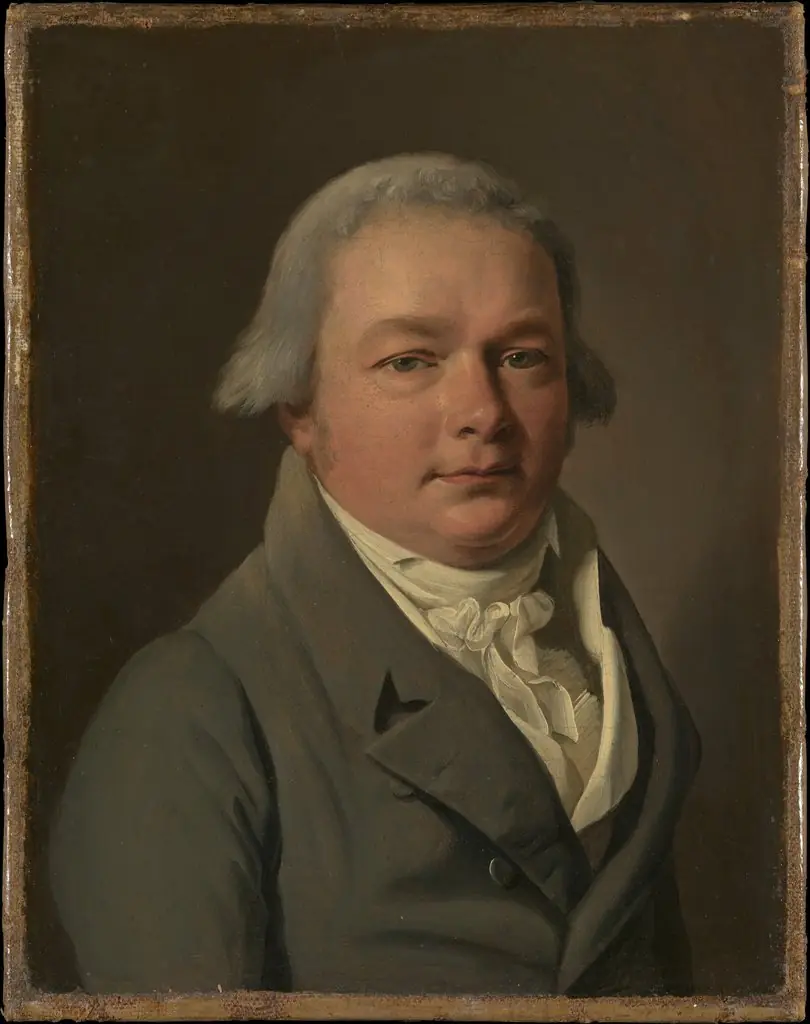
The composition centers on the artist’s face and upper torso, set against a muted, shadowed background that isolates him from any contextual details.
Painted in 1805, this oil on canvas work is a self-portrait by Louis-Léopold Boilly, depicting the artist at mid-career. It is part of the collection at the Palace of Versailles. The composition centers on the artist’s face and upper torso, set against a muted, shadowed background that isolates him from any contextual details. The tone is restrained, emphasizing quiet self-reflection over theatrical display.
Subject & Meaning
Boilly presents himself without embellishment: a middle-aged man in ordinary attire, wearing round spectacles and a dark coat over a white collar. His gaze, directed slightly off-canvas, suggests contemplation rather than engagement with the viewer. The absence of symbolic objects or grandeur implies an emphasis on personal identity over social status, aligning with emerging ideals of individuality in early 19th-century France.
Technique & Style
The painting employs precise brushwork and subtle chiaroscuro to model the contours of the face and fabric, lending a tangible presence to the figure. The dark background enhances the luminosity of the skin and shirt, focusing attention on the eyes and glasses. Rendered with academic discipline, the style reflects Boilly’s training in classical portraiture, yet avoids idealization in favor of unvarnished observation.
History & Provenance
Acquired by the French state during the 19th century, the portrait entered the collection of the Palace of Versailles, where it remains today. Its preservation within a royal residence underscores Boilly’s recognized standing among French artists of his time, despite his focus on genre scenes and everyday life rather than historical or aristocratic subjects.
Context
Created during the Consulate period, the portrait reflects a cultural shift toward introspective self-representation among artists. Unlike earlier royal portraits, Boilly’s image rejects grandeur in favor of quiet dignity. His choice to depict himself with spectacles, a sign of intellectual labor, aligns with broader Enlightenment values that elevated the artist as thinker rather than mere craftsman.
Legacy
Boilly’s self-portrait stands as a quiet testament to the evolving role of the artist in post-revolutionary France. It influenced later realist painters who sought to portray their subjects with psychological nuance and unadorned honesty. Though not widely exhibited, the work remains a key example of early 19th-century French portraiture that prioritized authenticity over spectacle.
Own this work as a print
Artist & collection
Artist
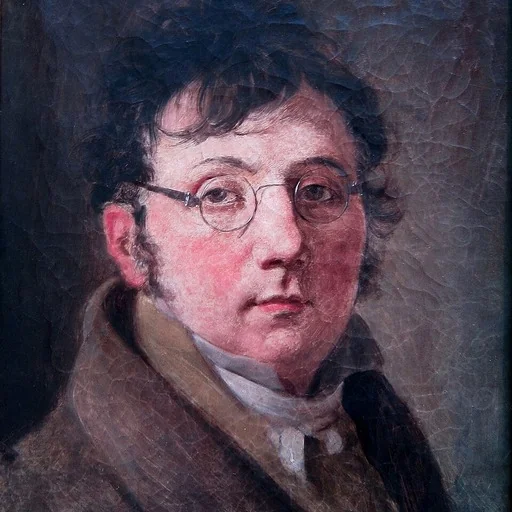
Louis-Léopold Boilly was a French painter and draftsman. A creator of popular portrait paintings, he also produced a vast number of genre paintings documenting French middle-class social life. His life and work spanned…